





.webp)




How Parks Are Quietly Upgrading Wastewater Infrastructure with Containerized Systems
Walk through a modern public park and most people notice the trees, walking paths, playgrounds, and open space. What they usually do not notice is the infrastructure working behind the scenes to keep those environments clean and sustainable.
Across North America, more parks and outdoor public spaces are beginning to rethink how wastewater is managed—especially in areas where traditional underground infrastructure is difficult, expensive, or environmentally disruptive to expand.
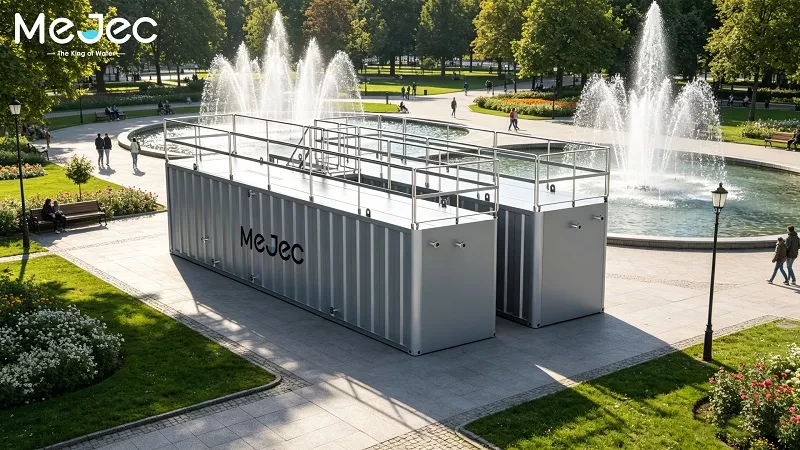
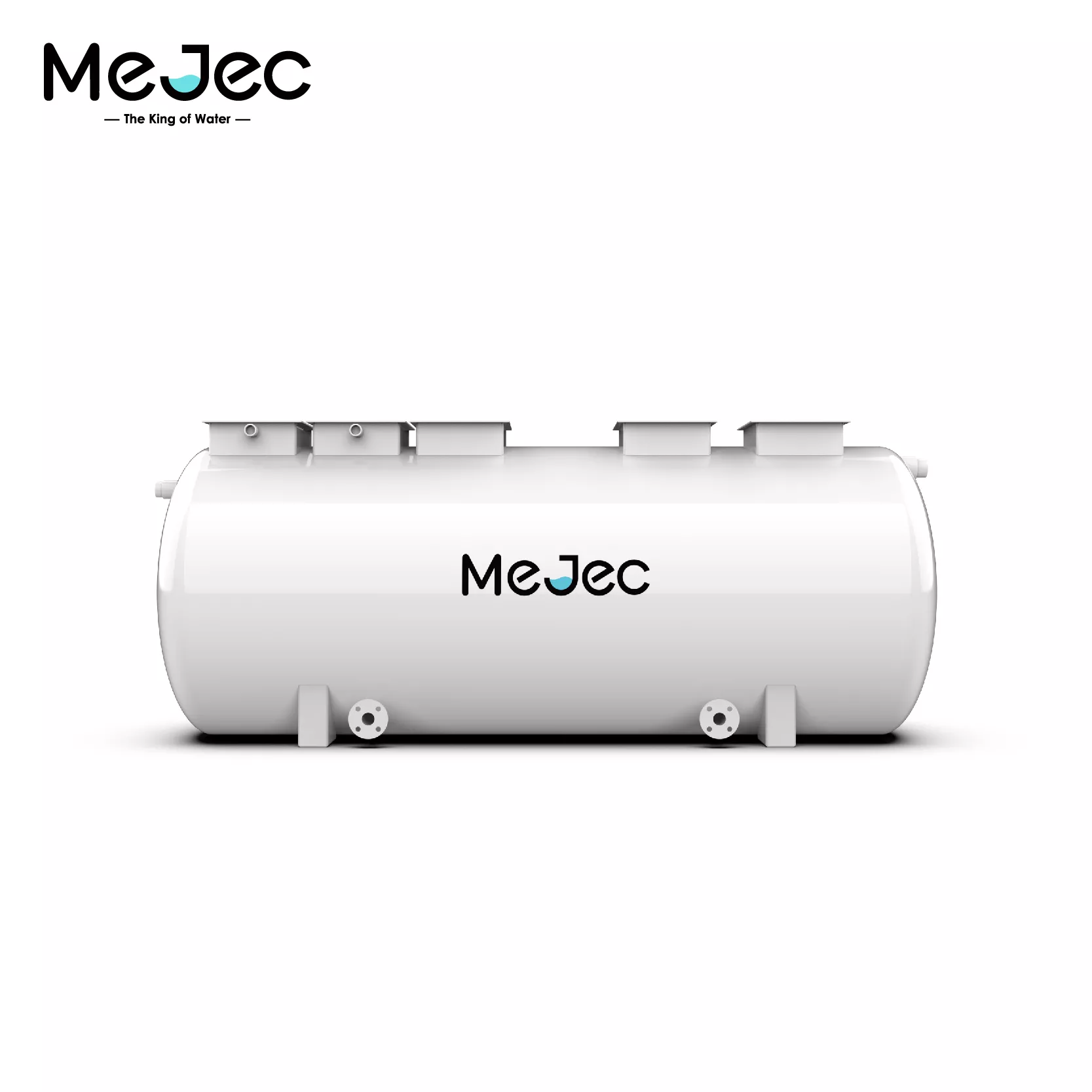
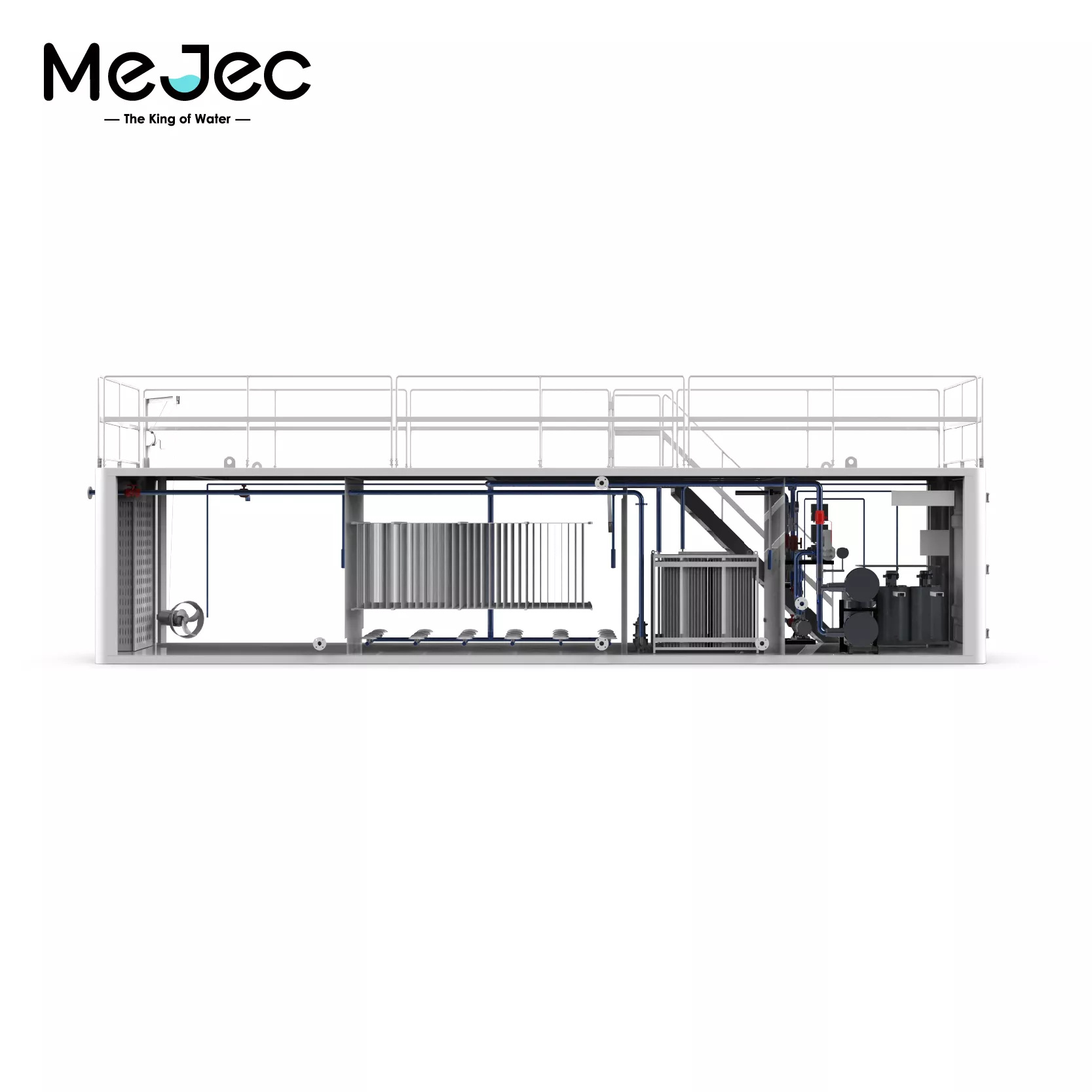
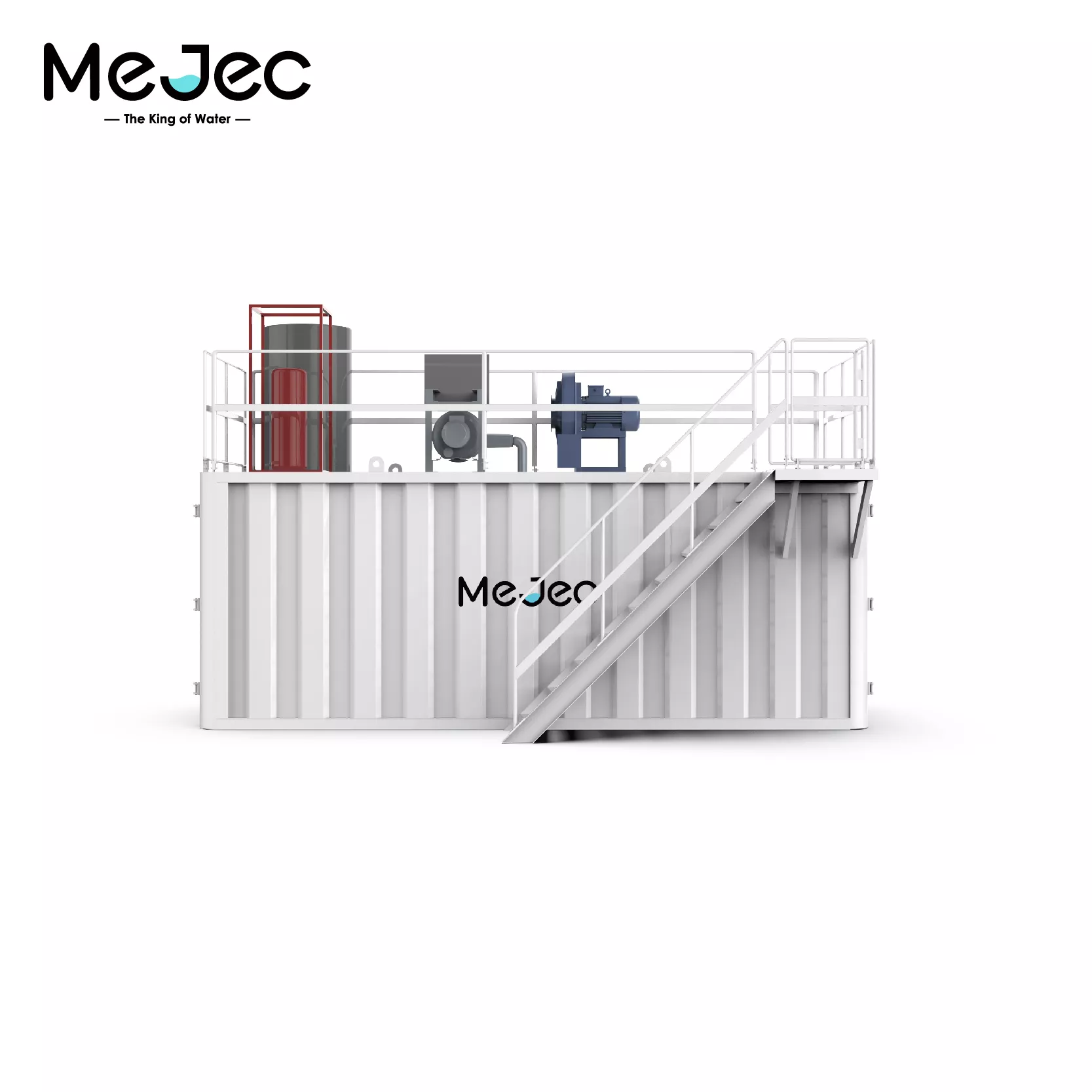
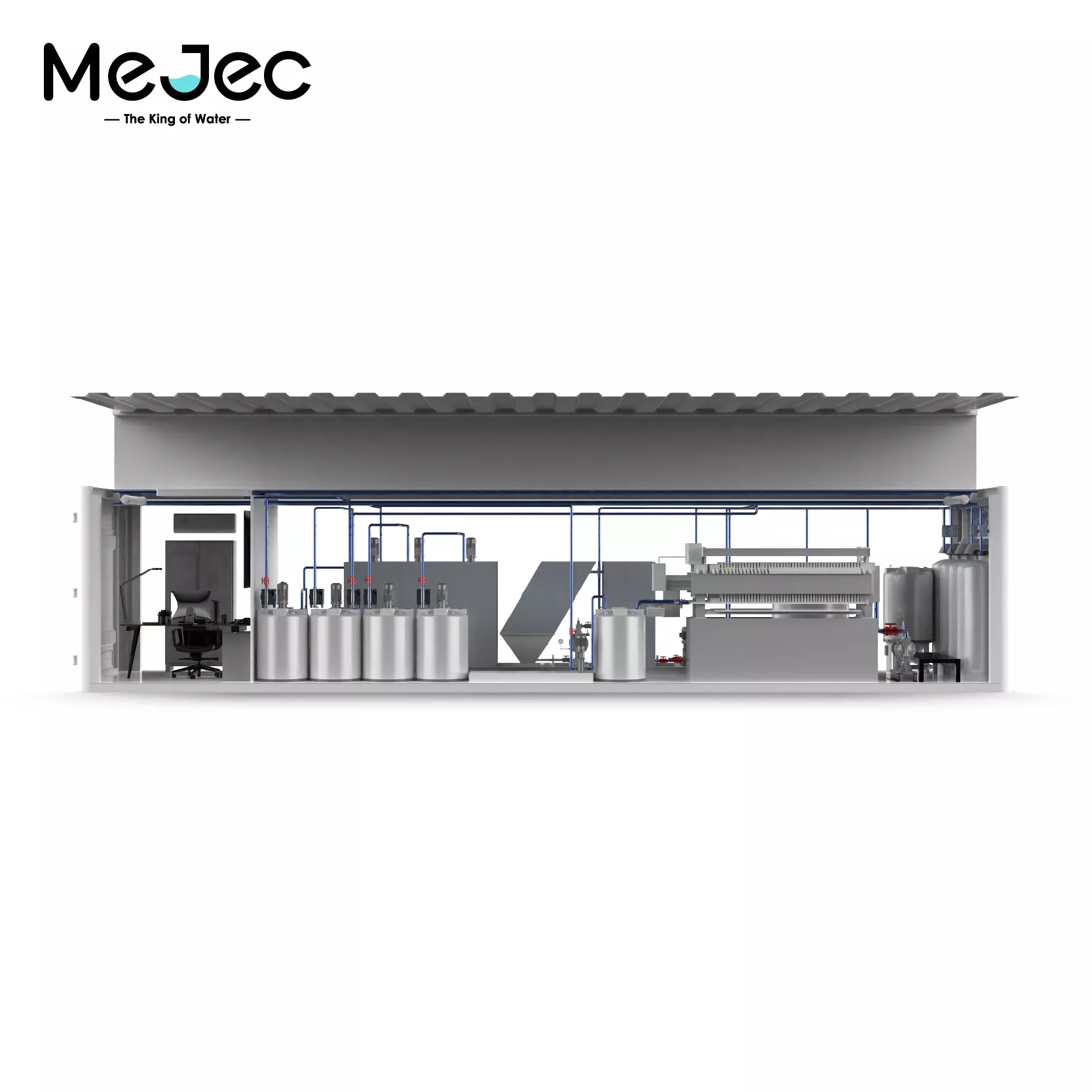
That shift is creating new opportunities for Mejec containerized wastewater treatment systems.
Infrastructure That Fits the Environment
Public parks present a unique challenge for wastewater treatment. Facilities such as public restrooms, visitor centers, cafés, and recreational areas generate daily wastewater, but large concrete treatment stations often conflict with both the landscape and the visitor experience.
Containerized systems offer a different approach.
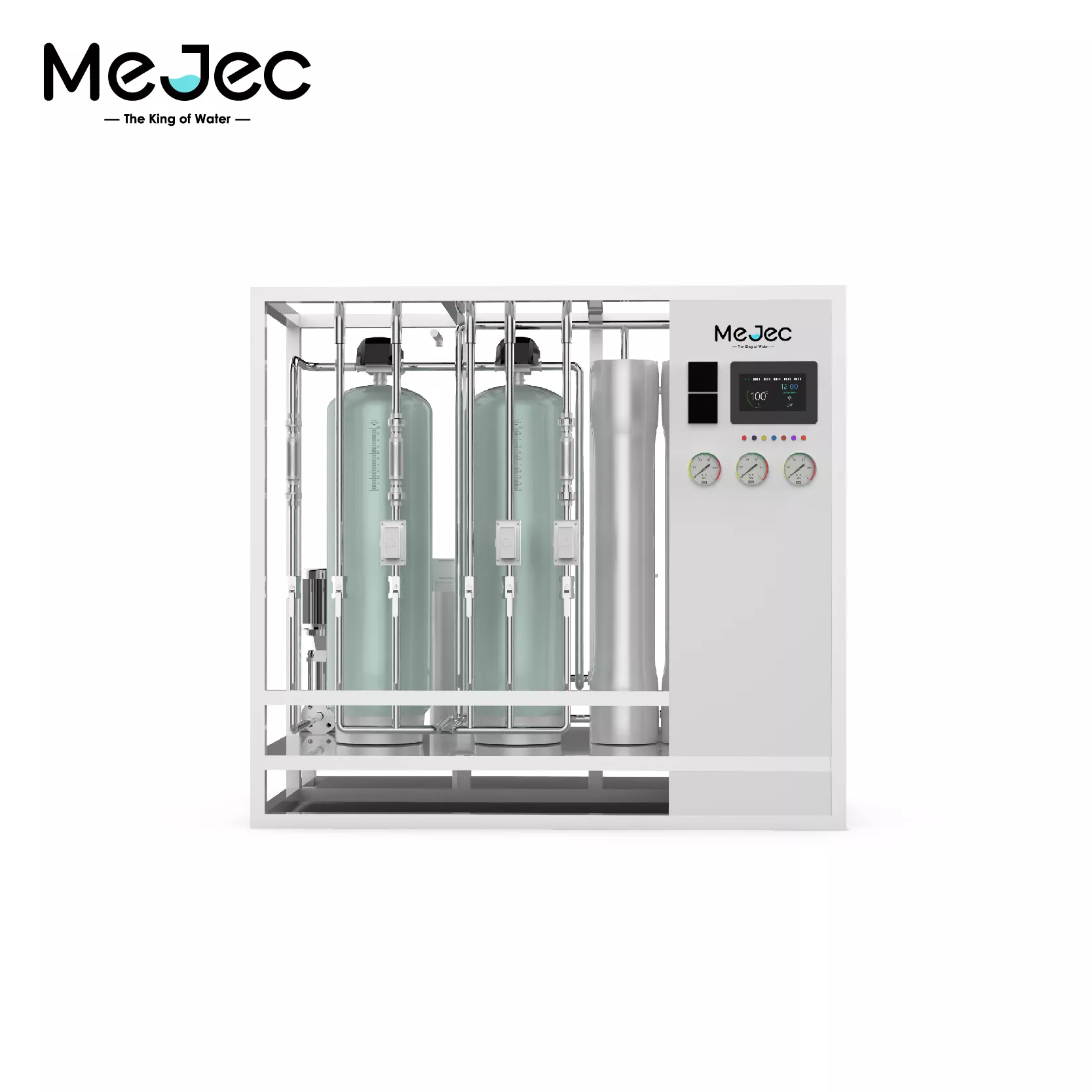
By using modular packaged equipment, parks can install decentralized wastewater treatment capacity with:
Reduced construction impact
Faster deployment timelines
Smaller visible infrastructure footprint
Easier integration into outdoor environments
Built for Public-Space Operations
Unlike industrial sites, public parks require systems that operate quietly and reliably without affecting the surrounding atmosphere.
Mejec’s containerized wastewater solutions are designed to support stable treatment performance while remaining practical for public-use environments where aesthetics, environmental protection, and operational simplicity all matter.
Supporting Sustainable Public Spaces
As sustainability standards continue to evolve across North America, wastewater treatment is becoming part of the broader conversation around smarter public infrastructure.
For many parks and recreational developments, decentralized containerized systems provide a practical way to support environmental goals while maintaining flexible infrastructure planning.
The result is infrastructure that does its job quietly in the background—helping keep public spaces cleaner, more sustainable, and ready for long-term use.