


.webp)


How to choose the best commercial water dispensers for restaurants
Find the best commercial water dispenser for your ...
More


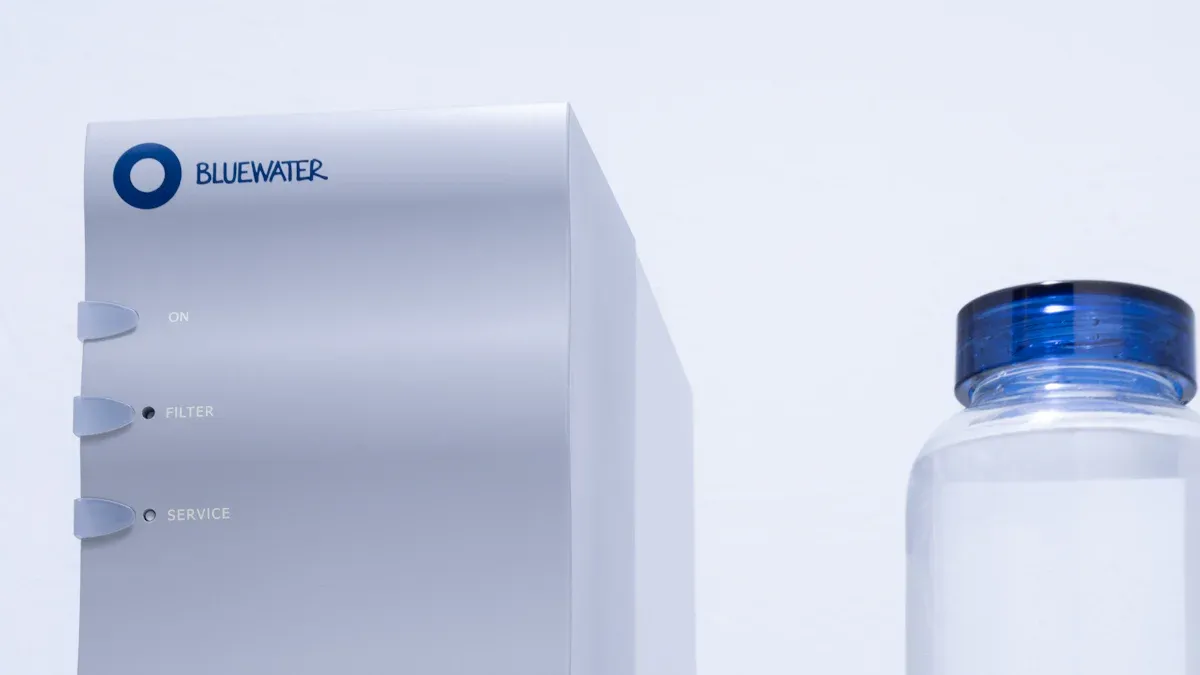
Finding a good water dispenser means convenient access to clean water. You have important choices ahead. First, decide between a bottled system or a bottleless model connected to your water line. Next, determine if a freestanding or compact countertop unit fits your space. Finally, identify essential features like hot/cold temperatures and safety locks.
Choose between bottled or bottleless water dispensers. Bottled units are simple to set up. Bottleless units connect to your water line for endless filtered water.
Pick a dispenser type that fits your space. Freestanding models are for large areas. Countertop models save floor space.
Look for important features. Consider temperature options, good filtration, safety locks, and fast water flow.
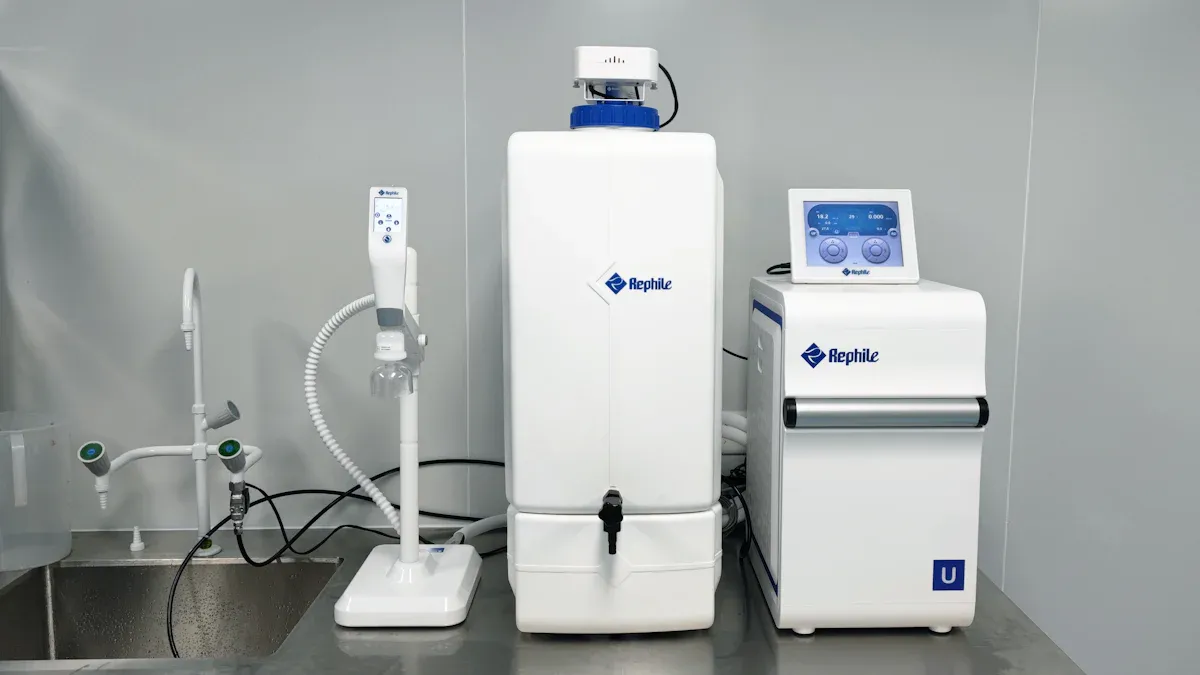
Your first big decision is choosing how the dispenser gets its water. You have two main paths. You can use a bottled system with large, replaceable jugs. Or, you can choose a bottleless model that connects to your home's water line. Each option has its own benefits and costs. Let's look at them closely so you can find the right fit.
Bottled water dispensers are a classic choice for many homes and offices. You simply place a large 3- or 5-gallon bottle of water on the unit. These dispensers are easy to set up because they do not need any plumbing. You just plug them into an electrical outlet.
Here are the main advantages and disadvantages you should consider:
Pros:
You can install them almost anywhere with a power outlet.
They are user-friendly and simple to operate.
They provide instant hot and cold water.
The water you use is often pre-filtered by the bottling company.
Cons:
You must lift heavy water bottles, which can weigh over 40 pounds.
Your access to water depends on having full bottles ready.
You need space to store the large, empty, and full water bottles.
These units require regular cleaning to stay fresh.
You will find two common types of bottled dispensers: top-loading and bottom-loading. A top-loading model requires you to lift and flip the heavy bottle onto the dispenser. A bottom-loading model lets you slide the bottle into a cabinet at the base, which is much easier.
This table helps you compare the two styles:
| Feature | Top-Loading Dispenser | Bottom-Loading Dispenser |
|---|---|---|
| Loading Style | You place the water bottle on top of the unit. | You place the water bottle in the base of the unit. |
| Effort | Requires lifting a heavy bottle, which can cause spills. | Much easier to load with no heavy lifting. |
| Appearance | The water bottle is visible. | The bottle is hidden inside a cabinet for a cleaner look. |
| Cost | Typically less expensive to purchase. | Typically more expensive to purchase. |
The upfront cost for a bottled dispenser is usually low. However, you must also plan for the recurring cost of buying water.
| Item Description | Average Price |
|---|---|
| Full-sized Hot and Cold Bottled Water Coolers | from $265.00 |
| Full-sized Room Temp and Cold Bottled Cooler | $189.00 |
| Hot/Cold White B7A Cooler | $205.00 |
Note: While the dispenser itself is affordable, remember to budget for buying new water bottles. A 5-gallon bottle can cost between $3 and $6, plus any delivery fees.
Finally, you should know about common maintenance issues. If you face a problem, it is often one of these:
Dispenser not chilling: The water comes out at room temperature.
Dispenser not heating: The hot water tap gives you cold water.
No water coming out: The dispenser is empty or has an airlock.
Water tastes funny or smells weird: The dispenser needs a deep cleaning.
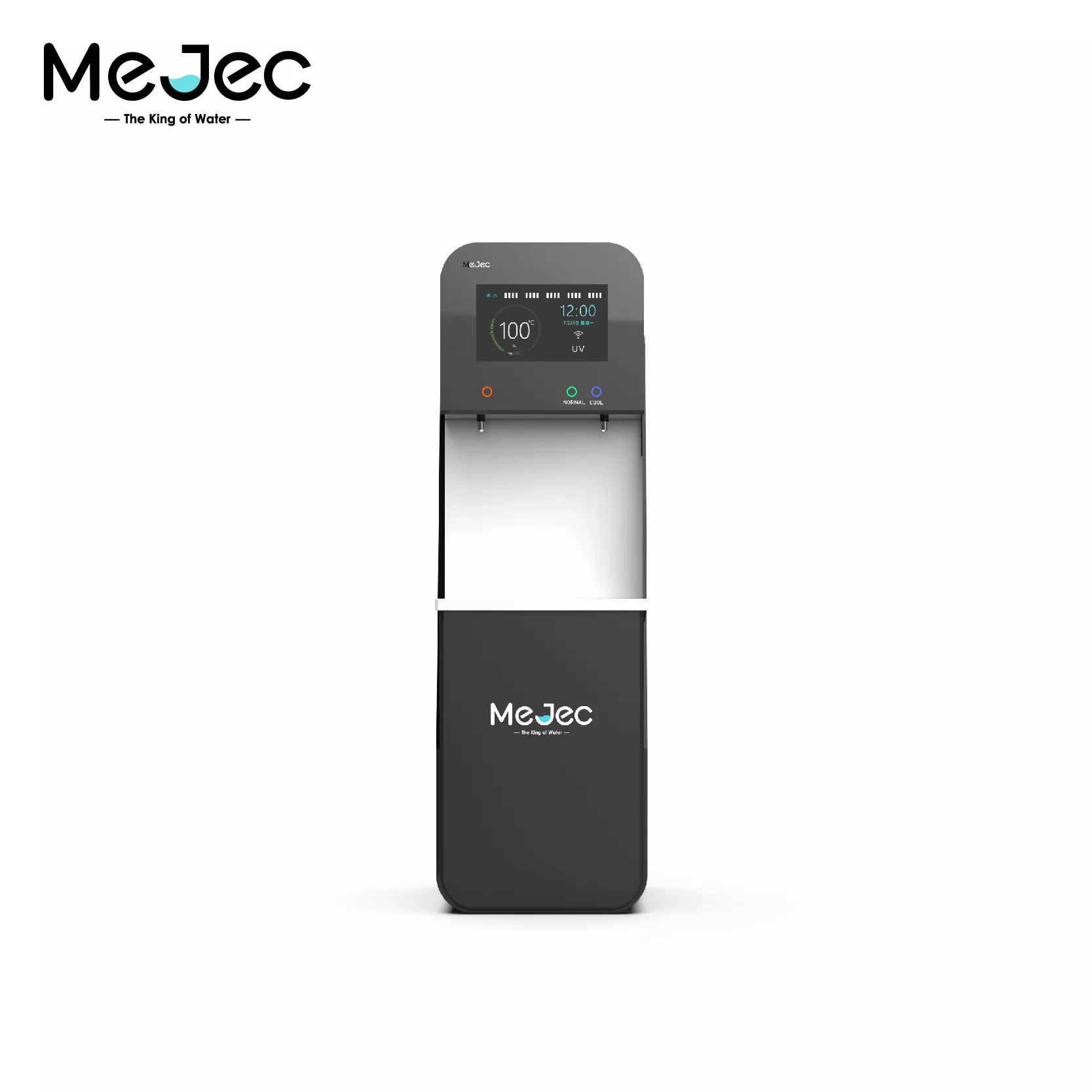
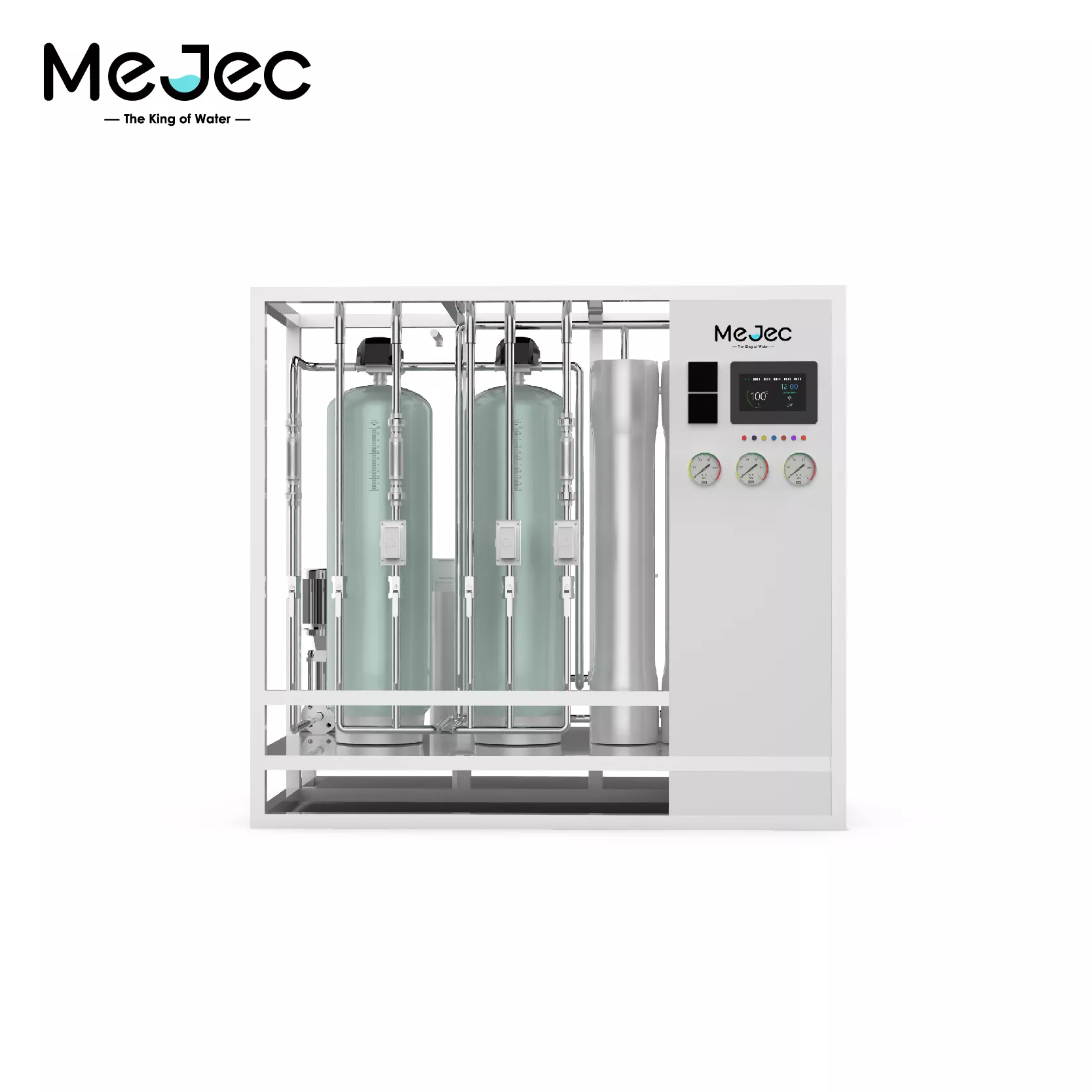
Bottleless dispensers, also called point-of-use (POU) systems, offer a different approach. These machines connect directly to your building's water line. They act like a mini water treatment plant for your home or office. You get an endless supply of filtered water without ever needing to replace a bottle.
One of the biggest advantages is the positive environmental impact. 🌎 You completely eliminate the need for plastic bottles. This reduces plastic waste and cuts down on carbon emissions from delivery trucks. Bottleless systems also protect you from chemicals like BPA, which can sometimes be found in plastic bottles.
These dispensers use advanced filtration technology to purify your tap water on-site. Common filtration types include:
Sediment Filter: Removes larger particles like rust and dirt.
Activated Carbon Filter: Absorbs chlorine and removes bad tastes and odors.
Reverse Osmosis (RO): Uses a special membrane to eliminate harmful contaminants like lead, mercury, and asbestos.
UV Sterilization: Uses ultraviolet light to kill bacteria and viruses.
The initial cost of a bottleless dispenser is higher. You pay for the equipment and professional installation, which can range from $500 to $1,500. However, your long-term costs are much lower. After the initial investment, you can save 30% to 50% compared to buying bottled water. If you use more than ten gallons a week, the system often pays for itself in 18 to 36 months.
This table shows a clear cost comparison over time:
| Feature | Bottled Systems | Bottleless Systems |
|---|---|---|
| Upfront Investment | Lower ($50–$200 purchase) | Higher ($500–$1500 for equipment + installation) |
| Recurring Costs | High (Bottle purchases, delivery fees) | Low (Filter replacements, lower utility bills) |
| Long-term Cost | Higher due to recurring purchases | Lower after the initial investment is paid off |
| Convenience | You must store and lift heavy bottles. | You get an endless supply of filtered water. |
Choosing a bottleless dispenser is an investment in convenience, savings, and sustainability.
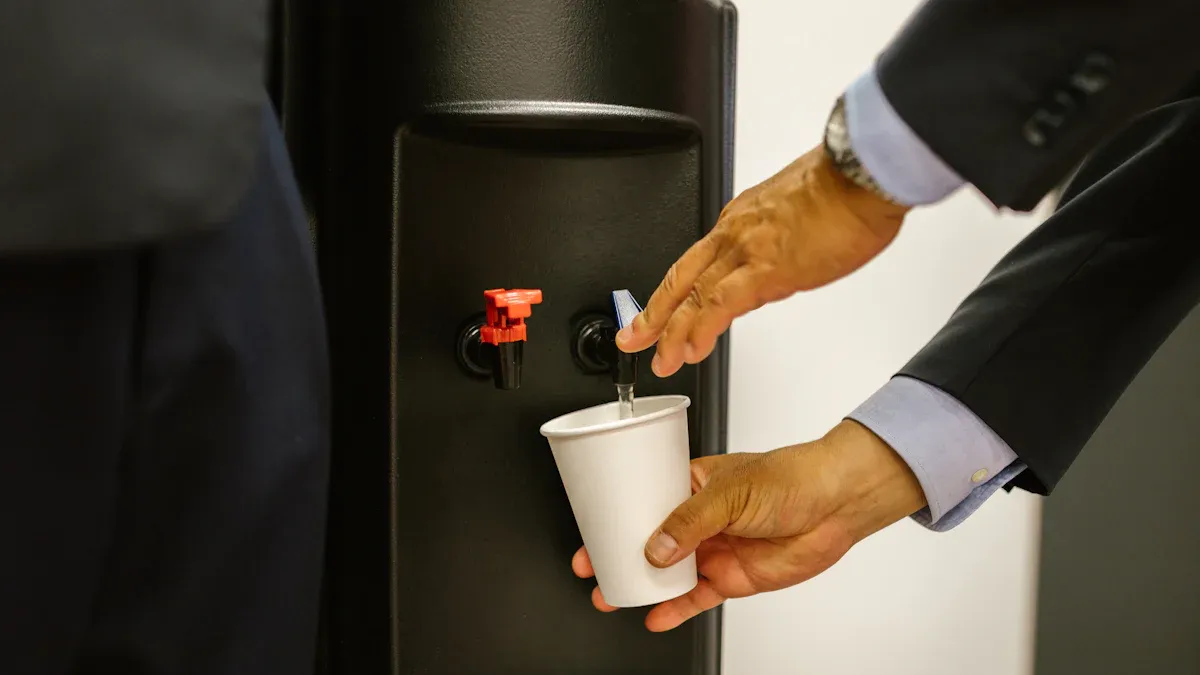
After you decide on a water source, your next step is to choose a dispenser style that fits your home or office. You need to think about your available space. Water dispensers come in two main physical types: freestanding and countertop. Each one is designed for a different environment. Measuring your space first will help you make the right choice.
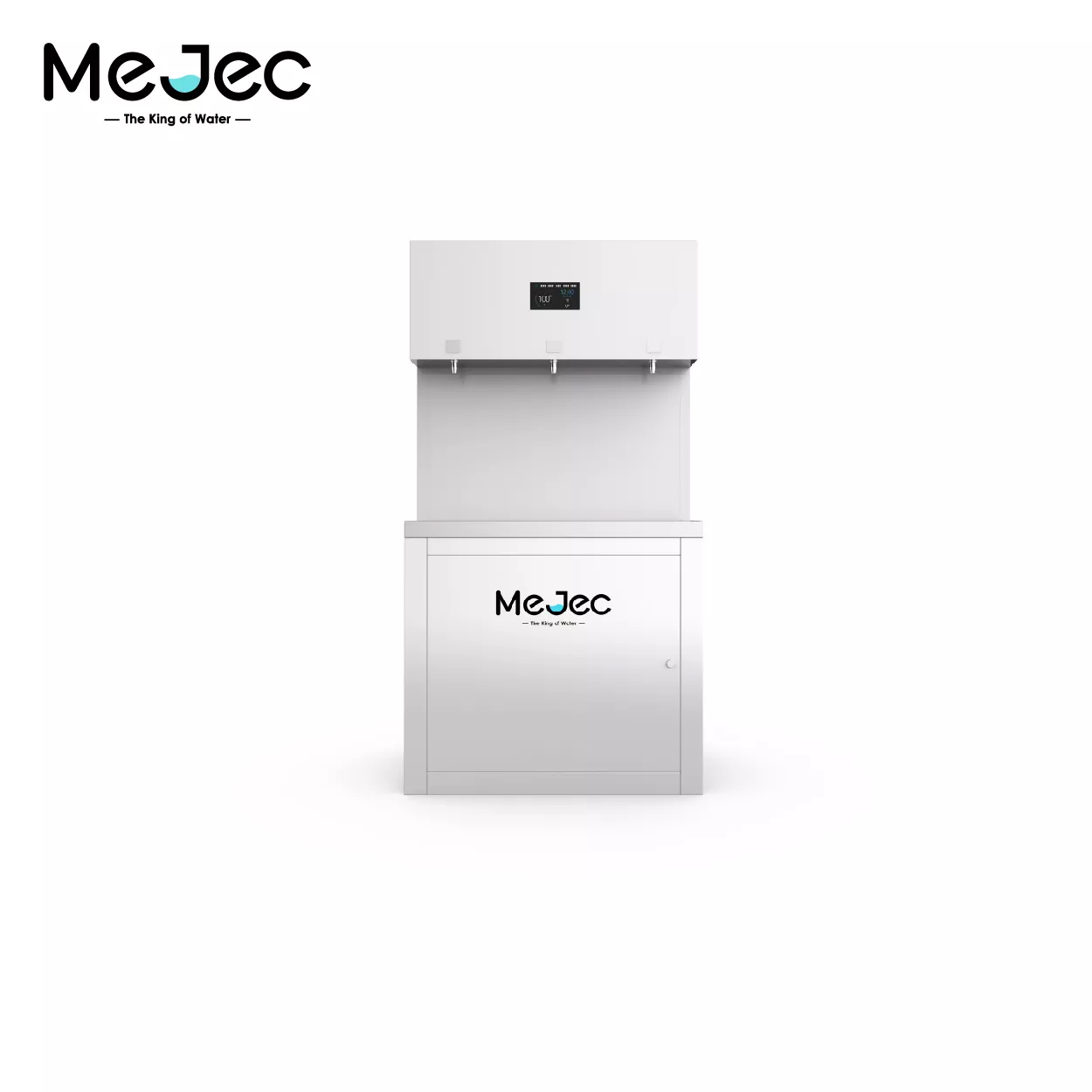
Freestanding dispensers are tall, standalone units that you place directly on the floor. They are the most common type you see in offices and large kitchens. These models are powerful and often come with more features than their smaller counterparts.
You should consider a freestanding model if you have:
A larger household or a busy office.
Enough floor space to dedicate to the unit.
A need for high-capacity water access.
Freestanding units work with both bottled and bottleless systems. A bottled freestanding dispenser can hold large 3- or 5-gallon jugs. A bottleless freestanding unit connects to your water line for an endless supply. Many models also include a small storage cabinet in the base, which is useful for holding cups or snacks.
Good to Know: A freestanding dispenser is the best option when you serve many people and have open floor space. It acts as a central hydration station for everyone to use.
You will find many excellent models on the market. For example, the Avalon A1 Water Cooler Dispenser is a great value top-loading option. Its touchless paddle design helps reduce the spread of germs, and its hot water spout includes a safety lock. It also has a slim profile, making it a good fit for tighter spaces. If you prefer a bottleless system, the Avalon A5 Self-Cleaning Water Dispenser is a top-tier choice. This model provides pure filtered water using an integrated filtration system and even cleans itself. It is built with stainless steel and includes a child safety lock, but it comes at a higher price.
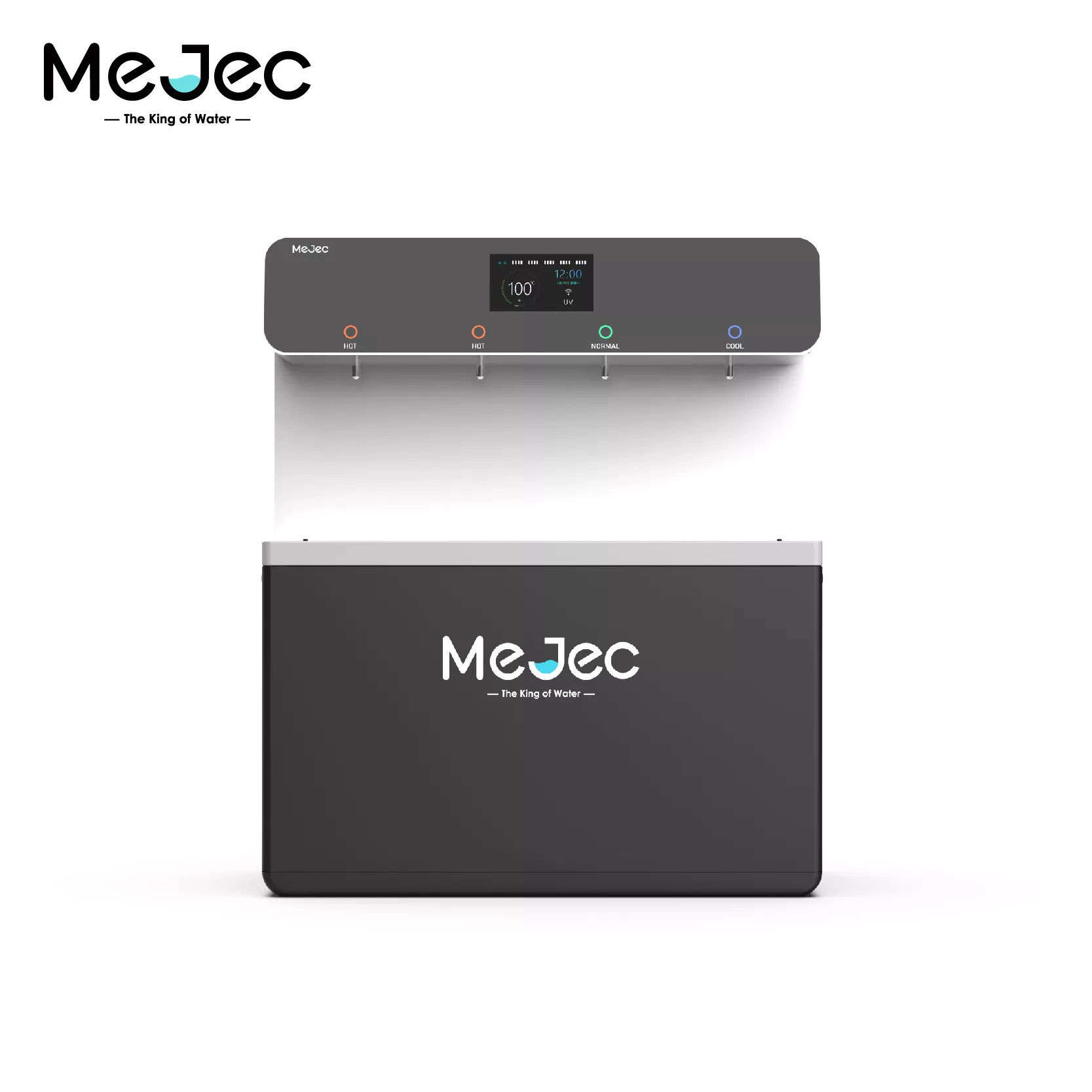
Countertop dispensers are compact, smaller versions of freestanding models. You place them on a kitchen counter, a sturdy table, or a deep shelf. These units are perfect for places where floor space is limited, such as apartments, dorm rooms, or small office breakrooms.
Here are the key benefits of a countertop model:
Saves Floor Space: Its small footprint keeps your walkways clear.
Portable: It is much lighter and easier to move if you need to rearrange your space.
Affordable: Countertop units are often less expensive to purchase.
The main trade-off is capacity. Bottled countertop units usually work with smaller 2- or 3-gallon bottles. Bottleless countertop models connect to your water line but may have a smaller internal cold water tank than freestanding versions. You also give up some counter space, which can be valuable in a small kitchen.
This table helps you compare the two types at a glance:
| Feature | Freestanding Dispenser | Countertop Dispenser |
|---|---|---|
| Space Requirement | Takes up floor space (approx. 1 sq. ft.) | Takes up counter space (approx. 1 sq. ft.) |
| Best For | Large homes, offices, high-traffic areas | Apartments, dorms, small kitchens, low-traffic areas |
| Typical Capacity | High (accommodates 3- to 5-gallon bottles) | Lower (accommodates 2- to 3-gallon bottles) |
| Portability | Heavy and difficult to move | Lightweight and easy to move |
Choosing the right type for your space ensures your new dispenser is a convenience, not an obstacle.
Finding a good water dispenser involves looking at its core features. You should think about temperature, filtration, safety, and speed. These details determine how useful the dispenser will be for your daily needs.
A good water dispenser should offer reliable temperature control. Most units provide both hot and cold water. Modern dispensers, like some Elkay models, even have adjustable temperature controls. This feature lets you set the perfect temperature for hot coffee, iced tea, or a simple glass of cool water.
Filtration is crucial for bottleless dispensers. These systems purify your tap water before you drink it. A good water dispenser with the right filtration ensures your water is clean and tastes great. Different filters remove different contaminants.
| Feature | Activated Carbon | Reverse Osmosis (RO) | UV Purifier |
|---|---|---|---|
| Removes | Chlorine, bad tastes, odors | Dissolved solids, lead, fluoride | Bacteria, viruses, germs |
| Best For | Improving city water taste | High-purity water needs | Killing microorganisms |
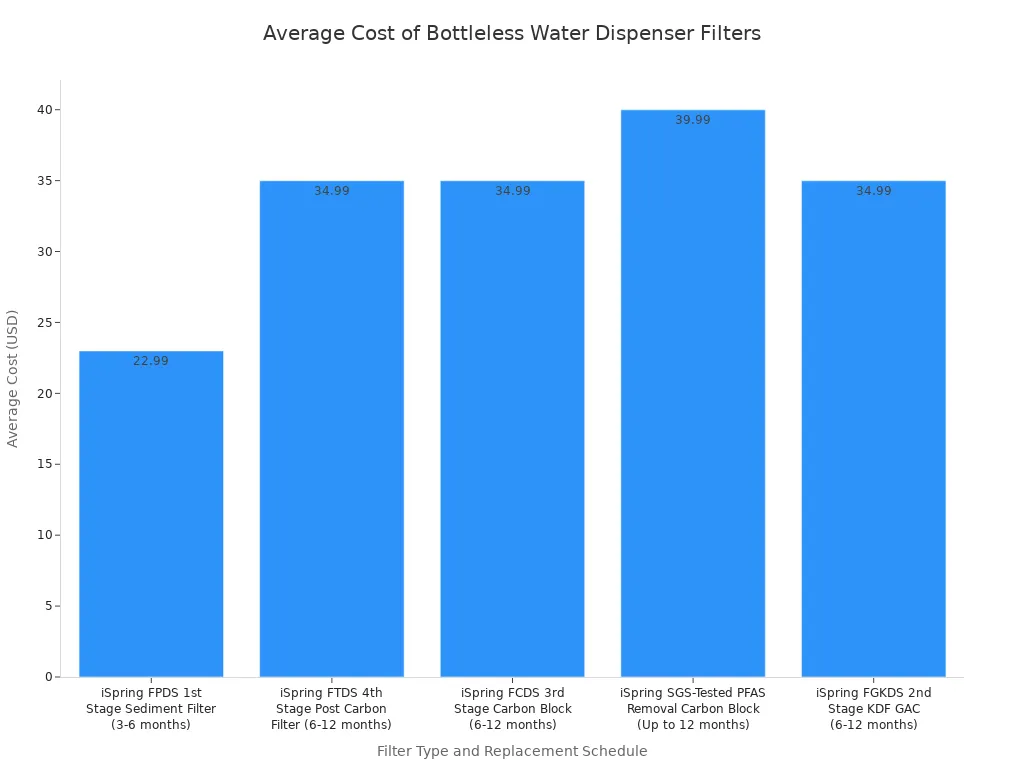
You must replace filters regularly. Standard filters may need changing every 6-12 months, while RO systems can last longer. The cost for replacement filters is usually between $23 and $40.
A good water dispenser also includes features that make your life easier and safer. If you have children, a hot water safety lock is essential. This feature prevents accidental burns.
Convenience features help with maintenance and hygiene. Look for:
Self-cleaning functions using activated oxygen
UV sanitation to kill germs inside the tank
Touchless dispensing to reduce contact
Consider how quickly the dispenser fills your cup or bottle. The dispensing speed, or flow rate, is important in busy environments. Some advanced models, like the Monet DMxl, have Dynamic Dispense™ technology. This feature can increase the flow rate from 1.5 to 4.25 liters per minute, allowing you to fill large containers fast.
Your new water dispenser will have costs beyond the initial purchase price. You should plan for its energy use and regular cleaning. These factors affect your long-term budget and the dispenser's lifespan.
A water dispenser uses electricity to cool and heat water. This will add a small amount to your monthly utility bill. The total cost depends on the model you choose. A dispenser that provides both hot and cold water will use more energy than one that only offers cold water.
This table shows the approximate annual cost to run a dispenser:
| Water Dispenser Type | Daily kWh Consumption | Annual Cost (approx.) |
|---|---|---|
| Cold Water Only | 0.3 - 1.2 kWh | $45.00 |
| Hot and Cold Water | 2.8 kWh | $118.00 |
You must clean your water dispenser regularly to keep the water fresh and safe. Bacteria can grow inside if you neglect maintenance. A consistent cleaning schedule protects your health and ensures your water always tastes great.
Here is a simple cleaning routine to follow:
Wipe Daily: Use a food-safe wipe to clean the taps and drip tray. This removes germs from high-touch areas.
Clean Monthly: Perform a deeper clean once a month. You should drain the reservoir and flush the system with fresh water.
Sanitize Twice a Year: A full sanitization is recommended every six months. This deep clean often includes replacing the filters on bottleless models.
Budgeting for Cleaning: You can clean the dispenser yourself or hire a professional. A DIY cleaning kit costs around $14.99. A professional service visit, which ensures a perfect sanitization, costs about $59.99.
You now understand the four key choices: water source, dispenser type, essential features, and long-term costs. A good water dispenser fits your space and budget. A well-maintained unit can last over eight years, helping you avoid the high costs of bottles and bad taste from poor upkeep. You can now choose confidently.
You should wipe the taps daily. Perform a deeper clean monthly. Sanitize the entire unit with a full flush every six months to keep your water fresh and safe.
Choose a bottled dispenser for easy setup and lower upfront cost. Select a bottleless model if you want endless filtered water and long-term savings. Your needs determine the best choice.
A dispenser adds a small amount to your utility bill. Hot and cold models use more energy than cold-only units. Look for an ENERGY STAR® certified model to save money.

We provide you with comprehensive foreign trade solutions to help enterprises achieve global development
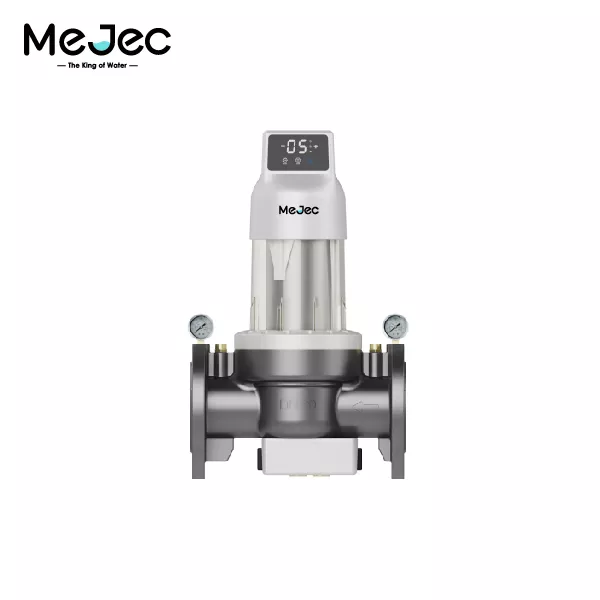
Engineered as the essential first barrier for wate...
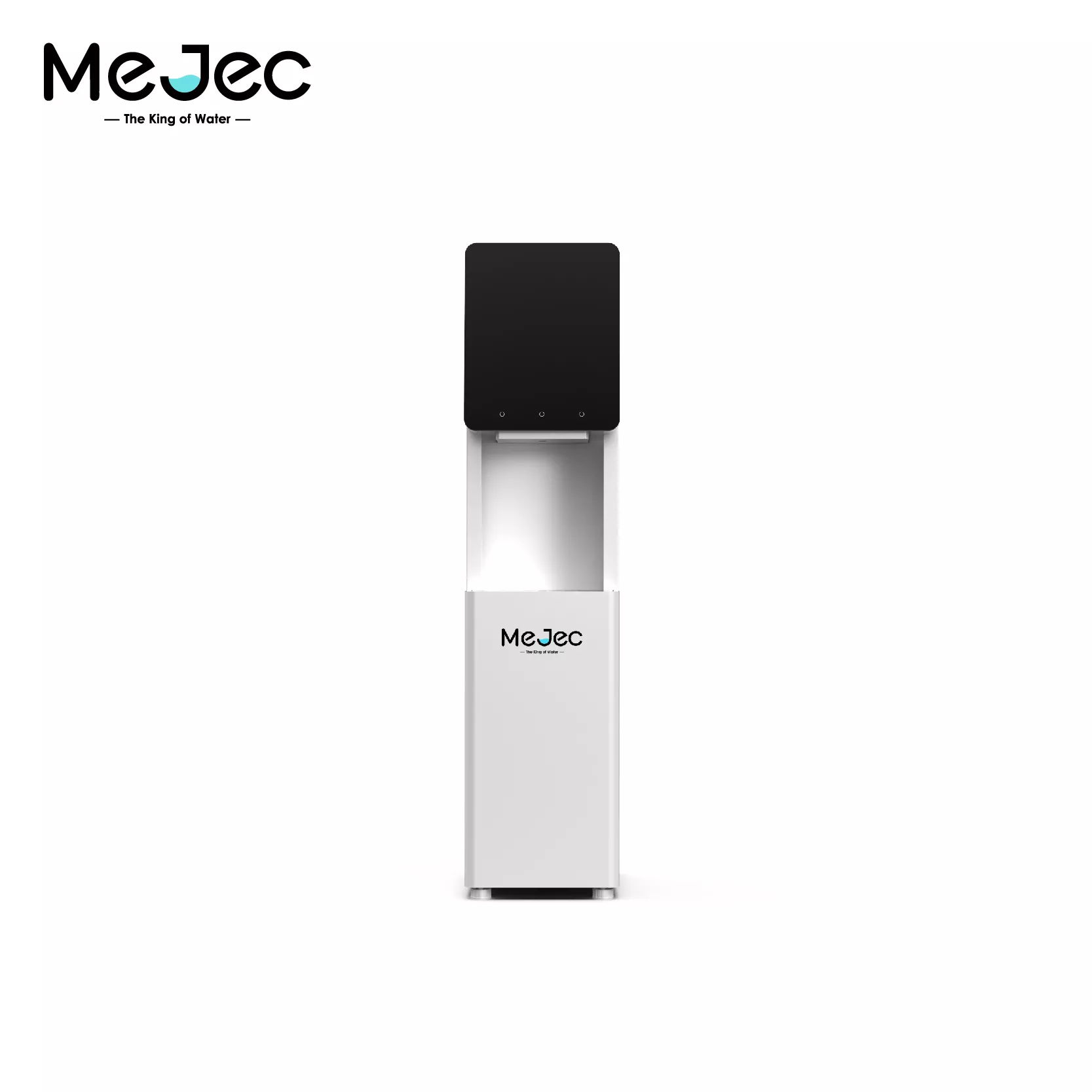
The Mejec commercial drinking machine features a l...
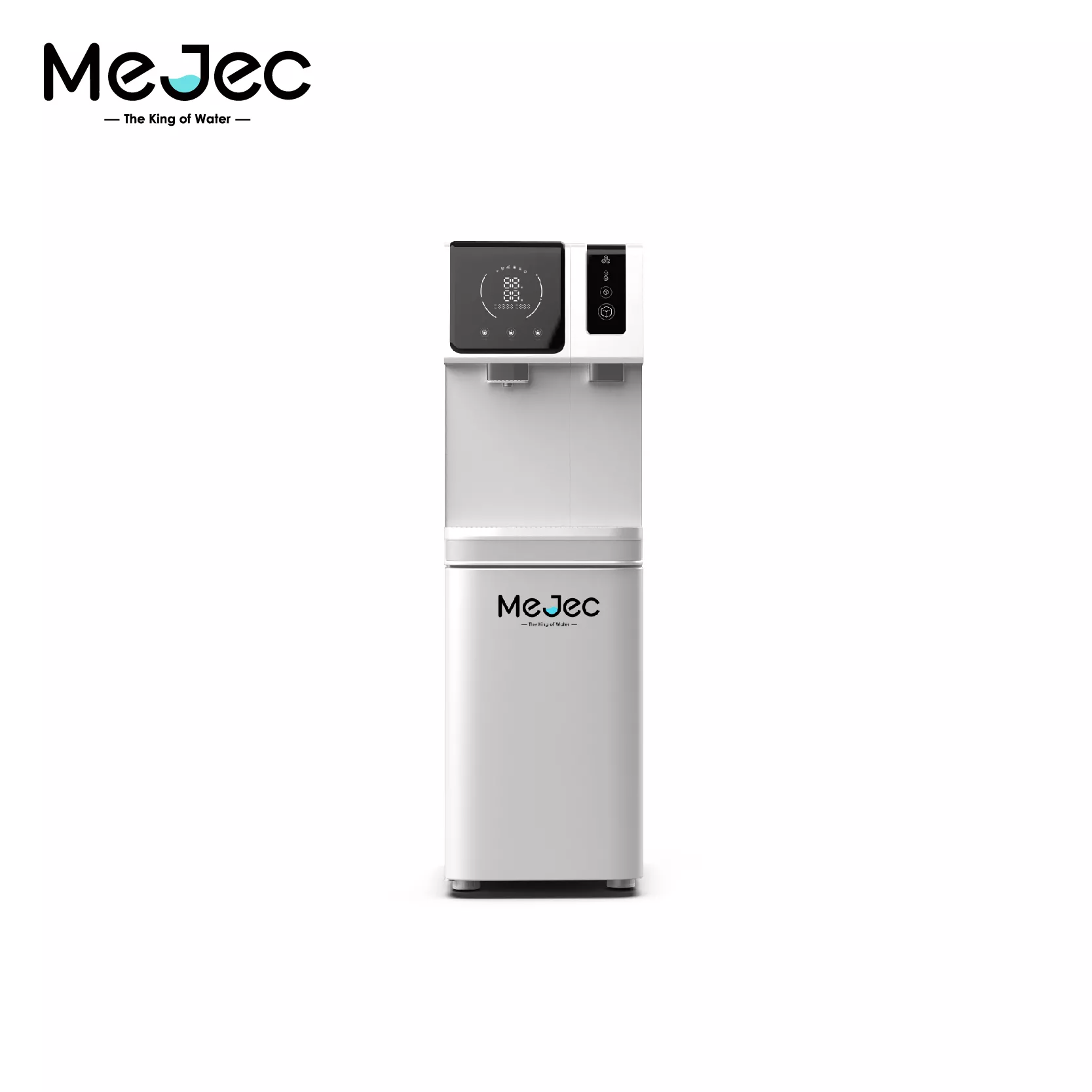
Imagine an office where the simple act of getting ...
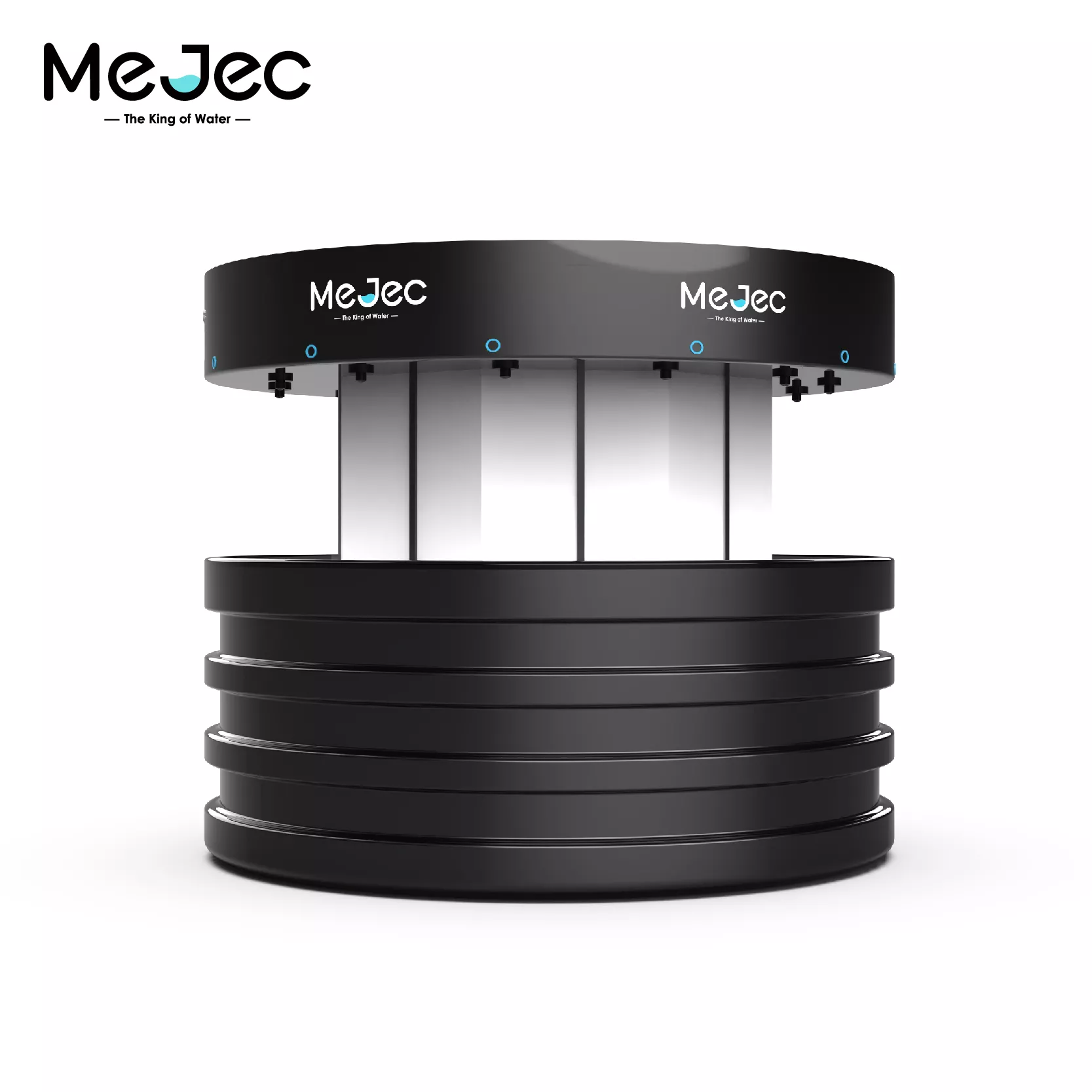
Mejec Redefines the Outdoor Hydration Experience. ...
Select the most popular foreign trade service products to meet your diverse needs
Select the most popular foreign trade service products to meet your diverse needs






User Comments
Service Experience Sharing from Real Customers
James Wilson
Office ManagerThis is an excellent water dispenser for our busy office. The hot water is instantly ready for tea and coffee, and the cold water is perfectly chilled. It's quiet, easy to use, and has significantly reduced our plastic bottle waste.
Sarah Chen
Pediatric NurseAs a nurse, hygiene and easy access to clean water are crucial. This dispenser's UV sterilization feature gives me peace of mind. The child safety lock on the hot water tap is a fantastic addition for our clinic's waiting area.
David Rodriguez
Lead Software EngineerI work long hours and this dispenser is a game-changer for my home office. The water tastes pure and crisp, no odd odors. The sleek design fits my modern setup, and having instant hot and cold water saves me countless trips to the kitchen.
Emily Parker
Elementary School TeacherWe purchased this for our classroom and it's been wonderful. The students find it easy and safe to operate. The large capacity means we don't have to refill it constantly. It encourages the kids to stay hydrated throughout the day. A truly good water dispenser!