



.webp)
How to choose the best commercial water dispensers for restaurants
Find the best commercial water dispenser for your ...
More


You can stop guessing your insulated water dispenser size. Just follow a simple rule for event planning.
Plan for two 8-ounce servings per guest for the first hour. Add one 8-ounce serving for each additional hour.
Use this chart for a quick estimate. Keep in mind that outdoor events often lead to greater underhydration, requiring more careful planning.
| Guests | Event Length | Recommended Volume |
|---|---|---|
| 25 | 2 Hours | ~4 Gallons |
| 50 | 3 Hours | ~10 Gallons |
| 100 | 4 Hours | ~25 Gallons |

Calculate your base water needs using a simple formula: (Number of Guests x 16 ounces for the first hour) + (Number of Guests x 8 ounces for each extra hour) = Total Ounces Needed.
Adjust your water estimate for factors like hot weather, physical activity, salty foods, and other drinks to ensure guests stay hydrated.
Always round up to the next dispenser size. It is better to have extra water than to run out during your event.
The quick-reference chart gives you a great starting point. Now, you can learn the math behind it. This allows you to customize the estimate for any event size or duration. A precise calculation helps you choose the perfect insulated water dispenser.
You can find your event's base water needs with a simple formula. This calculation gives you a solid foundation before you make any adjustments.
(Number of Guests x 16 ounces for the first hour) + (Number of Guests x 8 ounces for each extra hour) = Total Ounces Needed
This formula ensures everyone has access to about two glasses of water initially. It then provides one additional glass for each following hour. Remember that this calculation is just for water. Many event planners make common mistakes when estimating total drink needs.
They often forget about beverage pairings.
Drinks become an afterthought to the food menu.
This can lead to not enough options for guests.
Your goal is to provide ample water, which this formula helps you do. You can then consider other drinks separately.
Let's apply the formula to a real-world scenario. Imagine you are planning a 5-hour wedding reception for 75 guests. Here is how you calculate your water needs.
Calculate for the First Hour: You need to account for two 8-ounce servings (16 ounces) per guest.75 guests x 16 ounces = 1,200 ounces
Calculate for the Remaining Hours: The event has 4 additional hours. You need one 8-ounce serving per guest for each of these hours.75 guests x 8 ounces x 4 hours = 2,400 ounces
Find the Total Volume: Add the amounts from the first hour and the remaining hours together.1,200 ounces + 2,400 ounces = 3,600 ounces
Convert to Gallons: You need to convert ounces to gallons to pick your dispenser size. There are 128 ounces in one gallon.3,600 ounces ÷ 128 ounces/gallon ≈ 28.1 gallons
For this 75-guest, 5-hour event, you need a base volume of about 28 gallons of water. This number is your starting point for the next step: fine-tuning.
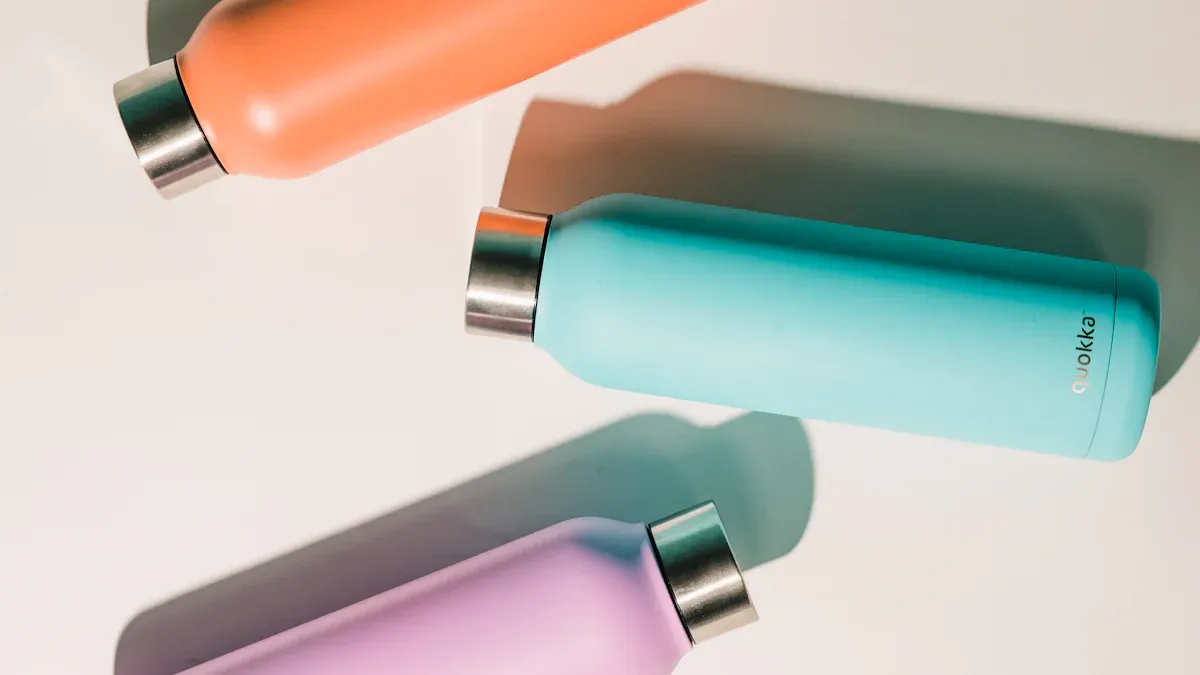
Your base calculation gives you a strong starting number. Now you can refine that estimate. Several factors can dramatically change how much water your guests will drink. Adjusting for these details ensures you have the perfect amount.
Hot weather and physical activity are the biggest reasons you will need more water.
Heat and Humidity: On a hot day, you should increase your base water estimate by at least 20-30%. If the event is outdoors in direct sun, consider increasing it by up to 50%.
Activity Level: Guests at a dance party will drink far more water than guests at a seated dinner. If your event involves dancing, sports, or other strenuous activities, plan for at least one extra 8-ounce serving per person per hour.
Altitude: High-altitude events require special planning. The air is drier, and your body works harder, leading to faster dehydration. You must provide more water and electrolytes to keep guests safe and comfortable.
The Wilderness Medicine Society warns against relying only on water at high altitudes. You must also replace lost electrolytes to prevent headaches and nausea.
You can use this chart to plan for events at higher elevations.
| Elevation Range | Additional Water Daily |
|---|---|
| 5,000 - 8,000 feet | 0.5 liters per person |
| 8,000 - 12,000 feet | 1 to 1.5 liters per person |
| 12,000 - 18,000 feet | 2 to 2.5 liters per person |
Athletes and very active guests need even more attention. They should pre-hydrate before the event and drink small amounts of water every 15-20 minutes.
The food you serve directly impacts thirst. Salty, spicy, and sugary foods all make guests reach for a drink.
Ultra-processed foods are especially dehydrating. They contain high levels of sodium and added sugar. Think about items like potato chips, frozen appetizers, and many candy bars. Added sugar pulls water from your body's cells to balance blood sugar levels. Your kidneys then work to filter this out, causing you to lose more fluids. If your menu features these items, you should increase your water supply.
Salty or Spicy Foods: Add 15-20% more water to your base estimate.
Heavy Desserts or Sweets: Add another 10-15% more water.
You might think offering soda, juice, or alcohol reduces the need for water. The opposite is often true. Sugary drinks can increase thirst, and alcoholic beverages actively dehydrate the body.
Alcohol reduces the body's production of vasopressin. This is an antidiuretic hormone that helps you retain water. With less of this hormone, your guests will urinate more frequently, losing fluid faster than they can process the alcohol. This effect worsens in high temperatures.
Pro Tip: To counteract alcohol's effects, you should plan for at least one 16-ounce glass of water for every alcoholic drink a guest consumes.
Always treat water as a separate, essential need. Do not subtract from your water total because you have other beverages.
Different groups of people have different hydration habits. Understanding your guest list helps you make a more accurate plan.
Age Demographics: Teenagers and young adults are often very active. Boys aged 14-18 may need around eleven glasses of water daily. Seniors, however, are at a higher risk for dehydration. Their bodies are less efficient at conserving water, and their sense of thirst diminishes. A study of long-term care residents found that 20% were dehydrated.
Health and Lifestyle: Athletes and health-conscious guests typically drink more water. Competitive athletes require much more fluid to replenish what they lose through sweat. People focused on weight loss may also drink more water, as studies show drinking water before a meal can help reduce calorie intake.
Gathering Information: You can learn about guest needs with a simple pre-event survey. Keep it short and clear. Ask about dietary needs or beverage preferences. This helps you plan effectively and shows guests you care about their comfort.
Your choice between one large insulated water dispenser and several smaller ones affects guest experience. For events with more than 20 guests, multiple dispensers are usually the better choice.
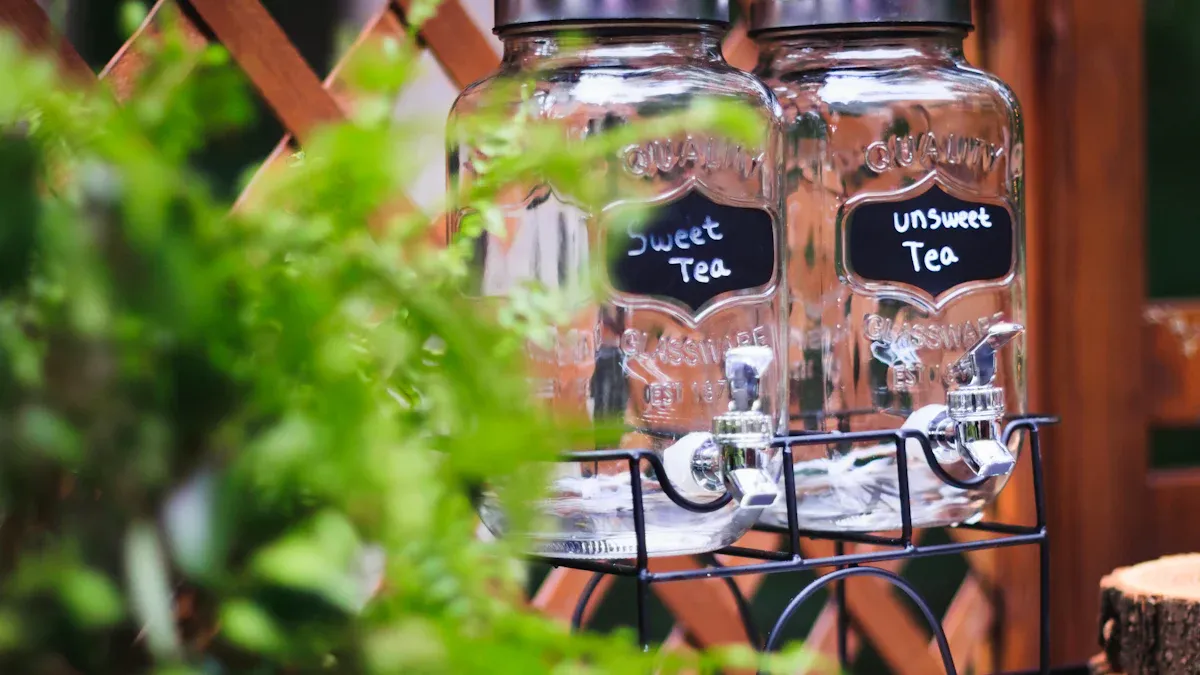
Placing several smaller dispensers around your venue offers significant benefits. It creates multiple self-serve stations, which prevents long lines from forming in one spot. This improves guest flow and ensures everyone has easy access to a drink. This setup also allows you to offer variety. You could fill one insulated water dispenser with plain ice water and another with a lemon-mint infusion, catering to different tastes.
After all your calculations and adjustments, you will have a final volume. Now, follow the most important rule in beverage planning.
Always round up to the next available dispenser size.
It is always better to have a little leftover water than to run out halfway through your event. Running out of water can ruin a guest's experience and even pose a health risk on a hot day. If you worry about waste, you can use leftovers creatively.
Combine leftover water to water plants or pets.
Freeze it in ice cube trays for future use.
Use it to top off a pool or fountain.
Having extra water provides a buffer for unexpected thirst, ensuring your event is a success.
You now have a foolproof method. First, calculate your base volume, then adjust for factors like weather. This planning ensures guest satisfaction. Online drink calculators can also help you estimate. For large events, an insulated water dispenser like WaterMonster is a great choice. Always round up to keep guests happy and hydrated.
You should plan for kids to drink about half as much as adults. Use the core formula for adults. Then, run a separate calculation for kids using 8 ounces per child.
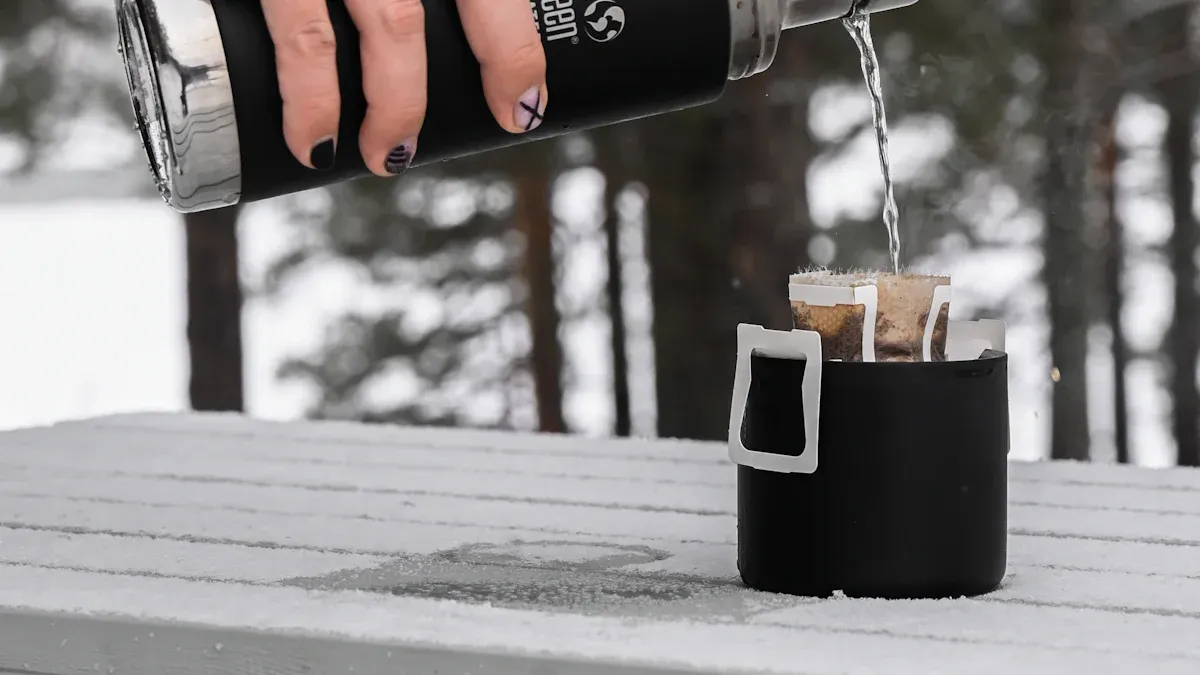
Yes, most insulated dispensers work for hot beverages like coffee or tea. You should check the manufacturer's guidelines. Never fill a dispenser with boiling liquids to prevent damage.
You can pre-chill your dispenser by filling it with ice water for 30 minutes before your event. Dump this water and refill it with fresh, cold water and ice.
Tip: Use large blocks of ice instead of small cubes. They melt much more slowly, keeping your water colder for the entire event.

We provide you with comprehensive foreign trade solutions to help enterprises achieve global development
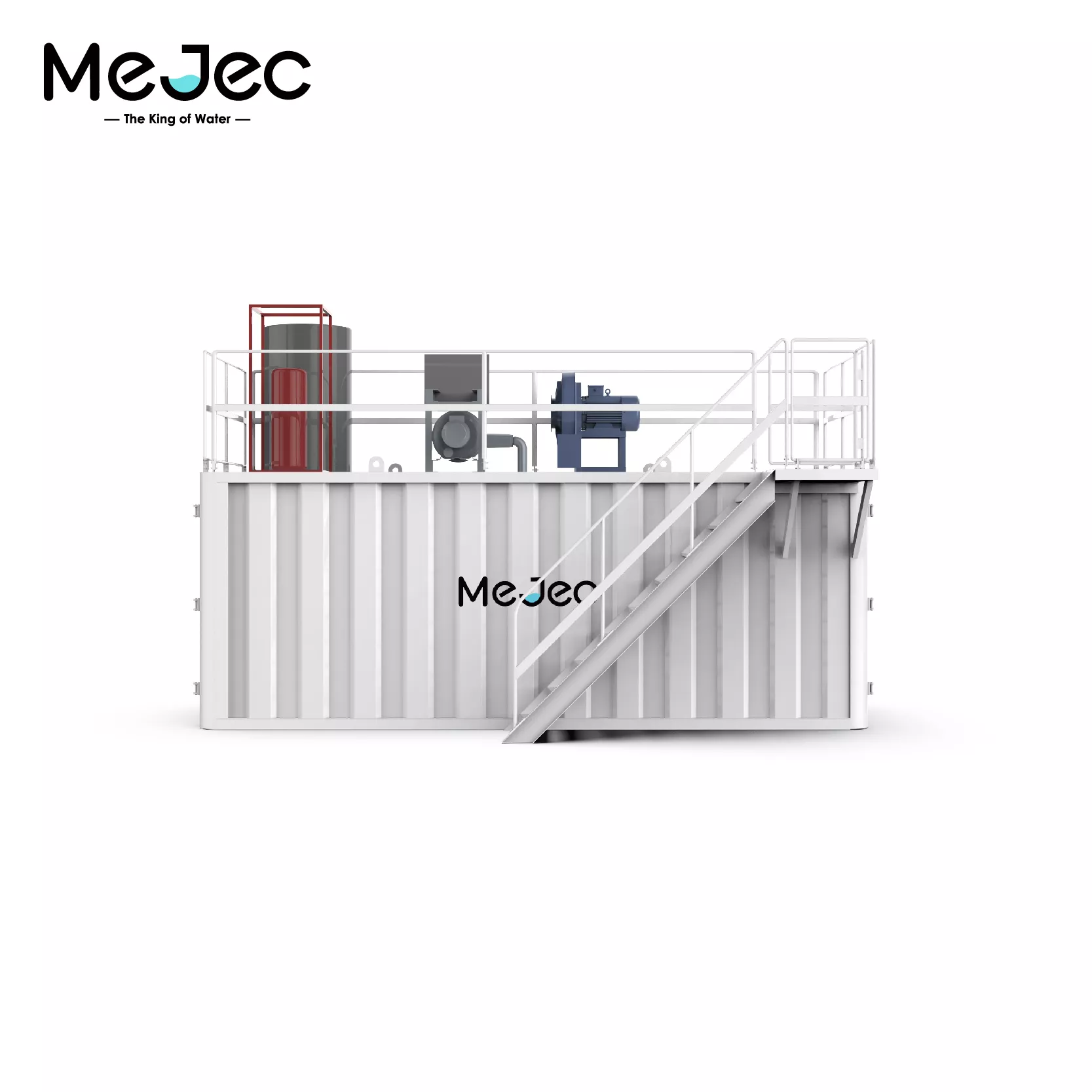
Mejec Containerized MABR Equipment is an innovativ...
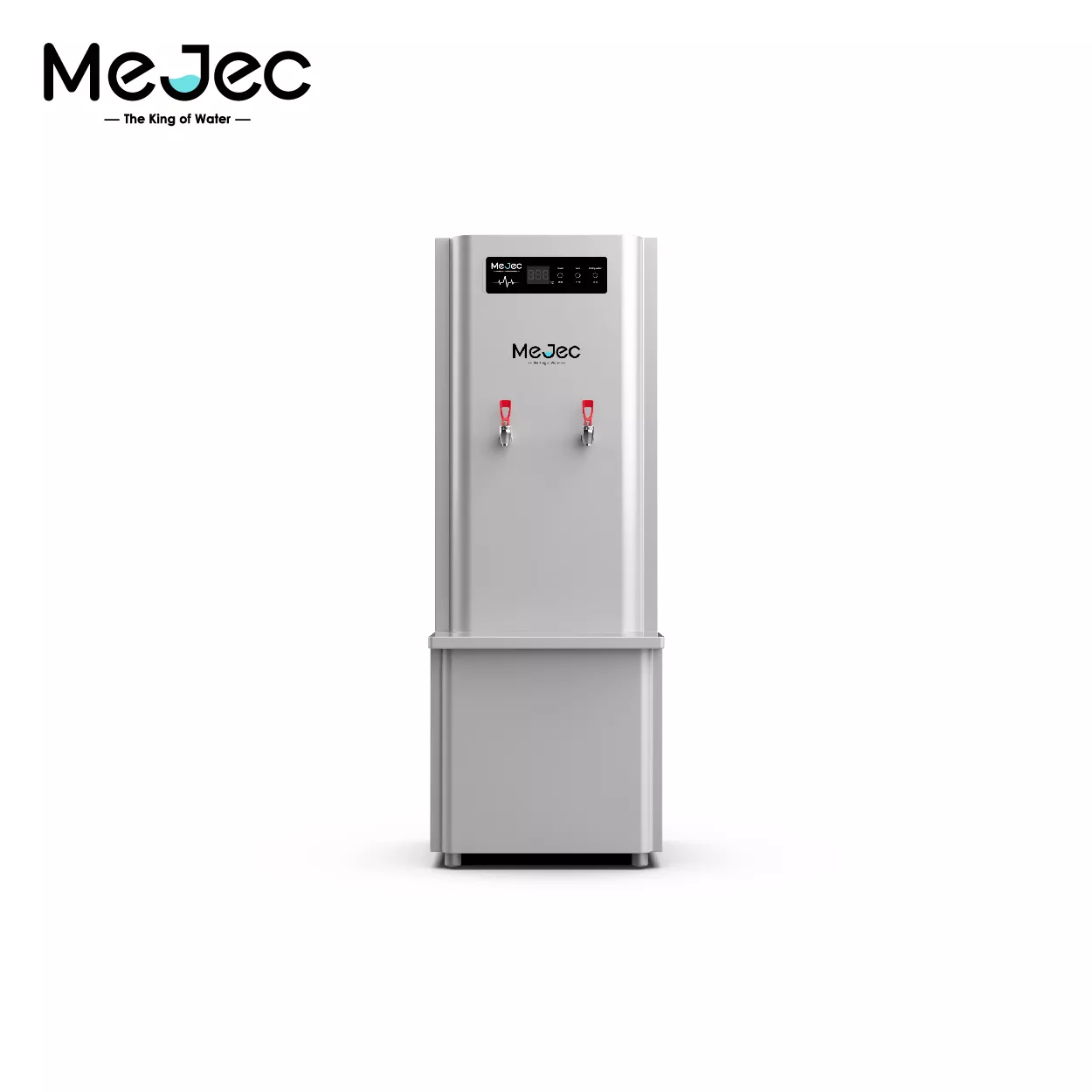
The Mejec dual-faucet boiling water dispenser is b...
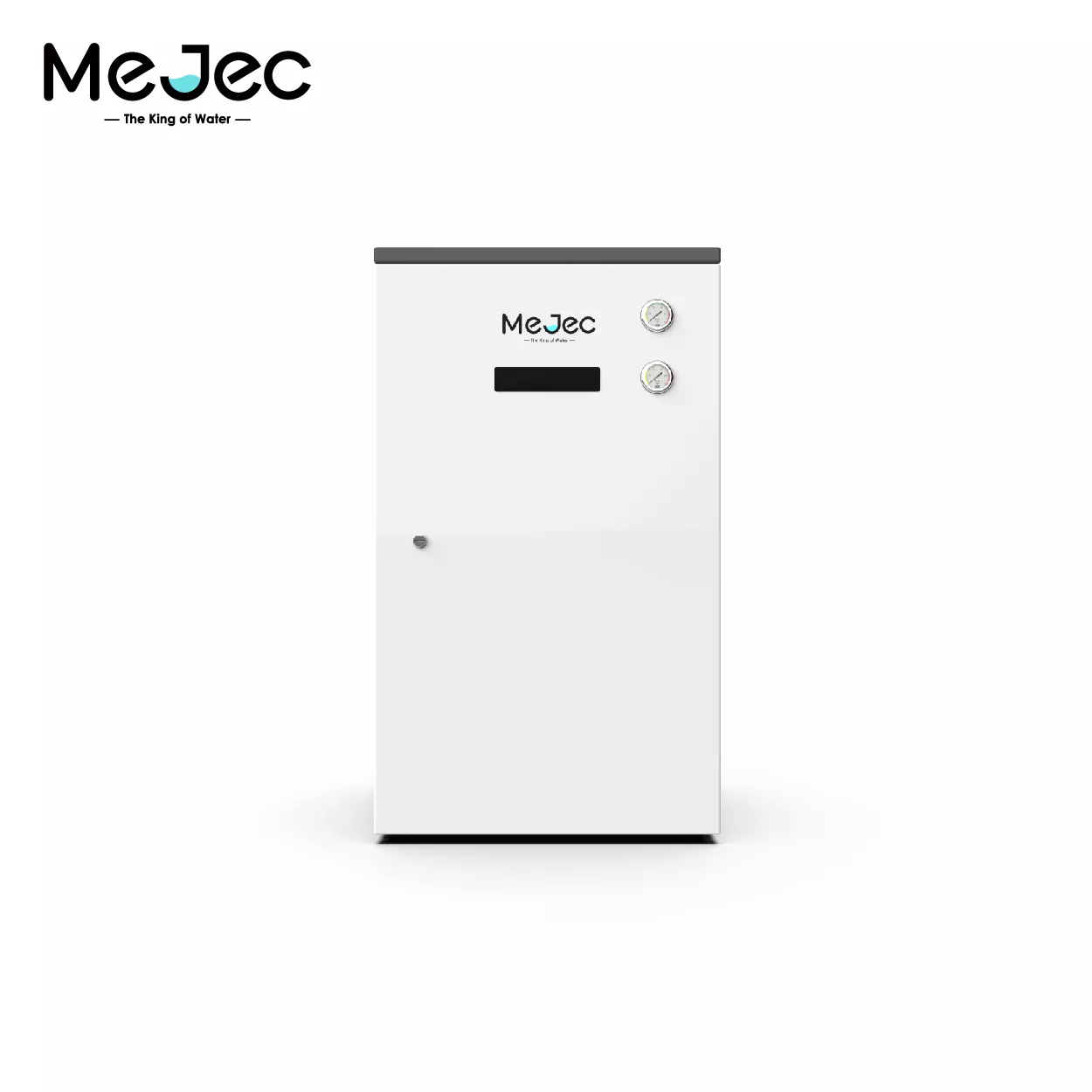
The Mejec commercial central pure water system is ...

Whether your venue is a specialty café in pursuit ...
Select the most popular foreign trade service products to meet your diverse needs
Select the most popular foreign trade service products to meet your diverse needs





User Comments
Service Experience Sharing from Real Customers
James Wilson
Office ManagerThis insulated water dispenser has been a game-changer for our office. It keeps water perfectly cold all day, even during peak usage hours. The energy efficiency is noticeable on our utility bills, and the staff loves having instant access to chilled water without the noise of a constantly running compressor.
Sarah Chen
Pediatric NurseAs a nurse, hydration is crucial during long shifts. This dispenser in our hospital's break room maintains a consistent cool temperature, which is so refreshing. The insulation means it's quiet—no disruptive humming near patient areas. The only minor drawback is the size, but the performance is excellent.
David Rodriguez
Construction Site SupervisorWe needed a durable, efficient water solution for our outdoor site office. This insulated unit is fantastic! It doesn't rely on constant electricity to stay cool, which saves our generator power. Even in direct summer sun, the water stays cold for hours. Highly recommend for any industrial or fieldwork environment.
Emily Foster
Elementary School TeacherI bought this for our classroom. The kids can get water without worrying about spills from a heavy pitcher, and the insulated design means I don't have to refill an ice bucket constantly. It's safe, easy to use, and most importantly, ensures the children have access to cold water throughout the school day. A fantastic product for educational settings.