




.webp)
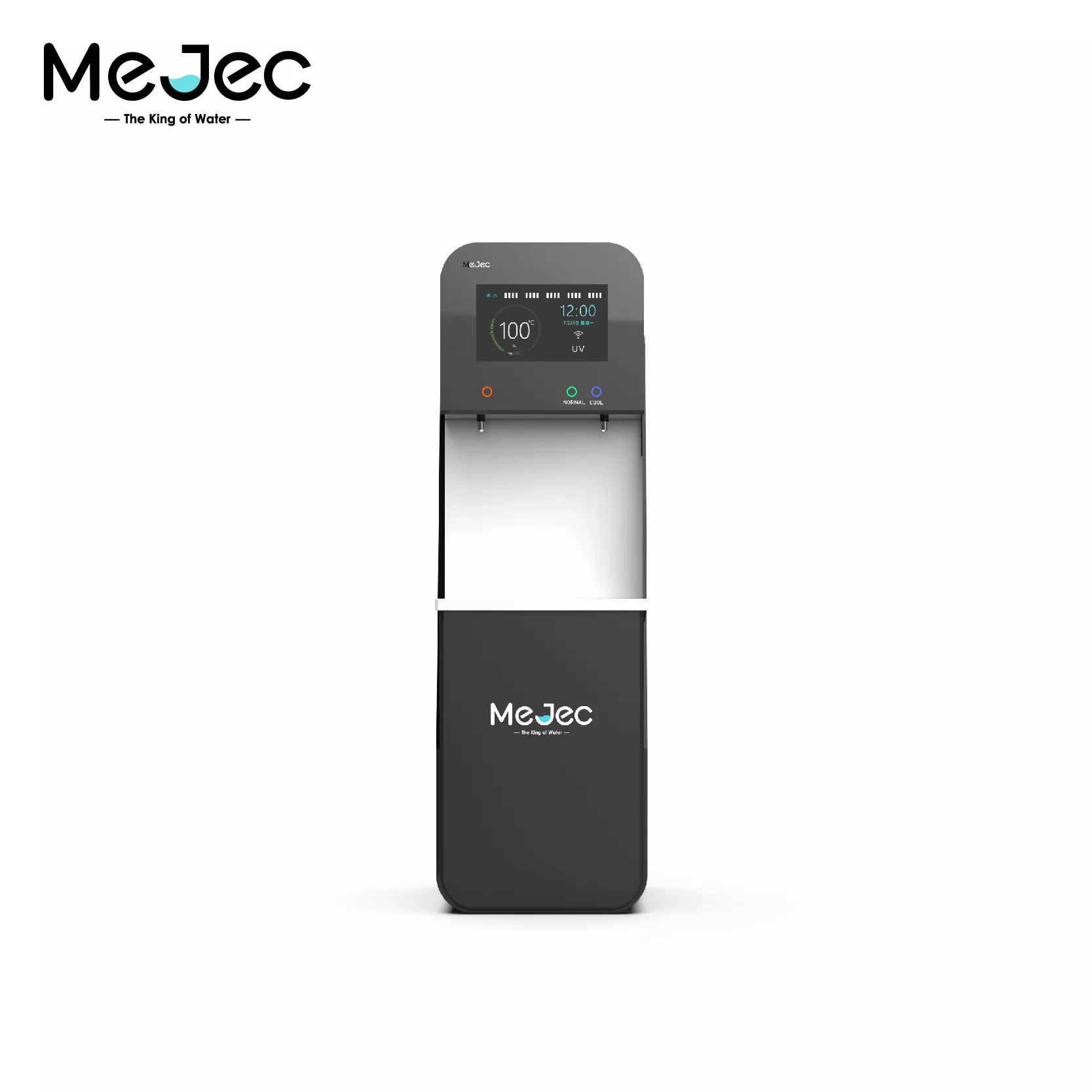
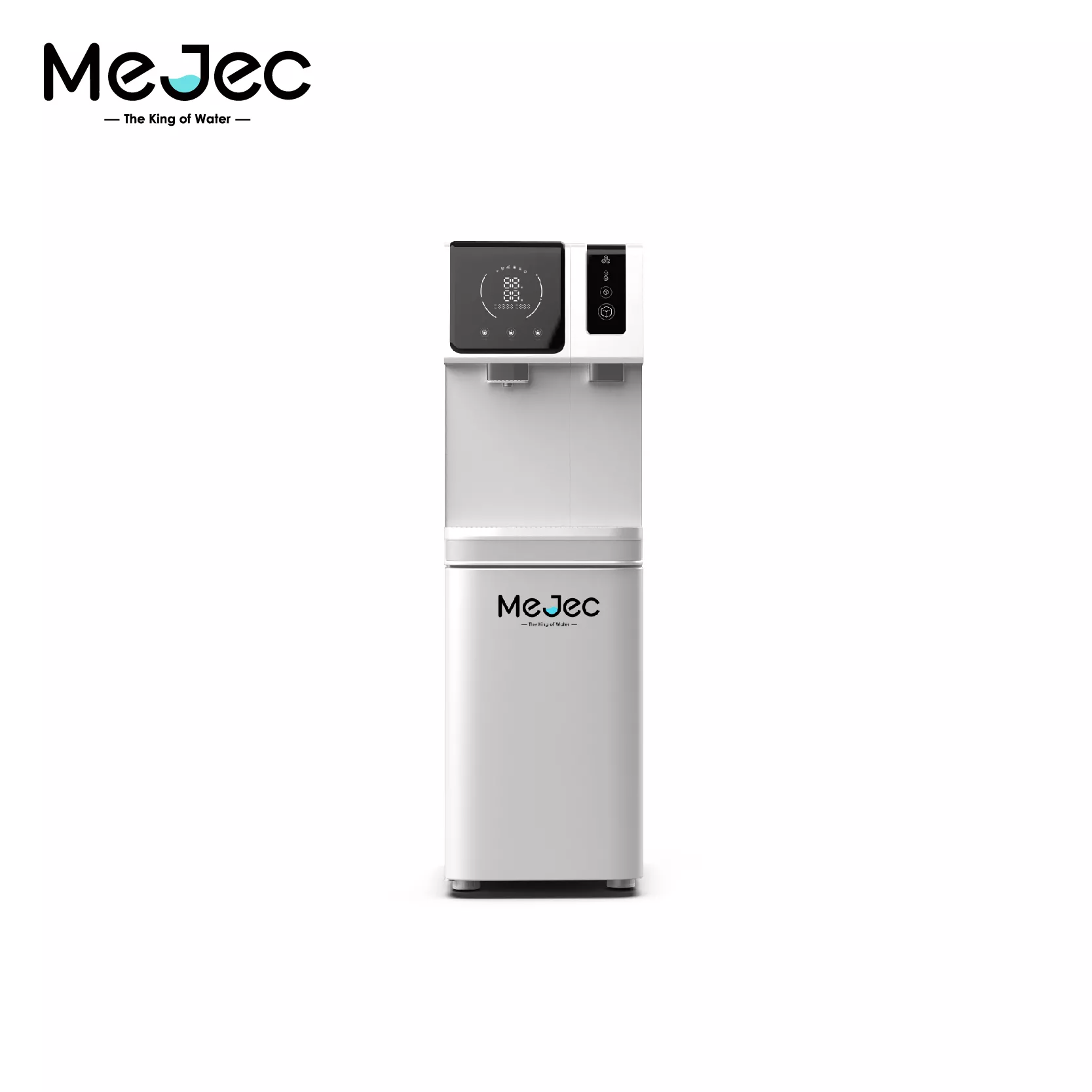
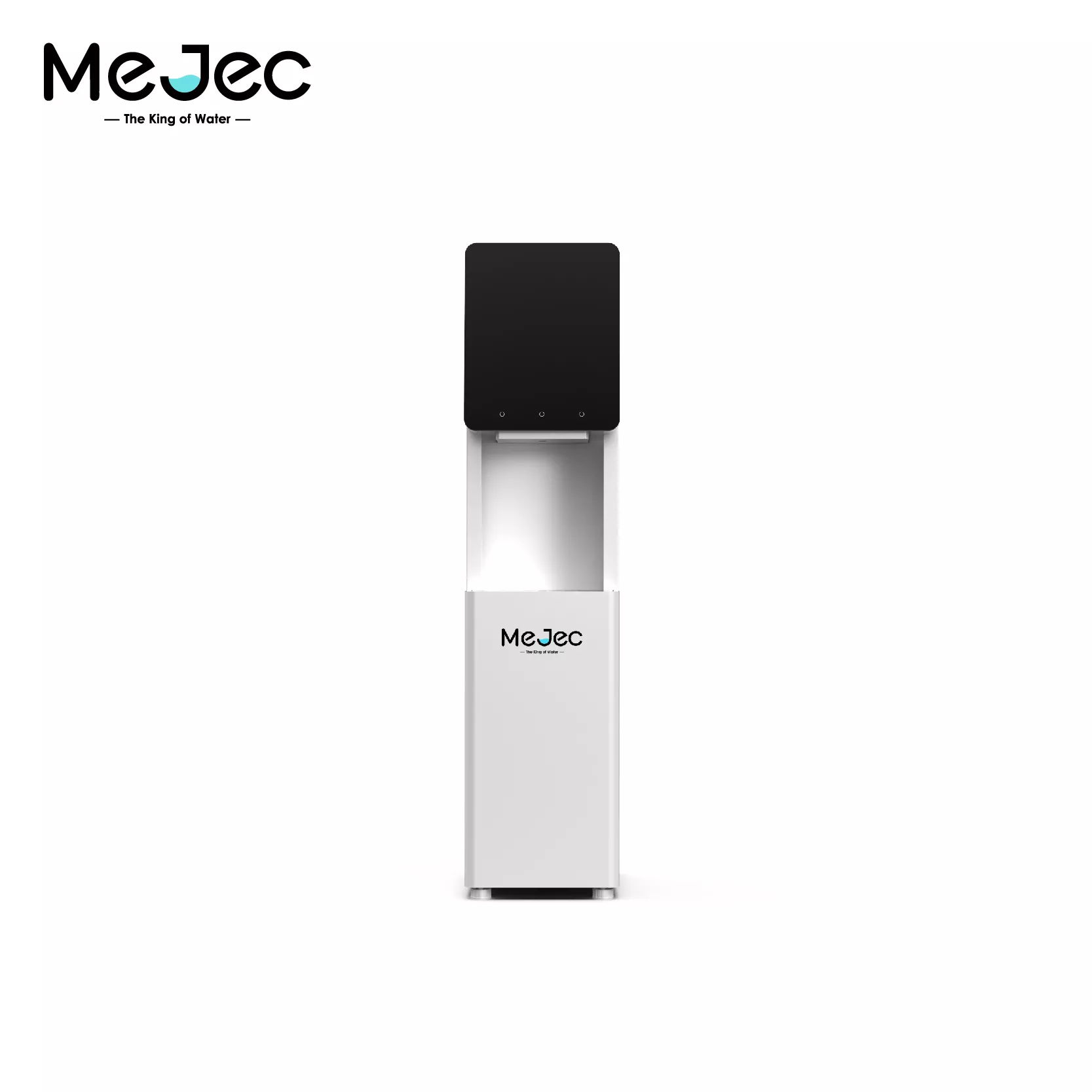
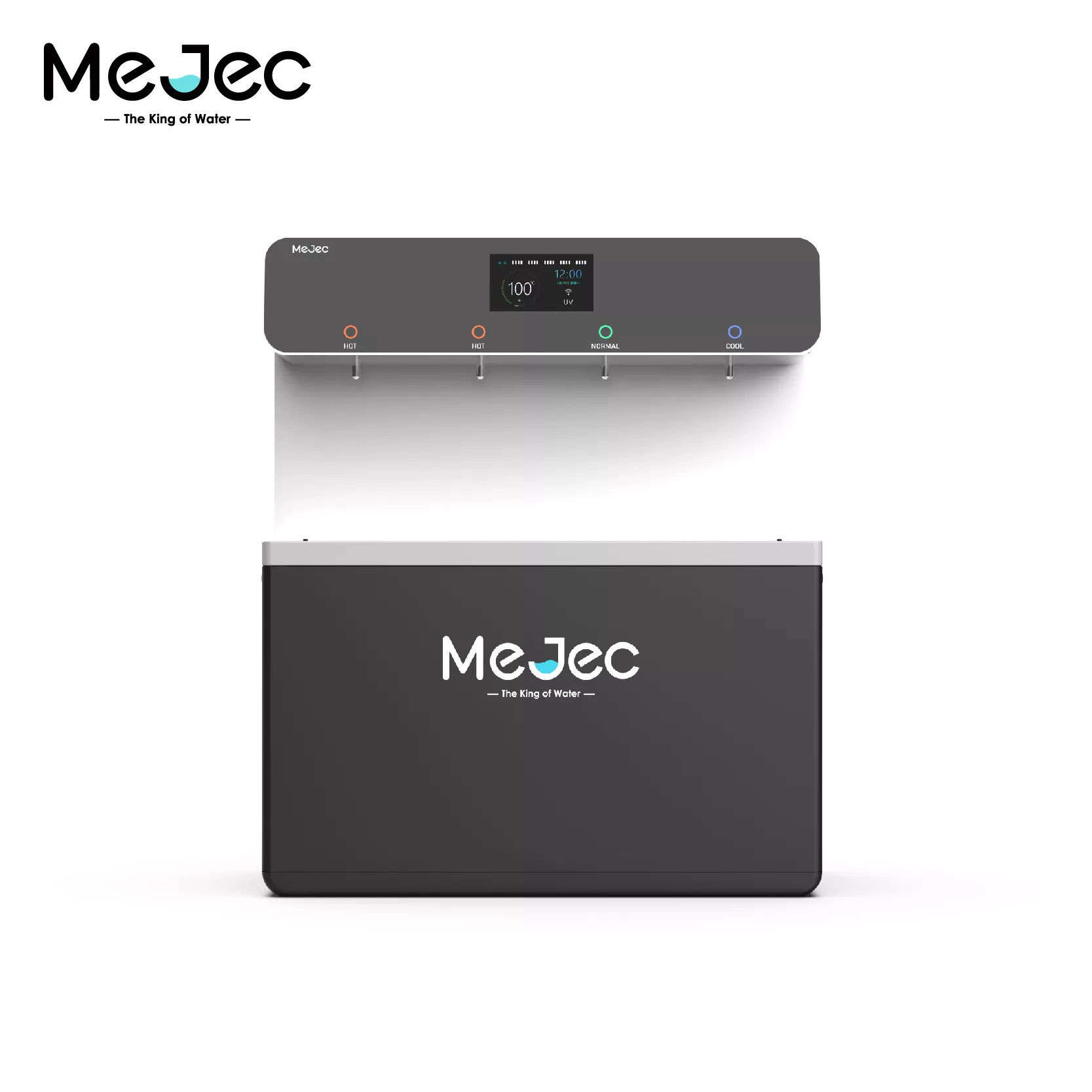
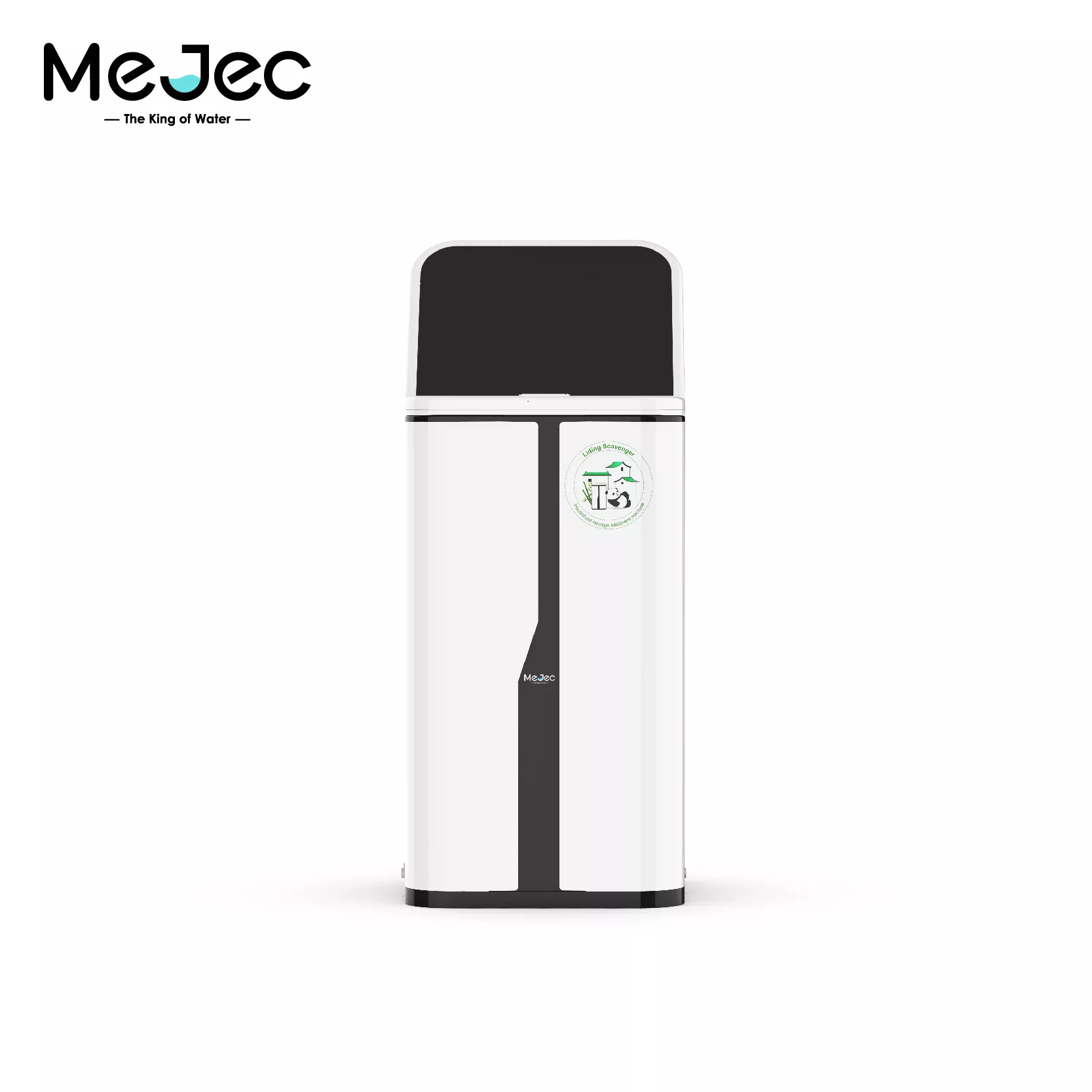
Compact Direct Drinking Water Dispenser Brings Clean Water Convenience to Homes and Offices
A compact direct drinking water dispenser from Mej...
More

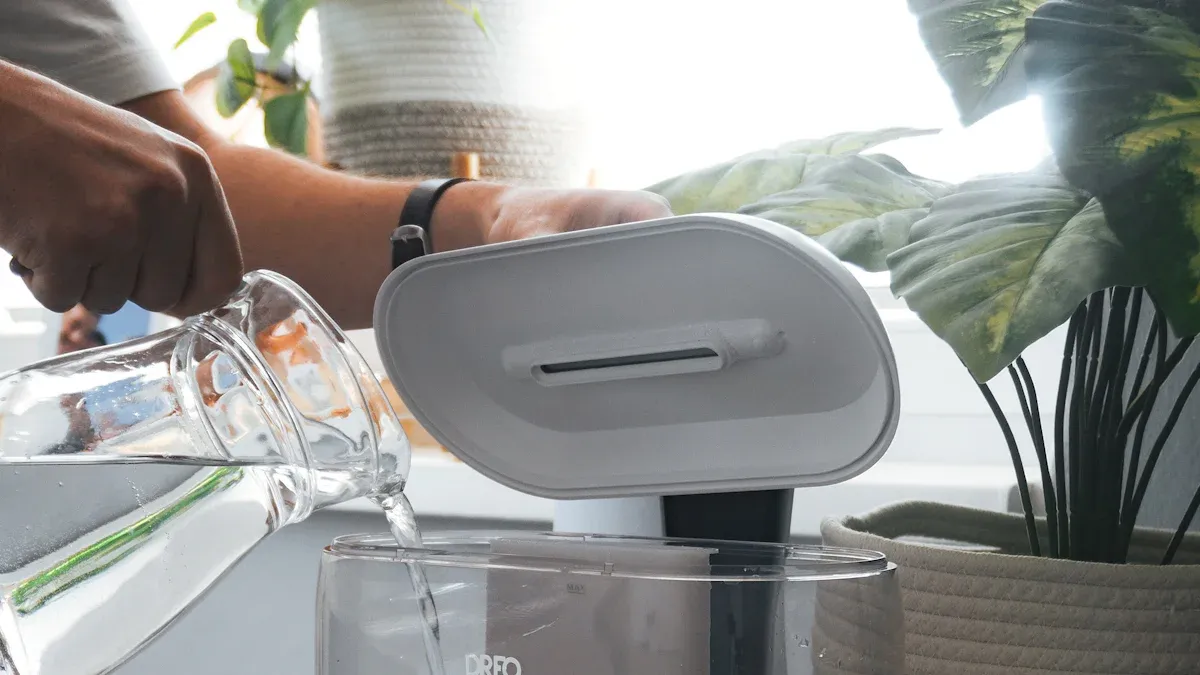
Many people worry about their tap water quality; in fact, 70% of Americans express this concern. A smart table water dispenser offers a great solution. To find the right model, you must balance your daily needs, essential features, and the total long-term cost for a smart investment.
Tip: First, check your water source and usage. Then, prioritize features like filtration and temperature control. Finally, calculate the true cost of ownership.
Choose between bottled or bottleless dispensers based on your needs; bottled offers portability, while bottleless provides endless filtered water and helps the environment.
Look for features like precise temperature control for drinks, advanced filtration for clean water, and self-cleaning functions for hygiene.
Consider the total cost, including the dispenser's price, filter replacements, and energy use, to make a smart long-term investment.
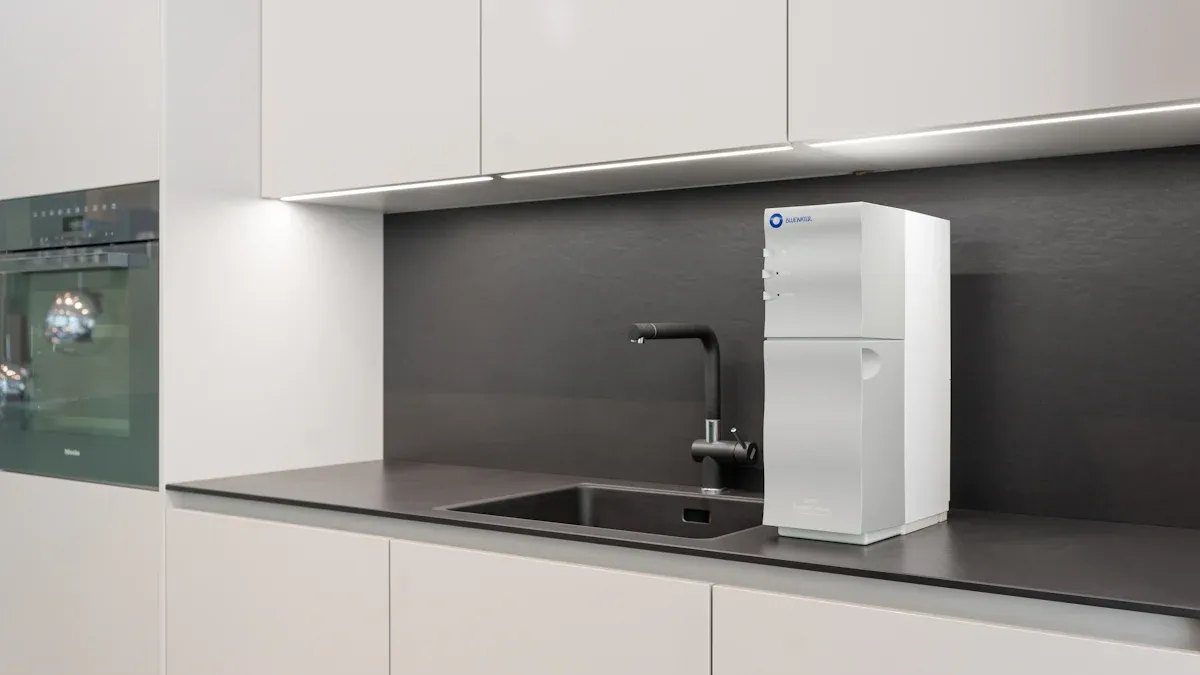
Choosing the right dispenser type is your first big decision. You need to compare the immediate convenience of bottled models with the long-term benefits of bottleless systems. Your choice impacts your daily routine, budget, and environmental footprint.
Bottled dispensers offer simple, plug-and-play convenience. You do not need a water line for installation. This makes them portable and great for renters. However, you must handle heavy water jugs. Storing extra bottles also takes up valuable space. Changing the bottles can interrupt your water access and requires physical effort.
Bottleless dispensers connect directly to your water supply. They provide an endless stream of filtered water. This eliminates the need for plastic bottles. A single bottleless unit can save thousands of bottles annually, reducing plastic waste and carbon emissions from transportation. Companies like Culligan have focused on these innovative, sustainable water solutions for decades. These systems help you reduce your carbon footprint with features like:
Less plastic packaging and waste.
Fewer emissions from bottle deliveries.
Energy-saving modes to limit electricity use.
Your decision balances convenience against sustainability.
Bottled dispensers give you portability and easy setup. They are ideal if you cannot connect to a water line.Bottleless dispensers offer a better long-term value and align with sustainability goals. They provide endless filtered water and eliminate single-use plastics.
Consider which benefits matter most for your home and lifestyle.
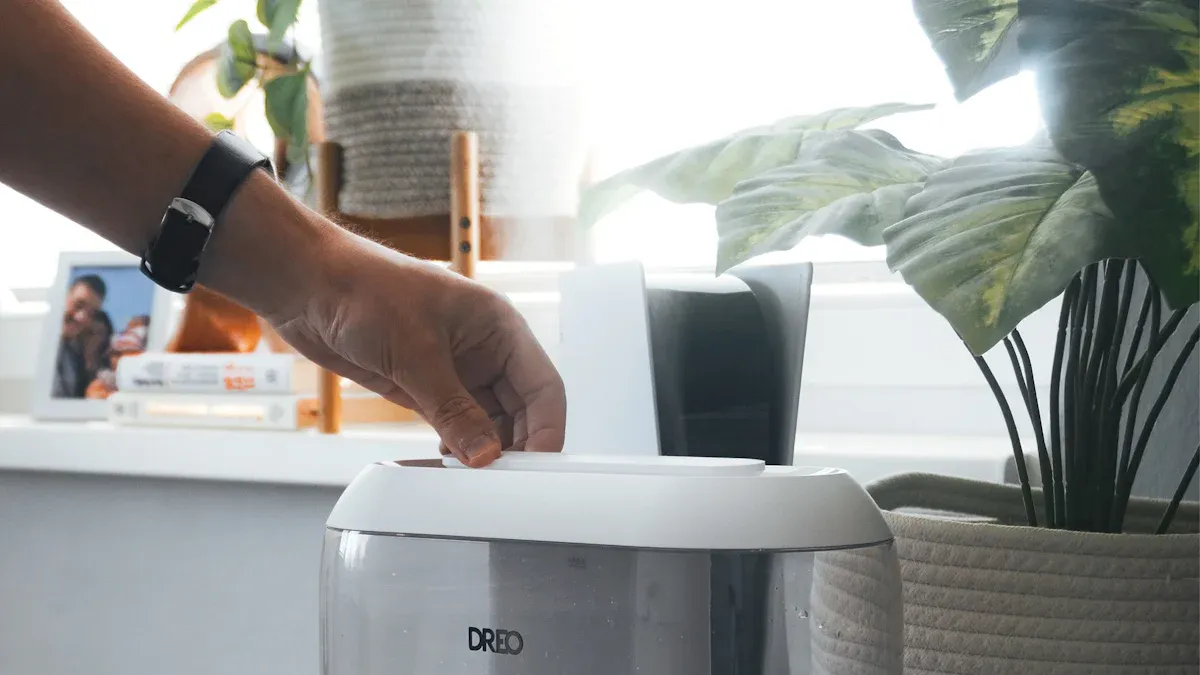
Modern dispensers offer more than just hot and cold water. They provide a suite of smart features that enhance convenience, purity, and safety. You need to understand these features to choose a model that truly fits your lifestyle.
A key benefit of a smart table water dispenser is its ability to dispense water at exact temperatures. This feature is a game-changer for anyone who enjoys tea or coffee. Using the right water temperature extracts the best flavor from your drink. Water that is too hot can make tea bitter, while water that is too cool will not brew coffee properly.
Many models come with smart memory settings or presets for common beverages. You can get the perfect temperature with a single touch.
Tip: Look for a dispenser with a wide temperature range. Some models, like the AquaNuTech Digital Instant Hot Water Dispenser, offer settings from 67°F to 208°F. Other popular brands like Zojirushi and Panasonic often provide useful presets at 160°F, 175°F, 195°F, and 208°F.
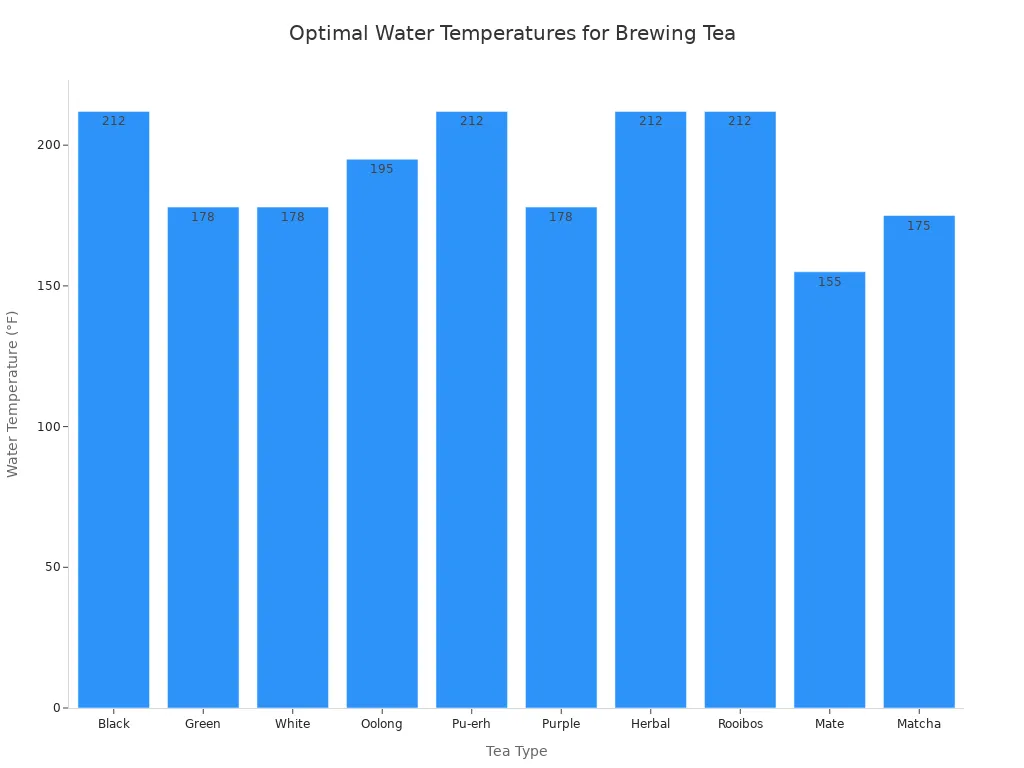
Here are the ideal temperatures for different types of tea:
| Tea Type | Optimal Water Temperature |
|---|---|
| Black, Pu-erh, Herbal | Full boil (212°F / 100°C) |
| Oolong | Almost boiling (195°F / 90°C) |
| Green & White | Steaming briskly (175-180°F / 80°C) |
| Matcha | Steaming briskly (175°F / 80°C) |
Your dispenser should deliver pure, clean water. Advanced filtration systems are essential for removing contaminants from your tap water. The two most common types are Activated Carbon and Reverse Osmosis (RO).
| Feature | Reverse Osmosis (RO) | Activated Carbon |
|---|---|---|
| How it Works | Pushes water through a special membrane | Uses carbon to trap impurities |
| What it Removes | Dissolved solids, heavy metals, bacteria, viruses, fluoride, and pesticides | Chlorine, bad tastes, odors, and some chemicals |
| Best For | Areas needing the highest level of purification | Improving the taste and smell of tap water |
To ensure a filter's effectiveness, you should look for NSF/ANSI certifications. These standards confirm that a filter can remove specific harmful substances. Certified filters can reduce contaminants like:
Heavy metals (e.g., lead)
PFAS chemicals
Pesticides
Microplastics
Chlorine
Stagnant water can grow bacteria and create a slimy layer called biofilm inside a dispenser's tank. A smart table water dispenser with automated self-cleaning solves this problem. Most use UV-C light technology to keep the water pure.
The UV-C light works by damaging the DNA of germs like bacteria and viruses. This process kills them and stops them from growing back. A built-in UV-C lamp activates automatically at set times, often every few hours. This ensures the water inside the tank stays fresh and safe to drink without any manual effort from you. These cleaning cycles typically run for 10 to 40 minutes each day to maintain hygiene.
Safety is a top priority for any home appliance. For electronic water dispensers, you should check for safety certifications like UL or ETL. These marks mean the product has passed strict tests for fire, electrical shock, and other hazards. They give you peace of mind that the appliance is safe to use in your home.
Beyond core functions, smart features make your daily life easier. Look for models with:
Child safety locks on the hot water tap to prevent accidents.
Touchscreen control panels for easy operation.
Eco modes to save energy when the dispenser is not in use.
Smart sensors that show filter life or alert you to issues.
These usability features transform a simple appliance into a helpful part of your smart home.
The sticker price of a smart water dispenser is only the beginning of its cost. To make a smart financial choice, you need to calculate the total cost of ownership (TCO). This includes the initial purchase plus all future expenses. A cheaper model today could cost you more in the long run.
You will find that smart water dispensers come in a wide range of prices. The initial cost often reflects the build quality and the sophistication of the features included.
| Category | Price Range | Key Features |
|---|---|---|
| Budget-Friendly | $150–$250 | Basic Wi-Fi, single-stage filtration, plastic build |
| High-End | $400+ | RO/UV combo, stainless steel, AI-powered insights |
A high-end model with advanced filtration may have a higher upfront cost. However, its efficiency can lead to lower long-term expenses and a better user experience.
You should budget for three main recurring costs:
Filters: You must replace filters regularly to ensure water purity. The cost and frequency vary by brand and filter type.
Energy: The dispenser uses electricity to heat, cool, and purify water. Look for models with an energy-saving eco-mode to reduce your power bill. ⚡
Water: For bottled dispensers, this is the cost of buying water jugs. For bottleless models, it is the minimal cost from your home's water supply.
Your choice between a bottled or bottleless dispenser greatly impacts your 3-year TCO.
A bottleless dispenser usually has a higher initial price. However, it often becomes the more economical option over time. You save significant money by eliminating the need to buy and replace heavy water jugs.
In contrast, a bottled dispenser is cheaper to buy initially. The recurring cost of water deliveries or store-bought jugs quickly adds up, making it more expensive over the years.
Choosing the right appliance can feel overwhelming. This simple 4-step checklist will guide you through the process. It helps you make a confident decision based on your specific needs and home environment.
First, you need to understand your water. The quality of your tap water and your family's daily consumption are the two most important factors in your decision.
Know Your Water QualityYou should test your tap water to know what you need to filter out. The Environmental Protection Agency (EPA) suggests using a certified lab for accurate results. Here is how you can check your water:
Review Your Water Report: If you use city water, you get an annual Consumer Confidence Report (CCR). This document lists regulated contaminants found in your water. You can contact your local water supplier if you did not receive one. This is very important for homes built before 1986, as lead can come from old pipes.
Test Your Well Water: You will not get a CCR if you have a private well. You should test your well water directly to ensure it is safe.
Use a Certified Lab: DIY home test kits can be inaccurate. Your local health department may offer low-cost testing. You can also use mail-in kits from reputable companies like SimpleLab TapScore, which send your sample to a professional lab.
Estimate Your Daily NeedsNext, think about how much water your household drinks. The average American uses about 82 gallons of water at home each day, but only a fraction of that is for drinking. Total home water use can vary by state. For example, residents in Utah may use over 150 gallons per day, while those in Texas use closer to 76-100 gallons.
To estimate your drinking water needs, consider your family size and habits. A good starting point is to track your consumption for a few days. This will help you decide if a standard-capacity model is enough or if you need a high-volume system.
A smart table water dispenser can come with many features. You should focus on the ones that will actually improve your daily life. Think about your primary reason for buying the dispenser. Is it for better-tasting coffee, safer water for your kids, or general convenience?
Your answer will help you prioritize. For example, different settings require different features.
| User Profile | Most Valued Features |
|---|---|
| The Busy Family | Durability, ease of use, and safety features like a child-proof lock on the hot water tap. |
| The Health-Conscious User | Advanced filtration (RO), UV self-cleaning, and touchless operation to prevent cross-contamination. |
| The Tea & Coffee Enthusiast | Precise temperature controls, multiple presets for different beverages, and quick heating. |
Tip: Make a list of your top three "must-have" features. Use this list to compare models. This prevents you from paying for advanced functions you will never use.
Before you buy, you must confirm the dispenser will fit in your home. An appliance is only useful if it fits your space and can be installed correctly.
Measure Your SpaceTake a tape measure and check the spot where you plan to place the dispenser. Write down the available height, width, and depth. Compare these numbers to the product dimensions listed online. Remember to leave a few extra inches around the unit for proper air circulation to prevent overheating.
Understand Installation NeedsInstallation varies greatly between bottled and bottleless models.
Bottled Dispensers: These are simple. You just need a stable, level surface and a nearby electrical outlet.
Bottleless Dispensers: These require more work. You will need access to a water line and a power source.
Here are the typical requirements for a bottleless unit:
Plumbing: The unit must connect to your cold water supply line. A professional may run food-grade tubing behind walls or under baseboards. The system also needs a drain line with a proper slope to prevent standing water.
Electrical: You must use a properly grounded outlet. Avoid using extension cords, as they are not safe for continuous power. Make sure the circuit can handle the appliance without tripping.
If you are not comfortable with plumbing or electrical work, it is best to hire a licensed professional for installation. This ensures everything is done safely and meets local building codes.
Filters are the heart of your water dispenser, and they represent a recurring cost. You must research them before you commit to a model.
Filter Lifespan and TypeThe type of filtration system determines how often you need to replace the filters. This directly impacts your long-term costs and maintenance effort.
| Filter Type | Average Lifespan |
|---|---|
| Reverse Osmosis (RO) Membrane | 2 to 5 years |
| Activated Carbon Filter | 6 to 12 months |
A model with a long-lasting RO membrane may cost more upfront but save you money over time compared to a model that needs new carbon filters twice a year.
Availability and PriceBefore you finalize your purchase, answer these two questions:
Where can I buy replacement filters?
How much do they cost?
Check if the filters are sold directly by the manufacturer, on Amazon, or at local hardware stores. Some brands use proprietary filters that are only available from their website and can be expensive. Others use standard-sized filters that are easy to find and more affordable. Factoring in filter cost and availability is essential for calculating the true cost of ownership and ensuring your dispenser remains effective.
Choosing your ideal smart table water dispenser involves balancing three key areas. You must weigh the dispenser type, your must-have features, and the true total cost. This investment upgrades your health and daily routine.
Use this guide to confidently select a model that perfectly fits your home and lifestyle.
You should clean the outside of your dispenser weekly. For internal cleaning, follow the manufacturer's instructions. Models with UV self-cleaning features require less manual effort to maintain hygiene.
You can install a bottleless dispenser if you have basic plumbing skills. However, hiring a professional ensures the connection is secure, safe, and meets local building codes.
Most smart dispensers are energy-efficient. You should look for models with an eco-mode or sleep function. These features significantly reduce power consumption when the unit is not in use.

We provide you with comprehensive foreign trade solutions to help enterprises achieve global development
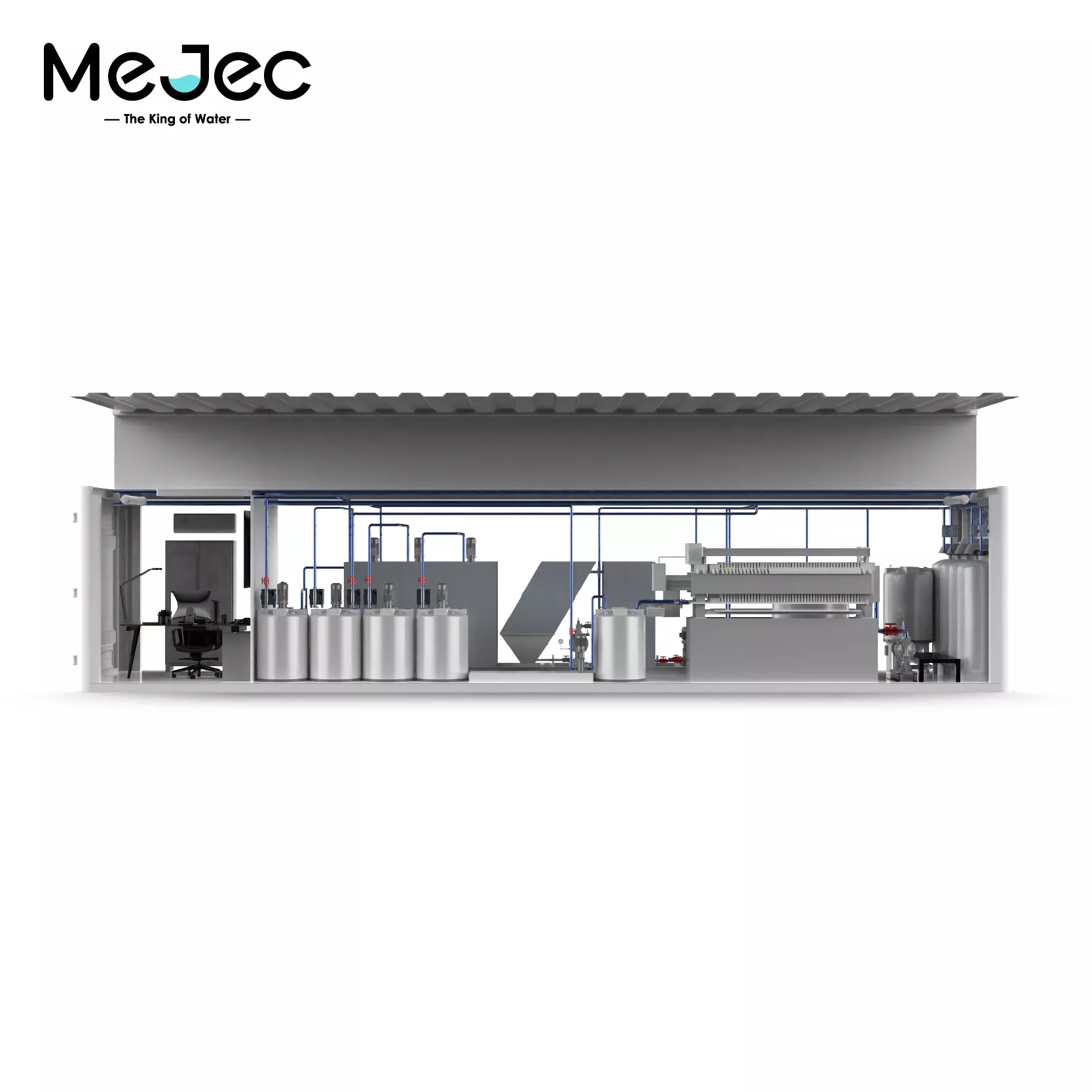
Mejec containerized wastewater treatment system ad...
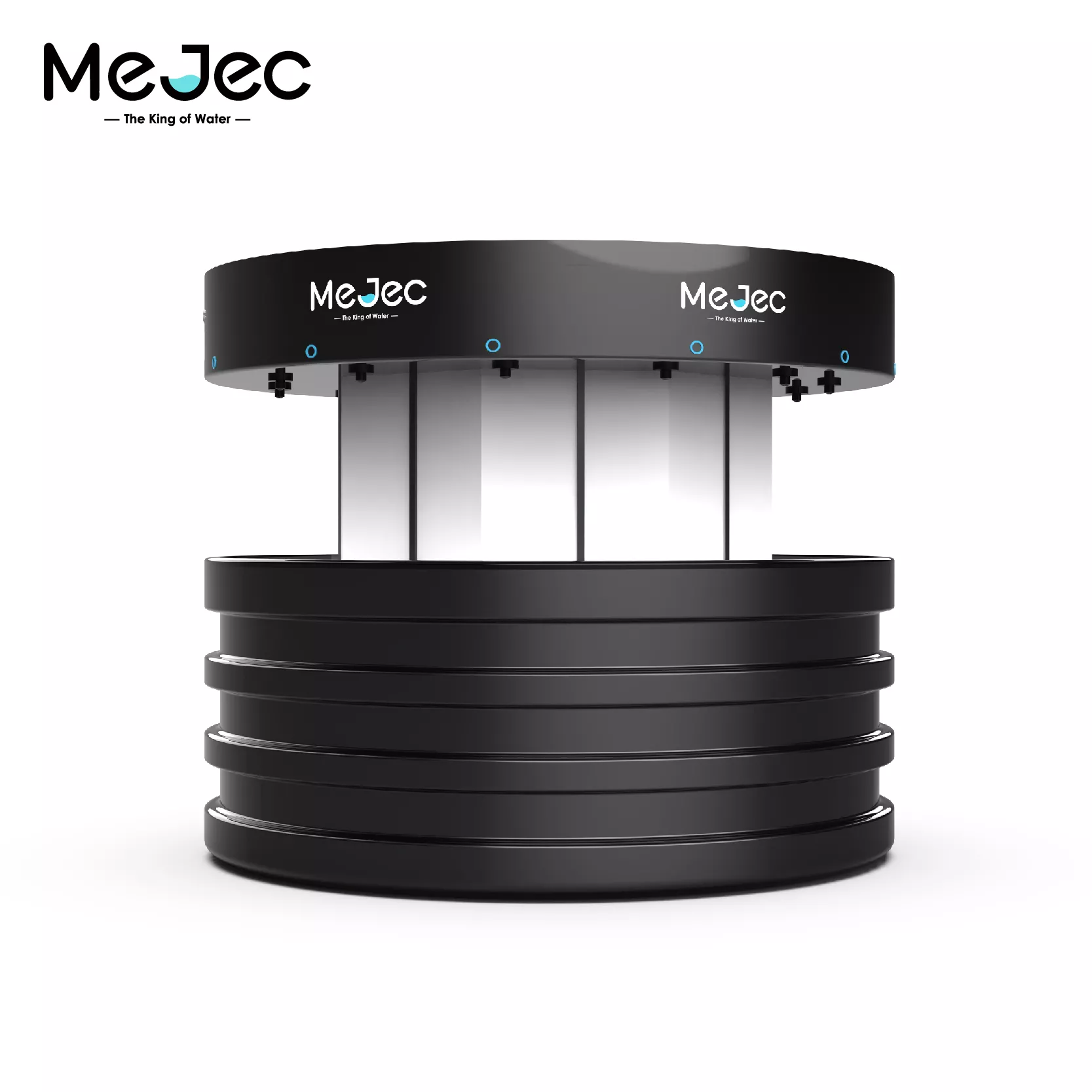
Mejec Redefines the Outdoor Hydration Experience. ...
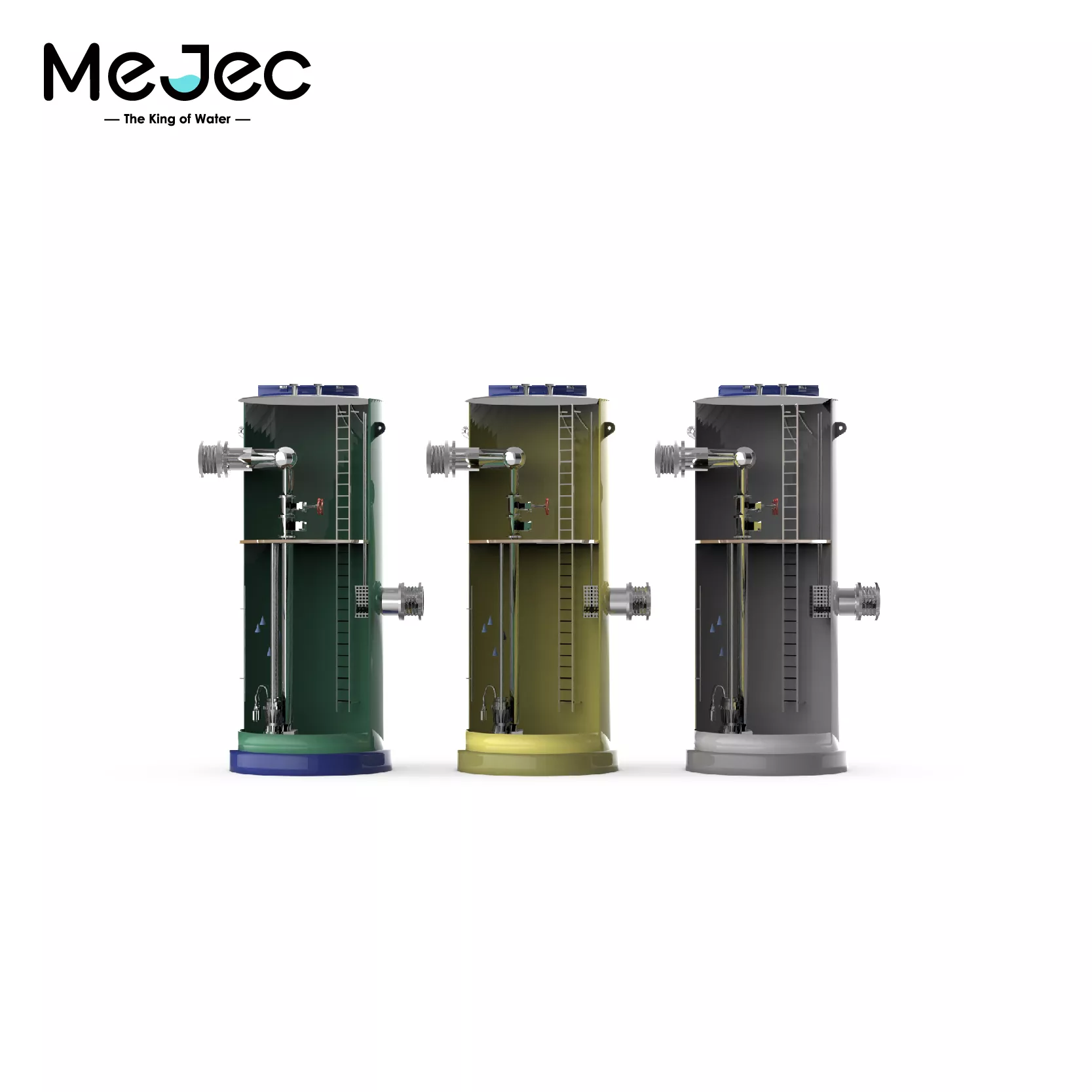
LD-BZ, The series of integrated prefabricated pump...
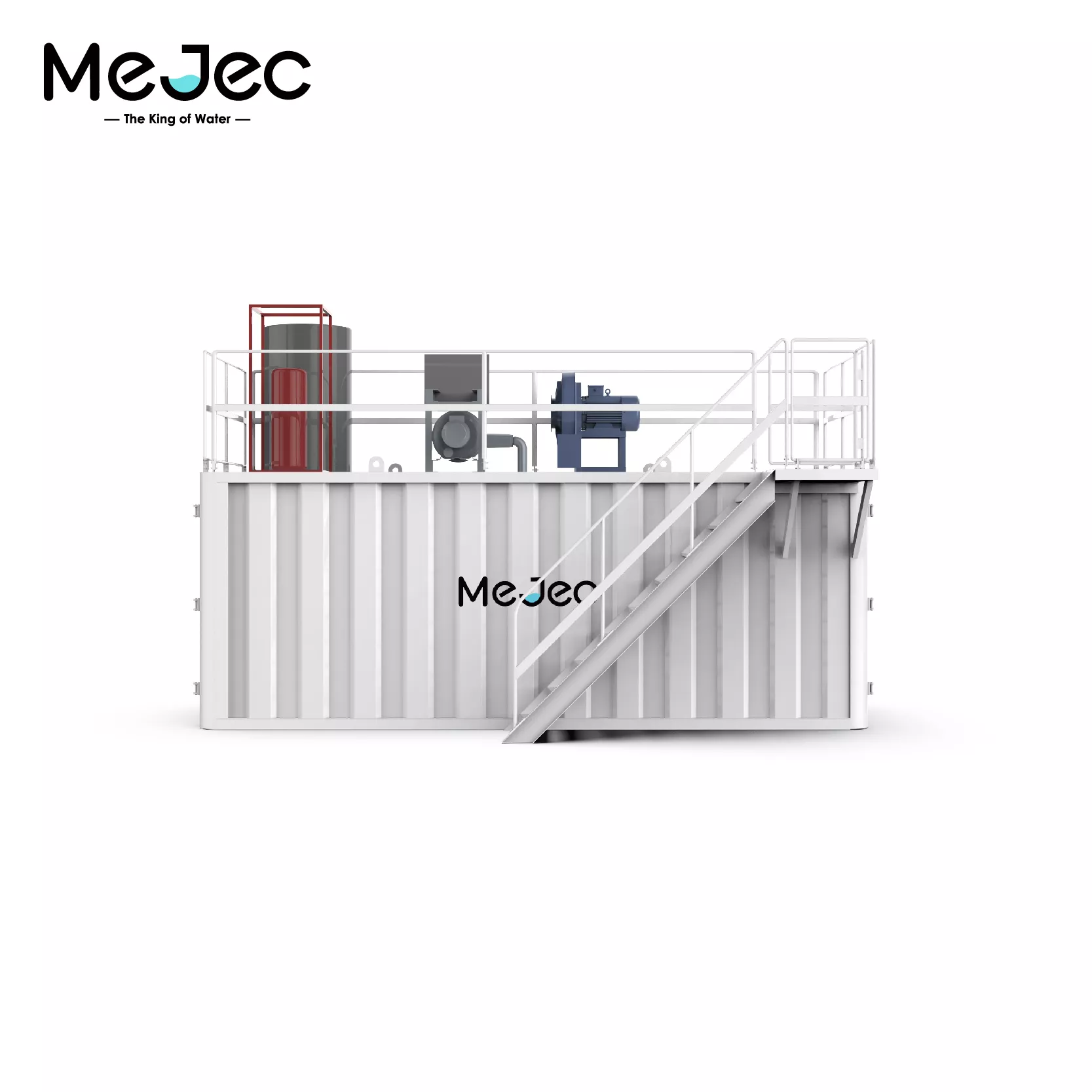
Mejec Containerized MABR Equipment is an innovativ...
Select the most popular foreign trade service products to meet your diverse needs
Select the most popular foreign trade service products to meet your diverse needs





User Comments
Service Experience Sharing from Real Customers
Emily Chen
Graphic DesignerThis small water dispenser is perfect for my home office! It's compact, quiet, and heats water incredibly fast. No more trips to the kitchen. The sleek design fits perfectly on my desk.
David Rodriguez
Remote Software EngineerAs someone who works from home, having instant hot and cold water at my workspace is a game-changer. The unit is surprisingly powerful for its size. One star off because the water tank could be a bit larger.
Sarah Johnson
Freelance WriterI purchased this for my apartment, and it's been fantastic. It saves so much counter space compared to traditional dispensers. The water tastes clean, and the child lock feature gives me peace of mind. Highly recommend for small households!
Michael Park
NursePerfect for keeping on my nightstand. I work night shifts and having warm water readily available when I get home is a lifesaver. It's energy-efficient, easy to clean, and operates very quietly. Excellent product for home use.