




.webp)
How to choose the best commercial water dispensers for restaurants
Find the best commercial water dispenser for your ...
More


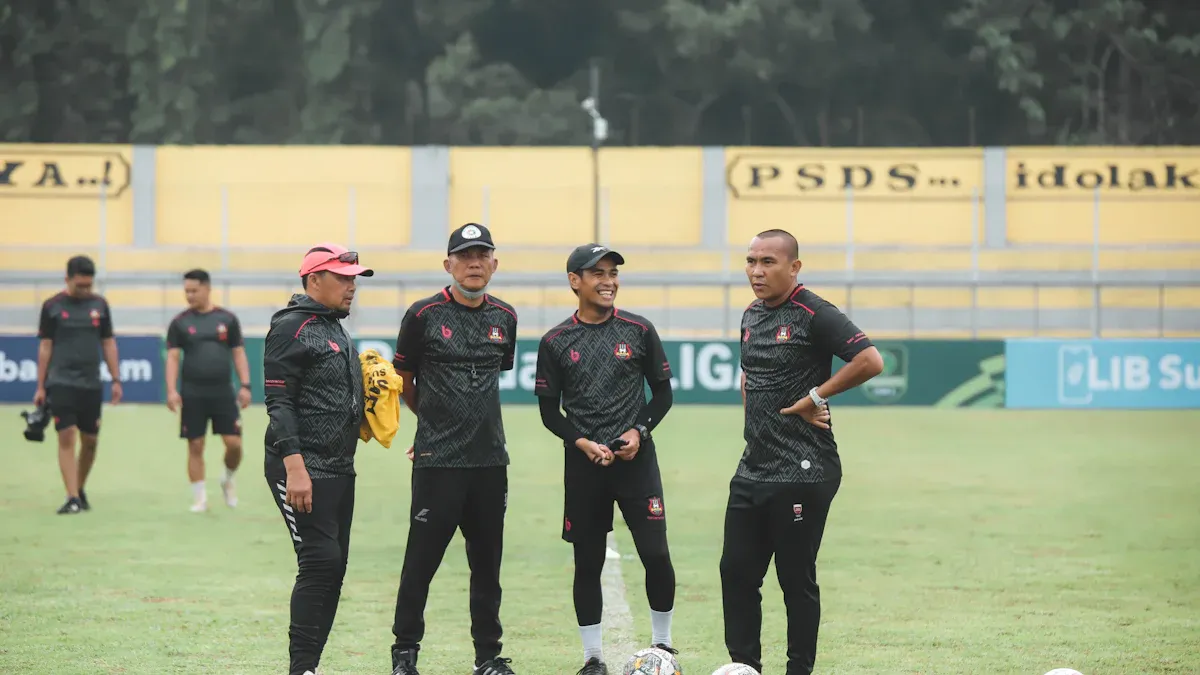
An excellent hydration strategy is fundamental to your team's success. You must choose the right team hydration station. Match its capacity, mobility, and features to your team's needs. A good sports water dispenser supports athlete health for many seasons. Prioritize durability and sanitation for a smart investment.
A good hydration station helps athletes perform better. It also keeps them safe and healthy.
Choose a hydration station that fits your team's needs. Think about how much water your team drinks and where you will use the station.
Clean your hydration station often. This keeps it working well and prevents germs.
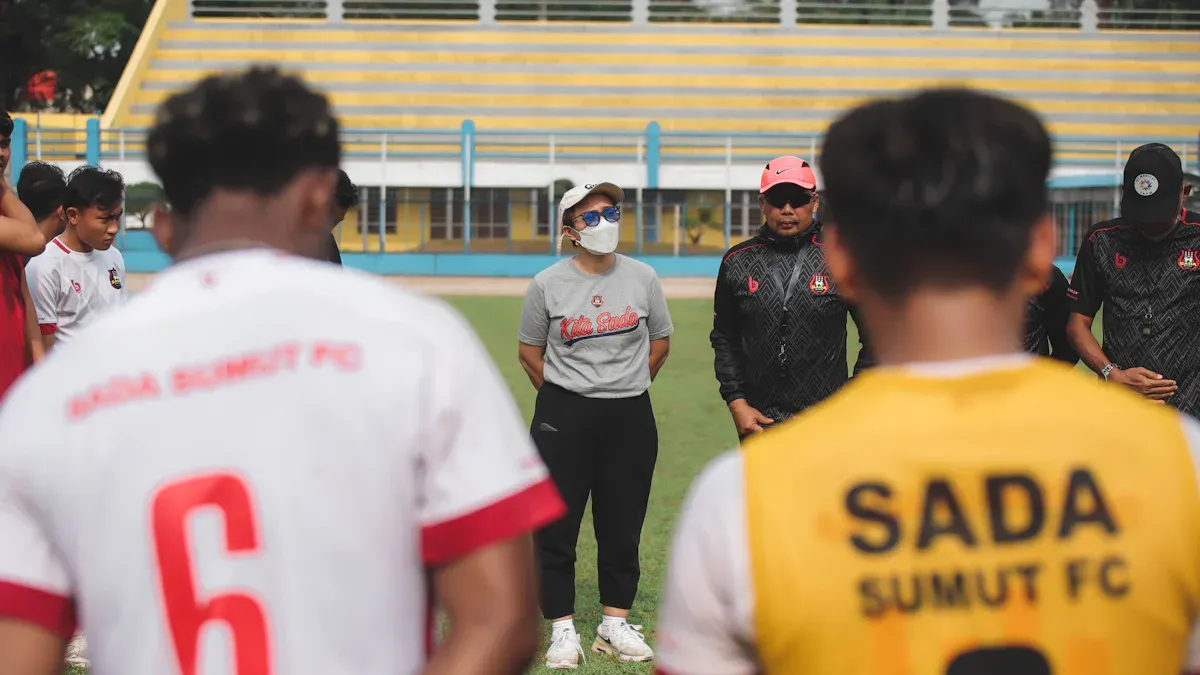
Moving beyond a cooler of loose water bottles transforms your team's entire operation. A central hydration station offers major advantages for performance, safety, and efficiency. You give your athletes the tools they need to succeed on and off the field.
Dehydration quickly hurts an athlete's ability to compete. A fluid loss of just 1-2% of body weight can seriously reduce endurance. An athlete's capacity for high-intensity exercise can drop by as much as 45% with minor dehydration. A dedicated station provides easy access to water. This helps your players stay hydrated and perform at their peak from kickoff to the final whistle.
You can eliminate the time wasted refilling individual bottles. Players get quick access to water and return to drills faster. This streamlined process keeps practice moving. It maximizes every minute of your valuable training time. Your team stays focused on skills and strategy, not searching for water.
Heat-related illnesses pose a serious risk to athletes. The CDC recommends several key prevention strategies to keep players safe. A hydration station directly supports these measures. You can:
Schedule frequent rest and water breaks.
Encourage athletes to drink plenty of fluids on hot days.
Help players acclimate to heat during summer practices.
Sharing water bottles is a common way to spread germs and illnesses. Viruses that cause mononucleosis, for example, spread easily through saliva. A hands-free sports water dispenser ensures each athlete gets clean water without sharing mouthpieces. This simple change protects your team's health and reduces the risk of a sickness spreading through the roster.
Selecting the right hydration station requires a careful look at your team's specific needs. You must analyze several key factors before making a purchase. This ensures you get a system that serves your athletes well for many seasons.
First, you need to determine how much water your team uses. An undersized station will run dry, while an oversized one is difficult to transport. You can calculate your team's needs with a simple formula.
(Number of Players) x (Ounces per Player) = Total Ounces Needed
Most athletes need about 20-25 ounces of water per hour of exercise. This number can increase to 28 ounces for larger athletes or on very hot days. For a more precise estimate, consider the demands of your sport. Football players, for example, have high hydration needs due to heavy equipment and intense activity.
| Player Type | Average Sweat Rate (Liters/hour) |
|---|---|
| NFL Players | 2.1 ± 0.25 |
| DII Players | 1.8 ± 0.15 |
| Linemen | 2.3 ± 0.2 |
| Backs | 1.6 ± 0.2 |
Let's apply this to a football team of 50 players for a 2-hour practice. If each player drinks about 8 ounces every 15 minutes, they will consume 64 ounces over two hours.
50 players x 64 ounces = 3,200 ounces
Since there are 128 ounces in a gallon, you would need at least 25 gallons (3200 ÷ 128). Common hydration station capacities are 10 or 20 gallons, so a 20-gallon unit paired with a backup cooler would be a good starting point for this team.
Think about where you will use the hydration station. Your team may practice on different fields or travel for games. Mobility is a critical feature.
Wheels: Look for systems with large, durable wheels. Oversized pneumatic (air-filled) tires are excellent for moving across uneven grass, gravel, or turf. Wide-profile wheels help distribute weight and prevent damage to artificial turf surfaces.
Size and Weight: You must be able to move and store the unit. A typical 20-gallon sports water dispenser might have dimensions that require careful planning for transport and storage.
| Feature | Value |
|---|---|
| Width | 29 inches |
| Length | 25 inches |
| Height | 50 inches |
| Weight (Empty) | 88 lbs. |
Consider if the unit will fit through doorways, onto a bus, or into your storage closet. An empty weight of 88 pounds is manageable, but remember that a full 20-gallon tank adds over 160 pounds of water.
A team hydration station is an investment in your program's health and safety. You want a unit built to withstand the rigors of daily use, transport, and exposure to the elements.
Commercial-grade equipment is designed for heavy use. With proper care, a professional hydration system can last between 5 and 10 years. This provides a much better return on investment than consumer-grade coolers, which may only last one or two seasons under the same demands. Check for sturdy frames, crack-resistant tanks, and high-quality hoses and nozzles that can handle repeated use.
Sanitation is non-negotiable for athlete safety. A system that is difficult to clean can become a breeding ground for bacteria and mold. You should look for features that make cleaning simple and effective.
Tip: Choose a station with a tank and components made from certified food-grade materials. This ensures the water remains safe and free from chemical contamination.
Look for official certifications to guarantee material safety. Key standards include:
NSF/ANSI 51: Certifies that materials are safe for contact with food.
NSF/ANSI/CAN 61: Certifies components for use in drinking water systems.
These certifications mean every part of the manufacturing process was reviewed to protect against contamination. A system with a large drain plug, removable hoses, and an easy-to-scrub tank will make your daily cleaning routine much more efficient.
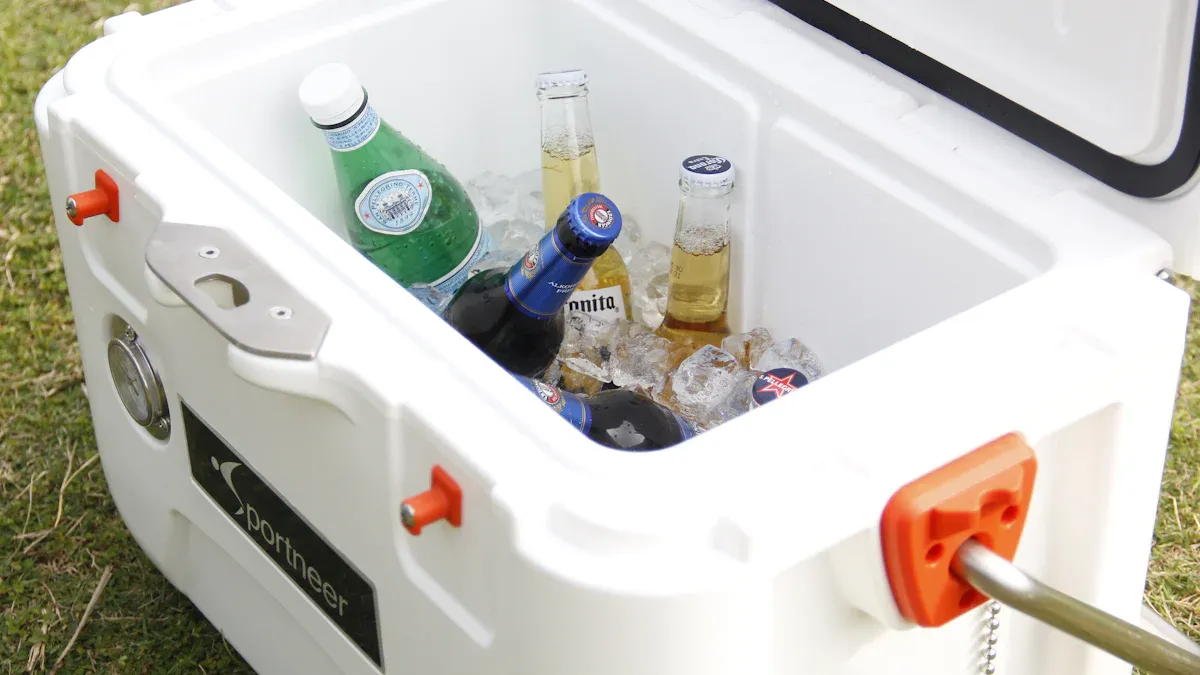
Different sports present unique hydration challenges. The right system for a football team might not work for a volleyball squad. You should match the features of a sports water dispenser to the specific demands of your team's environment. This ensures you get the most value from your investment.
Football and soccer teams have large rosters and practice on expansive fields. You need a system that can serve many players at once and move across difficult terrain. Look for high-capacity, mobile units built for durability.
A great option is a powered hydration cart with a heavy, powder-coated steel frame. These systems are designed for all-weather use. Key features for your team include:
High Capacity: A 20-gallon tank provides enough water for long, intense practices. An extra-wide threaded top makes refilling with water and ice quick and easy.
Multiple Hoses: Look for units with six to eight retractable, non-corrosive coiled hoses. This design allows multiple players to drink at the same time without hoses tangling or kinking.
Efficient Nozzles: Quick shut-off nozzles on each hose prevent water waste and keep the sideline area from getting muddy.
All-Terrain Mobility: Oversized pneumatic (air-filled) tires are essential. They allow you to easily move a full, heavy station across grass, turf, or gravel without damaging the field.
For a permanent solution, you can install a hydration tree near your practice field. These connect to a standard hose and often include an in-line filter to ensure fresh, clean water is always available.
Basketball and volleyball teams practice in gyms with limited sideline space. Your priority should be a compact system that prevents slips and falls on hardwood floors. You need a station that is easy to position without disrupting play.
Choose a hydration station with a small footprint and features designed for indoor use. Vertical designs are excellent because they offer multiple dispensing points while taking up minimal floor space.
Consider these important features:
Compact Design: A wheeled cart with a narrow profile can be moved easily between the court and storage. Some units are even collapsible for transport to away games.
Spill Prevention: Drip trays and spill-containment features are critical. They catch excess water and prevent dangerous puddles from forming on the court.
Easy Maneuverability: Heavy-duty wheels allow a single person to move the unit, even when it is full. This helps you quickly position it during timeouts or breaks.
Quick Refills: In a gym, you likely have easy access to a water source. A system with quick-connect refill hoses minimizes downtime between drills.
Baseball and softball teams need a portable water solution for the dugout. Space is tight, and the ground is often uneven dirt or gravel. You need a station that is both compact and rugged.
A smaller, lightweight hydration cart is ideal for diamond sports. A 10-gallon unit often provides enough capacity for a game.
Tip: Look for a sports water dispenser made with an all-aluminum frame. Aluminum is rustproof and much lighter than steel, making the unit easier to move in and out of the dugout.
Key features for your baseball or softball team include:
Narrow Profile: The station must fit through standard dugout gates and doorways. A cart around 22 inches wide is a perfect size.
Stable Base: A wide stance helps keep the cart stable on uneven terrain. No-flat tires are also a great feature, as they roll easily over dirt and grass without needing air.
Easy Cleaning: A tank with a large 8-inch opening lets you add ice easily and simplifies the cleaning process after the game.
Track and cross country teams are often spread out over large areas. Athletes may be at different event stations or miles apart on a course. A single, large station is not practical. Your hydration strategy should rely on multiple, highly portable solutions.
You can use a combination of systems to keep every athlete hydrated.
Mobile Carts: A lightweight water cart or a portable refill station can be positioned at a central point, like the finish line or a high-traffic area of the track.
Cooler Stations: Place several 5 or 10-gallon coolers at key intervals along a cross country course. This gives runners access to water without having to carry their own.
Bottle Carriers: For delivering water to individual athletes or small groups, a dedicated bottle carrier is invaluable. The HydratER Gen 3, for example, is a lightweight aluminum carrier that holds 24 bottles. It weighs only 14 pounds when empty and has large wheels to move easily over any surface.
This multi-station approach ensures every member of your track and field or cross country team has access to hydration, no matter where their event takes them.
A consistent maintenance schedule protects your investment and ensures your athletes' safety. You must keep your hydration station clean to prevent the growth of bacteria and mold. Proper care extends the life of your equipment for many seasons.
You should clean your station after every practice or game. This simple habit prevents sports drink residue from building up. Use soft brushes to scrub the inside of the tank without causing damage.
Follow these steps for effective daily cleaning:
Drain all leftover water from the tank and hoses.
Rinse the entire system thoroughly with clean water.
Remove and rinse the drinking nozzles separately.
Leave the drain plugs open to allow the unit to air-dry completely.
Once a week, you need to sanitize the entire system to eliminate germs. You can create an effective sanitizing solution with household items.
Mix approximately 3/4 teaspoon of unscented liquid bleach with 1 quart of water. Scale this recipe up for your tank size.
Pour the solution into the tank. Run it through all the hoses and nozzles. Let the solution sit in the system for at least two to four hours to kill any contaminants. Afterward, you must rinse everything with fresh water until you can no longer smell any bleach.
Proper storage protects your station during the off-season. First, perform a final deep clean and sanitization. Inspect all parts for wear or damage. Check hoses for any cracks and make sure nozzles are working correctly. Store the clean, dry unit in a covered area away from direct sunlight. A climate-controlled space is ideal. This prevents damage and ensures your station is ready for the next season.
You can make the best choice for your team. Base your decision on calculated capacity, sport-specific features, and a solid maintenance plan. A quality hydration station is a critical investment in your team's health and competitive edge. Choose the right system to keep your athletes hydrated and ready to win.
Most powered stations use a rechargeable 12-volt battery. You can charge it overnight. A single charge typically lasts for many hours, giving you plenty of power for practices or games.
Yes, you can use sports drinks. However, you must clean the station thoroughly after each use. Sugar residue can cause bacteria to grow if you do not sanitize the system properly.

We provide you with comprehensive foreign trade solutions to help enterprises achieve global development
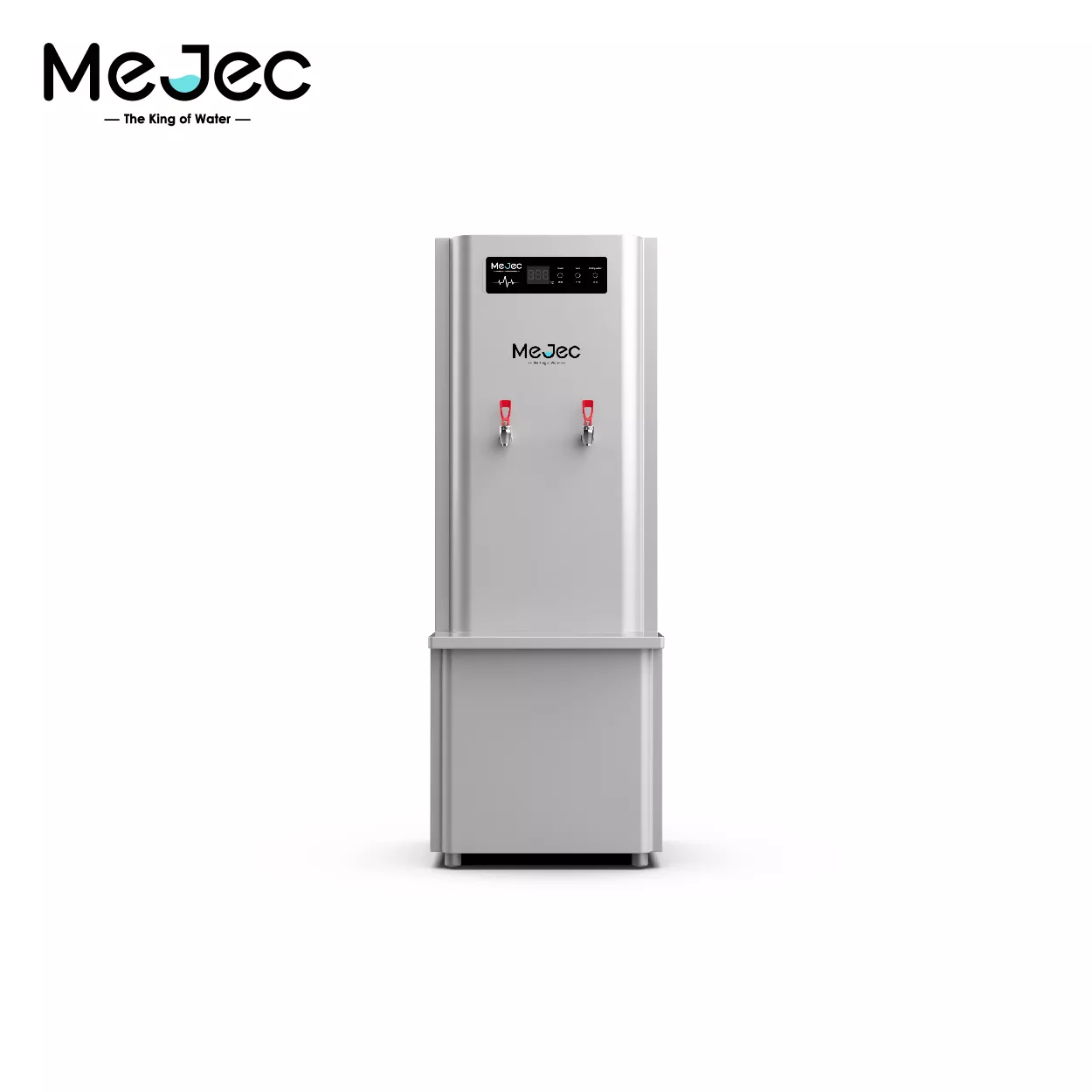
The Mejec dual-faucet boiling water dispenser is b...
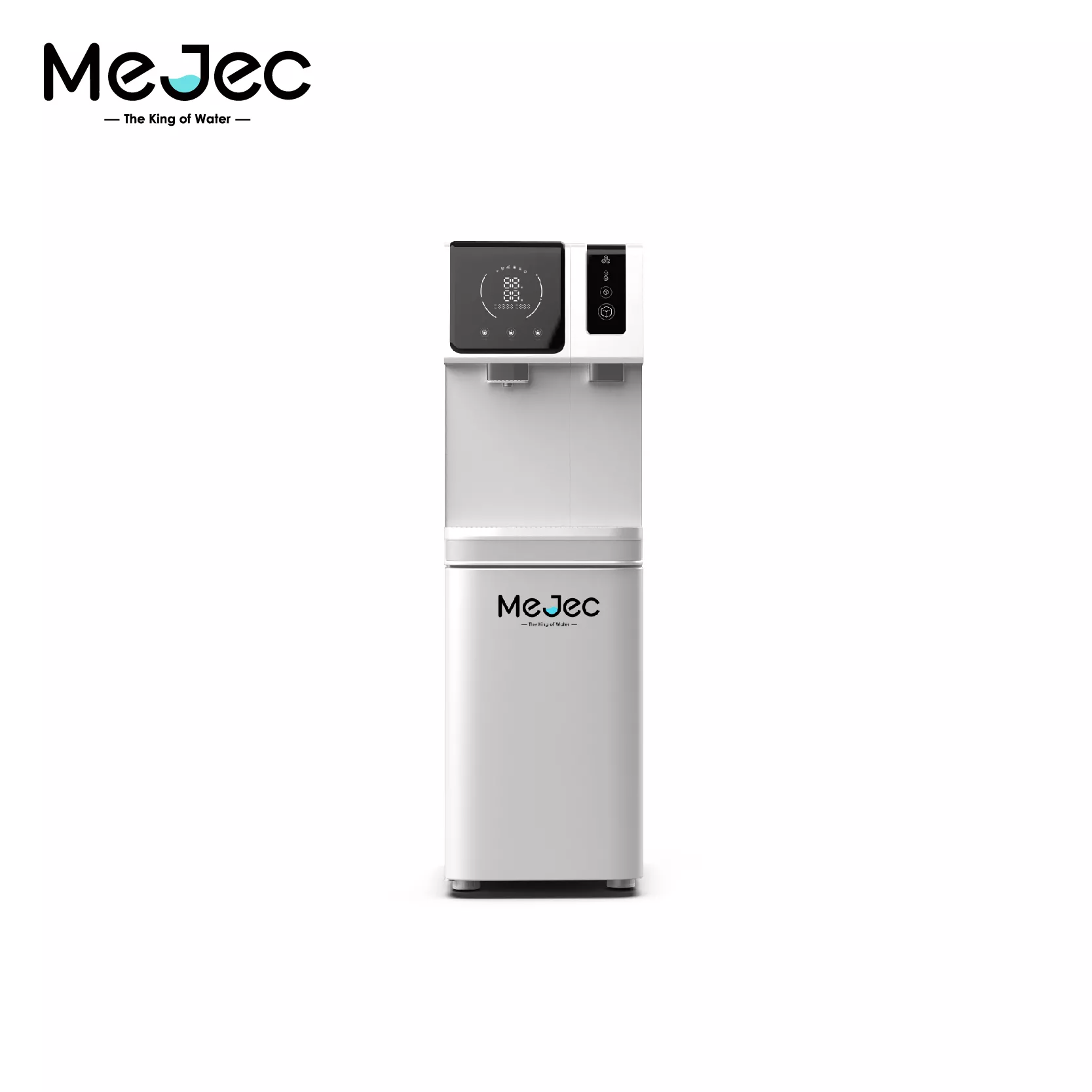
Imagine an office where the simple act of getting ...
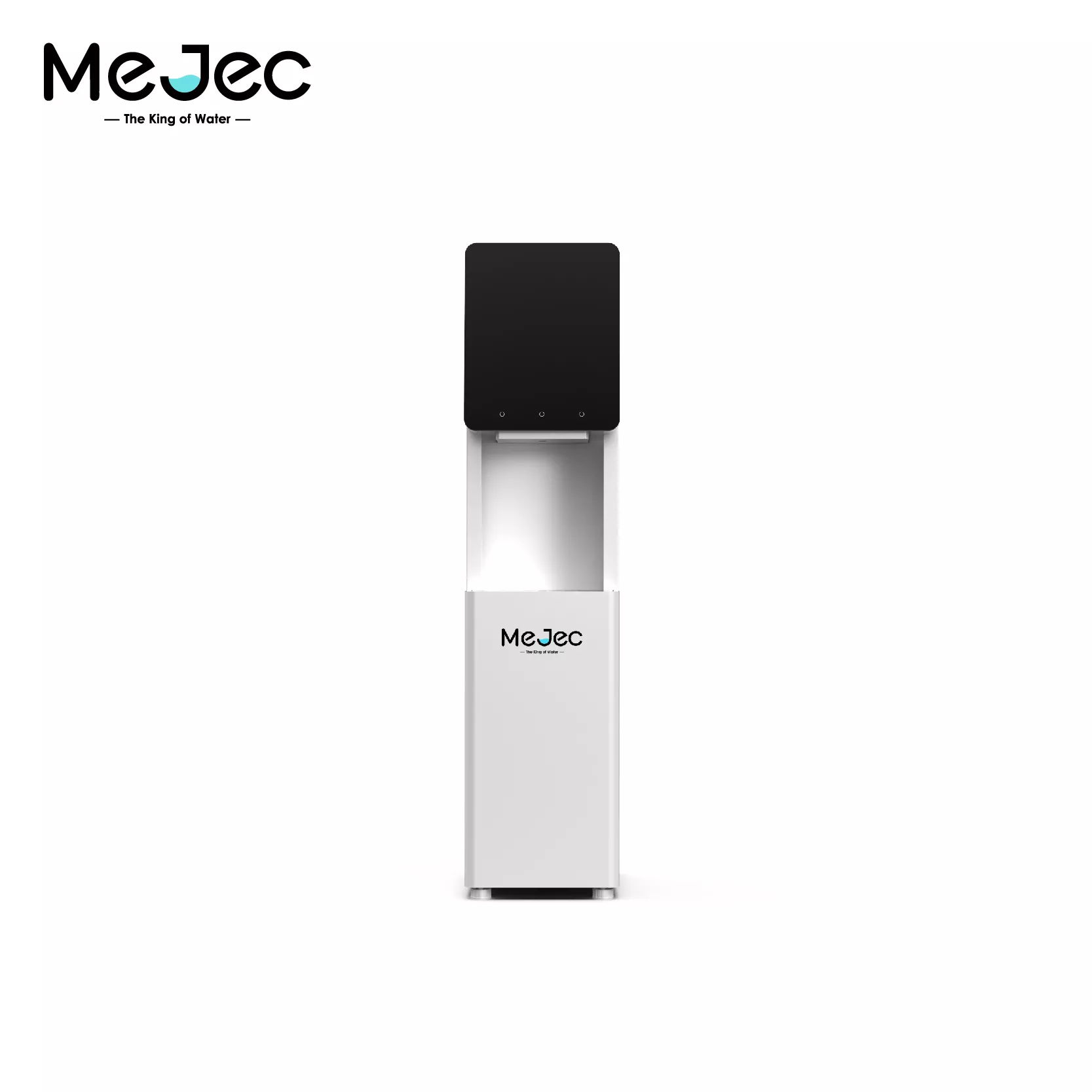
The Mejec commercial drinking machine features a l...
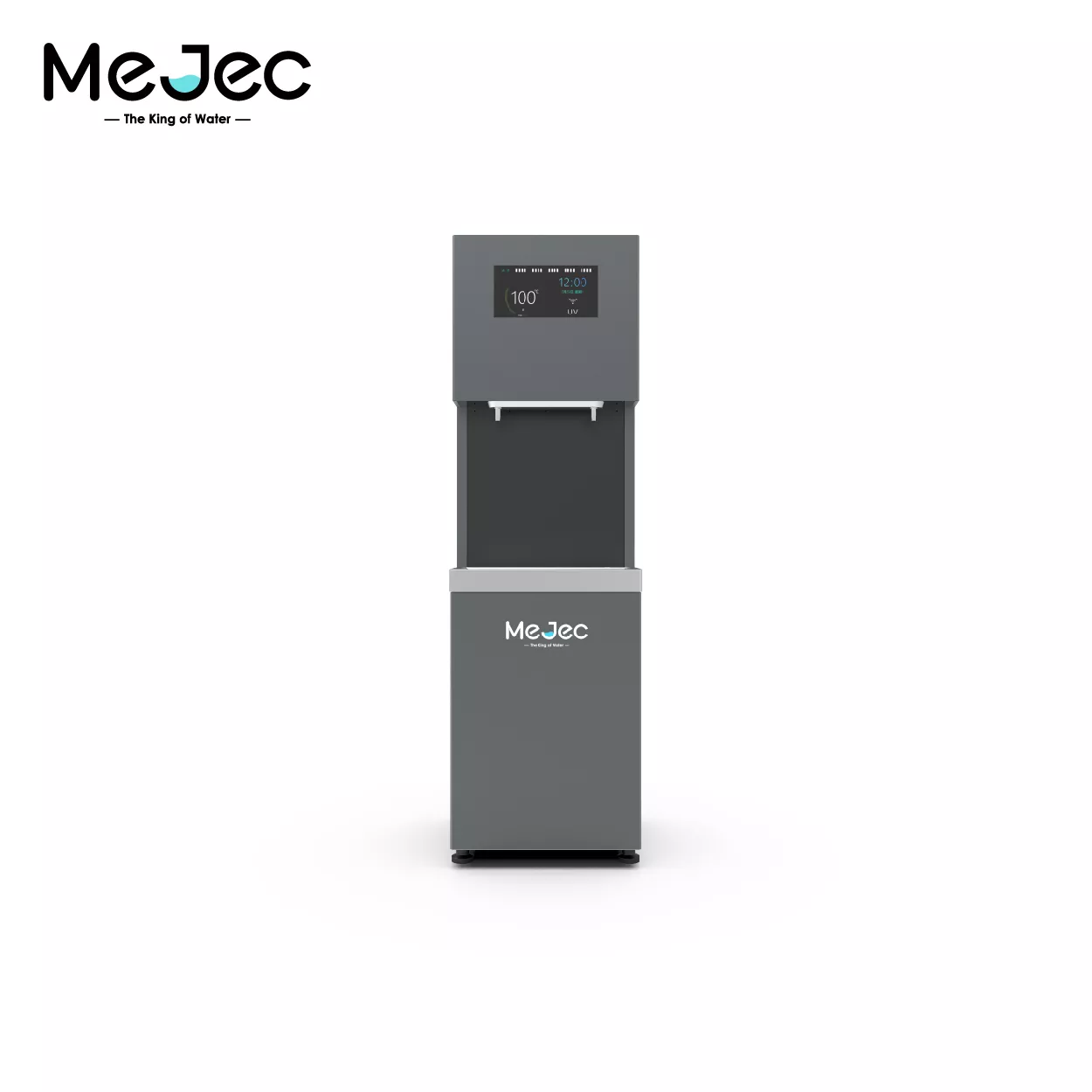
The Mejec commercial energy-saving water dispenser...
Select the most popular foreign trade service products to meet your diverse needs
Select the most popular foreign trade service products to meet your diverse needs




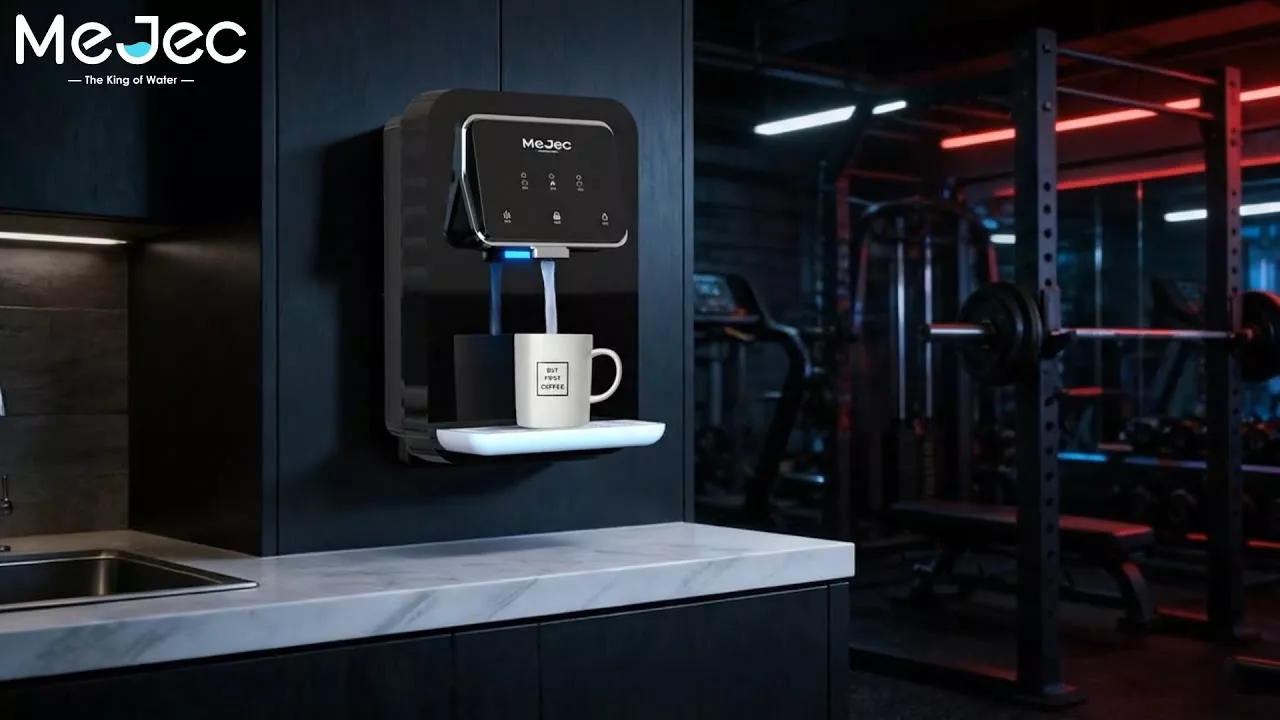

User Comments
Service Experience Sharing from Real Customers
James Wilson
Fitness CoachThis sports water dispenser is a game-changer for our gym. The rapid cooling and large capacity keep up with peak hours. My clients love the easy-access chilled water during intense sessions.
Sarah Chen
Physical TherapistVery reliable and hygienic. The touchless operation is perfect for our clinic. It provides a steady supply of cool water for patients during rehab exercises. A solid addition to any sports medicine facility.
Marcus Rivera
School Athletic DirectorWe installed three units in our high school sports complex. Durable, easy to maintain, and the students love them. The water flow is perfect for quick hydration breaks during practice. Excellent investment.
Elena Petrova
Marathon Event CoordinatorUsed this dispenser for our city marathon hydration stations. It was incredibly efficient, durable under pressure, and kept water perfectly cool throughout the event. Highly recommended for large sporting events.