



.webp)
How to choose the best commercial water dispensers for restaurants
Find the best commercial water dispenser for your ...
More



You should clean your water dispenser every 3 to 6 months for optimal hygiene and taste. Studies show dispensers can harbor more microbial contamination than tap water. Regular cleaning prevents the buildup of germs and mold that can affect your water's quality and your health.
Health Risks of an Uncleaned Dispenser:
Upset stomachs and digestive issues
Exposure to harmful bacteria like E. coli and Salmonella
Clean your water dispenser every 3 to 6 months. This stops germs and mold from growing. It keeps your water safe and tasting good.
Gather supplies like mild dish soap, bleach or vinegar solution, and soft brushes. These tools help you clean the dispenser well.
Follow steps to clean your dispenser. Unplug it, drain water, and use cleaning solutions. Rinse it many times to remove all cleaner.

You can find most of these cleaning supplies right in your home. Having everything ready before you start makes the process quick and easy.
You have a couple of effective options for sanitizing your dispenser. Choose the one that works best for you.
Mild Dish Soap: Use a small amount of unscented dish soap for the initial wash. It helps remove surface grime and dust.
Bleach Solution: This is a powerful, food-grade sanitizer. Mix one tablespoon of unscented household bleach with one gallon of water. This ratio effectively kills harmful bacteria like E. coli and rinses away cleanly.
White Vinegar Solution: You can also use a natural cleaning solution. Create it by mixing equal parts white vinegar and water (for example, 1/2 gallon of vinegar with 1/2 gallon of water).
A Note on Sanitizers 📝 While vinegar is a great cleaner, it is not an EPA-registered disinfectant. For the most reliable disinfection against a wide range of germs, a bleach solution is the recommended choice, especially in an office setting.
Using the right tools protects your dispenser from damage and ensures a thorough clean. Avoid abrasive scrubbers like steel wool that can scratch surfaces.
Clean cloths or sponges
A bucket for mixing your cleaning solution
Lint-free paper towels or a microfiber cloth for drying
A long, flexible bottle brush to clean inside the reservoir
A small spigot brush to clear any buildup from the taps
Specialized brushes with soft bristles are best. They can reach into narrow spaces without scratching the plastic, which helps prevent bacteria from finding places to hide.
Proper preparation is the key to a safe and effective cleaning process. You need to get your water dispenser ready before you apply any cleaning solutions. These initial steps prevent messes and protect both you and the appliance.
Your first action is to disconnect the appliance from its power source. Unplug the power cord from the wall outlet. This step eliminates any risk of electric shock while you work with water and cleaning solutions. It also protects the unit's heating and cooling elements from damage.
Safety Tip: Never clean an electrical appliance while it is plugged in. Always confirm the unit has no power before you begin.
Next, you will need to remove the large water bottle. If the bottle is heavy, you might want to ask for help to avoid spills or injury.
Grip the bottle firmly with both hands.
Lift it straight up and away from the dispenser's top.
Set the bottle aside in a safe place where it will not tip over.
This clears the way for you to access the internal reservoir for cleaning.
The internal reservoir still holds water. You must drain this water completely before cleaning.
Place a bucket or large bowl under the spigots. Press both the hot and cold water taps to drain the remaining water. Keep the taps open until the water stops flowing. Some models may have a drain plug on the back for faster draining. Check your user manual for specific instructions. Draining the reservoir ensures your cleaning solution works effectively. 💧
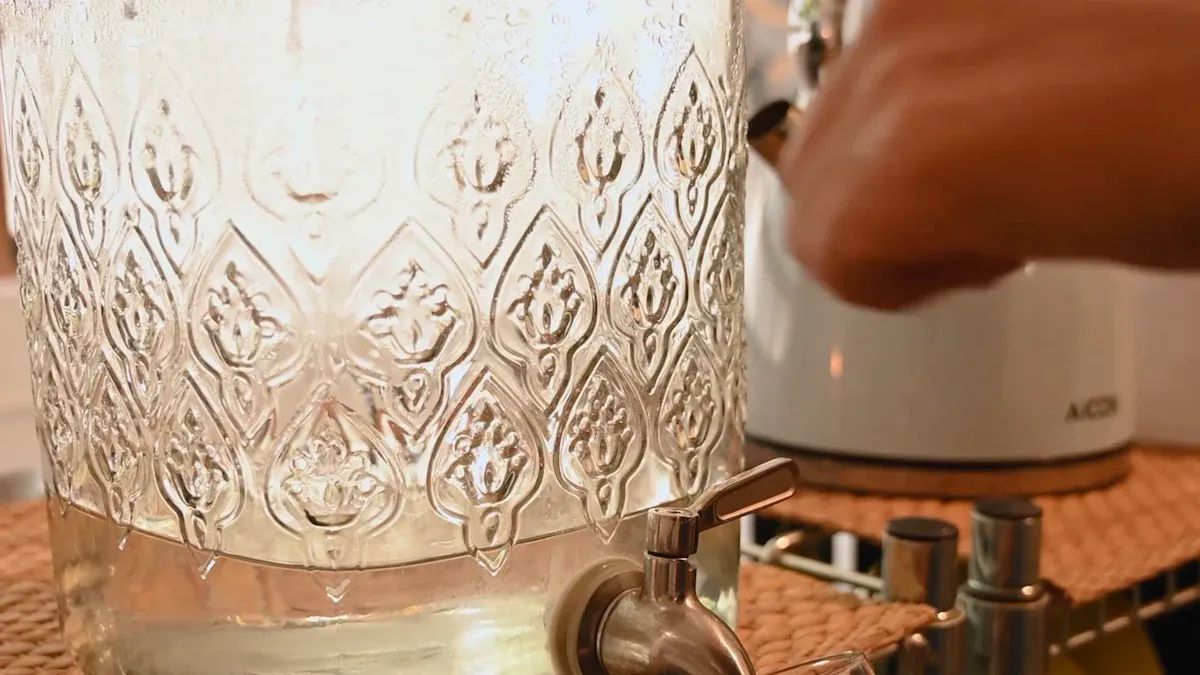
With your water dispenser prepped and ready, you can now begin the deep cleaning. This process targets the internal components where bacteria and mineral deposits can accumulate. Follow these steps carefully for a thorough and effective clean.
First, prepare your chosen cleaning agent in a clean bucket. You can use either a bleach or a vinegar solution.
For a Bleach Solution: Mix one tablespoon of unscented bleach with one gallon of fresh water.
For a Vinegar Solution: Combine equal parts white vinegar and water. For example, use four cups of vinegar with four cups of water.
Both options work well. Bleach is a powerful disinfectant, while vinegar is excellent for breaking down mineral buildup.
Now you will sanitize the heart of your appliance—the internal reservoir.
Carefully pour your cleaning solution into the reservoir. Fill it completely.
Let the solution sit for the recommended amount of time. This "dwell time" is crucial for the solution to work effectively.
Sanitizing Dwell Times ⏱️ Different solutions require different contact times to sanitize properly. Over-soaking with bleach can damage plastic parts over time.
Solution Recommended Dwell Time Bleach 5 to 10 minutes Vinegar Approximately 15 minutes
While the solution soaks, use a long, soft-bristled brush to scrub the inside walls of the reservoir. This action dislodges any biofilm or mineral scale.
Use gentle, circular motions to avoid scratching the plastic surfaces. Scratches can create new hiding places for germs.
For stubborn hard water spots, soak a paper towel in vinegar and press it against the spot for a few minutes. This method helps dissolve the minerals without harsh scrubbing.
Your cleaning solution must also run through the spigots to disinfect the water lines.
Place your bucket under the taps.
Press each spigot to drain about half of the cleaning solution from the reservoir. This flushes the internal tubing.
Next, focus on the tap openings. Dip a small spigot brush or a pipe cleaner in vinegar.
Insert the brush into each tap and gently scrub the inside. This removes any buildup that regular flushing might miss.
The drip tray often collects stagnant water, making it a prime spot for mold growth. You should clean it separately.
Remove the drip tray and its cover from the front of the unit.
Wash both parts in your sink with warm water and a small amount of mild dish soap.
Use a sponge to scrub away any residue or slime.
Rinse the tray and cover thoroughly with clean water and set them aside to air dry on a lint-free towel.
While the internal parts are soaking, you can focus on the outside of your dispenser. A clean exterior not only looks better but also reduces the spread of germs from frequent touching.
You should wipe down all external surfaces and high-touch areas like the taps and buttons weekly, or even daily in a busy office. Using a food-safe sanitizing wipe is a quick way to remove bacteria and visible dirt. For a more thorough clean, the right solution depends on your dispenser's material.
Exterior Cleaning Guide 🧼 Different materials require different care. Using the wrong cleaner can cause damage.
Material Recommended Cleaning Solution Plastic A soft cloth with mild dish soap and water. Stainless Steel A soft cloth with mild soap and water, or a dedicated stainless steel cleaner. Always use a soft cloth to avoid scratching the surface. Scratches can trap dirt and bacteria.
The condenser coils, usually located on the back of the unit, are essential for cooling your water. Dust and debris can build up on these coils, forcing the compressor to work harder. This extra strain reduces the dispenser's efficiency and can shorten its lifespan. You should clean the coils every three to six months.
Follow these steps to clean them safely:
Ensure the dispenser is still unplugged.
Carefully pull the unit away from the wall to access the back panel.
Use a vacuum with a soft brush attachment to gently remove dust from the coils.
Always vacuum in the direction of the fins (usually up and down) to avoid bending them.
This simple task helps prevent future mechanical problems and keeps your dispenser running smoothly.
You have successfully disinfected the inside of your water dispenser. Now, you must rinse everything completely to remove any cleaning solution residue. This ensures your water tastes fresh and pure.
Proper rinsing is critical to remove any lingering taste of bleach or vinegar. You should flush the system at least two to three times.
Drain any remaining cleaning solution from the reservoir through the spigots.
Fill the reservoir to the top with fresh, clean water.
Drain all the fresh water through both the hot and cold taps into a bucket.
Repeat this process two more times. This thorough flushing guarantees your water will be free of any aftertaste.
Once the system is rinsed, you can put everything back together.
Place the clean, dry drip tray and its cover back onto the front of the unit.
Ensure any other removable parts, like the bottle separator, are securely in place.
Tip for a Leak-Free Seal 💧 If you disconnected any internal tubing, ensure a tight connection during reassembly. Make sure the tubing has a clean, straight cut. When you push it into a quick-connect fitting, it should go past the O-ring to form a tight seal. Using a locking clip can help secure the connection and prevent future leaks.
The final step is to load a fresh bottle of water. Proper handling at this stage prevents contamination.
Take your new water bottle.
Use a clean, damp cloth or a food-safe wipe to clean the neck and top of the bottle.
Peel the protective seal off the bottle cap.
Carefully lift the bottle and place it securely onto the dispenser.
Wait a few minutes for the reservoir to fill. You can then plug the unit back in and enjoy a refreshing, clean glass of water.
Regular upkeep keeps your water dispenser fresh between deep cleans. Simple habits prevent the buildup of germs and minerals. This ensures your water always tastes great and is safe to drink.
You can maintain your appliance with a few quick tasks. These small actions make a big difference.
Daily: Wipe down the outside surfaces and high-touch areas. Use a food-safe sanitizing wipe on the spigots and buttons to remove visible dirt and bacteria.
Weekly: Perform a more thorough wipe-down. You should remove the drip tray and taps. Wash these parts in your sink with warm water and mild dish soap. Dry them completely with a clean cloth before putting them back. This simple weekly cleaning prevents grime from accumulating.
Your senses will often tell you when your dispenser needs a deep clean. Pay attention to any changes in your water. An unusual taste or smell is a clear warning sign.
Warning Signs to Watch For ⚠️ You should perform a deep clean immediately if you notice any of the following:
The water has a musty, metallic, or generally "off" taste.
You see black, green, or white specks floating in your water or inside the bottle.
A slimy film develops inside the reservoir or around the spigots.
The unit gives off a sour or moldy odor.
These signs indicate that bacteria, mold, or mineral deposits have built up inside the system.
A clean water dispenser is key to safe, great-tasting water for your home or office. You can easily maintain your appliance by following this guide every few months. This regular care protects your health and also extends the unit's lifespan. Enjoy the peace of mind from a spotless and hygienic water source.
You should deep clean your water dispenser every three to six months. This schedule prevents germ buildup and keeps your water tasting fresh. Regular cleaning ensures optimal hygiene and performance.
Yes, using a diluted bleach solution is safe. Mix one tablespoon of unscented bleach with one gallon of water. You must rinse the system thoroughly afterward to remove all residue.
A bad taste usually means you did not rinse the system enough. You should flush the reservoir and spigots with fresh water at least three times to remove any cleaning solution aftertaste.

We provide you with comprehensive foreign trade solutions to help enterprises achieve global development

Choose Mejec and say goodbye to manual maintenance...
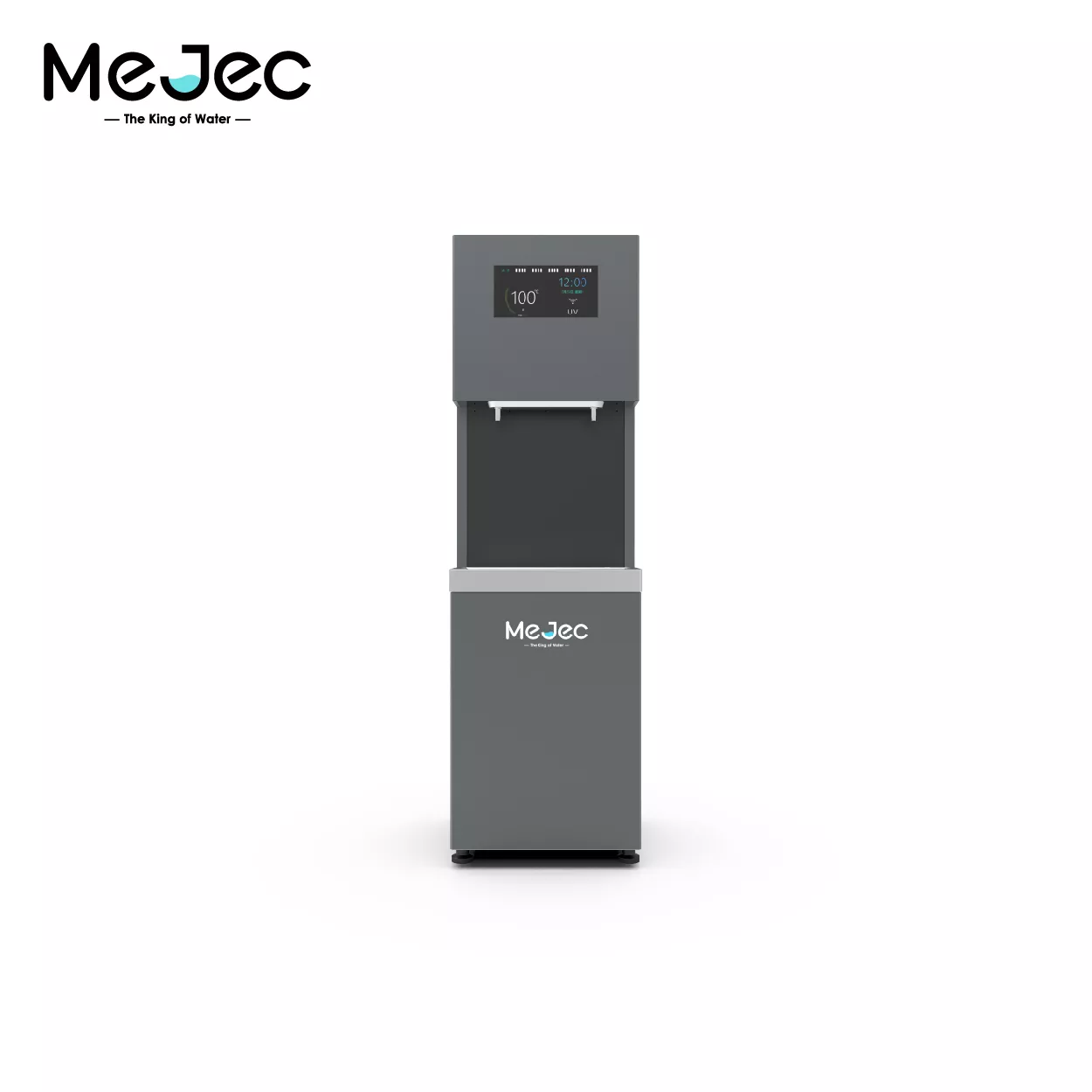
The Mejec commercial energy-saving water dispenser...
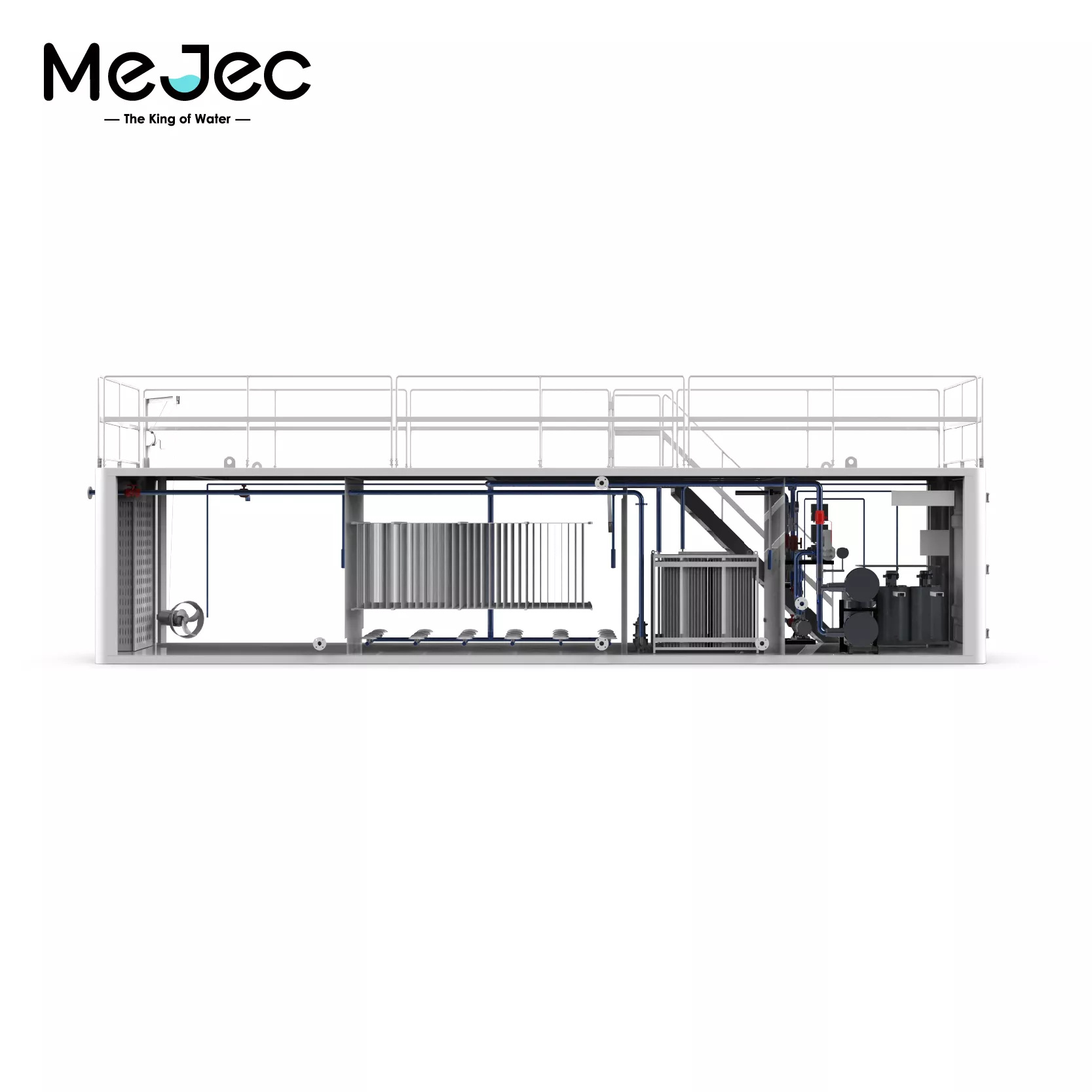
Mejec containerized sewage treatment system incorp...
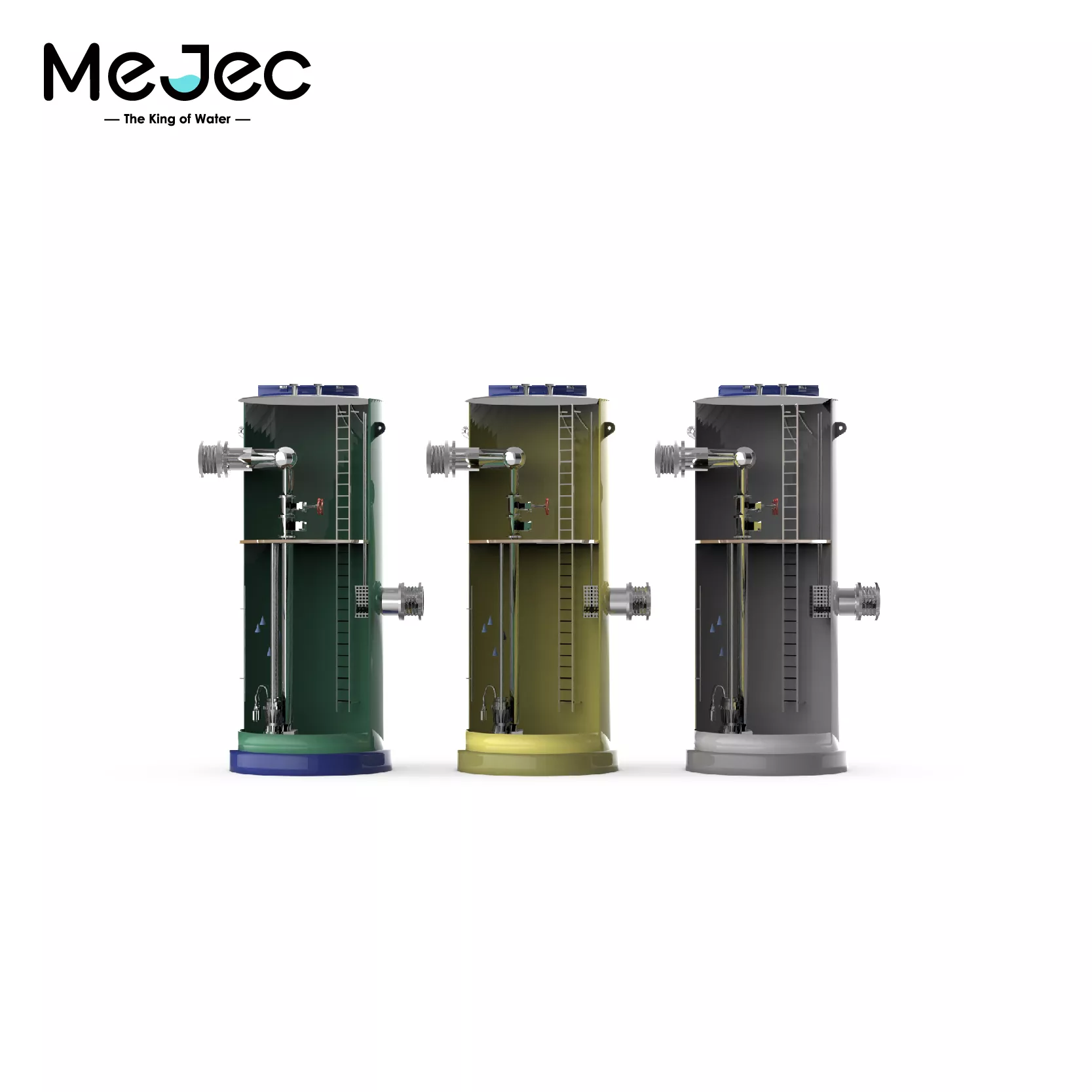
LD-BZ, The series of integrated prefabricated pump...
Select the most popular foreign trade service products to meet your diverse needs
Select the most popular foreign trade service products to meet your diverse needs




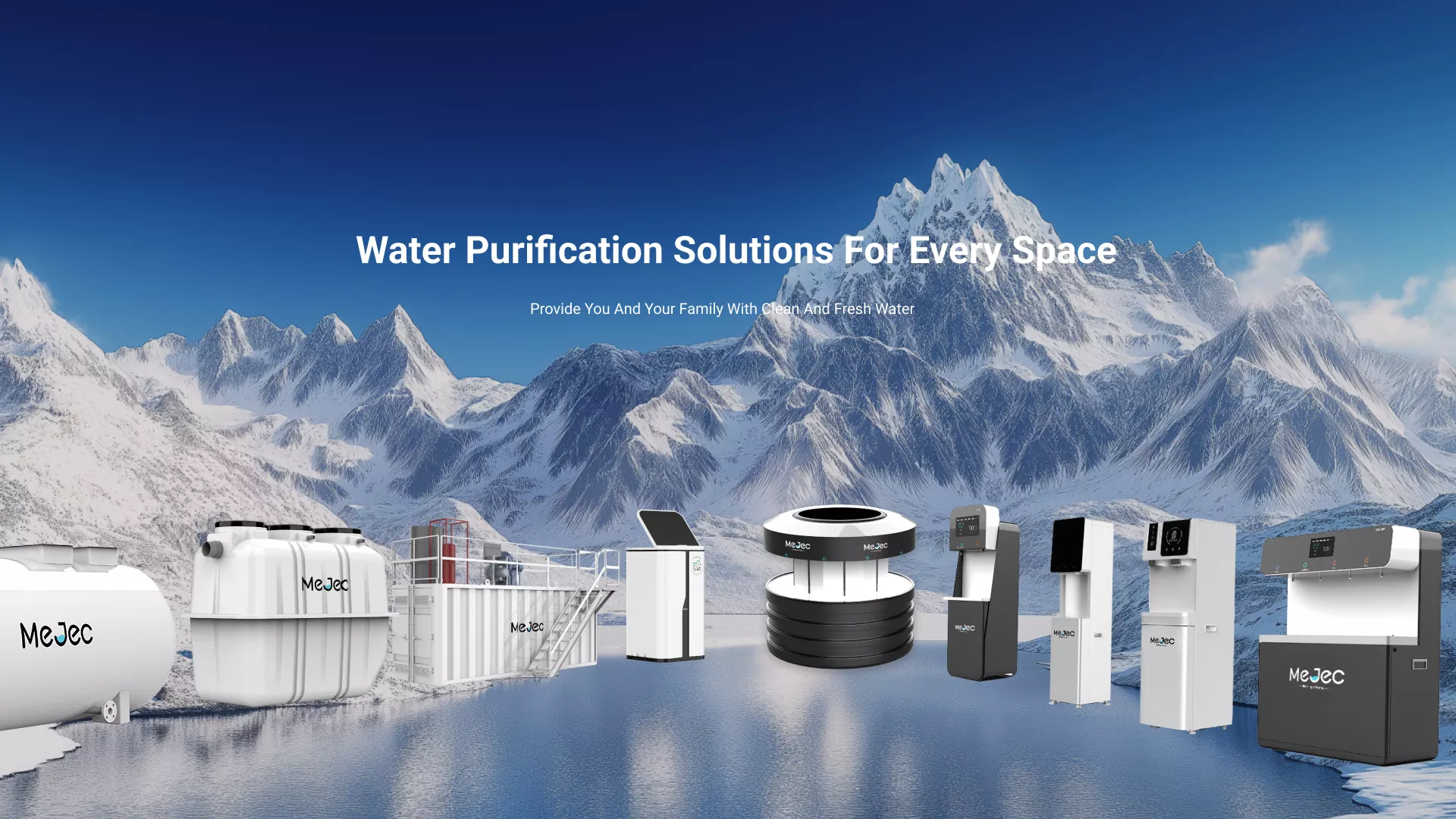

User Comments
Service Experience Sharing from Real Customers
Michael Chen
Office ManagerThis water dispenser has been a game-changer for our small office. The hot water function for tea and instant meals is incredibly fast, and the sleek design fits perfectly in our break room. Highly recommended for any workplace.
Sarah Johnson
Elementary School TeacherWe purchased this for our classroom, and the kids love the easy-to-use cold water tap during hot days. It's sturdy and the safety lock on the hot water gives us peace of mind. A great addition to our learning environment.
David Rodriguez
Clinic NurseAs a nurse in a busy clinic, having immediate access to both hot and cold water is essential. This dispenser is hygienic, reliable, and the water filtration system provides great-tasting water for staff and patients alike. Excellent purchase.
Emily Watson
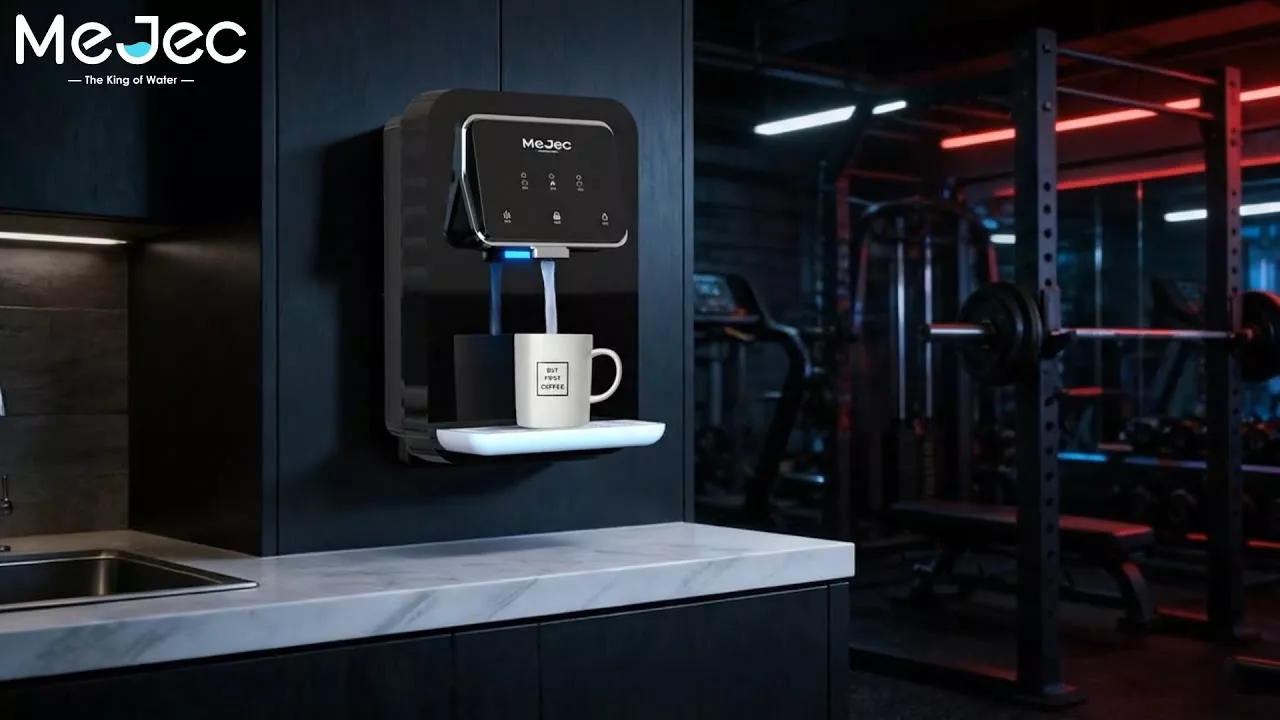
Fitness InstructorPerfect for our gym! The high-volume cold water dispenser keeps up with constant refills during peak hours. It's durable, easy to maintain, and encourages members to stay hydrated. An indispensable piece of equipment for the fitness industry.