


.webp)


How to choose the best commercial water dispensers for restaurants
Find the best commercial water dispenser for your ...
More


A water dispenser filtration system targets tap water contaminants like lead and microorganisms. Reverse osmosis (RO) technology delivers exceptional purification, removing up to 99% of impurities for safer water. This superior cleaning has significant trade-offs, however, including the removal of healthy minerals and considerable water wastage.
RO systems make water very clean. They remove bad things like lead and chemicals. This makes your drinking water much safer.
RO water tastes better. It also saves money over time compared to buying bottled water. This helps the environment by reducing plastic waste.
RO systems waste water. They also take out good minerals from the water. You need to change filters often, which costs money and time.
Reverse osmosis systems provide a powerful defense against a wide range of waterborne impurities. Their multi-stage filtration process offers one of the highest levels of purification available for home use, making tap water significantly safer to drink.
RO systems excel at removing dangerous heavy metals. An advanced RO membrane works with activated carbon filters to reduce contaminants. This process is highly effective, removing up to 99% of lead from drinking water. It also targets other harmful substances like arsenic and chlorine. Long-term exposure to these metals can cause serious health issues.
| Heavy Metal | Associated Health Risks |
|---|---|
| Arsenic (As) | Increased cancer risk, cardiovascular ailments, skin lesions |
| Cadmium (Cd) | Cancers (lung, prostate, kidney), organ damage |
| Chromium (Cr) | Various cancers, weakened immune system |
Many municipal water sources add fluoride, while agricultural runoff can introduce pesticides. RO systems effectively reduce both. A quality system can remove 85% to over 98% of fluoride. It also rejects up to 97% of common insecticides and herbicides. Reducing high fluoride levels is important. Excessive exposure can lead to several health concerns:
Dental Fluorosis: Causes white specks on teeth.
Skeletal Fluorosis: A painful bone disease from long-term exposure.
Neurological Problems: Some studies link high fluoride levels to lower IQ in children.
Per- and polyfluoroalkyl substances (PFAS) are man-made chemicals that do not break down easily. They often enter groundwater from industrial sites, airports, and military bases. Millions of Americans may have drinking water with detectable levels of these "forever chemicals."
Note: Reverse osmosis is one of the most effective technologies for removing PFAS from drinking water, providing peace of mind for households in contaminated areas.
A reverse osmosis system does more than just make water safer. It dramatically improves its taste, smell, and appearance by filtering out impurities that affect sensory qualities. The result is crisp, clean, and refreshing water straight from the tap.
Tap water often contains dissolved solids and chemicals that give it an unpleasant taste or odor. RO systems use multiple filtration stages to solve this problem. Carbon pre-filters are crucial for removing chlorine and chloramines. Municipal water suppliers use these chemicals for disinfection, but they can leave behind a distinct "swimming pool" smell and chemical taste. Removing them restores water to a more natural state.
Other common culprits for poor taste include:
High Dissolved Solids: A high concentration of total dissolved solids (TDS) can make water taste salty or bitter.
Iron and Manganese: These minerals often give water a metallic or earthy taste.
Unbalanced pH: Water with a pH outside the neutral range can also have a metallic flavor.
The benefits of purified water extend beyond a simple glass of water. With unpleasant tastes and odors gone, many people find themselves drinking more water throughout the day. This improvement also makes a noticeable difference in the kitchen.
Food and beverages prepared with RO water taste better because the water itself is a neutral ingredient. It allows the true flavors of your coffee beans, tea leaves, soups, and pasta to shine through without interference from minerals or chemicals. ☕
Using RO-purified water ensures that your culinary creations taste exactly as you intend, providing a clean foundation for every recipe.
An RO system offers significant financial and environmental advantages over time. It reduces household expenses and lessens reliance on single-use plastics, making it a sustainable choice for purified water.
The initial purchase of an RO system is an investment. However, this cost is quickly offset by eliminating the need to buy bottled water. A family of four can see substantial savings within a few years. The recurring expense of bottled water adds up quickly, far exceeding the long-term cost of an RO system, including filter replacements.
A five-year cost analysis shows the clear financial benefit:
| Category | 1 Year Cost | 5 Year Cost |
|---|---|---|
| Bottled Water (at $0.95/gallon) | $1,127 | $5,635 |
| Standard Reverse Osmosis | $1,100 | $2,140 |
Switching to a reverse osmosis system can save a family approximately $3,495 over five years. This makes it a financially smart decision for long-term use.
Choosing an RO dispenser also has a major positive impact on the environment. In the United States, consumers discard over 22 billion plastic water bottles every year. Most of these bottles end up polluting landfills and oceans. An RO system provides clean water on demand, eliminating the need for single-use plastic bottles. ♻️
An RO system's environmental benefits extend further. It has a much smaller carbon footprint than bottled water, which requires significant energy for manufacturing, transportation, and refrigeration. Home filtration reduces plastic waste and conserves valuable resources.
While reverse osmosis systems deliver exceptionally pure water, they do so at a cost. The purification process inherently generates a significant amount of wastewater. This is a major drawback for environmentally conscious households or those in areas with water restrictions.
The reverse osmosis process works by forcing water through a semipermeable membrane. This membrane separates pure water from contaminants. The system then flushes these trapped contaminants away with additional water, which goes down the drain as wastewater, or "brine." The relationship between the clean water produced and the water discarded is known as the wastewater ratio.
This ratio varies widely depending on the system's age and technology. Older models were notoriously inefficient, while modern systems have made significant improvements.
| System Type | Purified Water : Wastewater Ratio (approximate) |
|---|---|
| Older Under-Sink RO | 1:4 to 1:9 |
| Typical Residential Systems | 1:3 to 1:5 |
| High-Efficiency Residential RO | 1:2 or 1:1 |
| Countertop RO with Recycling | 3:1 |
The amount of wasted water can be substantial. A standard RO system with a 1:4 ratio discards four gallons of water for every one gallon of purified water it produces. For a family drinking a few gallons a day, this can add up to hundreds of gallons of wasted water each month. 💧
Fortunately, newer technologies help reduce this waste.
Permeate Pumps: These devices use the energy from the wastewater to increase pressure, pushing more water through the membrane. This can reduce wastewater by up to 80%.
Zero-Waste Systems: These advanced systems capture the wastewater. They then redirect it into the hot water line for use in washing or cleaning, ensuring no water is lost.
These innovations make modern RO systems a more sustainable choice, but buyers should always check the wastewater ratio before purchasing.
Reverse osmosis is so effective that it removes nearly everything from water, including beneficial minerals. This leads to a significant debate about the health and taste implications of drinking demineralized water.
The RO membrane cannot distinguish between harmful contaminants and healthy minerals. The process strips away essential dietary minerals that support bodily functions. Research shows that drinking water can be a meaningful source of these nutrients. Some tap water sources can provide up to 16% of the daily recommended calcium and 31% of magnesium. Removing them eliminates this dietary contribution.
Common minerals removed by RO systems include:
Calcium
Magnesium
Potassium
Sodium
Trace minerals like zinc and iron
Many people describe the taste of RO-purified water as "flat" or "bland." This perception is not imaginary. Minerals give water a subtle, refreshing flavor and a satisfying mouthfeel. Removing them leaves the water tasting empty.
The primary reason for this bland taste is the near-total removal of minerals during purification. While factors like filter quality can play a role, the absence of minerals is the main cause of the less appealing flavor.
Households can solve the problem of mineral loss. A remineralization filter is an add-on stage for an RO system. This filter cartridge adds healthy minerals like calcium and magnesium back into the water after purification. This process improves the taste and restores the water's beneficial mineral content. These cartridges typically need replacement every six months to perform correctly. Adding a remineralization stage, such as a filter costing around $149, offers a simple and effective fix. minerals
A reverse osmosis water dispenser filtration system requires a commitment of both money and time. The initial purchase is just the beginning. Owners must also account for ongoing maintenance costs and practical daily limitations to ensure the system runs effectively.
The upfront cost of an RO system is a major consideration. The price for the unit and professional installation can be significant. Homeowners should budget for both expenses when planning to buy a water dispenser filtration system.
The system itself often costs between $800 and $1,475.
Professional installation can add another $250 to $1,475 to the total price.
These costs vary based on the model's complexity and the specific installation requirements of the home.
Maintenance is a recurring expense. An RO water dispenser filtration system uses several filters and a membrane that wear out over time. Pre-filters and post-filters usually need replacement every 6 to 12 months. The reverse osmosis membrane, the core of the system, typically lasts 2 to 3 years. Failing to replace these parts on schedule will reduce the system's effectiveness and water quality. These replacement costs add to the long-term financial investment.
Reverse osmosis systems purify water slowly. This slow process is a key operational drawback. Most systems include a storage tank to hold purified water for immediate use.
A typical residential under-sink reverse osmosis system can produce between 50 and 100 gallons of purified water per day.
While this sounds like a lot, the tank itself only holds a few gallons. If a family uses a large amount of water at once for cooking or filling bottles, the tank can empty quickly. Users must then wait for the system to slowly refill the tank, which can be inconvenient.
Reverse osmosis systems provide unmatched purity and improved taste. However, they waste water, remove healthy minerals, and require consistent upkeep. A water dispenser filtration system is an excellent choice for homes with specific contaminants like iron or PFAS. Buyers should test their water and understand the system's demands before purchasing.
An RO system provides superior water purity. It removes up to 99% of contaminants, including lead and PFAS, making tap water significantly safer to drink.
Yes, traditional systems can be inefficient. Modern high-efficiency models and permeate pumps, however, greatly reduce the amount of water wasted during the purification process.
Yes, a remineralization filter is an easy solution. This add-on stage restores healthy minerals like calcium and magnesium, which also improves the water's taste. 👍

We provide you with comprehensive foreign trade solutions to help enterprises achieve global development
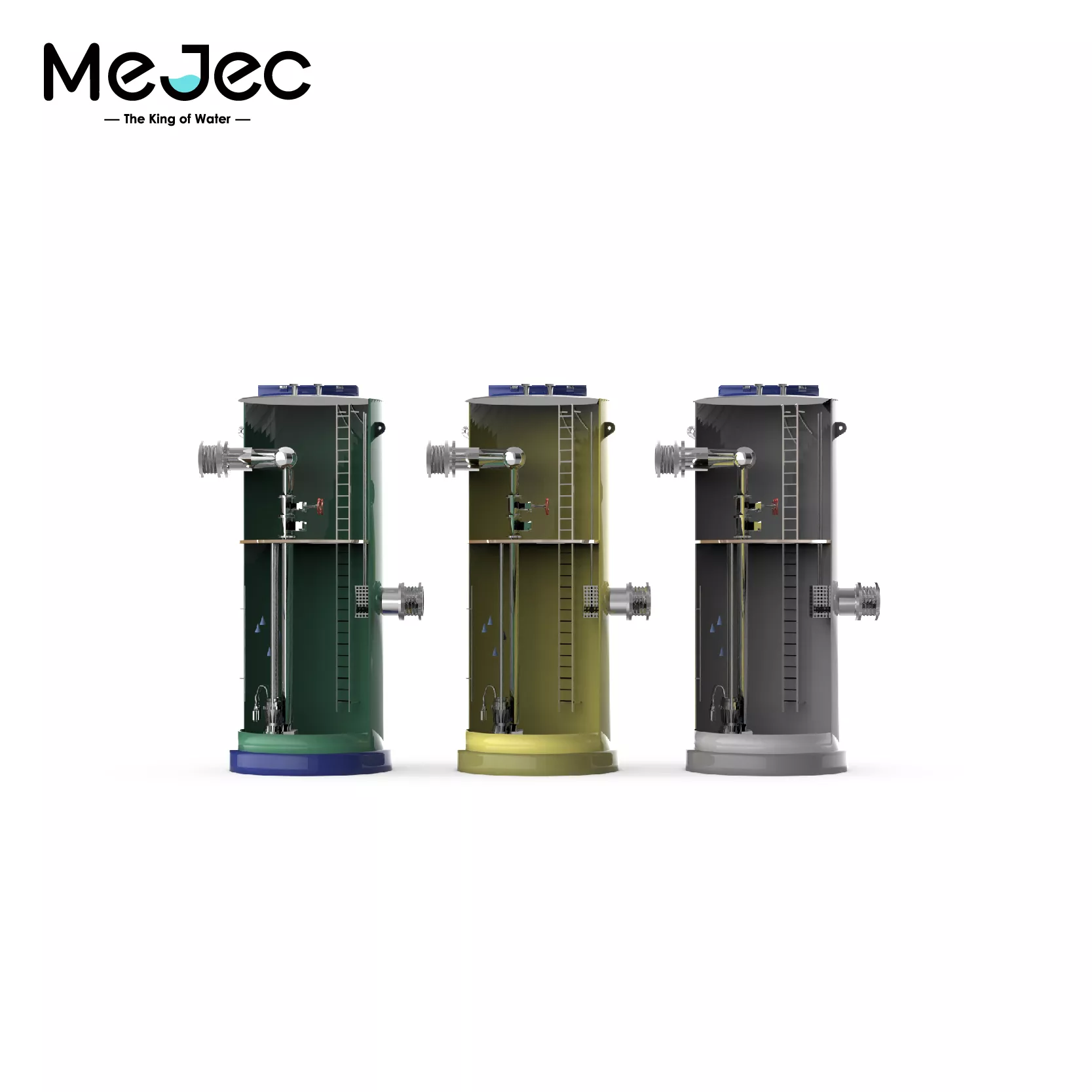
LD-BZ, The series of integrated prefabricated pump...
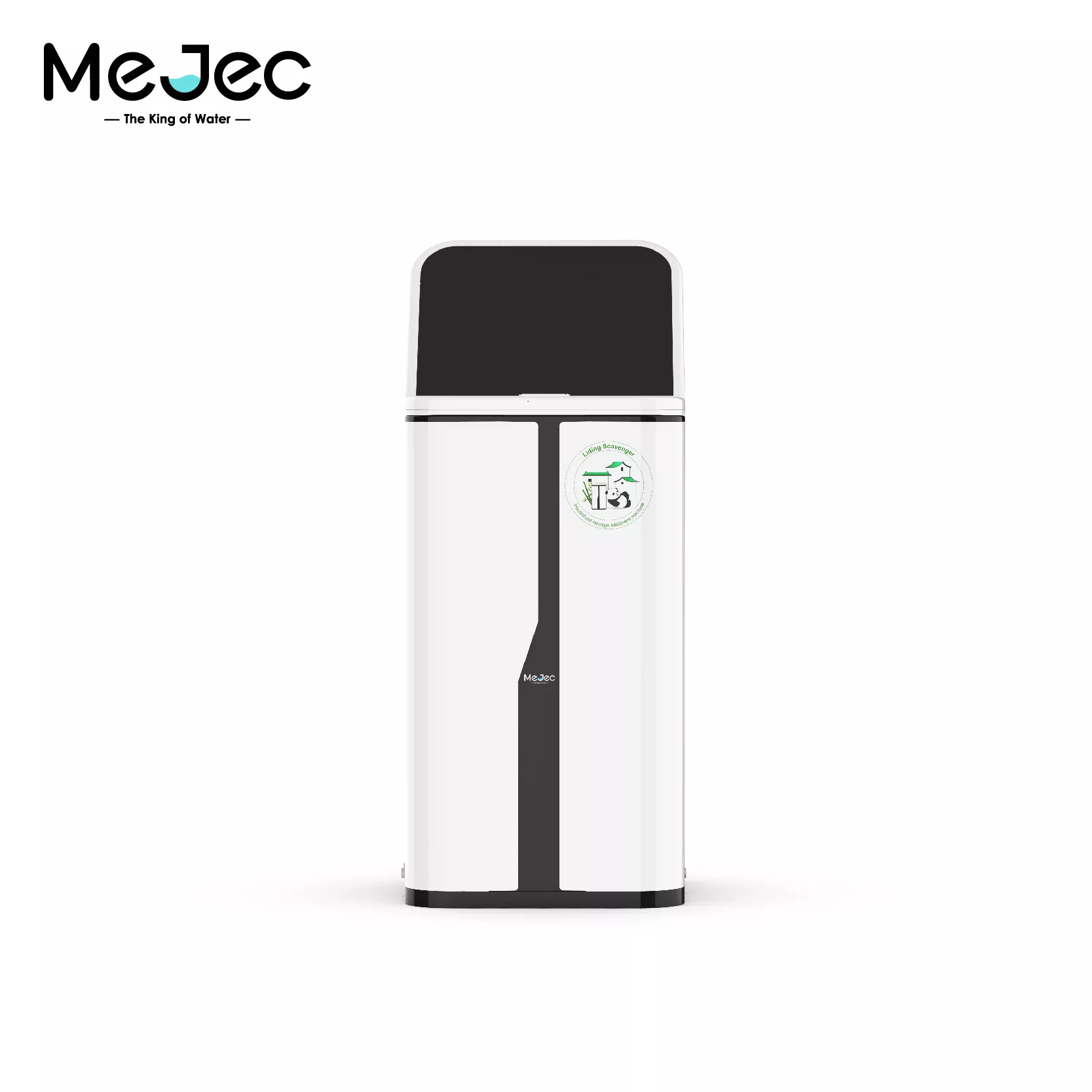
Mejec Scavenger Household Sewage Treatment Plant (...
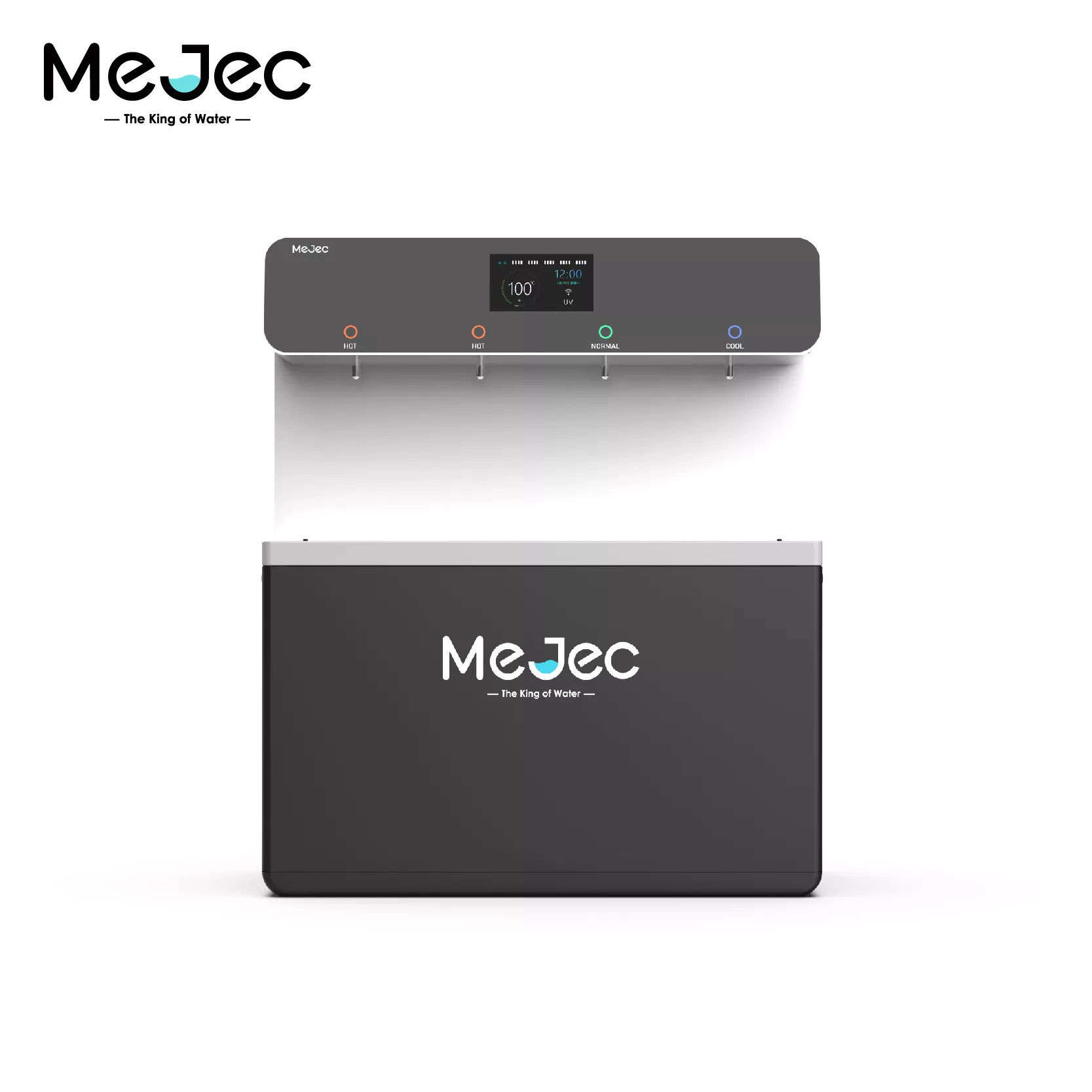
Designed for high-traffic public areas, the Mejec ...
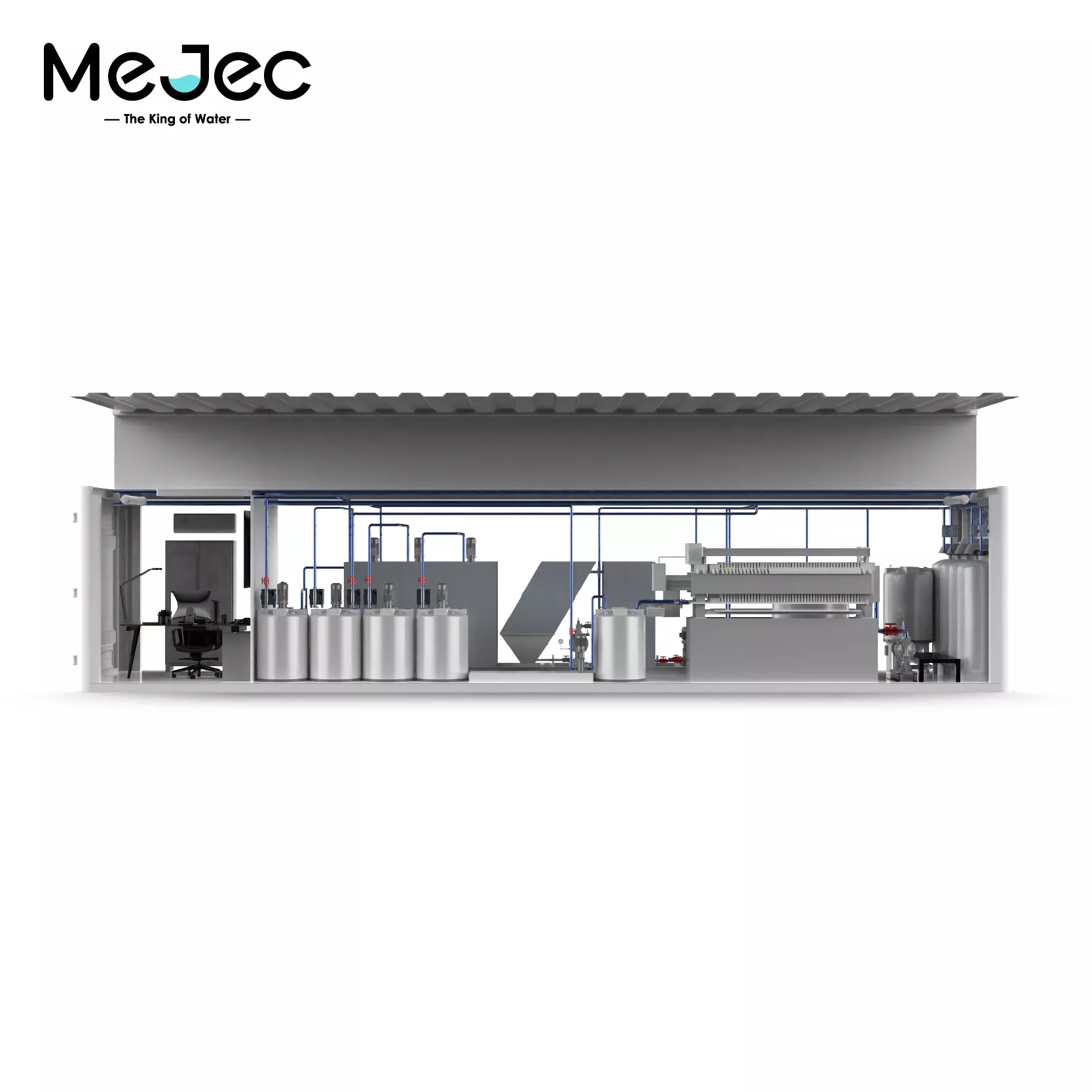
Mejec containerized wastewater treatment system ad...
Select the most popular foreign trade service products to meet your diverse needs
Select the most popular foreign trade service products to meet your diverse needs




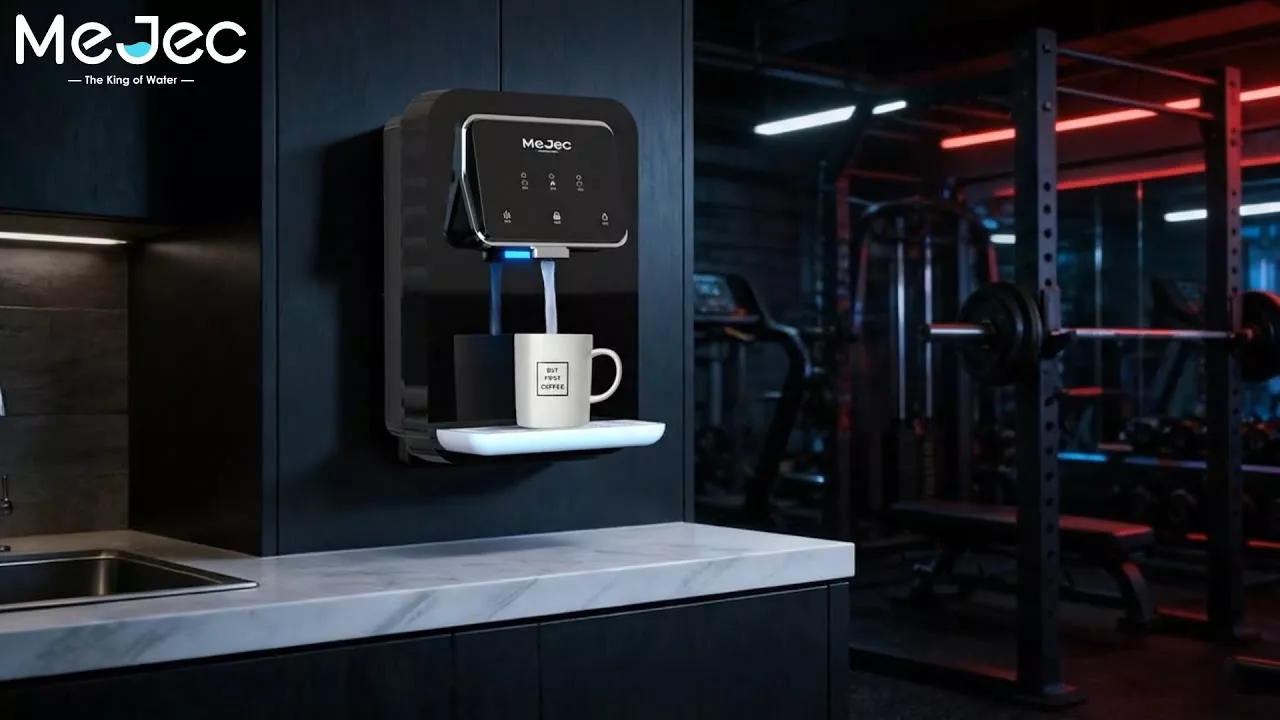



User Comments
Service Experience Sharing from Real Customers
James Wilson
Office ManagerThe multi-stage filtration system in this water dispenser is outstanding. It completely eliminated the chlorine taste from our tap water, and the staff drinks much more water now. Maintenance reminders are also very helpful.
Sarah Chen
Laboratory TechnicianAs someone who tests water quality, I'm impressed with the filtration performance. The TDS reduction is significant and consistent. The only minor point is that the filter replacement could be slightly easier.
Michael Rodriguez
Head ChefThis filtration system provides crystal clear water that's perfect for cooking and baking. It makes a noticeable difference in the taste of our broths and coffees. A crucial piece of equipment for any professional kitchen.
Emily Park
School PrincipalWe installed several units in our school. The water tastes great, and parents appreciate the added safety of a certified filtration system for the children. The long filter life also makes it cost-effective for our budget.