



.webp)





What Is Biological Wastewater Treatment and Why Does It Matter
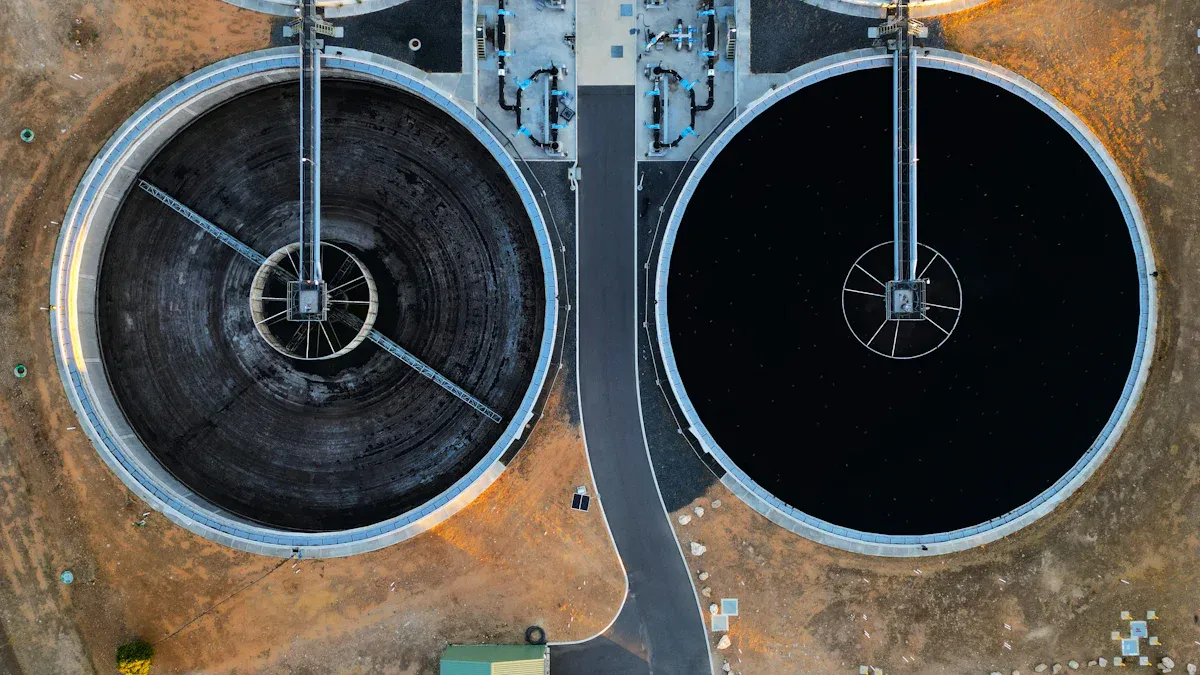
Biological wastewater treatment uses living microorganisms to break down harmful substances in dirty water. This process protects our health and the natural world. Untreated wastewater can lead to serious problems for people and the environment.
Impact Type | Description |
|---|---|
Eutrophication | Excessive nitrogen and phosphorus from untreated wastewater leads to harmful algae growth. |
Biodiversity Loss | Depletion of oxygen levels harms marine life and disrupts ecosystems. |
Health Risks | Polluted waters can introduce pathogens into the food supply, causing diseases like hepatitis A. |
Imagine turning on your tap and not knowing if the water is safe. Clean water is something many take for granted, but pollution can change that quickly.
Key Takeaways
Biological wastewater treatment uses microorganisms to clean water, making it safer for people and the environment.
This process prevents pollution, protects aquatic life, and reduces health risks from contaminated water.
Treated wastewater can be reused for irrigation and industrial processes, supporting sustainability and conserving freshwater resources.
Understanding the treatment process helps communities appreciate the importance of clean water and encourages responsible water use.
Investing in biological treatment systems can lower long-term costs and enhance environmental protection.
Biological Wastewater Treatment Basics
What Is Biological Wastewater Treatment
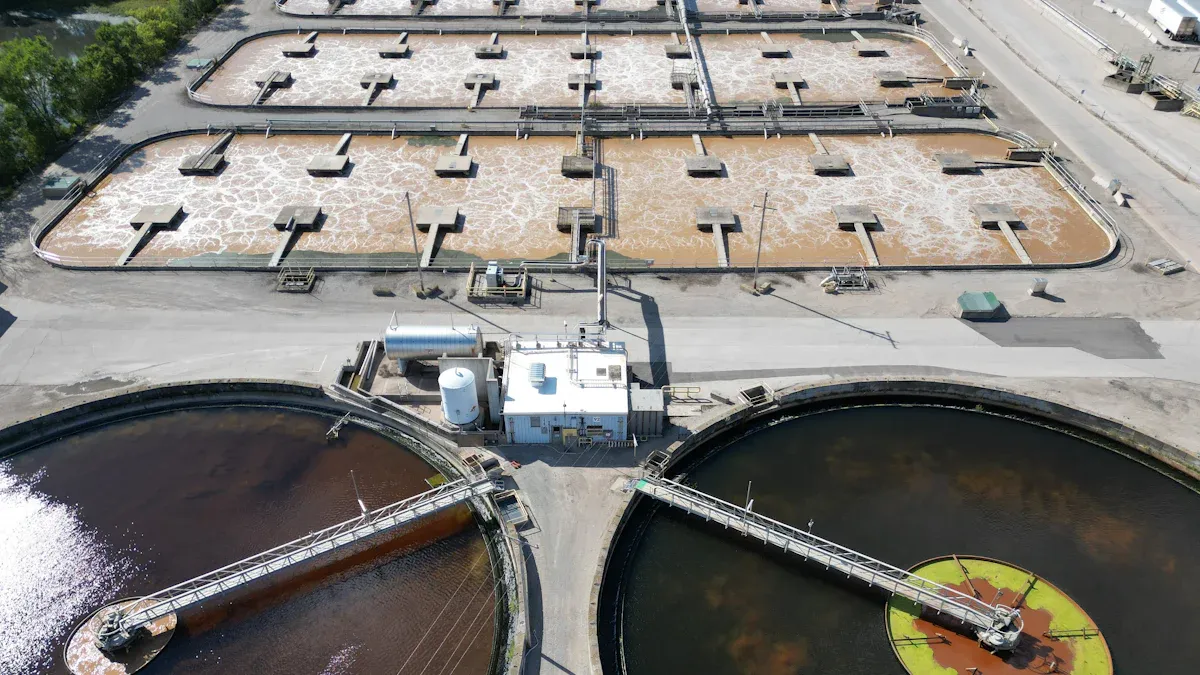
Biological wastewater treatment is a process that uses living microorganisms to clean water. These tiny organisms, such as bacteria and protozoa, break down organic waste and harmful substances found in wastewater. This method is recognized by environmental agencies as both effective and economical. It transforms dissolved and solid biodegradable materials into safer end products, making the water cleaner and safer for reuse or release into the environment.
The process relies on natural biological activity. Microorganisms feed on organic substances in the water, converting them into simpler compounds. This action reduces pollution and helps remove contaminants that can harm people and wildlife. Biological water treatment stands out because it does not depend heavily on chemicals or complex machinery. Instead, it harnesses the power of nature to restore water quality.
The main components involved in biological wastewater treatment include:
Component Type | Description |
|---|---|
Microorganisms | Bacteria and other microbes that assimilate organic matter and nutrients in wastewater. |
Aerobic Processes | Treatment processes that require oxygen to decompose effluents. |
Anaerobic Processes | Treatment processes that occur in an oxygen-free environment. |
Flocculation Effect | The aggregation of microorganisms into flocs that settle out of the solution. |
These components work together to break down waste, remove toxins, and improve water clarity. Biological water treatment is used in many municipal and industrial facilities because it is reliable and adaptable to different types of wastewater.
Why It Matters
Biological wastewater treatment plays a vital role in protecting both people and the environment. It removes harmful contaminants from wastewater, which helps keep rivers, lakes, and oceans clean. This process supports healthy freshwater ecosystems by preventing pollutants from disrupting aquatic life and biodiversity.
Did you know? Biological water treatment helps prevent the spread of waterborne diseases. Microbial consortia target and eliminate pathogenic bacteria in wastewater. Some bacteria produce compounds that kill harmful microbes, while biofilters and sand filters act as barriers to pathogens like E. coli and Giardia.
Environmental organizations highlight several reasons why biological wastewater treatment is essential:
Safeguards water quality by removing harmful contaminants.
Protects ecosystems by preventing pollutants from harming aquatic life.
Prevents harm to human health by eliminating disease-causing pathogens.
Reduces excessive nutrients that can cause harmful algal blooms.
Supports sustainable water management by enabling the reuse of treated water.
Biological water treatment also helps communities conserve precious freshwater resources. By treating and reusing wastewater, cities and industries can reduce their demand for clean water from natural sources. This approach supports sustainability and helps ensure that future generations have access to safe, clean water.
How Biological Wastewater Treatment Works
Microorganisms in Action
Microorganisms are the real heroes in the biological treatment process. These tiny living things, such as bacteria and other microbes, work together to clean wastewater. Each type of microorganism has a special job. Some break down organic waste, while others help remove nutrients or harmful chemicals.
Common microorganisms found in biological wastewater treatment systems include:
Zoogloea
Dechloromonas
Prosthecobacter
Caldilinea
Tricoccus
Sphingobacteriales
Anaerolineales
Rhodocyclales
Burkholderiales
Rhizobiales
Xanthomonadales
Verrucomicrobiales
Clostridiales
Planctomycetales
Myxococcales
These microbes form groups called flocs or biofilms. Flocs are clusters of bacteria that stick together, making it easier to remove them from water. Biofilms are thin layers of microorganisms that grow on surfaces inside treatment tanks. Both structures help break down pollutants more efficiently.
Different types of bacteria play unique roles in the biological treatment process:
Heterotrophic floc formers take in soluble organics and help form biofilm or floc.
AOB (ammonia-oxidizing bacteria) and NOB (nitrite-oxidizing bacteria) are important for removing nitrogen.
PAO (phosphorus-accumulating organisms) quickly absorb organic acids.
Denitrifying bacteria remove nitrate and nitrite in low-oxygen conditions.
Sulfur oxidizers and reducers help with sulfur removal.
Filamentous bacteria act like biological rebar, giving structure to flocs.
Foaming bacteria, such as Nocardia, grow on insoluble organics.
Microorganisms use two main methods to break down pollutants. In aerobic treatment, bacteria need oxygen to convert organic waste into carbon dioxide, water, and new cells. In anaerobic treatment, bacteria work without oxygen. They break down waste through steps like hydrolysis, acid production, and methane formation. Both methods help turn harmful substances into safer forms.
🧪 Fun Fact: Microbes do not just clean water. Some can even help remove heavy metals and toxic chemicals, making water safer for people and wildlife.
The Cleaning Process
The biological treatment process follows a series of steps to turn dirty water into clean water. Each stage has a specific purpose and uses different tools and techniques.
Stage | Description |
|---|---|
Preliminary Treatment | Removal of large debris and grit to protect equipment. |
Primary Treatment | Sedimentation to separate solids and reduce organic load. |
Secondary Treatment | Biological treatment using microorganisms to decompose organic matter. |
Tertiary Treatment | Advanced filtration and disinfection to ensure water safety. |
Sludge Treatment | Processing of sludge through thickening, digestion, and dewatering. |
Discharge or Reuse | Final treated water is either discharged into natural bodies or reused for various applications. |
The process begins with preliminary treatment. Large objects and grit are removed to protect pumps and pipes. Next, primary treatment allows heavy solids to settle at the bottom of tanks. This step reduces the amount of organic material that needs further treatment.
Secondary treatment is where the real magic happens. Microorganisms break down organic pollutants in the wastewater. They use the nutrients and energy from waste to grow and multiply. As they work, they convert harmful substances into carbon dioxide, water, and harmless solids. These solids can be separated from the water and processed further.
Tertiary treatment adds another layer of safety. Advanced filters and disinfectants remove any remaining contaminants. This step ensures that the water meets strict safety standards before it leaves the treatment plant.
Sludge treatment deals with the leftover solids. These solids are thickened, digested, and dewatered. Some of the treated sludge can be used as fertilizer or safely disposed of.
The final step is discharge or reuse. Clean water is released into rivers, lakes, or oceans. In some cases, it is reused for irrigation, industrial processes, or even as drinking water after extra treatment.
The biological treatment process leads to measurable improvements in water quality. Microbial action breaks down excess nutrients and organic pollutants. Some bacteria help remove heavy metals and toxic chemicals. These changes make the water safer for people, animals, and plants.
🌱 Note: Biological wastewater treatment not only cleans water but also supports sustainability. Treated water can be reused, reducing the need for fresh water from natural sources.
Types of Biological Wastewater Treatment Systems
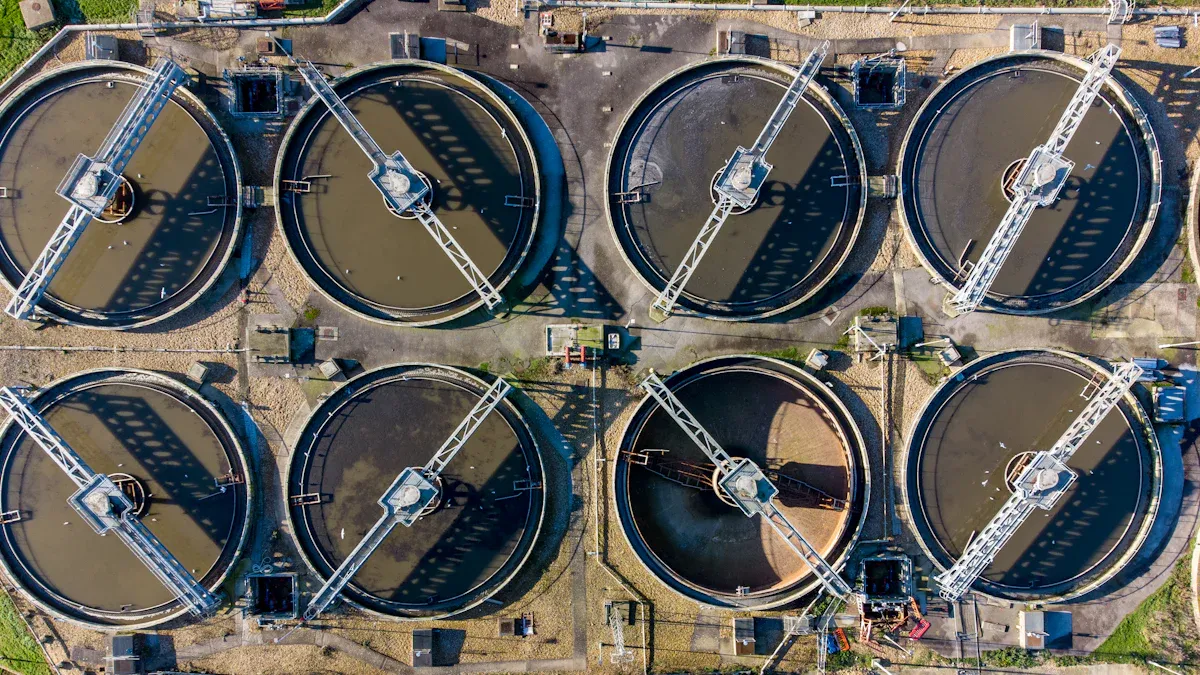
Aerobic Treatment Methods
Aerobic treatment methods use oxygen to help microorganisms break down pollutants in wastewater. This type of biological wastewater treatment system is common in both municipal and industrial settings. Aerobic wastewater treatment works best for low-strength wastewater with easily degradable organic waste. These systems often achieve high removal rates for organic matter, resulting in cleaner water. Aerobic digestion produces carbon dioxide, water, and new microbial cells. It also reduces odors and helps convert ammonia into nitrate, which is safer for the environment.
Aerobic biological treatment systems require continuous aeration, which means they use more energy. However, they provide high-quality effluent and are often used as a final polishing step after anaerobic digestion. Municipal wastewater treatment plants rely on aerobic and anaerobic processes to meet strict discharge standards.
Attribute | Aerobic Process | Anaerobic Process |
|---|---|---|
Working Principle | Uses oxygen to break down organic matter through aerobic microorganisms | Decomposes organic matter in the absence of oxygen using anaerobic microorganisms |
Main Products | Carbon dioxide (CO₂), water, and biomass | Methane (CH₄), carbon dioxide (CO₂), and digestate |
Decomposition Speed | Generally faster | Slower compared to aerobic |
Energy Requirement | Requires continuous aeration, higher energy consumption | No aeration needed, lower energy consumption |
Odor Control | Less odor if managed properly | Higher odor potential, requires gas collection and treatment |
By-product Utilization | Biomass can be used as fertilizer after treatment | Methane can be used as biogas energy, digestate as fertilizer |
Suitable Waste Types | Organic waste with low moisture content, easily degradable materials | Organic waste with high moisture content, high-fat or high-protein content |
Treatment Scale | Suitable for small to medium-scale facilities | Often used for large-scale centralized treatment |
Environmental Impact | Lower greenhouse gas emissions if well-managed | Can significantly reduce fossil fuel use through biogas recovery |
Anaerobic Treatment Methods
Anaerobic treatment methods operate without oxygen. In this biological wastewater treatment system, special microorganisms called anaerobes break down pollutants using other chemicals like sulfate or carbon dioxide. Anaerobic digestion is ideal for high-strength wastewater, such as that from industrial wastewater management or municipal sewage with high organic content.
The anaerobic wastewater treatment process involves several steps:
Hydrolysis: Enzymes break down complex organic matter into simple molecules.
Fermentation: Bacteria convert these molecules into acids, hydrogen, and carbon dioxide.
Further processing: Other bacteria turn acids into methane and more carbon dioxide.
Anaerobic digestion produces methane, which can be captured and used as a renewable energy source. This makes the wastewater treatment system more sustainable. However, these systems can create odors and require careful gas management.
Common Wastewater Treatment Systems
Many biological wastewater treatment systems are used today. Each system has unique features and is chosen based on the type of wastewater and treatment goals. The most widely used wastewater treatment technologies include:
Treatment Type | Description | Common Systems |
|---|---|---|
Anaerobic | Uses bacteria to break down organic contaminants without oxygen, lowering energy costs and can be energy positive. | UASB, EGSB, Anaerobic MBR, CSTR |
Aerobic | Involves the addition of oxygen to reduce BOD/COD to low levels, often used with anaerobic systems. | MBBR, Activated Sludge, Aerobic MBR, Lagoons, Sequencing Batch Reactors, Oxidation Ditches |
Aerobic and anaerobic processes are often combined in a single biological wastewater treatment system to maximize efficiency. For example, a municipal wastewater treatment plant may use anaerobic digestion to reduce solids and generate energy, followed by aerobic digestion to polish the effluent. These wastewater treatment technologies help protect the environment and support sustainable water management.
💡 Note: Choosing the right wastewater treatment system depends on the type of wastewater, available space, and treatment goals. Biological treatment systems play a key role in both municipal and industrial wastewater management.
Benefits of Biological Water Treatment
Environmental Impact
Biological water treatment offers significant environmental advantages. It reduces pollution by removing organic contaminants from wastewater before it enters rivers or lakes. This process protects aquatic life and keeps ecosystems healthy. Many advanced biological water treatment solutions, such as membrane bioreactors and aerobic granular sludge systems, produce high-quality effluent and support water reuse. These systems also help lower emissions and reduce the ecological footprint of water treatment.
Recent research compares the global warming potential of different treatment methods. The table below shows how some biological water treatment solutions perform:
Treatment Method | Global Warming Potential (kg CO2 eq.) | Change Compared to ASP (%) |
|---|---|---|
Soil Biotechnology (SBT) | 0.0996 | -83.41 |
Membrane Bioreactor (MBR) | 1.33 | +144.48 |
Bio-electrochemical Constructed Wetlands (BCW) | 0.131 | -75.91 |
Activated Sludge Process (ASP) | 0.544 | N/A |
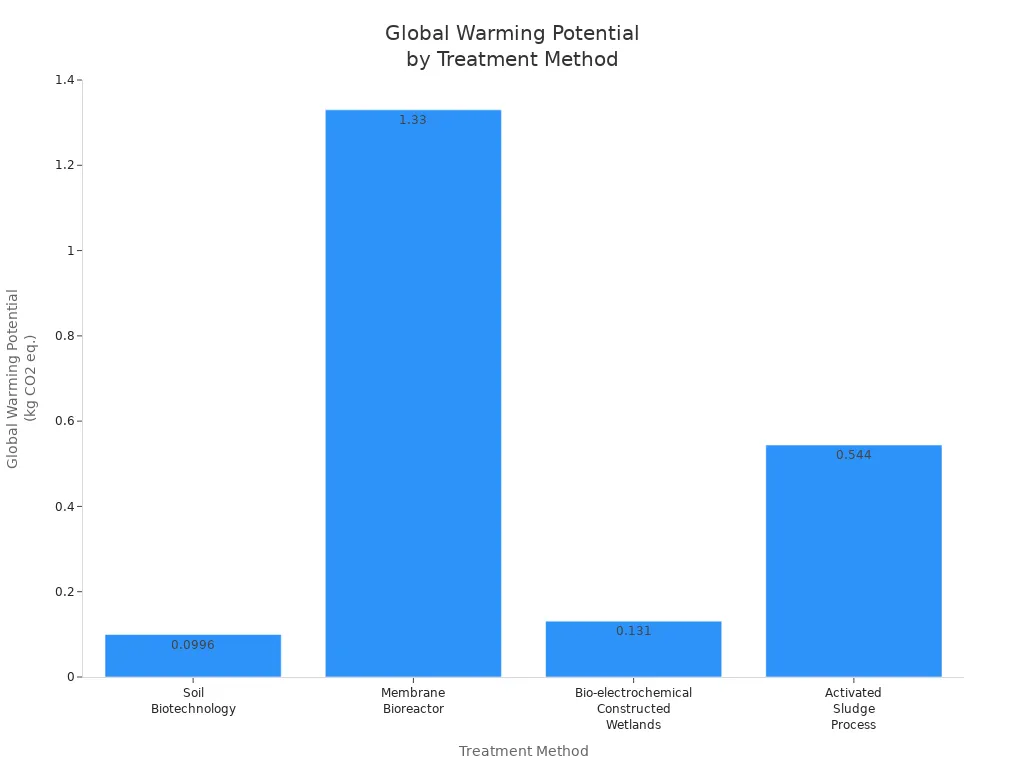
Some biological water treatment solutions, like soil biotechnology, greatly reduce greenhouse gas emissions. Advanced systems also use specialized microorganisms to break down organic contaminants without producing methane.
Cost and Sustainability
Biological water treatment can be cost-effective over time. Chemical treatments require ongoing purchases of reactants, while biological systems focus on natural processes. Both methods need energy and trained technicians, but biological water treatment often reduces long-term costs by enabling water reuse and lowering pollution control expenses. Regular maintenance and equipment installation are necessary, but the benefits for sustainability are clear.
Biological water treatment also recovers valuable nutrients and supports water conservation. Innovative technologies, such as membrane filtration, help achieve a balance between human needs and environmental protection. These water treatment solutions ensure clean water for future generations.
Real-World Applications
Biological water treatment has proven successful in many places. Facilities like the Stockholm Värtan Wastewater Treatment Plant use advanced systems to improve effluent quality and reduce nutrients. In China, Super Phos® lowered costs in papermills, while Bio Energizer® improved lagoon performance. The Miracell® RBC system has helped rural communities and industries in over 40 countries.
The table below highlights some outcomes from real-world projects:
Outcome Type | Description |
|---|---|
Cost Control | Internally reusing processed wastewater reduces reliance on external water sources, controlling costs. |
Environmental Protection | Effective treatment reduces pollution in waterways, protecting ecosystems from harmful discharges. |
Compliance with Regulations | Systems maintain effluent quality, preventing legal violations and ecological damage. |
Brand Image Improvement | Sustainable practices enhance brand loyalty among environmentally conscious consumers. |
Biological water treatment continues to evolve, making it a key part of modern water treatment solutions.
Mejec and Home Water Solutions
.webp)
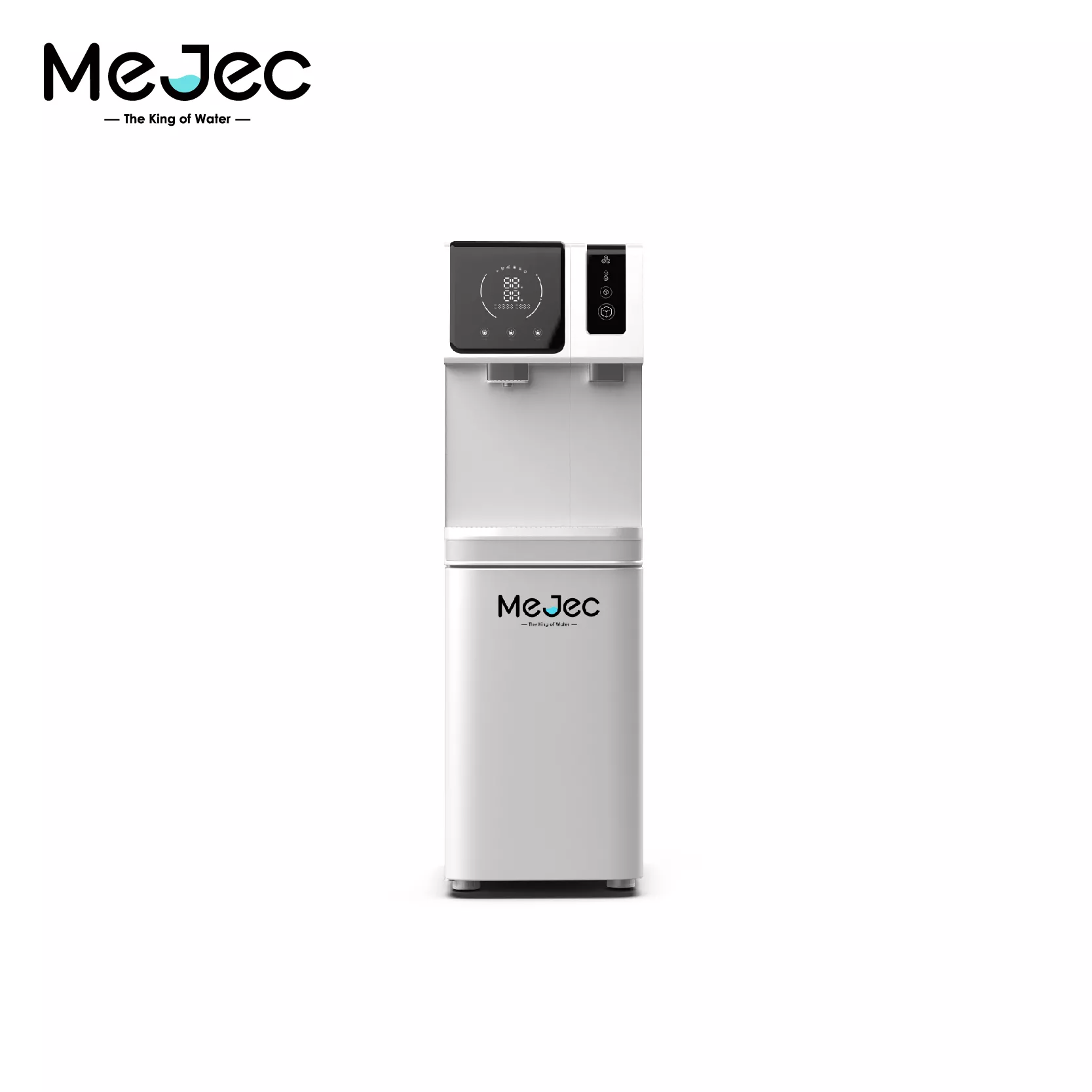
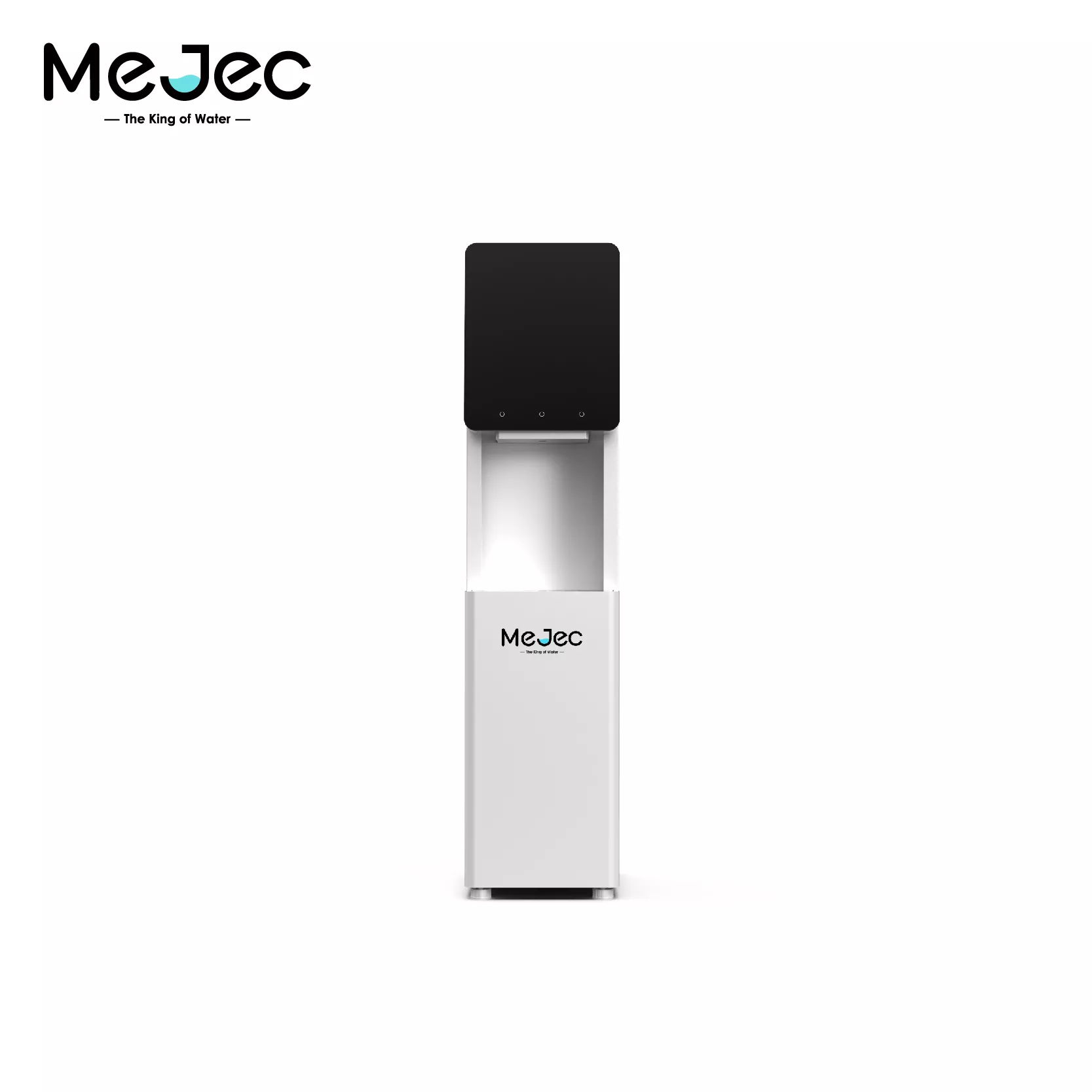
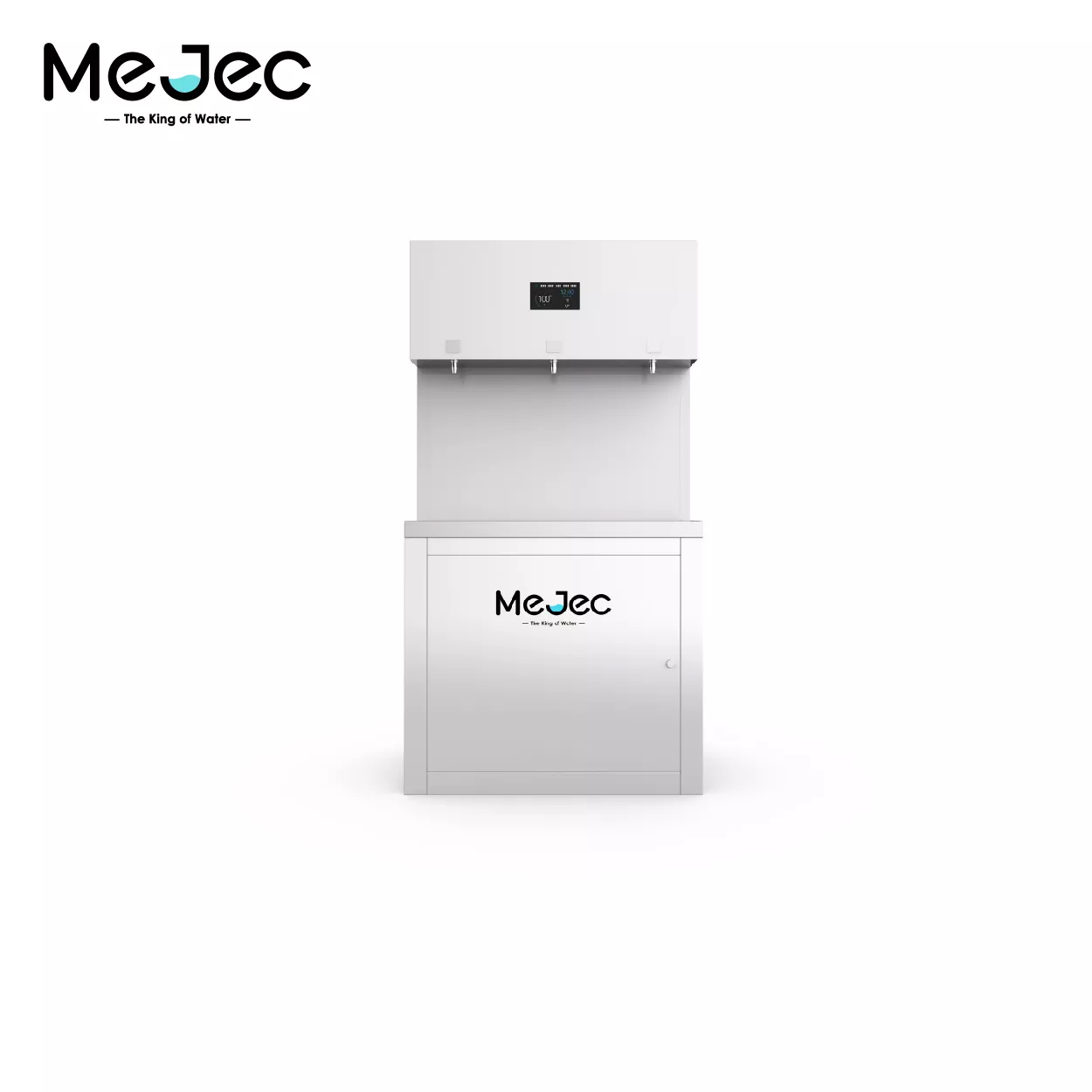
Mejec Water Dispenser Overview
The Mejec Water Dispenser brings advanced water purification directly into homes. This dispenser uses a multi-stage filtration system to ensure every glass of water is clean and safe. The technology behind the Mejec Water Dispenser includes several layers of protection:
Multi-stage filtration systems
Reverse osmosis (RO) filtration
Activated carbon filters
UV sterilization
Each stage targets specific contaminants. Reverse osmosis removes dissolved solids and heavy metals. Activated carbon captures chlorine, odors, and organic compounds. UV sterilization destroys bacteria and viruses. This combination delivers water that meets high safety standards. Mejec also offers dispensers with up to eight levels of purification, making them suitable for schools, hospitals, and airports. The result is water that tastes fresh and supports a healthy lifestyle.
Mejec’s Commitment to Clean Water
Mejec believes that everyone deserves access to clean water. The company works to provide reliable water solutions for families and communities. Mejec supports global efforts to improve water access, sanitation, and hygiene. These efforts include partnerships with organizations that focus on sustainable water projects and community education.
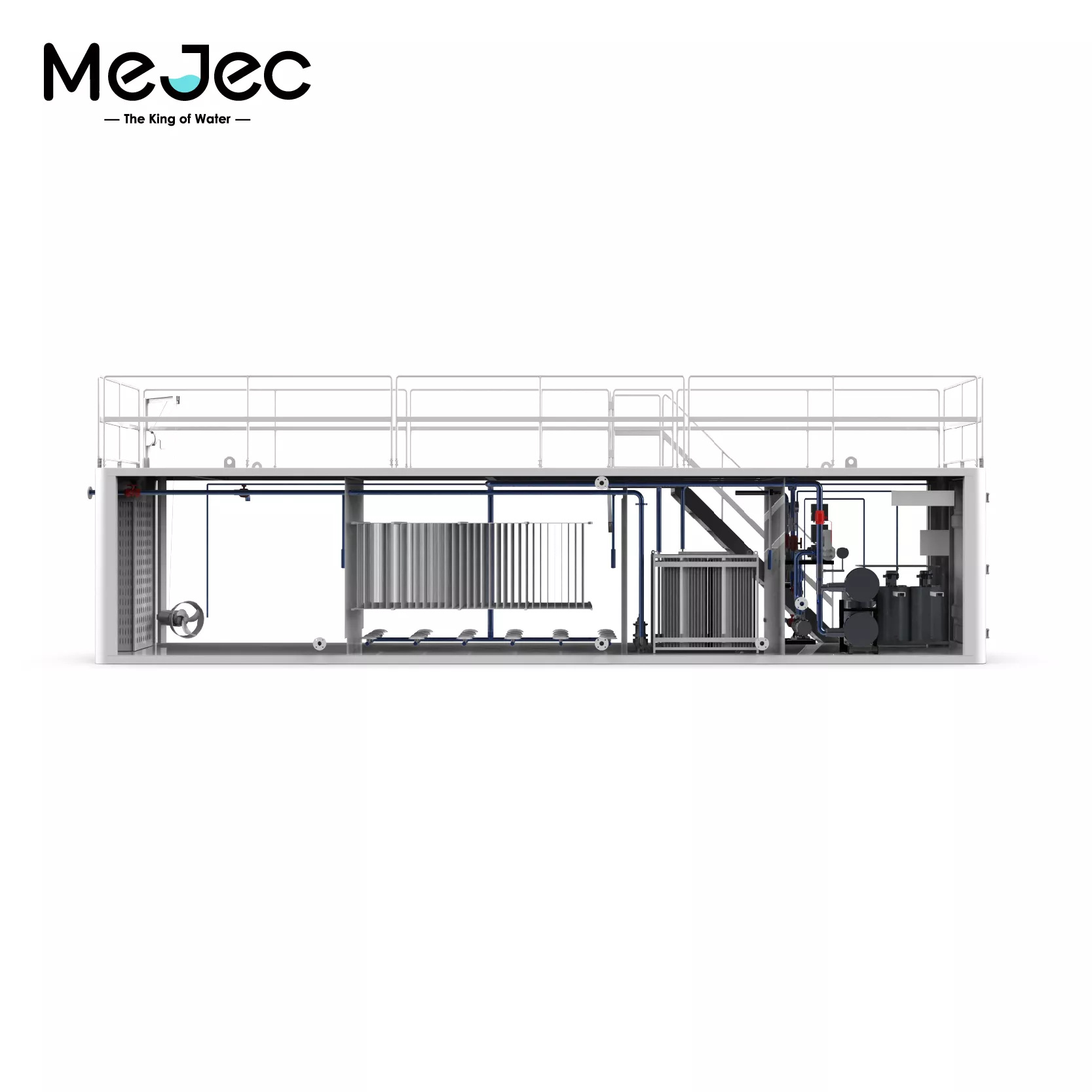
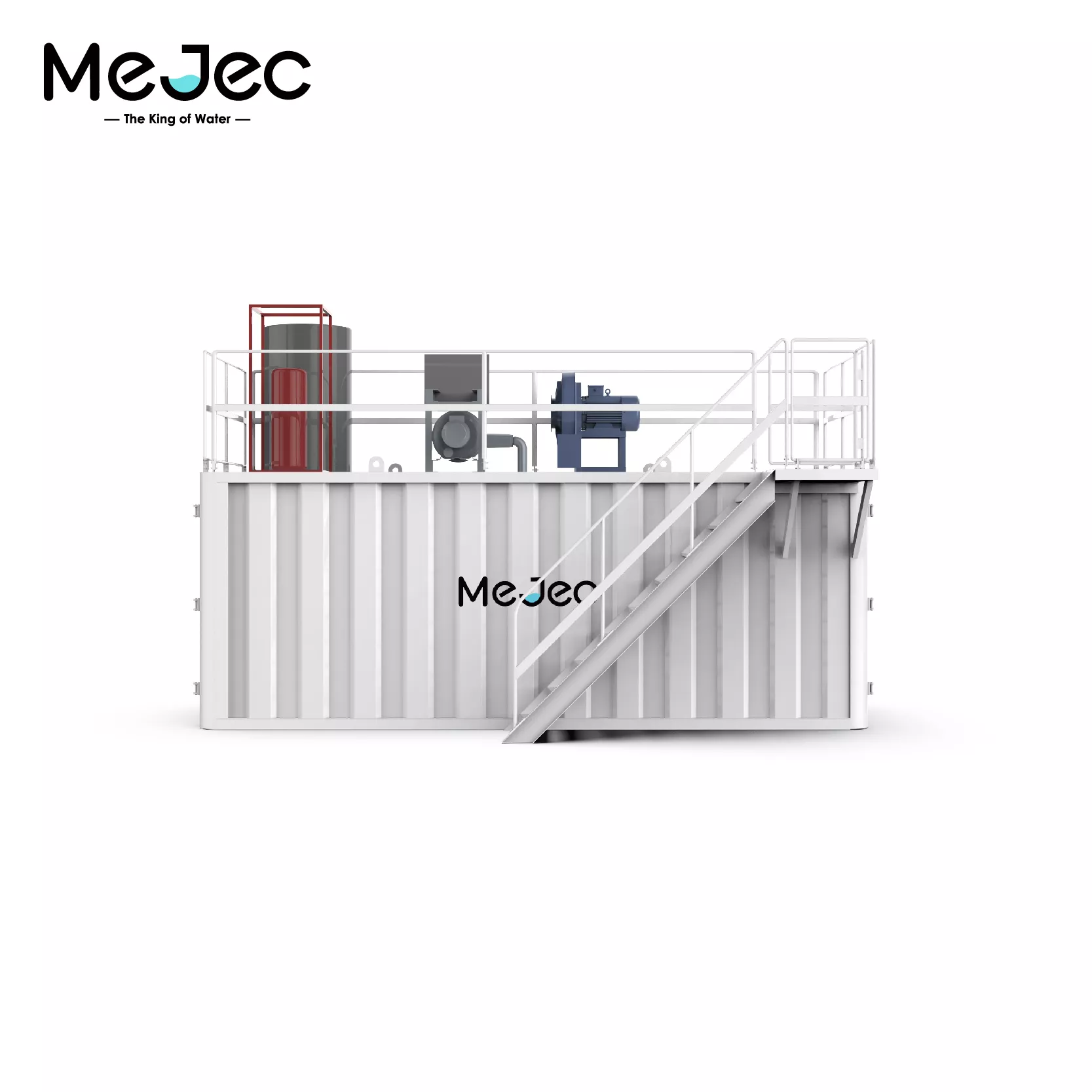
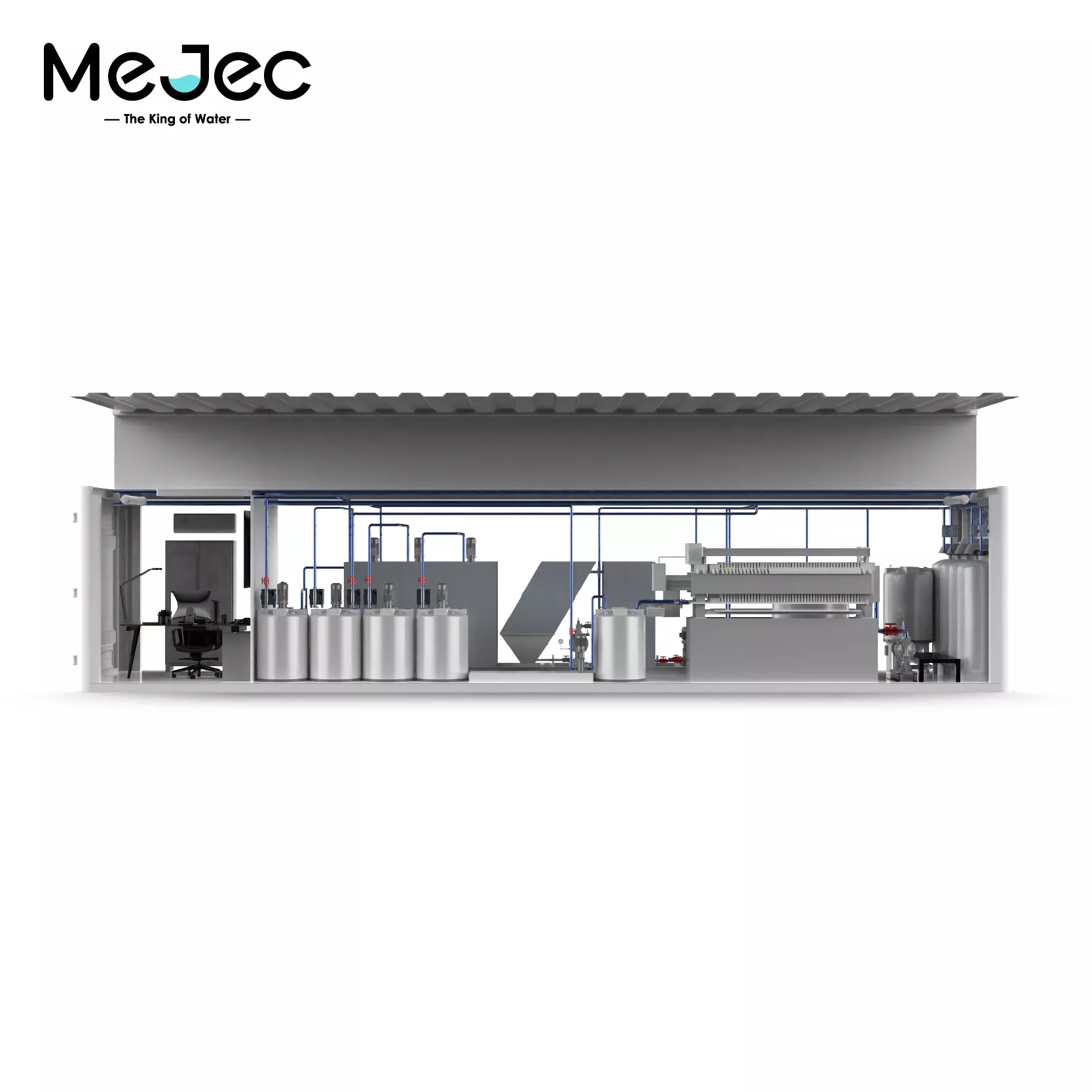
Mejec’s approach goes beyond simple filtration. The company integrates biological treatment with advanced filtration methods. For example, the MHAT+ contact oxidation process combines biological cleaning with modern filtration. This process treats both blackwater and greywater, ensuring the water meets local discharge standards. Treated water can be reused for irrigation or household needs, reducing waste and supporting sustainability.
Clean water is essential for daily life. Mejec’s technology helps protect families from harmful contaminants. By combining biological and advanced filtration, Mejec ensures that water is not only safe but also environmentally friendly. This commitment helps build healthier communities and a more sustainable future.
Biological wastewater treatment protects public health and the environment. Clean water supports healthy communities and safe ecosystems. Key points include:
Biological contaminants can cause health problems if not managed.
Detection and prevention methods help keep people safe.
Education leads to better health and safer surroundings.
Future trends show new technologies and smarter systems.
Reuse and recycling create new value.
Advanced basin management improves efficiency.
Scalable solutions meet growing needs.
Water treatment matters for everyone. 🌎 Consider how your choices support a sustainable future.
FAQ
What is the main goal of biological wastewater treatment?
The main goal is to remove harmful substances from water using microorganisms. This process helps protect human health and the environment by making water safe for reuse or release.
How do microorganisms clean wastewater?
Microorganisms eat organic waste and break it down into safer materials. They turn harmful substances into water, carbon dioxide, and other harmless products.
Can treated wastewater be reused?
Yes. Treated wastewater can be used for irrigation, industrial processes, or even as drinking water after extra treatment. This helps save fresh water and supports sustainability.
What are the most common types of biological treatment systems?
Common systems include activated sludge, membrane bioreactors, lagoons, and anaerobic digesters. Each system uses different methods to clean water based on the type of waste.
Why is biological treatment better for the environment?
Biological treatment uses natural processes. It reduces the need for chemicals and lowers pollution. This method helps keep rivers, lakes, and oceans cleaner for plants and animals.