

.webp)


A Guide to Real-Time IoT Monitoring for Wastewater Treatment
IoT wastewater treatment monitoring uses digital sensors and platforms to track water quality and equipment status in real time. Smart systems replace manual checks, improving efficiency and response speed. Facilities now use AI and digital twins for dynamic optimization, supporting strict regulations and sustainable water management across North America.
Key Takeaways
IoT wastewater treatment monitoring enhances efficiency by automating routine tasks, reducing labor costs, and enabling quick decision-making.
Real-time data allows operators to detect issues early, improving compliance with environmental regulations and preventing costly failures.
Implementing IoT solutions requires assessing facility needs, integrating with existing systems, and ensuring scalability for future growth.
Why IoT Wastewater Treatment Monitoring Matters
Key Industry Challenges
Wastewater treatment plants face many obstacles in daily operations. Traditional monitoring methods often lead to high costs and slow responses. Some of the most common challenges include:
High operational costs from chemical use and sludge disposal
Inefficient management due to scattered data and decentralized processes
High energy consumption, especially during main treatment stages
A need for skilled workers and better equipment to meet strict regulations
Manual inspections and paper-based records can delay problem detection. This makes it hard for facilities to keep up with growing demands and tighter environmental standards.
The rise of IIoT (Industrial Internet of Things) and digitization is changing this landscape. Modern platforms now use IoT wastewater treatment monitoring to connect sensors, controllers, and cloud systems. For example, companies like APAH, KETOS, and OmniSite offer advanced solutions that automate data collection and provide instant alerts. These systems help operators manage plants more efficiently and reduce the risk of costly errors.
Impact of Real-Time Data
Real-time data is a game changer for wastewater management. It allows operators to act quickly and make better decisions. Key benefits include:
Water sensors and AI systems track water quality instantly, so staff can spot contaminants or equipment issues right away
Predictive analytics use both past and current data to forecast problems, allowing early action
Automation of routine tasks based on live data reduces mistakes and speeds up responses
With IoT wastewater treatment monitoring, facilities can monitor operations 24/7, cut downtime, and improve compliance. The APAH system, for example, uses automated controls and real-time alerts to prevent contamination and ensure safe water. These advances build trust with communities and support sustainable water management.
Benefits of Real-Time IoT Monitoring
Efficiency and Cost Savings
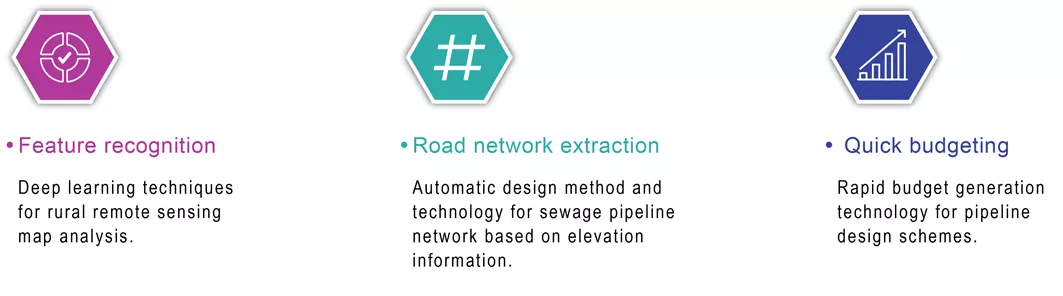
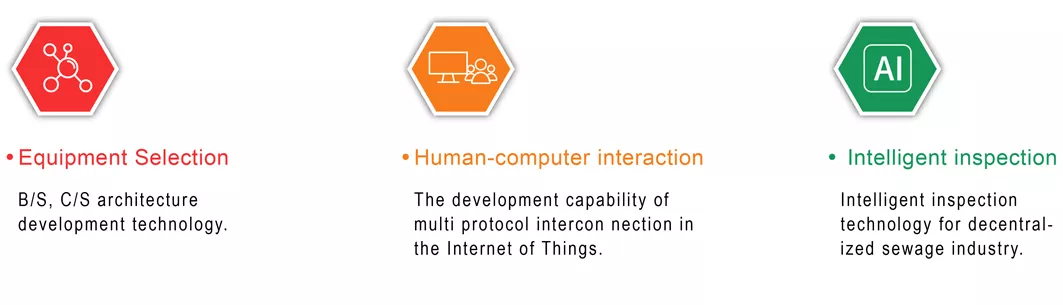
IoT wastewater treatment monitoring brings significant improvements in efficiency and cost control. Facilities that use real-time sensors and smart platforms can automate many routine tasks. This reduces the need for manual inspections and lowers labor costs. Digital systems collect and analyze data instantly, helping operators make quick decisions and avoid delays.
IoT-enabled predictive maintenance can lead to a 30% reduction in costs by preventing equipment failures and optimizing operational efficiency.
Predictive maintenance strategies reduce expensive emergency repairs and extend equipment life, contributing to overall cost savings.
A specific case study indicates that repair costs were reduced by 30% due to the implementation of predictive maintenance.
The monitoring solution allows for preventive maintenance to be planned, which reduces both costs and downtime.
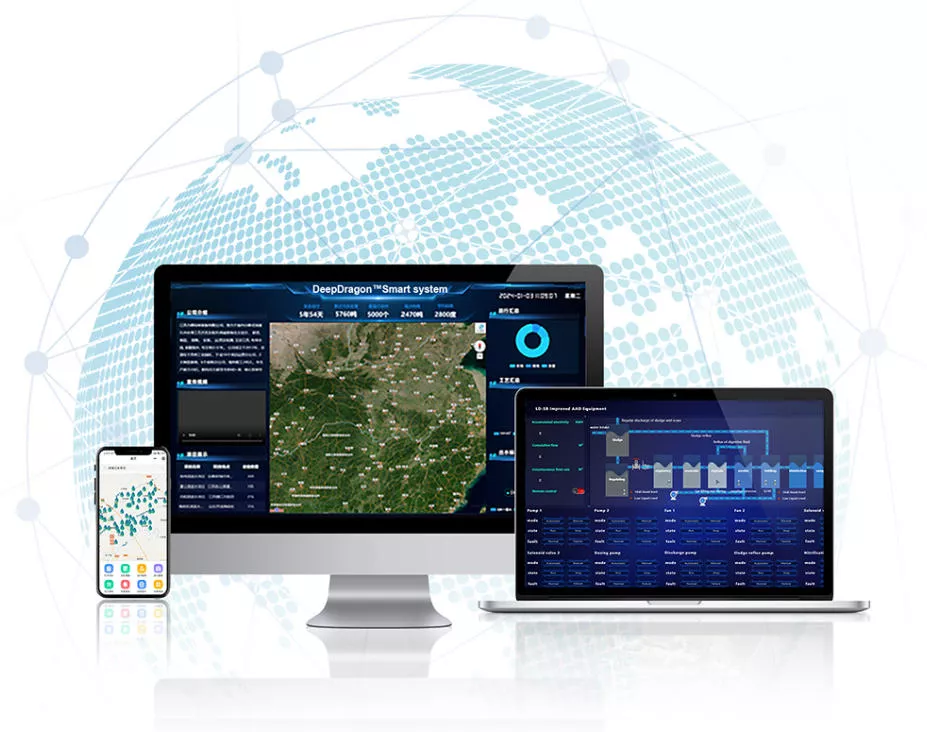
Many modern platforms use a B/S architecture and cloud deployment. They connect on-site equipment through 4G gateways, such as the Fanyi Box, to collect real-time data on equipment status and energy use. This setup allows for remote monitoring and data visualization on both computers and mobile devices. Operators can see trends, spot problems early, and respond before issues become costly.
Compliance and Reporting
Meeting environmental regulations is a top priority for wastewater treatment facilities. IoT wastewater treatment monitoring supports compliance by tracking key water quality indicators, such as pH and chemical concentrations, in real time. Centralized systems send alerts to compliance specialists, allowing them to act quickly if a parameter moves out of range.
Compliance Requirement | Description |
|---|---|
U.S. EPA Clean Air Act (CAA) | Regulates air emissions from stationary and mobile sources. |
U.S. EPA Clean Water Act (CWA) | Establishes the structure for regulating discharges of pollutants into U.S. waters. |
U.S. OSHA Environmental Regulations | Ensures safe and healthful working conditions by setting and enforcing standards. |
Canadian Environmental Protection Act (CEPA) | Aims to prevent pollution and protect the environment and human health. |
CSA Group Environmental Compliance Standards | Provides guidelines for environmental management and compliance. |
IoT systems make it easier to document compliance. They provide continuous monitoring and keep historical data logs. This simplifies regulatory reporting and helps facilities avoid penalties. Real-time monitoring ensures that plants meet both local and international standards. Advanced analytics can even predict compliance issues before they happen, giving operators time to act.
Tip: Automated data collection and reporting save time and reduce the risk of human error during audits.
Maintenance and Risk Reduction
Unplanned downtime and equipment failures can disrupt operations and lead to costly repairs. IoT wastewater treatment monitoring helps prevent these problems by providing early warnings and supporting proactive maintenance.
IoT sensors can detect over 90% of potential blockages before failure occurs, allowing for early intervention.
Real-time data monitoring reduces overflow events by 40% on average, preventing costly and hazardous sewer overflows.
IoT monitoring can reduce energy consumption in wastewater treatment by up to 20%, optimizing operational efficiency.
By using IoT, utilities can monitor flows and predict equipment failures. Sensors detect when a pump is working harder than usual, possibly due to a clog. Maintenance teams can then intervene early and prevent breakdowns. This proactive approach keeps systems running smoothly and reduces costs.
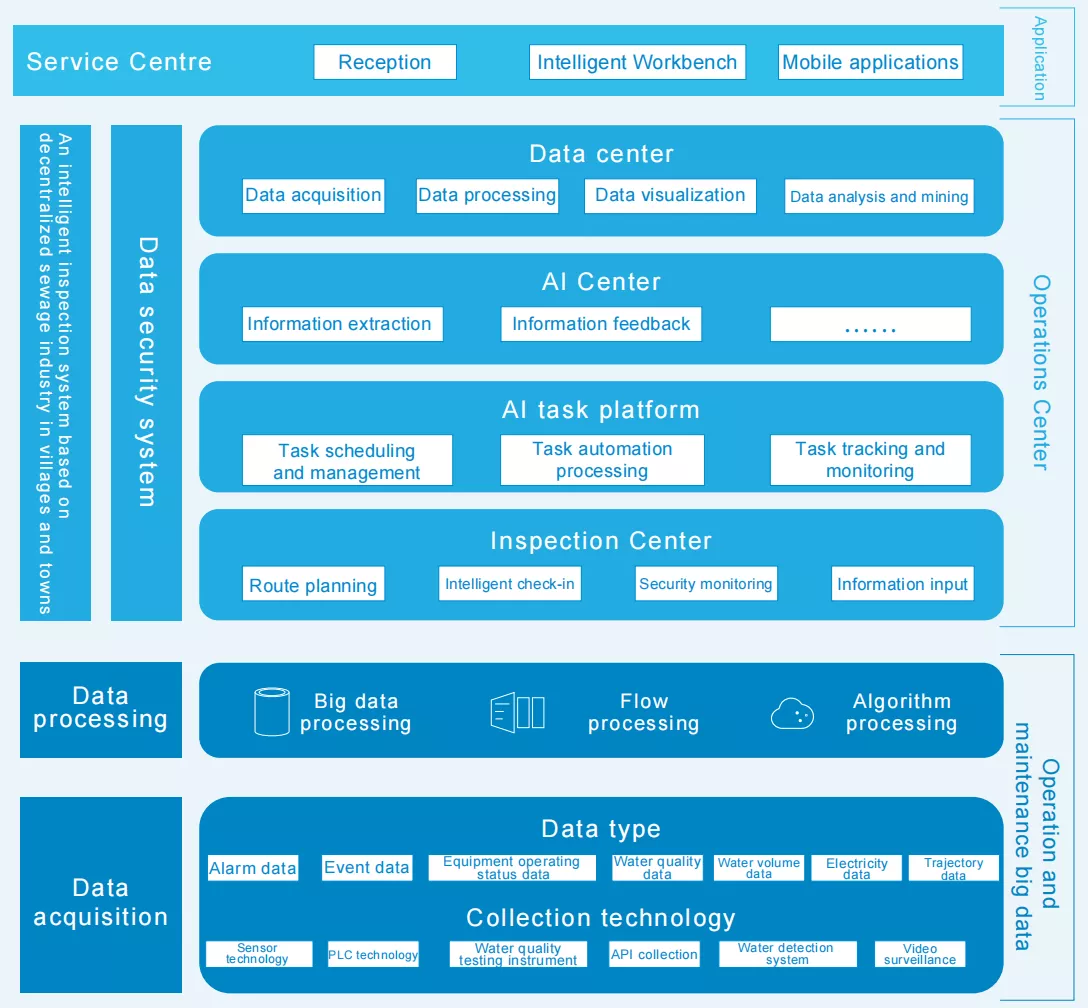
Modern platforms also support multi-brand hardware and various communication protocols, such as MQTT and Modbus RTU. This flexibility allows facilities to integrate new devices and expand their monitoring systems as needed. The result is a closed-loop management system that covers everything from equipment monitoring to alarm triggers and work order distribution.
Core Technologies in Mejec IoT Wastewater Treatment Monitoring
Sensor Types and Functions
Sensors are the foundation of any IoT wastewater treatment monitoring system. They measure important water quality parameters and provide the data needed for decision-making. Common sensor types include:
pH sensors: Measure the acidity or alkalinity of water.
Turbidity sensors: Detect the cloudiness caused by suspended particles.
Conductivity sensors: Assess the concentration of ions by measuring electrical conductivity.
Dissolved oxygen sensors: Track the amount of oxygen available in water.
Temperature sensors: Monitor water temperature.
Multi-parameter sondes: Combine several sensors to measure pH, temperature, conductivity, and dissolved oxygen at the same time.
Dynamic sensor clusters use a network of these sensors to monitor water quality continuously. High-frequency data collection helps operators spot changes quickly and respond before problems grow. Advanced clusters often include Nephelometric Turbidity Unit (NTU) sensors to improve sedimentation and purity monitoring. These clusters rely on cloud computing and big data technologies to process large volumes of information and provide early warnings.
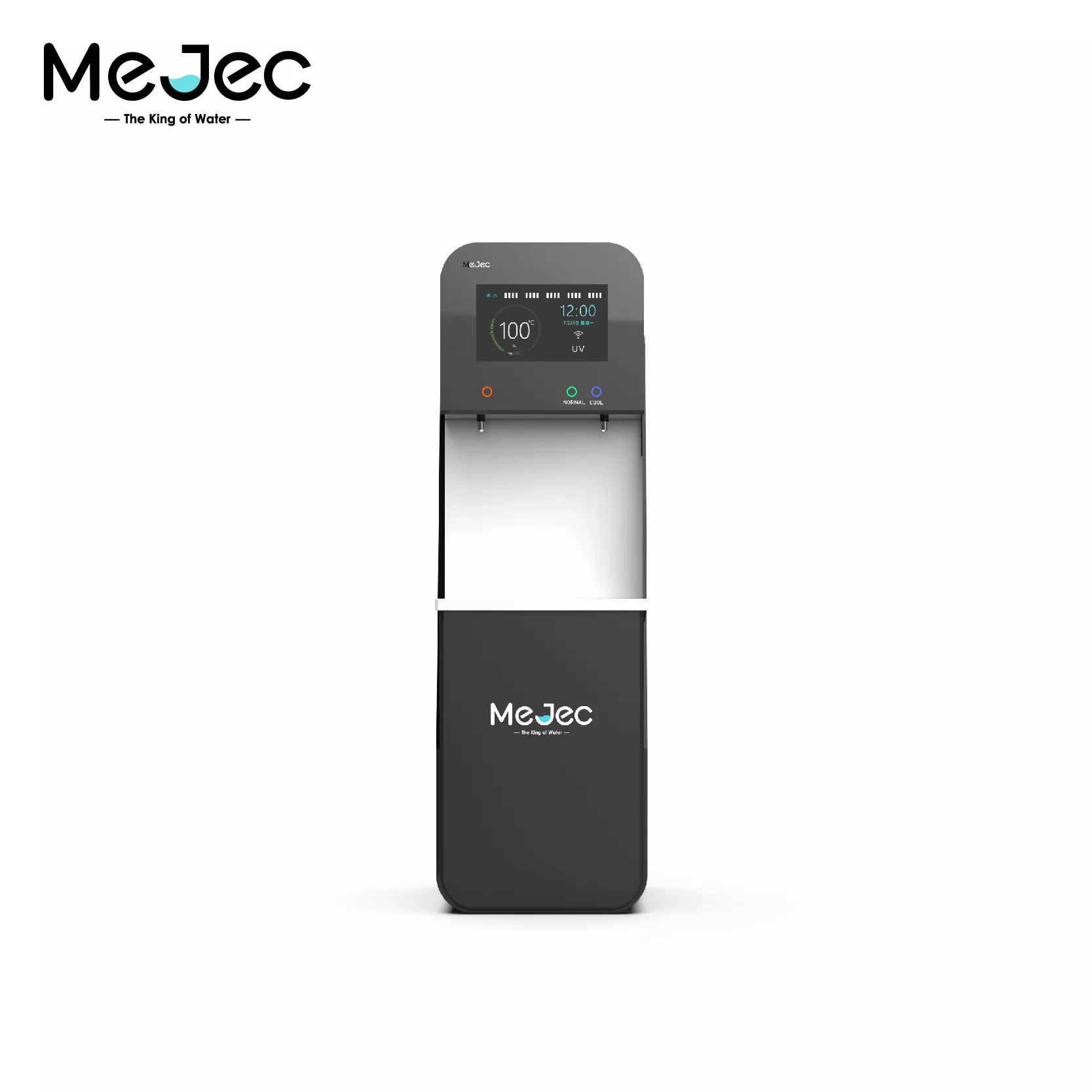
Home water treatment devices, such as the Mejec Water Dispenser, use similar sensor technologies. They detect pH, dissolved oxygen, turbidity, and contaminants with high precision. These innovations show how miniaturization and smart sensors are shaping both industrial and household water quality monitoring.
Connectivity Options
Reliable connectivity is essential for transmitting sensor data to central platforms. Wastewater treatment facilities use several options:
Wired connections, such as Ethernet or RS485, offer stable data transfer for fixed installations.
Wireless solutions, including Wi-Fi, cellular (4G/5G), and LoRaWAN, support remote and decentralized stations.
4G intelligent gateways, like the Fanyi Box, collect real-time data from equipment and send it to the cloud.
These gateways support multiple communication protocols, such as MQTT, TCP, and Modbus RTU. This flexibility allows facilities to integrate devices from different brands and expand their monitoring systems. Remote monitoring capabilities reduce the need for manual data collection and site visits. Operators can view asset performance and process conditions from anywhere, making it easier to identify inefficiencies and schedule maintenance.
Data Management Platforms
Data management platforms handle the large amounts of information generated by sensors. Essential features include:
Automated data collection for process monitoring and compliance.
Advanced storage and integration from various sources.
Effective analysis techniques to detect trends and support decisions.
Visualization tools with interactive dashboards to interpret complex data.
Data quality and integrity checks to prevent errors.
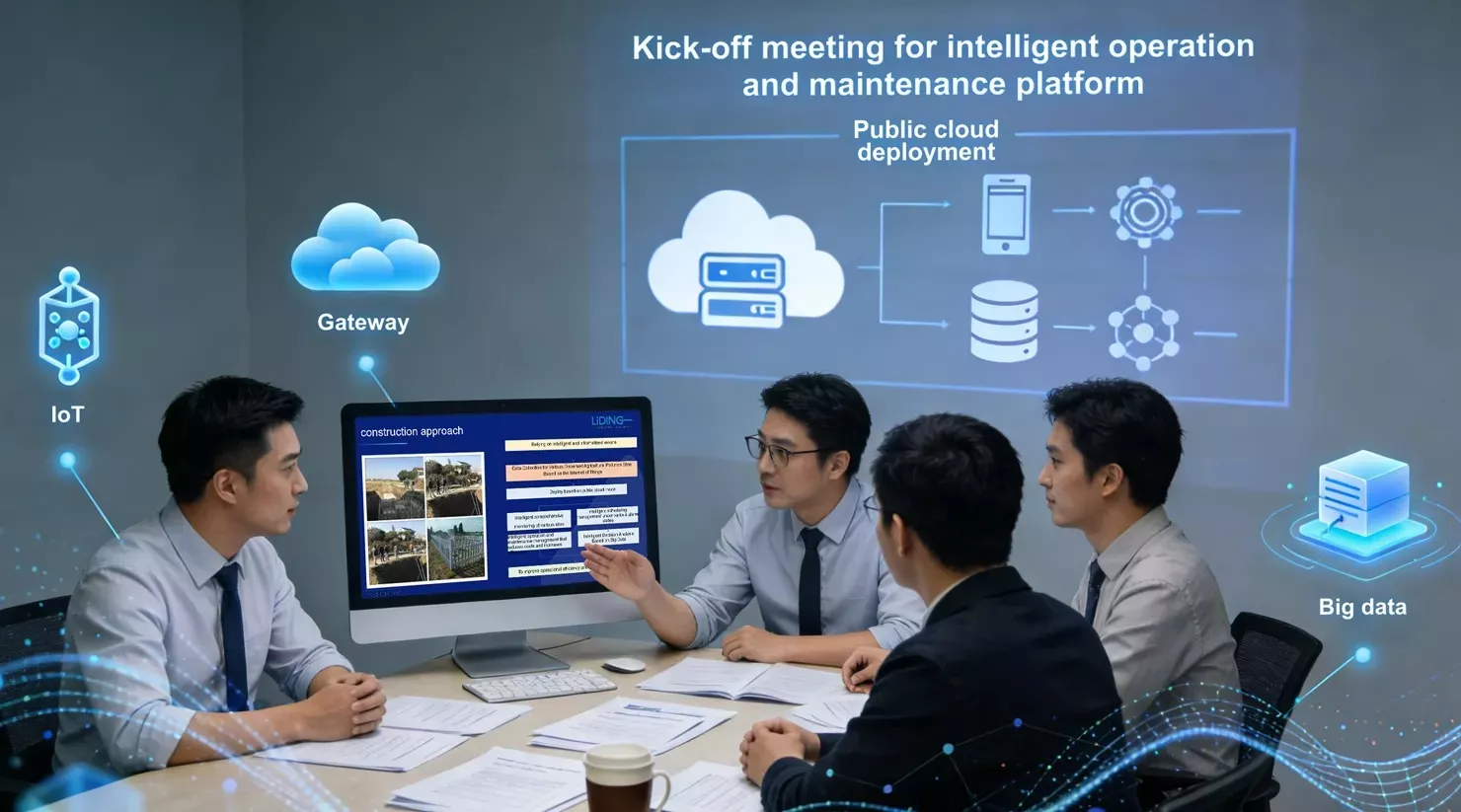
Modern platforms use B/S (Browser/Server) architecture and public cloud deployment. This setup enables remote access from both computers and mobile devices. Operators can view real-time data, receive alarms, and manage work orders efficiently. The evolution of these platforms has led to closed-loop intelligent management systems. They support multi-brand hardware, various protocols, and comprehensive business modules, such as project lifecycle management, site operation and maintenance, real-time monitoring, video supervision, alarms, work orders, mobile check-in, water quality management, and GPS tracking.
Analytics and Visualization
Analytics and visualization tools help operators make sense of complex data. Key features include:
Predictive analytics models that use historical and real-time data to forecast future events.
Machine learning algorithms that detect anomalies and enable early intervention.
Optimization of chemical dosing based on influent characteristics.
Visualization tools, such as Tableau and Power BI, that create interactive dashboards for exploring data.
Easy-to-understand formats that highlight patterns and trends.
These tools allow operators to take proactive measures, improve treatment efficiency, and communicate insights to stakeholders. Real-time data analysis supports quick decision-making and helps prevent issues before they occur. Home water treatment devices also use AI integration and predictive modeling to ensure safe and efficient water management.
Security Essentials
Cybersecurity is critical for protecting IoT wastewater treatment monitoring systems. Common threats include ransomware attacks and unauthorized access to control systems. Best practices for mitigating risks include:
Regular risk assessments to identify vulnerabilities.
Employee training to raise cybersecurity awareness.
Robust access controls to limit unauthorized entry.
Strong security features, such as firewalls and encryption.
Frequent updates of passwords and software.
A culture of cybersecurity awareness among staff.
Facilities must protect both operational data and personal information. Quantum Cloud technology and other advanced solutions enhance security and accessibility, ensuring that only authorized users can access sensitive data.
Tip: Investing in cybersecurity helps prevent costly disruptions and protects public health.
Implementing IoT Monitoring Systems
Assessing Facility Needs
Before starting with IoT wastewater treatment monitoring, each facility should follow a step-by-step approach to assess its needs:
Review the unique requirements of the plant, including size and treatment goals.
Identify which parameters are most important to monitor, such as pH, oxygen, and flow rates.
Decide on the level of automation needed. Some plants may need real-time data, while others may only need periodic updates.
Consider any specific challenges, like frequent equipment breakdowns or high energy use.
Tip: A clear assessment helps select the right sensors and platforms, making future integration smoother.
Integration with Existing Systems
Connecting new IoT solutions to legacy systems can be challenging. Common issues include:
High operational costs, especially for chemicals and sludge disposal.
Energy use can reach up to 30% of total expenses during main treatment stages.
Data often exists in separate places, making it hard to manage and increasing the risk of mistakes.
Modern platforms use B/S architecture and public cloud deployment. They connect on-site equipment through intelligent gateways, such as the Fanyi Box, to collect and visualize real-time data. This approach supports remote monitoring and helps unify scattered information, improving efficiency.
Scalability and Flexibility
Scalable IoT solutions allow facilities to grow and adapt over time. Key features include:
Remote monitoring and control for quick adjustments and better efficiency.
Predictive maintenance that uses data to spot problems before they cause downtime.
Resource optimization by adjusting operations based on live data.
A flexible platform supports many hardware brands and communication protocols, such as MQTT and Modbus RTU. This ensures that as needs change, the system can expand without major changes. Closed-loop management and multi-terminal access help facilities manage everything from equipment to alarms and work orders, supporting both current and future needs.
Mejec Use Cases and Success Stories
Municipal Applications
Many cities have adopted Mejec IoT solutions to improve wastewater treatment and management. These real-world examples show how digital transformation can solve common challenges:
The city of Cincinnati’s Metropolitan Sewer District uses IoT technology for sustainable water reuse and better management. This approach has improved the city’s wastewater processing capabilities and supports long-term environmental goals.
South Bend, Indiana, implemented a smart sewer system that uses real-time monitoring and automation. The city reduced storm overflow events by over 70%. This change led to significant cost savings and better protection for local waterways.
Mejec’s platform supports remote monitoring of decentralized sewage stations. The system uses a B/S architecture and public cloud deployment. Data from on-site equipment is collected through intelligent gateways, such as the Fanyi Box, and displayed on both computers and mobile devices. This setup helps operators respond quickly to issues and improves transparency in daily operations.
Note: Digital platforms make it easier for cities to track water quality, energy use, and equipment status in real time.
Industrial Solutions
Industrial wastewater treatment plants also benefit from Mejec IoT monitoring systems. Remote monitoring allows asset managers to check equipment status and water quality at any time. Specialists can detect abnormalities early and make informed decisions about maintenance. For example, real-time data on pump performance helps identify problems before they cause failures. This proactive approach reduces downtime, lowers maintenance costs, and extends the life of equipment. The shift from reactive to proactive maintenance improves operational efficiency and supports safe, reliable water treatment for industries.
Facilities can take these steps to adopt IoT wastewater monitoring:
Install dynamic sensor clusters for real-time data.
Use predictive maintenance to prevent failures.
Review and update KPIs often.
Maintain sensors regularly.
Build strong cybersecurity protocols.
IoT systems improve efficiency, automate compliance, and support quick responses. Consider pilot projects and explore both industrial platforms and home solutions like Mejec for complete water quality management.
FAQ
What are the main benefits of digital platforms for rural sewage treatment?
Digital platforms allow remote monitoring, real-time data collection, and quick issue detection. They reduce labor costs and improve the efficiency of rural sewage management.
How does the system support different hardware brands?
The platform connects to many hardware brands using protocols like MQTT, TCP, and Modbus RTU. This ensures flexible integration and smooth operation.
Can operators view data on mobile devices?
Yes. Operators can access real-time data and alarms on both computers and mobile devices, including WeChat mini programs.
Tip: Mobile access helps operators respond quickly to problems, even when off-site.

.webp)