


.webp)

What is MBBR for sewage treatment plant?
MBBR sewage treatment plant uses biofilm carriers ...
More


A modern sewage treatment plant cleans wastewater using a multi-stage process with physical, biological, and chemical methods. This system removes solids, organic matter, and harmful pathogens. The treatment of sewage produces clean water that can be safely returned to the environment.
A Global Perspective 💧 In the United States, facilities process around 34 billion gallons of wastewater daily. Globally, approximately 56% of all wastewater receives safe treatment before release.
Wastewater treatment uses physical, biological, and chemical steps to clean water.
Preliminary and primary treatments remove large solids and grit from the water.
Secondary and tertiary treatments use microbes and advanced methods to remove small pollutants and kill germs.
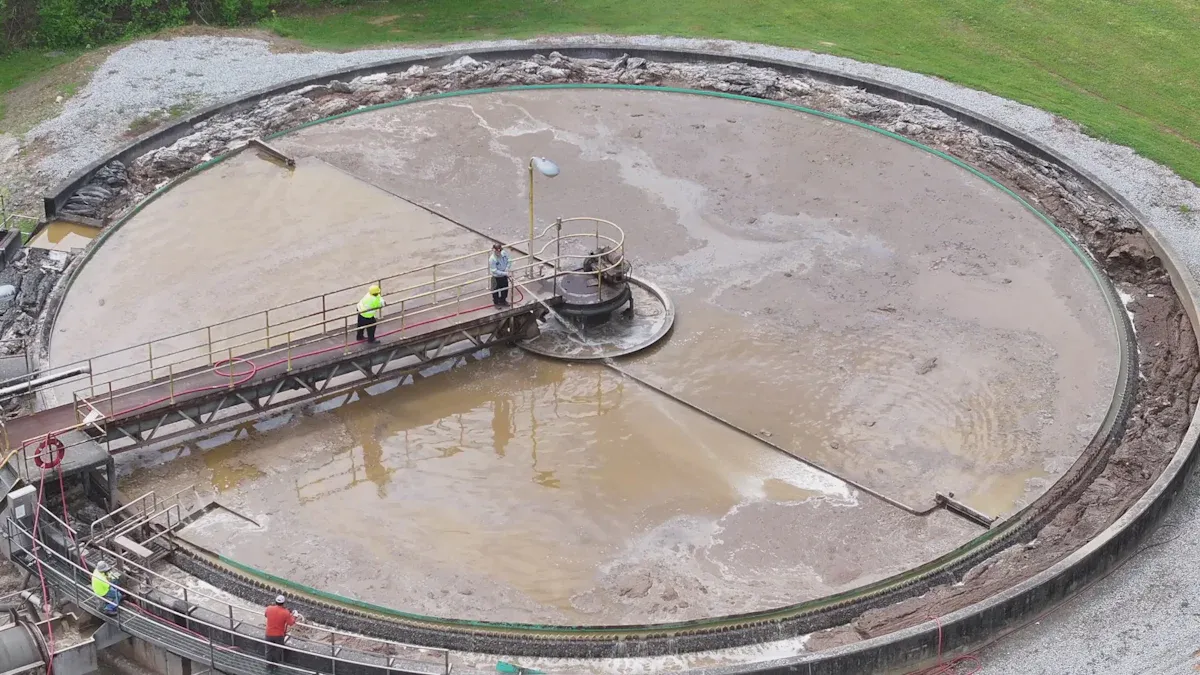
The journey to clean water begins with physical force. The first major goal in the treatment of sewage is to remove solid materials from the water. This happens in two main stages: preliminary and primary treatment. These steps use screens and gravity to separate large and small solids before the more advanced biological cleaning begins.
Wastewater arrives at the treatment plant carrying more than just water. The first step, preliminary treatment, acts like a giant strainer. Its main purpose is to remove large debris and heavy grit. This initial cleaning is vital for the entire system.
Why is this step so important? ⚙️ Removing large items protects downstream equipment. It prevents pumps from getting clogged and pipes from being blocked. This protection reduces damage and wear on expensive machinery, ensuring the plant runs efficiently.
Large metal grates called bar screens perform the first separation. As wastewater flows through them, they catch and remove a surprising variety of objects. Common items filtered out include:
Rags and paper
Sticks and rocks
Plastics and metals
These screens come in different sizes. The spacing between the bars determines what gets caught and what passes through.
| Bar Screen Type | Typical Spacing (mm) |
|---|---|
| Coarse | 40 - 76 |
| Medium | 10 - 40 |
| Fine | 6 - 10 |
After screening, the water flows into a grit chamber. This chamber removes smaller, heavier inorganic materials like sand, gravel, and eggshells. The process works using sedimentation. The flow of wastewater is slowed down, allowing heavy grit particles to settle to the bottom due to gravity. This settled grit is then collected and removed. Keeping the water moving at a controlled speed is key. It allows grit to sink but keeps lighter organic matter suspended to move on to the next stage.
After the large debris and grit are gone, the wastewater enters a large circular or rectangular tank called a primary clarifier. This stage, known as primary treatment, uses gravity to remove suspended solids. The water sits in this tank for about one to two hours. This quiet period allows heavier organic solids to settle at the bottom.
This process is highly effective. Primary treatment can remove between 50% and 70% of all total suspended solids from the water.
The solids that sink to the bottom of the tank form a layer called primary sludge. This material is a mix of settleable solids and organic matter. It also contains nutrients like nitrogen and phosphorus. At the same time, lighter materials like fats, oils, and grease (often called FOG) float to the surface. Mechanical skimmers move across the water's surface to remove this greasy layer. The separation of solids and FOG is a fundamental part of the treatment of sewage, preparing the water for biological cleaning.
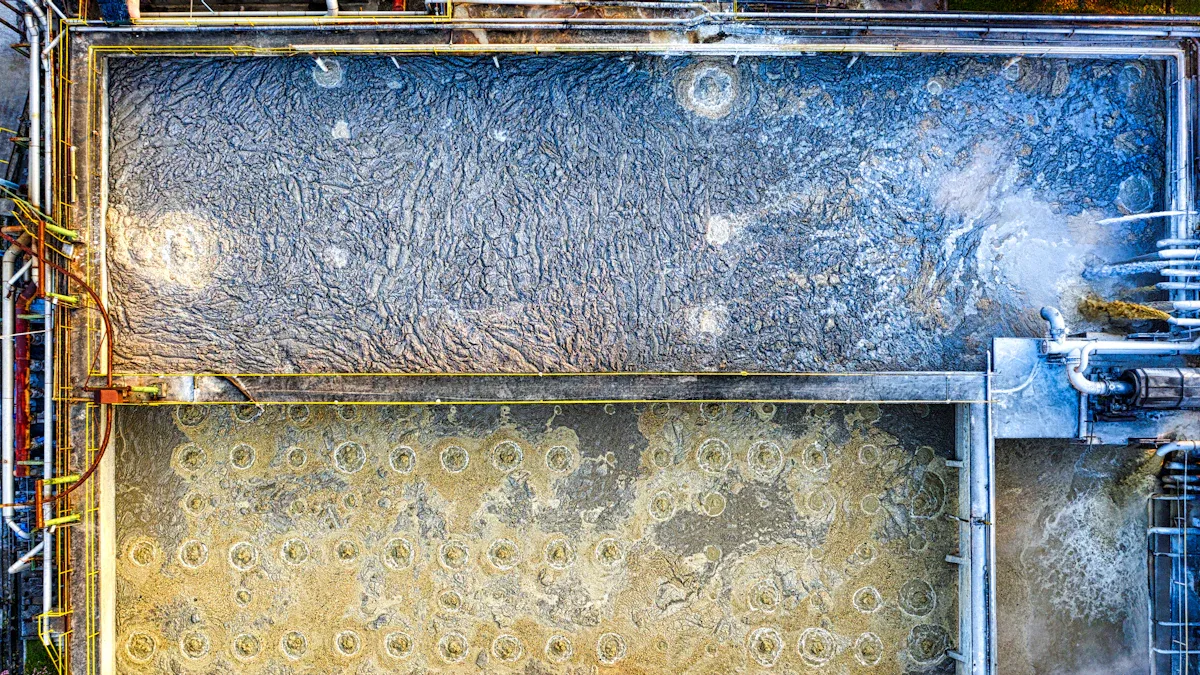
After physical forces remove the solids, the wastewater moves on to the advanced stages. Here, the cleaning process targets the invisible threats. Microscopic organisms and advanced chemical processes work to remove dissolved organic matter and harmful pathogens. This biological and chemical cleanup is the heart of modern wastewater treatment.
The water from primary treatment still contains dissolved organic materials. Secondary treatment uses a natural solution to this problem: hungry microorganisms. This biological process enlists a team of "good bugs" to eat the remaining waste.
This process relies on a carefully managed ecosystem of tiny living things. The main workers include:
Bacteria: These are the primary decomposers. They break down organic waste into simpler substances.
Protozoa: These larger microbes feed on bacteria. They help control the bacterial population and clarify the water.
Fungi: They assist in breaking down complex organic compounds.
Rotifers: These microscopic animals consume bacteria and small particles, helping solids clump together.
🌬️ The Power of AirTo keep these helpful microbes alive and active, they need oxygen. This process is called aeration. Workers pump huge amounts of air into large tanks. The oxygen allows the microorganisms to "breathe" and efficiently consume the organic pollutants in the sewage.
This biological feast is incredibly effective. Secondary treatment typically removes around 85 percent of the dissolved organic matter from the water.
Facilities use two common methods for secondary treatment. While both use microorganisms, they differ in how the microbes are housed.
| Feature | Activated Sludge Process | Trickling Filter System |
|---|---|---|
| Microbe State | Suspended and mixed in the water | Grow on a fixed surface (like rocks or plastic) |
| Aeration | Requires powerful blowers to pump in air | Uses natural air drafts or low-power fans |
| Operational Cost | Higher due to energy needed for aeration | Lower energy and maintenance costs |
| Land Area | Can require a larger footprint | Often uses a smaller land area |
In the activated sludge process, the wastewater is mixed with a microbe-rich sludge in an aeration tank. In a trickling filter system, wastewater trickles over a bed of media where a biofilm of microbes does the cleaning. The choice of system depends on factors like cost, space, and the specific composition of the wastewater. This stage is a crucial step in the overall treatment of sewage.
Even after secondary treatment, some pollutants may remain. Tertiary treatment is the final, polishing stage. Its goal is to prepare the water for its return to the environment. This advanced process targets specific contaminants that could harm aquatic ecosystems or public health.
💡 Why Remove Nutrients?Nutrients like nitrogen and phosphorus can act like fertilizer in rivers and lakes. Too much can cause massive algae blooms that deplete oxygen and harm fish. This process is called eutrophication. Tertiary treatment helps prevent this environmental damage.
The main goals of this final stage are:
Remove nutrients like nitrogen and phosphorus.
Filter out any remaining suspended solids.
Kill harmful pathogens through disinfection.
Ensure the water meets strict quality standards for safe discharge or reuse.
Nutrient removal often uses a combination of biological and chemical processes. Special bacteria can convert harmful nitrogen compounds into harmless nitrogen gas, which is released into the atmosphere. Chemicals can also be added to cause phosphorus to settle out of the water so it can be removed.
The last and most critical step is disinfection. This process eliminates any remaining disease-causing bacteria and viruses. Two primary methods are used:
1. Chemical Disinfection (Chlorination)Chlorine is a powerful chemical that kills pathogens by destroying their cell walls and internal components. It is very effective and has been used for decades. However, it can sometimes create unwanted chemical byproducts.
2. Physical Disinfection (UV Light)Ultraviolet (UV) light offers a chemical-free alternative. Water flows through a chamber where it is exposed to high-intensity UV lamps. The UV radiation damages the DNA of microorganisms, preventing them from reproducing.
| Factor | UV Disinfection | Chlorination |
|---|---|---|
| Method | Physical (light) | Chemical |
| Byproducts | None | Can create harmful byproducts |
| Effectiveness | Kills chlorine-resistant germs like Cryptosporidium | Less effective on some resistant pathogens |
| Taste & Odor | No change | Can leave a chlorine taste and smell |
| Safety | No hazardous chemicals to handle | Requires handling and storing chlorine |
By the end of this final polish, the water quality is significantly improved. This comprehensive approach to the treatment of sewage ensures that the water returned to nature is safe for both wildlife and people.
The treatment of sewage is a vital process for public health. It stops the spread of serious waterborne diseases. This essential journey also preserves our natural ecosystems by preventing pollution in rivers and oceans, which protects aquatic life from harm like eutrophication.
Protecting Our Health 🛡️ Effective treatment prevents illnesses such as:
Cholera
Typhoid
Hepatitis A
The collected solids, called sludge, are treated separately. This process can create biosolids for fertilizer or biogas for energy. It gives the waste a new purpose.
Typically, the water returns to rivers or oceans. Some advanced plants treat it further to become drinking water. This process is called potable reuse.
Only flush the 3 Ps: pee, poo, and paper (toilet paper). Other items like wipes, grease, and trash can clog pipes and damage equipment at the plant.

We provide you with comprehensive foreign trade solutions to help enterprises achieve global development
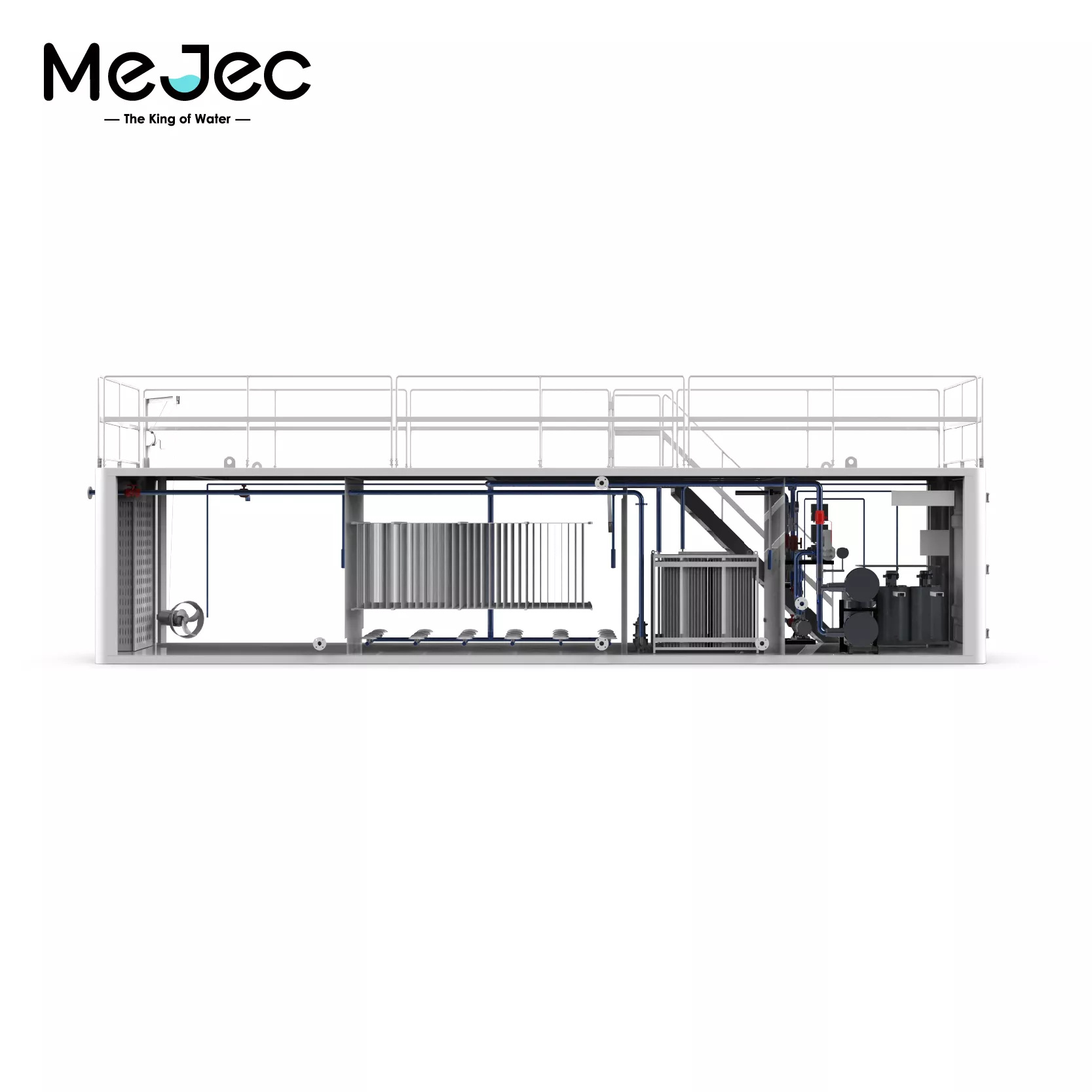
Mejec containerized sewage treatment system incorp...
The Mejec commercial central pure water system is ...
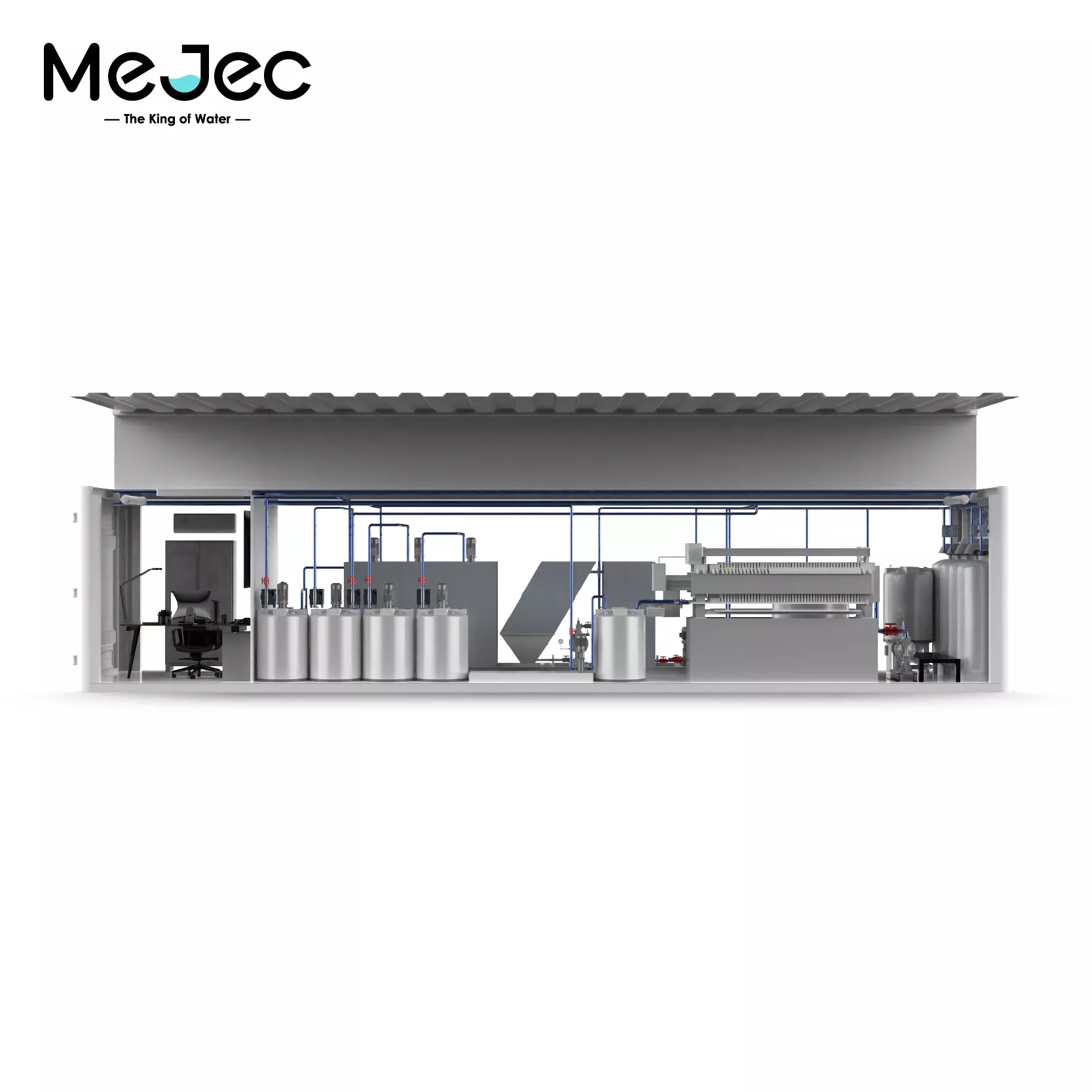
Mejec containerized wastewater treatment system ad...

Choose Mejec and say goodbye to manual maintenance...
Select the most popular foreign trade service products to meet your diverse needs
Select the most popular foreign trade service products to meet your diverse needs





.webp)
User Comments
Service Experience Sharing from Real Customers
Michael Chen
Environmental EngineerThis advanced membrane bioreactor system has revolutionized our plant's sewage treatment efficiency. The reduction in sludge production and superior effluent quality consistently exceed regulatory standards. A game-changer for municipal wastewater management.
Sarah Johnson
Plant Operations ManagerThe automated chemical dosing system for phosphorus removal is highly reliable and precise. It has significantly reduced our operational costs and improved the consistency of our treated sewage output. Excellent support team as well.
David Rodriguez
Sustainability ConsultantImplementing their decentralized sewage treatment units with resource recovery (water reuse & biogas) has been transformative for our eco-resort project. It's a sustainable, cost-effective solution that turns waste into valuable resources.
Jennifer Park
Research ScientistThe pilot-scale sequential batch reactor (SBR) system provided robust data for our study on pharmaceutical removal from sewage. Its flexibility and control accuracy were instrumental in our research outcomes. Highly recommended for R&D applications.