



.webp)


What is MBBR for sewage treatment plant?
MBBR sewage treatment plant uses biofilm carriers ...
More


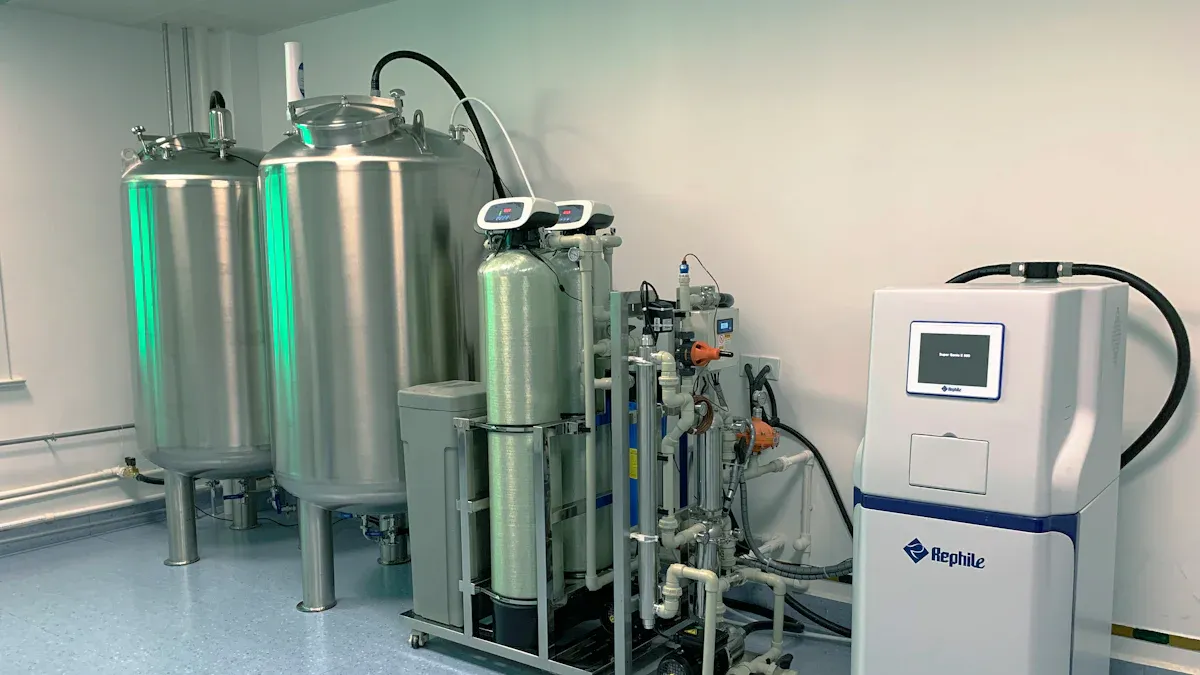
A modern wastewater treatment plant is a community's best defense against disease and pollution. These facilities are the primary tool for protecting our vital water ecosystems from irreversible damage. Global data highlights a direct connection between sanitation infrastructure and public health.
Better wastewater service is linked to a lower burden of diarrheal diseases.
Countries with less access to treatment often see higher mortality from poor sanitation.
Modern wastewater plants protect people from sickness. They remove harmful germs and chemicals from water.
These plants help nature. They stop pollution that hurts fish and plants in rivers and oceans.
Modern plants save money and resources. They turn dirty water into clean water, energy, and useful plant food.
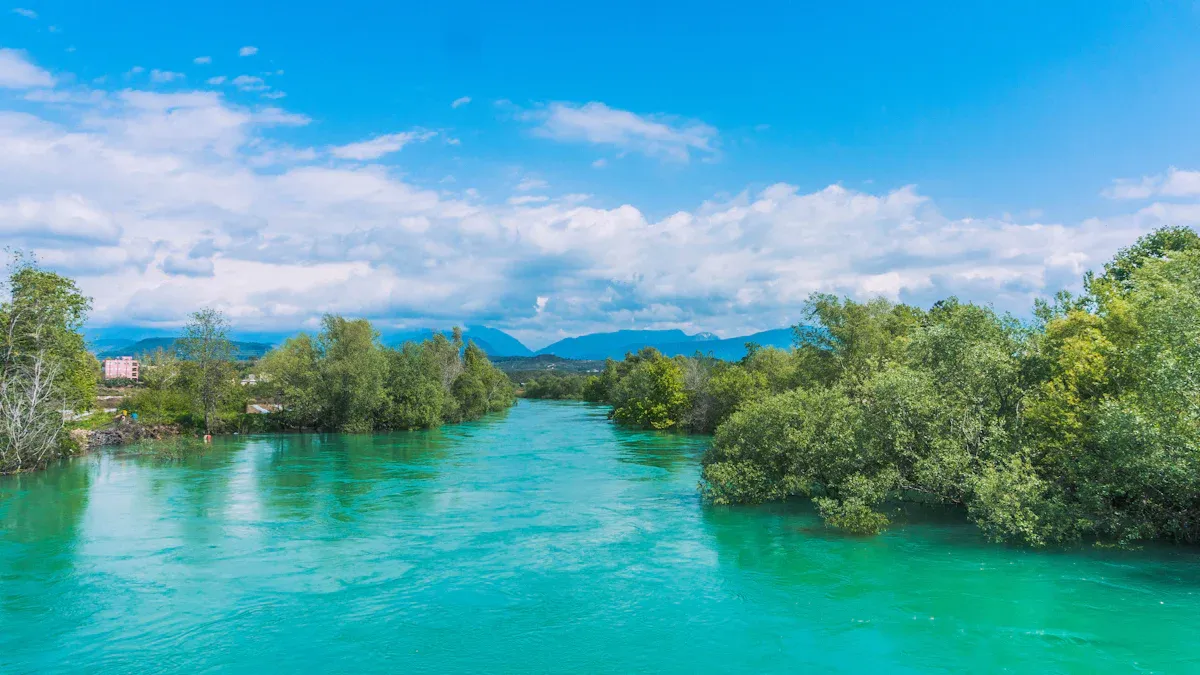
A modern wastewater treatment plant acts as a critical barrier between community waste and the natural environment. Its processes directly protect human health. They also preserve the delicate balance of our aquatic ecosystems.
Untreated wastewater is a major source of disease-causing organisms. These pathogens can contaminate drinking water sources and recreational areas. Wastewater contains a wide variety of harmful bacteria and viruses.
Bacteria: Common types include E. coli, Salmonella, and Vibrio. Many strains of E. coli are capable of causing diarrheal disease.
Viruses: Norovirus (the stomach flu) and thousands of other viral strains are present in raw sewage.
Effective wastewater treatment removes these threats. A case study from the Texas-Mexico border showed the powerful impact of this infrastructure. Communities that received new water and wastewater services saw a 24% reduction in hepatitis A incidence rates.
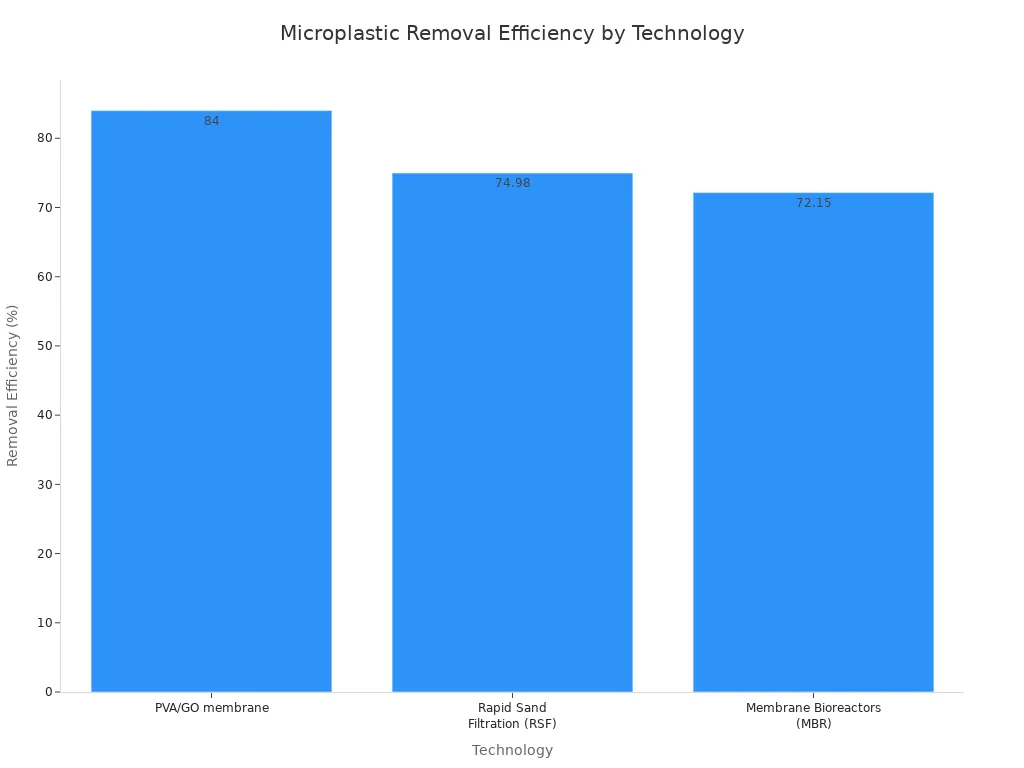
Modern life introduces new challenges, including pharmaceuticals and microplastics. These contaminants are not easily removed by older systems. A modern wastewater treatment plant uses advanced technologies to target these emerging threats with high efficiency.
| Contaminant | Technology | Removal Efficiency |
|---|---|---|
| Pharmaceuticals | Advanced Oxidation Processes (AOPs) | Up to 99% |
| Microplastics | PVA/GO membrane | 84% |
| Microplastics | Rapid Sand Filtration (RSF) | 74.98% |
| Microplastics | Membrane Bioreactors (MBR) | 72.15% |
New membrane technologies show great promise in capturing tiny plastic particles before they enter rivers and oceans.
Wastewater contains high levels of nutrients like nitrogen and phosphorus. Discharging these nutrients into water bodies triggers a destructive process called eutrophication.
Nutrient Enrichment: Excessive nitrogen and phosphorus enter the water.
Algal Growth: The nutrients fuel massive, rapid growth of algae, creating dense blooms.
Oxygen Depletion: The algae eventually die and sink. Bacteria decompose them, consuming huge amounts of dissolved oxygen from the water.
Hypoxic Conditions: The lack of oxygen creates a "dead zone" where fish and other aquatic organisms cannot survive.
These dead zones are a serious environmental problem. The Gulf of Mexico has the second-largest dead zone in the world, fed by nutrients from the Mississippi River Basin. The Chesapeake Bay also suffers from recurring dead zones partly caused by nutrient pollution.
Note: To combat this, regulators are setting very strict nutrient limits. New facilities in New York, for example, must meet phosphorus limits as low as 0.2 mg/L. This requires advanced treatment technologies that older plants lack.
The pollution from untreated or poorly treated wastewater directly harms aquatic life. Contaminants cause a range of negative effects on fish, amphibians, and other organisms.
Declines in fish diversity and abundance.
Metabolic and behavioral changes in wildlife.
Hormones from wastewater affecting the reproductive development of amphibians.
Tissue damage and increased mortality in fish.
By removing pathogens, nutrients, and chemical contaminants, a modern wastewater treatment plant restores the health of aquatic habitats. The cleanup of London's Thames River is a world-famous example. The river was declared biologically dead in the 1950s. After major investments in modern sewage systems, its ecosystem recovered. This effort improved public health and brought fish and wildlife back to the river, showing that investing in treatment is a direct investment in biodiversity.
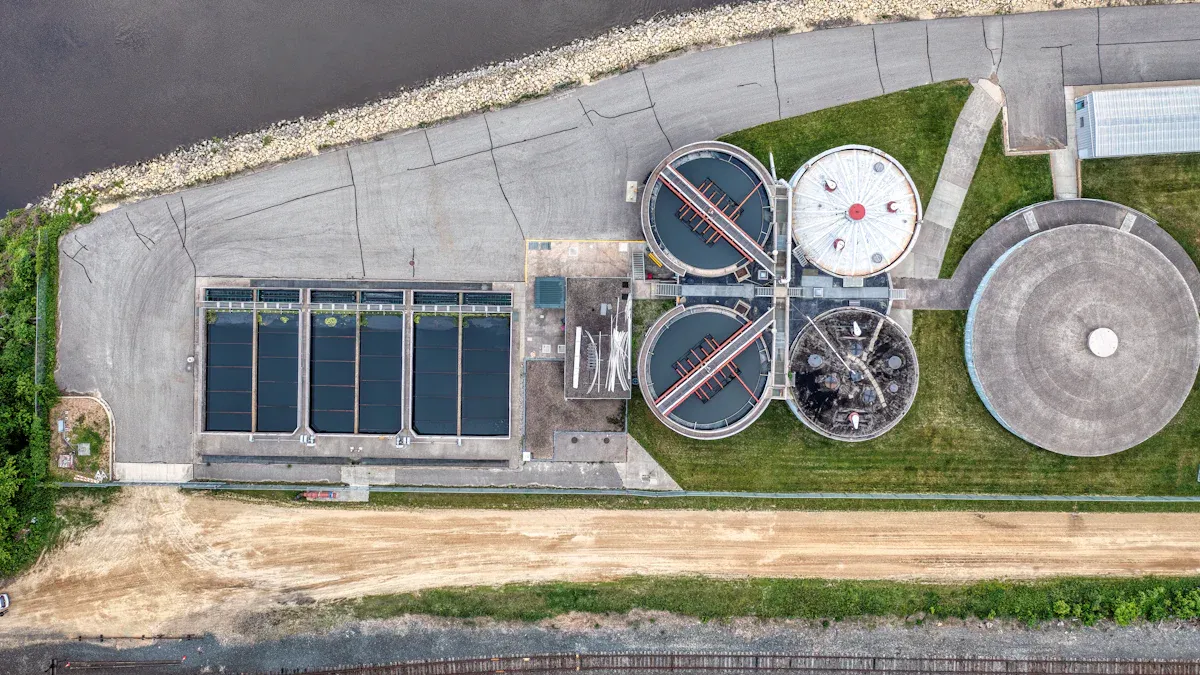
Modern wastewater facilities are evolving from simple disposal sites into hubs of economic and environmental value. They are central to building a sustainable future. This shift redefines waste as a valuable resource, creating new opportunities for communities.
The concept of a circular economy is simple: waste should not be wasted. A modern wastewater treatment plant embodies this principle. It transforms what was once considered refuse into valuable products. This approach is supported by new business models designed for Resource Recovery and Reuse (RRR).
These models help turn treatment facilities into productive assets. They focus on creating value and ensuring financial and operational safety. Key areas of resource recovery include:
Nutrients: Technologies can now recover nitrogen and phosphorus from wastewater. These nutrients are then used to create commercial-grade fertilizers. This reduces the need for industrial fertilizer production, which is an energy-intensive process.
Energy: Advanced anaerobic digestion processes capture methane gas from organic solids. This biogas can be used to generate electricity and heat, powering the plant itself. Some facilities can even produce more energy than they consume, becoming net energy producers.
Water: Cleaned water, or effluent, is perhaps the most valuable recovered resource. It provides a reliable, local water source for many uses.
Successful business models for resource recovery often start by identifying demand for these products. This ensures that the technical systems are built to serve a real market, making the entire operation sustainable.
Modern wastewater management is a powerful tool for climate action. It helps communities both reduce their carbon footprint and adapt to climate change impacts like drought and extreme heat.
Facilities reduce greenhouse gas emissions in several ways.
New nitrogen removal processes, like anammox, use far less energy and produce fewer harmful emissions than older methods.
Capturing methane for energy prevents this potent greenhouse gas from entering the atmosphere.
Upgrading to energy-efficient equipment and using smart sensors can cut a plant's electricity consumption by a large margin.
Beyond reducing their own impact, these facilities boost community resilience. Water recycling is a key strategy for fighting drought and water scarcity. Treated wastewater provides a dependable water supply for many purposes. It can be used for irrigating farms, golf courses, and parks. This frees up precious freshwater for drinking and other critical needs.
Many regions are already embracing this change. In Southern California, agencies are investing heavily in turning wastewater into drinking water. Orange County's Groundwater Replenishment System has been putting highly treated water back into the local aquifer since 2008. This represents a major operational shift.
"We used to call our plants ‘wastewater treatment plants,’" said Traci Minamide, chief operating officer of LA Sanitation & Environment. "Now they’re water reclamation facilities. It’s no longer a linear treatment of a waste to be discarded... It’s now more of a circular concept of how do we take a waste and turn it into a resource?"
This recycled water also helps cities adapt to rising temperatures. In Suwon, Republic of Korea, treated water sustains green corridors and restored waterways. These blue-green networks provide natural cooling during heatwaves. Similarly, a project in Chennai, India, uses treated water to recharge aquifers and irrigate gardens, contributing to urban cooling.
A modern wastewater treatment plant is a vital asset. It protects public health, restores ecosystems, and builds economic resilience.
Global experts are calling for stronger financing and policies to accelerate the adoption of effective wastewater technologies worldwide.
Investing in this infrastructure is a direct investment in a secure future for our communities.
Initial construction costs can be high. However, modern plants often pay for themselves over time. They save money by producing their own energy and recovering valuable resources.
A modern plant uses advanced technologies. It removes emerging contaminants like pharmaceuticals and microplastics. It also focuses on recovering resources like clean water, energy, and nutrients.
Yes. The water goes through multiple advanced purification steps. This process makes it safe, clean, and often higher quality than traditional water sources. It meets all strict safety standards.
Cutting-Edge Materials Transforming Heat Exchanger Manufacturing and Availability Today
Innovative Heat Exchanger Manufacturing Advances Boosting Industrial Operational Efficiency
A 2025 Handbook for Semi-Welded Plate Heat Exchangers in Industry
Uncovering the Advantages of Commercial Heat Exchangers for Businesses in 2025
Boosting Pharmaceutical Efficiency with Advanced Capsule Decapsulation Technology

We provide you with comprehensive foreign trade solutions to help enterprises achieve global development
Mejec Containerized MABR Equipment is an innovativ...
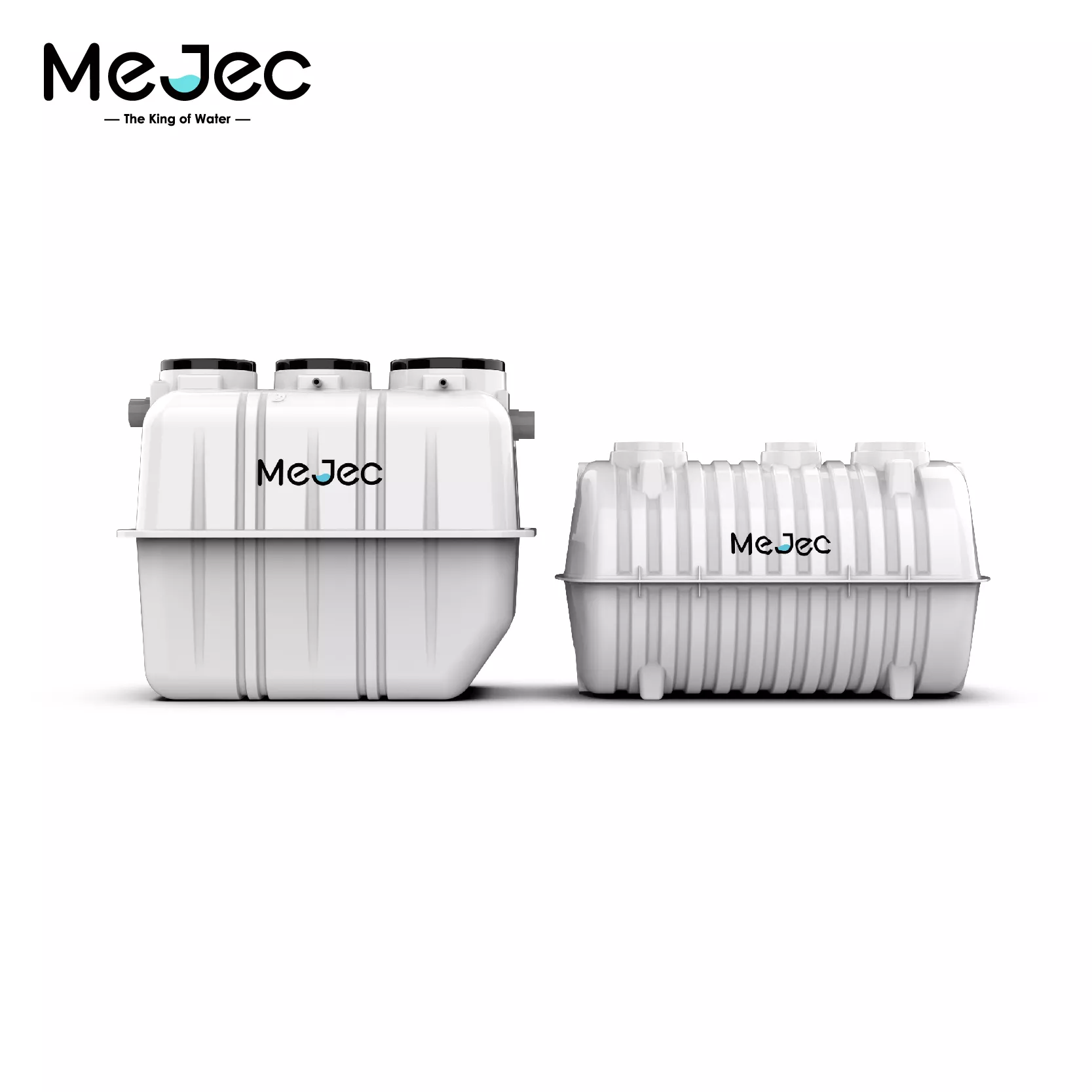
Mejec-Johkasou-SA is a small buried sewage treatme...

Choose Mejec and say goodbye to manual maintenance...
Mejec Redefines the Outdoor Hydration Experience. ...
Select the most popular foreign trade service products to meet your diverse needs
Select the most popular foreign trade service products to meet your diverse needs






User Comments
Service Experience Sharing from Real Customers
Michael Rodriguez
Environmental EngineerThe advanced membrane bioreactor system we installed has exceeded expectations. It's remarkably energy-efficient and has consistently produced effluent quality well below regulatory limits for our municipal plant. A game-changer for operational costs.
Sarah Chen
Plant Operations ManagerAs the manager of an industrial wastewater facility, reliability is key. The dissolved air flotation (DAF) unit has been incredibly robust, handling variable loads from our food processing plant with minimal downtime. Excellent technical support team.
David Park
Chief Sustainability OfficerImplementing the smart SCADA and analytics platform has transformed our pharmaceutical plant's wastewater management. Real-time monitoring and predictive maintenance features have reduced chemical usage by 18% and ensured full compliance. Highly recommend.
Jennifer Wallace
Environmental Compliance SpecialistThe tertiary treatment and UV disinfection system for our textile dyeing wastewater has been outstanding. It effectively removes complex colorants and contaminants, making our discharge safe and simplifying our reporting. A solid investment for any industrial plant facing stringent color standards.