


.webp)

What is MBBR for sewage treatment plant?
MBBR sewage treatment plant uses biofilm carriers ...
More

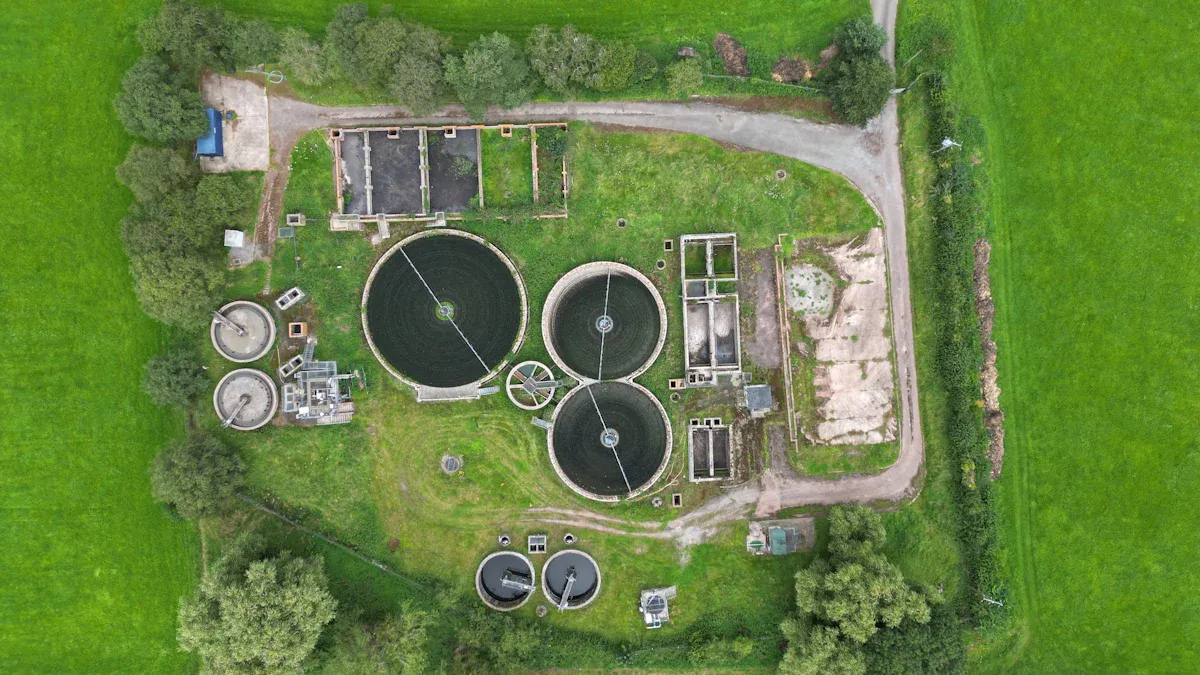
Decentralized solutions empower industries and cities to manage wastewater more efficiently. They use advanced technologies and modular systems to adapt to environmental demands.
Key factors driving adoption include urbanization, rising water scarcity, and strict regulations.
| Metric | Value |
|---|---|
| Projected CAGR (2026-2033) | 9.9% |
| Asia-Pacific Market Share | 25% |
| Europe Market Share | 30% |
Effluent treatment plant operators see faster deployment, lower costs, and improved climate resilience with these approaches.
Decentralized effluent treatment plants treat wastewater close to its source, reducing transportation costs and infrastructure needs.
These systems offer flexibility and scalability, making them ideal for areas with changing population densities or limited infrastructure.
Advanced technologies like IoT and AI enhance the efficiency of decentralized systems, allowing for real-time monitoring and optimized treatment processes.
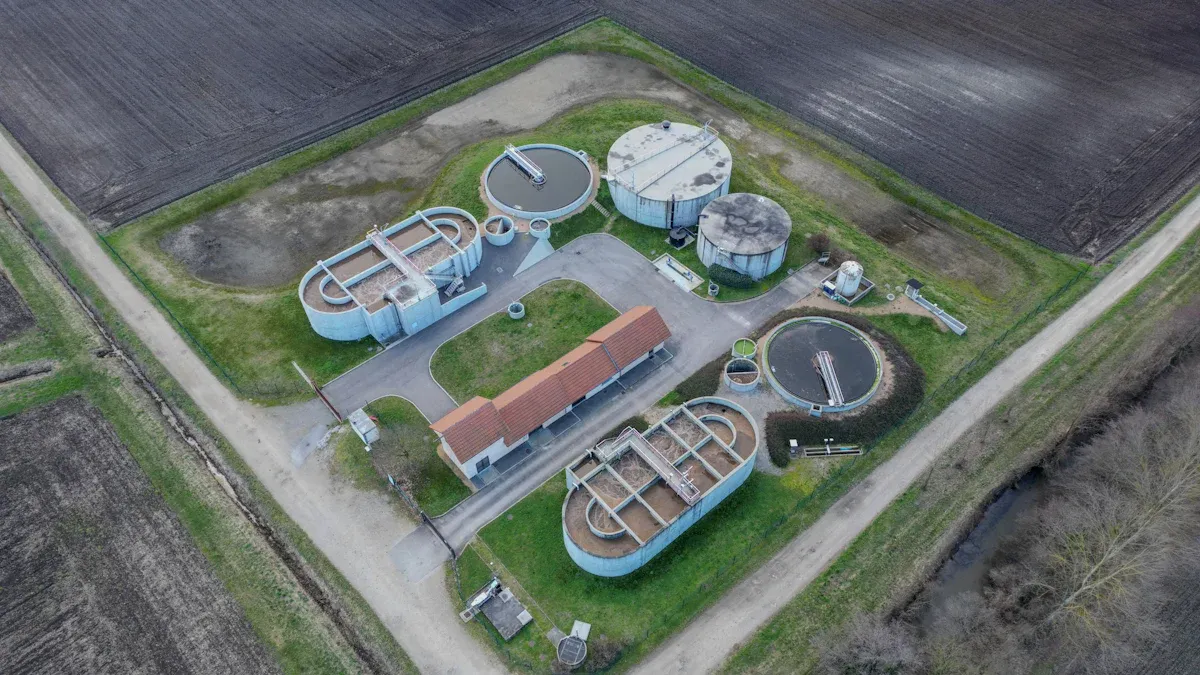
A decentralized effluent treatment plant treats wastewater close to where it is generated. This approach stands in contrast to traditional systems that transport wastewater over long distances to a central facility. Leading environmental agencies define decentralized systems as those that manage and treat wastewater at or near its source. These systems often serve individual buildings, small communities, or industrial sites.
Key features of decentralized effluent treatment include:
Treatment occurs locally, reducing the need for extensive sewer networks.
Systems can be tailored to the specific needs of each site.
Operators can recover valuable resources, such as water and nutrients, during the treatment process.
The main components and operational principles of decentralized effluent treatment plants are summarized in the table below:
| Component/Principle | Description |
|---|---|
| Localized Treatment | Wastewater is treated within or near the area it is generated, reducing transportation costs. |
| Resource Recovery | Systems are designed to recover water, nutrients, and energy from wastewater, enhancing sustainability. |
| Septic Tank | Provides preliminary treatment by allowing solids to settle and separating scum from effluent. |
| Secondary Treatment Unit | Further treats effluent using methods like sand filters or aerobic treatment to ensure safety. |
| Dispersal System | Returns treated effluent to the environment through systems like leach fields or drip irrigation. |
Decentralized systems offer several advantages over traditional centralized models. They provide greater flexibility and scalability, especially in areas with changing population densities or limited infrastructure. Centralized systems often require significant investment in sewer networks, which can account for over 80% of total costs. This limits their adaptability and makes expansion difficult.
In contrast, decentralized systems can adapt to local conditions and expand as needed. They are more cost-effective in rural or rapidly growing areas, where shorter sewer networks reduce expenses. The table below highlights key differences:
| Evidence Type | Description |
|---|---|
| Cost Comparison | In centralized systems, over 80% of investment costs are allocated to sewer infrastructure, which limits flexibility and scalability. |
| Adaptability | Decentralized systems can be tailored to local conditions, allowing them to adapt to changes in population density more effectively. |
| Cost-Effectiveness | In rural areas, decentralized systems are more cost-effective due to shorter sewer networks per inhabitant, enhancing scalability. |
Energy consumption and environmental impact also differ between the two approaches. Centralized systems generally produce lower carbon emissions at large scales. However, decentralized systems can reduce a community's carbon footprint by 20% to 30% under certain conditions. Smaller treatment capacities may lead to higher per-unit energy costs, but localized treatment can offset these costs by minimizing transportation and infrastructure needs.
Decentralized effluent treatment plants support resource recovery and water reuse, which are essential for sustainable water management.
Decentralized effluent treatment plants play a vital role in preparing communities and industries for future challenges. Their modular design allows for easy expansion as demand grows. Operators can deploy new treatment units quickly, supporting phased growth and rapid response to changing needs.
The table below outlines features that make decentralized systems suitable for future-ready wastewater management:
| Feature | Benefit |
|---|---|
| Modular Expansion | Allows communities to add capacity as needed, supporting phased growth. |
| Faster Deployment | Enables quicker implementation of treatment solutions. |
| Long-term Regulatory Compliance | Designed to meet evolving standards, ensuring ongoing compliance. |
Communities benefit from flexible treatment systems that adjust to new regulations and environmental conditions. Decentralized systems move away from rigid long-term forecasts, making them ideal for dynamic environments. They also encourage innovation in resource recovery and water reuse, which strengthens resilience against climate change and water scarcity.
Experts project that decentralized wastewater solutions will improve climate resilience and water security in the coming decade. These systems are economically feasible for communities without existing treatment infrastructure. Advanced technologies will further enhance the resilience and sustainability of decentralized approaches. As cities and industries transition to hybrid water management models, decentralized solutions will play a central role in ensuring reliable and sustainable effluent treatment.
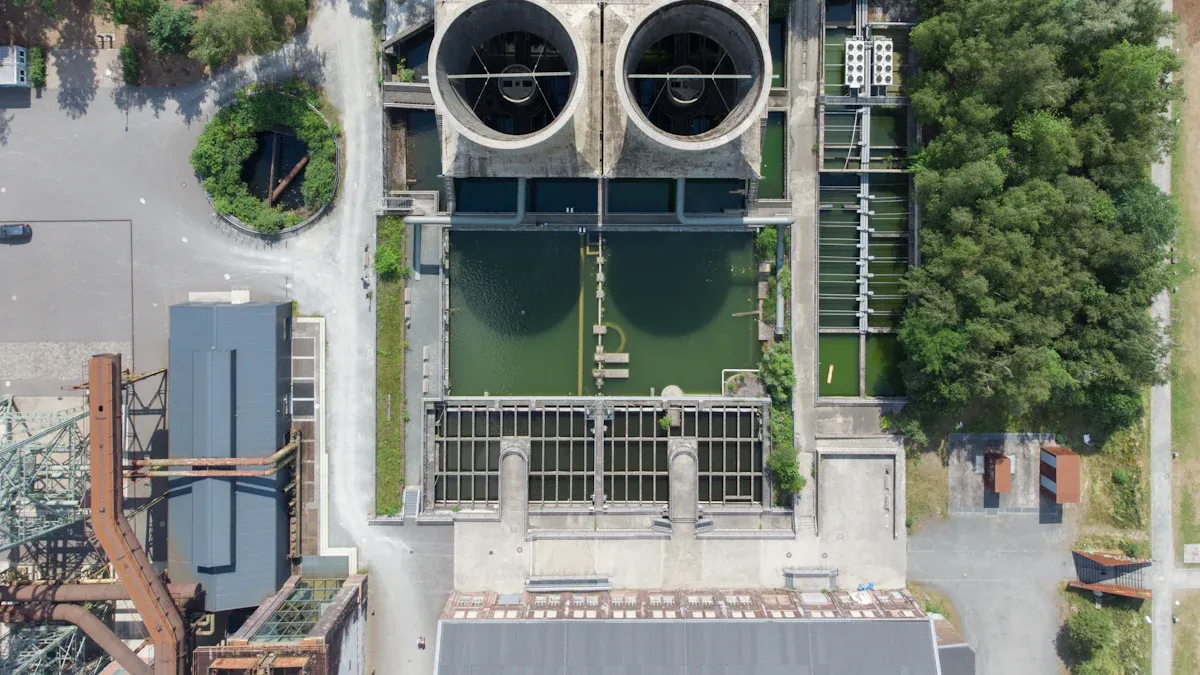
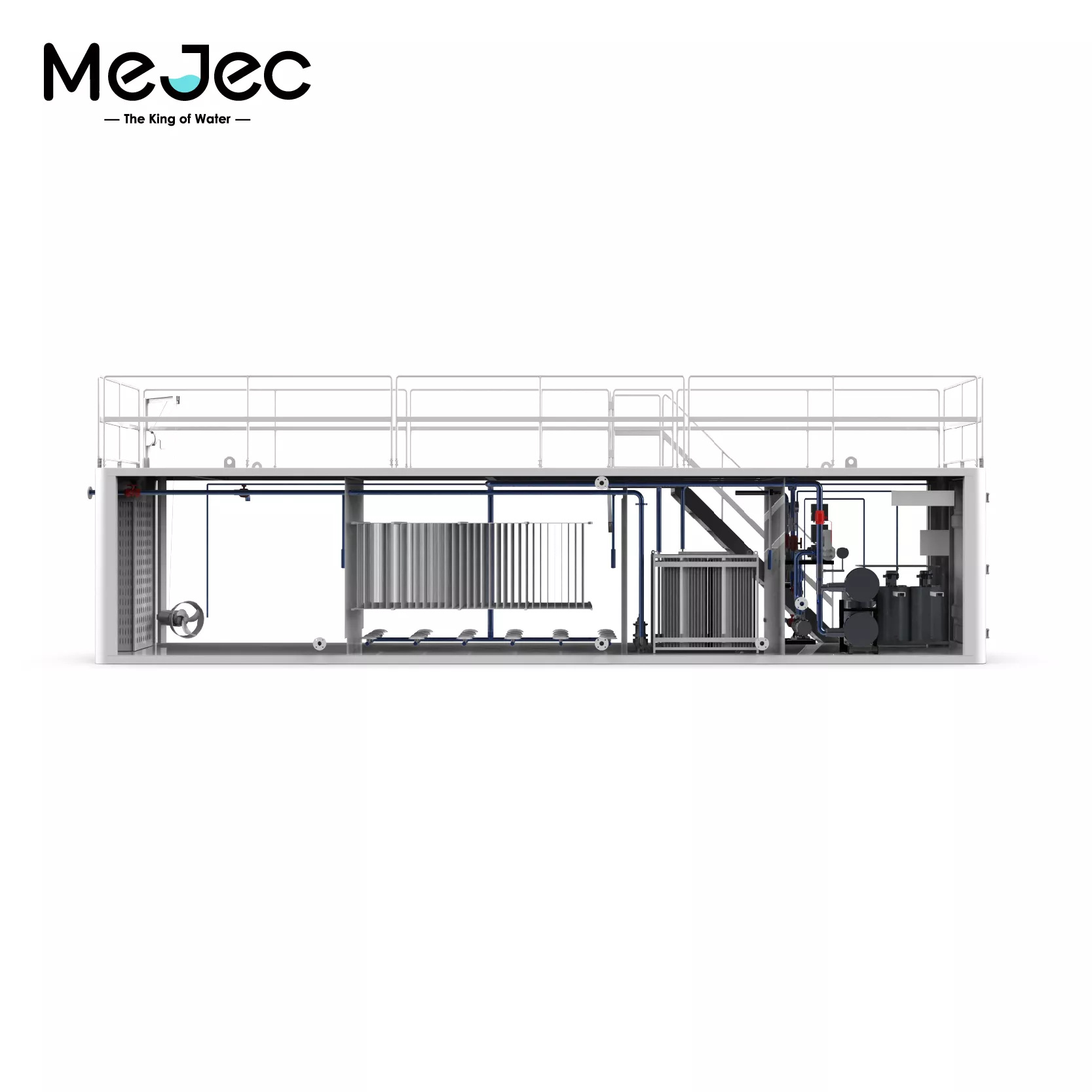
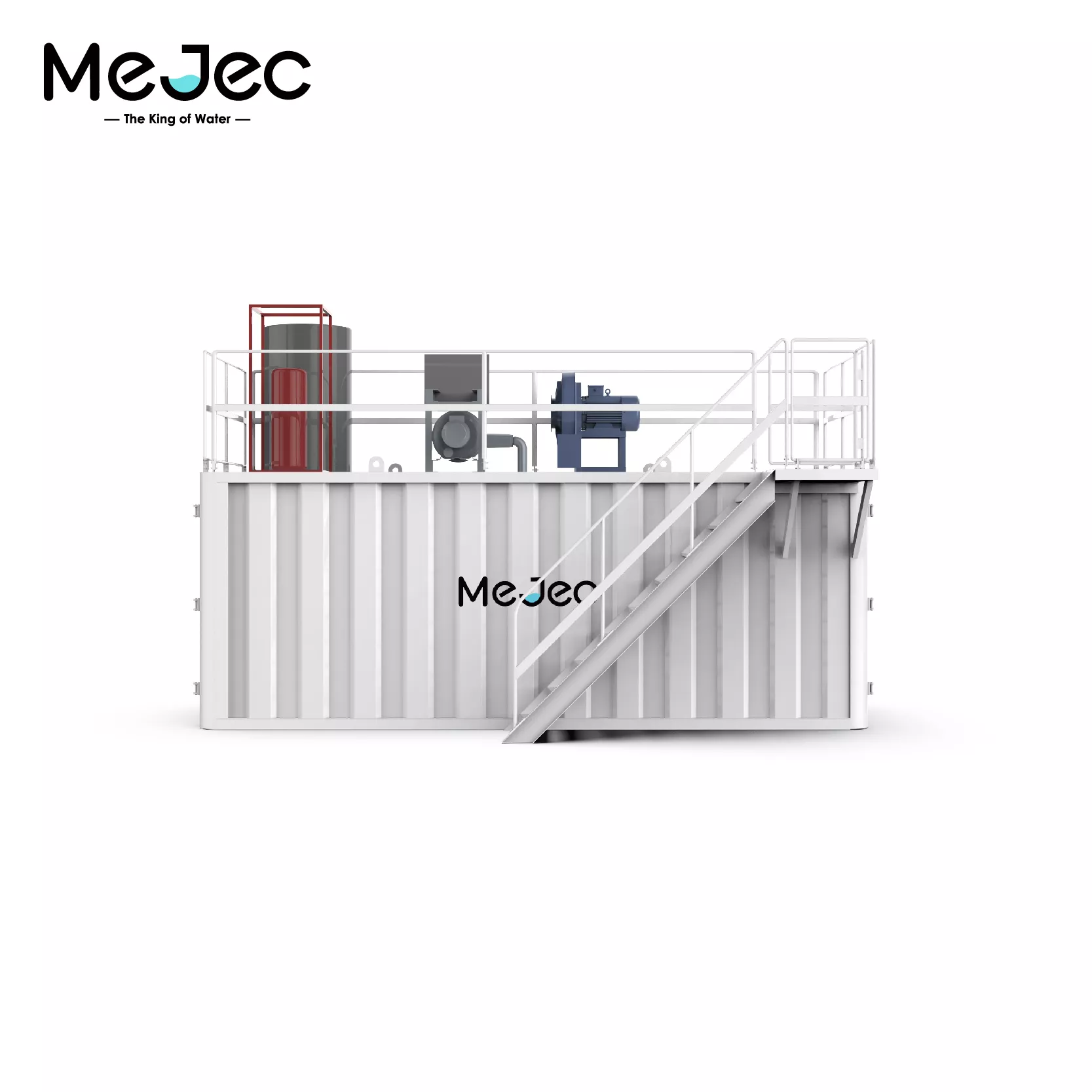
Modular and containerized systems have transformed how communities and industries deploy decentralized wastewater solutions. These systems allow for rapid installation and easy expansion, making them ideal for areas where connecting to a central facility is not possible. Small-scale treatment units can operate close to the source, reducing the need for long pipelines and lowering infrastructure costs.
The EveraSKID Modular Wastewater Treatment System stands out as a recent innovation. It offers both Integrated Fixed Film Activated Sludge (IFAS) and Membrane Bioreactor (MBR) models. IFAS models work well for standard treatment needs, while MBR models handle high-strength wastewater and strict discharge requirements. These flexible systems help operators meet environmental standards and adapt to changing demands.
Smart monitoring in modular systems improves efficiency by optimizing sludge removal schedules, which helps prevent overflows and reduces emergency maintenance.
A comparison of modular and traditional approaches highlights the benefits:
| Feature | Modular Systems | Traditional Systems |
|---|---|---|
| Deployment Speed | Rapid, due to pre-fabrication | Slow, requires extensive on-site construction |
| Scalability | Easy to expand with additional modules | Difficult, needs major redesign |
| Flexibility | High, with configurable components | Low, fixed infrastructure |
| Cost | Lower, due to reduced construction time | Higher, with custom design and longer timelines |
The rise of IoT technology has made real-time monitoring and automation a standard feature in modern effluent treatment plant operations. Sensors and smart devices collect data on water quality, flow rates, and equipment status. Operators use this information to make quick decisions and respond to problems before they become serious.
Automation technologies, such as Advantech’s Precision Dosage Solution, improve dosing accuracy by using predictive models and automated controls. This prevents both overdosing and under dosing, which keeps treatment reliable. Fluence’s Aspiral™ Flex and NIROBOX™ systems use remote monitoring and full automation to ensure high reliability, even during emergencies. Their Smart Operations software suite helps optimize performance and reduce the risk of breakdowns.
Advantech’s solution improves chemical dosing accuracy.
Fluence’s systems enable remote monitoring and control.
Smart Operations software automates performance optimization.
Artificial intelligence (AI) and machine learning have become essential tools for optimizing decentralized wastewater treatment. These technologies monitor water quality, predict maintenance needs, and adjust treatment processes in real time. They help operators comply with regulations and reduce operational costs.
A recent study showed that machine learning models, such as GRU and CNN-LSTM, can accurately predict energy use in treatment plants. This leads to lower energy consumption and cost savings. AI also helps estimate key parameters like BOD and COD, which improves treatment efficiency and effluent quality.
| Application Area | Key Benefits |
|---|---|
| Municipal Wastewater | Real-time monitoring, predictive maintenance, dynamic adjustment, compliance, cost reduction |
| Industrial Wastewater | Adapts to changing conditions, optimizes dosing, increases water reuse, reduces environmental impact |
| Residential Wastewater | Monitors system health, optimizes maintenance, prevents failures |
| Specialized Segments | Monitors runoff, optimizes stormwater treatment, remediates contaminated sites |
AI-based control techniques save energy and optimize plant performance, especially in blower operations.
Advanced treatment methods have improved the effectiveness of decentralized effluent treatment plant systems. Electrocoagulation uses electrical currents to remove heavy metals, oils, and bacteria. This method is compact and energy-efficient, making it suitable for small-scale applications.
Nanotechnology introduces nanoparticles that remove contaminants at the molecular level. This approach increases efficiency and lowers energy use compared to traditional systems. Membrane technologies, such as reverse osmosis and ultrafiltration, remove a wide range of pollutants and are essential for both desalination and wastewater treatment.
| Treatment Method | Pollutant Removal Efficiency | Operational Costs |
|---|---|---|
| Membrane Technologies | High precision | Varies by technology type |
| Advanced Oxidation Processes | Effective for hazardous substances | Higher, due to chemical use |
Water reuse and resource recovery have become central to sustainable wastewater management. Decentralized systems now recover water, nutrients, and energy from treated effluent. This reduces the need for freshwater and lowers pollution.
The Bullitt Center in Seattle uses a decentralized water system that achieves net-zero water use. This approach saves about $30,000 each year in water costs. A 2023 study by the International Water Association found that decentralized systems can cut urban water demand by up to 40% in high-density areas.
| Impact Type | Description |
|---|---|
| Environmental | Less freshwater extraction, reduced pollution, healthier ecosystems |
| Economic | Lower water costs, higher property values, eco-friendly reputation |
| Challenges | High initial costs, regulatory barriers |
Decentralized water reuse systems help cities and industries become more resilient to water scarcity and climate change.
Regulatory changes play a major role in the adoption of decentralized wastewater solutions. States like California enforce strict water quality standards, which require localized compliance equipment. The EPA and state-level mandates drive demand for decentralized systems. Compliance deadlines and evolving standards create cycles of investment in new technologies. Environmental policies encourage the use of eco-friendly solutions, shaping product development and procurement.
| Regulatory Change | Impact on Decentralized Effluent Treatment Plants |
|---|---|
| High Regulatory Stringency | States like California enforce strict water quality standards, demanding localized manufacturing for compliance equipment. |
| EPA mandates and state-level regulations | These are primary drivers of market demand for decentralized solutions. |
| Compliance deadlines and evolving standards | Create cyclical demand patterns for effluent treatment technologies. |
| Environmental policies | Favor innovative, eco-friendly treatment solutions, influencing product development and procurement strategies. |
Decentralized systems also improve climate resilience. They can become operational quickly after climate disruptions. For example, after a hurricane in Bordeaux, a decentralized plant started working within hours, while the centralized facility took months to restart.
Organizations receive strong business incentives for adopting decentralized systems. Grants like the Net Zero Energy Wastewater Grant offer up to $500,000 for public facilities. Companies benefit from smart water technologies, which improve efficiency and reduce costs. Sustainable practices help organizations meet green goals and conserve water.
| Benefit Type | Description |
|---|---|
| Improved Autonomy | Decentralized systems provide rural communities with the independence to manage their wastewater treatment effectively. |
| Economic Advantages | Lower electricity consumption leads to cost savings; decentralized systems use 0.363 kWh/m³ compared to 0.873 kWh/m³ for centralized systems. |
| Enhanced Public Health | Improved sanitation reduces medical costs and increases productivity by preventing waterborne diseases. |
| Increased Community Engagement | Local stakeholders can tailor solutions to their specific contexts, enhancing decision-making and environmental stewardship. |
Many communities and industries have adopted decentralized systems with strong results. Small island communities in the Caribbean use these systems to avoid high infrastructure costs. Rural villages in India and mining camps in Australia rely on decentralized plants for reliable wastewater treatment. In the United States, urban areas use Living Machine technology, which combines wetlands and bioreactors for ecological treatment. Solar-powered systems in Sub-Saharan Africa provide off-grid wastewater management.
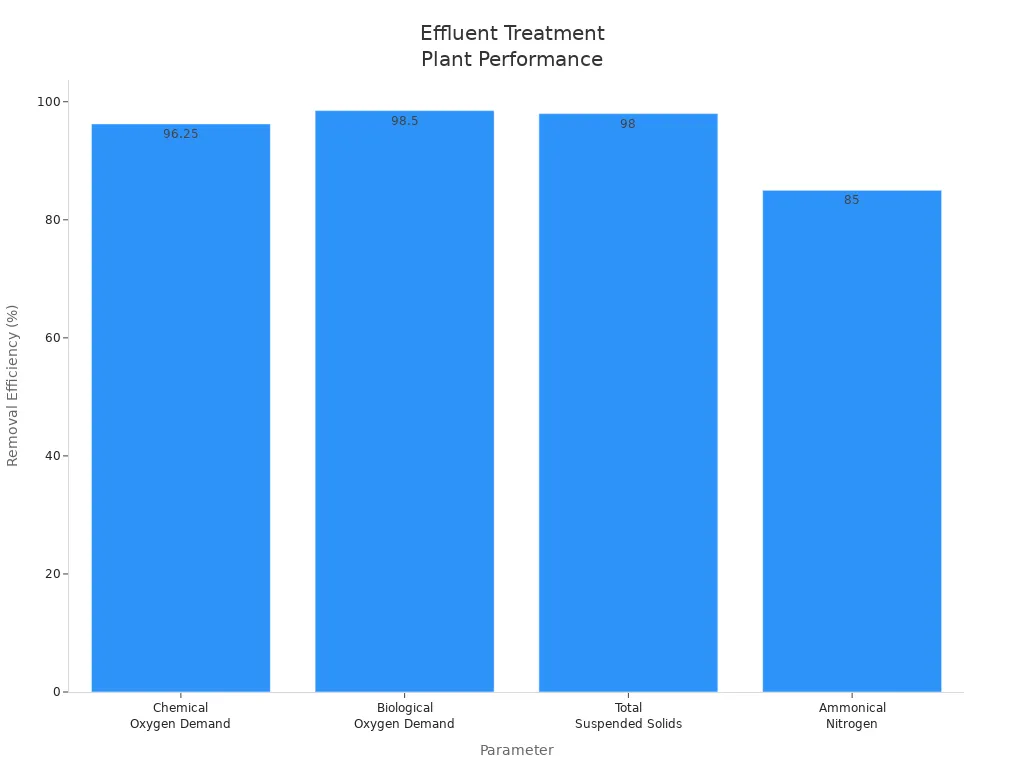
| Parameter | Removal Efficiency (%) |
|---|---|
| Chemical Oxygen Demand (COD) | 96.25% |
| Biological Oxygen Demand (BOD) | 98.5% |
| Total Suspended Solids (TSS) | 98% |
| Ammonical Nitrogen | 85% |
Organizations face several challenges when adopting decentralized systems:
Lack of awareness and education among stakeholders.
Operational and maintenance challenges due to limited skilled personnel.
Institutional and regulatory barriers.
Financial constraints, especially for small communities.
Scaling and standardization issues.
Environmental and health concerns from poor maintenance.
Future opportunities include adaptable systems for local needs, advanced treatment for nutrients and PFAS, and solutions for water scarcity. Decentralized systems offer flexibility, quick deployment, and lower energy use, making them ideal for remote and rural areas.
Decentralized solutions drive progress in effluent treatment plant operations. Industries and communities benefit from:
Water efficiency and reuse through onsite treatment
Faster regulatory compliance and permitting
Lower infrastructure costs
Scalability and modularity for future growth
These systems support ESG principles, enhance water reuse, and foster local development.
Decentralized plants treat wastewater near its source. This reduces infrastructure costs and allows for faster deployment in both urban and rural areas.
Modular systems allow operators to add or remove units as needed. This flexibility supports phased growth and quick adaptation to changing water treatment demands.
Yes. Decentralized systems recover and treat water onsite. This enables safe water reuse for irrigation, industrial processes, or even toilet flushing.
Innovative Materials Transforming Heat Exchanger Industry Supply
Ways to Reduce Environmental Impact Using Plate Heat Exchangers
Advancements in Heat Exchanger Manufacturing Boost Industrial Efficiency
Comprehensive 2025 Overview of Semi-welded Plate Heat Exchangers
Urea Ammonium Nitrate Solution UAN: Essential Nutrient for Plants

We provide you with comprehensive foreign trade solutions to help enterprises achieve global development

Whether your venue is a specialty café in pursuit ...
Mejec Redefines the Outdoor Hydration Experience. ...
Imagine an office where the simple act of getting ...
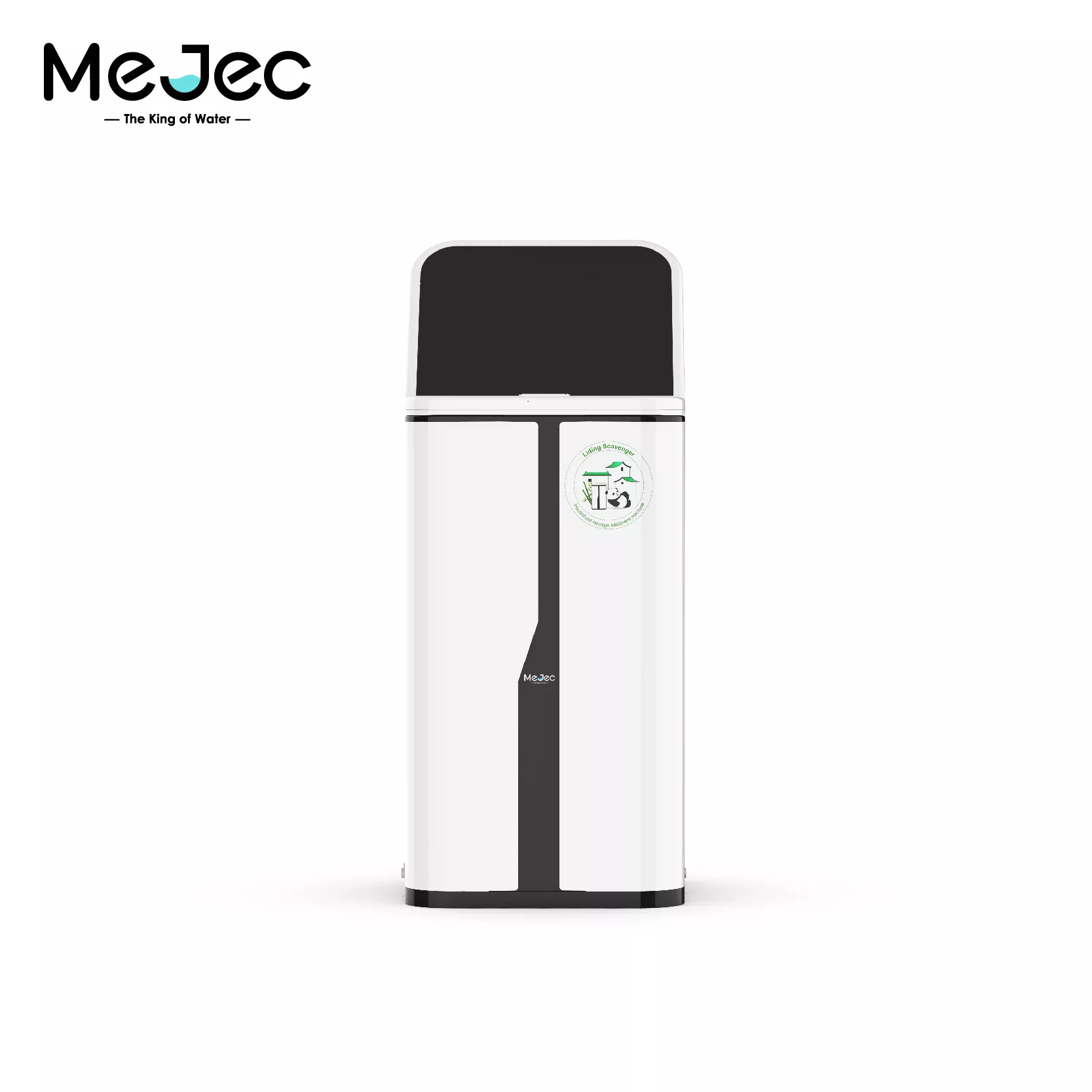
Mejec Scavenger Household Sewage Treatment Plant (...
Select the most popular foreign trade service products to meet your diverse needs
Select the most popular foreign trade service products to meet your diverse needs





User Comments
Service Experience Sharing from Real Customers
Michael Chen
Environmental EngineerThis effluent treatment plant has been a game-changer for our facility. The system's efficiency in reducing BOD and COD levels is exceptional, and the automated controls make operation remarkably simple. Highly recommended for any industrial application requiring reliable wastewater management.
Sarah Johnson
Plant Operations ManagerWe installed this ETP six months ago to meet stricter environmental regulations. It consistently delivers treated water that meets discharge standards. The after-sales support team is responsive. The only minor drawback is the initial learning curve for our operators, but overall, it's a solid investment.
David Rodriguez
Facility DirectorOutstanding performance and robust construction. Our food processing plant generates high-organic-load effluent, and this treatment plant handles it effortlessly. The sludge dewatering unit is particularly effective, significantly reducing disposal costs. It's a critical component of our sustainable operations.
Priya Sharma
Sustainability OfficerThis compact effluent treatment system allowed us to implement water recycling within our space-constrained site. The treated water quality is perfect for reuse in cooling towers. It has greatly reduced our freshwater intake and environmental footprint. A reliable and efficient solution for responsible manufacturing.