


.webp)


What is MBBR for sewage treatment plant?
MBBR sewage treatment plant uses biofilm carriers ...
More

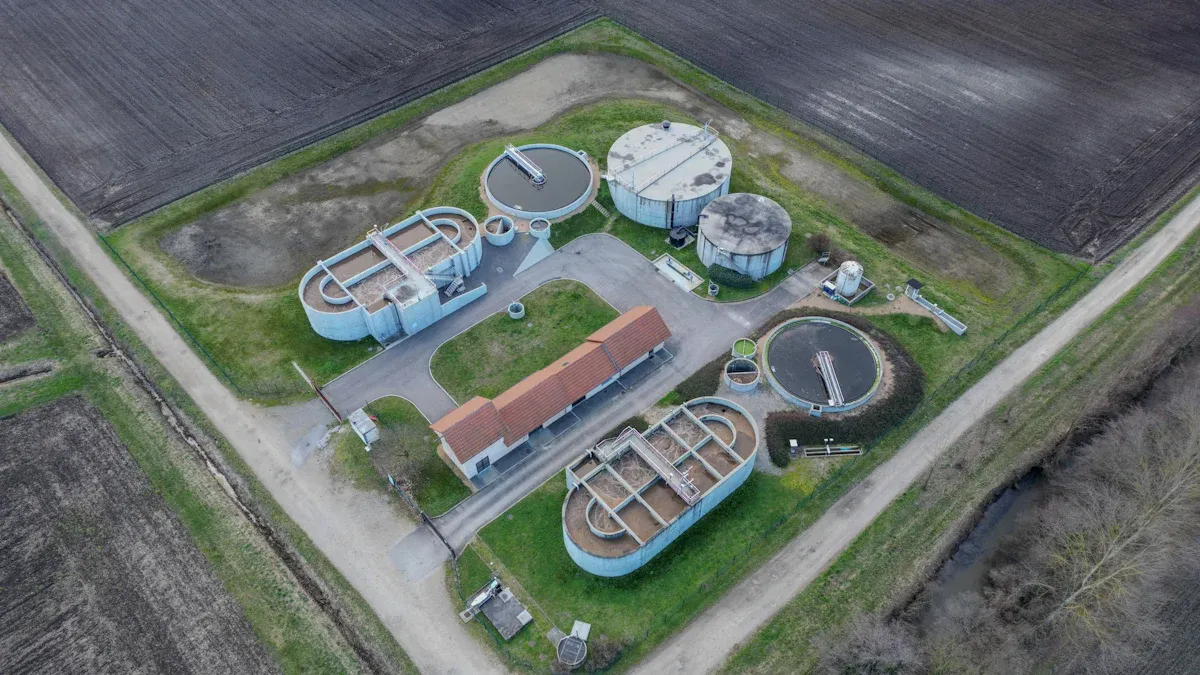
You can explore how water treatment plant sewage gets cleaned and made safe using interactive websites and educational videos. Discover modules that show you how wastewater treatment works, introduce you to sewer systems, and share resources about rural water management. These tools help you understand the importance of clean water in your community.
Learn how sewage treatment plants clean dirty water using machines and helpful bacteria. Understanding this process helps protect the environment.
Treating sewage is essential for public health. It prevents pollution and keeps drinking water safe from harmful germs and chemicals.
Explore fun educational resources like videos, games, and local events to learn more about water treatment. Engaging activities make learning enjoyable and memorable.
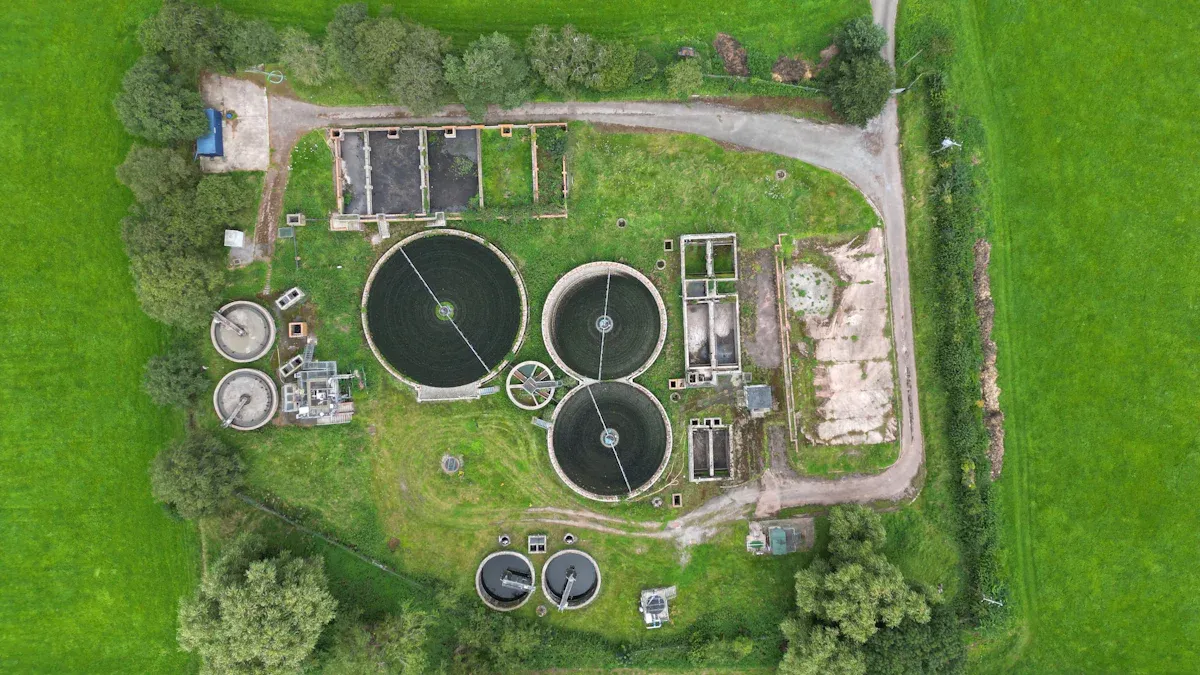
You create wastewater every day when you flush the toilet, wash your hands, or take a shower. This dirty water travels through pipes and ends up at a special place called a water treatment plant. Water treatment plant sewage is the mix of water and waste that comes from homes, schools, and businesses. The plant uses machines and helpful bacteria to clean this water before it goes back into rivers or lakes. You help protect the environment when you understand how this process works.
You need to treat sewage to keep your community and the environment safe. If you release dirty water into nature, it can cause many problems. Here are some important reasons to treat water treatment plant sewage:
Cleaned water helps prevent water pollution in rivers, lakes, and oceans.
Treatment removes harmful germs and chemicals that can make people sick.
The process gets rid of organic matter and nutrients that can cause too much algae to grow, which harms fish and other animals.
Proper treatment protects public health and keeps your drinking water safe.
Tip: When you use less water at home, you help the treatment plant work better and save energy.
Kids like you often have many questions about water treatment plant sewage. Here are some of the most common ones:
What happens if you do not treat sewage?
Can untreated sewage make you sick?
How does the plant clean the water?
Where does the cleaned water go?
Untreated sewage can carry many health risks. You might face diseases like salmonellosis, cholera, or hepatitis A if you come into contact with dirty water. Skin problems like rashes can also happen. Some harmful metals, such as lead or mercury, can build up in your body over time and cause serious health problems. New chemicals, like those found in some plastics, can also be dangerous if they end up in your water.
You can help by learning more about how water treatment plants work and sharing what you know with your friends and family.
You can think of sewage treatment as a journey that dirty water takes to become clean again. Each step removes different types of waste and makes the water safer for people and the environment. Here is a table that shows the main stages and what happens at each one:
| Stage | Purpose | Typical Outcomes |
|---|---|---|
| Preliminary | Remove rags, plastics, grit | Protects pumps/pipes; reduces wear and blockages |
| Primary | Settle solids; skim oils/grease | About 50–60% of solids removed; less organic matter |
| Secondary | Biological treatment (using bacteria) | About 85–95% of organic waste removed; clearer water |
| Tertiary | Final filtration & disinfection | Removes nutrients and germs; water ready for reuse |
You see that each stage has a special job. The preliminary stage catches big trash and sand. The primary stage lets heavy solids settle and removes oils. The secondary stage uses helpful bacteria to break down waste. The tertiary stage filters and disinfects the water so it can safely return to nature or even be reused.
Inside a water treatment plant, many machines and tools work together to clean the water. You might find these types of equipment:
Bar screens or drum screens catch large objects like sticks and plastic.
Grit removal chambers settle out sand and gravel.
Primary clarifiers separate solids that sink and oils that float.
Aeration basins add air to help bacteria break down waste.
Trickling filters let water flow over rocks or plastic, where bacteria eat the waste.
Membrane bioreactors use special filters for advanced cleaning.
Sand and activated carbon filters remove tiny particles and chemicals.
Disinfection systems use UV light, ozone, or chlorine to kill germs.
Workers at the plant test the water at every step. They check for things like dissolved oxygen, chlorine, nitrates, pH, ammonia, and phosphates. Before releasing the water, they run a final test to make sure it meets safety standards set by the EPA.
The time it takes to treat water depends on the technology used. Here is a table that shows how long different methods take:
| Treatment Technology | Duration (hours) |
|---|---|
| Conventional Treatment | 8 to over 30 |
| Membrane Bioreactors (MBRs) | 5 to 10 |
| Advanced Oxidation Processes (AOPs) | Much shorter |
You can see that some modern plants clean water faster than older ones.
Note: Small towns and large cities often use different systems. Small towns may use decentralized systems like trickling filters or septic tanks, which need less energy. Large cities use advanced treatment plants that require more energy and have extra cleaning steps.
| Type of System | Small Towns | Large Cities |
|---|---|---|
| Treatment Method | Decentralized systems (e.g., trickling filters) | Centralized systems (advanced treatment plants) |
| Energy Requirements | May operate with no net energy requirements | Typically require significant energy input |
| Common Systems | On-site sanitation systems (e.g., septic tanks) | Advanced treatment with tertiary and quaternary stages |
You help the treatment plant by not flushing trash or grease down the drain.
Some plants turn waste into energy or fertilizer for farms.
Helpful bacteria do most of the cleaning work in the secondary stage.
Treated water can be clean enough to water parks, golf courses, or even refill rivers.
In some places, water treatment plant sewage gets recycled and used again in homes or factories.
The largest treatment plants can clean millions of gallons of water every day.
💡 Tip: Ask your local water utility if you can visit a treatment plant. Seeing the process in action helps you understand how important clean water is for everyone.
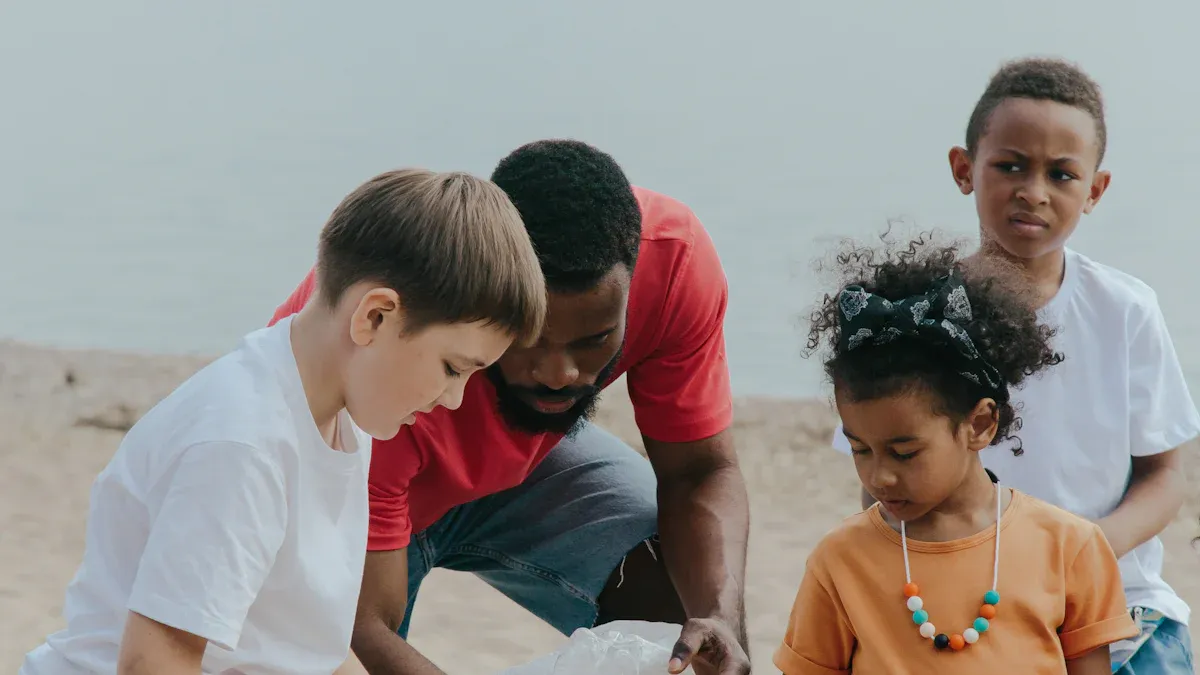
You can watch animated videos that make learning about water treatment plant sewage fun and easy. The Met Council created an animated video just for kids. This video explains how wastewater gets cleaned and why it matters. Teachers often use this video in classrooms and online lessons because it helps you see each step in action. Watching these videos helps you understand how your actions at home connect to the bigger water system.
You can try hands-on activities to learn more about sewage treatment. Many programs offer simple overviews of how water gets cleaned. Some even let you tour real water treatment plants, like the Metropolitan Water Resource Recovery Facility. When you join these tours, you meet water guides who show you how the process works. Activities like these help you use problem-solving skills and think about how to protect the environment.
You get to see real equipment and ask questions.
You learn by doing, not just by reading or watching.
You discover how your choices affect local water resources.
Tip: Hands-on experiences help you remember what you learn and make it more fun!
Several websites give you a closer look at water treatment plant sewage. These sites offer interactive tours, downloadable activity packets, and presentations. You can explore how water gets cleaned and test your knowledge with quizzes. Some apps also let you play games that teach you about water safety and pollution.
You can join local events and workshops to learn even more. Many organizations host programs and festivals where you can meet experts and try activities. Here are some examples:
| Event Type | Description | Link |
|---|---|---|
| Educational Programs | Programs for children to learn about sewage treatment and water education. | Learn about water |
| Community Events | Various events for all ages related to sewage treatment education. | Join upcoming events |
You can also attend the Aurora Youth Water Festival, which offers hands-on activities for fifth graders every spring.
You learn how the water cycle works and why communities clean water before returning it to nature. Explore videos, games, and workshops that help you practice water conservation at home. Share your knowledge with friends and family. See how your actions protect health and improve your community.
| Key Points | Description |
|---|---|
| Water Cycle | Illustrates how water is reused in nature. |
| Community Role | Shows how communities manage wastewater. |
| Environmental Protection | Highlights the importance of cleaning water first. |
You see workers collect solids and trash. They turn some waste into fertilizer or energy. Some items go to landfills. Plants recycle as much as possible.
You can visit many plants. Some offer guided tours for students. Ask your teacher or parents to help you find local opportunities.
Tip: Always wear closed-toe shoes and follow safety rules during your visit.
Treated water from sewage plants usually returns to rivers or lakes. You drink water after extra cleaning at drinking water plants. Always check with your local water utility.
Best Precoating Options for Filtration Systems in 2025
Comparative Analysis of EHEDG and 3A SSI Hygienic Standards
Is Investing in Automated Virus Sampling Tube Lines Worthwhile?
How Sterile Filter Devices Function: A Comprehensive Guide
Exploring Nozzle Solutions for Gardeners, Bioprinters, and Lubrication

We provide you with comprehensive foreign trade solutions to help enterprises achieve global development
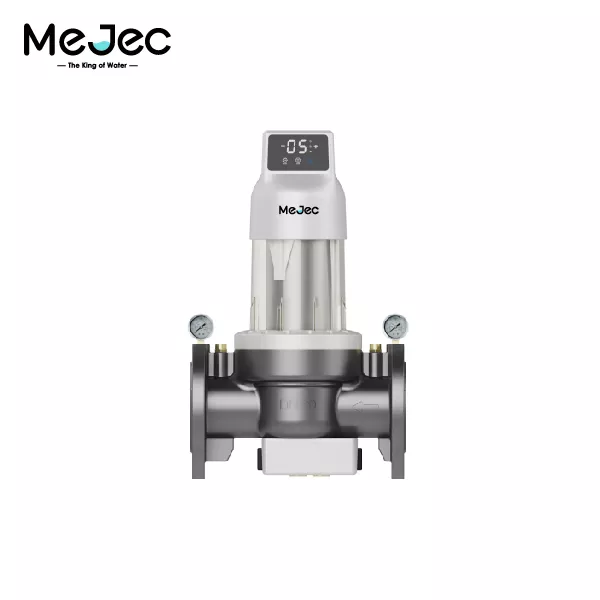
Engineered as the essential first barrier for wate...
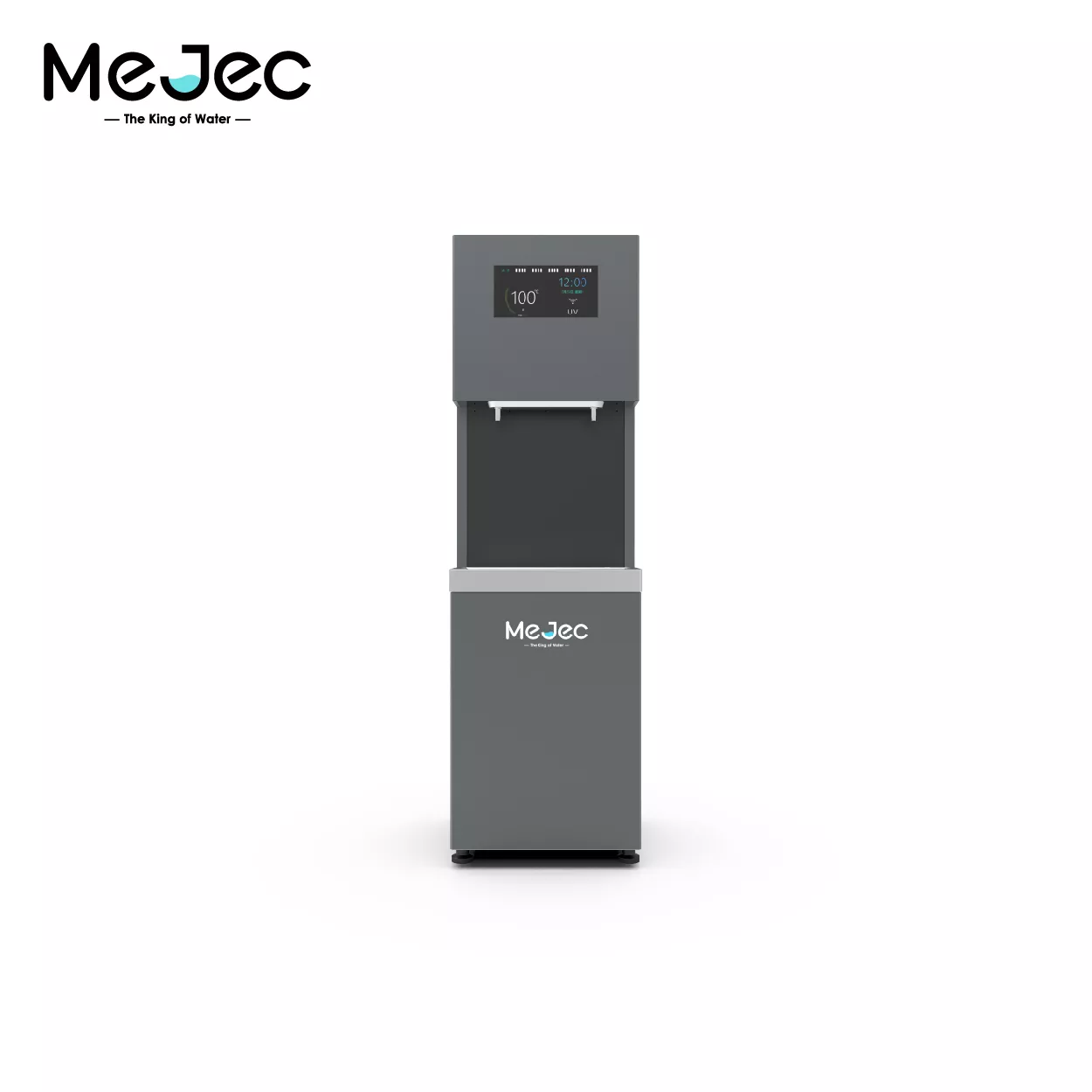
The Mejec commercial energy-saving water dispenser...
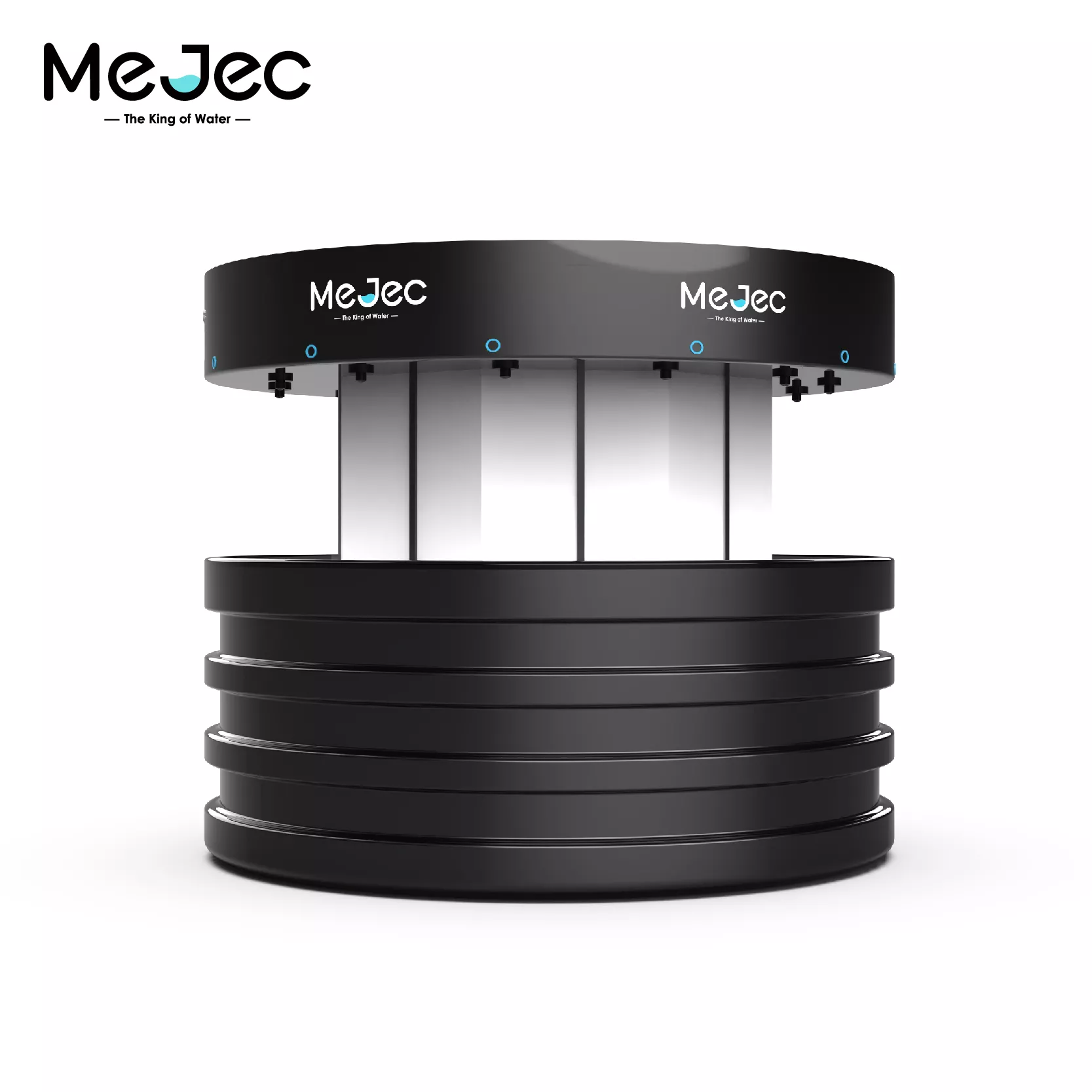
Mejec Redefines the Outdoor Hydration Experience. ...
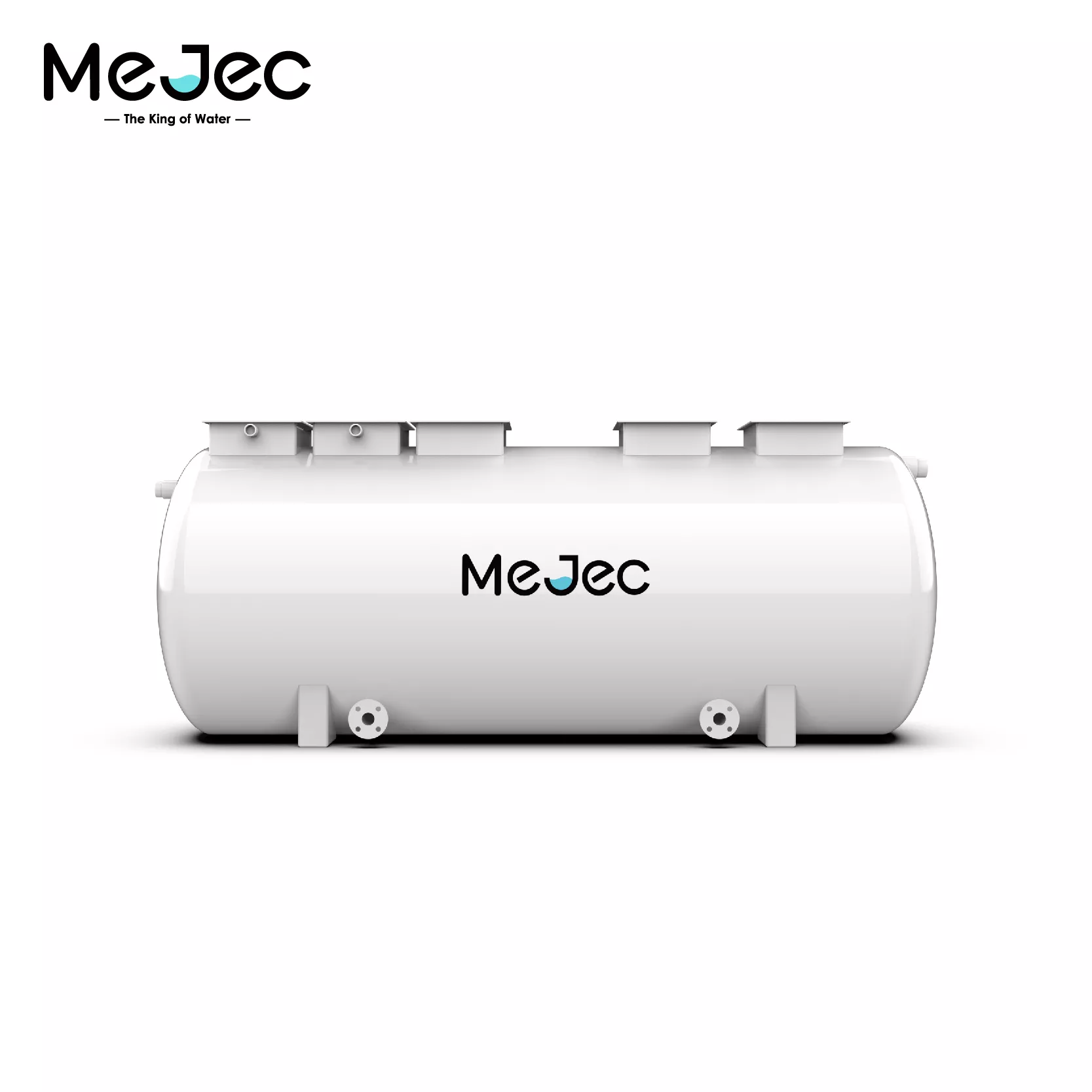
Mejec-Johkasou-SB adopts an AAO + MBBR combined bi...
Select the most popular foreign trade service products to meet your diverse needs
Select the most popular foreign trade service products to meet your diverse needs





User Comments
Service Experience Sharing from Real Customers
Michael Rodriguez
Municipal Operations ManagerThe advanced membrane bioreactor system we installed has revolutionized our plant's efficiency. BOD and TSS removal rates now consistently exceed 98%, and the automated controls have reduced operational manpower by 30%. An outstanding investment for municipal sewage treatment.
Sarah Chen
Environmental EngineerAs an engineer at an industrial park, integrating this tertiary treatment unit was crucial for meeting stringent discharge standards. The UV disinfection module is particularly effective and low-maintenance. Slightly higher energy use than anticipated, but overall performance is excellent.
David Kowalski
Plant SuperintendentThe sludge dewatering press has been a game-changer. Cake solids content increased from 18% to 32%, drastically reducing disposal costs and trucking frequency. Reliability and build quality are top-notch. Essential equipment for any large-scale sewage treatment facility.
Jennifer Park
Chief Sustainability OfficerOur food processing plant needed a robust pre-treatment solution for high-strength organic wastewater. This dissolved air flotation (DAF) system handles variable loads perfectly and has allowed us to recover valuable byproducts. Customer support during commissioning was exceptional.