




.webp)
What is MBBR for sewage treatment plant?
MBBR sewage treatment plant uses biofilm carriers ...
More

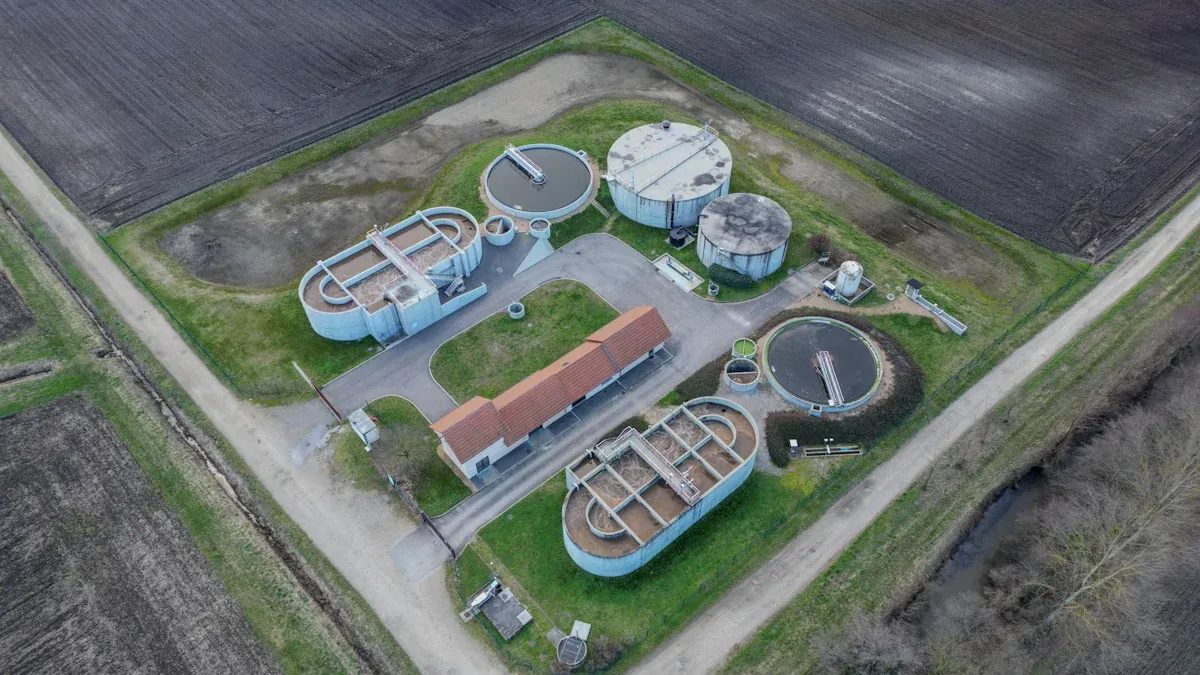
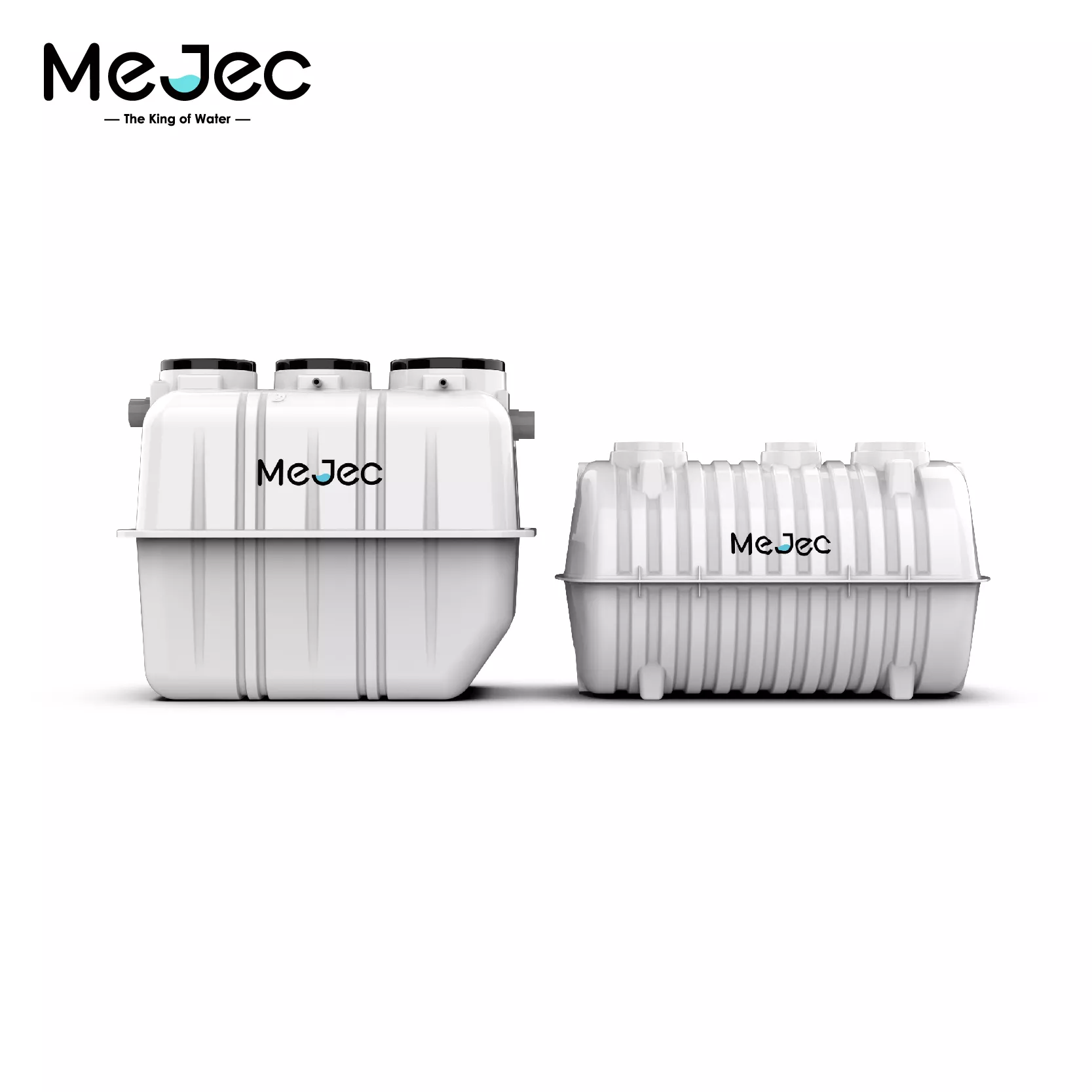
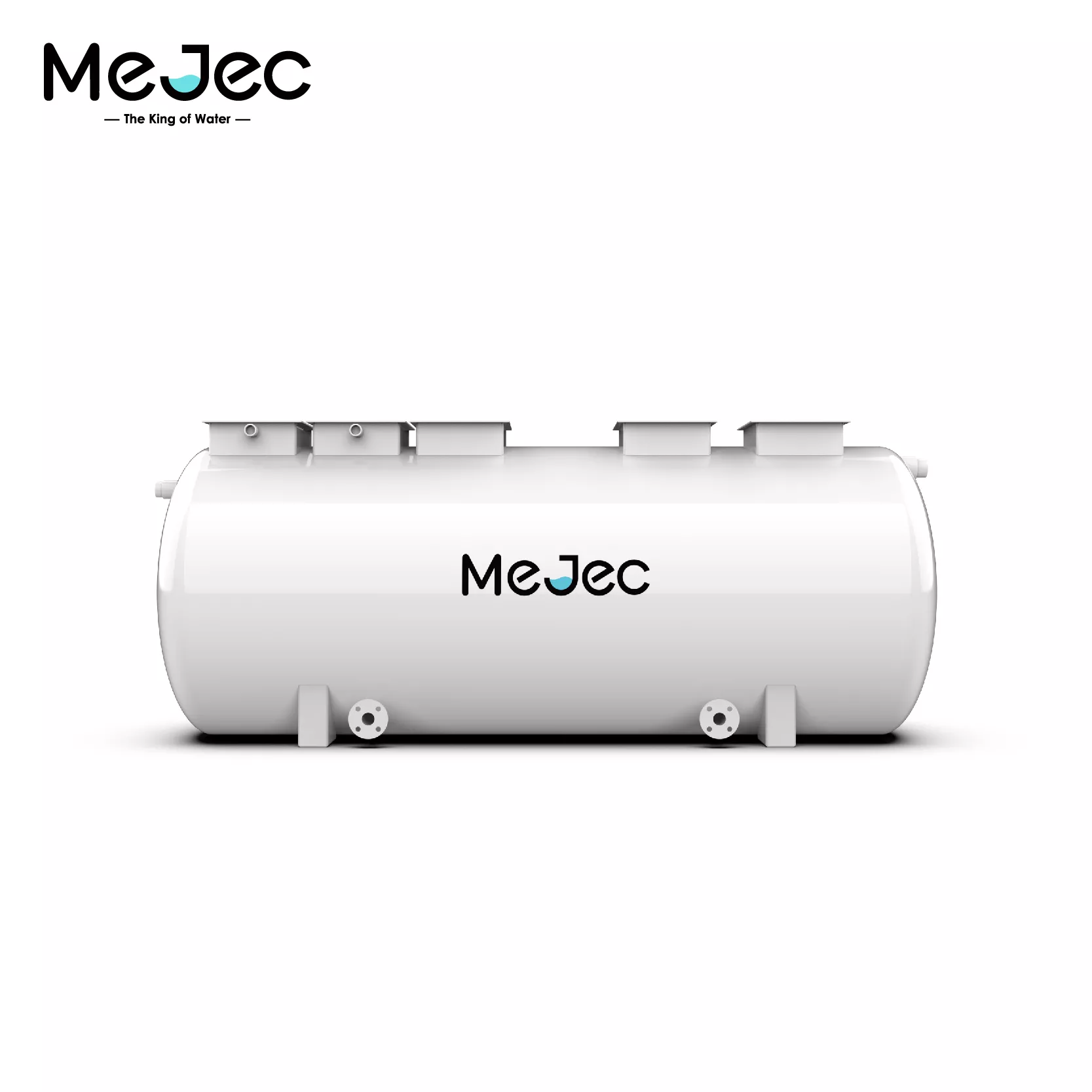
You use a residential sewage treatment plant to clean water from your home. This system removes waste and harmful germs in several steps. First, it collects water from sinks, toilets, and showers. Next, it separates solids, breaks down pollutants, and disinfects the water before releasing it safely.
Residential sewage treatment plants clean wastewater from your home through a multi-step process, ensuring safe discharge or reuse.
Regular maintenance is crucial. Daily checks and scheduled professional services keep your system efficient and prevent costly repairs.
Smart technology enhances treatment plants by providing real-time monitoring, helping you manage water quality effectively.
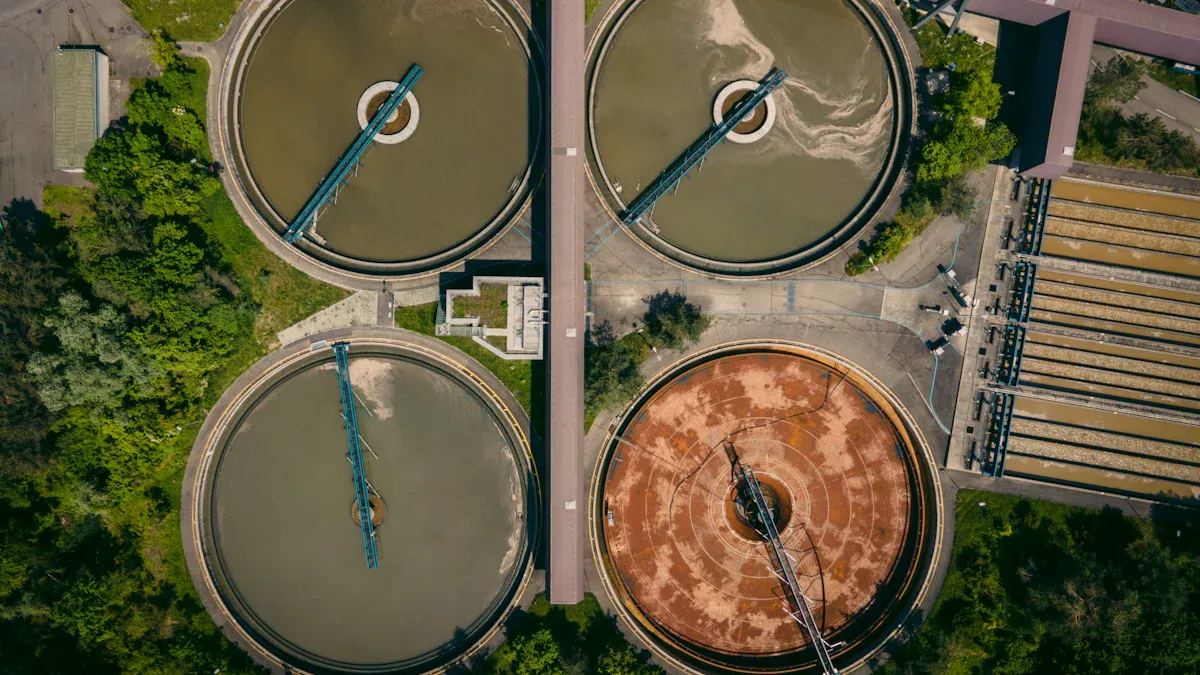
When you use water at home, it flows down your drains and enters the residential sewage treatment plant. Pipes collect wastewater from your sinks, toilets, showers, and appliances. The system directs all this water into the treatment plant’s main chamber. This step ensures that every drop of household wastewater gets processed before it returns to the environment or gets reused.
In the primary treatment stage, the plant uses several physical processes to remove large and heavy particles. Bar screens catch big objects, like wipes or plastic pieces, so they do not clog the system. Grit chambers trap sand, gravel, and other small but heavy materials. After screening, the water moves into sedimentation tanks. Here, solids and organic matter settle to the bottom because of gravity.
The plant also uses chemical processes during this stage. In low-oxygen areas, anaerobic digestion starts to break down certain chemicals in the waste. This process splits complex molecules, which helps prepare the water for the next treatment steps. The combination of physical and chemical actions in primary treatment removes much of the solid waste and some pollutants from the water.
You see the real cleaning power in the secondary treatment stage. This part uses living microorganisms to break down and remove organic pollutants. The most common biological processes include:
Activated sludge process
Oxidation ditch process
Sequencing batch reactors (SBR)
Hydrolysis aerobic method
Biological filter method
During this stage, the plant pumps air into the water. The extra oxygen helps bacteria and other microbes grow quickly. These tiny organisms eat fats, sugars, and other biodegradable materials in the wastewater. As they work, they form clumps called biological floc, which settle out easily. This step removes most of the remaining organic pollution and prepares the water for final treatment.
Tip: The secondary treatment stage is very effective at reducing organic pollutants. Microorganisms do most of the work by breaking down waste into harmless substances.
After biological treatment, the water still needs a final cleaning. The plant uses disinfection and filtration to remove any leftover germs and tiny particles. Common disinfection methods include:
Ozonation and chlorination, which use chemicals to kill bacteria and viruses
Ultraviolet (UV) light, which destroys the genetic material of harmful microorganisms
Filtration systems also play a big role. These can include sand filters, strainers, rapid gravity filters, granular media filters, and membrane filters. The plant samples the treated water to make sure it meets safety standards before releasing or reusing it.
Once the water passes all treatment stages, you can safely release it into the environment or reuse it for certain purposes. The treated water must meet strict standards before discharge or reuse. These standards protect both people and the environment.
| Rule | Description |
|---|---|
| Rule 3 | Design Requirements for Wastewater Collection, Treatment and Disposal Systems: Includes water reuse. |
| Rule 13 | Approvals and Permits for a Water Reuse Project. |
| Rule 401 | Graywater Systems. |
| Chapter 62-610 | Governs reuse and land application in Florida, with specific treatment standards for reclaimed water. |
In places like Florida, the water must go through secondary treatment, basic disinfection, and pH control before you can reuse it as reclaimed water. These rules make sure that the water is clean and safe for its next use.
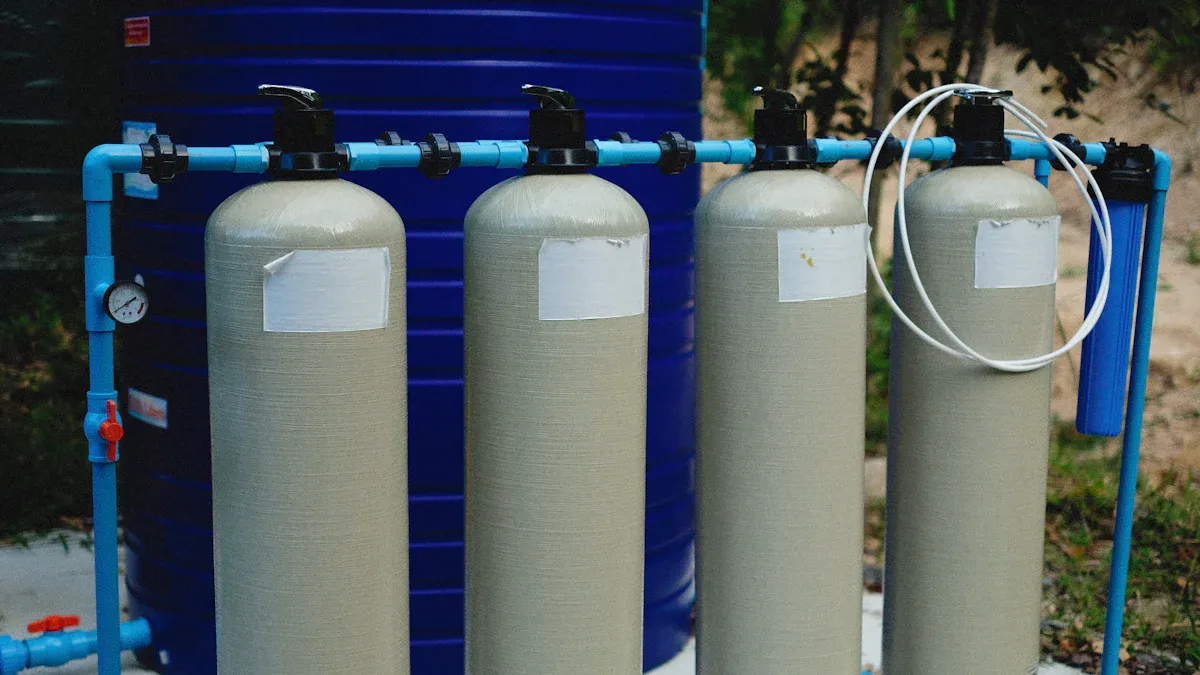
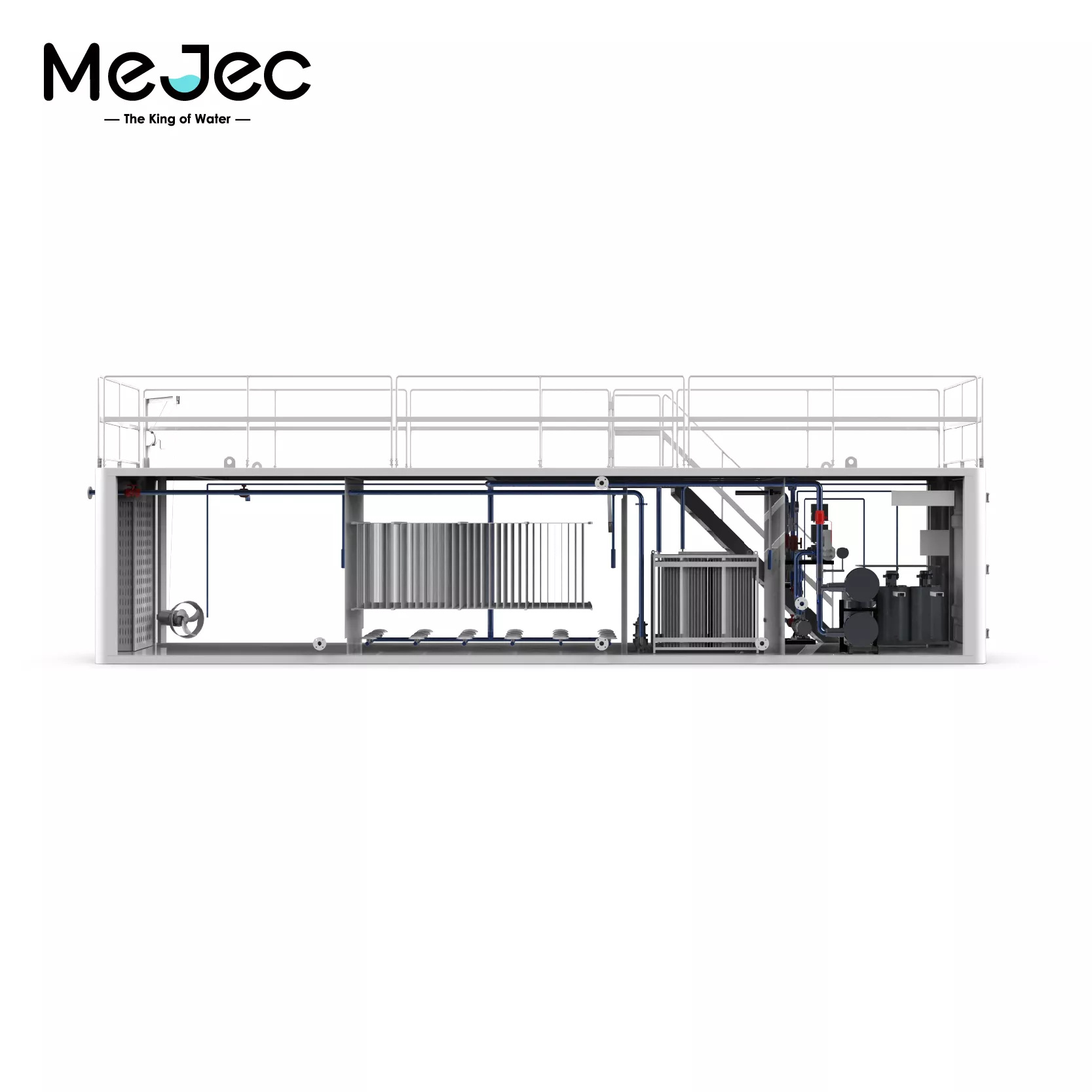
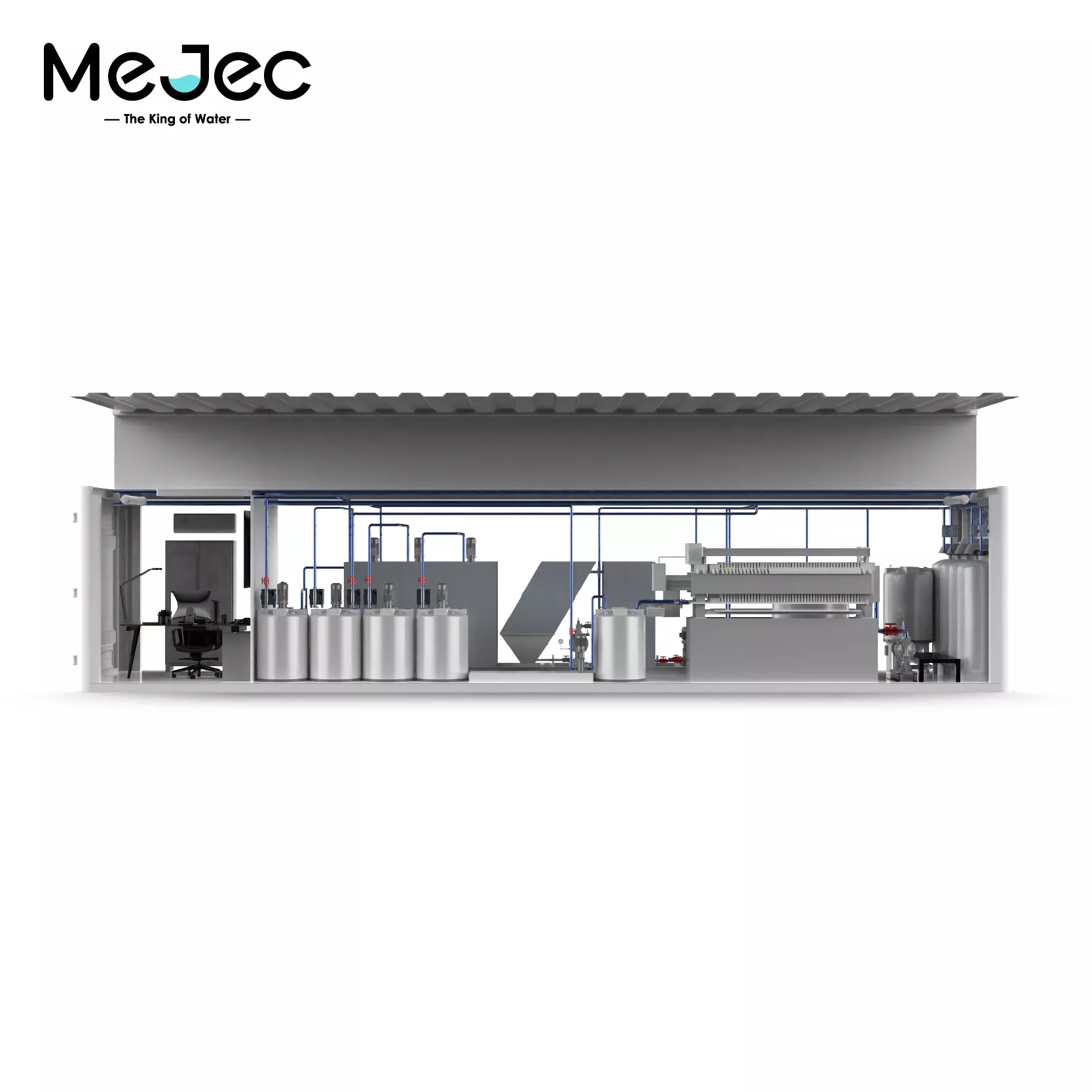
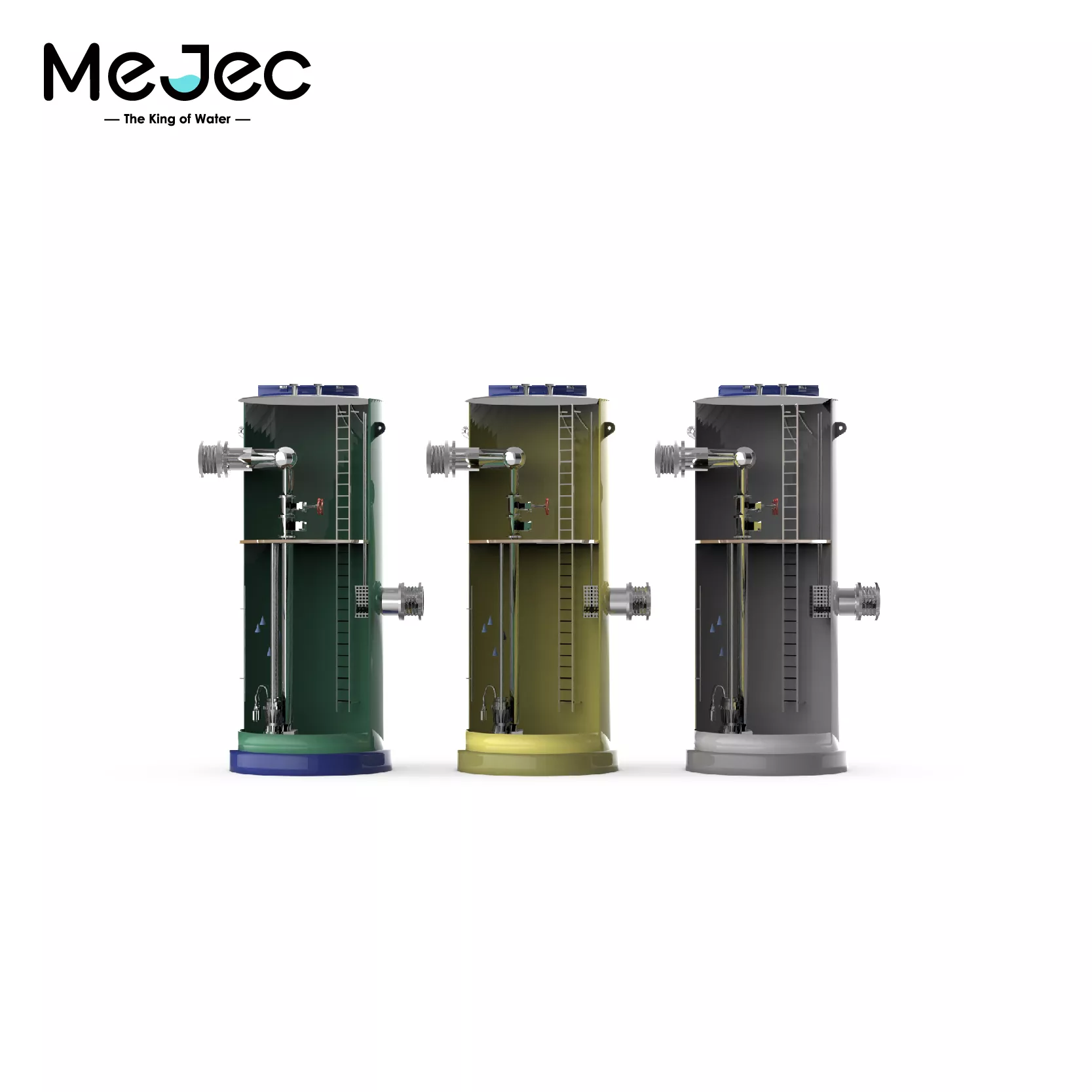
You can find several important parts in a residential sewage treatment plant. Each part works together to clean your wastewater. The table below shows the main components and their functions:
| Component | Function |
|---|---|
| Primary treatment chamber | Settles solids and separates lighter materials. Anaerobic bacteria start breaking down waste. |
| Secondary treatment chamber | Adds air to help aerobic bacteria clean the water. You get clearer liquid after this step. |
| Settling, disinfection and pump out chamber | Pollutants settle at the bottom. Clean water gets treated with UV or chlorine before pumping out. |
| Irrigation Pump | Moves treated water to areas for irrigation. This keeps the environment safe. |
You benefit from smart technology in modern sewage treatment. Sensors and advanced analytics watch water quality all the time. You see real-time data on water conditions. The table below explains how smart features help you:
| Description | Source |
|---|---|
| Smart technology gives real-time monitoring and data analysis. | NerdBot |
| Sensor networks and analytics track water quality continuously. | NerdBot |
| Sensors collect data on water quality parameters. | NerdBot |
| Data analytics helps you make quick decisions for treatment. | NerdBot |
| Edge computing sends alerts and makes automatic adjustments. | Delozone |
| Cloud connectivity lets you manage the system remotely and report to regulators. | Delozone |
Tip: Smart systems help you spot problems early and keep your plant running smoothly.
You save energy with new designs and equipment in your residential sewage treatment plant. Modern systems use less power than older models. You help the environment by choosing energy-efficient options. Upgrades make your plant work better and use fewer resources.
You need to plan carefully before installing a residential sewage treatment plant. The system must sit at least 10 feet away from your house, property line, or any pressurized water line. You should keep it 50 feet away from wells, water supplies, or streams. Most experts recommend placing the system so sewage flows into it by gravity. You must follow local rules and get a permit from your city or county health department before starting construction.
| Factor | Description |
|---|---|
| Material Costs | Tariffs on steel and aluminum have raised prices for new systems. |
| Installation Type | New builds and retrofits have different costs and design needs. |
| System Capacity | Bigger systems cost more due to extra materials and labor. |
| Regulatory Environments | Changing rules can delay projects and increase expenses. |
| Advanced Technologies | Smart features may cost more upfront but help you save later. |
| Financing Models | New financing options can lower initial costs but affect long-term expenses. |
You keep your system working well by following a regular maintenance schedule. Each day, you check pumps, blowers, and tanks for problems. Every week, you clean filters and screens and remove sludge from tanks. Once a month, you test backup systems, calibrate sensors, and review equipment health. Every quarter, you inspect gaskets, seals, and pipes, and you may need professional help. Once a year, you assess all equipment and update your maintenance plan.
| Frequency | Tasks |
|---|---|
| Daily | Check performance metrics, inspect pumps, blowers, and tanks for issues. |
| Weekly | Clean filters and screens, remove sludge from tanks. |
| Monthly | Analyze equipment health, test backup systems, calibrate sensors, and train staff. |
| Quarterly | Check gaskets and seals, inspect system piping, and schedule professional maintenance. |
| Annual | Perform comprehensive equipment assessment and update maintenance schedules. |
🛠️ Tip: Regular maintenance helps you avoid costly repairs and keeps your water safe.
You must follow strict rules when you own a residential sewage treatment plant. Local health departments require permits for installation and repairs. If you do not comply, you may face fines, environmental damage, health risks, property damage, legal trouble, and even problems selling your home.
Fines and penalties can be high.
Untreated wastewater may harm water sources.
Drinking water can become unsafe.
Your property may suffer damage.
Legal action may follow repeated violations.
Selling your home can become difficult.
Your reputation may be affected.
⚠️ Note: Following regulations protects your health, your property, and the environment.
You rely on a residential sewage treatment plant to protect your health, property, and the environment. Modern features like sensors and automation improve water quality and reduce costs. Regular maintenance keeps your system efficient.
| Benefit | How It Helps You |
|---|---|
| Water Quality | Keeps your water safe and clean |
| Cost Efficiency | Lowers repair and energy expenses |
| Environmental Impact | Reduces pollution and saves resources |
You should check your system daily and schedule professional maintenance every quarter. Regular service keeps your water clean and your equipment working well.
Yes, you can use treated water for irrigation. Always follow local rules and test water quality before using it for plants.
Ignoring maintenance can cause system failure, water contamination, and expensive repairs. You protect your health and property by keeping your system in good shape.
Navigating Semi-Welded Plate Heat Exchangers for Industry in 2025
Understanding Advantages of Commercial Heat Exchangers This Year
Best Precoating Materials for Filtration Systems in 2025
Innovations in Heat Exchanger Manufacturing Boost Industrial Efficiency

We provide you with comprehensive foreign trade solutions to help enterprises achieve global development
Mejec Redefines the Outdoor Hydration Experience. ...
The Mejec commercial central pure water system is ...
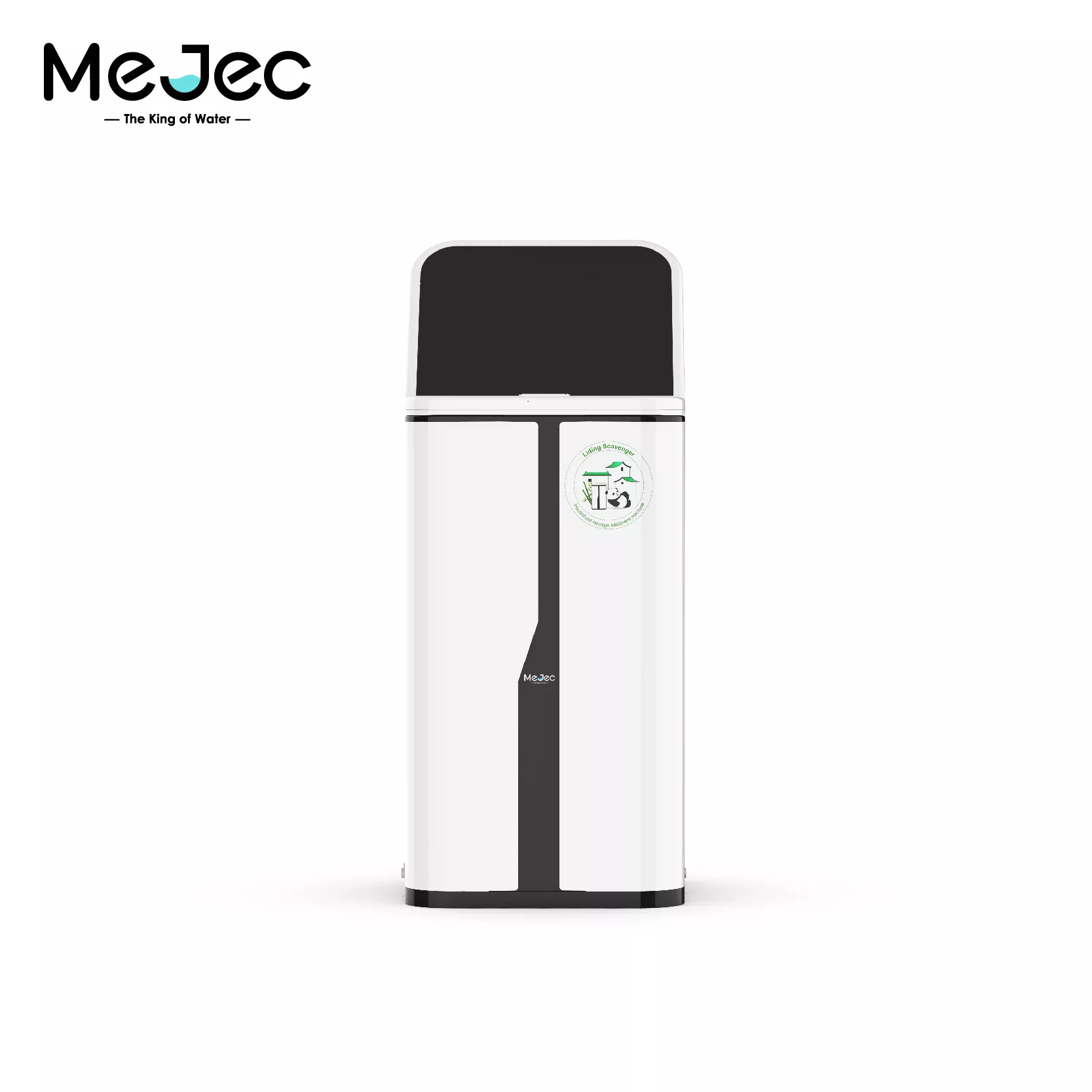
Mejec Scavenger Household Sewage Treatment Plant (...
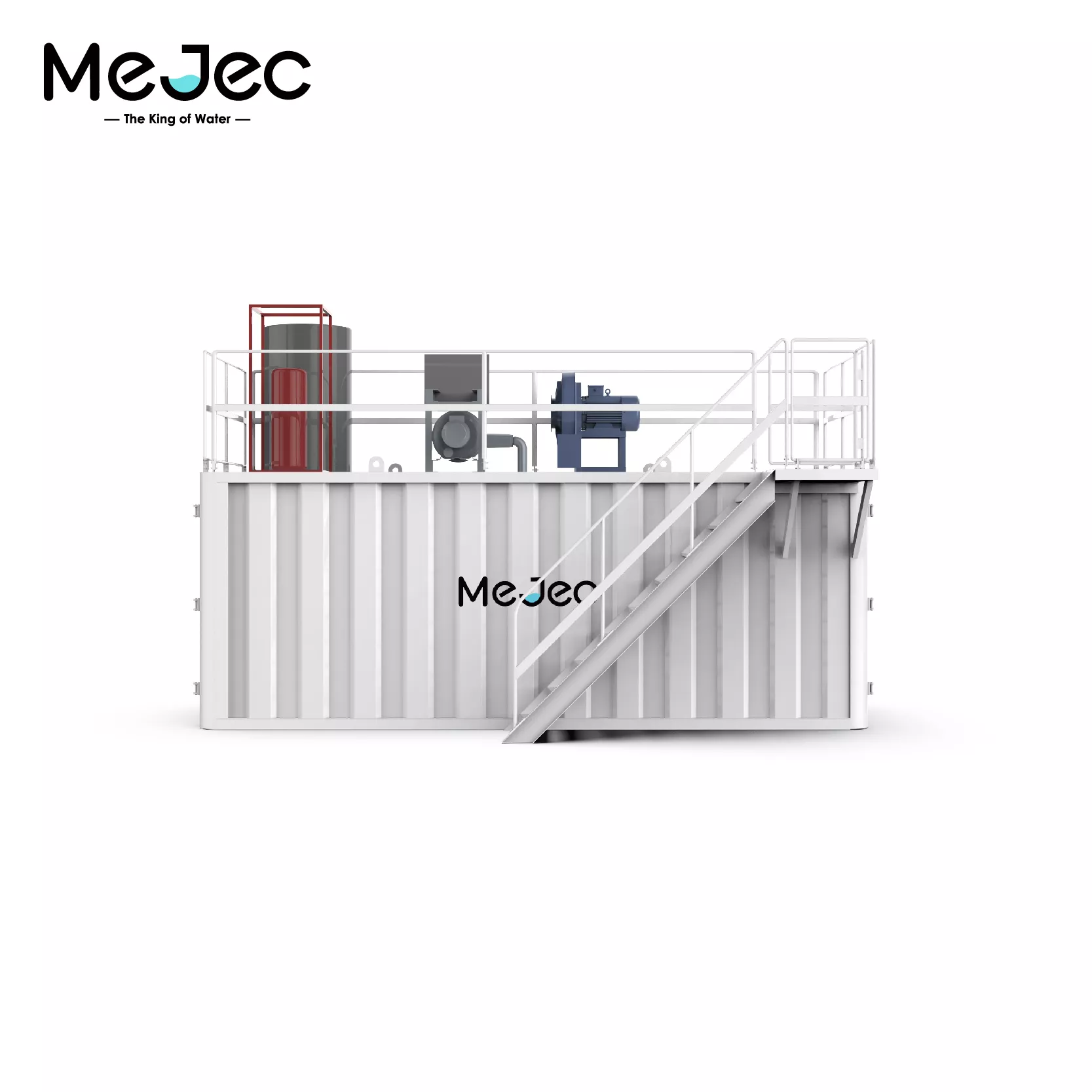
Mejec Containerized MABR Equipment is an innovativ...
Select the most popular foreign trade service products to meet your diverse needs
Select the most popular foreign trade service products to meet your diverse needs





User Comments
Service Experience Sharing from Real Customers
Robert Chen
Project ManagerThe installation was seamless and the system's automated operation has drastically reduced our maintenance workload. The effluent quality consistently exceeds local standards. A reliable and efficient solution for our residential community.
Sarah Johnson
Environmental EngineerAs an engineer, I appreciate the robust design and clear performance data. The plant handles variable loads effectively and the odor control is excellent. Minor initial setup complexity is the only reason it's not a perfect 5.
David Miller
Property ManagerThis system transformed our remote lakeside properties. Before, sewage was a major challenge. Now, it's worry-free, eco-friendly, and residents are thrilled with the environmental stewardship. Technical support is responsive and knowledgeable.
Priya Sharma
Sustainability OfficerA cornerstone of our green residential project. It allows us to recycle treated water for irrigation, closing the loop beautifully. The system is compact, energy-efficient, and has been instrumental in achieving our sustainability certification.