Domestic Wastewater Treatment
Domestic wastewater treatment is the process of removing contaminants from household sewage to produce an effluent that can be safely returned to the environment or reused. This encompasses physical, biological, and chemical processes to treat water from toilets, showers, sinks, laundry, and kitchens. Effective treatment is critical for protecting public health, preventing waterborne diseases, and safeguarding aquatic ecosystems from pollution caused by nutrients like nitrogen and phosphorus, organic matter, and pathogens.
According to data from the United Nations World Water Development Report and the U.S. Environmental Protection Agency (EPA), over 80% of the world's wastewater is discharged without adequate treatment, posing a significant global challenge. For individual households not connected to centralized municipal sewer systems, which the U.S. Census Bureau estimates to be approximately 20% of the U.S. population, onsite wastewater treatment systems (OWTS), commonly known as septic systems, are the primary solution. A conventional septic system, as detailed by the National Environmental Services Center, typically consists of a septic tank and a soil absorption field. The tank provides primary treatment by separating solids (which settle as sludge) and greases (which float as scum), while the liquid effluent undergoes secondary treatment as it percolates through the soil. However, soil-based systems can fail due to poor soil conditions or high water tables. Modern packaged and advanced treatment units address these limitations. For instance, aerobic treatment units (ATUs), which introduce oxygen to accelerate bacterial breakdown of organic matter, can achieve effluent quality with Biochemical Oxygen Demand (BOD) and Total Suspended Solids (TSS) concentrations often below 10 mg/L, according to manufacturer performance data and EPA guidelines. Other technologies include fixed-film media filters, sequencing batch reactors (SBRs), and membrane bioreactors (MBRs) for even higher quality effluent suitable for surface discharge or reuse for irrigation. The choice of system depends on factors like household size, soil characteristics, regulatory requirements, and cost. Maintenance is non-negotiable; the EPA states that failing septic systems are a major source of groundwater contamination, and regular pumping of the septic tank (typically every 3-5 years) is essential to prevent system failure. For nutrient-sensitive areas, advanced nitrogen-reducing systems or phosphorus-removing media are increasingly mandated. Data from real estate studies consistently show that a properly functioning and permitted domestic wastewater treatment system is a valuable asset, while a failing one can significantly decrease property value and pose serious health risks. Investing in the correct, well-maintained technology ensures long-term environmental compliance, protects water resources, and provides reliable sanitation for decades.


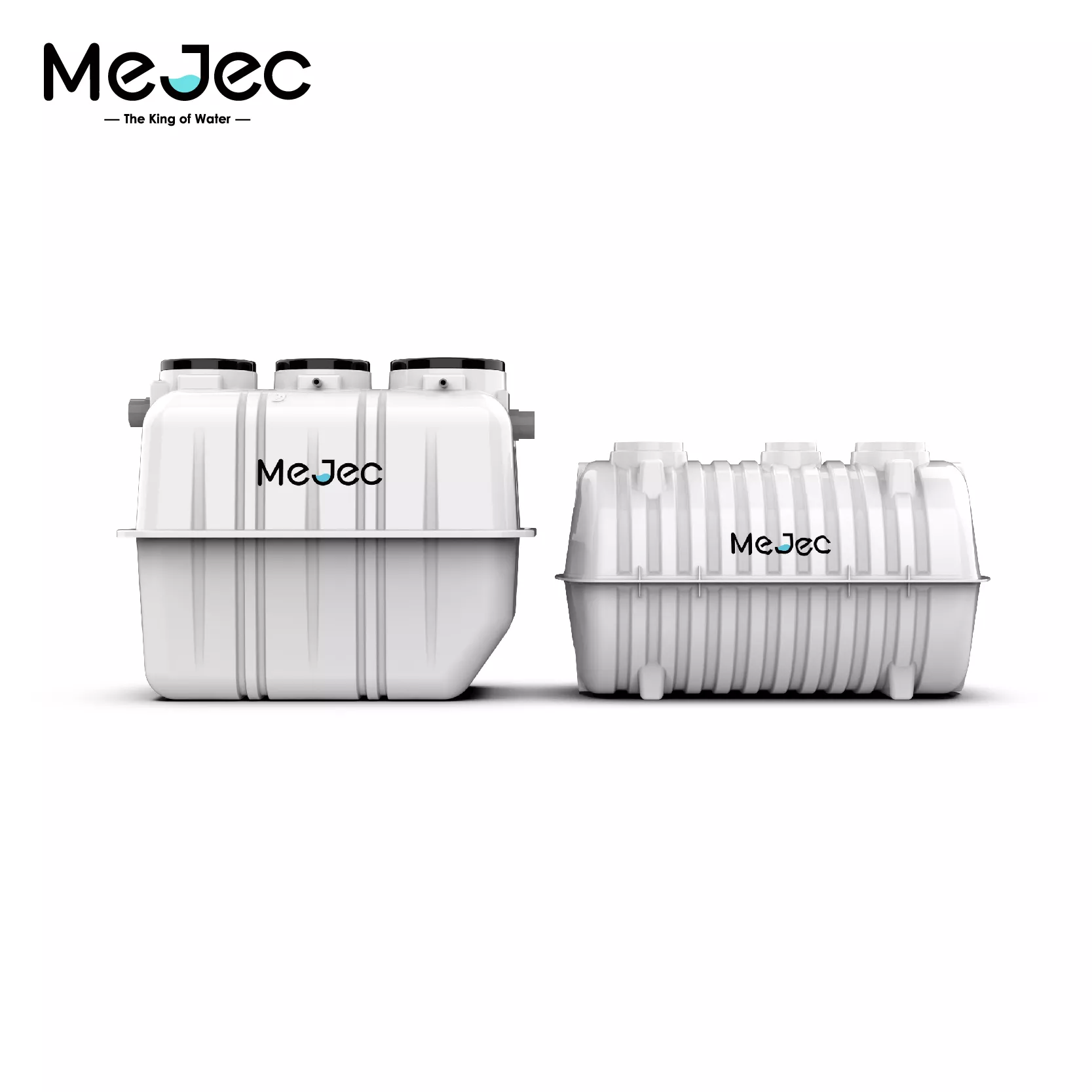
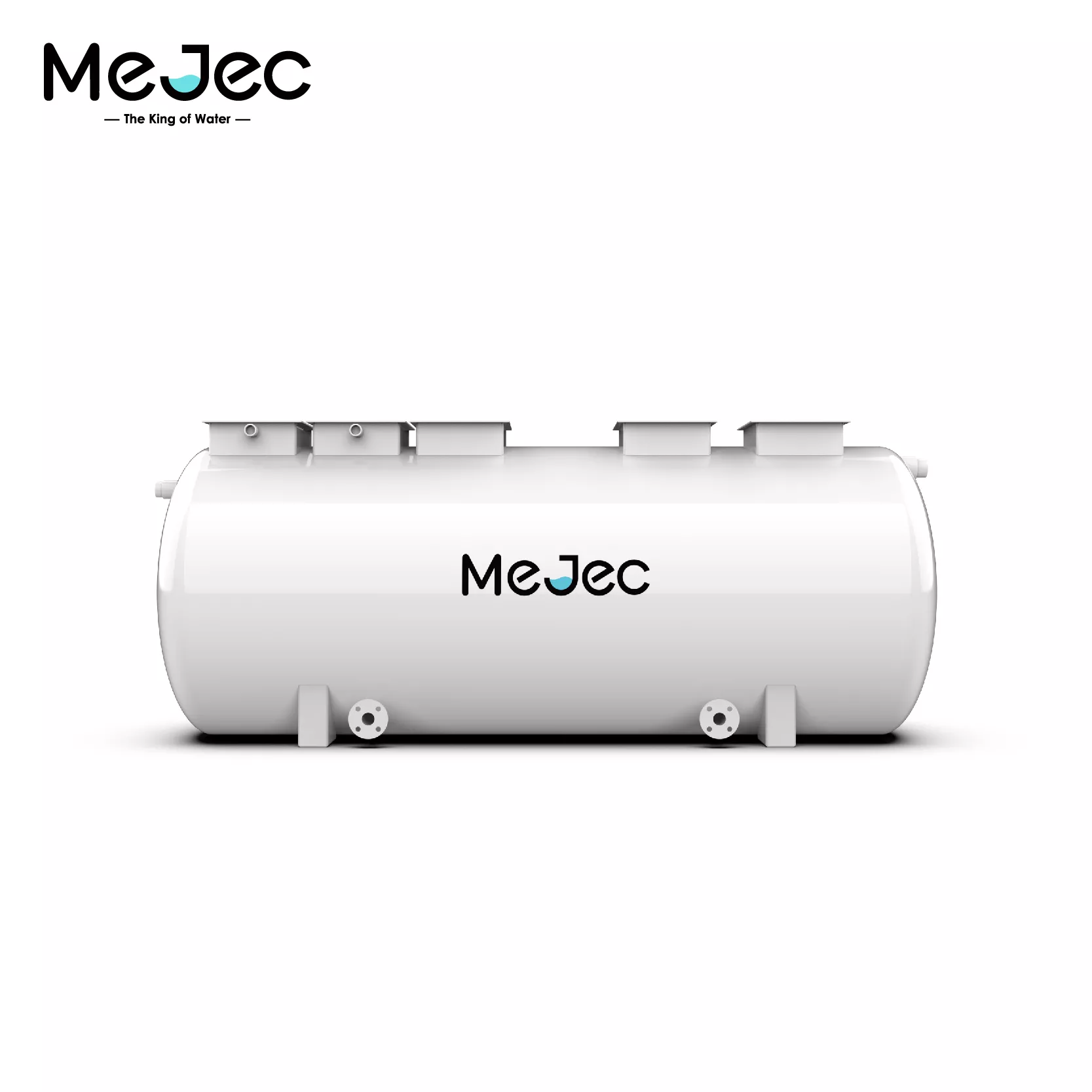
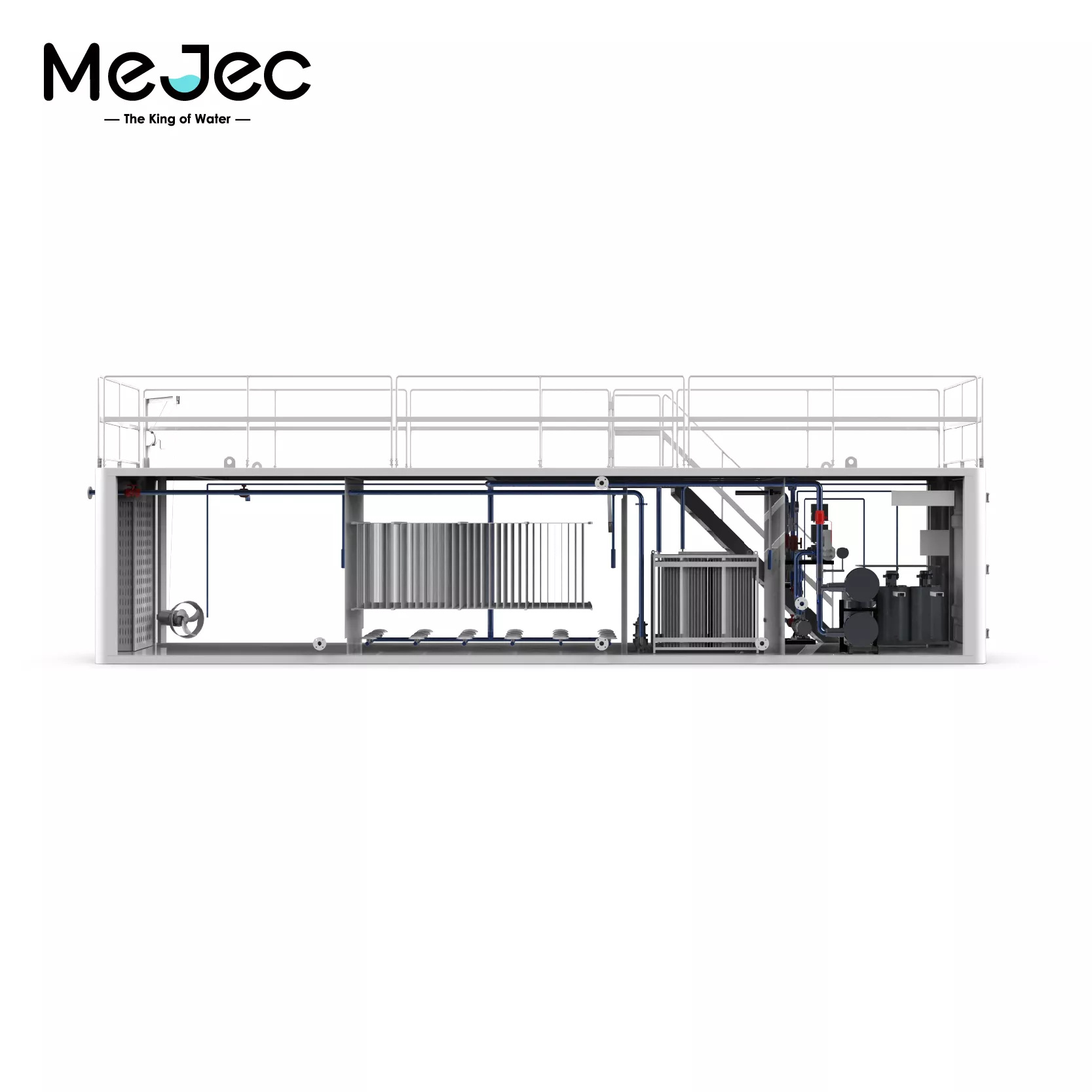
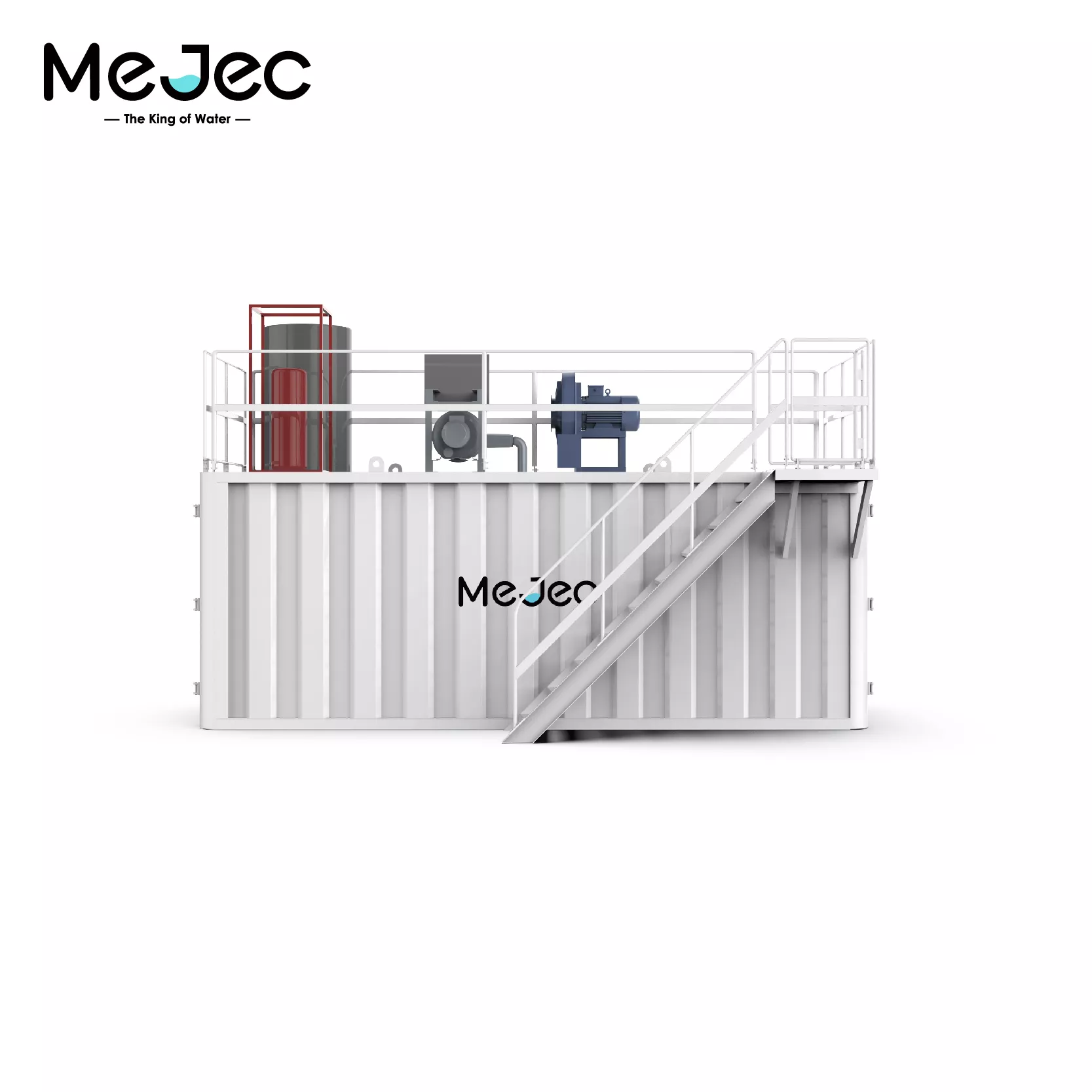
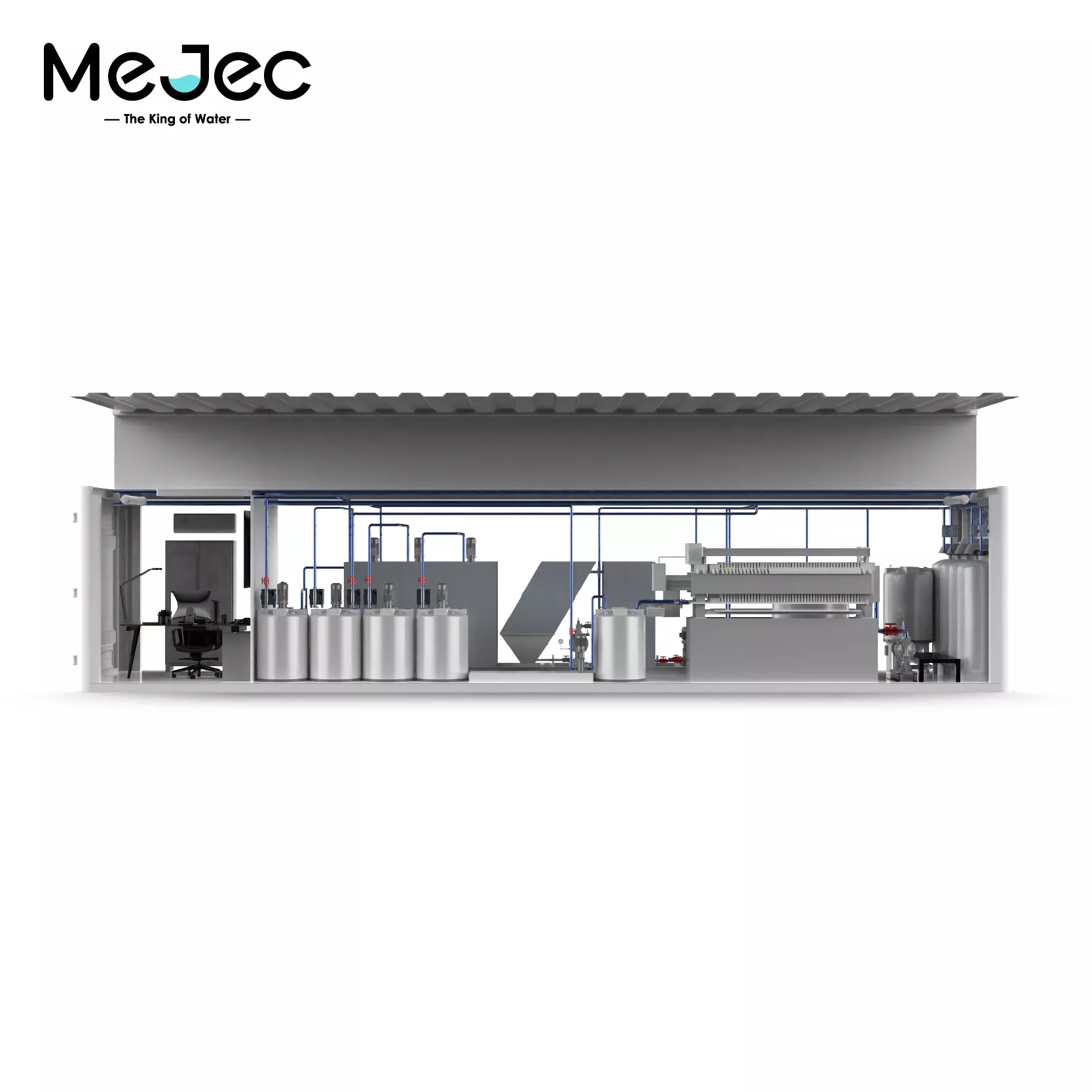
.webp)










User Comments
Service Experience Sharing from Real Customers
James Wilson
Facilities ManagerThis compact sequencing batch reactor system has revolutionized our on-site treatment. The automated controls require minimal oversight, and the effluent quality consistently exceeds local discharge standards. A game-changer for our facility.
Sarah Chen
Environmental EngineerAs a consultant, I've specified this membrane bioreactor (MBR) unit for several residential complexes. Its footprint is small, sludge production is low, and the treated water is perfect for reuse in irrigation. Reliable performance with excellent technical support.
Michael Rodriguez
Plant SuperintendentWe upgraded our small community's treatment plant with their advanced oxidation process unit for micropollutant removal. It integrates seamlessly with our existing setup. Water clarity and safety parameters have improved dramatically. Highly effective and robust.
Emily Watson
Sustainability OfficerInstalled the packaged wastewater treatment plant for our remote eco-lodge. The system is energy-efficient, odorless, and allows us to recycle water for landscaping. It perfectly aligns with our sustainability goals and has been running flawlessly for over a year.