Cold Climate Wastewater Treatment System
Cold Climate Wastewater Treatment System
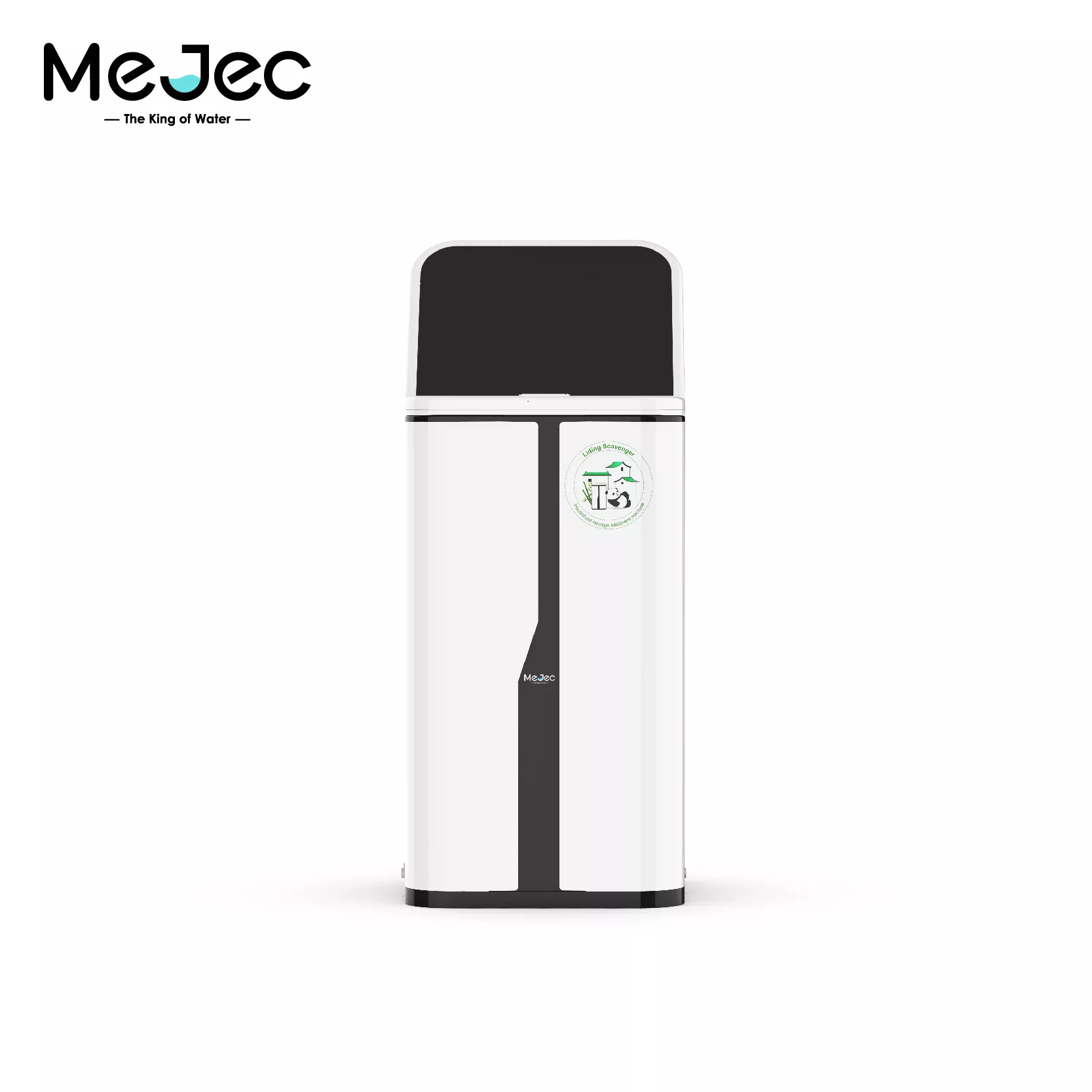
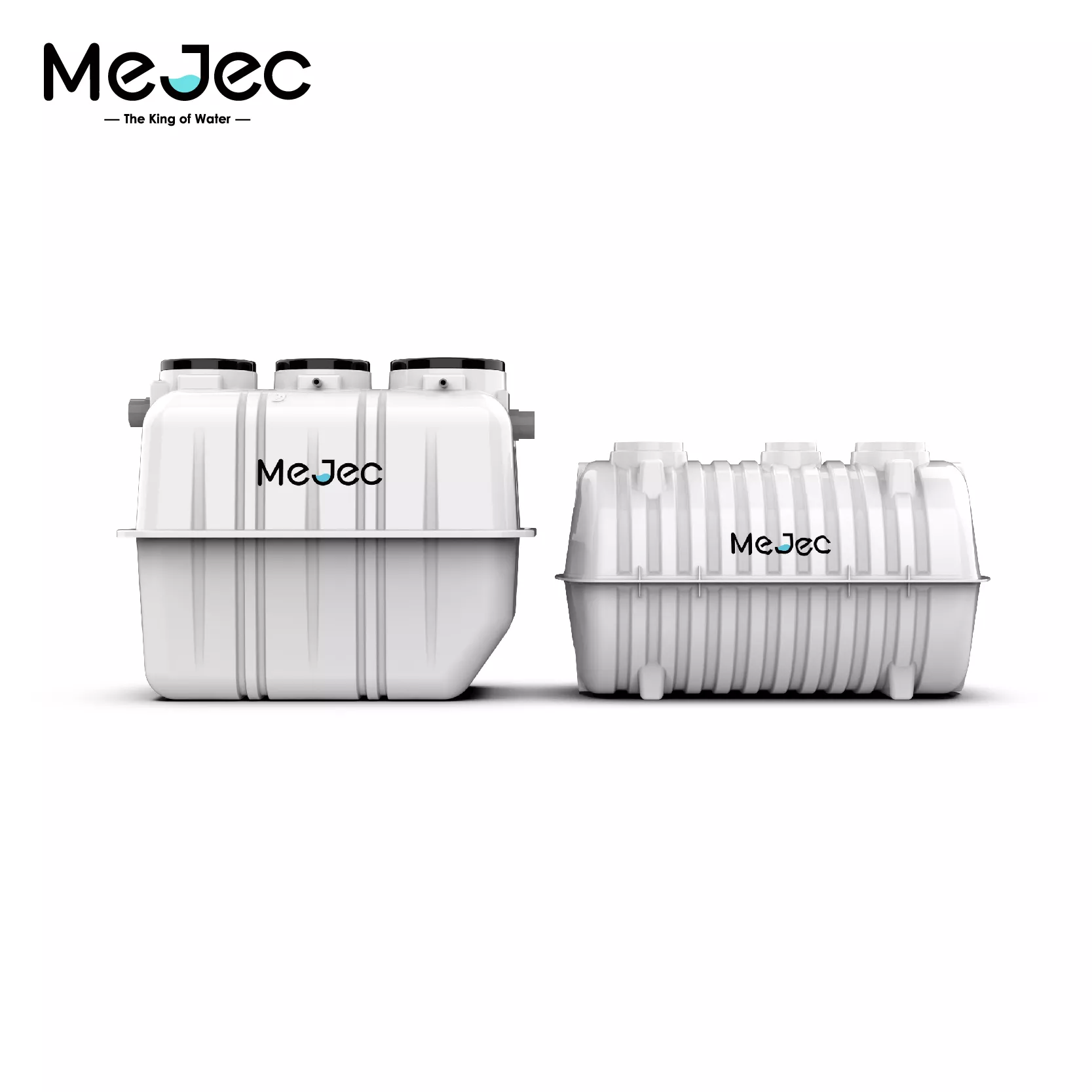
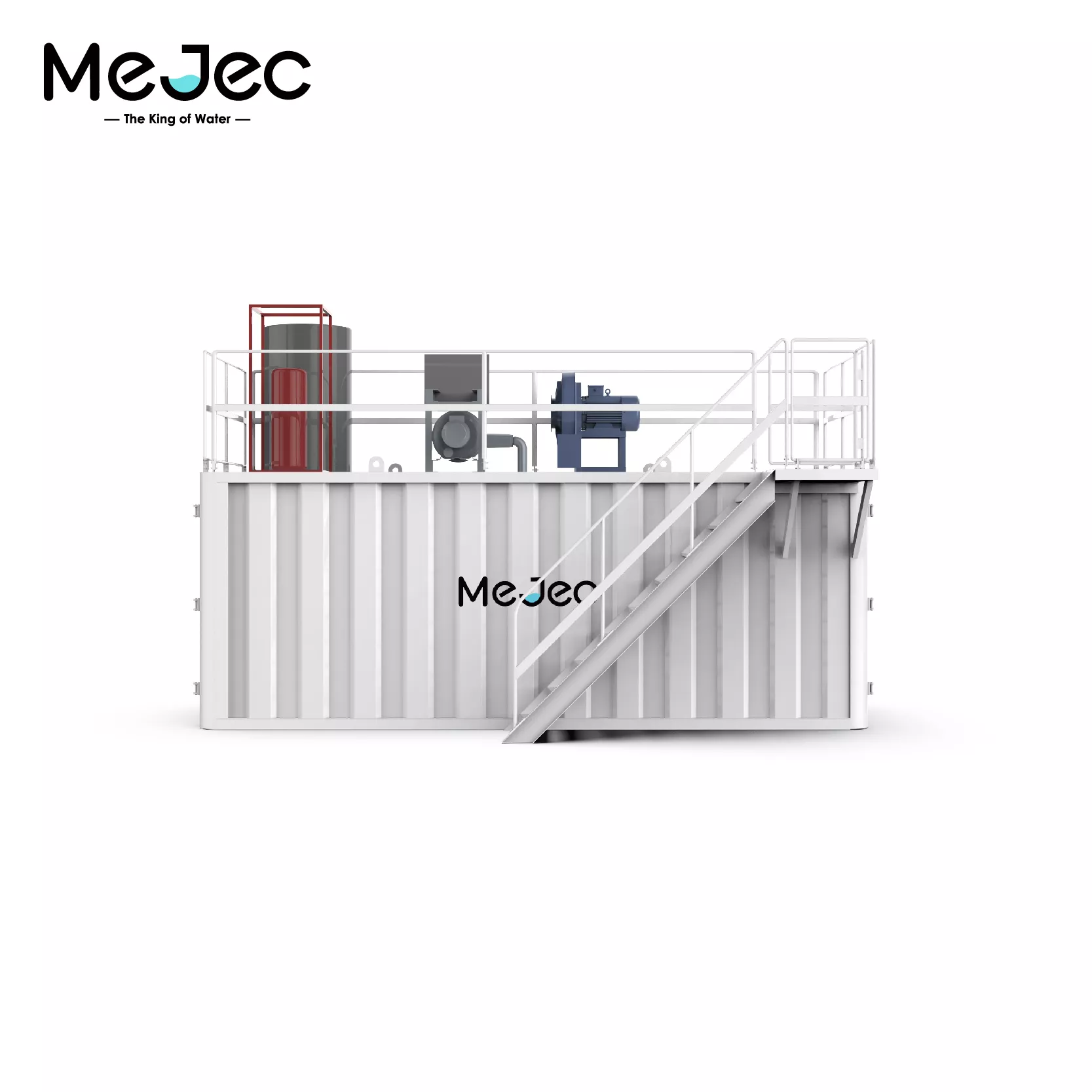
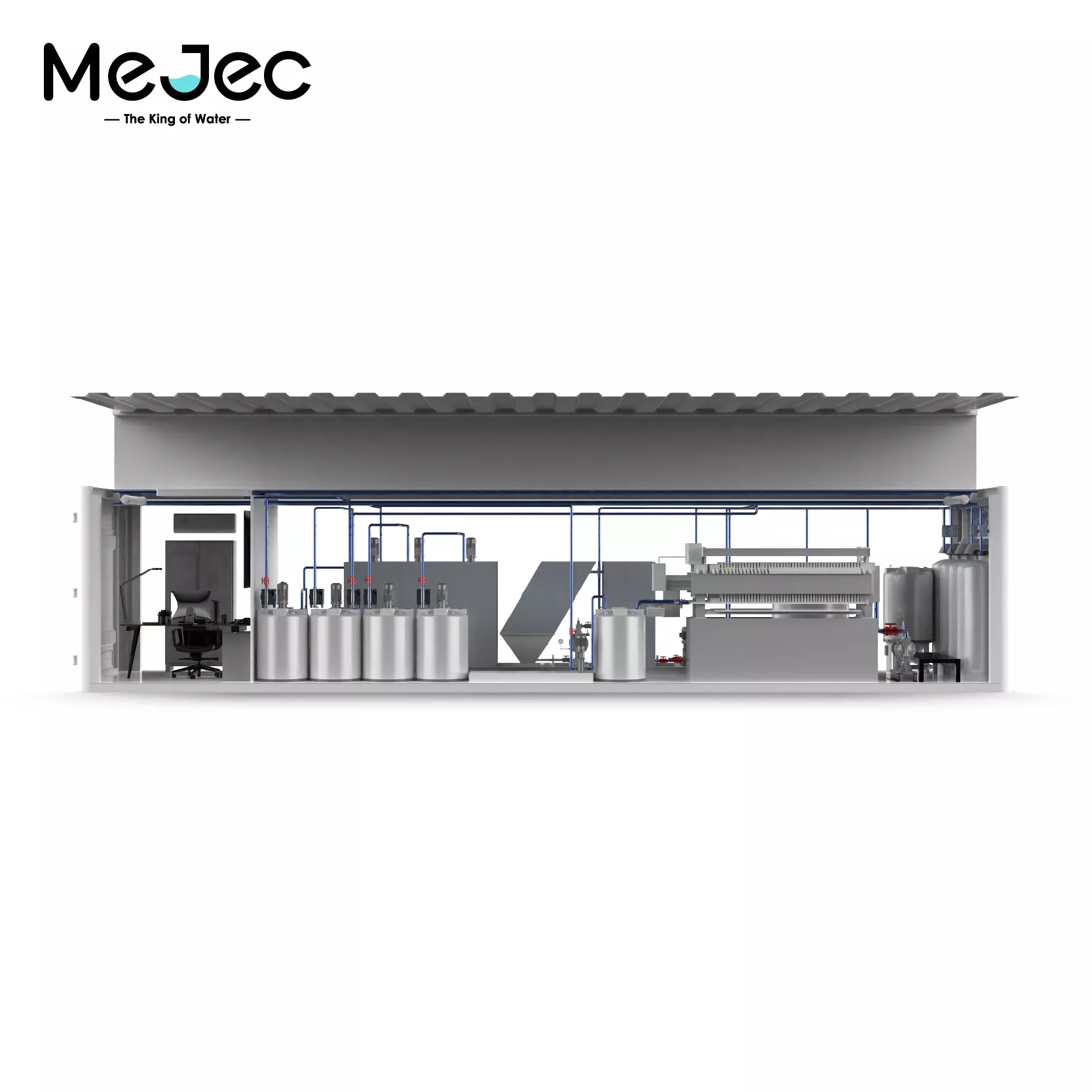
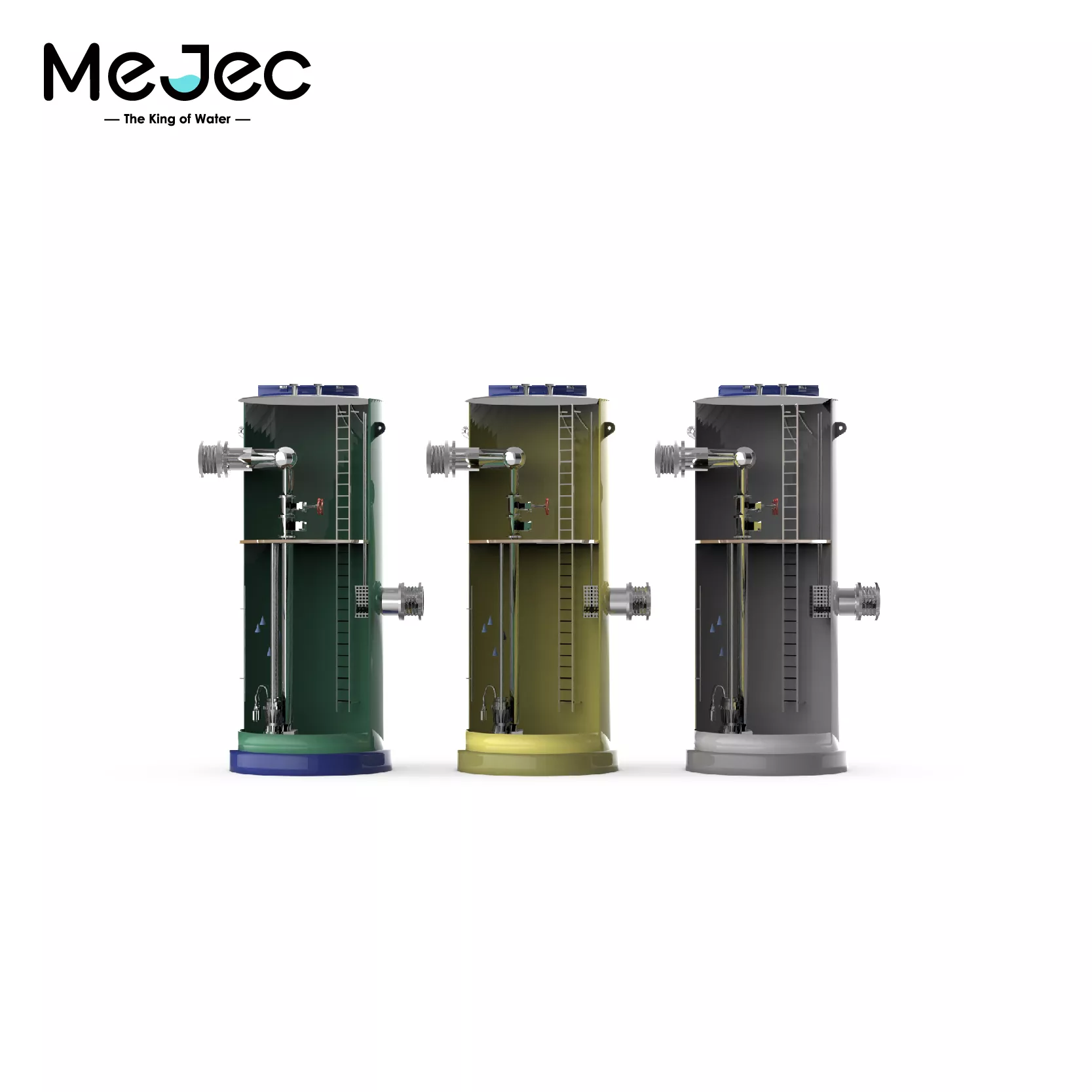
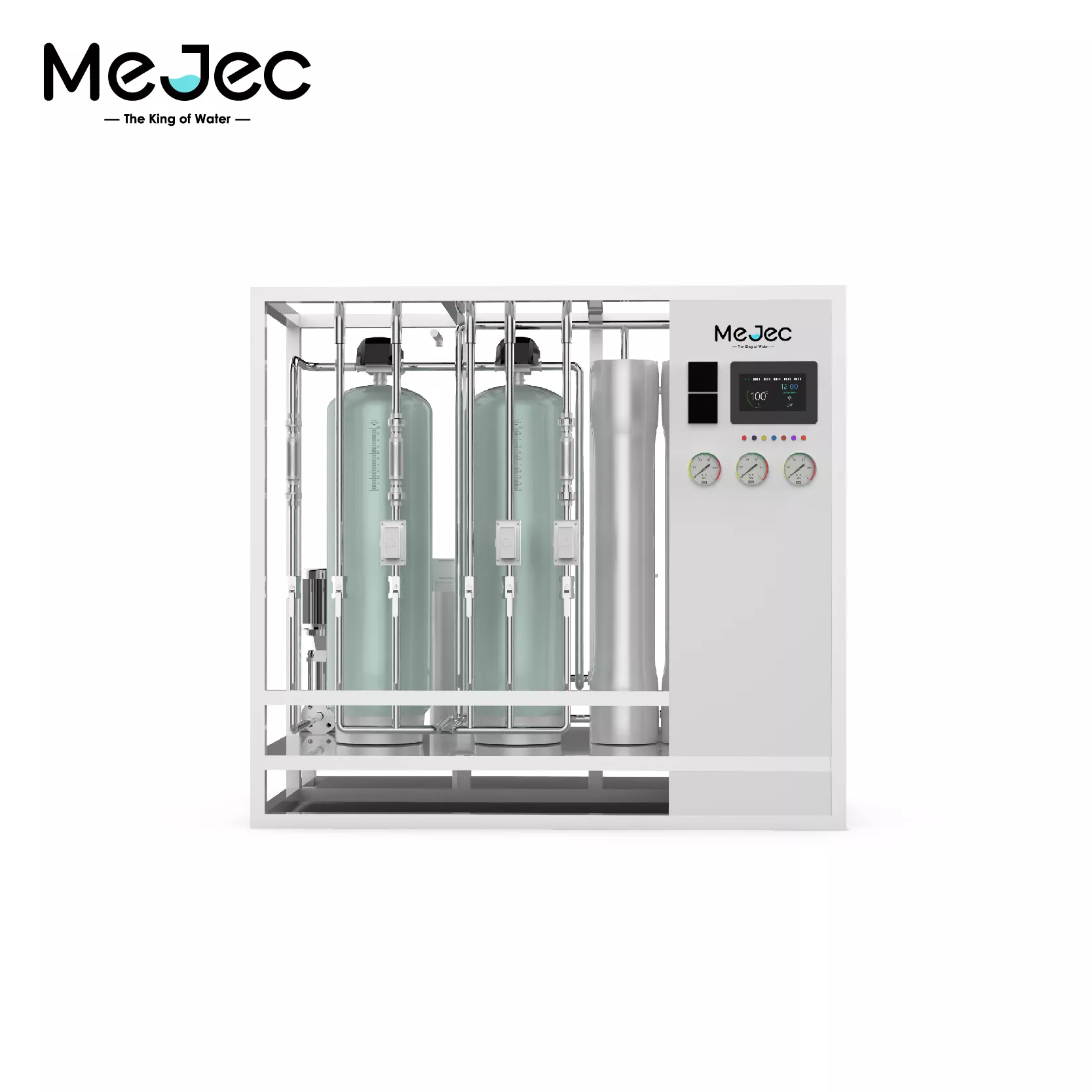
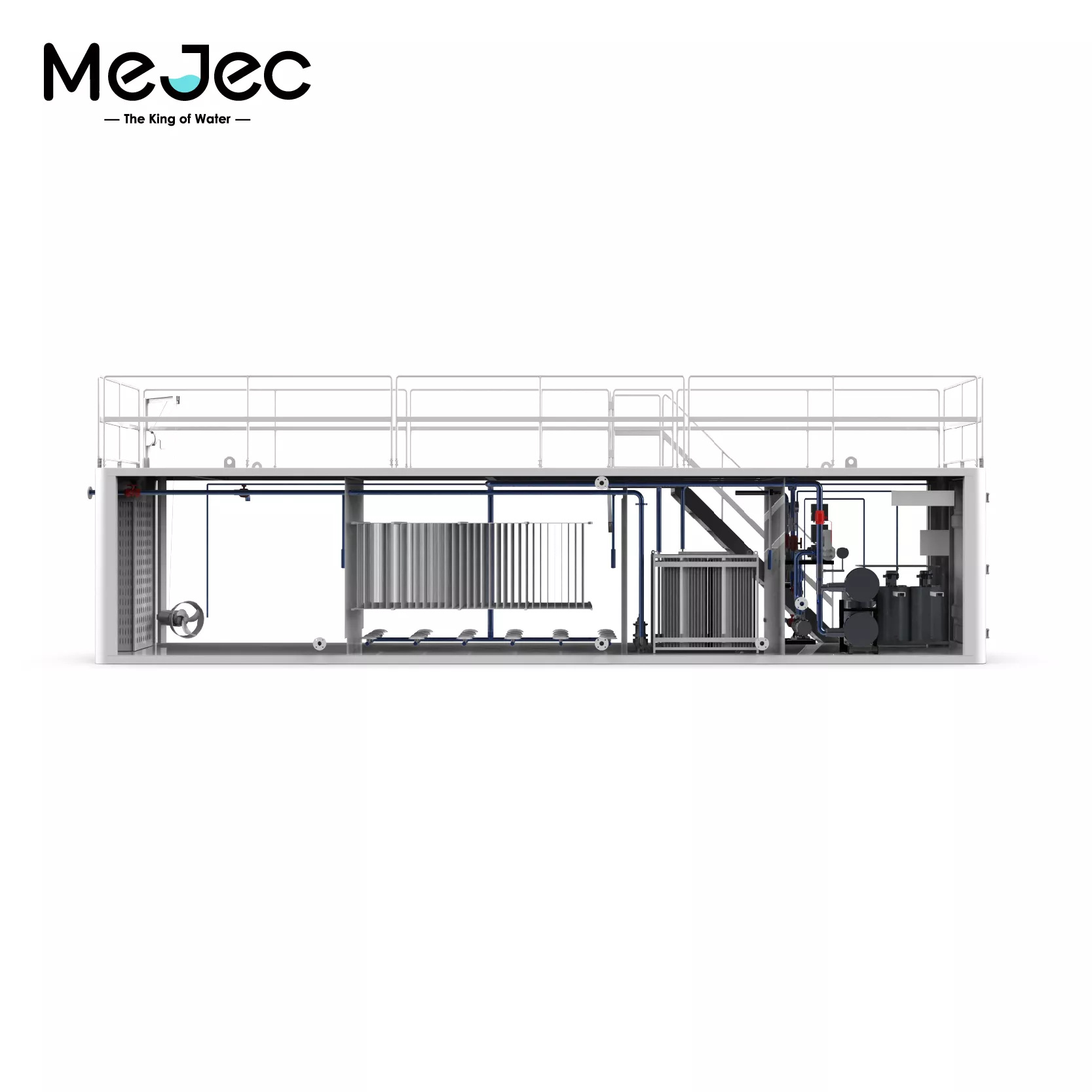
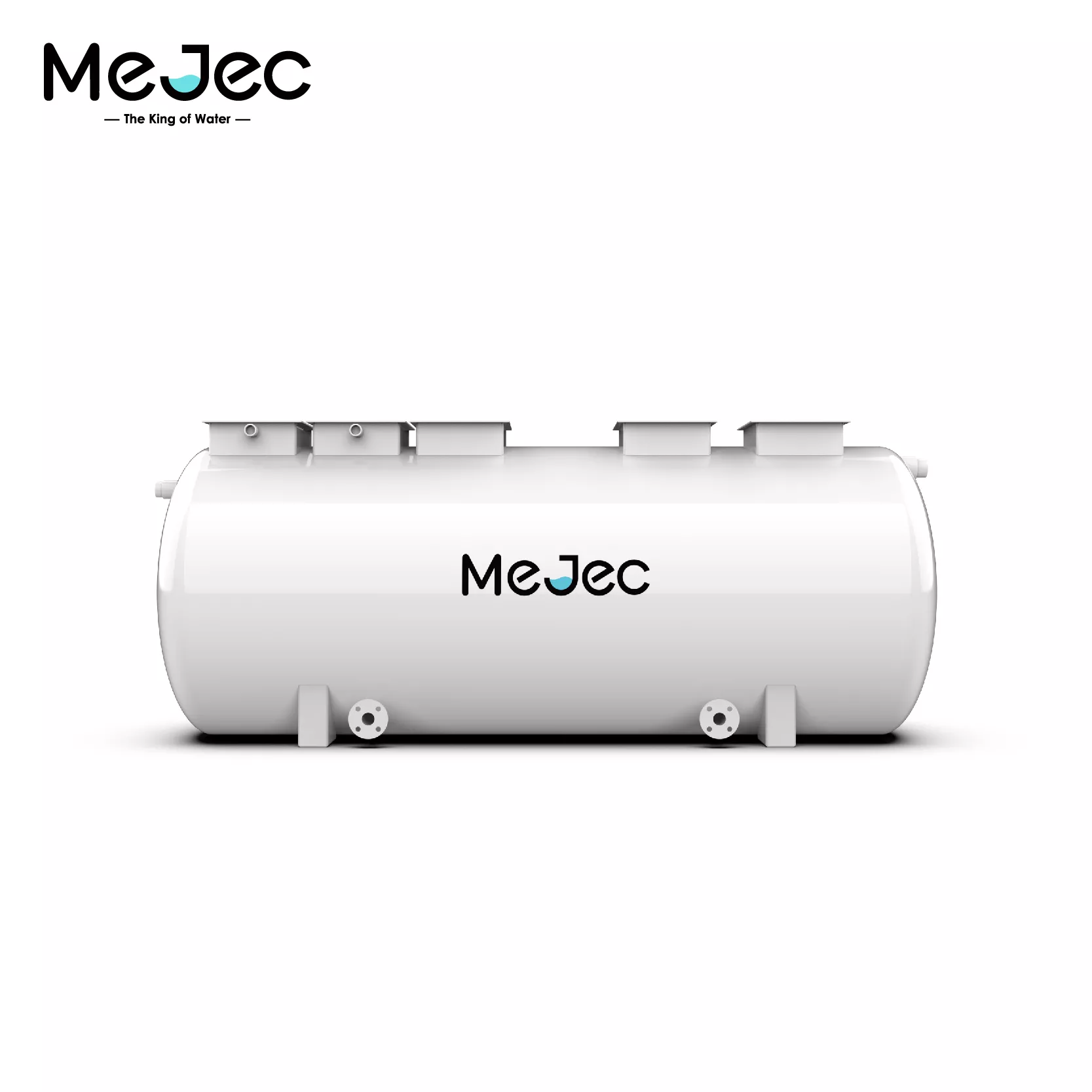
Cold climate wastewater treatment systems are engineered solutions specifically designed to operate reliably and efficiently in freezing temperatures, permafrost regions, and areas with extreme seasonal variations. These robust systems address the critical challenge of maintaining biological activity, preventing equipment freeze-ups, and ensuring consistent effluent quality when conventional treatment processes fail. Key technologies employed include insulated and buried tank designs, advanced aeration systems with thermal protection, submerged fixed-film media for biomass retention, and fully enclosed, heated reactor buildings for modular plants. Manufacturers like Jet, Orenco Systems, and BioMicrobics offer products certified for cold climates, often featuring extended aeration, integrated thermal management, and controls that adapt to temperature fluctuations. The primary applications extend beyond municipal use to include remote communities, mining camps, military bases, ski resorts, and individual homes in northern latitudes, where compliance with environmental discharge regulations is mandatory year-round.
Performance data and case studies underscore the effectiveness of these specialized systems. Research from the University of Alaska Fairbanks and the Cold Regions Research and Engineering Laboratory (CRREL) provides critical insights into design parameters. For instance, extended hydraulic retention times (HRTs) of 20-30 days are common in passive systems like lagoons to compensate for reduced microbial metabolism below 5°C (41°F). Active systems utilizing Moving Bed Biofilm Reactors (MBBR) or Membrane Bioreactors (MBR) maintain treatment by retaining a high concentration of adapted biomass, with documented successful operation in temperatures as low as -50°C ambient. A 2022 study of a plant in Nunavut, Canada, showed an insulated SBR system consistently met effluent standards for BOD and TSS, with energy consumption for heating being the primary operational cost factor. Market analyses indicate a growing demand driven by infrastructure development in Arctic regions and stricter enforcement of water quality standards. Systems must be pre-engineered with materials rated for low-temperature brittleness, such as specific HDPE grades or stainless steel. Redundancy in blowers, heaters, and controls is a standard requirement to guarantee uninterrupted operation during power outages or severe storms. The return on investment is calculated not merely on construction but on decades of fail-safe operation, preventing environmental contamination and avoiding costly emergency repairs or regulatory fines. Ultimately, selecting a certified cold climate wastewater treatment system is a critical decision for operational resilience and long-term environmental stewardship in the world's harshest environments.


.webp)










User Comments
Service Experience Sharing from Real Customers
James Wilson
Facilities ManagerThis system performed flawlessly through our toughest winter at -30°C. The insulated reactor and integrated heating elements prevented any freezing issues, and effluent quality remained consistently within permit limits. A game-changer for cold region operations.
Sarah Chen
Environmental EngineerWe installed this in a remote Arctic research station. Its low energy consumption and robust construction for freeze-thaw cycles are impressive. Minor control panel interface quirks, but overall reliability and treatment efficiency are exceptional for the climate.
David Kowalski
Plant SuperintendentAs a municipal operator in a northern climate, we struggled with seasonal upsets. This system's cold-adapted biological process and built-in thermal management have provided year-round stable operation. Reduced maintenance costs and consistent BOD removal even during sudden cold snaps.
Elena Rodriguez
Operations DirectorDeployed at our mountain resort wastewater facility. The compact, all-weather design handles highly variable flows from seasonal tourism. Its ability to quickly recover after prolonged sub-zero shutdowns is remarkable. Excellent technical support during commissioning.