High Salinity Wastewater Treatment
High Salinity Wastewater Treatment
High salinity wastewater treatment presents a significant industrial challenge, requiring specialized technologies to remove dissolved salts and contaminants for safe discharge or reuse. This wastewater, characterized by total dissolved solids (TDS) exceeding 35,000 mg/L, commonly originates from industries such as oil & gas (produced water), power plant flue gas desulfurization, textile dyeing, leather tanning, and landfill leachate. Conventional biological treatment methods often fail due to osmotic pressure inhibiting microbial activity. Consequently, effective treatment relies on advanced physical-chemical processes including multi-effect distillation (MED), mechanical vapor recompression (MVR), and membrane-based systems like reverse osmosis (RO) and forward osmosis (FO). For instance, thermal evaporation systems can achieve over 95% water recovery, concentrating brine to near saturation. Membrane systems, while energy-efficient for moderate salinities, require robust pre-treatment against scaling and fouling, with specific salt rejection rates for RO membranes often exceeding 99.5% for sodium chloride. The selection of technology is heavily dependent on inlet salinity, volume, target recovery rate, and the specific ionic composition of the brine, making characterization a critical first step in any treatment project.
The economic and regulatory drivers for effective high salinity wastewater treatment are intensifying globally. Stringent environmental regulations, such as China's Zero Liquid Discharge (ZLD) policies and the U.S. EPA's effluent guidelines for steam electric power plants, mandate advanced treatment, pushing industries toward integrated ZLD systems. These systems combine membrane concentration (e.g., High-Pressure RO operating at pressures exceeding 82 bar) with thermal crystallization to produce solid salt cake and reusable distillate. Real-world data from coal chemical plants show integrated MED-crystallizer systems handling salinities over 150,000 mg/L TDS, achieving water recovery rates above 98%. Meanwhile, emerging technologies like membrane distillation (MD) and electrodialysis (ED) are gaining traction for specific niches, offering potential for lower energy consumption using waste heat or for selective ion removal. The market is responding with robust solutions; for example, modern evaporator designs incorporate high-grade duplex stainless steels or titanium to combat corrosion, significantly improving operational lifespan. The ultimate goal is not only regulatory compliance but also resource recovery—reclaiming water for cooling or process reuse and, in some cases, extracting valuable salts. Successful implementation, as documented in case studies from the Middle East's desalination brine management and the North Sea's offshore produced water treatment, hinges on a detailed feasibility study, pilot testing to gather site-specific performance data, and lifecycle cost analysis that balances capital expenditure against operational durability and energy consumption.




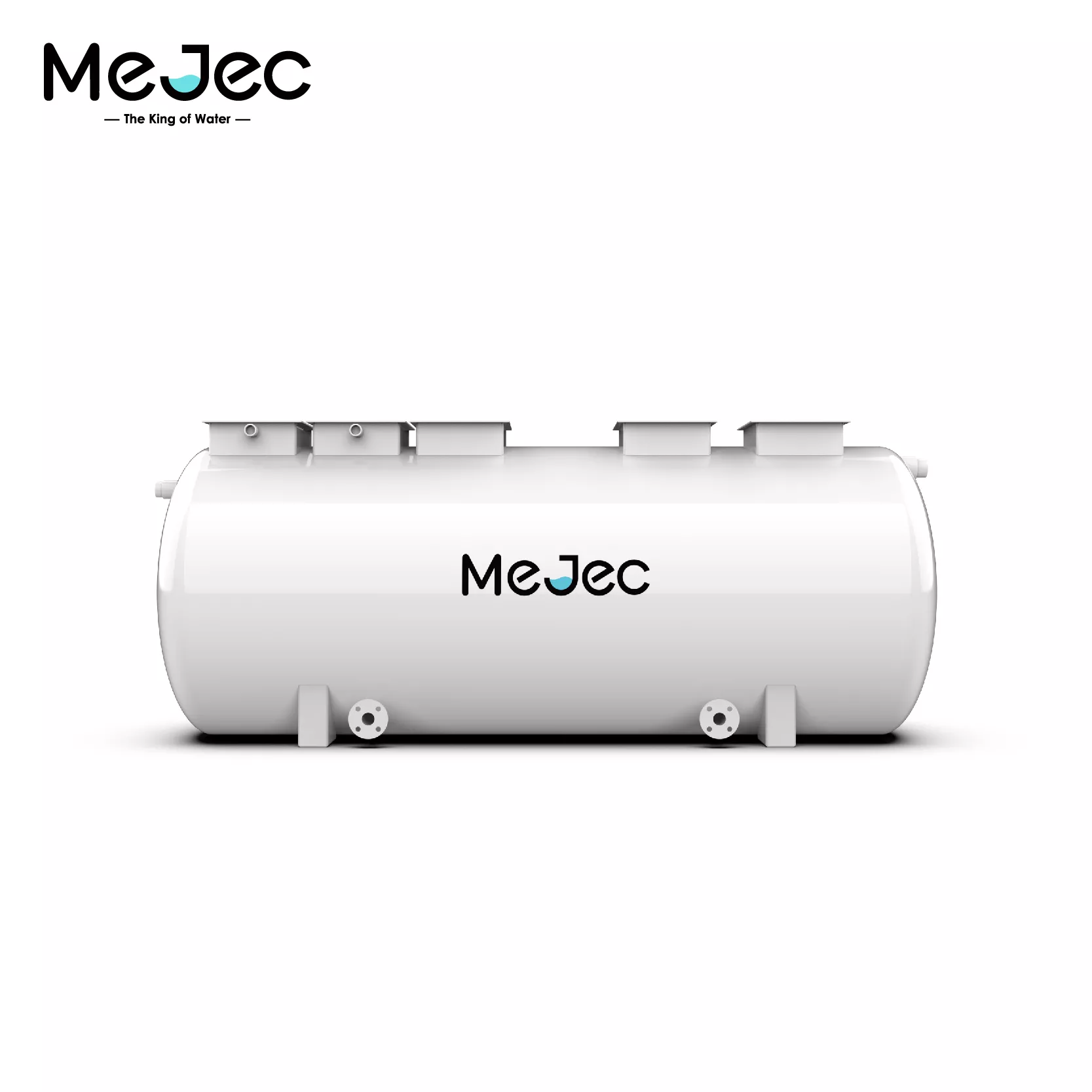
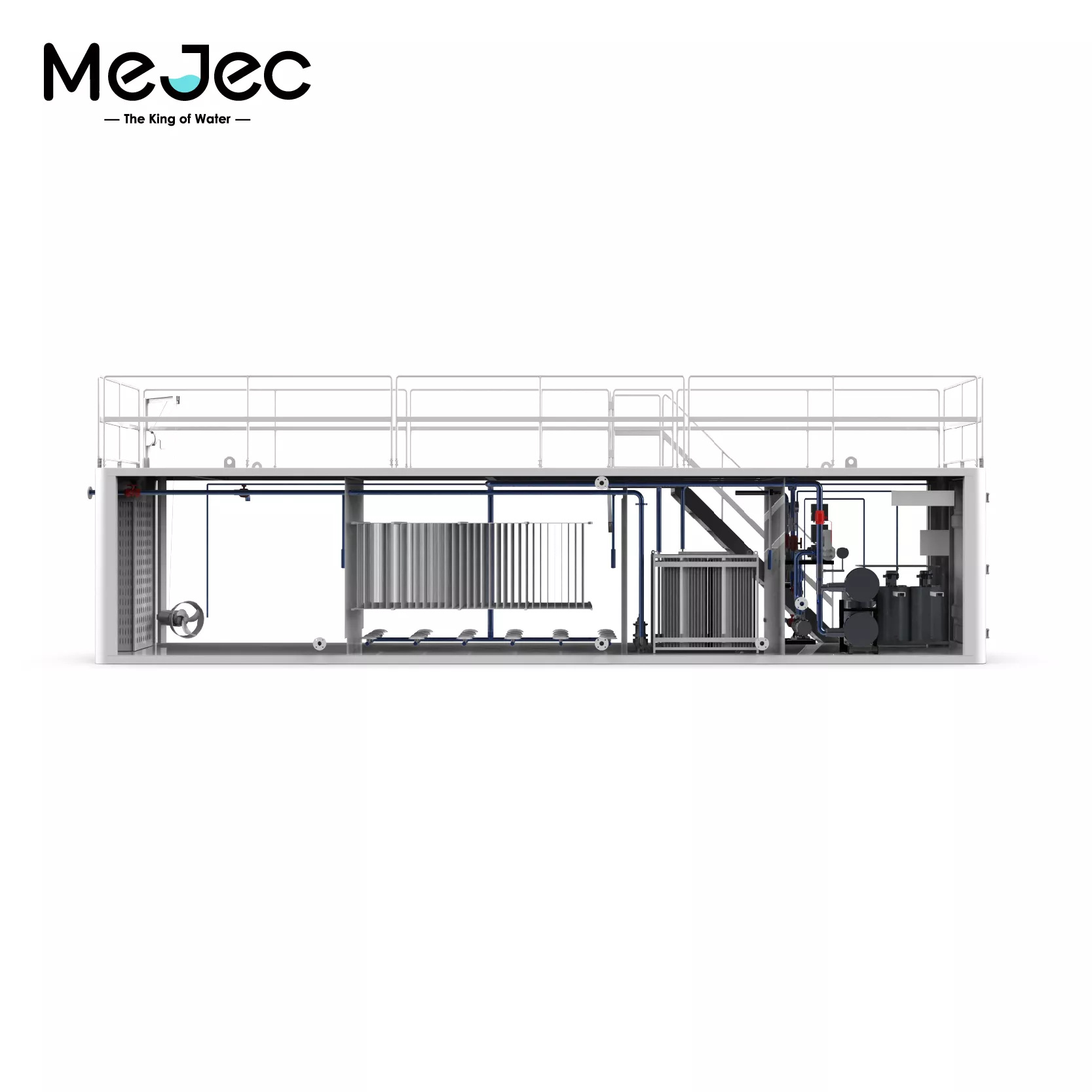
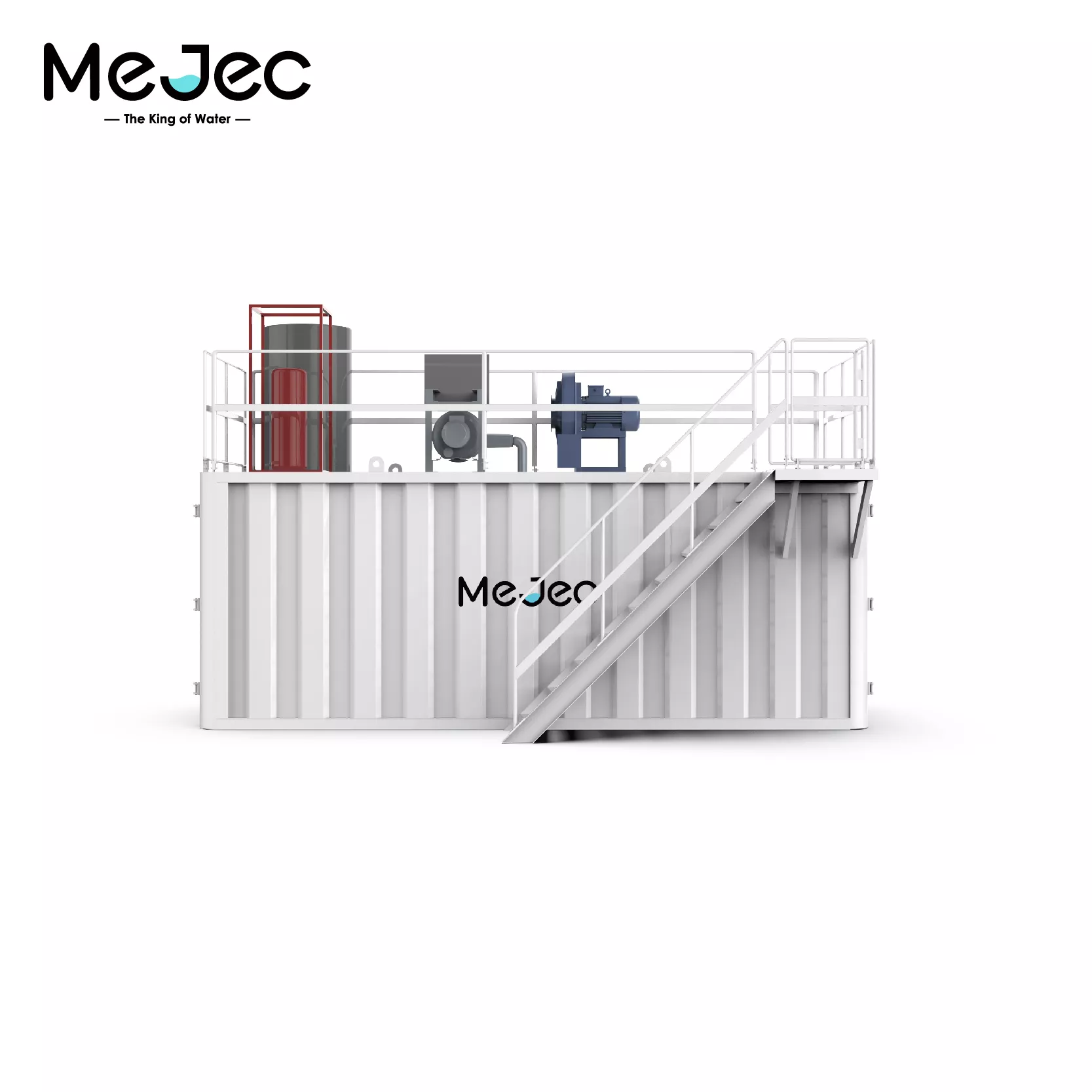
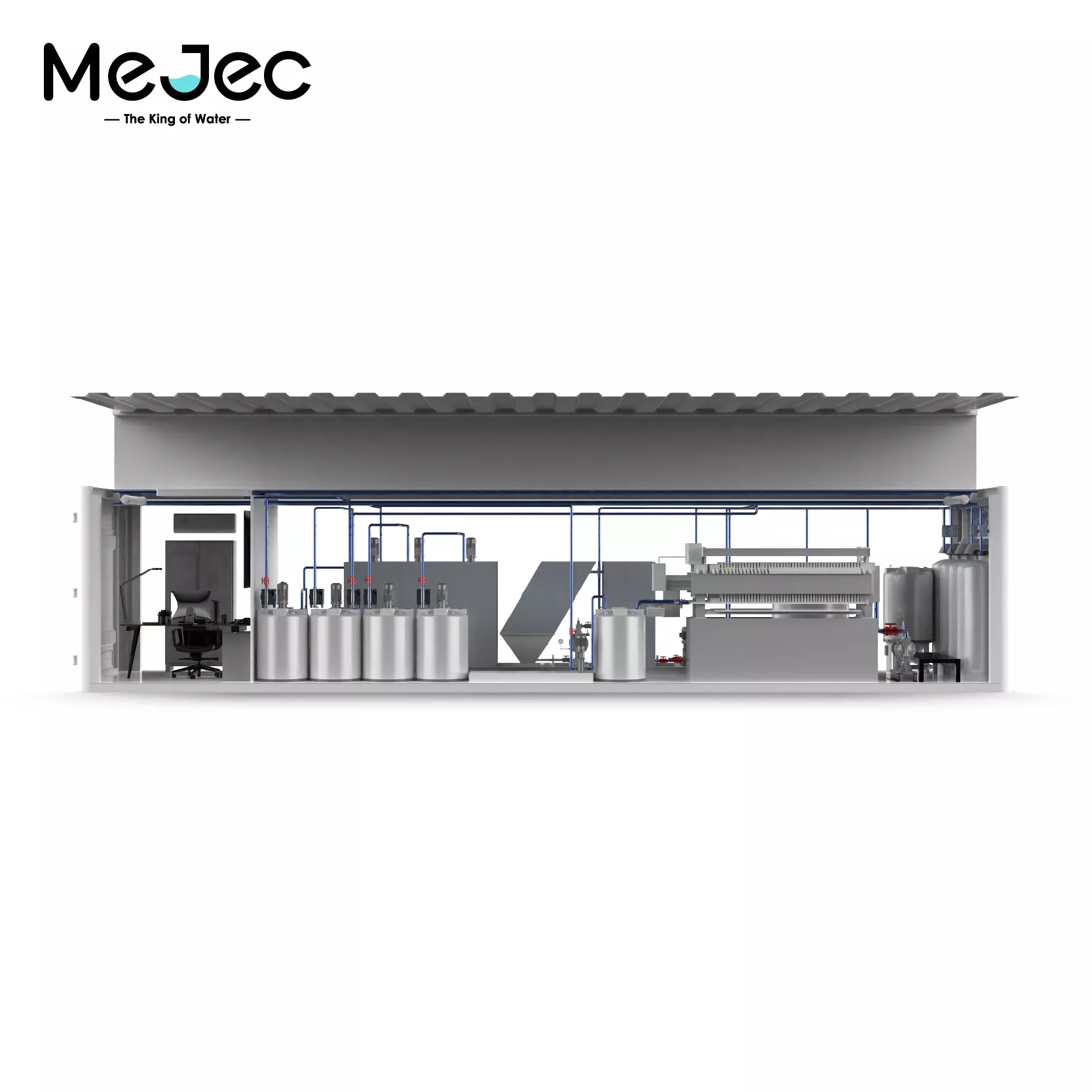
.webp)







User Comments
Service Experience Sharing from Real Customers
Michael Chen
Environmental EngineerThis high salinity wastewater treatment system has been a game-changer for our plant. The advanced membrane technology handles TDS levels above 50,000 ppm with remarkable efficiency, and the automated scaling prevention has reduced our maintenance downtime by 60%. Highly reliable for industrial applications.
Sarah Johnson
Plant Operations ManagerWe've implemented this system for our produced water treatment. The energy recovery design significantly cuts operational costs, and it consistently meets discharge regulations. Minor initial calibration was needed, but after that, performance has been excellent for high-salinity streams.
David Rodriguez
Wastewater Treatment SpecialistOutstanding zero-liquid discharge (ZLD) performance for our textile dyeing effluent. The integrated crystallizer handles the extreme salinity and complex organics perfectly. Customer support was responsive during setup. A robust solution for challenging wastewater.
Jennifer Park
Sustainability DirectorOur food processing plant needed a solution for high-salinity brine. This system's modular design allowed flexible scaling, and the water recovery rate exceeds 85%. It's been key to our water reuse goals. The interface is user-friendly for our operations team.