


.webp)


How Does AAO Wastewater Treatment Really Work
AAO wastewater treatment is a biological process designed to remove harmful substances from water. This method uses three main stages, each with a specific function in cleaning wastewater:
Creates different biochemical environments to remove carbon, nitrogen, and phosphorus
Optimizes pollutant removal and manages operational costs
Evolved as the most common approach for nutrient removal
Stage | Contribution to Pollutant Removal |
|---|---|
Anaerobic | Releases phosphorus and breaks down organic matter |
Anoxic | Removes nitrogen through denitrification |
Aerobic | Converts ammonium into nitrate |
Key Takeaways
AAO wastewater treatment uses three stages: anaerobic, anoxic, and oxic, to effectively remove harmful substances from water.
The anaerobic stage breaks down organic matter and releases phosphorus, while the anoxic stage converts nitrate into nitrogen gas, reducing pollution.
The oxic stage uses oxygen to finish breaking down pollutants and absorb remaining phosphorus, ensuring clean water for communities.
AAO wastewater treatment stages
Anaerobic stage overview
The anaerobic stage is the first step in AAO wastewater treatment. In this stage, oxygen is absent. Microorganisms break down organic matter and release phosphorus. This process uses internal carbon sources, such as poly-β‑hydroxy alkanoates (PHA) and glycogen (Gly), to drive denitrification. These compounds help remove nitrogen without needing extra chemicals.
The anaerobic stage of the AAO wastewater treatment process utilizes internal carbon sources for denitrification, allowing nitrogen removal without the need for external carbon sources. This process is facilitated by the storage and utilization of poly-β‑hydroxy alkanoates (PHA) and glycogen (Gly), which are the main intracellular carbon sources driving denitrification in the post-anoxic zone.
Several types of microorganisms play important roles here. Phosphorus-accumulating organisms (PAOs) remove phosphorus. Glycogen-accumulating organisms (GAOs) compete with PAOs for organic matter and can also perform denitrification. Ammonia-oxidizing bacteria (AOB) and nitrite-oxidizing bacteria (NOB) help with nitrogen transformations.
Microorganism Type | Role in Anaerobic Stage |
|---|---|
Ammonia-oxidizing bacteria (AOB) | Oxidation of ammonia to nitrite |
Nitrite-oxidizing bacteria (NOB) | Oxidation of nitrite to nitrate |
Phosphorus-accumulating organisms (PAOs) | Responsible for phosphorus removal |
Glycogen-accumulating organisms (GAOs) | Compete with PAOs for organic matter; can perform denitrification |
The anaerobic stage targets several pollutants for removal. The table below shows the efficiency of this stage:
Pollutant Type | Removal Efficiency |
|---|---|
BOD5 | 90%–95% |
Total Nitrogen | Above 70% |
Phosphorus | Around 90% |
Anoxic stage overview
The anoxic stage follows the anaerobic stage. Here, oxygen is still absent, but nitrate and nitrite are present. Denitrifying bacteria use organic matter to convert nitrate and nitrite into nitrogen gas. This process removes nitrogen from the water and helps prevent water pollution in rivers and lakes.
The anoxic stage is different from the anaerobic stage. While the anaerobic stage focuses on breaking down organic matter and releasing phosphorus, the anoxic stage is essential for denitrification. Denitrifying bacteria convert nitrate and nitrite into nitrogen gas, which escapes into the atmosphere.
The removal rate of nitrate nitrogen in the anoxic stage can exceed 90%. This high efficiency makes the anoxic stage a key part of AAO wastewater treatment.
In the anoxic zone, denitrifying bacteria play a vital role. They convert nitrate (NO₃⁻) into nitrogen gas (N₂) through several steps. This process reduces nitrogen levels and helps prevent problems like eutrophication in lakes and rivers. Adding carbon sources in the anoxic zone can further lower nitrate levels and control the production of nitrous oxide (N2O).
Oxic stage overview
The oxic stage is the final step in AAO wastewater treatment. In this stage, oxygen is present. Microorganisms use oxygen to break down organic matter. Ammonia is converted into nitrate through a process called nitrification. Phosphorus-accumulating organisms (PAOs) absorb phosphorus from the water.
In the aerobic oxic zone, the main activities include the oxidation of organic matter, nitrification of ammonia into nitrate, and enhanced uptake of phosphorus by PAOs. This stage ensures that most remaining pollutants are removed before the water is released or reused.
Pollutant Type | Mechanism Involved |
|---|---|
Nitrogen | Nitrification (conversion of NH4-N to NO2- and NO3-) |
Phosphorus | Biological phosphorus removal (absorption by microorganisms) |
Organic Pollutants | Oxidation and decomposition by microorganisms |
The AAO process is recognized as the most prevalent biological configuration for nutrient removal, effectively achieving the simultaneous removal of organics, nitrogen, and phosphorus. It has been shown that employing denitrifying phosphorus removal (DPR) within the AAO process allows for this simultaneous removal with minimal reliance on external carbon sources, thus supporting the claim of minimal chemical use.
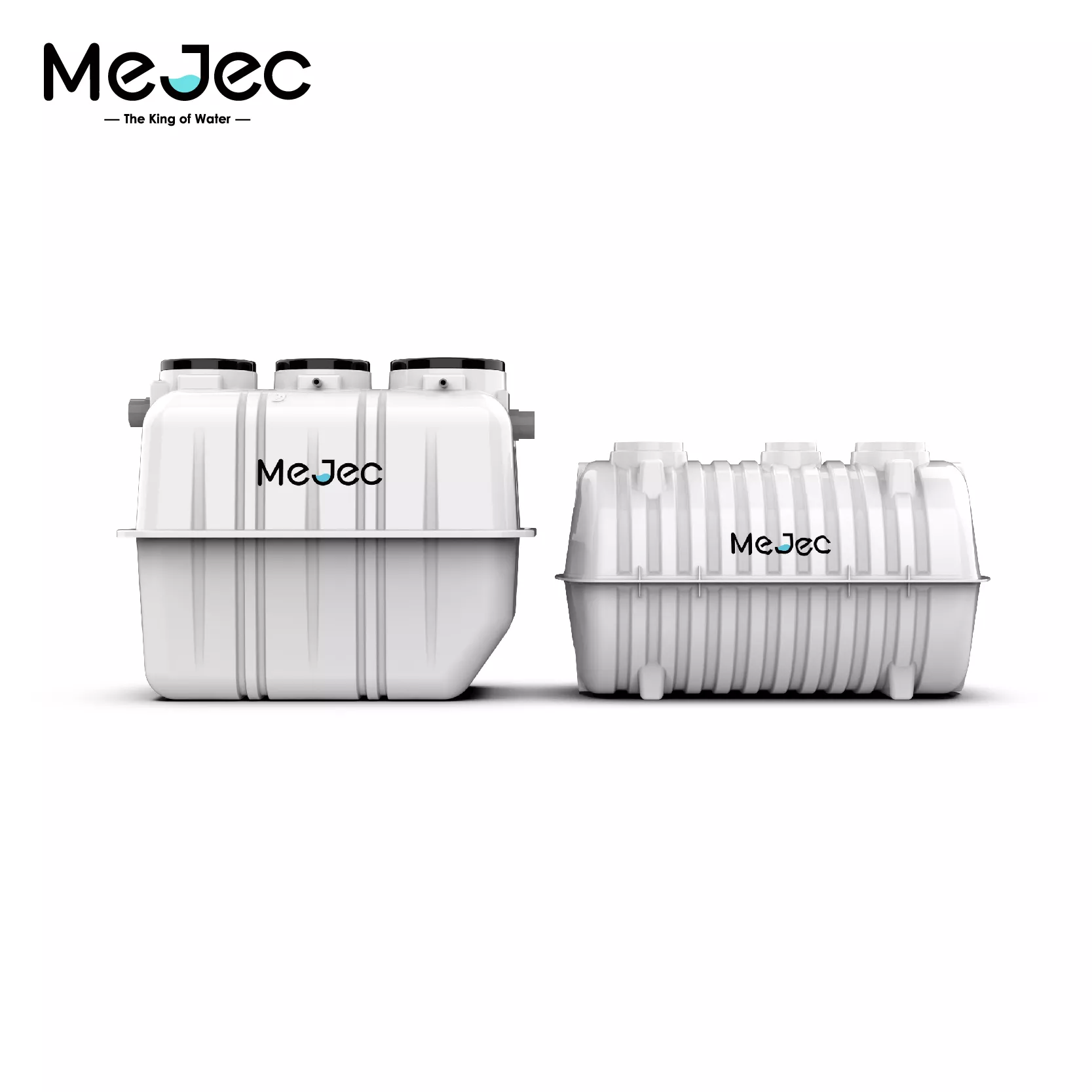
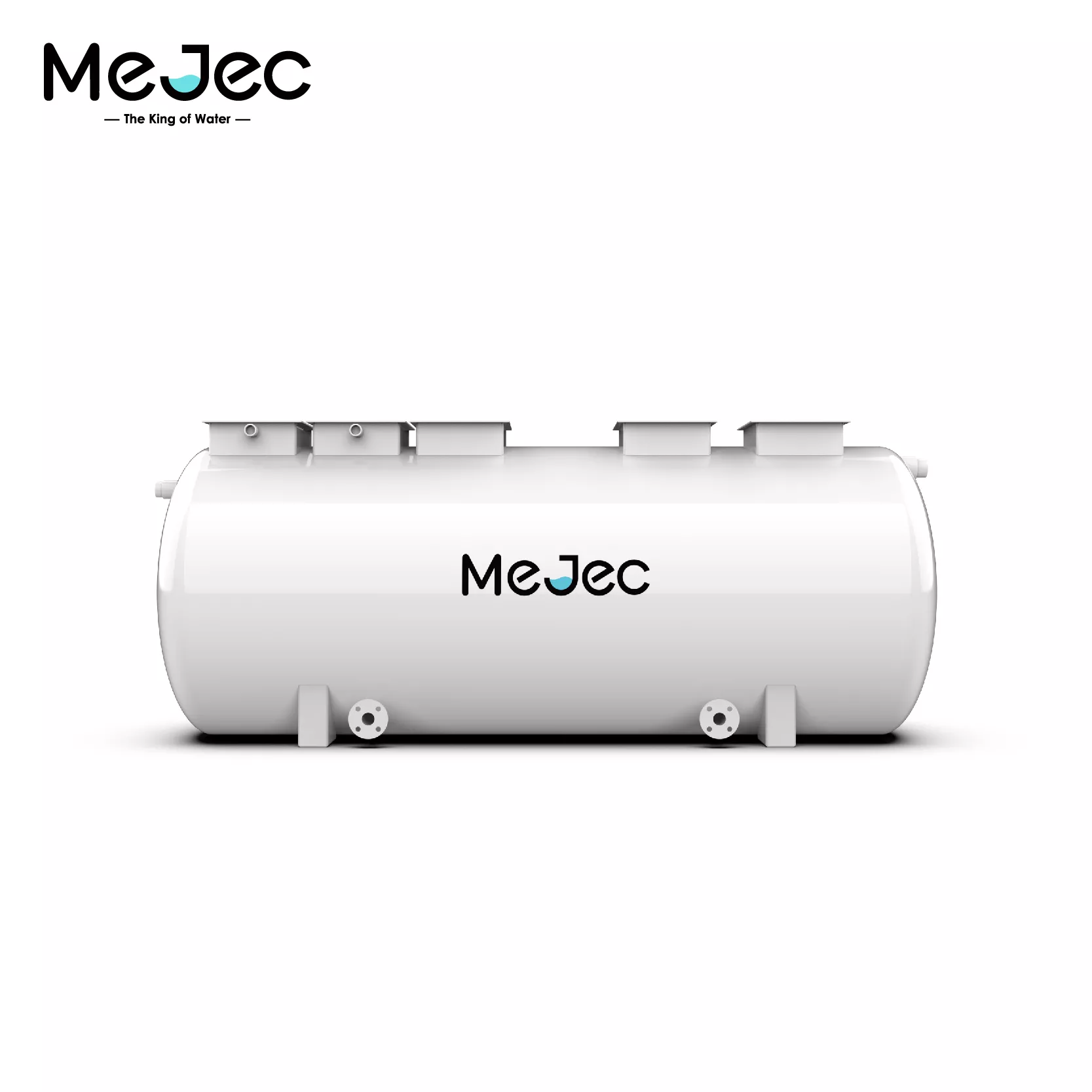
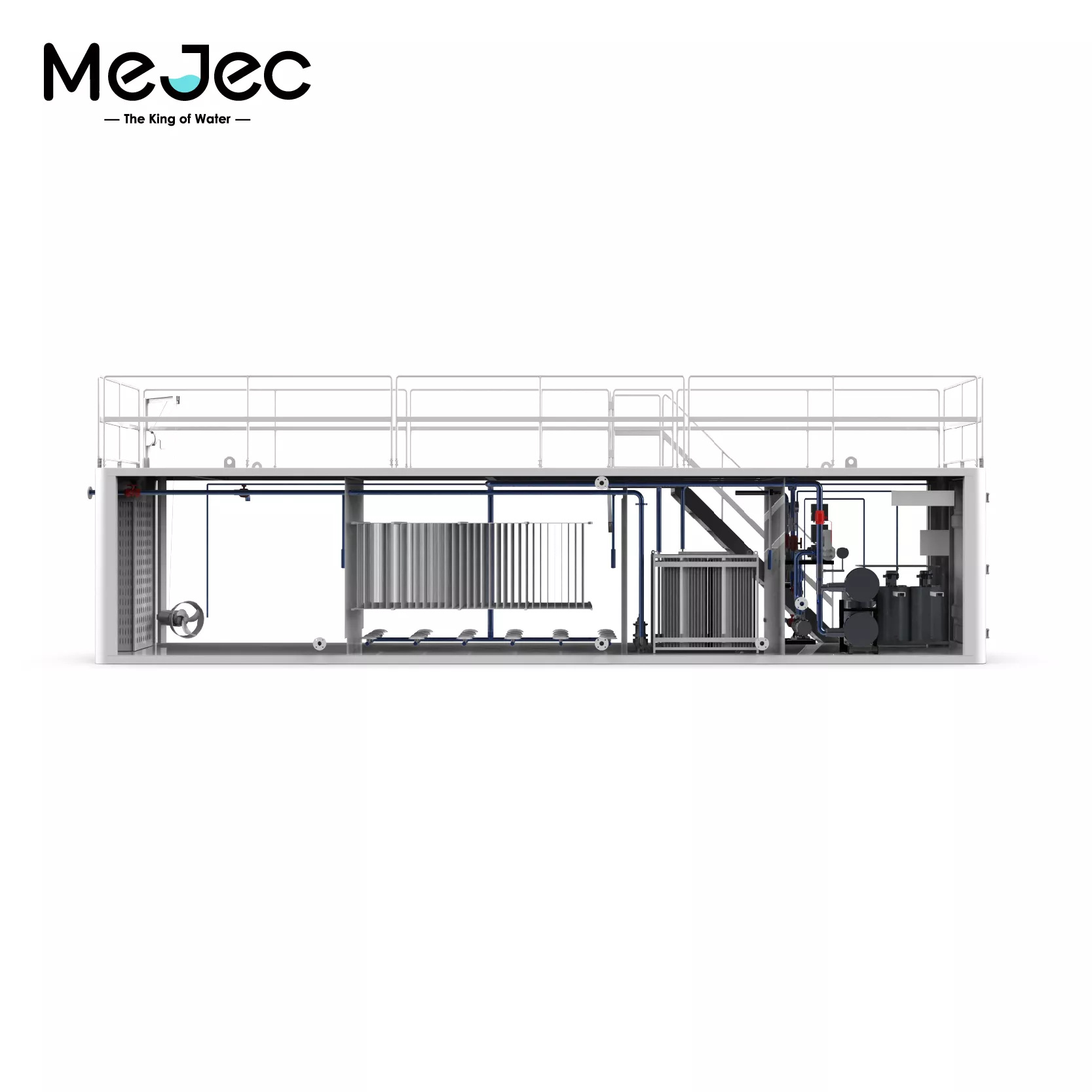
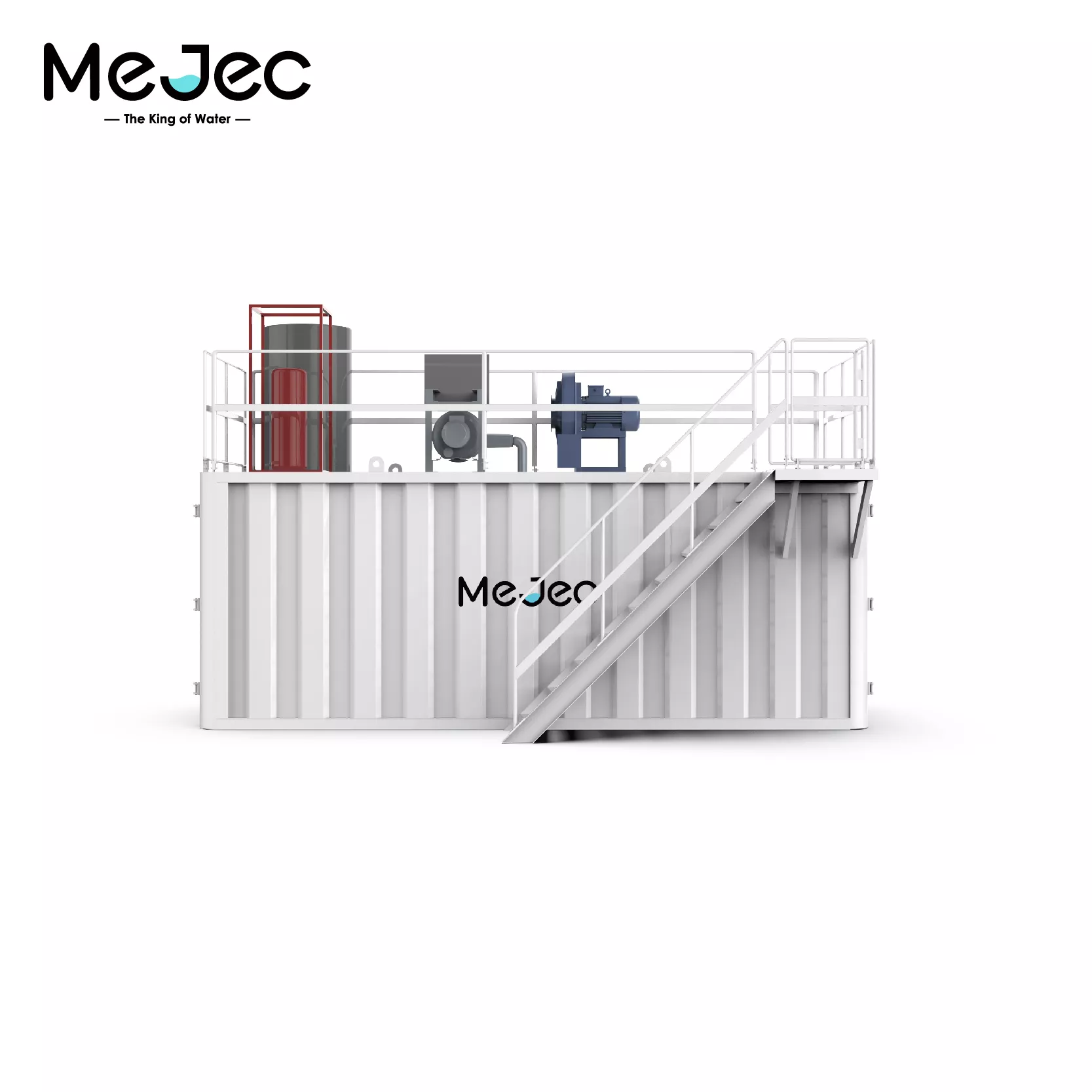
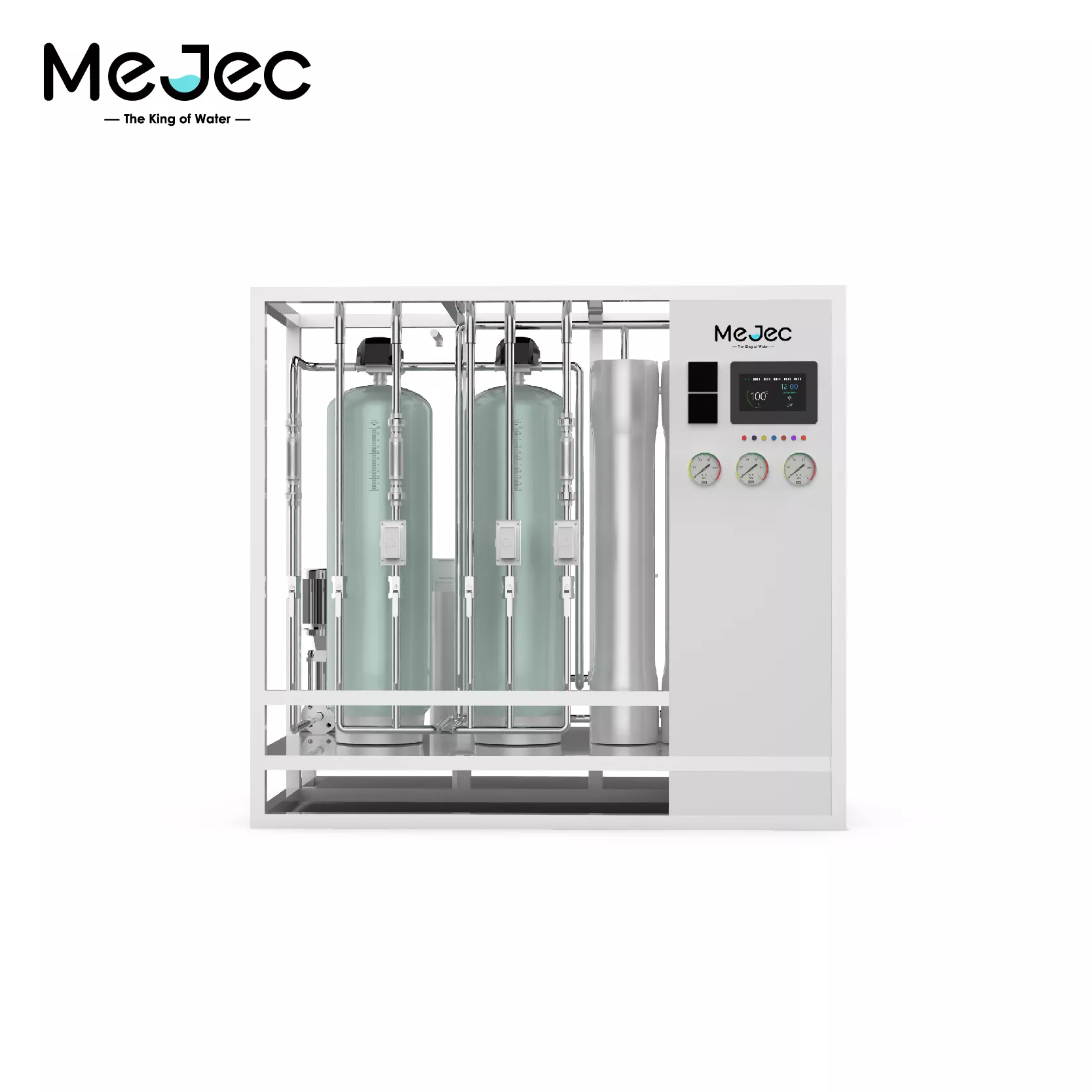
AAO wastewater treatment is widely used because it removes nitrogen and phosphorus efficiently with little need for chemicals. Companies like Mejec have advanced this field by developing intelligent, decentralized solutions for industries such as healthcare, education, hospitality, and real estate. Their DeepDragon™ smart operation technology and high-precision manufacturing help ensure that treatment systems meet strict standards for compliance, efficiency, and environmental protection. This expertise supports the reliable performance of AAO wastewater treatment in many settings.

Effectiveness and results
How the stages interact
The three stages in AAO wastewater treatment work together to remove pollutants efficiently. Each stage creates the right environment for specific microorganisms to do their job. The anaerobic stage releases phosphorus and breaks down organic matter. The anoxic stage removes nitrogen by turning nitrate into nitrogen gas. The oxic stage uses oxygen to finish breaking down pollutants and absorb phosphorus. When these stages interact, they boost the removal of nitrogen and phosphorus through connected pathways.
Parameter | Value |
|---|---|
Sludge reflux ratio | 200% |
Temperature | 25 °C |
C/N ratio | 8 |
COD removal ratio | 92.80 ± 2.24% |
NH4+-N removal ratio | 97.38 ± 0.89% |
TN removal ratio | 88.97 ± 2.47% |
PO43--P removal ratio | 94.33 ± 3.27% |
Aeration volume savings | 23.08% |
This table shows how the stages work together to achieve high removal rates for key pollutants.
Pollutants removed
AAO wastewater treatment is highly effective at removing organic matter, nitrogen, and phosphorus. Compared to other biological methods, it consistently achieves high removal rates.
Pollutant Type | AAO Effectiveness | Other Biological Methods Effectiveness |
|---|---|---|
Organic Matter | High | Varies |
Nitrogen | High | Varies |
Phosphorus | High | Varies |
Typical removal rates include:
Nitrogen removal efficiency: up to 92%
Phosphorus removal efficiency: up to 95%
Total inorganic nitrogen in effluent: ≤3 mg/L
Phosphorus in effluent: ≤0.2 mg/L
Expected outcomes
AAO wastewater treatment helps communities meet strict water quality standards. It reduces pollutants, saves energy, and lowers chemical use. Many municipalities and industries choose this process because it is reliable and cost-effective. The process also supports clean water initiatives by improving water quality and promoting conservation.
Advanced solutions, such as those developed by Mejec, use smart operation technology to optimize AAO systems. These systems help ensure compliance, efficiency, and ecological balance in different settings, from hospitals to schools and public spaces.
AAO wastewater treatment uses three biological stages to clean water.
The anaerobic stage removes most organic matter and phosphorus.
The anoxic stage converts nitrate into nitrogen gas.
The oxic stage finishes breaking down pollutants and supports estrogen degradation.
This process ensures reliable, clean water for communities and industries.
FAQ
What does AAO stand for in wastewater treatment?
AAO stands for Anaerobic, Anoxic, and Oxic. Each stage uses different microorganisms to remove pollutants from water.
Why is AAO treatment preferred for nutrient removal?
AAO treatment removes nitrogen and phosphorus efficiently. It uses biological processes, which reduce chemical use and save energy.
How does Mejec support decentralized sewage management?
Feature | Benefit |
|---|---|
DeepDragon™ tech | Smart operation |
Targeted systems | Industry-specific needs |
Mejec designs intelligent solutions for healthcare, education, hospitality, and real estate.