


.webp)


Best Wastewater Treatment System for Home
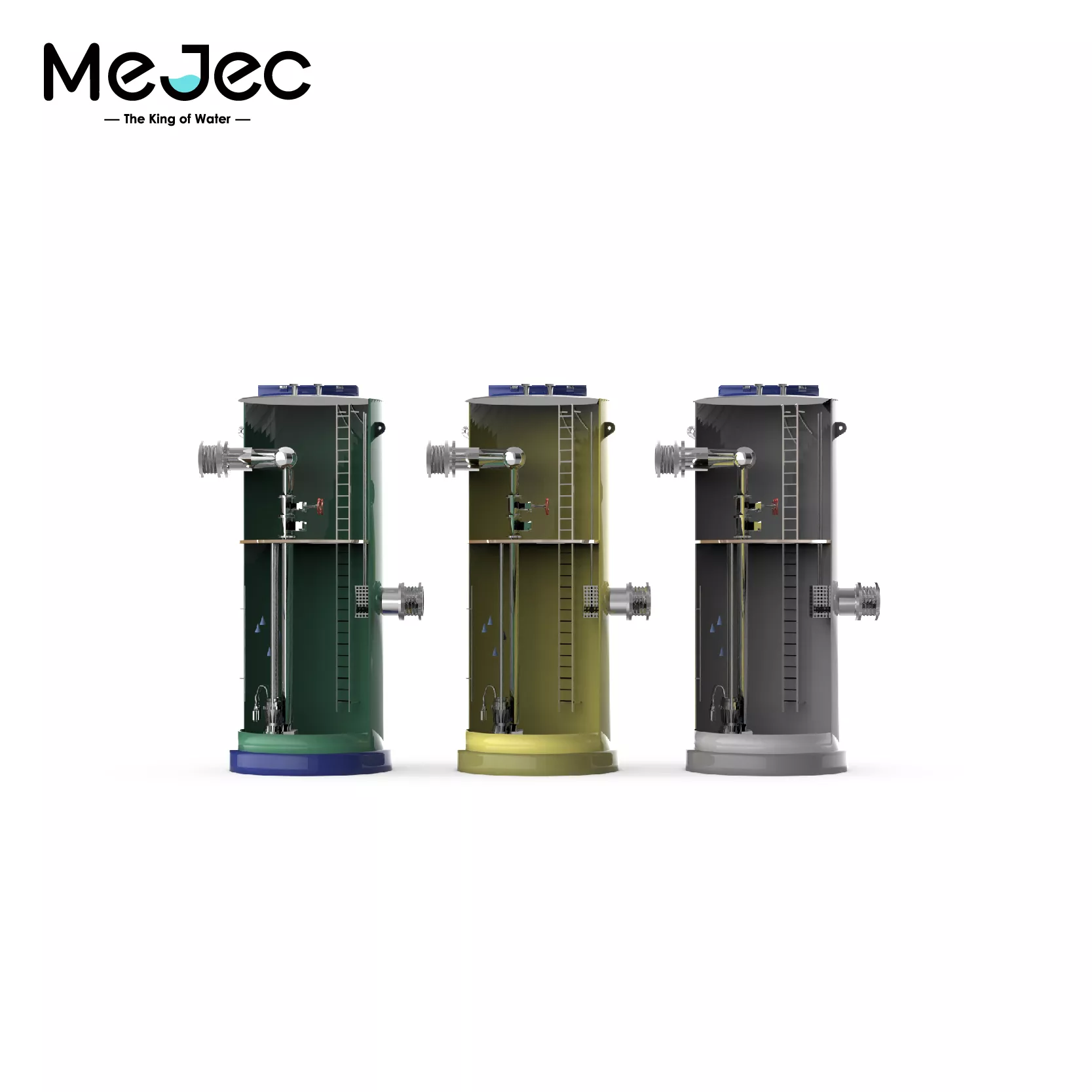
Looking for the most effective solution for your home? Advanced biological systems, such as membrane bioreactors and aerobic treatment units, lead the way. These systems achieve high efficiency in pollutant removal, deliver reliable performance, and ensure compliance with strict standards. Every homeowner can benefit from a modern wastewater treatment system.
Key Takeaways
Choose a wastewater treatment system based on your home's unique needs, including size, soil type, and local regulations.
Regular maintenance is essential. Schedule inspections and pump your septic tank every 3 to 5 years to avoid costly repairs.
Modern systems like Membrane Bioreactors and Aerobic Treatment Units offer high efficiency and environmental benefits, making them ideal for many homeowners.
Choosing the Best Wastewater Treatment System
Key Criteria for Home Use
Selecting the right wastewater treatment system for your home starts with understanding your property’s unique needs. Homeowners should consider several important factors:
Criteria | Description |
|---|---|
Housing Density and Road Frontage | Determines if the system fits your neighborhood. |
Size of the Project and Wastewater Volume | Impacts the system’s design and capacity. |
Topography and Sensitive Natural Resources | Affects placement and environmental safety. |
Depth to Bedrock or Groundwater | Ensures proper drainage and function. |
Distance to Treatment and Dispersal Site | Influences efficiency and cost. |
Soil testing also plays a key role. It helps identify the best location for your system and protects your drinking water.
Efficiency and Environmental Impact
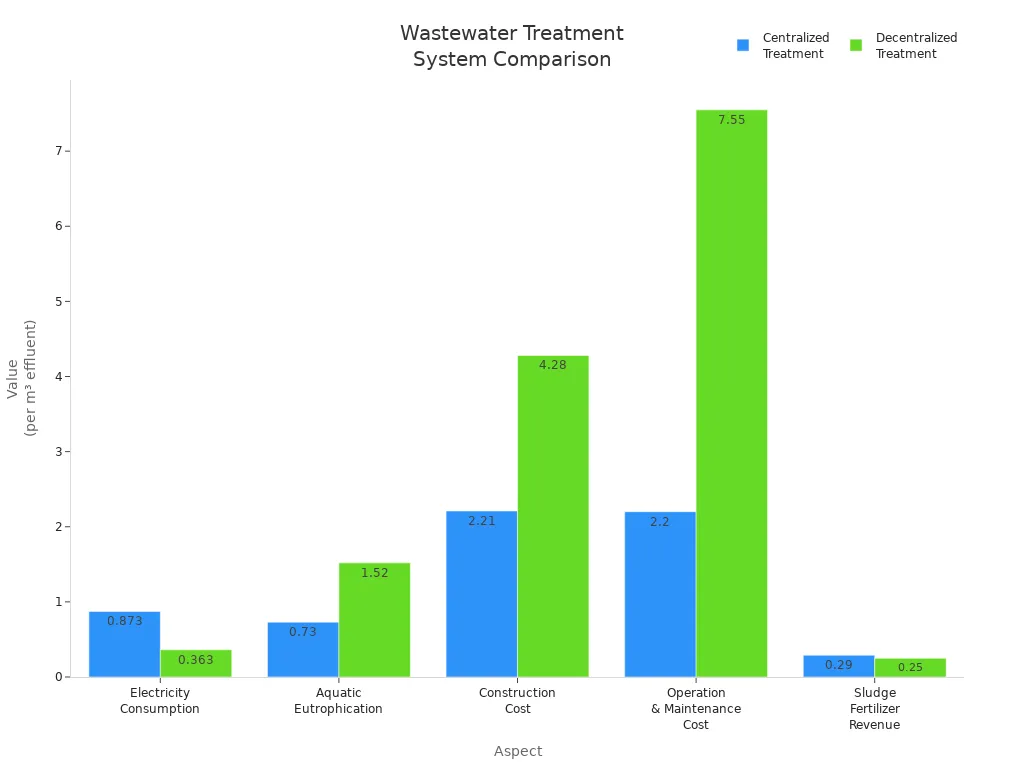
Modern systems remove more pollutants than older options. They protect local water sources and help prevent harmful algal blooms.
Modern home wastewater treatment systems significantly outperform traditional septic tanks in terms of energy efficiency and environmental impact. Traditional septic tanks can leach harmful nutrients and pathogens into groundwater, contributing to environmental degradation. In contrast, modern systems utilize advanced treatment processes that effectively remove pollutants and reduce methane emissions, leading to better water quality and lower energy consumption.
Choosing an efficient system supports responsible wastewater management and keeps your community safe.
Maintenance and Cost
Maintenance and cost are crucial for long-term satisfaction. Homeowners should expect:
Septic system installation costs range from $3,000 to $9,500.
Regular pumping costs $200 to $500 every 3 to 5 years.
Advanced systems may have monthly fees and require more frequent inspections.
Repairs or replacements can exceed $7,000.
Regular inspections and timely maintenance keep your wastewater treatment system running smoothly and help avoid expensive repairs.
Wastewater Treatment System Options
Modern homeowners have several choices when it comes to selecting a wastewater treatment system. Each option offers unique benefits and fits different property needs. Here’s a closer look at the leading systems available for residential use:
Membrane Bioreactor (MBR)
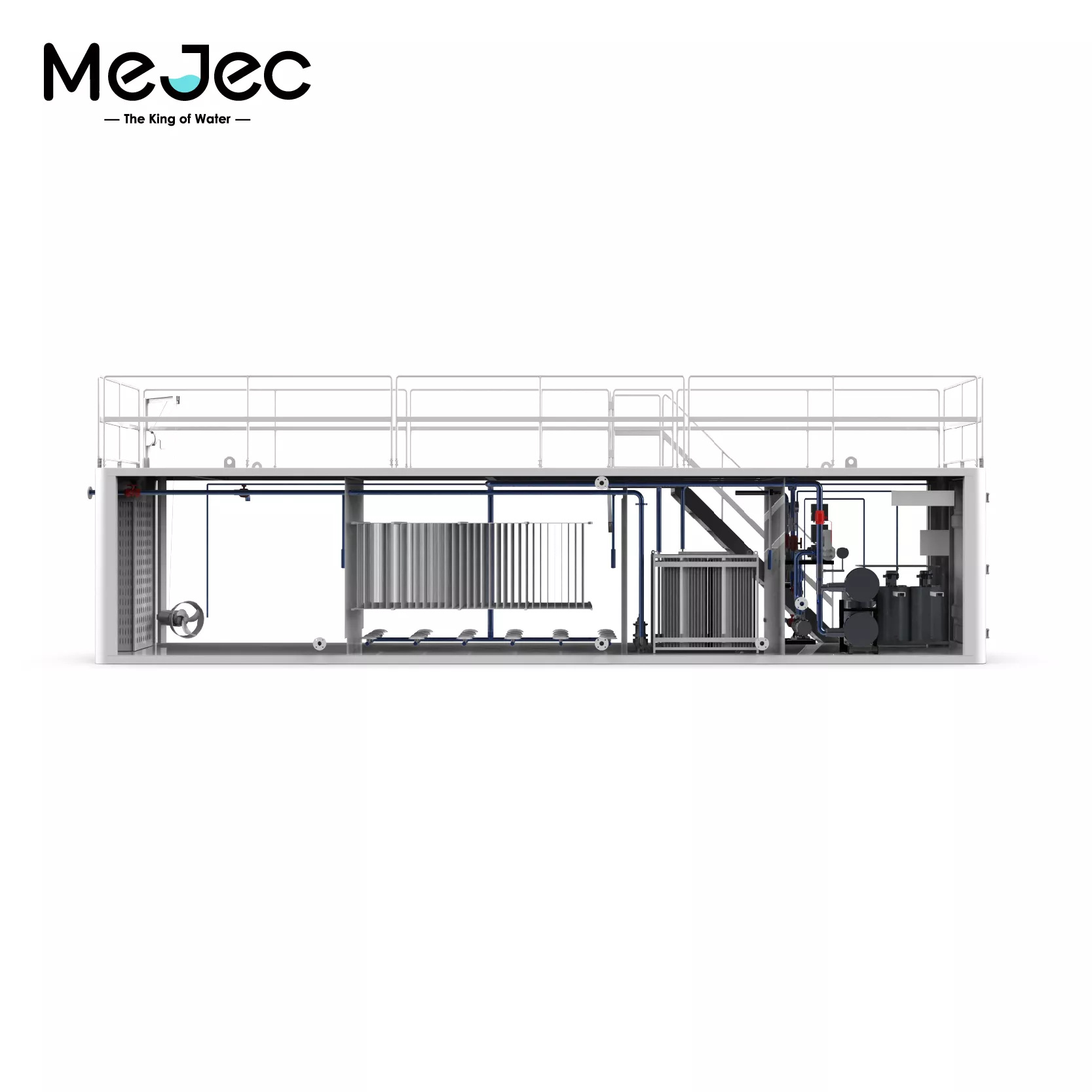
A Membrane Bioreactor combines biological treatment with advanced membrane filtration. Wastewater passes through a tank where bacteria break down organic matter. The water then moves through a membrane filter, which removes even the smallest particles.
Pros and Cons:
Advantages of MBR | Disadvantages of MBR |
|---|---|
Low residual sludge production | High membrane costs |
High-quality effluent | Potential for membrane contamination |
Compact design | Higher energy consumption |
Potential for water reuse |
Ideal Use Cases:
MBR systems work best for homes that need high-quality treated water, especially where water reuse is a priority or space is limited.
Estimated Costs:
Installation can range from $15,000 to $30,000. Maintenance costs are higher due to membrane replacement and energy use.
Aerobic Treatment Unit (ATU)
An Aerobic Treatment Unit uses oxygen to help bacteria break down waste. The process involves three main steps:
Pre-Treatment: Solids settle and grease floats in the first chamber.
Aeration: Air is pumped in, encouraging aerobic bacteria to digest pollutants.
Clarification: Remaining solids settle out, leaving clean water ready for dispersal.
Benefits:
Removes more organic matter and pathogens than traditional systems.
Fits small properties due to smaller drainfields.
Protects groundwater and improves wastewater quality.
Considerations:
ATUs require routine maintenance every 3 to 6 months. Inspections, air pump checks, and filter cleaning are essential. Installation costs typically range from $10,000 to $20,000. Ongoing operation costs are higher than conventional systems because ATUs need electricity and regular upkeep.
Tip:
Choose an ATU if you want a reliable, environmentally friendly solution and have limited yard space.
Sequential Batch Reactor (SBR)
A Sequential Batch Reactor treats wastewater in timed cycles. The system fills with wastewater, treats it using aeration and settling, then discharges the clean water.
Pros:
Delivers high treatment efficiency.
Handles variable flows well.
Suitable for homes with fluctuating water use.
Cons:
Requires careful monitoring and control.
Needs regular maintenance and skilled servicing.
Estimated Costs:
SBR systems usually cost between $12,000 and $25,000 to install. Maintenance costs depend on system complexity and frequency of use.
Moving Bed Biofilm Reactor (MBBR)
The Moving Bed Biofilm Reactor uses small plastic carriers suspended in water. These carriers provide a surface for bacteria to grow and treat the wastewater as it flows through the tank.
How It Works:
Biofilm carriers move freely in the reactor. Bacteria on the carriers break down organic matter. Aeration keeps the carriers moving and supplies oxygen.
Advantages:
Effective treatment and adaptability.
Maintains high sludge concentrations, improving efficiency.
No need for sludge return equipment, making it easier to operate.
Disadvantages:
Performance depends on proper design and operation.
Energy consumption for aeration can be significant.
Maintenance includes reactor upkeep and occasional carrier replacement.
Estimated Costs:
Capital costs include the reactor, installation, and electrical connections. Operational costs focus on energy for aeration and maintenance. For small homes, MBBR systems can be cost-effective, especially when combined with membrane filtration.
Conventional Septic Tank
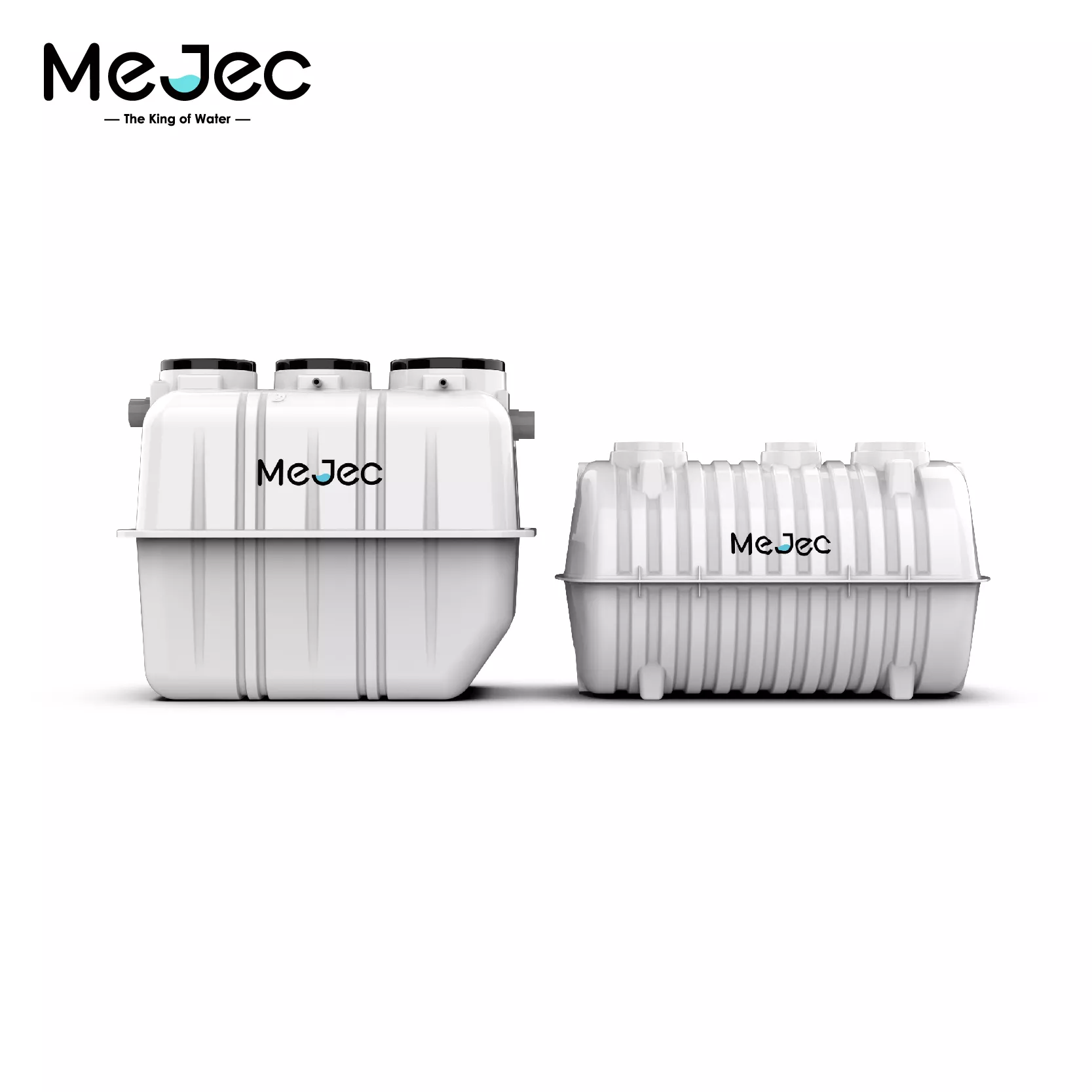
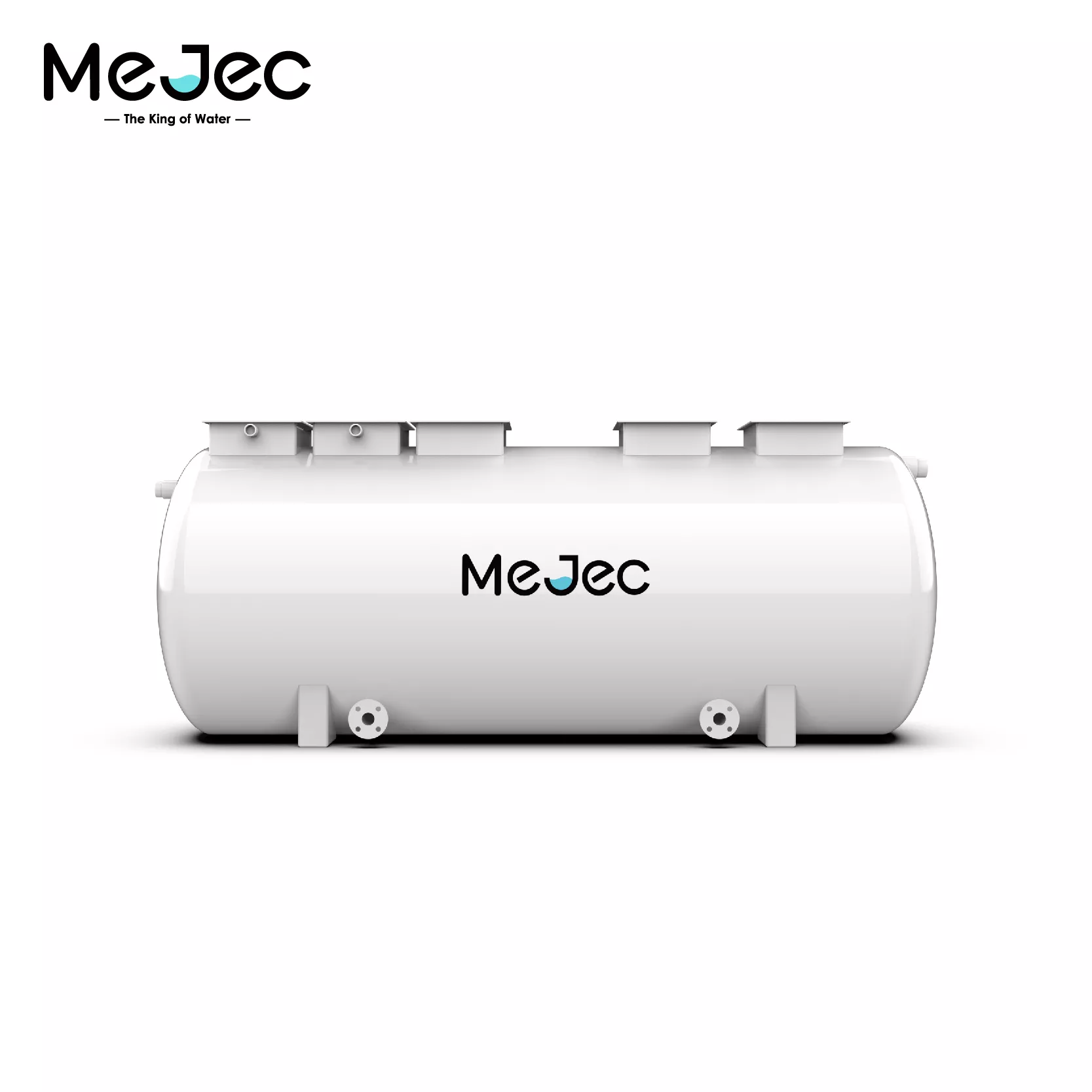
A conventional septic tank is the most common system for rural homes. Wastewater from the house enters the tank, where solids settle to the bottom and oils float to the top. Anaerobic bacteria break down the solids. The liquid then flows to a drain field for further treatment in the soil.
Pros:
Lower installation and maintenance costs.
Independence from municipal sewage systems.
Long lifespan with proper care.
Suitable for remote or rural locations.
Cons:
Requires regular pumping and maintenance.
Risk of leaks or backups if neglected.
Limited capacity for larger households.
Local regulations may restrict installation.
Estimated Costs:
Installation ranges from $2,500 to $6,000, but can reach $12,000 in some areas. Pumping every 2 to 5 years costs $200 to $500.
Quick Comparison Table
System Type | Treatment Efficiency | Installation Cost | Maintenance Needs | Space Required | Water Reuse Potential |
|---|---|---|---|---|---|
MBR | Very High | $$ | High | Low | Yes |
ATU | High | $$ | Moderate-High | Low | Limited |
SBR | High | $$ | Moderate | Moderate | Yes |
MBBR | Moderate-High | $$ | Moderate | Moderate | Yes |
Septic Tank | Moderate | $-$ | Low-Moderate | High | No |
Note:
Homeowners can also consider other options like holding tanks, mound systems, and sand filters. These alternatives may fit unique property needs or local regulations.
Related Solutions for Clean Water
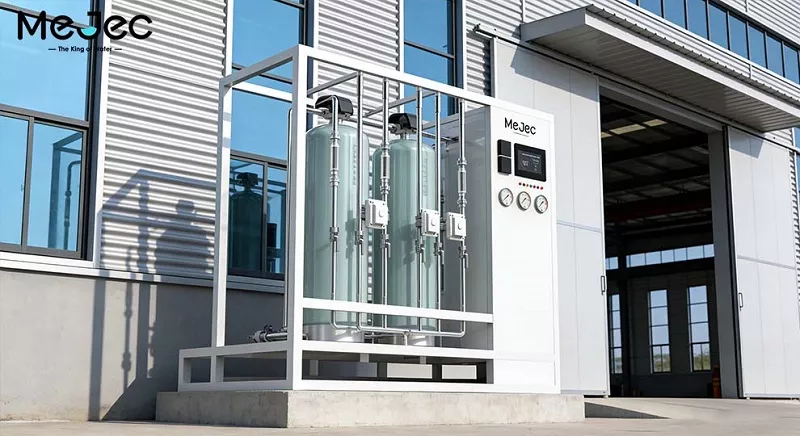
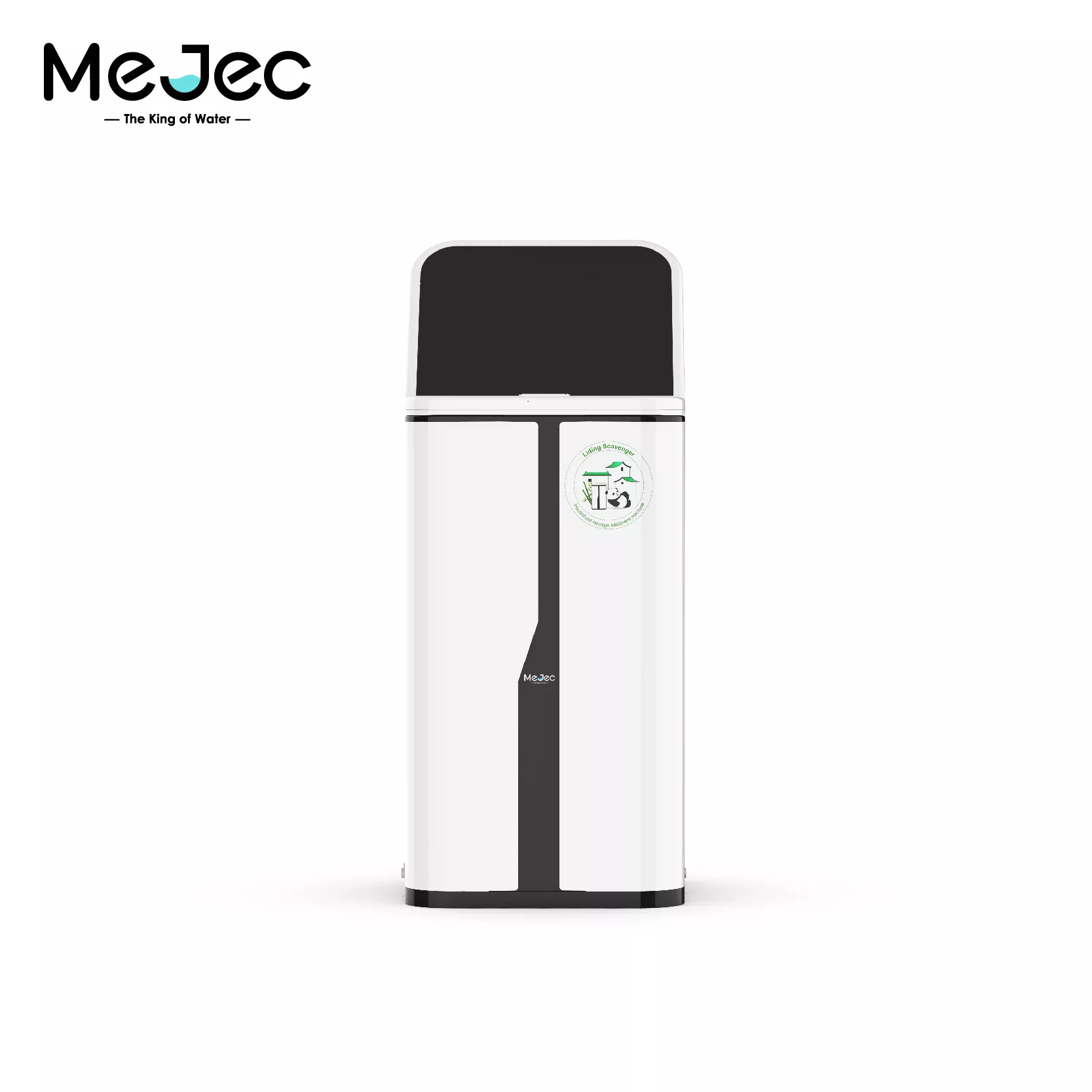
Mejec stands out as a leader in water filtration technology. The company specializes in advanced commercial water filtration systems that use food-grade activated carbon for effective purification. While Mejec’s main product is the Mejec Water Dispenser, their expertise in water quality supports healthy living and complements any wastewater management strategy. For homes seeking both clean drinking water and effective wastewater solutions, combining a reliable wastewater treatment system with a trusted water dispenser ensures safety and peace of mind.
How to Choose for Your Home
Assessing Household and Property Needs
Every home is unique. Choosing the right wastewater treatment system starts with understanding your household’s needs. Consider these important factors:
Septic tank capacity
Soil type and absorption rate
Water usage patterns
System design
Maintenance requirements
Calculating daily wastewater flow helps you select the right system. Activities like laundry and cooking can increase water usage. Larger families or homes with frequent guests may need a system with higher capacity. Urban households often produce more wastewater, which calls for efficient treatment solutions.
Soil Type | Absorption Rate | Impact on Design |
|---|---|---|
Sandy Soil | High | Good drainage, suitable for standard designs |
Clay Soil | Low | May require flood mitigation plan |
Loamy Soil | Moderate | Favorable for effective system operation |
Budget and Long-Term Costs
Smart homeowners plan for both upfront and ongoing expenses. Maintenance frequency varies by system type. Micro-stations need more frequent servicing than compact filters. Annual inspections and pump-outs are necessary for all systems. Consider these cost types:
Cost Type | Description |
|---|---|
Initial Investment | Automated systems cost more upfront but save on labor over time. |
Maintenance Costs | Compact filters require less frequent servicing, but costs can vary. |
Operational Costs | Long-term expenses include energy and routine upkeep. |
Hidden Fees | Taxes, utility fees, and compliance costs may apply. |
Understanding these costs helps you budget for the future and avoid surprises.
Local Regulations and Permits
Local rules protect your community and environment. Proper planning ensures compliance and smooth installation. Homeowners must meet health department requirements for septic tanks. Site evaluations assess soil type and permeability, which impact system performance. Permit costs range from $250 to $1,000, depending on your state and project complexity. Areas with strict environmental regulations may have higher permitting expenses. Navigating regulations ensures safe drainage and effective filtration, supporting water reuse and recycling.
Tip: Consult local professionals to help you meet all permit and regulation requirements. This step protects your investment and the environment.
Installation and Maintenance Tips
What to Expect During Installation
Installing a home wastewater treatment system transforms your property. The process starts with a site evaluation. Professionals check soil type, water table, and property layout. They design a system that fits your needs. Installation usually involves digging, placing tanks or reactors, and connecting pipes. Expect some disruption to your yard, but skilled installers minimize impact. Most projects finish within a week. After installation, technicians test the system to ensure proper operation. You gain peace of mind knowing your home meets environmental standards.
🛠️ Tip: Choose experienced installers. They guarantee compliance and smooth setup.
Routine Maintenance
Routine maintenance keeps your system running efficiently. Follow these essential tasks:
Pump septic tanks regularly to remove solids and prevent overflow.
Schedule annual inspections to check sludge and scum levels.
Inspect tanks after pumping for cracks and clean outlet filters.
Repair leaks immediately to avoid costly damage.
Clean and inspect ATU air pumps and filters.
Service ATU equipment every three to six months.
Staying proactive prevents breakdowns and extends system life.
Ensuring Long-Term Performance
Long-term reliability starts with the right system. Select a treatment unit that matches your property and lifestyle. Maintain your system with regular inspections and cleaning. Upgrade to advanced units for better efficiency and environmental protection. Smart technology, like IoT sensors, helps monitor performance and alerts you to issues.
Low-pressure dosing systems distribute wastewater evenly, preventing overload.
These systems work well in challenging soil conditions.
Consistent performance makes them ideal for many homes.
🏡 Note: Work with trusted service providers and follow local regulations. This ensures your system stays reliable for years.
Reason | Description |
|---|---|
Cost-effectiveness | Lower installation and maintenance costs |
Self-sufficiency | More control over wastewater management |
Environmental impact | Protects local water sources |
Choose sustainable wastewater treatment for your home. Assess your needs, consult local professionals, and trust reputable brands like Mejec for water filtration. Smart choices boost property value and ensure clean water for your family.
FAQ
What is the best system for small properties?
Membrane bioreactors and aerobic treatment units work well for small spaces. These systems offer high efficiency and reliable performance. Choose advanced wastewater treatment solutions for peace of mind.
How often should I maintain my home wastewater system?
Schedule inspections every year. Pump tanks every 3 to 5 years. Regular maintenance prevents costly repairs and keeps your system running smoothly.
Can I reuse treated water at home?
Yes! Many modern systems allow safe water reuse for irrigation or landscaping. This saves money and supports a sustainable lifestyle.