




.webp)
How to choose the best commercial water dispensers for restaurants
Find the best commercial water dispenser for your ...
More


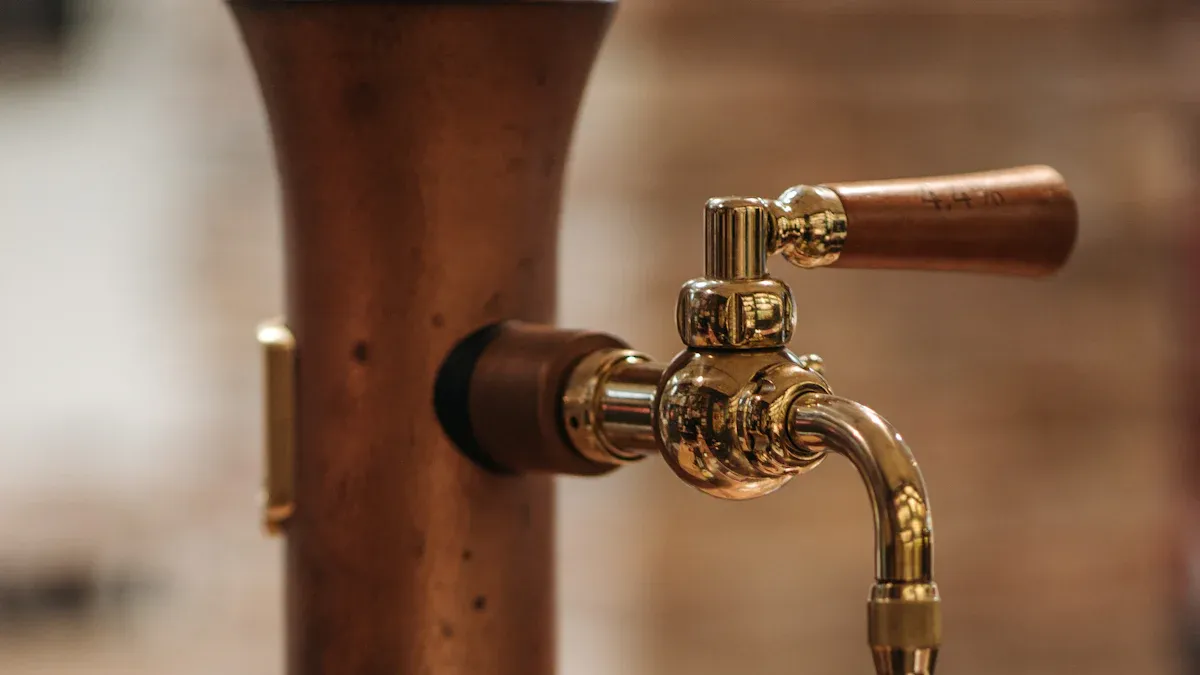
Choosing your copper water dispenser depends on three key factors. You must verify the copper is 99%+ pure for safety. A simple cleaning routine is also necessary. For the best results, store your water overnight for about 8-12 hours and drink it each morning. This prepares you for success.
Always choose a copper water dispenser that is 99% pure. You can check this with a magnet test; pure copper does not attract magnets.
Clean your copper dispenser weekly using lemon juice and salt. This removes the natural green layer and keeps your water fresh.
Store water in the dispenser for 8-12 hours. Drink it in the morning for the best health benefits, but avoid drinking too much.
You might wonder what makes a copper dispenser special. Beyond its beautiful appearance, copper possesses unique properties that can enhance your daily hydration routine. It offers a blend of scientific function, potential wellness benefits, and timeless style.
Copper has a natural ability to purify water. This is known as the oligodynamic effect, where metal ions harm living cells like bacteria. Scientific studies show that copper surfaces effectively inactivate harmful waterborne pathogens.
Researchers found copper can kill enteric bacteria in drinking water.
Studies also show it stops the growth of Legionella and Salmonella.
This process works quite quickly. For example, a small amount of copper can significantly reduce certain bacteria in just a few hours.
| Bacterium | Time for Inactivation |
|---|---|
| Legionella pneumophila | 2.5 hours |
| E. coli | ~3 hours |
For centuries, Ayurvedic tradition has promoted drinking water stored in copper vessels, known as water from a copper vessel. This practice is believed to aid digestion and support the immune system. Copper is an essential mineral your body needs for functions like T-cell proliferation.
A Note on Safety: The U.S. EPA sets a copper action level at 1.3 parts per million (ppm) in drinking water to ensure safety. Storing water for 8-12 hours in a pure copper vessel keeps the copper level well within this safe limit.
Choosing a copper water dispenser is also a sustainable decision. Copper is a durable and recyclable material, reducing your reliance on plastic bottles. Its warm metallic tone adds a touch of elegance to any room. Current design trends embrace natural materials, and copper pairs beautifully with wood and stone. It serves as a functional statement piece, bringing both health-conscious living and sophisticated style into your home.
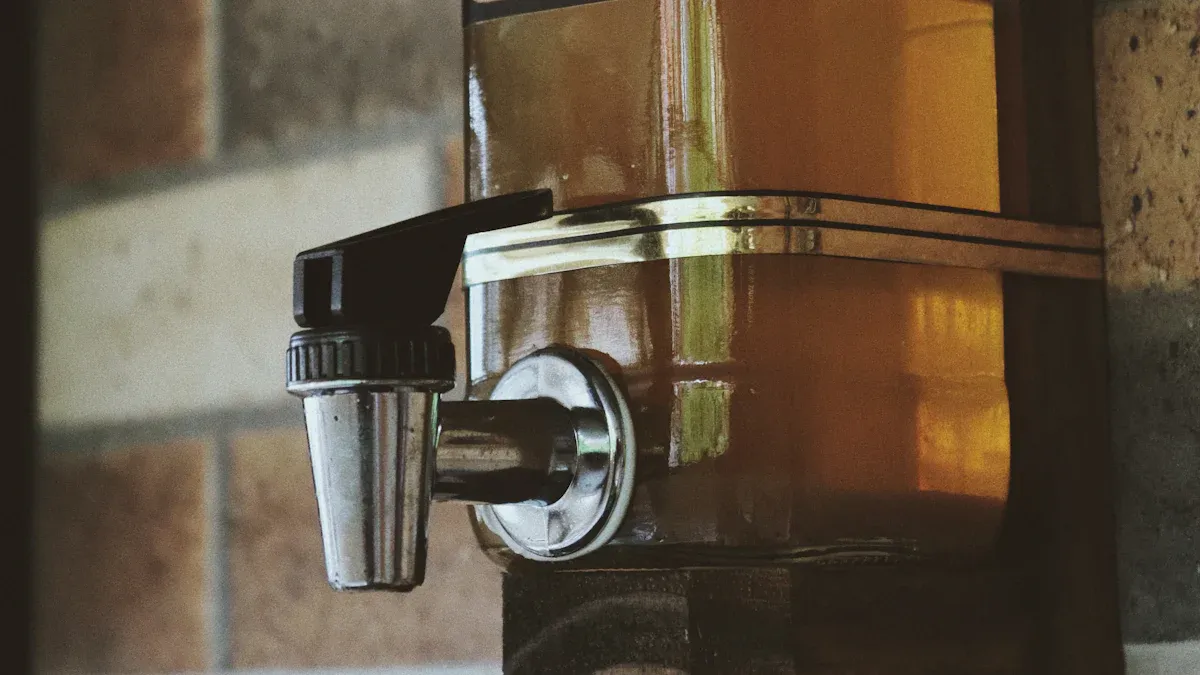
When you shop for a copper water dispenser, you need to look beyond the shiny surface. A high-quality dispenser is an investment in your health and home. This checklist will guide you through the essential details to inspect.
The most important factor is the purity of the copper. For the best health benefits and safety, you need a dispenser made from at least 99% pure copper. Anything less may contain other metals that you do not want in your water.
You can perform simple tests to check for authenticity.
Visual Inspection: Start by looking at the color. Pure copper has a distinct reddish-brown hue. This initial check helps you quickly identify the metal. Over time, this color will develop a greenish layer, or patina, from oxidation.
The Magnet Test: You can use a strong magnet to test the metal. Pure copper is not magnetic. Place the magnet on the surface of the dispenser. If the magnet sticks, the item is not pure copper. It is likely a cheaper metal, like steel or iron, with a thin copper plating. A real copper item will not attract the magnet at all.
Pro Tip: Always look for sellers who provide a certificate of purity. Reputable brands will openly state the copper grade and stand by their product's quality.
A well-built dispenser will last for years without leaks or problems. Poor construction, on the other hand, can lead to frustrating issues. You should carefully examine the dispenser's seams, weight, and overall sturdiness.
Pay close attention to these warning signs of poor craftsmanship:
Weak Solder Joints: Look at where the pieces of the dispenser are joined. Poor connections may look shallow or incomplete. If the surfaces were not cleaned properly before soldering, the joint will be weak and may eventually fail.
Uneven Shape: Inspect the body of the dispenser. Any visible bowing or bending indicates stress on the material. This structural weakness can lead to splits or cracks over time.
Leaky Fittings: Check the area around the spigot and any other connections. Damage from tools, loose fittings, or parts that are not inserted correctly can all cause leaks.
A dispenser should feel solid and balanced. If it feels flimsy or has visible flaws in its joints, it is best to choose another option.
The final details determine how easy and enjoyable your dispenser is to use. These include the exterior finish and the quality of the spigot.
Many dispensers feature a lacquered exterior. This is a clear, food-safe coating applied only to the outside surface. This lacquer protects the copper from tarnishing and keeps it looking shiny. The inside remains uncoated, which allows the water to make direct contact with the pure copper.
The spigot, or tap, is one of the most important functional parts. While a copper spigot might seem like a good match, other materials often perform better.
| Spigot Material | Key Advantages |
|---|---|
| Stainless Steel | Extremely durable, lead-free, and resistant to rust and corrosion. It provides a smooth, effortless pour. |
| Brass | A strong copper alloy that is also durable and corrosion-resistant. It has natural antibacterial properties. |
A high-quality stainless steel or brass spigot is less likely to leak or break than a plastic or poorly made copper one. It ensures your dispenser remains a reliable and convenient part of your daily routine.
To get the most from your new dispenser, you need to follow a few simple guidelines. Proper use ensures you receive the potential benefits safely and effectively. This involves understanding infusion time, daily habits, and moderation.
You have likely heard about storing water in a copper vessel for 8 to 12 hours. This is a great practical guideline. While there is no strict scientific "rule," studies show that copper concentration is significant after 8 hours. This timeframe allows the water to become infused without absorbing too much copper. Simply fill your dispenser before bed and let it sit overnight. 🌙
Ayurvedic tradition suggests a specific way to drink copper-infused water for the best results. You should consume it first thing in the morning on an empty stomach. This practice is believed to help balance your body and start your metabolism for the day.
Drink one or two glasses of the stored water upon waking.
Avoid over-consuming. A couple of glasses is a great start.
Your body needs copper, but only in small amounts. The Recommended Dietary Allowance (RDA) for adults is 900 micrograms (mcg) daily. Drinking water from your copper water dispenser as directed keeps you well within safe limits.
However, too much copper can be harmful. Pay attention to your body. Symptoms of excessive copper intake include:
Nausea and stomach pain
Headaches
Diarrhea
Important Health Note: Certain individuals should avoid copper-infused water. This includes infants, whose bodies cannot process excess copper, and people with Wilson's disease. Always consult a doctor if you have health concerns.
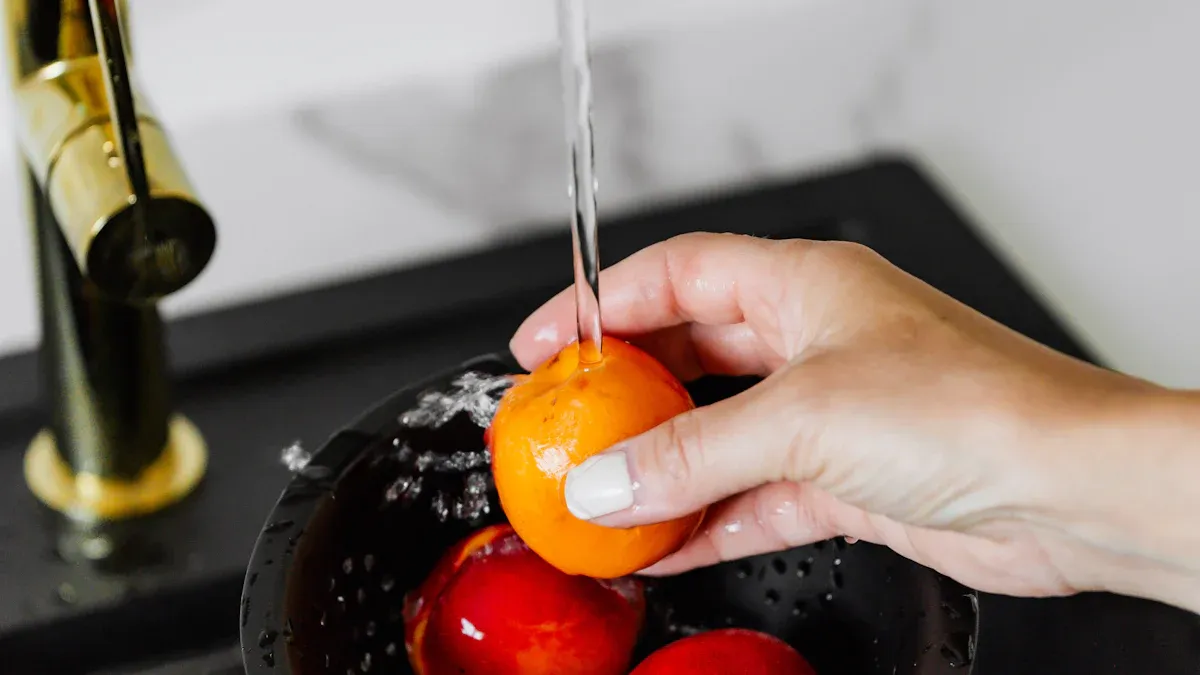
Proper cleaning keeps your copper dispenser beautiful and functional. A simple routine is all you need to maintain its shine and ensure the best quality water. This process is easy and uses common household items.
You will notice your dispenser develops a greenish layer over time. This is a natural patina, also known as verdigris. It forms when copper reacts with air and moisture. The patina's exact makeup depends on the environment. In most homes, it is mainly copper carbonate. This layer is not harmful, but it can change the taste of your water. Regular cleaning removes this patina from the inside of your dispenser.
You should clean the inside of your dispenser about once a week. A natural approach is best because many commercial cleaners are not certified as food-safe.
Mix the juice of one lemon with one tablespoon of salt to create a paste.
Apply the paste to the inside of the dispenser with a soft cloth.
Gently scrub the interior in a circular motion.
Rinse the dispenser thoroughly with clean water until all residue is gone.
Important Tip: Never use abrasive scrubbers like steel wool. These materials will scratch the copper surface. Scratches can ruin the appearance and create places for bacteria to hide.
After rinsing, you must dry your copper water dispenser completely. Any leftover moisture will react with oxygen in the air. This reaction, called oxidation, is what causes tarnish and the green patina to form again quickly. Use a soft, dry cloth to wipe the entire interior. Making sure it is perfectly dry is the key to keeping it looking new for longer.
Taking care of your copper water dispenser ensures it lasts a long time. Proper placement, initial preparation, and regular checks will protect your investment and keep it working perfectly.
Where you place your dispenser matters. Copper is sensitive to its environment, so you should choose a location that protects it from damage. A good spot will keep it looking great and functioning well.
Keep it away from direct sunlight. ☀️
Store it in a cool, dry place.
Avoid placing it near heat sources like stoves or radiators, as high heat can cause discoloration.
A stable countertop in your kitchen or a dedicated stand in your dining area, away from windows, is often the perfect location.
Before you use your dispenser for the first time, you need to prepare it. This simple step ensures it is clean and ready for your drinking water.
First, clean the interior using the lemon and salt paste method described earlier.
Next, rinse it thoroughly with fresh water two or three times. Make sure you remove all the cleaning paste.
Finally, dry the inside completely with a soft cloth. This initial cleaning removes any dust from manufacturing and shipping.
You should inspect your dispenser from time to time for any signs of damage. Catching small issues early can prevent bigger problems like leaks. Look for splits along manufacturing seams, which can sometimes occur from extreme temperature changes. Corrosion can also weaken the metal over time. Regularly check for any slow drips around the spigot or base. A quick visual inspection every few weeks helps you confirm everything is secure and in good condition.
Your final decision should prioritize verified purity and seamless, leak-proof construction. A simple weekly cleaning with lemon and salt is all you need for maintenance. You are now equipped to confidently select a high-quality dispenser and enjoy its health and aesthetic benefits.
You should not put hot water in your dispenser. High heat can release too much copper into the water. This makes the water unsafe for you to drink.
The green layer is a natural patina. It is not harmful. You should clean it off regularly because it can change your water's taste.
You should clean the inside of your dispenser once a week. This simple routine prevents buildup and keeps your water tasting fresh and pure. 🍋

We provide you with comprehensive foreign trade solutions to help enterprises achieve global development
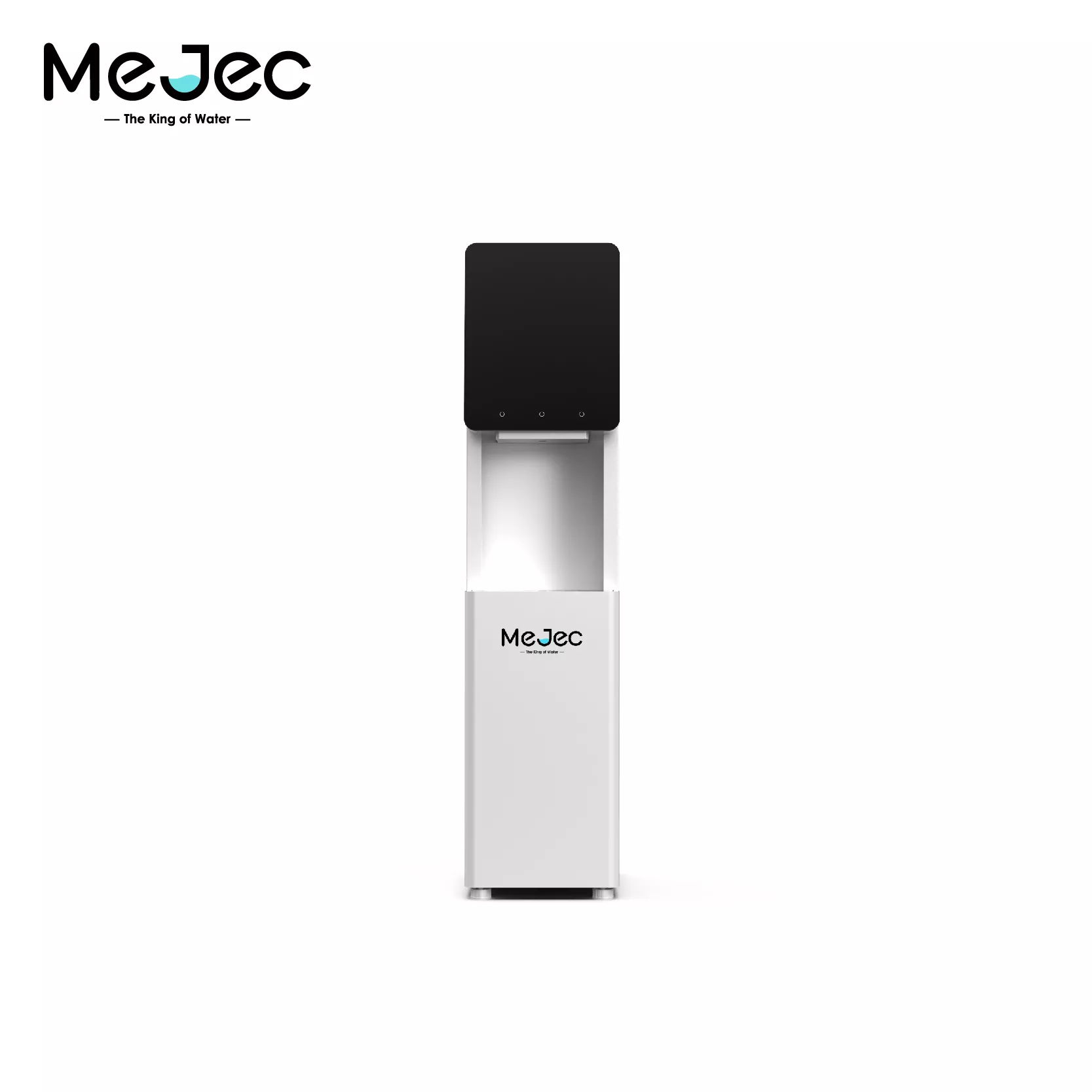
The Mejec commercial drinking machine features a l...
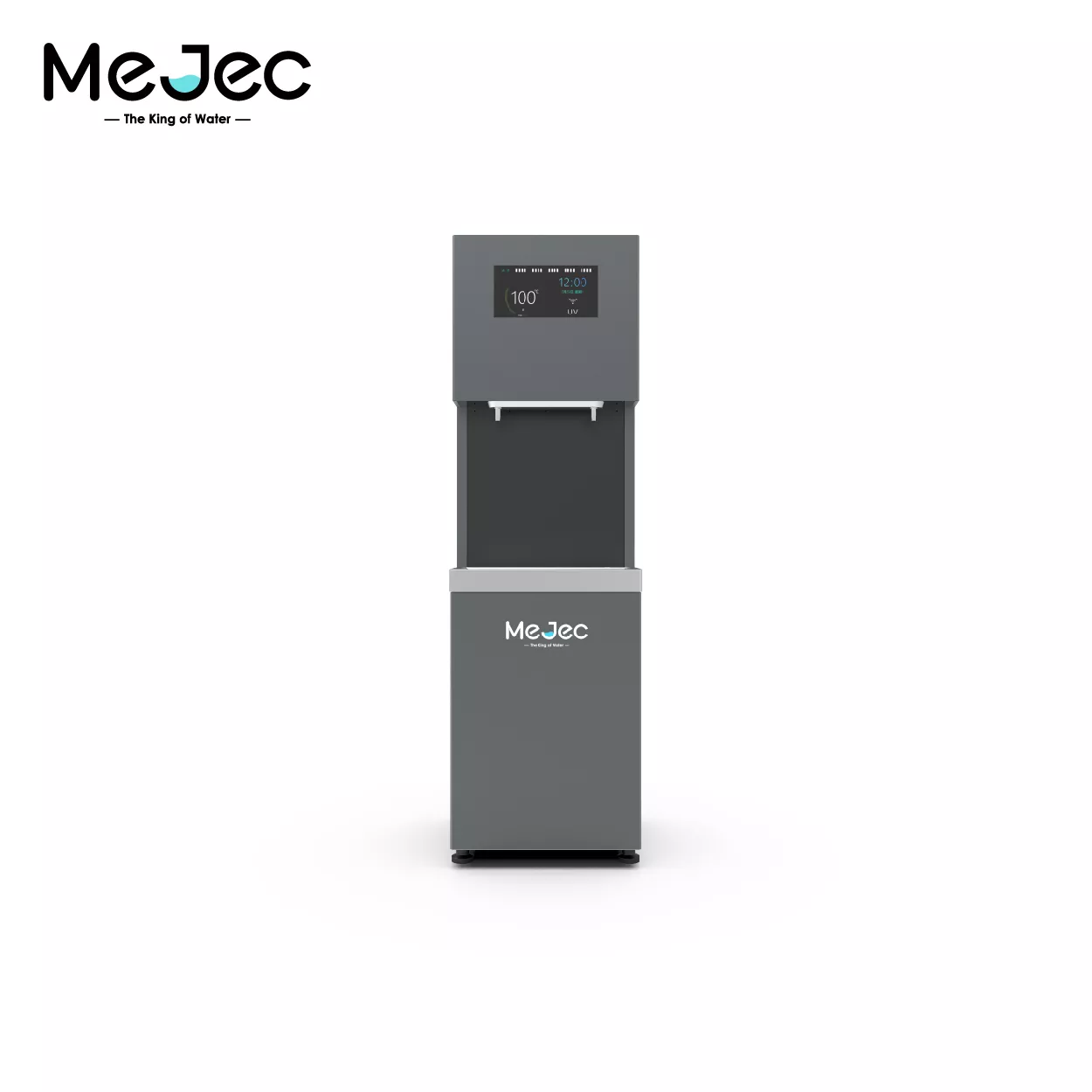
The Mejec commercial energy-saving water dispenser...
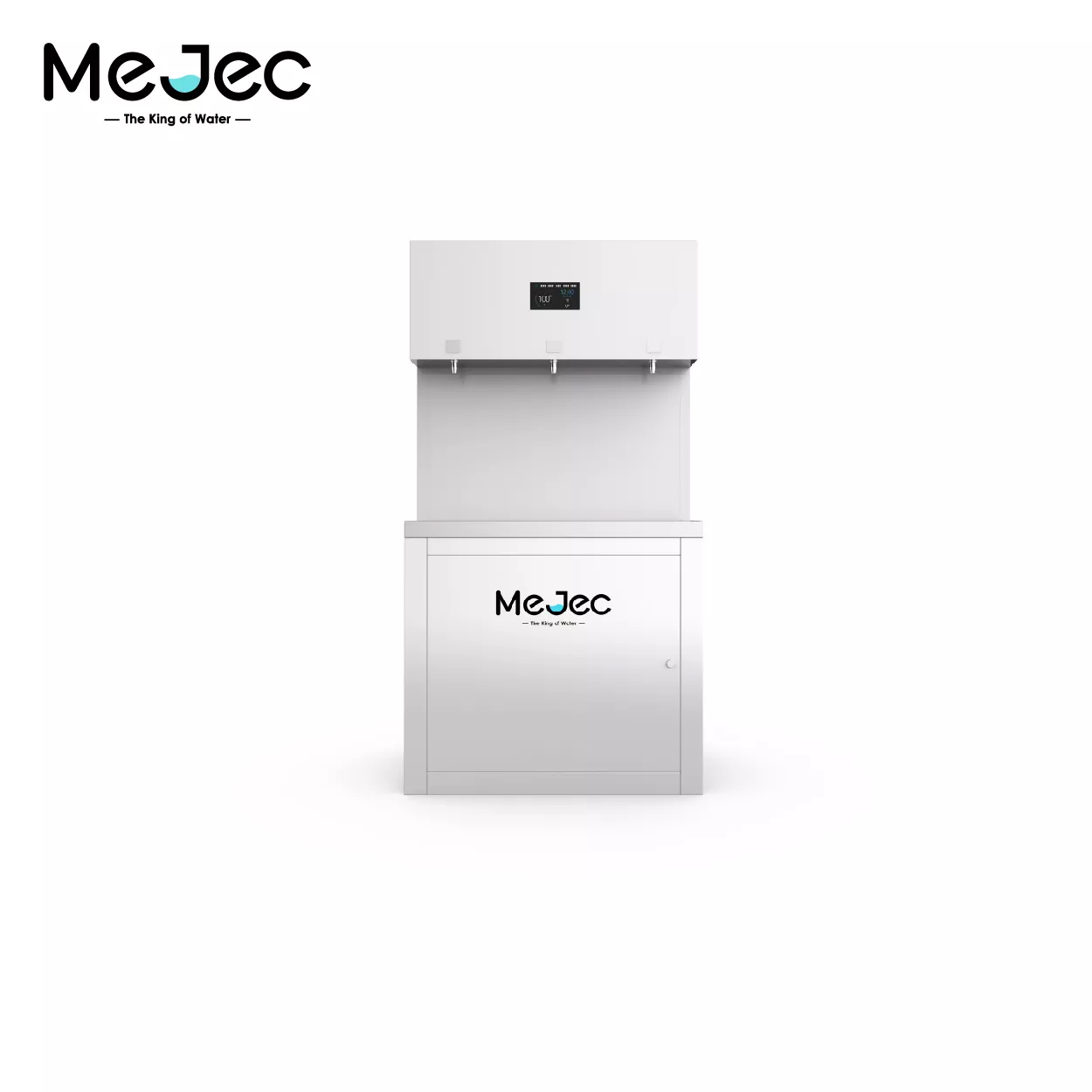
Upgrade your commercial hydration station with our...
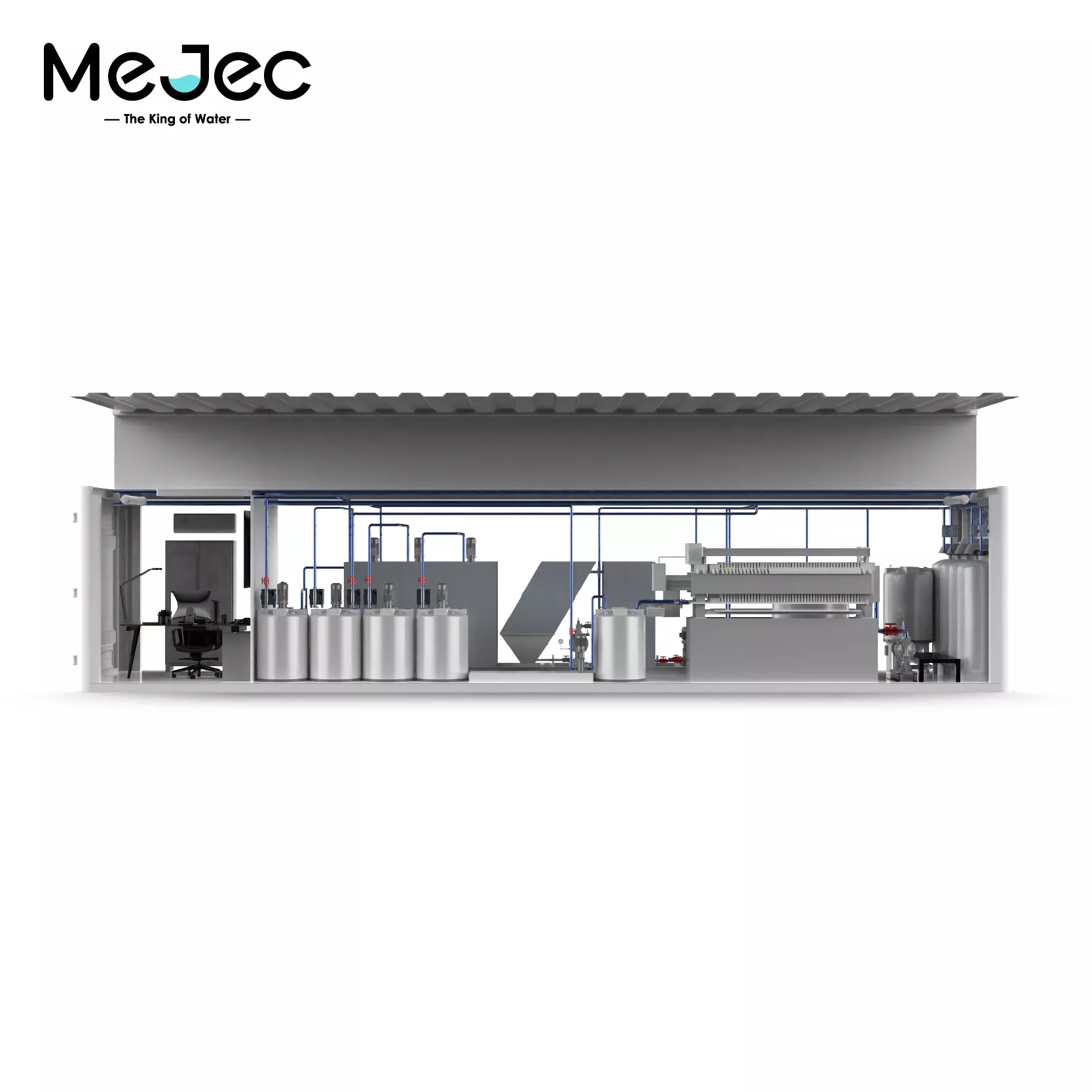
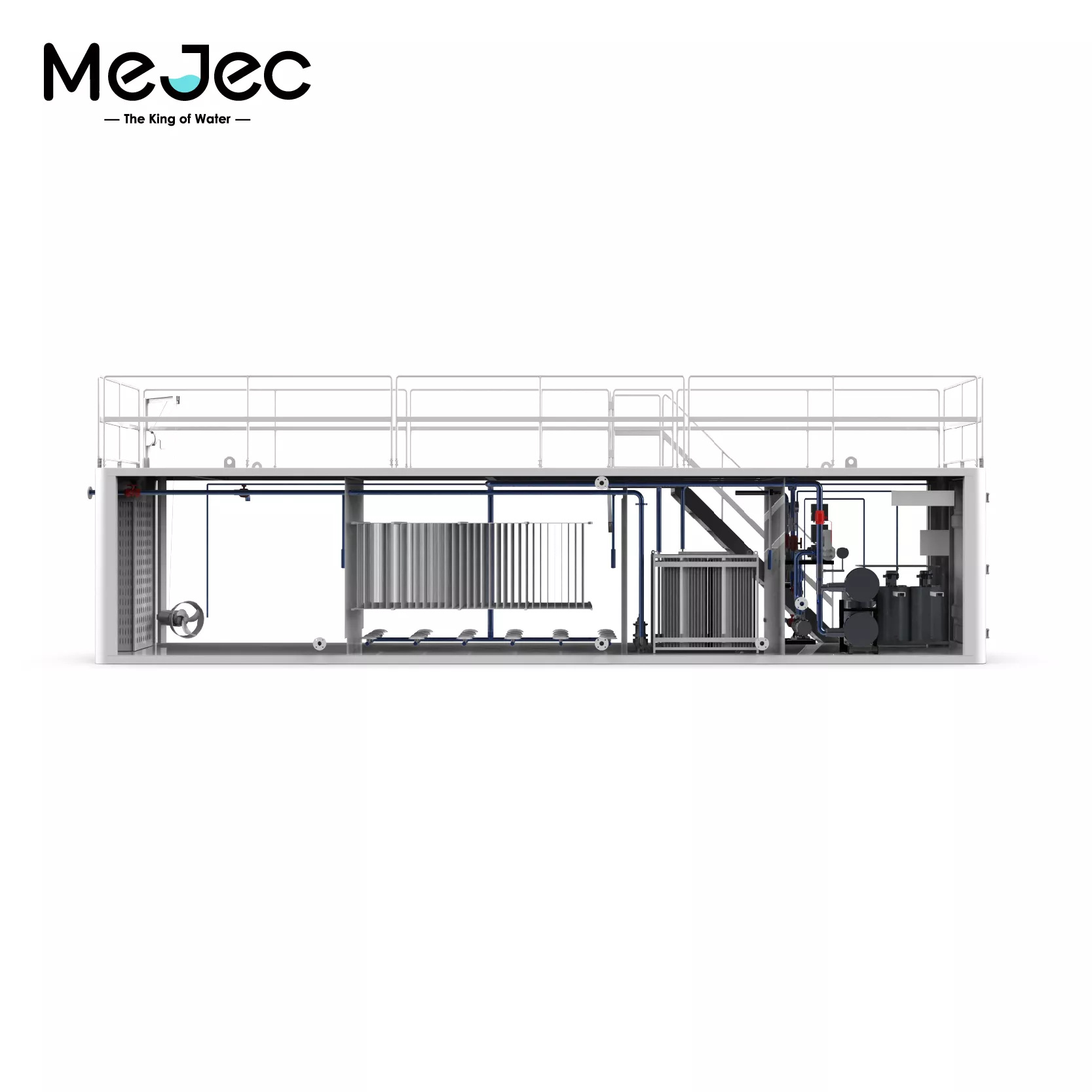
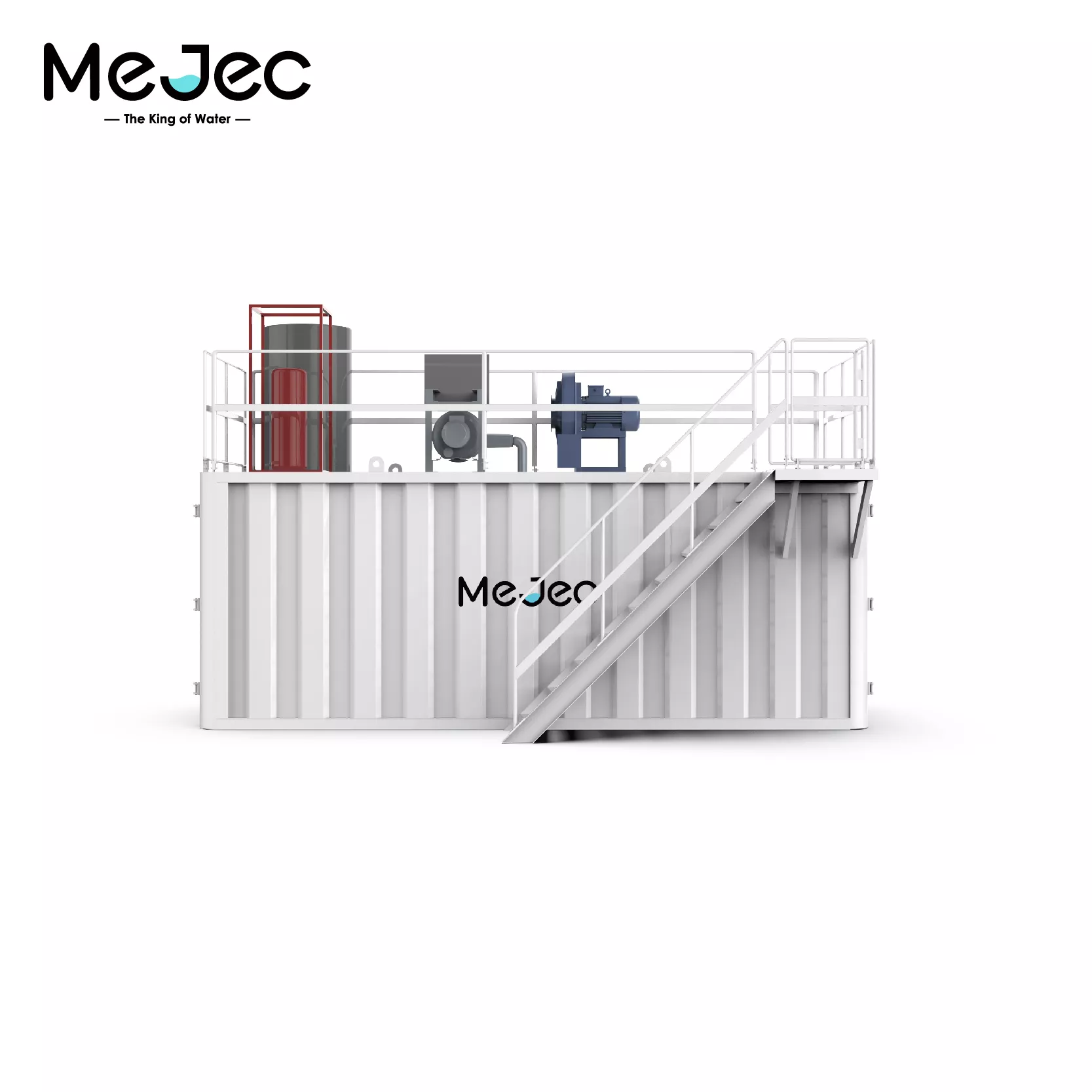
Mejec containerized wastewater treatment system ad...
Select the most popular foreign trade service products to meet your diverse needs
Select the most popular foreign trade service products to meet your diverse needs






User Comments
Service Experience Sharing from Real Customers
James Wilson
Yoga InstructorThis copper water dispenser is fantastic! The water tastes noticeably purer and fresher. It's a beautiful addition to my studio, and my clients often ask about it. Highly recommend for anyone in wellness.
Sarah Chen
Interior DesignerLove the aesthetic and craftsmanship. The copper finish adds a warm, elegant touch to my kitchen. The water does feel better to drink. One point off as the dispenser mechanism could be slightly smoother.
David Rodriguez
Executive ChefAs a chef, water quality is crucial. This dispenser has improved the taste of our drinking water and even the coffee we brew in the restaurant. It's sturdy, hygienic, and looks professional. A great investment.
Emily Foster
Naturopathic DoctorI recommend copper vessels for their Ayurvedic benefits. Having this dispenser in my clinic makes it easy for staff and patients to access water that is naturally alkalized and mineral-rich. It's both functional and therapeutic.