AAO Wastewater Treatment Process
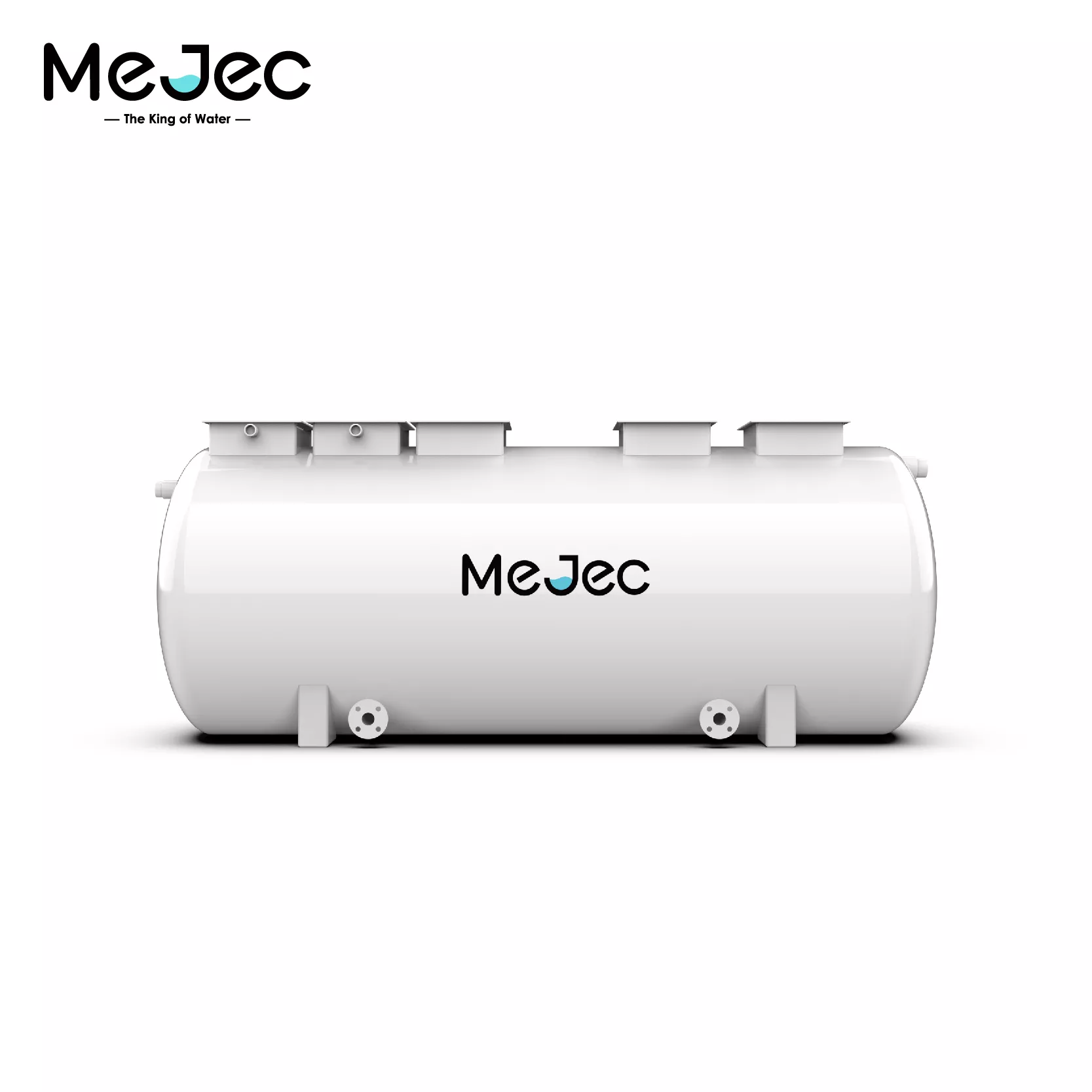
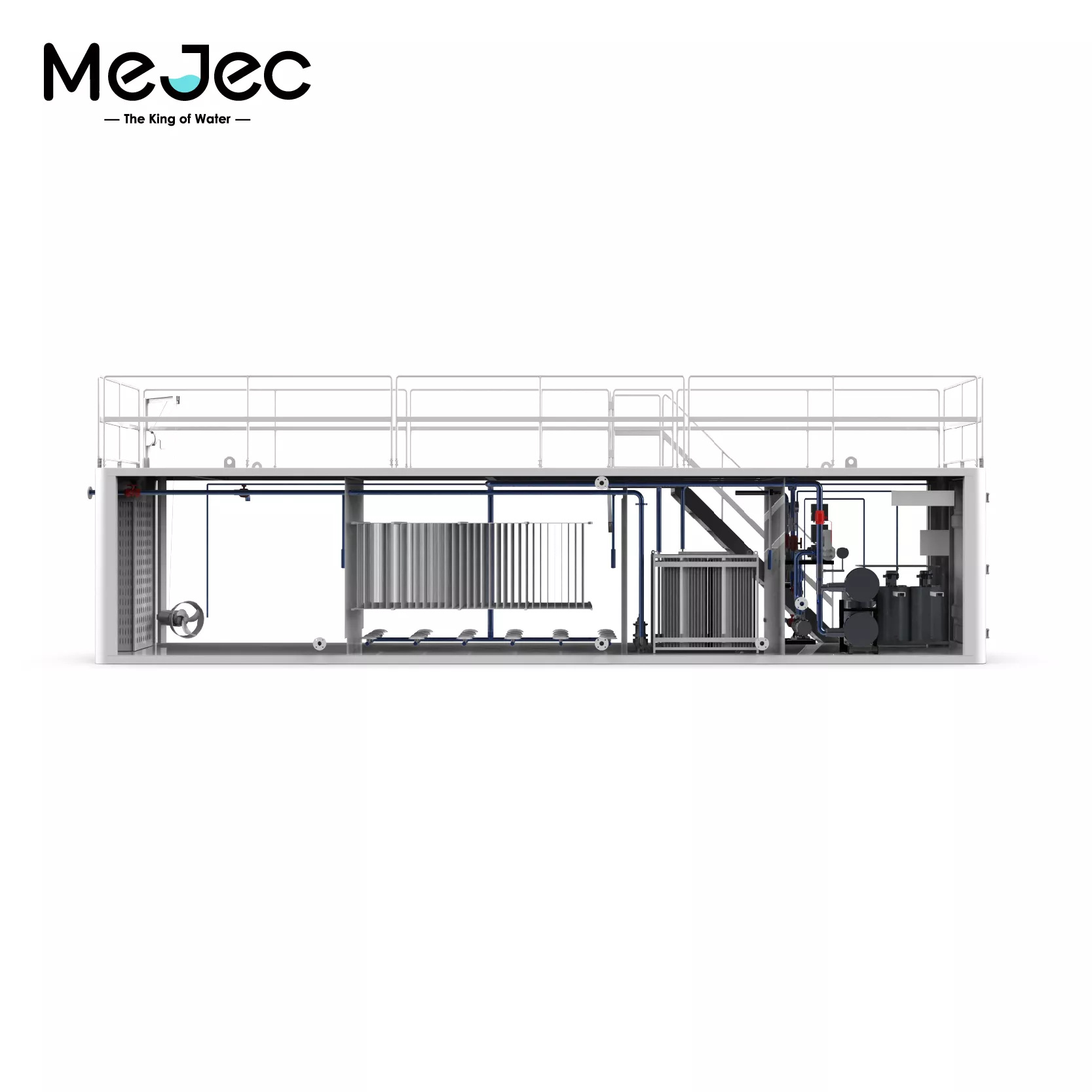
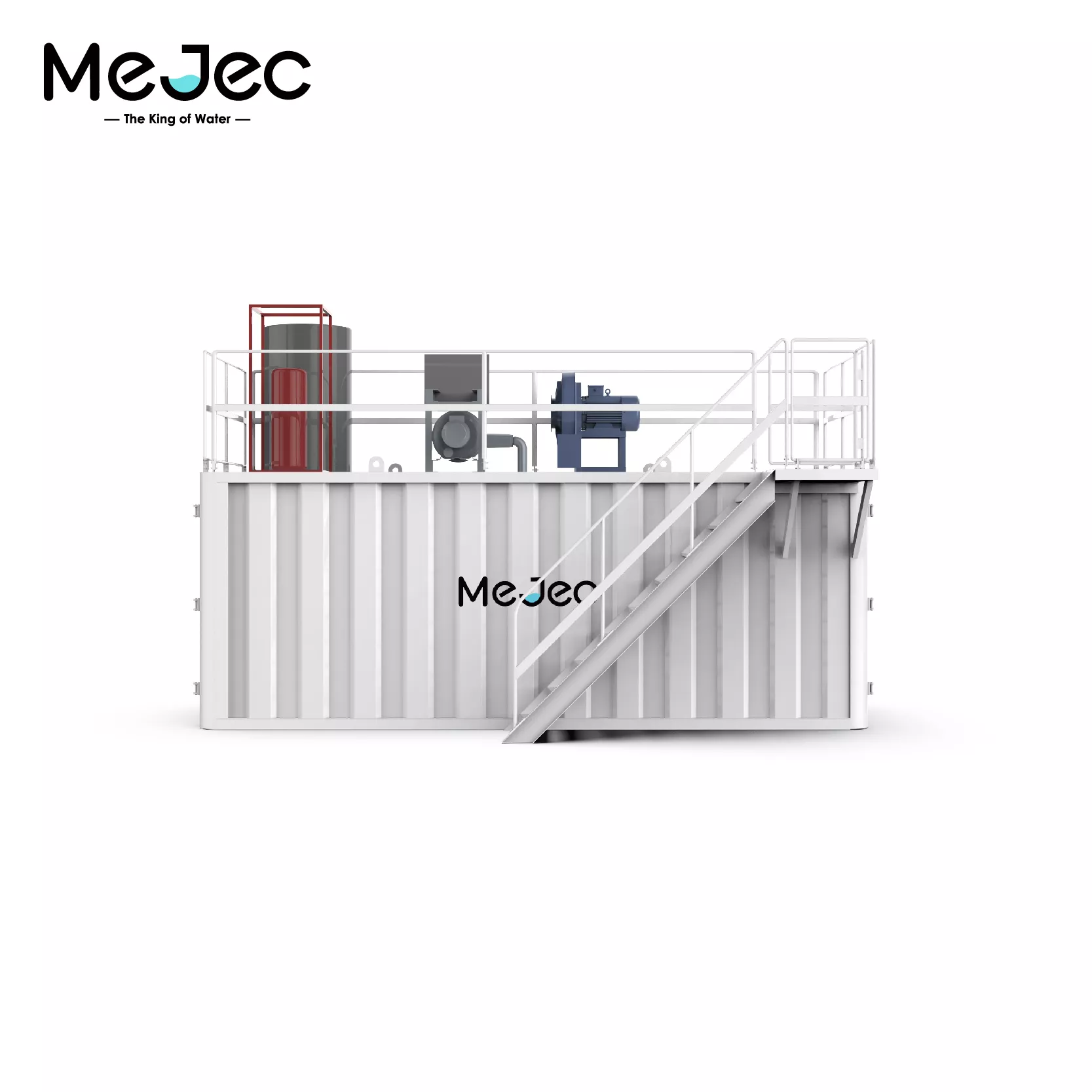
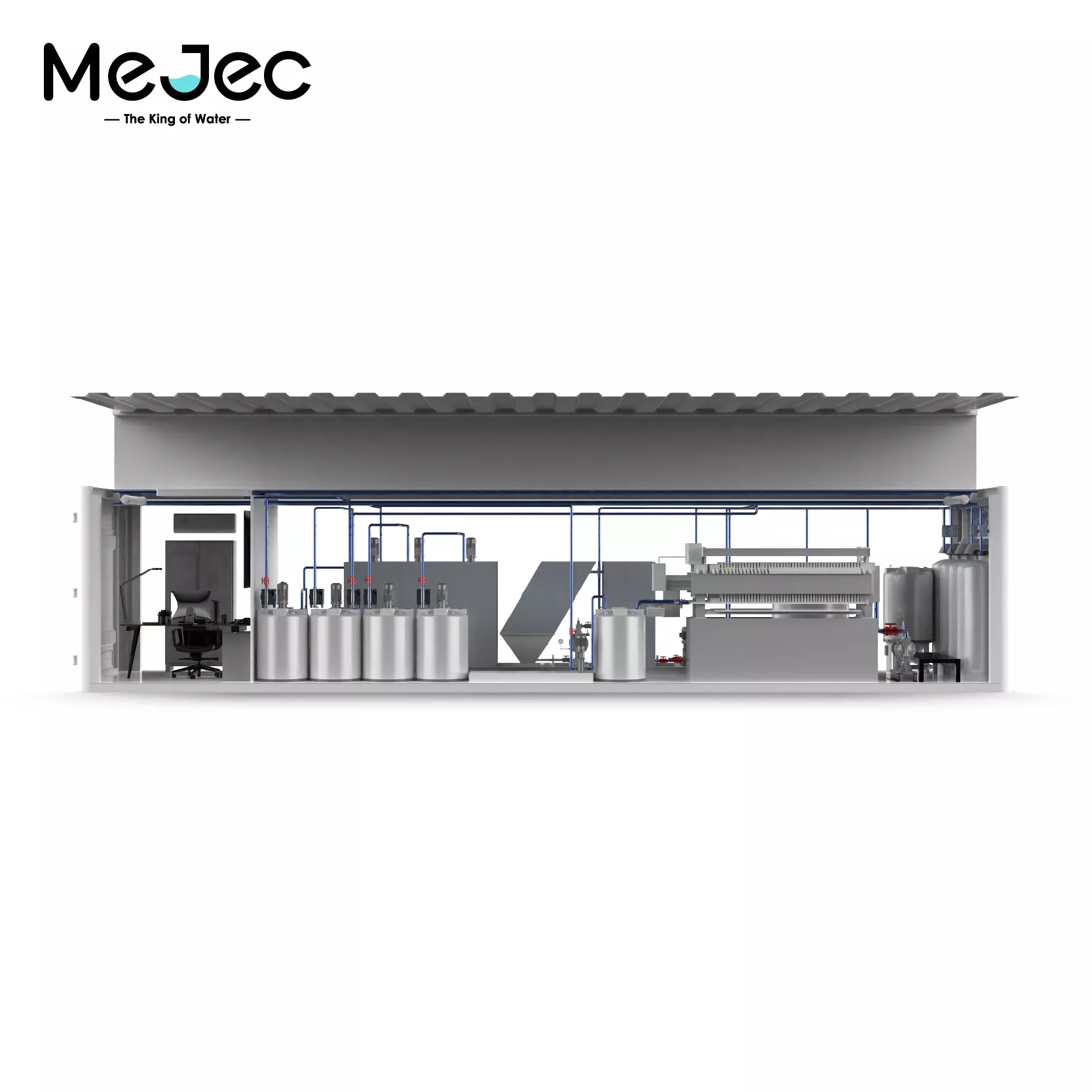
The AAO wastewater treatment process, an acronym for Anaerobic-Anoxic-Oxic, is a highly efficient and widely implemented biological nutrient removal (BNR) technology for municipal and industrial wastewater. This multi-stage system sequentially subjects wastewater to anaerobic, anoxic, and aerobic environments using a series of interconnected tanks or zones. In the anaerobic zone, microorganisms release stored phosphates. The flow then moves to the anoxic zone, where denitrification occurs, converting nitrates into nitrogen gas without the presence of free oxygen. Finally, in the aerobic oxic zone, organic matter is oxidized, ammonia is nitrified into nitrate, and phosphorus uptake by phosphorus-accumulating organisms (PAOs) is enhanced. This configuration allows for the simultaneous and effective removal of organic carbon, nitrogen, and phosphorus in a single sludge system, making it a cornerstone of modern wastewater management for meeting stringent discharge regulations.
The adoption of the AAO process is driven by its proven efficacy and operational advantages, supported by extensive data from full-scale installations worldwide. According to industry case studies and performance reports from environmental agencies, well-operated AAO plants consistently achieve removal efficiencies exceeding 95% for Biochemical Oxygen Demand (BOD) and 85-95% for total nitrogen and total phosphorus. For instance, a study of a large-scale municipal treatment plant in the United States utilizing an AAO configuration documented an average effluent quality of less than 5 mg/L BOD, 3 mg/L total nitrogen, and 0.5 mg/L total phosphorus, far surpassing conventional secondary treatment. The process's robustness is attributed to its flexibility in handling variable influent loads and its relative energy efficiency compared to separate treatment trains for nutrient removal. While the initial capital investment for the tankage and aeration systems is significant, the long-term operational savings from reduced chemical usage for phosphorus precipitation and sludge handling are substantial. Data from operational cost analyses indicate that AAO plants can reduce chemical precipitation costs by 40-60% compared to non-biological phosphorus removal methods. Furthermore, the process produces a more stabilized biosolid, potentially reducing disposal costs. Its modular design also allows for retrofitting into existing activated sludge infrastructures, a common upgrade path for facilities facing new nutrient limits. The key to optimal performance lies in precise control of the internal mixed liquor recirculation (MLR) and return activated sludge (RAS) rates, which are critical for recycling nitrates to the anoxic zone. Modern implementations often integrate advanced sensors and real-time control systems to automate these flows, maximizing nutrient removal and minimizing energy consumption. As environmental regulations for nutrient discharge become increasingly strict globally, the AAO process remains a dominant, data-backed solution for municipalities and industries seeking reliable, cost-effective, and high-performance wastewater treatment to protect receiving water bodies from eutrophication.




.webp)










User Comments
Service Experience Sharing from Real Customers
Michael Chen
Wastewater Plant ManagerThe AAO process has been a game-changer for our municipal plant. The enhanced biological phosphorus removal and nitrogen reduction have consistently helped us exceed discharge permits. The system is robust and relatively easy to manage.
Sarah Johnson
Environmental EngineerImplementing the AAO process for our food processing client significantly improved effluent quality and reduced operational costs. The anaerobic-anoxic-aerobic stages work seamlessly for high-strength organic wastewater. A highly effective solution.
David Rodriguez
Process SpecialistOutstanding technology for nutrient-sensitive watersheds. The AAO system we installed last year provides exceptional and stable removal of BOD, nitrogen, and phosphorus. It's a sophisticated yet reliable process that delivers on its promises.
Jennifer Park
Facilities DirectorOur pharmaceutical manufacturing site required advanced nutrient removal. The AAO treatment process has been highly effective in handling variable loads and complex organics. It requires skilled operation but the performance results are excellent.