Aerobic Sewage Treatment Plant
Aerobic Sewage Treatment Plant
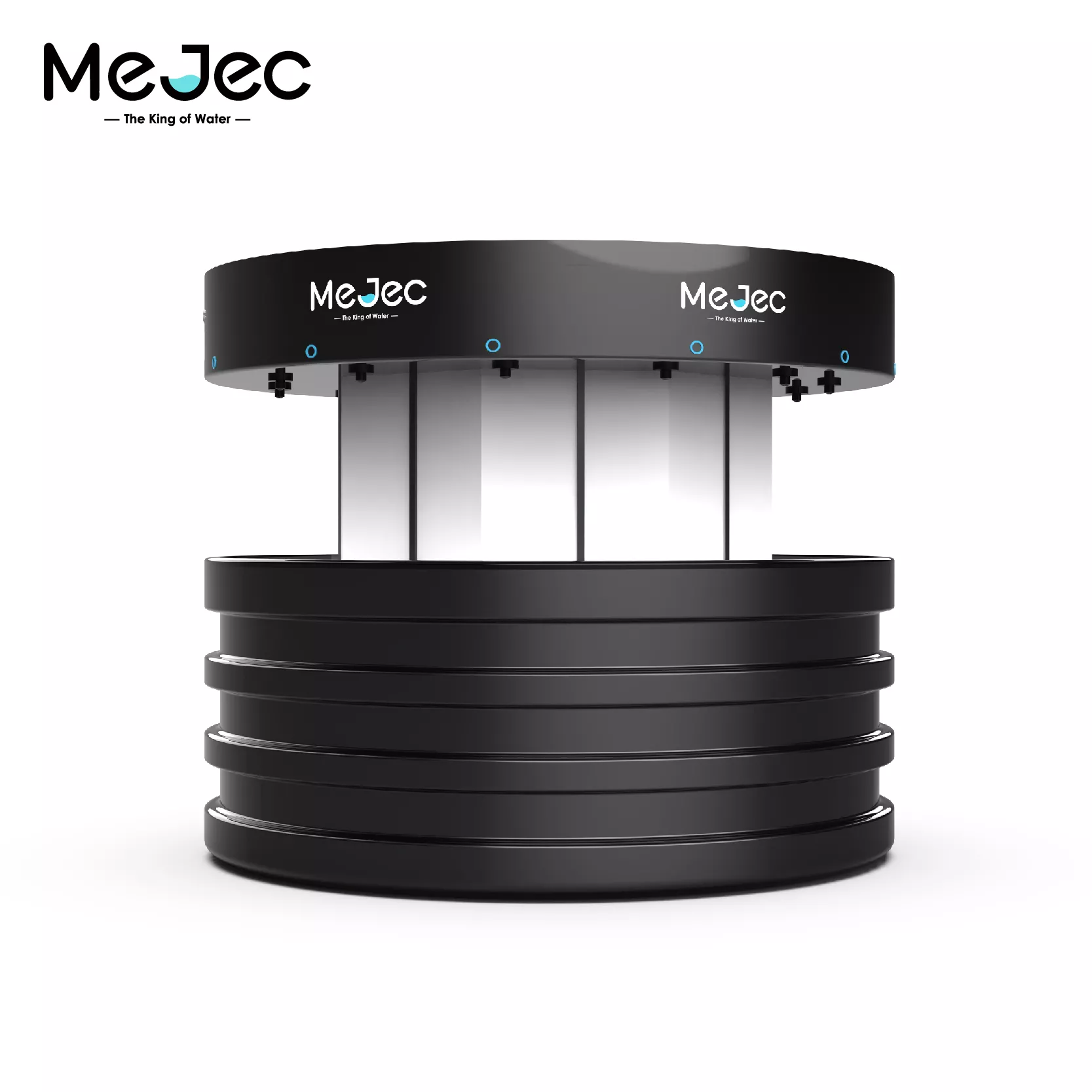
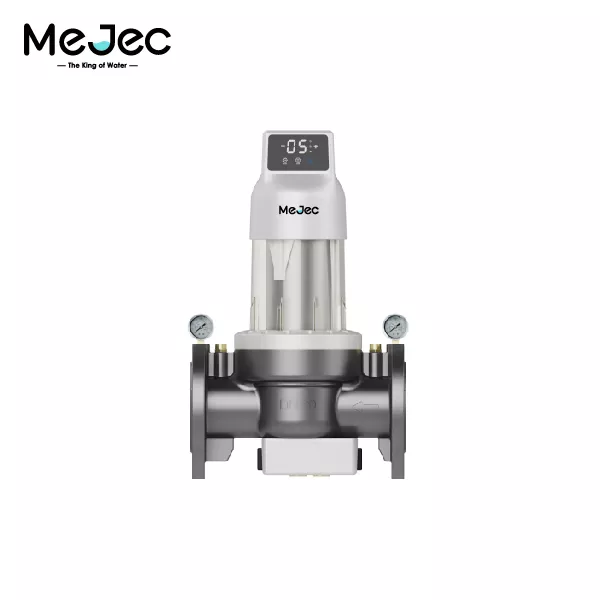
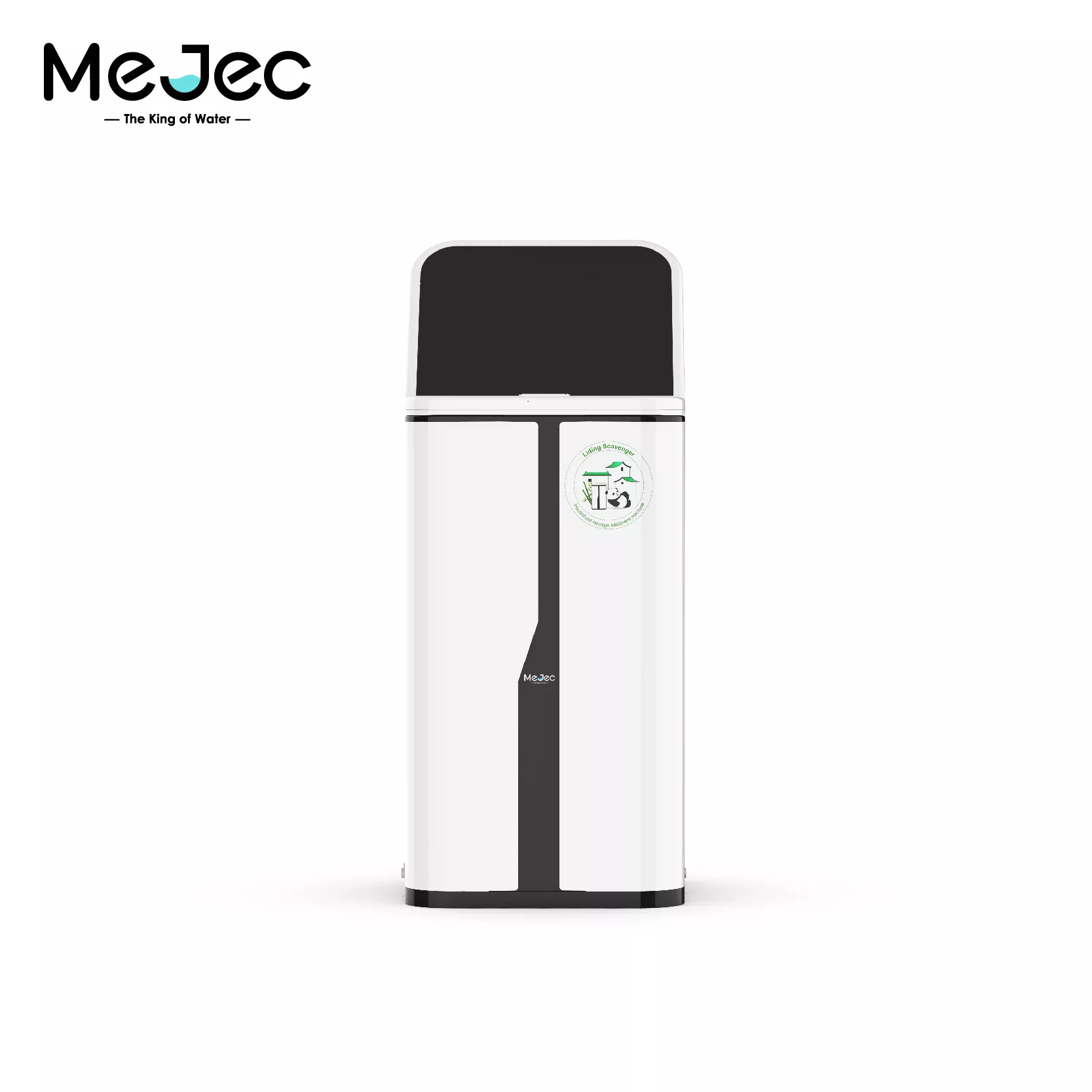
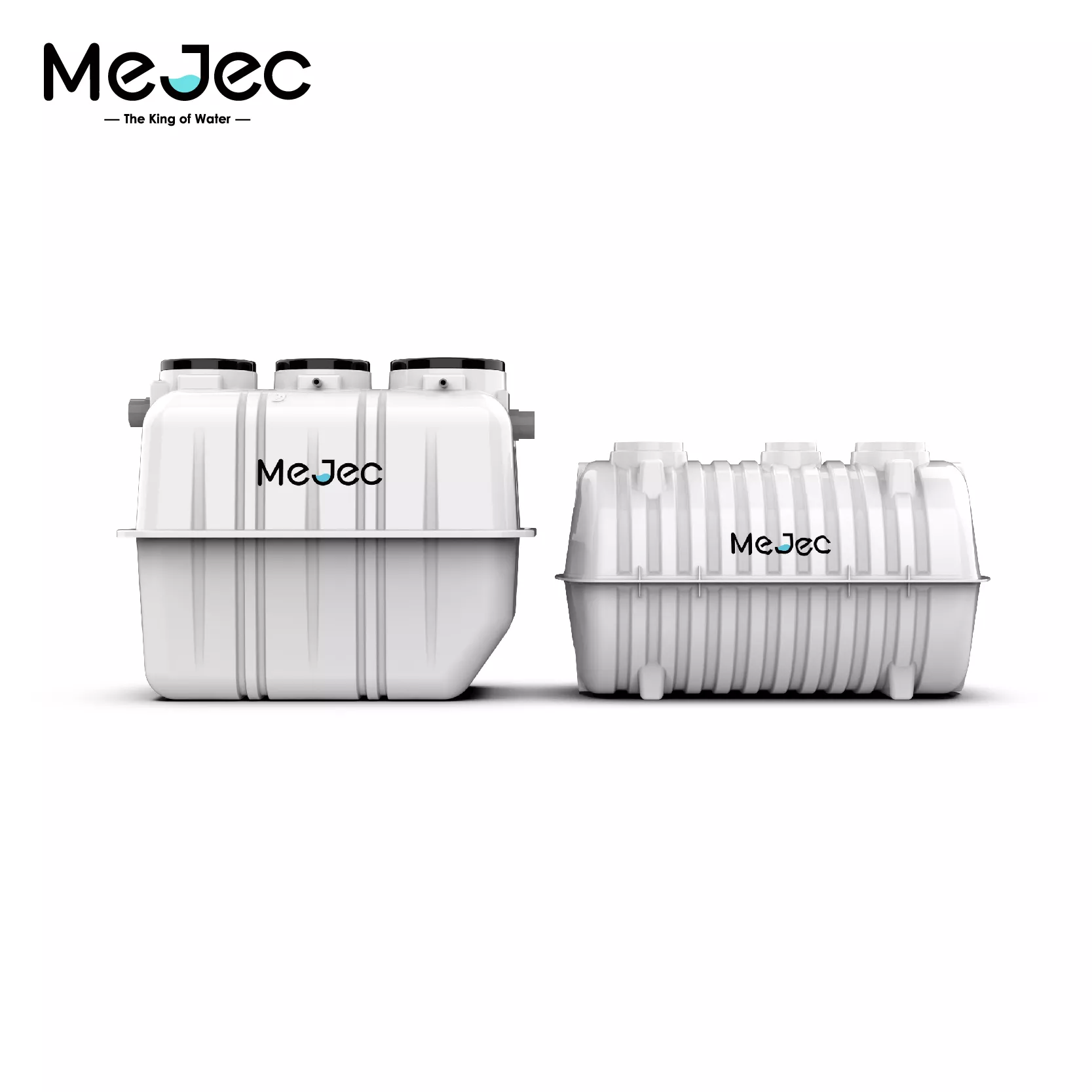
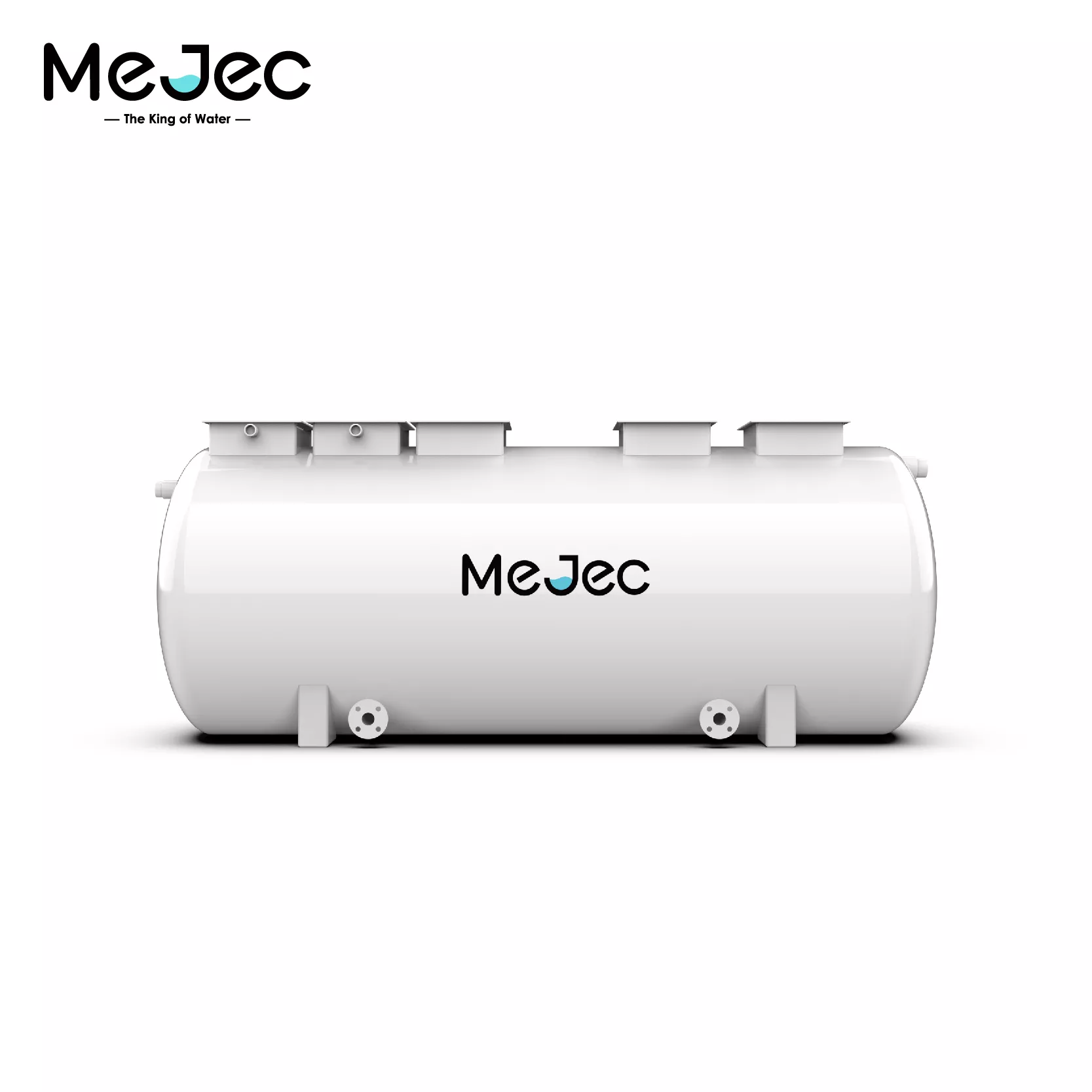
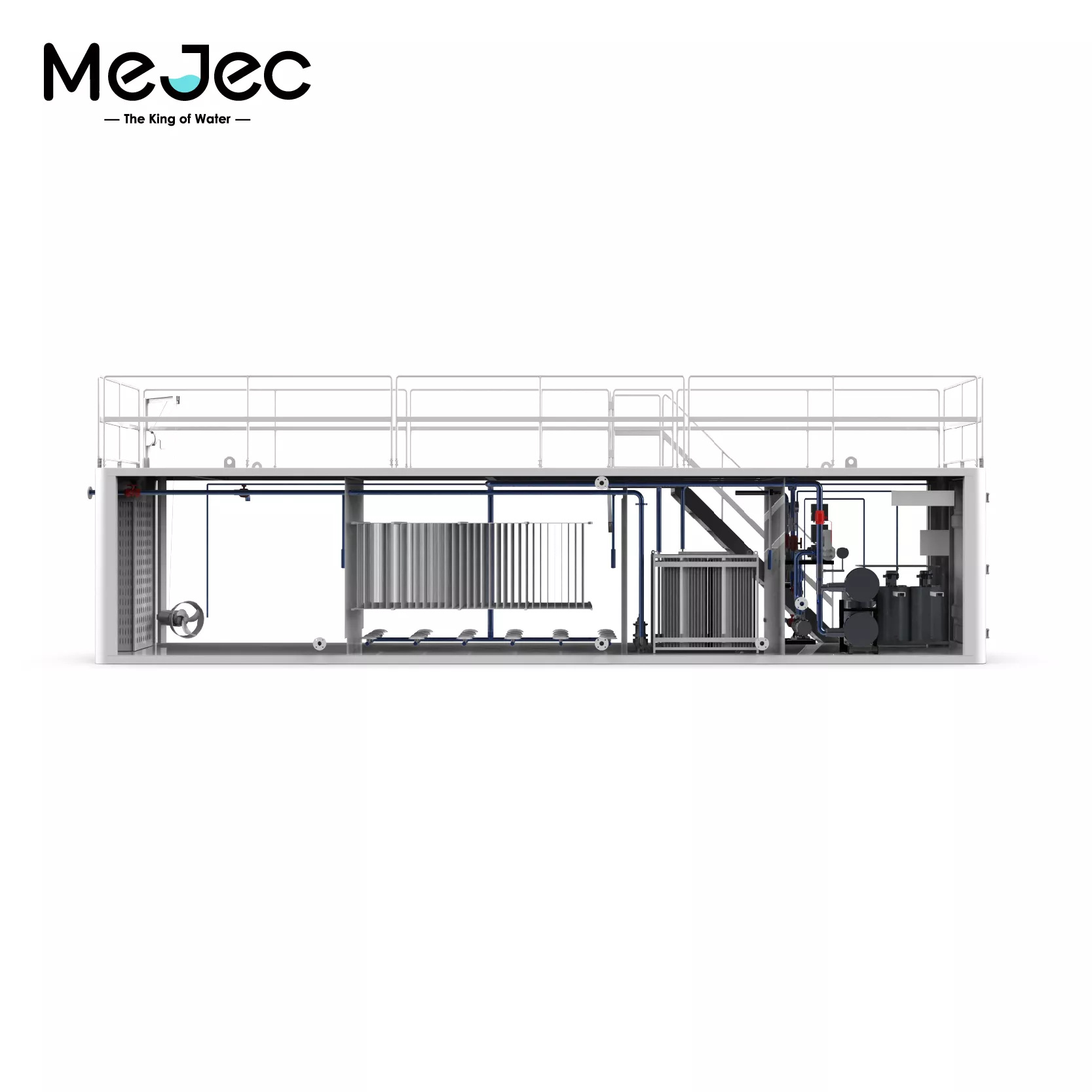
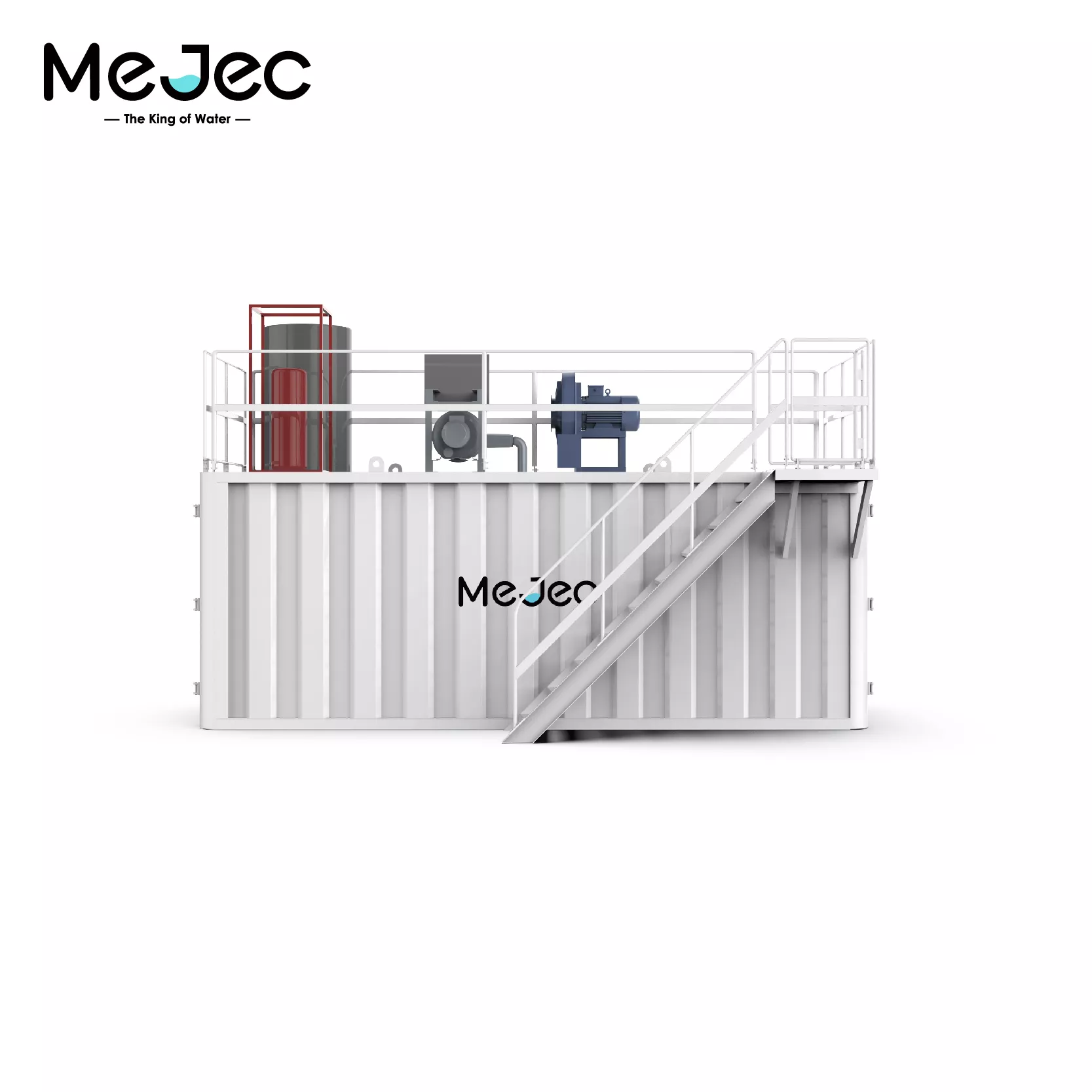
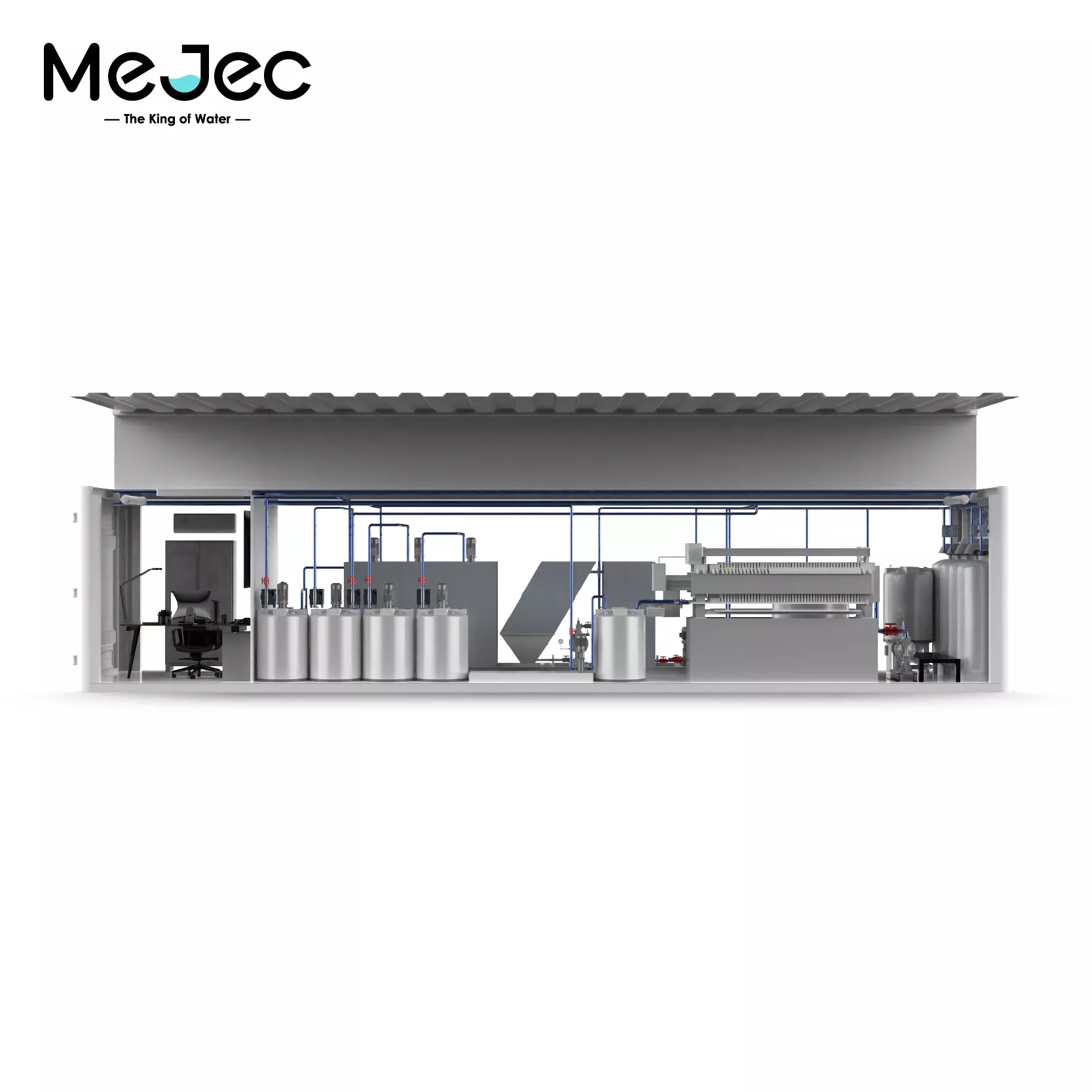
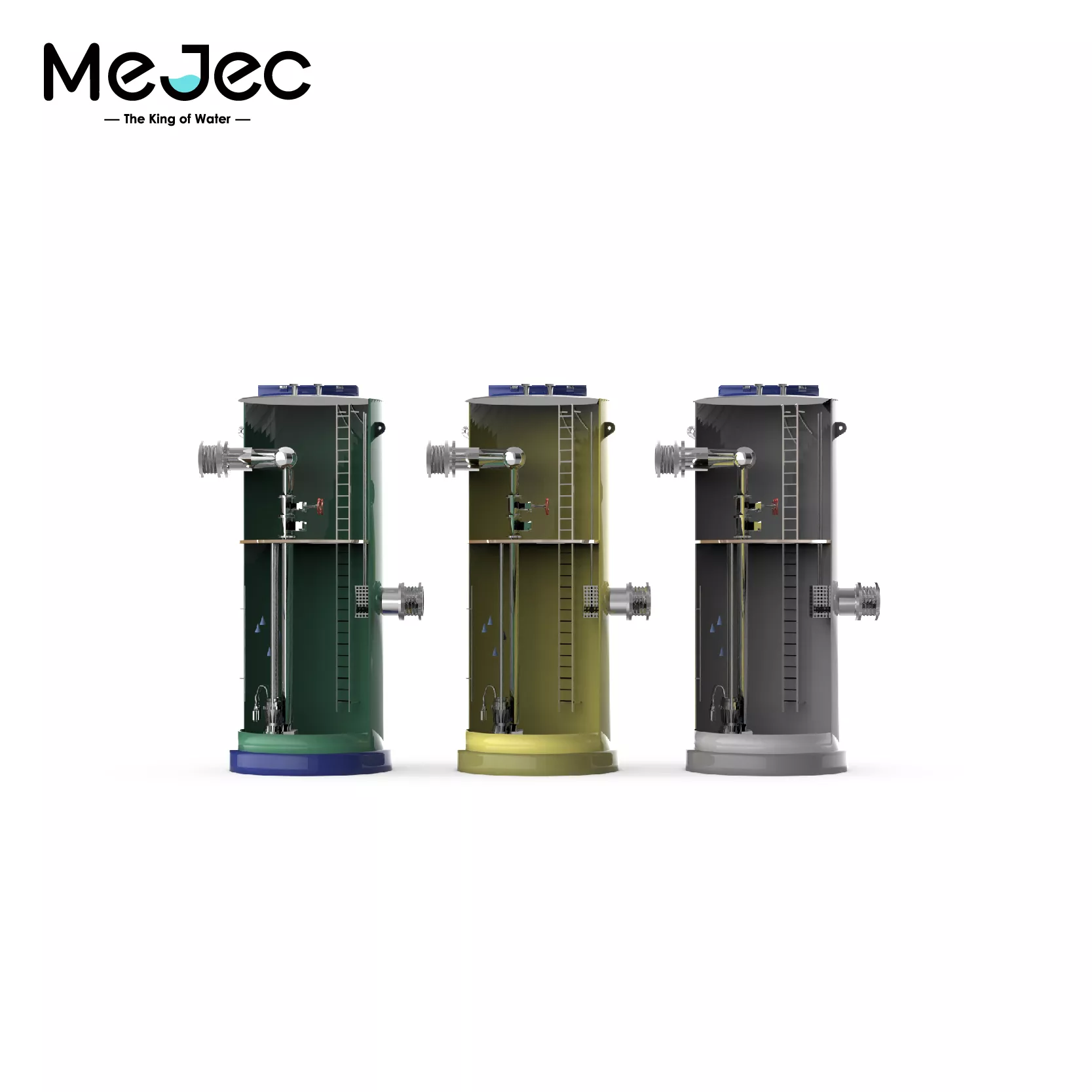
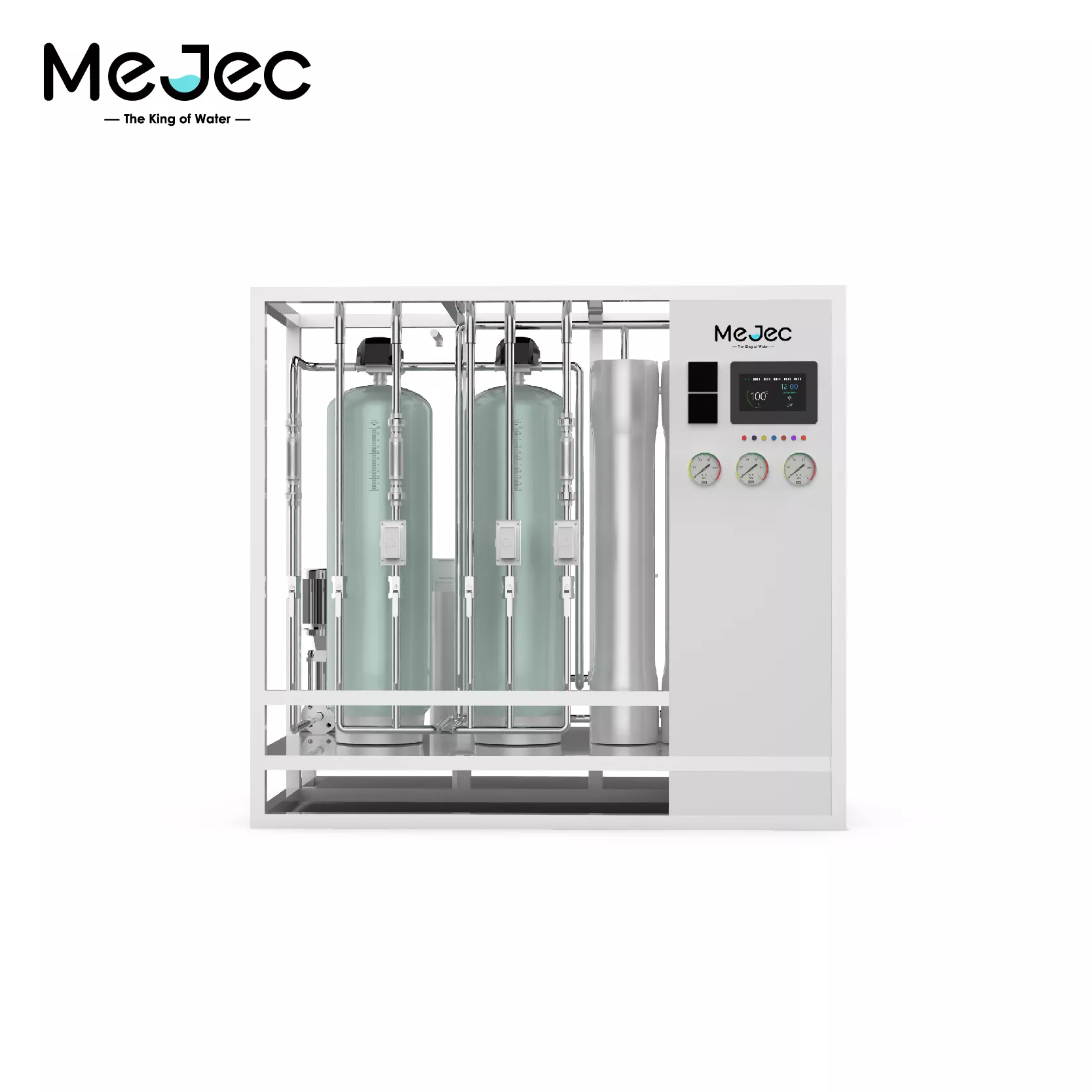
An aerobic sewage treatment plant is a highly efficient biological wastewater processing system that utilizes oxygen-dependent microorganisms to break down organic pollutants. This process fundamentally accelerates the decomposition of sewage compared to anaerobic methods, resulting in a significantly higher quality of effluent. Modern packaged aerobic treatment units (ATUs) are engineered for consistent performance, typically achieving removal rates of 90-98% for biochemical oxygen demand (BOD) and total suspended solids (TSS), which often meets stringent regulatory standards for discharge or reuse. The core mechanism involves actively introducing air into the treatment chamber, fostering an environment where aerobic bacteria and protozoa thrive. These microorganisms metabolize organic matter, converting it into carbon dioxide, water, and new microbial cell mass. This controlled aerobic digestion is notably effective at reducing pathogens and eliminating unpleasant odors commonly associated with wastewater, making it a preferred solution for residential communities, commercial establishments, and small municipalities where reliable, odor-free treatment is paramount.
The operational superiority of aerobic systems is backed by extensive field data and environmental engineering studies. For instance, according to performance summaries aggregated from various state environmental agencies, certified aerobic treatment systems consistently produce effluent with BOD and TSS concentrations frequently below 10 mg/L, far surpassing the typical 30/30 standard. This high-quality output is crucial for subsurface irrigation or surface discharge under National Pollutant Discharge Elimination System (NPDES) permits. Furthermore, aerobic processes are particularly effective at nitrification, the conversion of ammonia into nitrate. Data from the U.S. Environmental Protection Agency's (EPA) wastewater technology fact sheets indicate that well-maintained aerobic plants can achieve ammonia-nitrogen reductions exceeding 95%, directly addressing concerns over nutrient pollution in sensitive watersheds. For remote or challenging sites where connection to a central sewer is impractical, aerobic treatment plants offer a robust, compact, and reliable alternative. Their design allows for flexibility in handling variable loadings, and when paired with final disinfection (such as UV or chlorine), they can produce effluent suitable for non-potable reuse applications, aligning with growing water conservation initiatives. Regular maintenance, including sludge removal and air pump servicing, is essential to sustain these high performance metrics and ensure long-term system viability and compliance.







.webp)





User Comments
Service Experience Sharing from Real Customers
Michael Rodriguez
Environmental EngineerThe efficiency and reliability of this aerobic treatment plant are outstanding. It has consistently met our stringent discharge standards with minimal maintenance. A game-changer for our municipal wastewater management.
Sarah Chen
Plant Operations ManagerHighly effective system for organic load reduction. The aeration process is energy-efficient and the automated controls simplify daily operations. It has significantly improved our plant's performance and compliance.
David Park
Sustainability ConsultantImplemented this aerobic treatment solution for a food processing client. The results exceeded expectations—excellent BOD/COD removal, robust design, and exceptional technical support from the supplier. Highly recommended.
Jessica Williams
Facility DirectorAs the director of a resort complex, installing this compact aerobic plant solved our remote sewage treatment challenges. It's odor-free, reliable, and handles variable loads perfectly. Customer service was also top-notch.