Biological Sewage Treatment Plant
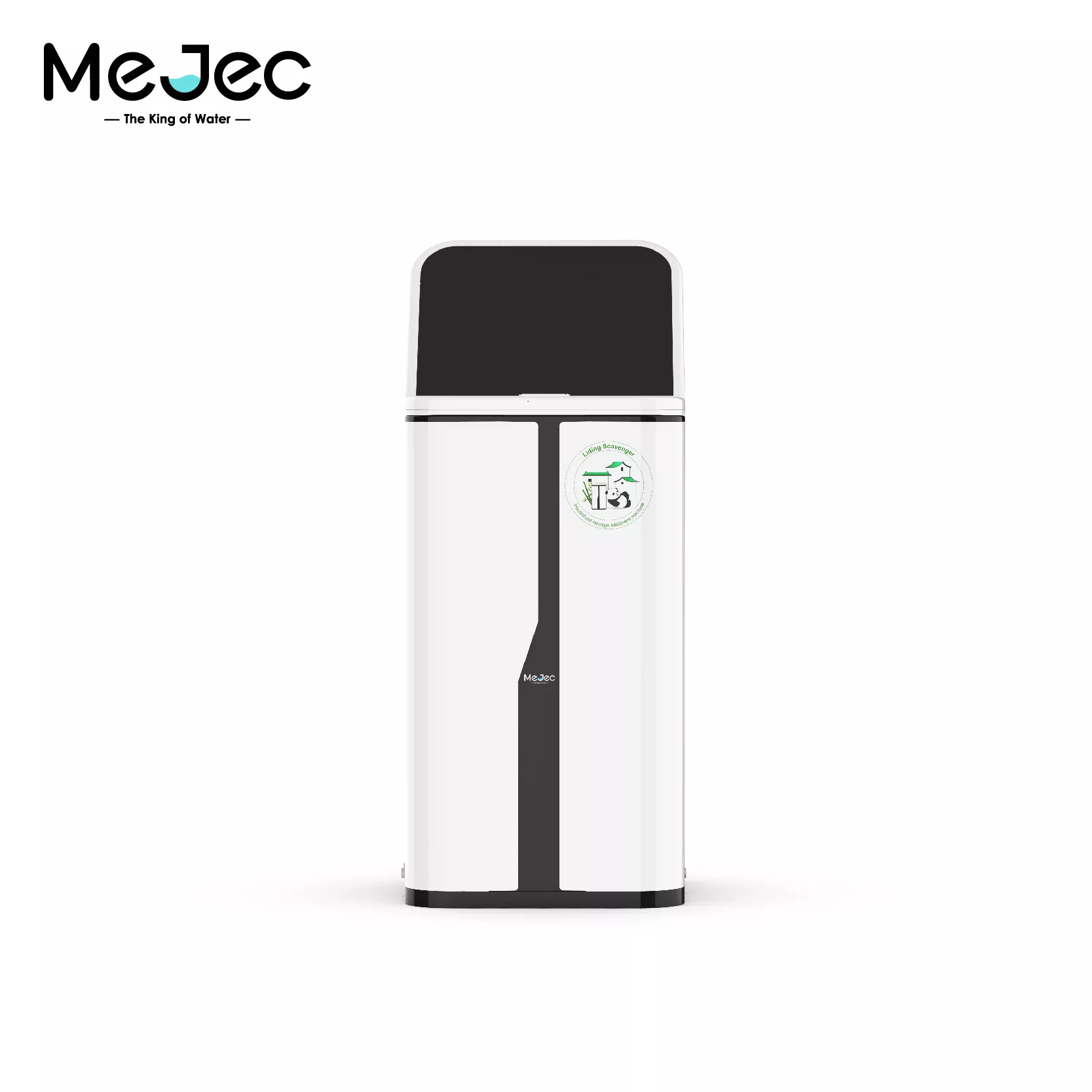
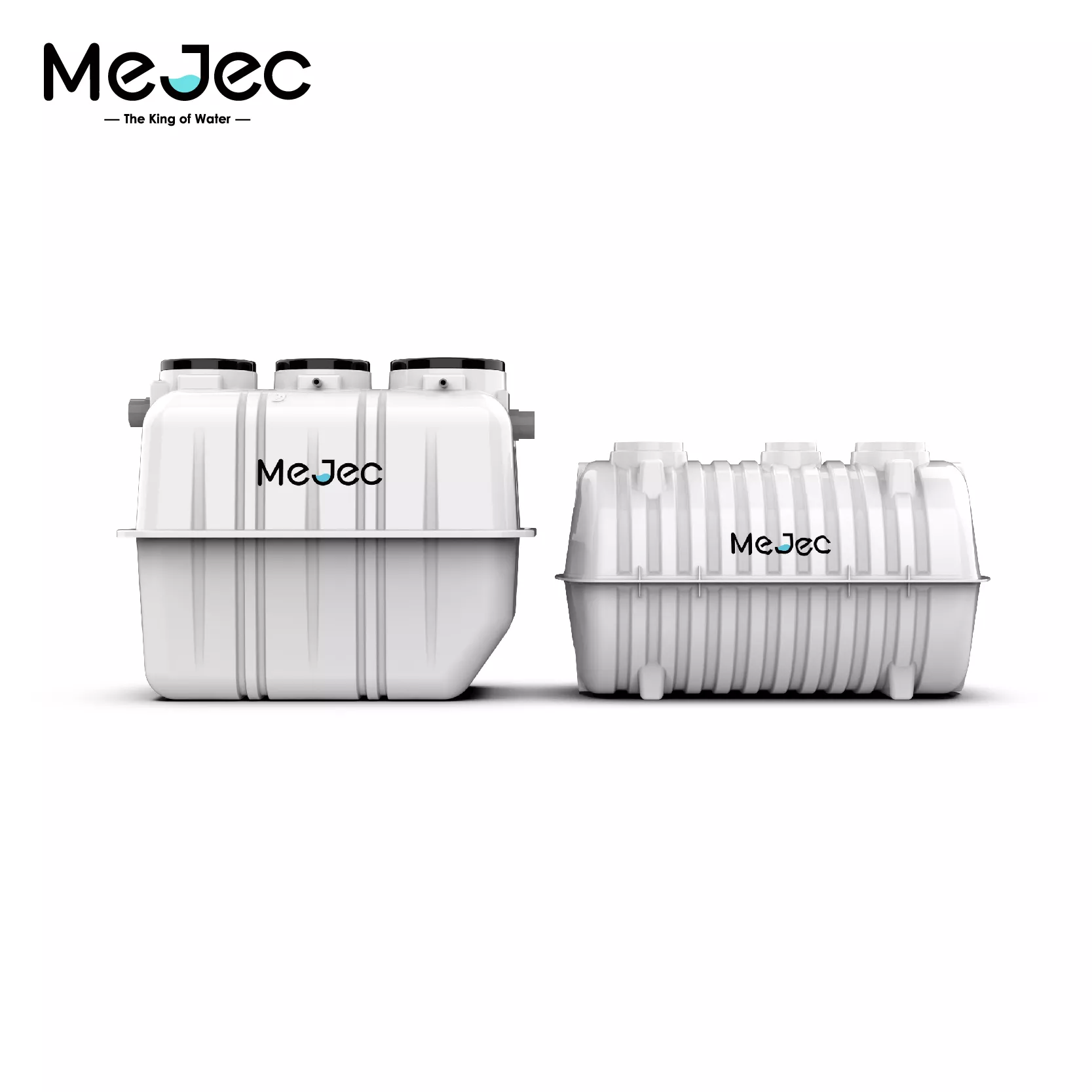
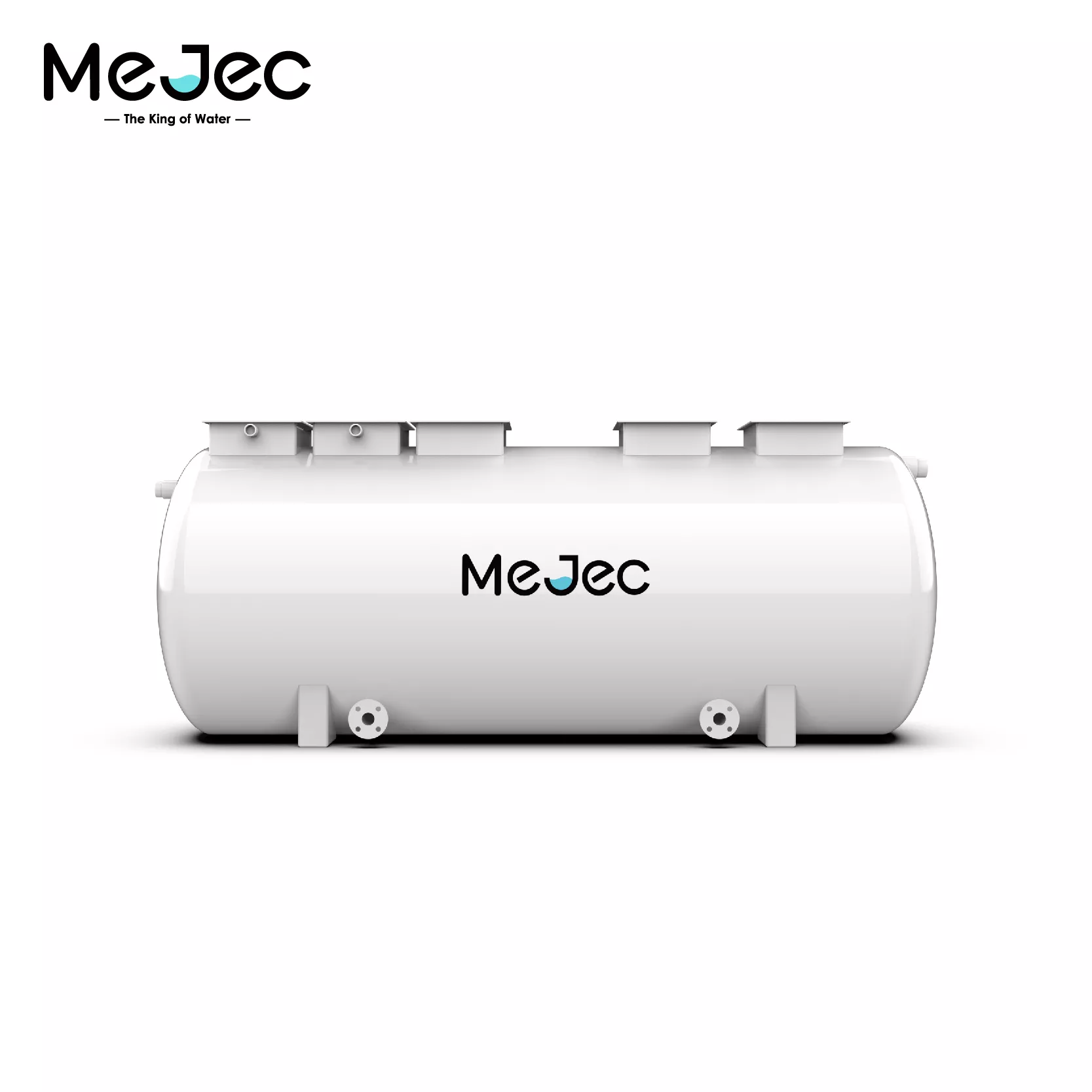
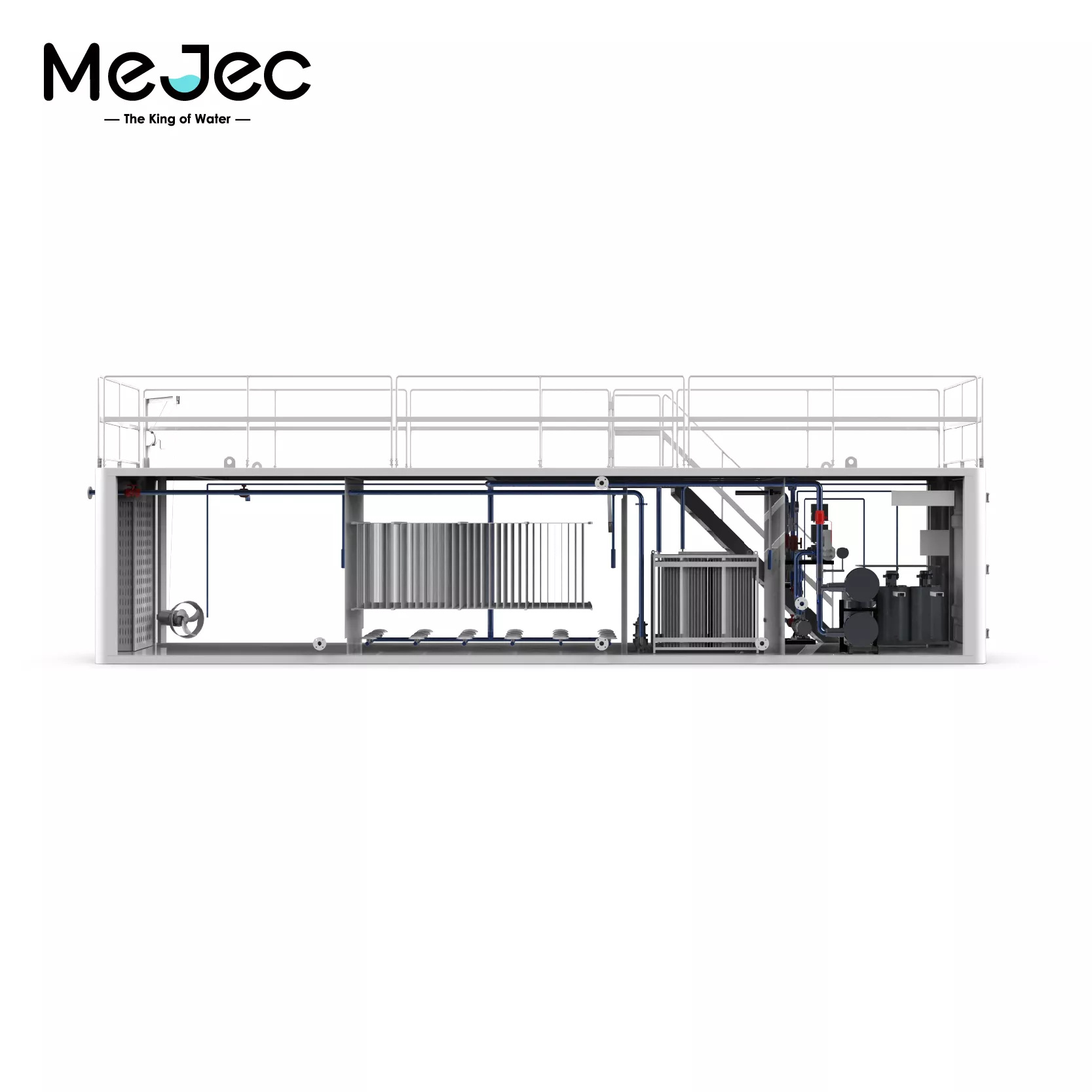
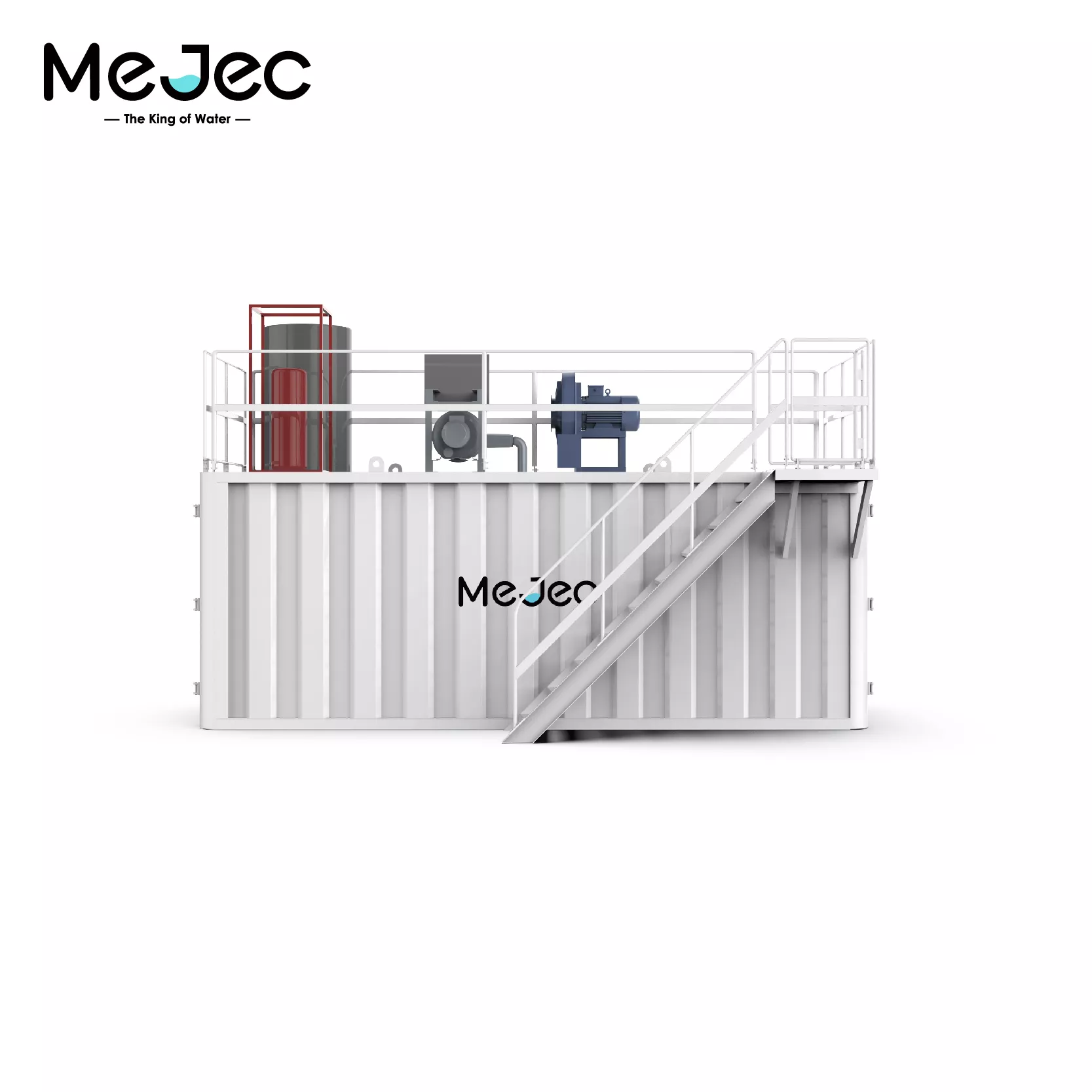
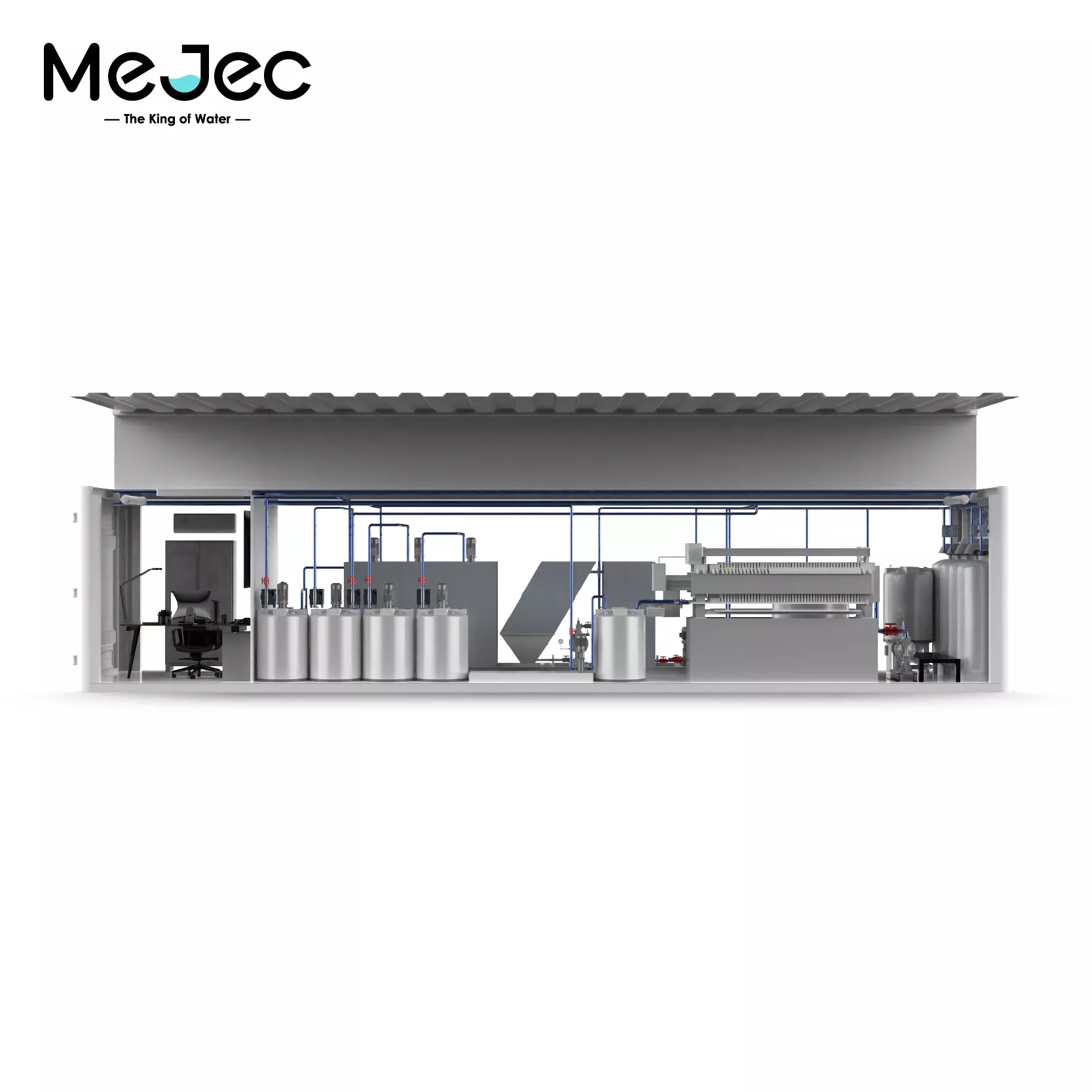
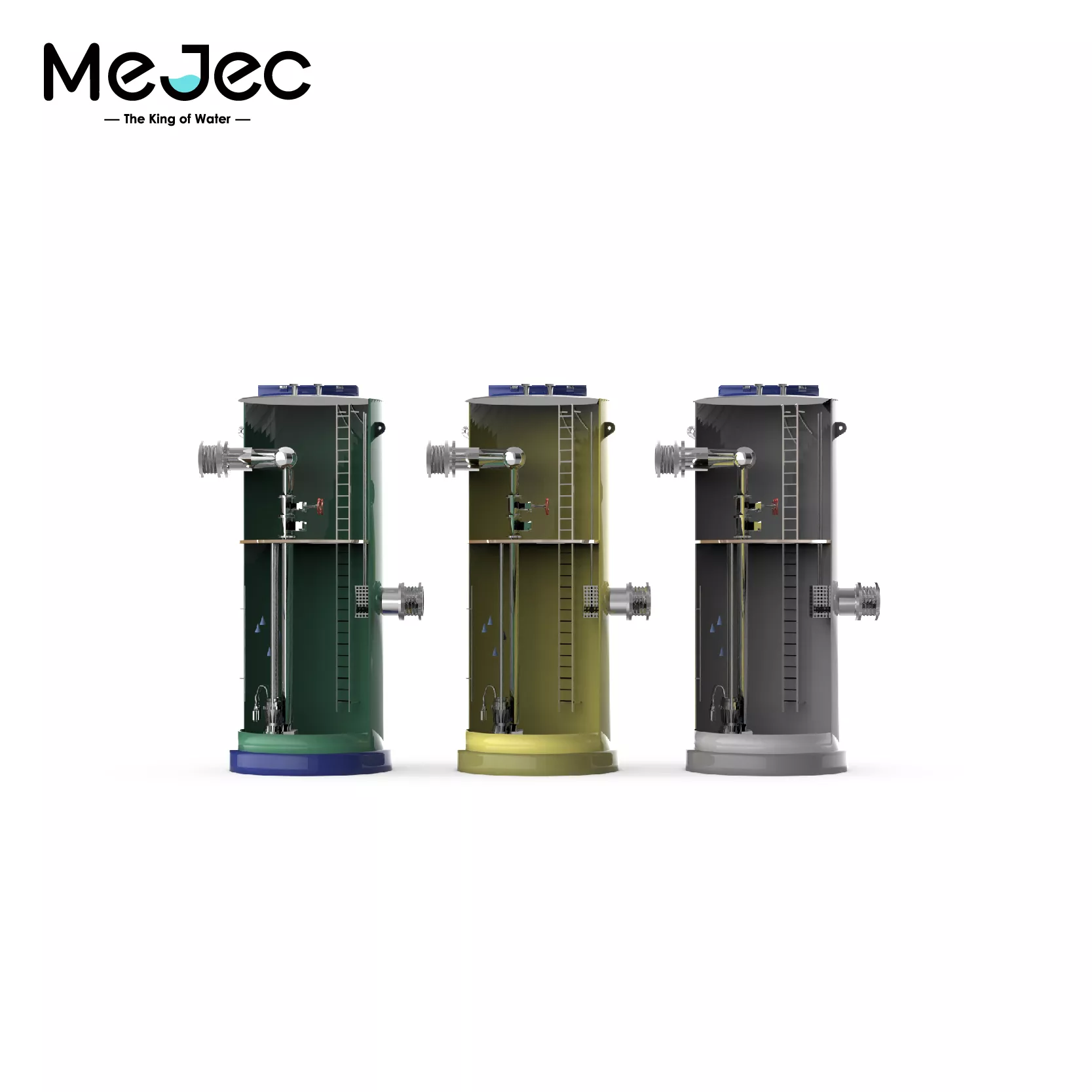
A biological sewage treatment plant utilizes microorganisms to decompose organic pollutants in wastewater, effectively removing contaminants through processes like activated sludge, trickling filters, or membrane bioreactors (MBRs). This natural, biochemical approach is central to modern sewage management, transforming harmful waste into safer effluent suitable for discharge or reuse. The core mechanism involves aerobic bacteria consuming organic matter, significantly reducing biochemical oxygen demand (BOD), chemical oxygen demand (COD), and suspended solids. Data from industry applications, such as municipal plants and industrial facilities, consistently show that well-operated biological systems can achieve removal rates exceeding 90% for BOD and total suspended solids (TSS), ensuring compliance with stringent environmental discharge standards set by agencies like the U.S. EPA or the EU. The technology's adaptability allows it to scale from compact, packaged units for small communities or remote resorts to massive installations serving cities, processing millions of gallons daily. Its efficiency is documented in numerous case studies; for example, a plant employing an advanced MBR process can produce effluent with turbidity below 1 NTU and fecal coliform counts reduced by over 99.9%, making it suitable for non-potable reuse like irrigation or industrial cooling. The operational success hinges on maintaining optimal conditions for microbial colonies, including proper aeration, temperature control, and nutrient balance, which are routinely monitored using real-time sensors and SCADA systems.
The proven advantages of implementing a biological sewage treatment plant are underscored by its global adoption and performance metrics. Compared to purely physical-chemical methods, biological treatment is generally more cost-effective for organic load reduction, with lower operational expenses related to chemicals and sludge handling. Life-cycle assessments often highlight its sustainability benefits, such as reduced carbon footprint and energy recovery potential through biogas generation in anaerobic digesters. Market research and project data indicate that industries like food and beverage, pharmaceuticals, and textiles rely heavily on tailored biological systems to pre-trade wastewater, meeting specific regulatory limits for parameters like ammonia-nitrogen or specific recalcitrant compounds. For instance, a dairy processing plant might use a sequential batch reactor (SBR) to achieve consistent effluent quality with COD levels under 100 mg/L. Furthermore, the integration of technologies like moving bed biofilm reactors (MBBR) offers enhanced treatment capacity and resilience to load fluctuations, as evidenced by their use in upgrading existing infrastructure without expanding footprint. The reliability of these plants is reflected in long-term operational data showing consistent compliance, reduced odor emissions, and the production of stabilized biosolids that can be repurposed as agricultural fertilizer, aligning with circular economy principles. Ultimately, investing in a biological treatment system represents a forward-looking solution for sustainable water management, backed by decades of engineering refinement and empirical results from thousands of installations worldwide.




.webp)








User Comments
Service Experience Sharing from Real Customers
James Wilson
Facilities ManagerThis biological treatment system has been incredibly reliable for our municipal plant. The reduction in sludge volume and consistent effluent quality have exceeded our expectations. Highly recommend for municipal applications.
Sarah Chen
Environmental EngineerAs a consultant for industrial clients, I've specified this plant for several food processing facilities. The system handles high organic load variations effectively. The technical support team is responsive and knowledgeable.
Robert Garcia
Plant SuperintendentOur pharmaceutical wastewater is complex, but this biological treatment plant has achieved remarkable removal efficiency for specific compounds. The automated controls make operation straightforward for our team.
Emily Park
Sustainability OfficerWe installed this at our resort to achieve our green certification goals. It's compact, odor-managed well, and the treated water is perfect for landscape irrigation. A solid investment for the hospitality sector.