




.webp)
What is MBBR for sewage treatment plant?
MBBR sewage treatment plant uses biofilm carriers ...
More


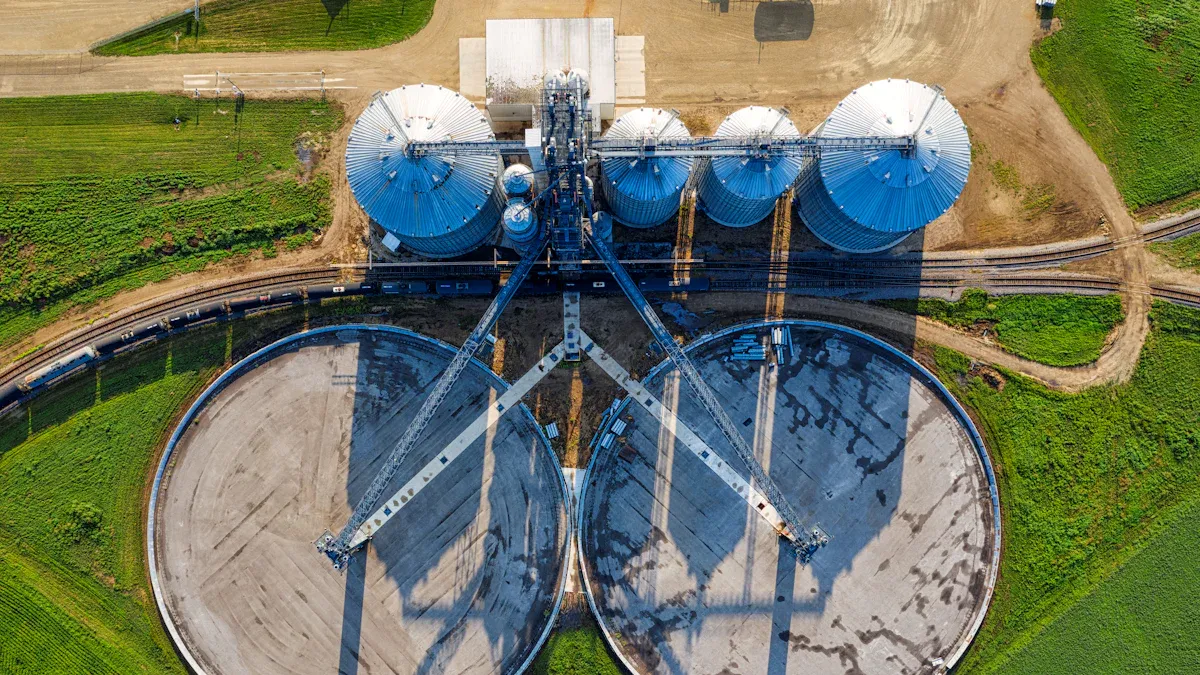
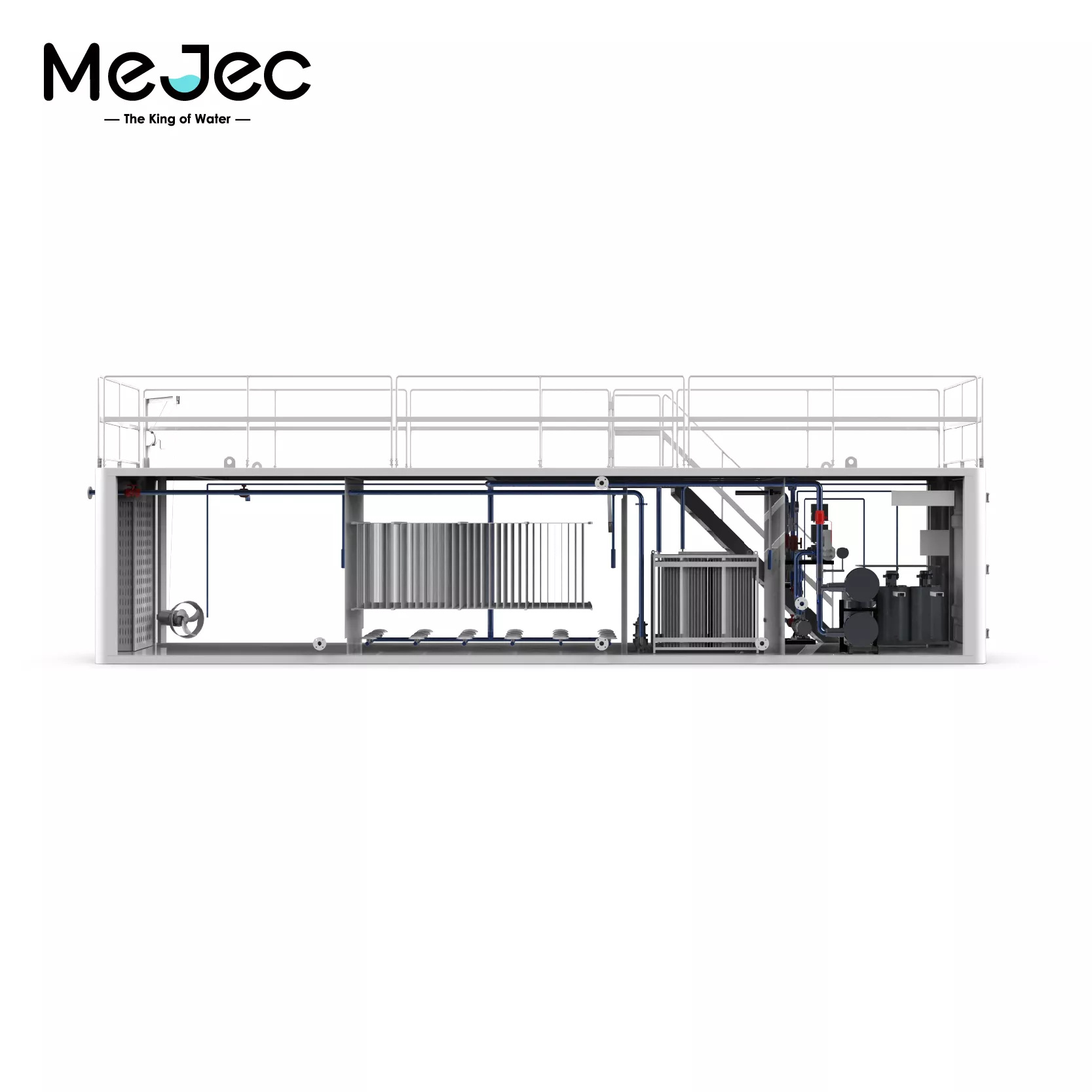
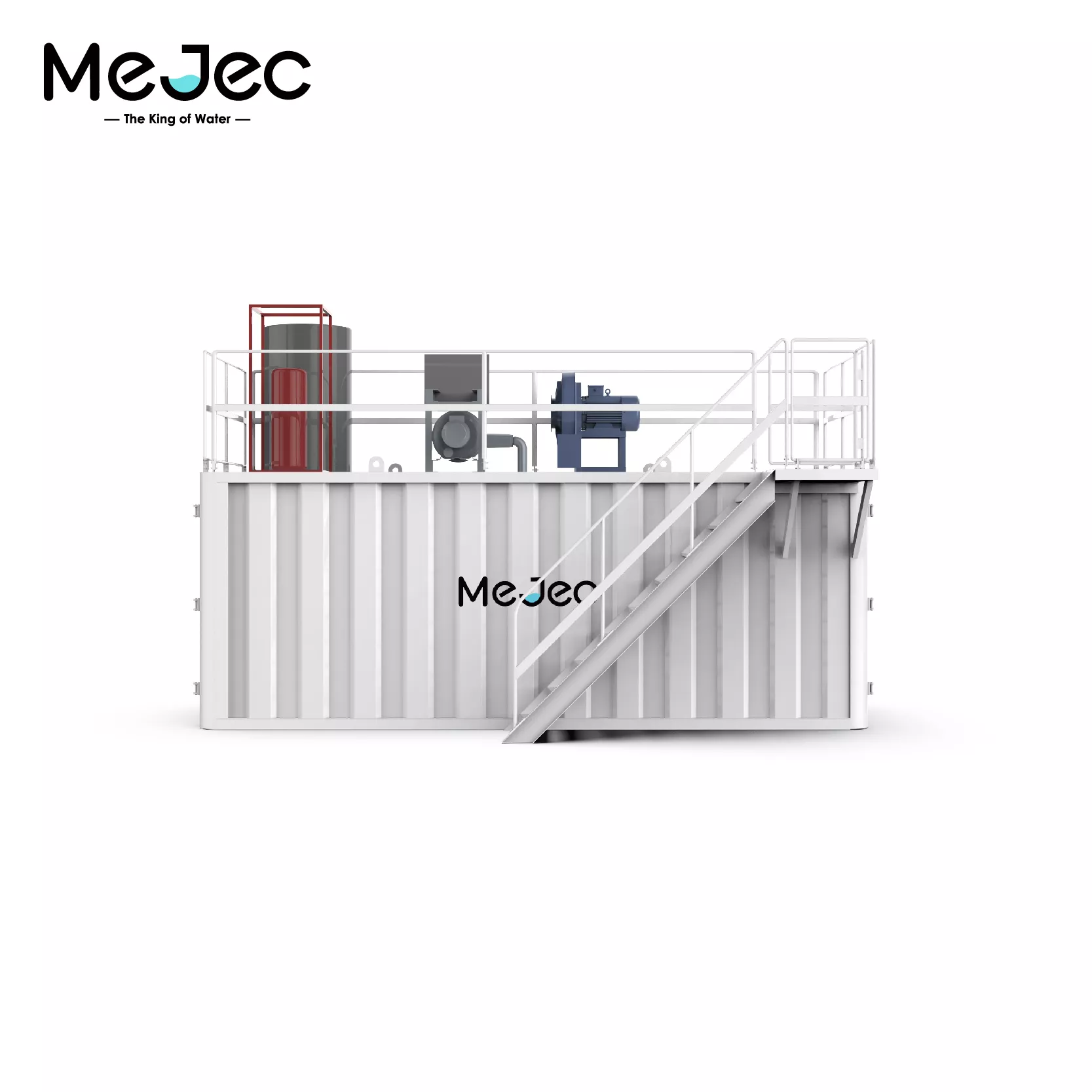
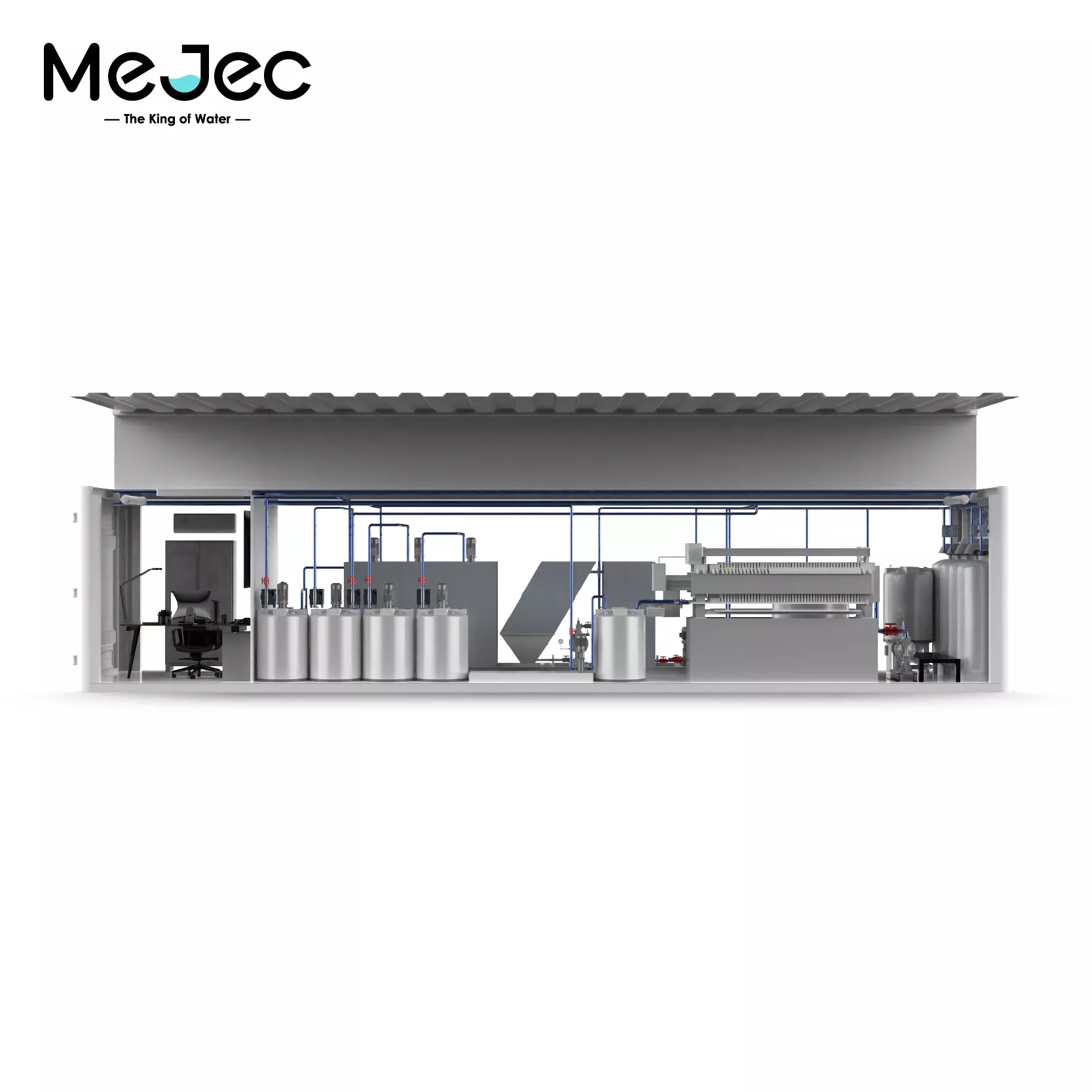
You benefit from a centralized sewage treatment plant because it helps cities manage wastewater safely and efficiently. These systems work best in urban areas, handling large amounts of sewage and reducing pollution.
Around 52% of urban sewage is treated worldwide.
High-income countries treat about 74%, while developing countries only manage 4.2%.
Centralized sewage treatment plants use fewer resources and create a smaller carbon footprint compared to decentralized systems.
Centralized sewage treatment plants improve water quality by removing harmful substances, protecting rivers and lakes from pollution.
These plants save cities money over time by efficiently managing large volumes of wastewater, leading to lower costs per person as populations grow.
Supporting centralized sewage treatment enhances public health by reducing the risk of waterborne diseases and ensuring safe sanitation for communities.
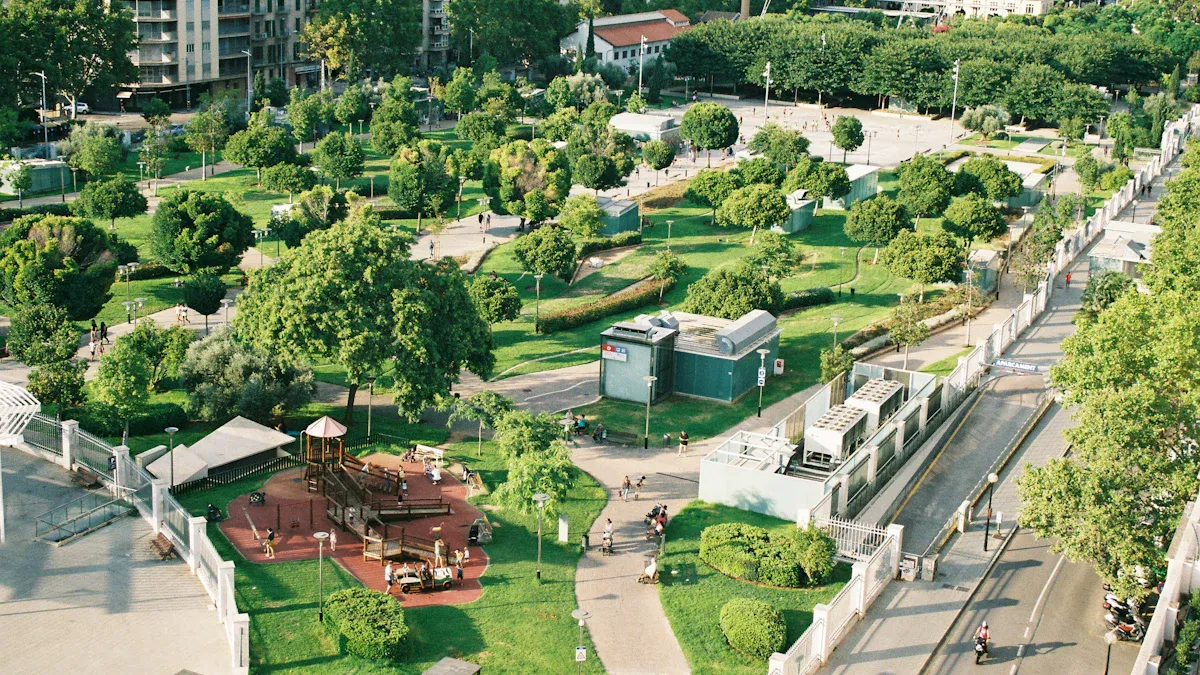
You help your city protect rivers and lakes when you use a centralized sewage treatment plant. These plants remove harmful substances from wastewater before it reaches the environment. This process keeps water clean and safe for people, animals, and plants. You can see the impact in water quality data. For example, after the commissioning of the GKSTP, water quality index (WQI) values improved significantly. However, some cities only saw small changes in overall water quality over many years, even with treatment efforts.
| Evidence Type | Description |
|---|---|
| Water Quality Improvement | WQI values significantly higher after the commissioning of the GKSTP |
| Marginal Improvement | Comparison of water quality data from 2005 to 2022–2023 shows only a marginal improvement in overall water quality despite treatment efforts |
You also help reduce dangerous nutrients like nitrogen and phosphorus. These nutrients can cause algae blooms and harm fish if they enter rivers or lakes. Centralized sewage treatment plants handle large amounts of these nutrients, especially from reject water.
Reject water makes up only 4% of the total flow but can carry up to 50% of the nutrient and organic loads.
In Singapore, reject water adds about 13,300 tons of nitrogen and 5,700 tons of phosphorus each year.
Around the world, reject water from centralized sewage treatment plants contributes about 5 million tons of nitrogen and 2 million tons of phosphorus every year.
You support resource recovery when you use a centralized sewage treatment plant. These plants do more than just clean water. Many now focus on producing biogas through anaerobic digestion. This process turns waste into energy, which helps power the plant and even nearby buildings. Using biogas for combined heat and power (CHP) is one of the most environmentally friendly solutions. It lowers the impact on climate change and reduces global warming potential. Upgrading biogas also brings financial benefits, making these methods both effective and sustainable.
You also help cities reuse water. Treated water can be used for irrigation, industry, or even as drinking water after further treatment. This reduces the demand for fresh water and helps cities prepare for droughts or water shortages.
Tip: When you support resource recovery and water reuse, you help your city save money and protect the environment at the same time.
You lower your city’s environmental footprint by choosing a centralized sewage treatment plant. These plants usually produce less carbon dioxide (CO2) and methane (CH4) than decentralized systems. Studies in Thailand show that centralized systems have lower average emissions. Decentralized systems often create more carbon emissions, although they can sometimes reduce community carbon footprints in small towns. For most cities, centralized sewage treatment plants are more cost-effective and better for the environment.
Centralized systems produce lower CO2 and CH4 emissions than decentralized systems.
Decentralized systems can sometimes reduce carbon footprints by 20% to 30% in small communities.
Centralized systems usually offer better value for large cities.
You help your city meet environmental goals and fight climate change by supporting centralized sewage treatment.
You can help your city save money by supporting a centralized sewage treatment plant. These plants handle large amounts of wastewater, which makes them more efficient as your city grows. When you treat more sewage in one place, you lower the cost for each person. This is called "economies of scale." Larger plants can use advanced equipment and technology, which helps them work better and last longer.
Here is a comparison of operational costs for different systems:
| System Type | Operational Cost Characteristics |
|---|---|
| Decentralized | Lower operational and labor costs; requires less energy and maintenance; standardized components. |
| Centralized | Higher maintenance and operating expenses; advanced equipment for large-scale operations. |
Even though centralized systems may have higher costs at first, they become more cost-effective as your city grows. You get better pollution control and can handle more sewage as the population increases. This makes centralized plants a smart choice for cities that want to expand.
Tip: When your city invests in a centralized sewage treatment plant, you help lower the cost for everyone as the city gets bigger.
You support local jobs and economic growth when you choose centralized sewage treatment. These plants need skilled workers to run and maintain them. Engineers, technicians, and operators all play important roles. Construction projects for new plants also create jobs for builders and suppliers.
Centralized plants often use new technology, which encourages companies to invest in research and development. This can lead to more business opportunities and stronger local economies. When your city has a reliable sewage system, it attracts new businesses and helps existing ones grow.
New plants create jobs during construction and operation.
Skilled workers are needed for maintenance and monitoring.
Reliable sewage systems attract businesses and support city growth.
You help your city save money over time by using a centralized sewage treatment plant. These plants manage large volumes of wastewater, which means fewer repairs and replacements. Advanced monitoring systems help workers find problems early, so they can fix them before they become expensive. This keeps the system running smoothly and saves money on big repairs.
Innovations like anaerobic digestors and biosolids reuse systems turn waste into valuable resources. Your city can recover water, energy, and nutrients from treated wastewater. This not only saves money but also makes the community stronger and more resilient.
Note: When your city invests in new technology for sewage treatment, you help protect the environment and save money for future generations.
You help protect your community’s health when you support a centralized sewage treatment plant. These plants remove harmful pollutants and dangerous germs from wastewater before it returns to the environment. You lower the risk of waterborne diseases like cholera and hepatitis A, which can spread quickly in crowded cities. The Central District Wastewater Treatment Facility shows how treating sewage before discharge prevents disease outbreaks and keeps waterways clean. You also help prevent contamination of groundwater sources, which many people rely on for drinking water.
You improve the quality of life in your city by using a centralized sewage treatment plant. Clean water and safe sanitation mean fewer health problems and less time lost to illness. You help create a healthier environment for families and children. Here are some ways these plants make life better:
They prevent groundwater contamination, which is vital for public health.
They reduce the risk of waterborne diseases by removing harmful substances.
They produce biogas for energy and biosolids for farming, which supports economic sustainability.
They keep urban waterways clean, making parks and rivers safer for everyone.
Tip: Clean water and safe sanitation help your city grow stronger and healthier.
You help your city stay safe during floods or other disasters when you support a centralized sewage treatment plant. These plants manage wastewater effectively, which protects drinking water sources and reduces the chance of disease outbreaks. The World Bank notes that poor water quality can hurt the economy by increasing health costs and lowering productivity. By reducing exposure to untreated wastewater, you make your city safer and more resilient against emergencies.
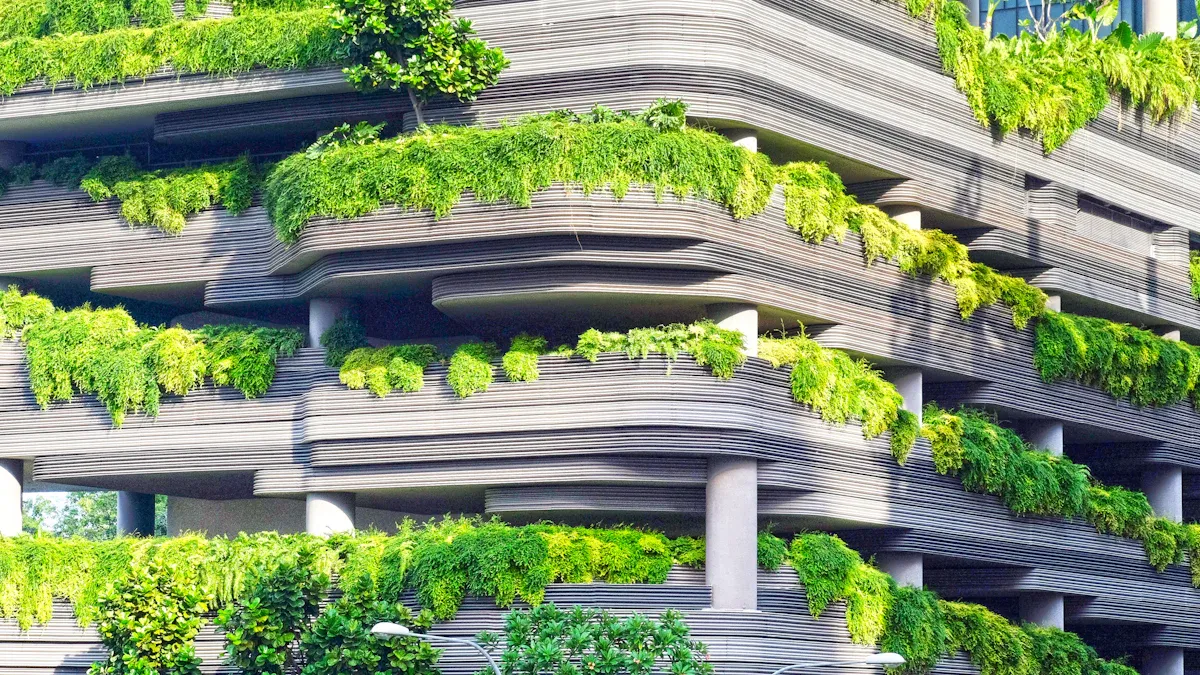
You help your city grow when you support a centralized sewage treatment plant. These plants work best in cities with many people living close together. They use advanced equipment to treat large amounts of wastewater quickly and safely. This makes it easier for cities to add new homes and businesses without harming the environment or public health.
| Evidence Type | Description |
|---|---|
| Treatment Approach | Centralized systems are ideal for densely populated cities, while decentralized systems are more suited for dispersed populations. |
| Capacity and Efficiency | Centralized sewage treatment systems provide greater capacity and efficiency compared to decentralized systems, making them more suitable for urban areas with higher population densities. |
| Infrastructure Role | Centralized sewage treatment plants are essential infrastructure in densely populated areas, as they efficiently manage wastewater from large populations. |
You can help your city become smarter by using centralized sewage treatment. These plants often use sensors and digital tools to monitor water quality and system performance. Smart technology helps workers find problems early and fix them fast. This keeps the city clean and safe. When you combine sewage treatment with other smart city systems, you make your city more efficient and ready for the future.
Tip: Smart monitoring in sewage plants can alert city workers to leaks or blockages before they cause bigger problems.
You help your city follow important rules when you use a centralized sewage treatment plant. These plants meet strict government standards for water quality and pollution control. Advanced equipment and regular checks make sure treated water is safe before it returns to the environment. By meeting these standards, your city protects public health and avoids fines or penalties.
You help your city thrive when you support a centralized sewage treatment plant. These systems improve pollution control, lower costs, and boost public health.
| Outcome Type | Description |
|---|---|
| Environmental | Better pollution control and efficiency in wastewater management. |
| Economic | Lower per person costs and improved cost-effectiveness. |
| Social | Stronger public health and higher quality of life. |
You use a centralized sewage treatment plant to clean wastewater from homes and businesses. This plant treats large amounts of sewage in one location.
You help your city by reducing pollution, protecting water sources, and improving public health. These plants also support city growth and create jobs.
Yes. You can reuse treated water for irrigation, industry, or even as drinking water after extra treatment. This helps save fresh water.
Comparing EHEDG Guidelines With 3A SSI Standards for Hygiene
Ways to Reduce Environmental Impact Using Plate Heat Exchangers
A Comprehensive 2025 Overview of Semi-welded Plate Heat Exchangers
Innovations in Heat Exchanger Manufacturing Boost Industrial Efficiency
Top Industry Experts Convene for 3-A SSI Hygienic Design Summit

We provide you with comprehensive foreign trade solutions to help enterprises achieve global development
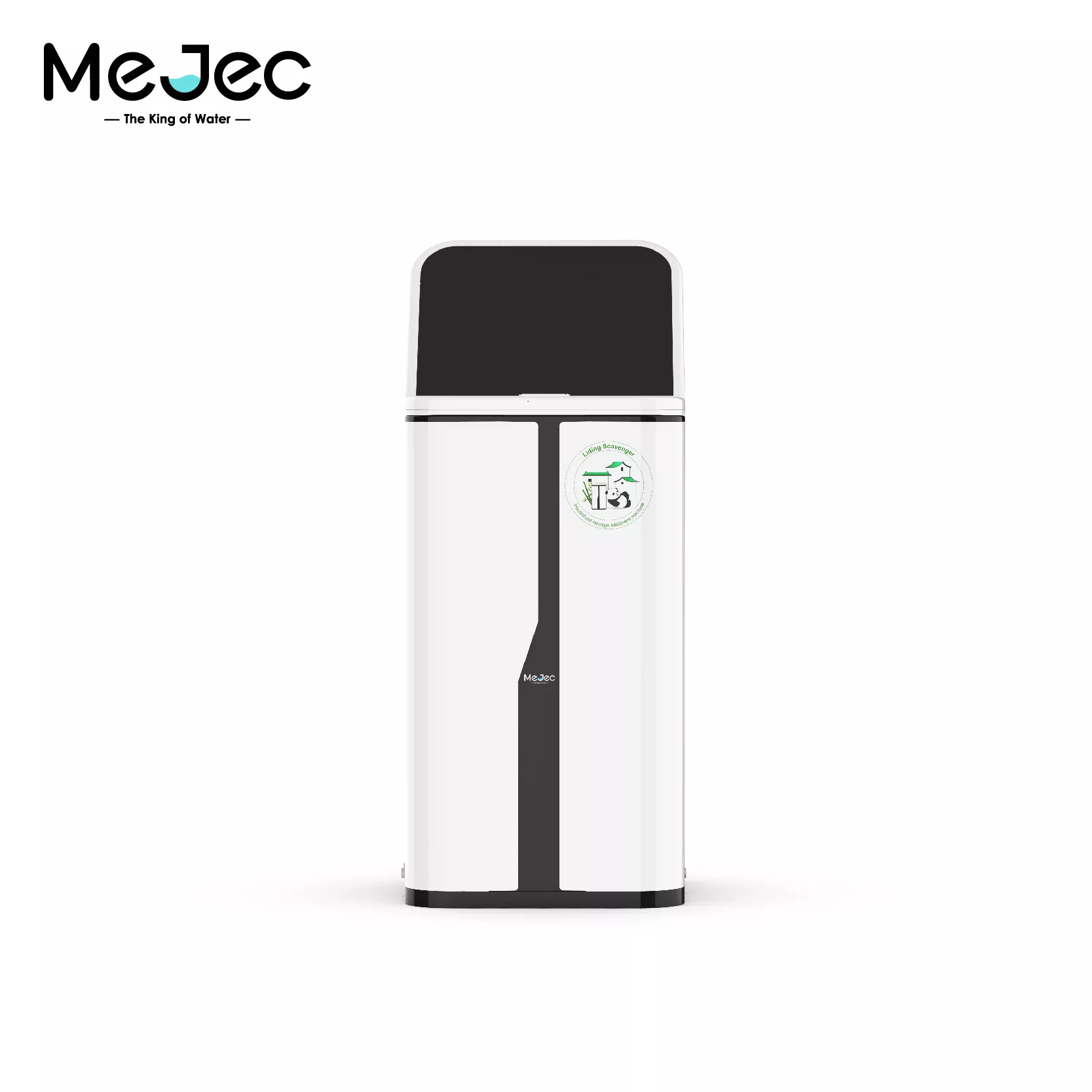
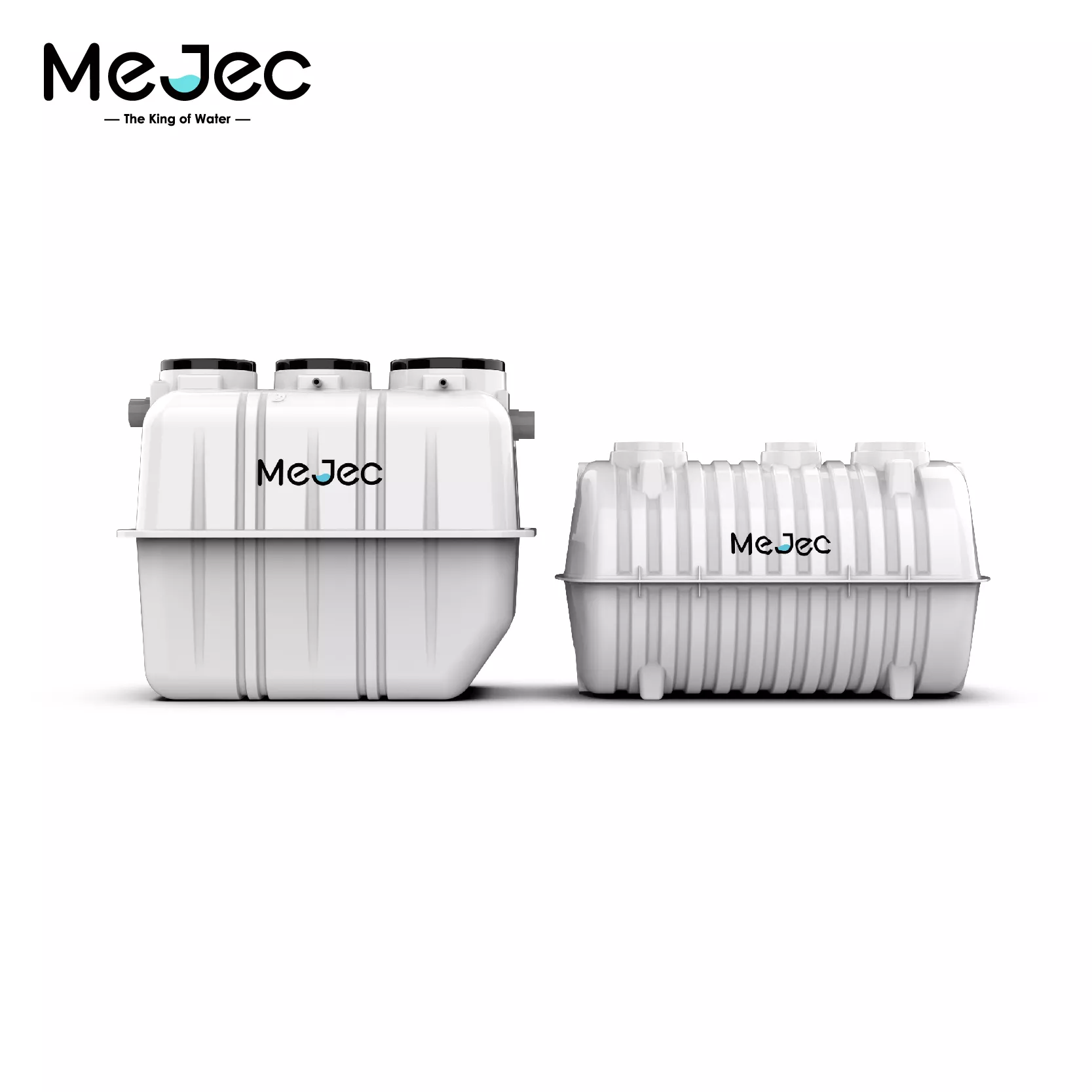
Mejec Scavenger Household Sewage Treatment Plant (...
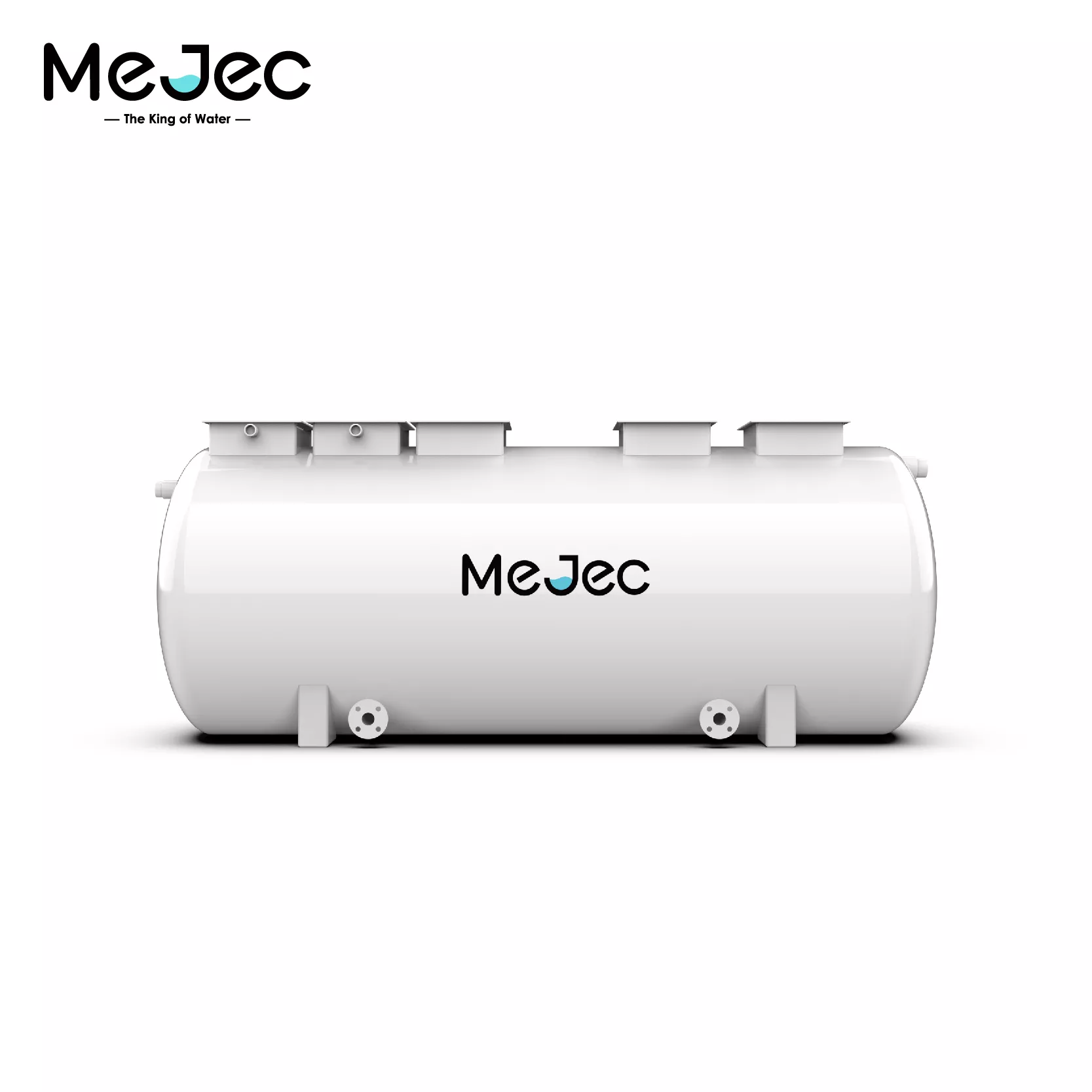
Mejec-Johkasou-SB adopts an AAO + MBBR combined bi...
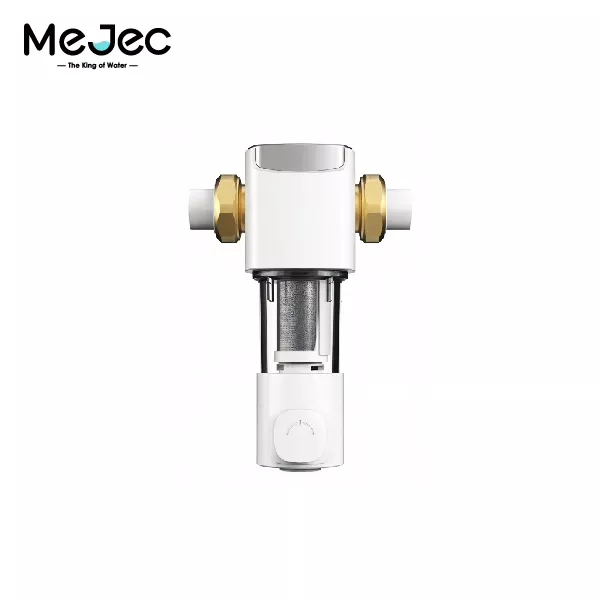
This whole-house pre-filter serves as your first a...
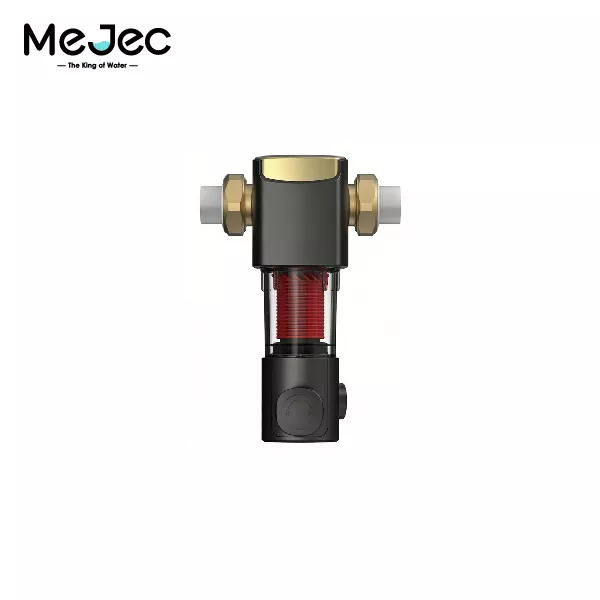
The Dual-Core 360° Pre-Filter protects your entire...
Select the most popular foreign trade service products to meet your diverse needs
Select the most popular foreign trade service products to meet your diverse needs





User Comments
Service Experience Sharing from Real Customers
Michael Chen
Municipal EngineerOur city's new centralized treatment plant from this company has been operational for six months. The efficiency in BOD/COD reduction is outstanding, and the automated sludge handling system has drastically reduced manual labor and costs. A game-changer for our public infrastructure.
Sarah Johnson
Plant Operations ManagerImplementing this centralized sewage treatment system has significantly streamlined our industrial park's wastewater management. The scalability and real-time monitoring capabilities are impressive. Minor initial calibration issues were swiftly resolved by their support team. Highly reliable.
David Rodriguez
Environmental ConsultantAs a consultant for large-scale residential developments, I recommend this provider's centralized plants consistently. Their design integrates advanced nutrient removal (N/P) which is crucial for protecting watersheds. The effluent consistently exceeds Class A standards. Top-tier engineering.
Lisa Wang
Facilities DirectorFor our large university campus, this centralized treatment facility has been a sustainable investment. It handles peak loads during term time effortlessly and the energy recovery module has cut our operational carbon footprint by an estimated 18%. Robust, smart, and future-proof.