




.webp)
Just Installed: The Pinnacle of Commercial Water Technology in a Stunning Lobby Setting
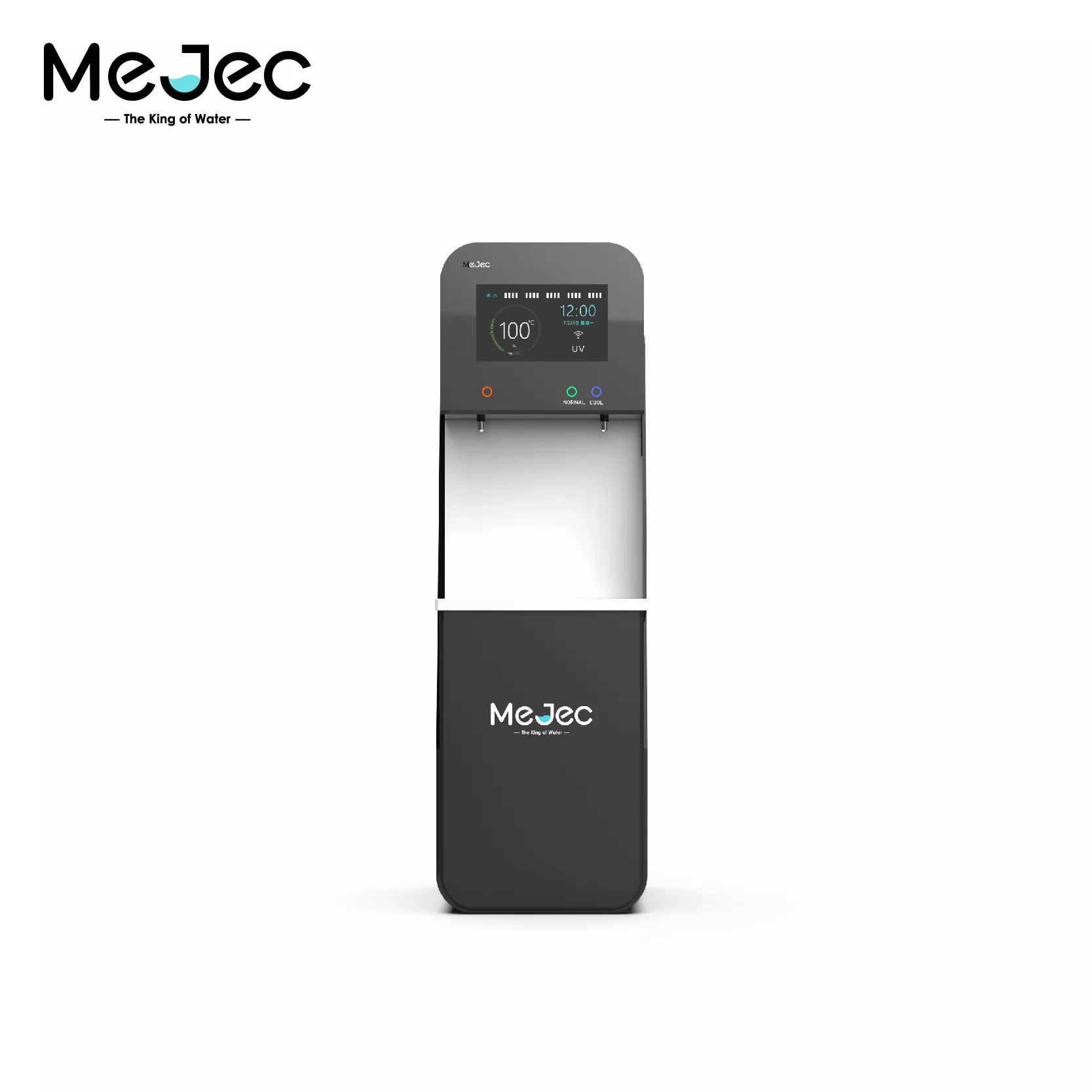
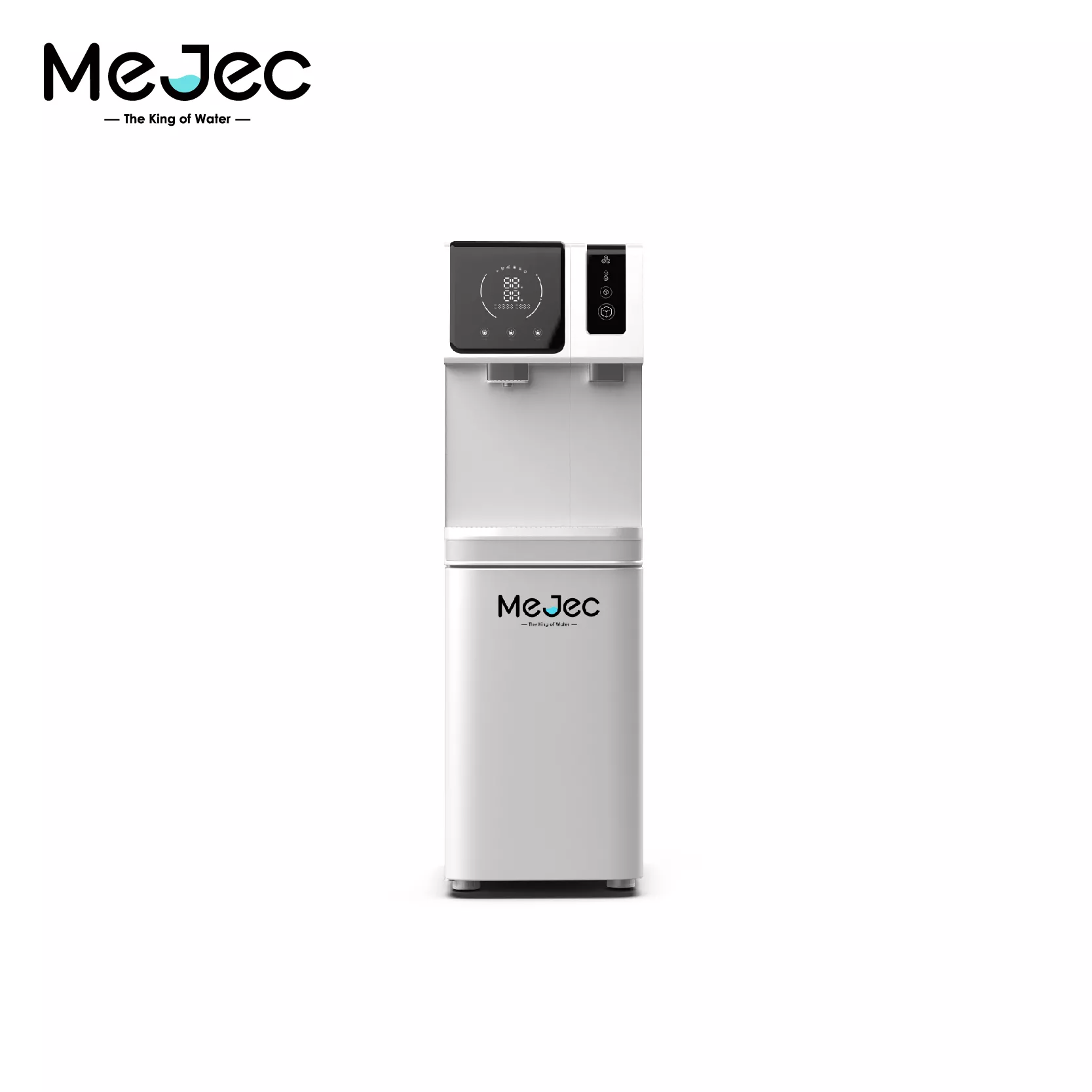
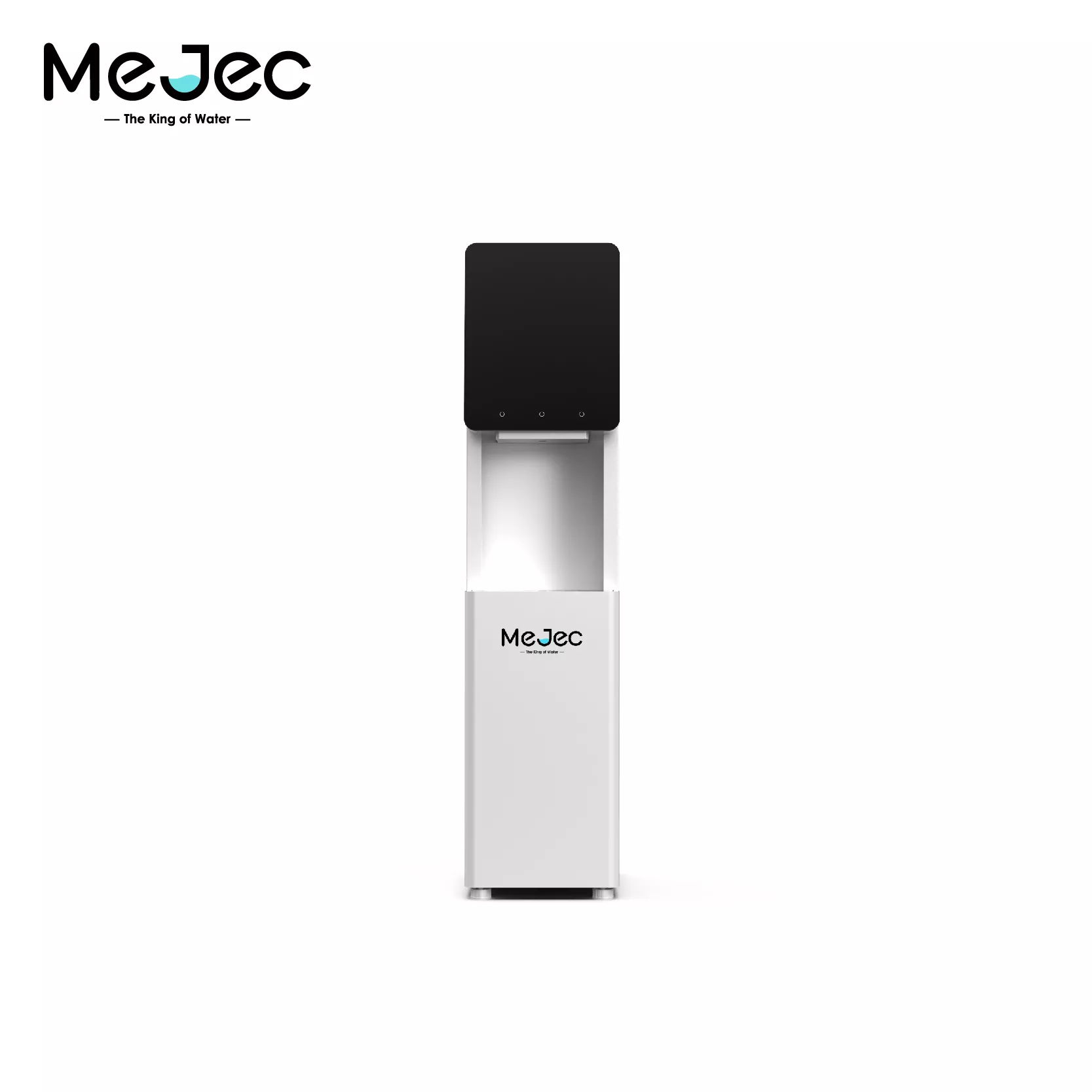
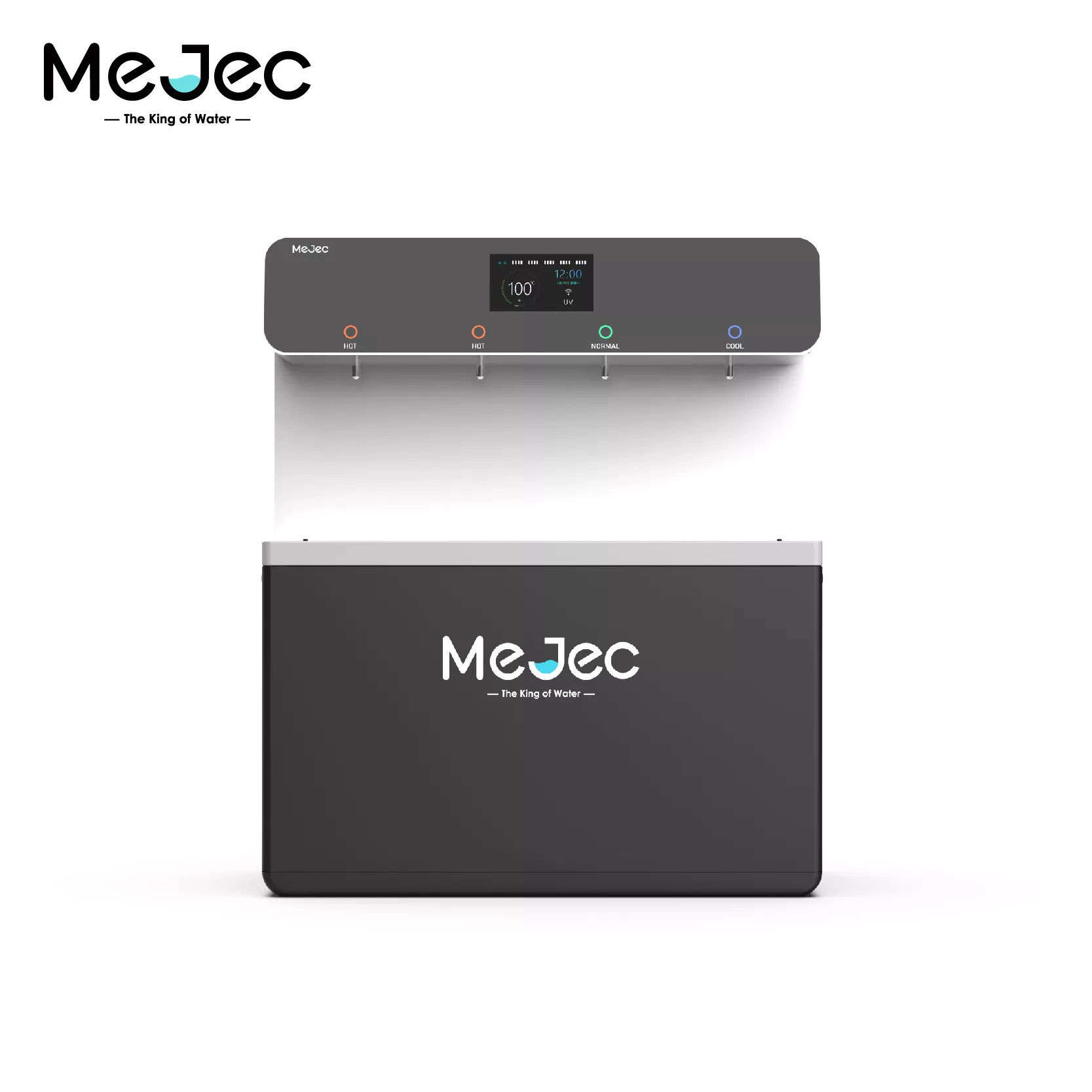
Mejec has successfully completed the installation ...
More


Your choice of a commercial instant hot water dispenser impacts your daily operations. You must evaluate three critical factors for a successful purchase.
Performance, operational costs, and long-term reliability are the most important elements.
These factors determine if a unit meets customer demand, creates quality products, and fits your budget.
Match the dispenser's performance to your business needs. Calculate how much hot water you need per hour. Choose the right tank size and ensure it keeps a steady temperature for good drinks.
Consider how the dispenser fits your space and daily work. Decide between plumbed-in or pour-over models. Choose gas or electric power based on costs. Make sure you have enough space and good air flow.
Look for a durable dispenser to save money over time. Pick units made of strong stainless steel. Check for safety certifications. Choose models that are easy to clean and have water filters.
A dispenser's performance directly affects your service speed and product quality. You must analyze its capacity to ensure it can handle your busiest hours without fail. This evaluation helps you find a unit that works efficiently for your specific needs.
Your first step is to calculate your peak hot water demand. Gallons Per Hour (GPH) measures how much water a unit can heat to the target temperature in one hour. A dispenser with a low GPH rating will struggle during busy periods. This can lead to slow service and inconsistent drink temperatures.
You can estimate your required GPH. First, count the number of hot drinks you serve during your busiest hour. Then, multiply that number by the ounces per cup. Finally, divide the total ounces by 128 (the number of ounces in a gallon).
Quick Calculation Tip 📝
(Number of Cups Per Hour) x (Ounces Per Cup) ÷ 128 = Your Required GPH
This simple formula gives you a strong baseline. It helps you choose a commercial instant hot water dispenser that can keep up with customer demand.
The tank size works together with the GPH. It determines how much hot water is immediately available. A larger tank provides a buffer during sudden rushes. It ensures you have a continuous supply for your staff and customers. High-volume businesses like busy cafes or restaurants benefit greatly from a larger tank. It reduces the wait time for water to reheat.
Smaller operations, such as an office breakroom, may not need a large tank. A compact model with a smaller reservoir can meet their needs sufficiently. You should assess your daily hot water requirements. This will help you select a model with the right capacity for your space.
Consistent water temperature is essential for creating high-quality beverages. Even small temperature changes can ruin the flavor of coffee or tea. You need a dispenser that holds a precise and stable temperature.
Many models offer advanced temperature controls. For example, some BUNN dispensers include a 'Precision Temp' feature for reliable heating. Other units, like the InSinkErator HWT300, have a digital thermostat. This allows you to set the temperature with an accuracy of +/- 1.0°F. These features give you control over your final product. The right temperature unlocks the best flavors in your ingredients.
Coffee: Optimal extraction happens between 195°F and 205°F. This range dissolves the perfect balance of flavors and oils. Water above 205°F over-extracts the coffee, making it taste harsh. Water below 195°F under-extracts it, resulting in a weak or sour brew.
Tea: Different teas also require specific temperatures. Delicate green teas need cooler water, while black teas require water just off the boil.
A dispenser with accurate temperature settings ensures every cup you serve is perfect. It protects your brand's reputation for quality.
Beyond performance, you must consider how a dispenser will fit into your daily workflow and physical space. The right choice simplifies operations and controls long-term costs. You need to evaluate installation requirements, power sources, and spatial constraints before making a purchase.
You have two main installation options: plumbed-in or pour-over. Each type serves different business needs.
Plumbed-in models connect directly to your water line. This provides a continuous, unlimited supply of water. You never have to refill a tank manually. This makes them ideal for high-volume environments like busy cafes, cafeterias, and restaurants. However, installation is more complex. You must place the unit near a water line, and professional installation often costs between $200 and $400. The final price depends on factors like the distance to the water source and whether your counter needs drilling.
Pour-over models are portable and do not require a water line connection. You simply fill the internal reservoir with water. This makes them perfect for offices, break rooms, food trucks, and catering businesses. They offer flexibility in placement. You can set them up anywhere with an electrical outlet. The main drawback is the limited capacity. Your staff must manually refill the unit, which can slow down service during peak hours.
Some units offer the best of both worlds. For example, models like the Flavia Creation 600 can be plumbed-in for unlimited water or used with a refill module for pour-over convenience.
This table breaks down the key differences:
| Feature | Plumbed-In Models | Pour-Over Models |
|---|---|---|
| Water Supply | Direct water line connection | Manual water addition |
| Output | High (64 to 960 cups/hour) | Low to Moderate (48 to 140 cups/hour) |
| Best For | High-volume businesses, restaurants | Offices, small cafes, mobile setups |
| Pros | Unlimited water, less labor | Portable, easy setup, no plumbing needed |
| Cons | Fixed location, professional installation | Manual refilling, limited capacity |
Your choice between a gas or electric commercial instant hot water dispenser will significantly impact your operating costs and performance.
Electric models are highly efficient. Many units convert over 98% of electricity directly into heat. They are often easier to install since most commercial spaces have ample electrical access. However, electricity prices are typically higher than natural gas prices. This can lead to greater long-term operating expenses, especially for high-usage businesses.
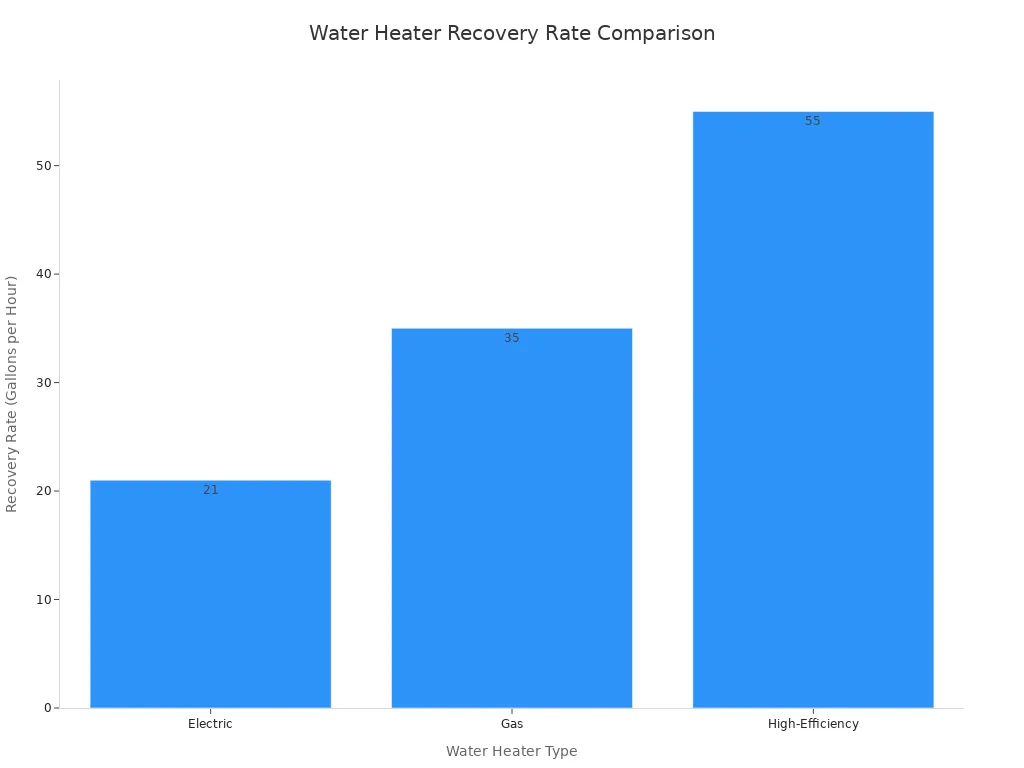
Gas models generally have a lower energy efficiency, around 85-90%. Despite this, the lower cost of natural gas often makes them more economical to run over time. Gas heaters also boast a faster recovery rate. They can heat water more quickly than their electric counterparts, which is a major advantage during busy periods.
Recovery Rate Comparison 📈
A standard gas heater can heat 30-40 gallons per hour, while a standard electric heater manages only 20-22 gallons in the same timeframe.
The chart below illustrates the potential difference in yearly operating costs. Gas models often present a more budget-friendly option for long-term use.

Finally, you must measure your available space. Commercial hot water dispensers come in various sizes. Check the product's dimensions to ensure it fits on your counter or under your sink without obstructing workflow.
Countertop space: Measure the height, width, and depth of your intended area. Remember to leave extra room around the unit for air circulation to prevent overheating.
Under-sink space: For plumbed-in models with a separate tank, ensure you have enough cabinet space for both the tank and any associated filtration systems.
Ventilation: Gas-powered models require proper ventilation to safely expel exhaust fumes like carbon monoxide. You must install them in an area that meets local building codes for gas appliances. Electric models do not have this requirement, offering more flexibility in placement.
Modern gas tankless units from brands like Rinnai and Noritz are highly efficient, with Uniform Energy Factor (UEF) ratings of 0.98. These powerful machines require careful planning for both space and ventilation to operate safely and effectively.
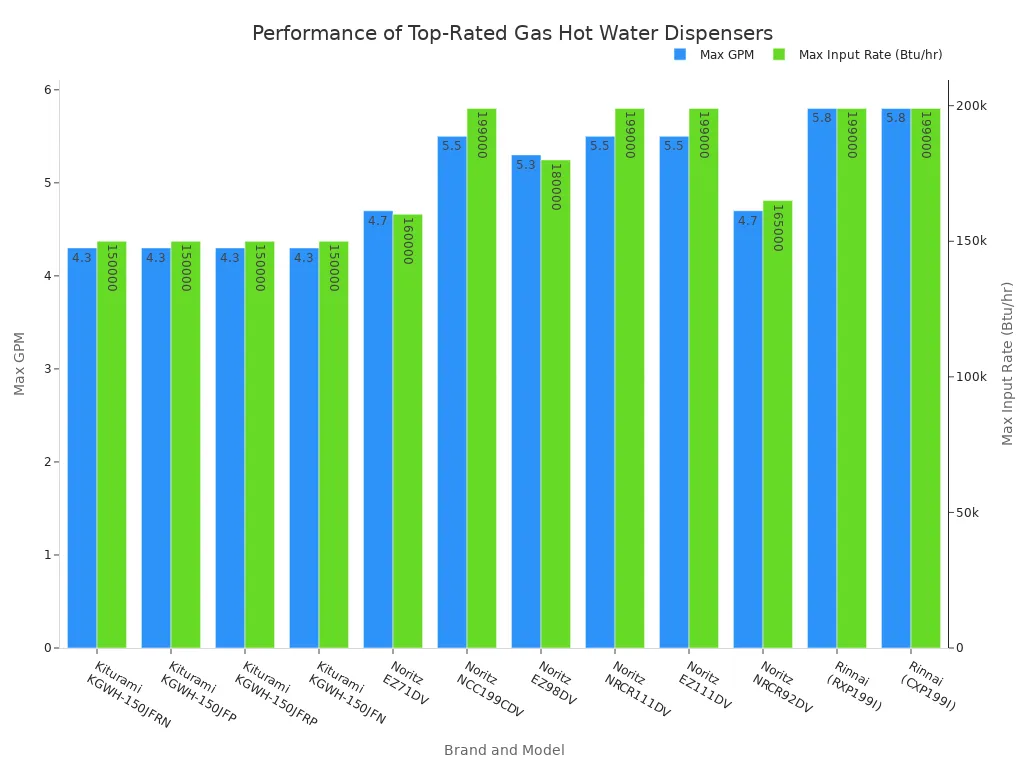
A careful assessment of your operational needs ensures you select a dispenser that not only performs well but also integrates seamlessly into your business.
A dispenser's purchase price is only part of its total cost. You must also consider its durability and maintenance needs to understand its long-term value. A well-built unit saves you money on repairs and replacements over time.
You should look for a dispenser made from high-quality materials. The most durable units use premium-grade stainless steel for their tanks and casings. Grade 304 stainless steel offers excellent corrosion resistance and is common in the food industry. For harsher environments with high salt or chemical exposure, Grade 316 provides superior protection.
Safety certifications also show a product's quality. Look for marks that confirm the unit meets safety standards.
UL Certification: This mark indicates the product meets requirements for electrical safety, reducing fire and shock risks.
NSF Certification: This confirms the dispenser is safe for contact with drinking water.
Modern safety features like automatic leak detection can prevent costly water damage. These systems can shut off the main water valve if a leak occurs, giving you peace of mind.
Regular maintenance protects your investment. Mineral buildup, or scale, can damage heating elements and reduce efficiency. You need to descale your unit regularly, especially in areas with hard water.
Simple Descaling Steps ⚙️
Fill the dispenser and let it heat up.
Add a recommended descaling solution.
Drain and flush the system completely before use.
For busy commercial settings, you might consider a service package. Professionals can handle cleaning, filter changes, and descaling for you.
An integrated filtration system offers significant advantages. It improves both your product quality and the lifespan of your equipment. Filters remove minerals like calcium and magnesium. This action prevents scale buildup on heating elements, which helps the machine run efficiently and last longer.
Filtration also removes contaminants like chlorine and other particles from the water. This directly enhances the taste of your beverages. A commercial instant hot water dispenser with good filtration ensures the pure flavors of your coffee and tea shine through, free from any chemical aftertaste.
Choosing the right commercial instant hot water dispenser means matching its features to your business needs. A smart choice delivers real savings, just as Lambert Laundry cut its gas bill by 50% with an efficient unit.
You must evaluate these key areas:
Performance: GPH, tank size, and temperature stability.
Operations: Installation, energy costs, and space.
Value: Durability and maintenance needs.
A careful review ensures you invest in a reliable and cost-effective asset for your business.
You should descale your unit every three to six months. Areas with hard water may require more frequent cleaning to prevent mineral buildup and maintain efficiency.
You should hire a professional plumber for installation. This ensures a proper connection to your water line and prevents potential leaks, which can cause significant water damage.
Not always. You should match the tank size to your peak demand. A large tank is great for high-volume businesses, but smaller operations can use a compact model.

We provide you with comprehensive foreign trade solutions to help enterprises achieve global development
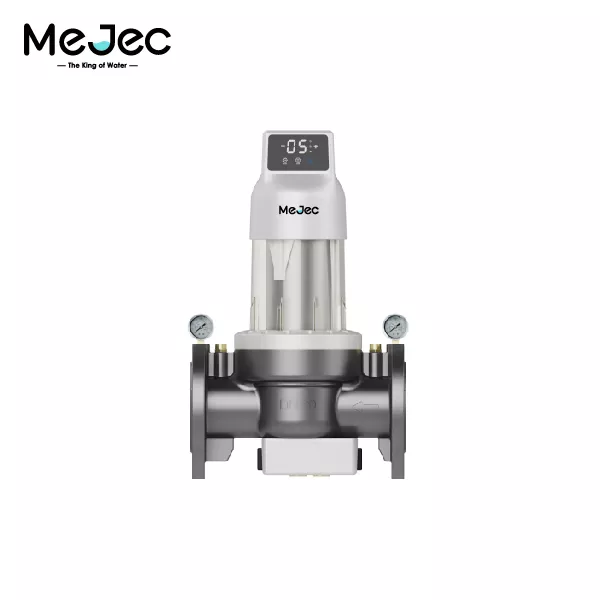
Engineered as the essential first barrier for wate...
Experience effortless purity with our advanced RO ...
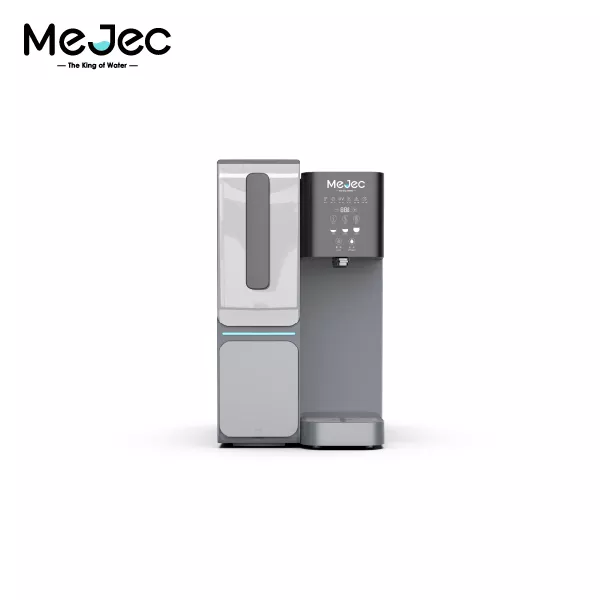
Experience instant, pure water anywhere with the M...
Mejec Redefines the Outdoor Hydration Experience. ...
Select the most popular foreign trade service products to meet your diverse needs
Select the most popular foreign trade service products to meet your diverse needs





User Comments
Service Experience Sharing from Real Customers
James Wilson
Office ManagerThis commercial instant hot water dispenser has been a game-changer for our busy office. It provides boiling water on demand, perfect for making tea, coffee, and instant meals throughout the day. It's sturdy, safe, and has significantly reduced our kettle usage.
Sarah Chen
Café OwnerAs a small café owner, efficiency is key. This dispenser delivers hot water instantly, keeping our service speed high during the morning rush. It's reliable and has a great capacity. One point off as the initial setup instructions could be clearer.
David Rodriguez
Head TeacherWe installed this in our school's staff room, and it's been fantastic. Teachers can now quickly get hot water for drinks or soups between classes. The child-safe lock feature gives us peace of mind. A robust and essential appliance for our environment.
Lisa Thompson
Dental HygienistIn our dental clinic, hygiene and speed are paramount. This commercial-grade dispenser provides immediate, clean hot water for sterilizing instruments and patient rinses. It's easy to clean and very durable. Highly recommended for medical settings.