



.webp)
How to Choose the Best Residential Wastewater Treatment System
Find the best residential wastewater treatment sys...
More

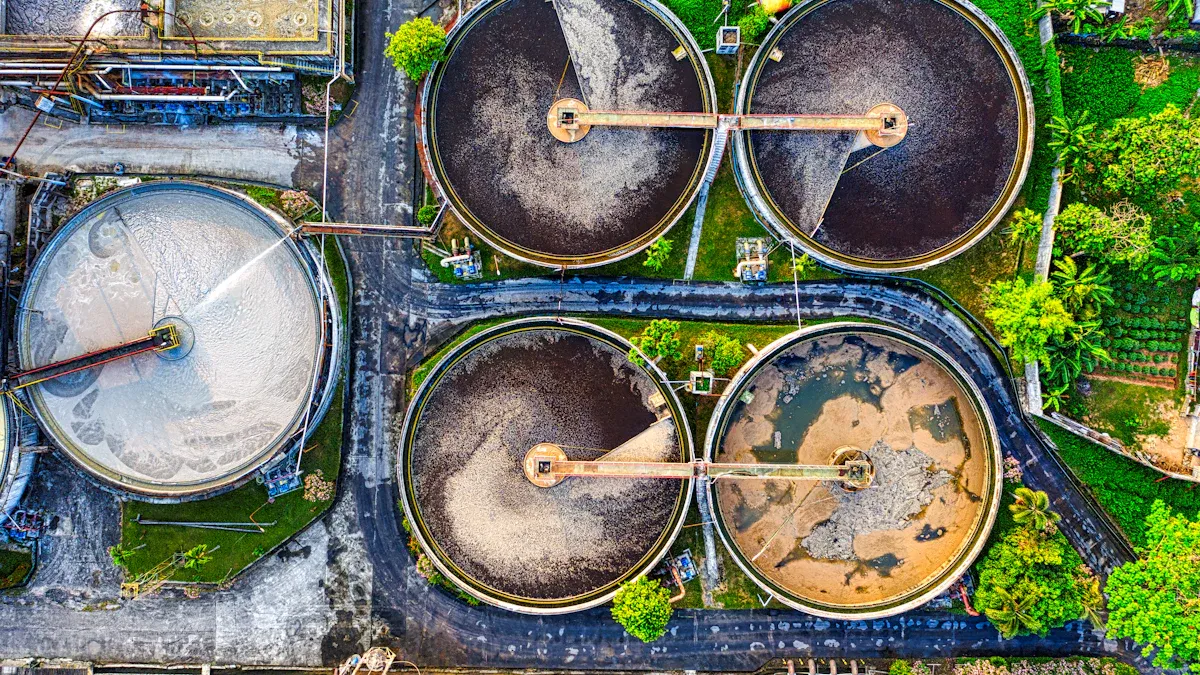
You face many challenges when treating industrial wastewater. Custom industrial wastewater treatment systems help you remove contaminants such as methylmercury, cobalt, and sulfate. You also deal with organic contaminants, ammonia, and salts. These systems match your facility’s specific needs, helping you recycle water, cut costs, and protect the environment.
Common contaminants include:
Methylmercury
Cobalt, molybdenum, and vanadium
Sulfate, chloride, and iron
Calcium carbonates and sand
Organic contaminants and acids
Custom industrial wastewater treatment systems help remove harmful contaminants, recycle water, and protect the environment.
Regular maintenance and monitoring of your treatment system are crucial to avoid costly repairs and ensure compliance with regulations.
Choosing the right treatment technologies based on your facility's needs can improve efficiency and reduce operational costs.
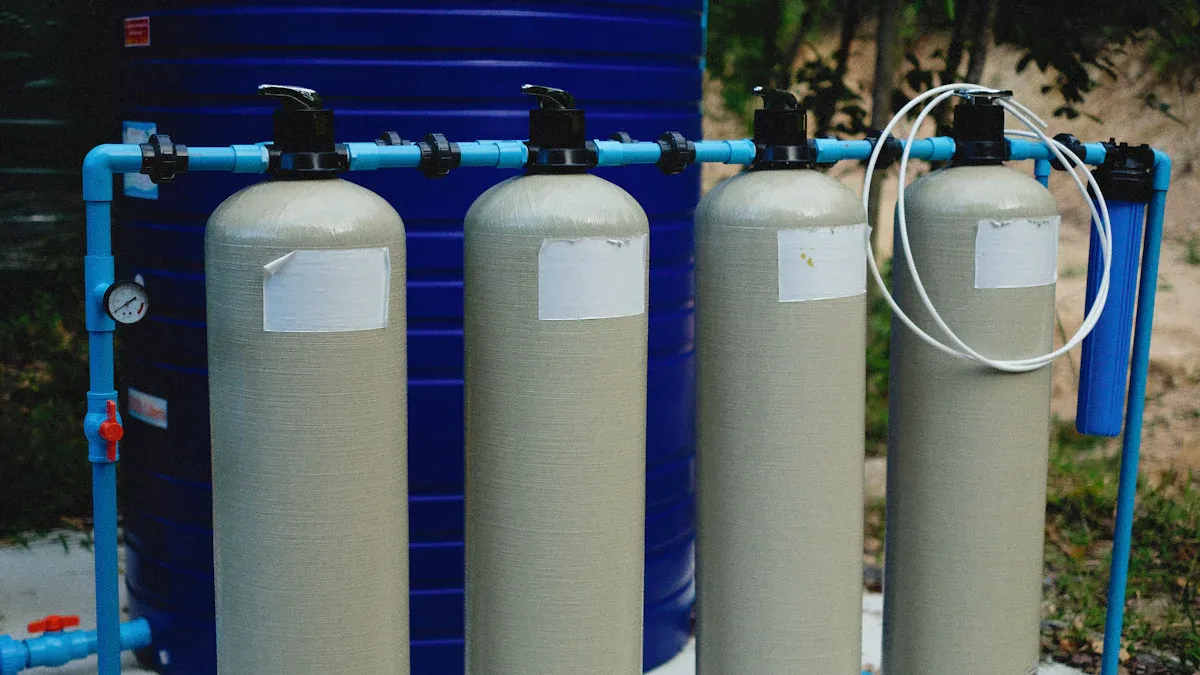
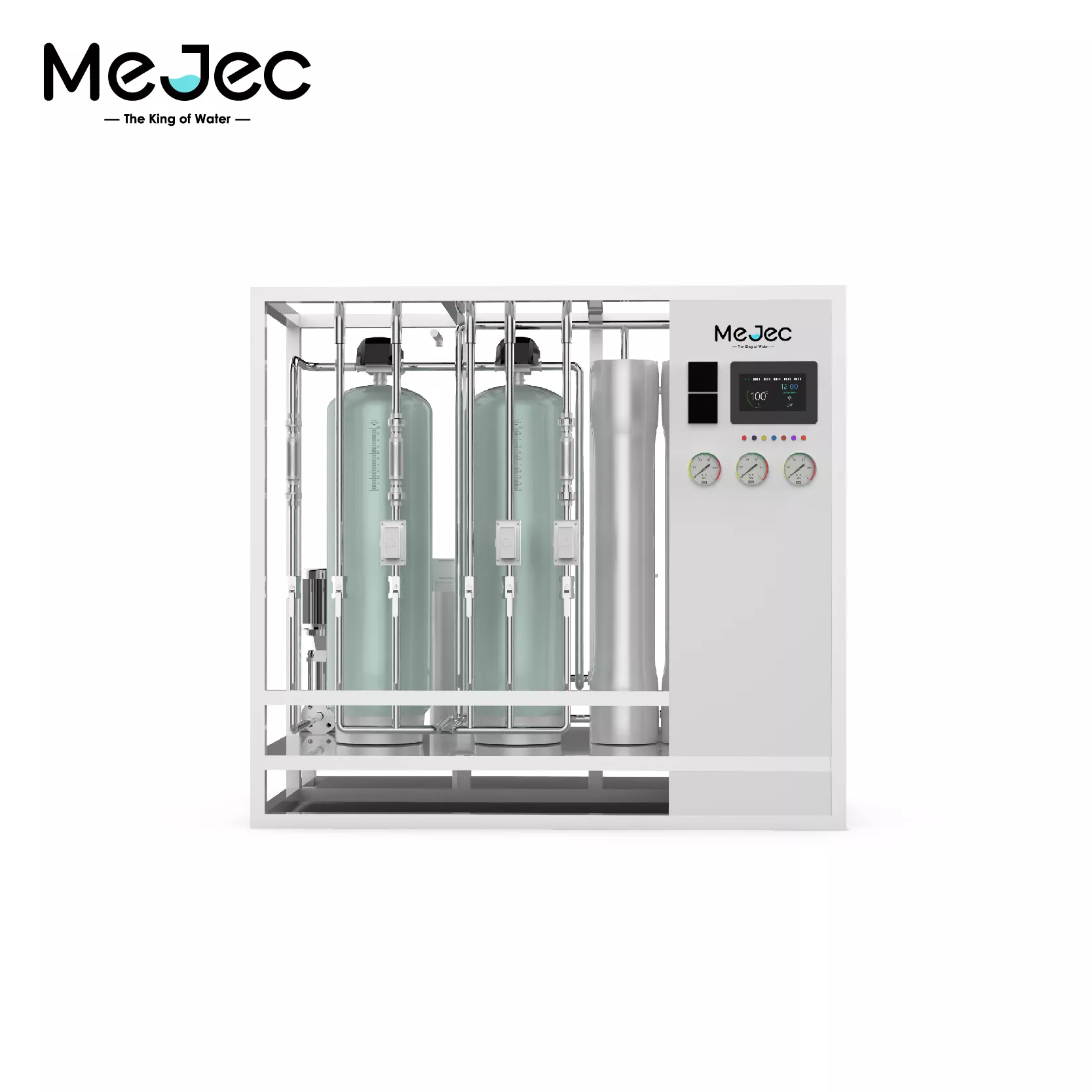
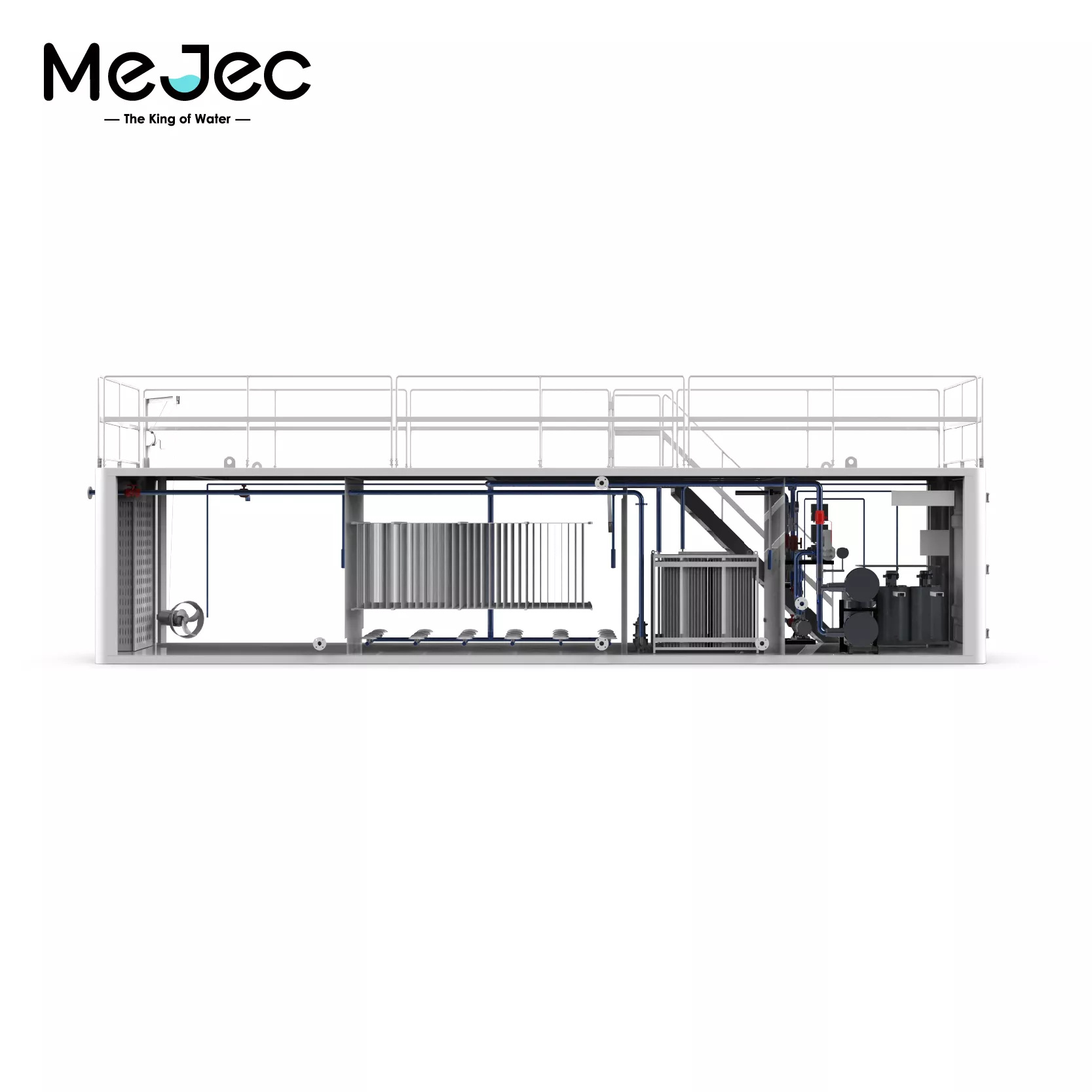
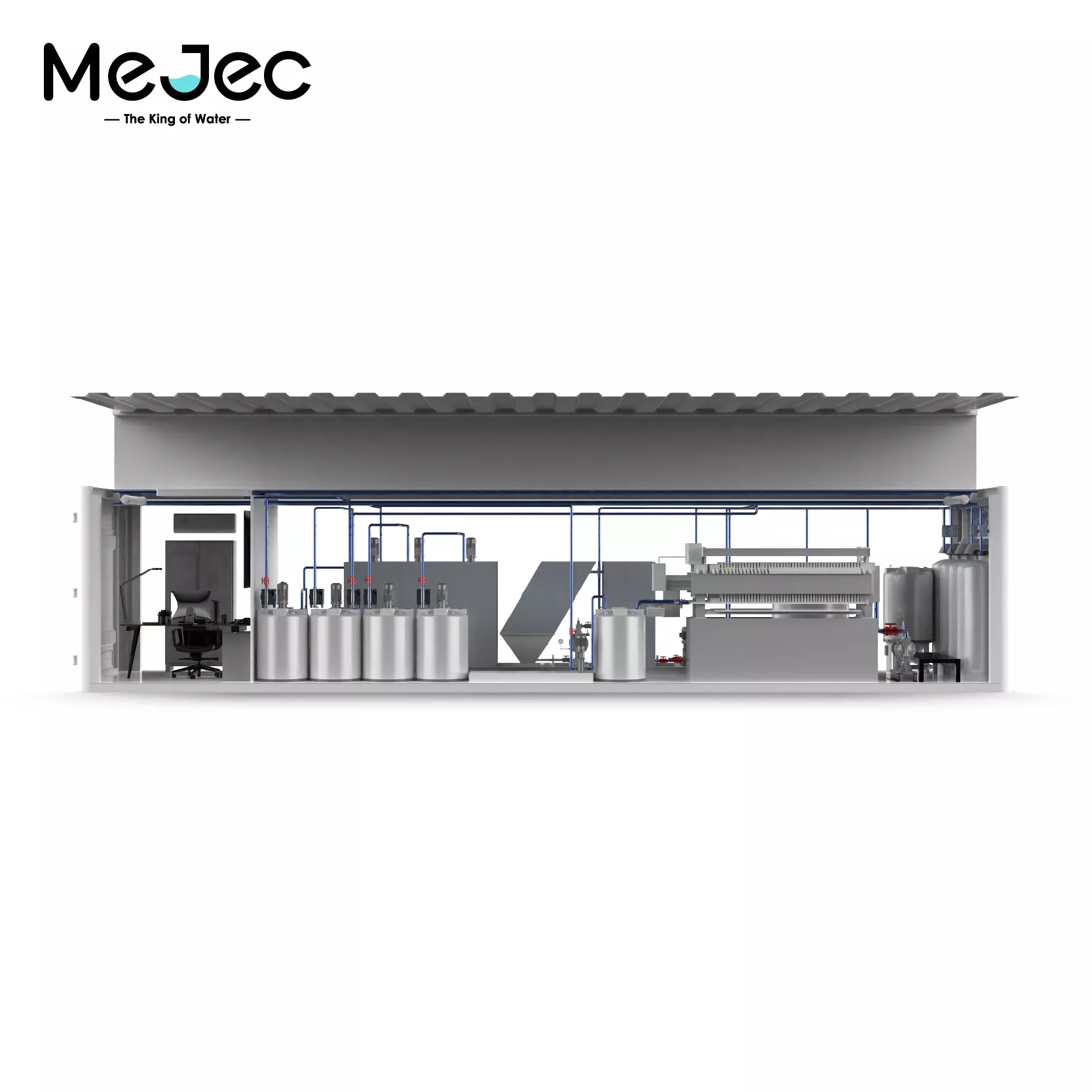
Custom industrial wastewater treatment systems use several important components to clean water and remove harmful substances. Each part plays a special role in making sure your facility meets safety and environmental standards.
You start by removing large solids and grit from the water. Screens catch debris, while grit chambers trap sand and small stones. These steps protect pumps and pipes from damage. Most systems remove up to 95% of solids larger than 210 micrometers. Grit mixed with oil and grease can make up almost half of the total grit volume, which can increase costs if not managed.
Next, you separate oil and grease. Gravity separation lets lighter oils float to the top. Flotation uses bubbles to lift oils, forming a foam you can skim off. Chemical treatments break down fats, and lamella-pack separators increase surface area for better removal. Dissolved air flotation units also help remove oils and light solids.
Equalization tanks help balance water flow and pollution levels. These tanks store wastewater during busy times and release it slowly. This keeps the treatment process steady and prevents sudden changes that could harm equipment.
You use biological digestion to break down organic waste. Microorganisms help with three main stages: hydrolysis, acetogenesis, and methanogenesis. These stages turn complex molecules into simpler ones and produce biogas.
| Stage | Description |
|---|---|
| Hydrolysis | Breaks down complex molecules into simple ones |
| Acetogenesis | Converts simple compounds into acids and gases |
| Methanogenesis | Produces methane and carbon dioxide |
Advanced filtration systems, such as ultrafiltration and activated carbon, remove tiny particles and chemicals. Ultrafiltration can remove more than 99.99% of germs. Activated carbon filters remove up to 95% of organic compounds. Hybrid systems can also remove heavy metals and suspended solids very effectively.
You must handle and dispose of sludge safely. Dewatering equipment like filter presses and centrifuges reduce the water in sludge, making it easier to transport. Using the right chemicals improves dewatering. Proper sludge management saves money and helps protect the environment.
Modern systems use sensors and automation to monitor water quality. You get real-time data and can adjust processes quickly. This keeps your custom industrial wastewater treatment system running smoothly and helps you meet regulations.
| Component | Description |
|---|---|
| Collection and Equalization Tanks | Temporary storage; balances flow and contamination levels. |
| Screening and Filtration Equipment | Removes large solids and debris. |
| Chemical Treatment Systems | Neutralizes acids/bases and breaks down organic compounds. |
| Biological Treatment Units | Uses microorganisms to treat organic waste. |
| Clarifiers and Sedimentation Tanks | Settles solids, producing clearer water and concentrated sludge. |
| Advanced Filtration Systems | Provides high-purity discharge or water reuse. |
Tip: Using a custom industrial wastewater treatment system designed for your facility can improve efficiency and lower costs.
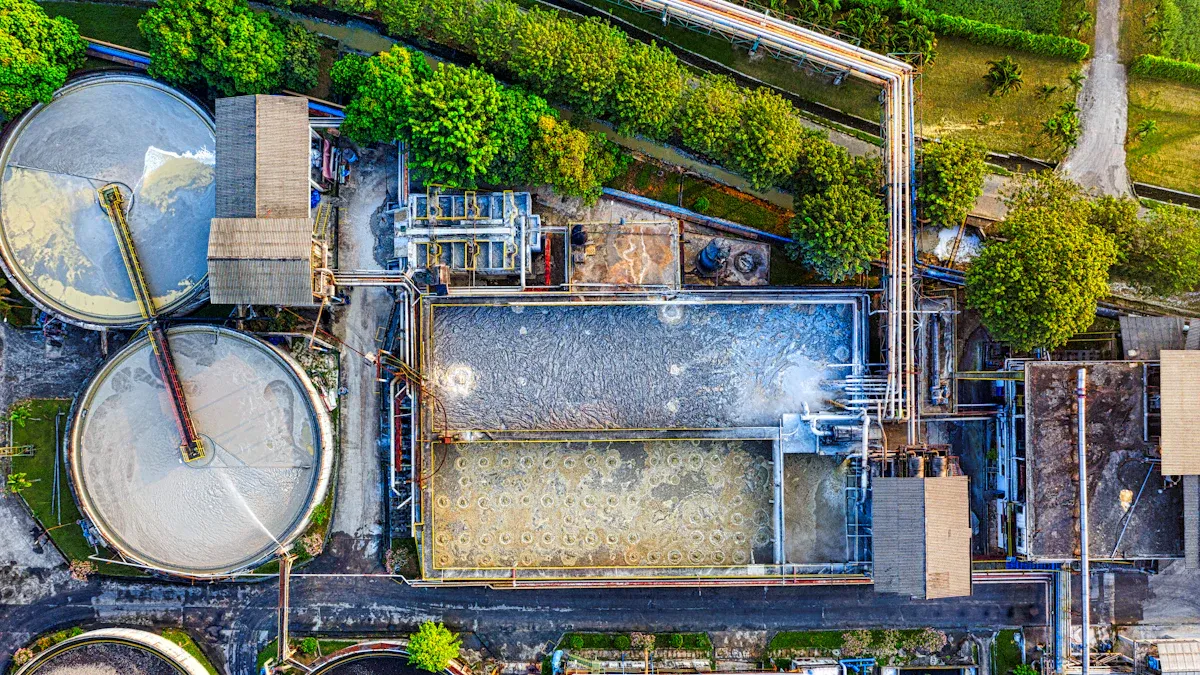
You begin the process by removing large and heavy materials from the wastewater. This step protects your equipment and makes later treatment stages more effective. In most custom industrial wastewater treatment systems, you use several methods to clean the water at this stage:
Screening: You use mechanical screens or rotating drums to catch trash, rags, and other debris.
Gritting: You slow down the water so heavier particles like sand and pebbles can settle and be removed.
These steps help you prevent blockages and reduce wear on pumps and pipes. By starting with a clean base, you make the rest of the treatment process smoother and more reliable.
After you remove the larger debris, you let the water sit in large tanks. Here, gravity helps separate out solids and floating materials. You see most of the suspended solids settle to the bottom as sludge. Oils and grease float to the top, where you can skim them off.
You can remove about 50-70% of suspended solids during this stage.
You also remove floating oils and grease, which helps reduce the load on later treatment steps.
This step is important because it takes out much of the solid waste early in the process. You end up with clearer water that is easier to treat in the next stages.
Now, you use living organisms to break down the remaining organic matter in the water. This stage is where you see the most change in the water’s quality. You can choose from several biological treatment methods, depending on the type of waste your facility produces.
| Treatment Method | Description | Applications |
|---|---|---|
| Aerobic | Uses oxygen to break down organic matter | Activated sludge, trickling filters, oxidation ponds |
| Anaerobic | Works without oxygen, produces methane | Anaerobic digesters, up-flow anaerobic sludge blanket reactors |
| Anoxic | Uses nitrate instead of oxygen | Denitrification filters, anoxic zones in activated sludge systems |
| Phytoremediation | Uses plants to remove or break down pollutants | Constructed wetlands, floating aquatic plants, terrestrial plants |
You select the method that matches your wastewater’s needs. For example, aerobic systems work well for most organic waste, while anaerobic systems help you treat high-strength waste and even produce biogas.
Tip: Using the right biological treatment method can help you save energy and reduce costs in your custom industrial wastewater treatment system.
In this stage, you focus on removing the smallest and most stubborn contaminants. You use advanced technologies to make the water as clean as possible. Some of the most common methods include:
Membrane filtration to remove particles and organic matter
Activated carbon filtration to get rid of dissolved organic compounds
Ultraviolet (UV) disinfection to kill micro-organisms
Reverse osmosis to remove dissolved solids and impurities
Electrodeionization systems to produce high-quality water with less energy
These technologies help you meet strict discharge standards or prepare the water for reuse. You can combine several methods to reach the level of purity your facility needs.
Once you finish all the treatment steps, you decide what to do with the clean water. You can safely discharge it into the environment, or you can reuse it in your facility. Many companies use treated water for cooling, cleaning, or even as process water. By reusing water, you save money and reduce your impact on the environment.
A well-designed custom industrial wastewater treatment process helps you protect your equipment, meet regulations, and support sustainability goals. You get cleaner water and a safer workplace.
You need to understand your facility’s wastewater before you choose a treatment system. Start by looking at the types and amounts of contaminants in your water. Check the volume and flow rate. Set clear goals for treatment, such as meeting local standards or preparing water for reuse. Consider these factors:
Wastewater characteristics
Treatment goals
Technology options
System design and monitoring
Engineers help you pick the best technologies for your needs. They study your manufacturing processes and identify each stream that adds to your wastewater. They use decision-making tools to rank treatment options. Pilot programs let you test new technologies in a safe way. This helps you find solutions that work and meet regulations. Sustainability matters, so you should include it in your planning.
You keep your system working well by inspecting and cleaning parts often. Monitor water quality to catch problems early. Schedule maintenance checks to avoid breakdowns. Twice a year, get a professional inspection. Check electrical systems, measure sludge and scum, and test alarms. Clean or replace filters and inspect aerators regularly.
Tip: Regular maintenance helps you avoid costly repairs and keeps your system running smoothly.
You must follow strict rules for wastewater treatment. Regulations differ by country and region. Agencies set limits for pollutants and can fine or shut down facilities that break the rules. Custom systems help you meet these standards, protect the environment, and avoid penalties. They also improve efficiency and support sustainability.
| Challenge Type | Description |
|---|---|
| Regulatory Compliance | Meeting EPA and local rules to avoid fines and legal trouble |
| Complexity in Management | Needing skilled staff and good coordination |
| Operational Risks | Preventing unsafe conditions and damage to reputation |
| Environmental Impacts | Finding ways to go beyond basic compliance for sustainability |
You benefit from a multi-stage approach that treats wastewater and supports sustainability. The table below shows how you help the environment and your business:
| Benefit | Description |
|---|---|
| Water Conservation | You recover water for reuse, saving resources. |
| Emission Reduction | You prevent pollution and protect nature. |
| Circular Economy | You turn waste into new products and create value. |
You also save money by using energy-efficient systems and planning maintenance.
You get a system designed for your facility. This helps you meet regulations, save money, and protect the environment.
You should inspect and clean your system every month. Schedule professional checks twice a year for best results.
| Option | Use Case |
|---|---|
| Cooling water | Equipment |
| Cleaning | Facility floors |
| Process water | Manufacturing |
You can reuse treated water for many tasks.
Innovations in Heat Exchanger Manufacturing Boost Industrial Efficiency
Exploring How Sterile Filter Devices Function Effectively
Comprehensive Overview of Plate Heat Exchanger Functionality
2025 Overview of Semi-welded Plate Heat Exchangers for Industry
Essential Checkweighers for Food Processing Facilities You Need

We provide you with comprehensive foreign trade solutions to help enterprises achieve global development
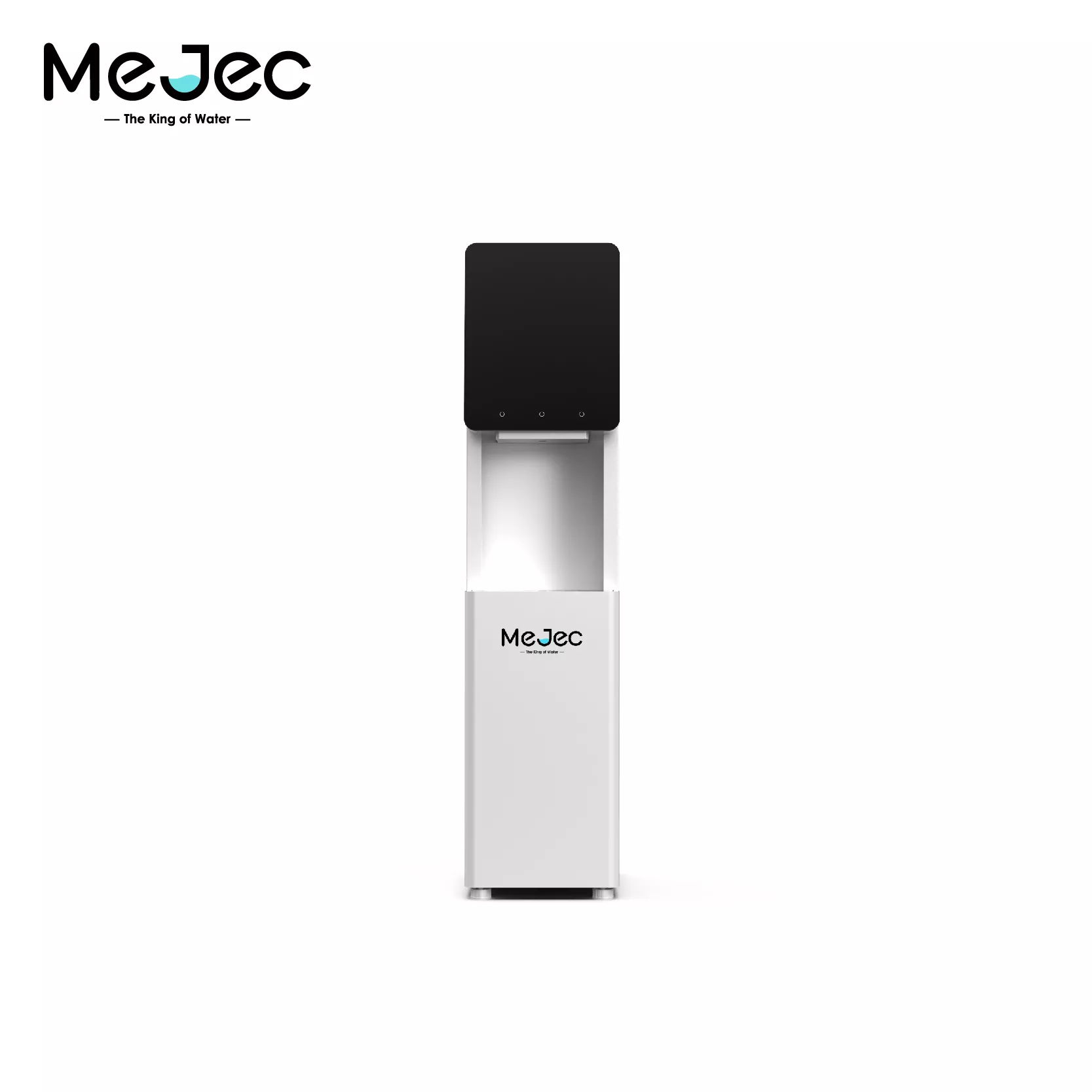
The Mejec commercial drinking machine features a l...
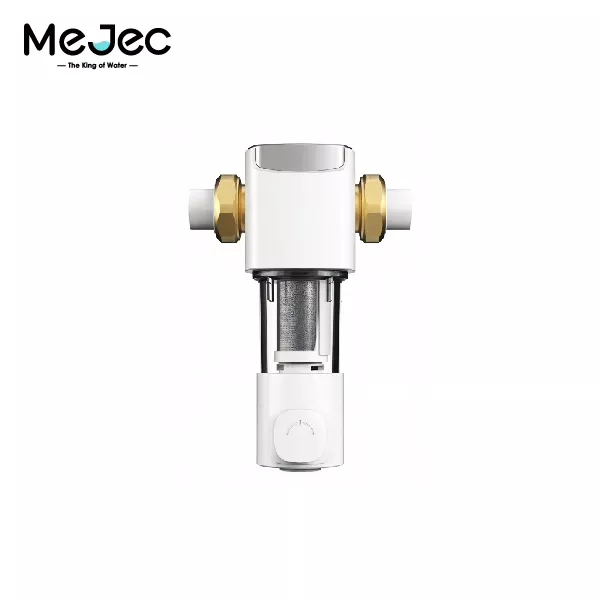
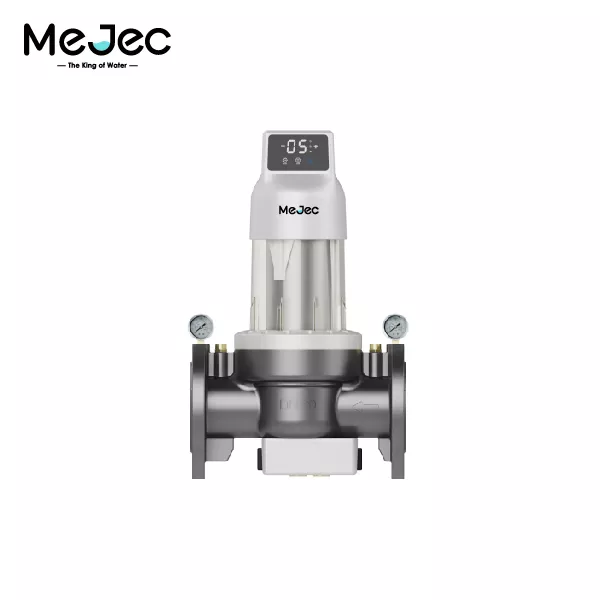
This whole-house pre-filter serves as your first a...

Whether your venue is a specialty café in pursuit ...
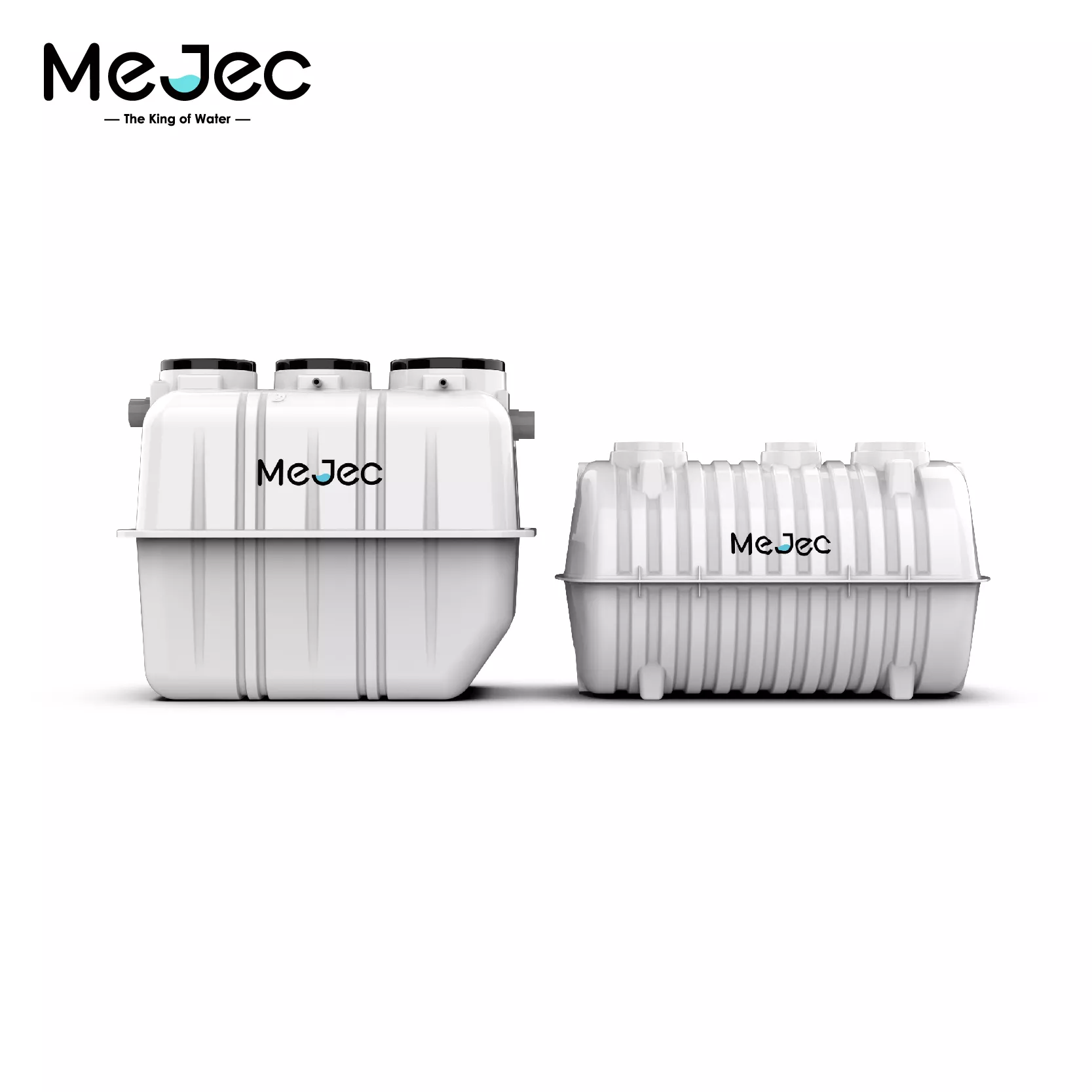
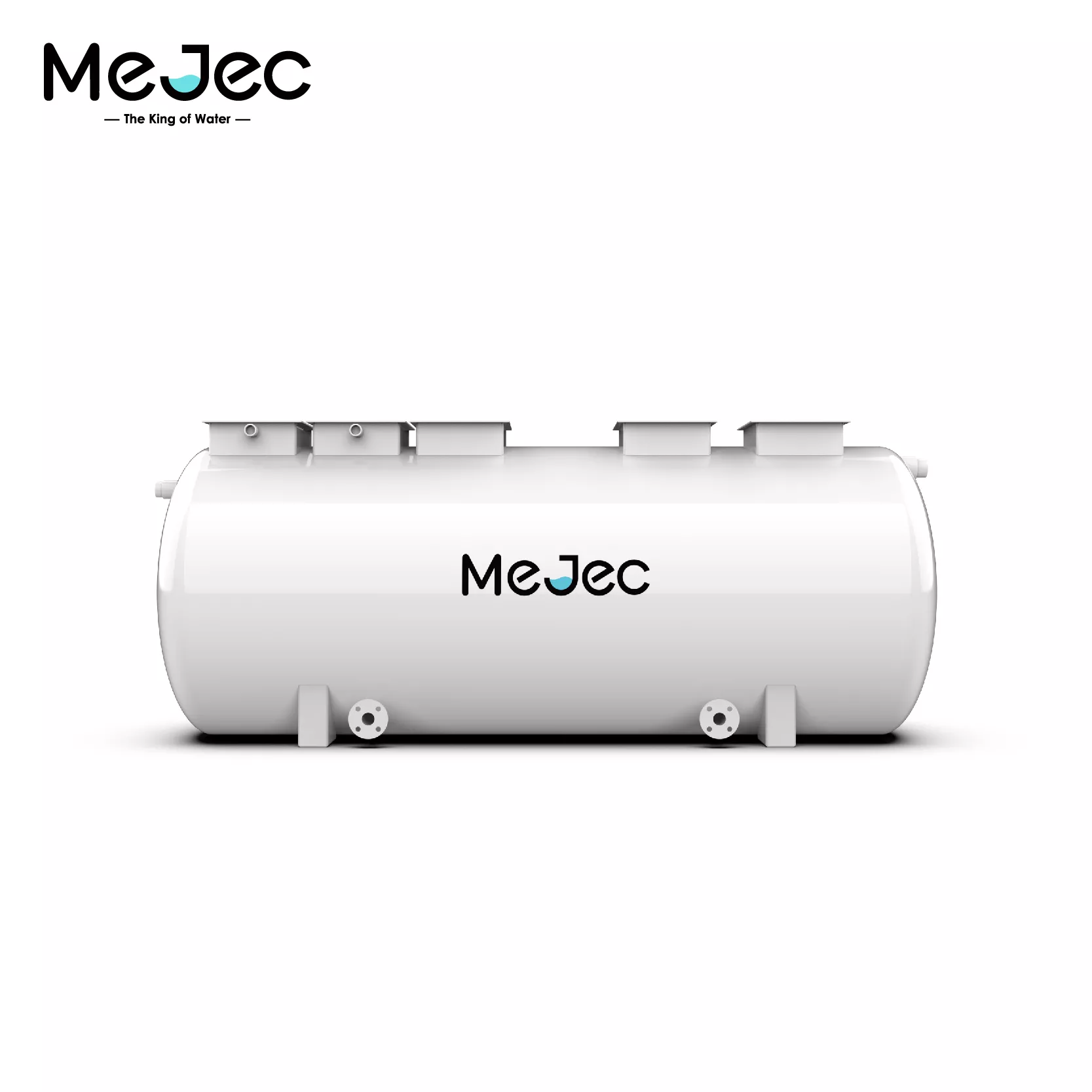
Mejec-Johkasou-SA is a small buried sewage treatme...
Select the most popular foreign trade service products to meet your diverse needs
Select the most popular foreign trade service products to meet your diverse needs





User Comments
Service Experience Sharing from Real Customers
Michael Chen
Plant ManagerTheir custom-designed system for our metal finishing wastewater exceeded expectations. It's reliable, efficient, and reduced our disposal costs by 40%. The engineering team truly understands complex industrial challenges.
Sarah Johnson
Environmental EngineerWe needed a tailored solution for our pharmaceutical plant's high-COD effluent. The system was expertly designed, installed on schedule, and meets all regulatory discharge limits. Excellent technical support post-installation.
David Rodriguez
Operations DirectorOutstanding service for our custom textile dye wastewater treatment. The modular design allowed for easy expansion as our production grew. Water reuse rates have improved significantly, delivering a strong ROI.
Lisa Wang
Sustainability OfficerWorking with their engineers to create a bespoke treatment system for our food processing plant was a game-changer. It handles variable organic loads flawlessly and has been instrumental in achieving our zero-liquid-discharge goals.