




.webp)
Top Commercial Water Dispensers for Restaurants Reviewed in 2026
Compare the top water dispenser for restaurant mod...
More

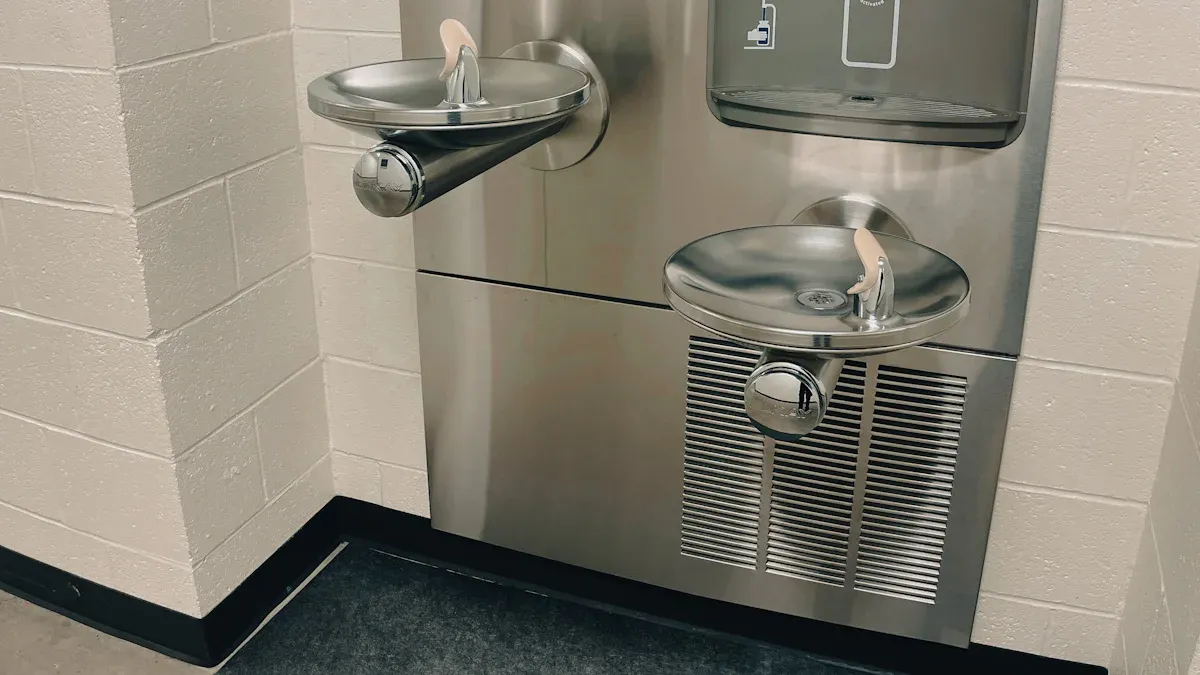
You can find the right drinking water dispenser for your needs. Match the dispenser's type and features to your space and daily use. This guide helps you understand your options. You can then choose a model that provides convenient, clean water for your home or office, joining a rapidly growing market.
| Metric | Value |
|---|---|
| Market Revenue (2023) | USD 2,983.7 million |
| Projected Market Revenue (2030) | USD 5,349.9 million |
| Compound Annual Growth Rate (CAGR) (2024-2030) | 8.7% |
Choose a water dispenser type that fits your space. Point-of-use models connect to your water line. Bottled dispensers use large jugs. Countertop units save floor space.
Look for important features. Check the water filter type for clean water. Decide if you need hot, cold, or room-temperature water. Consider the dispenser's size and how much water it holds.
A water dispenser offers many benefits. It gives you easy access to water. It can save you money over time. It helps you drink more water and is better for the environment.
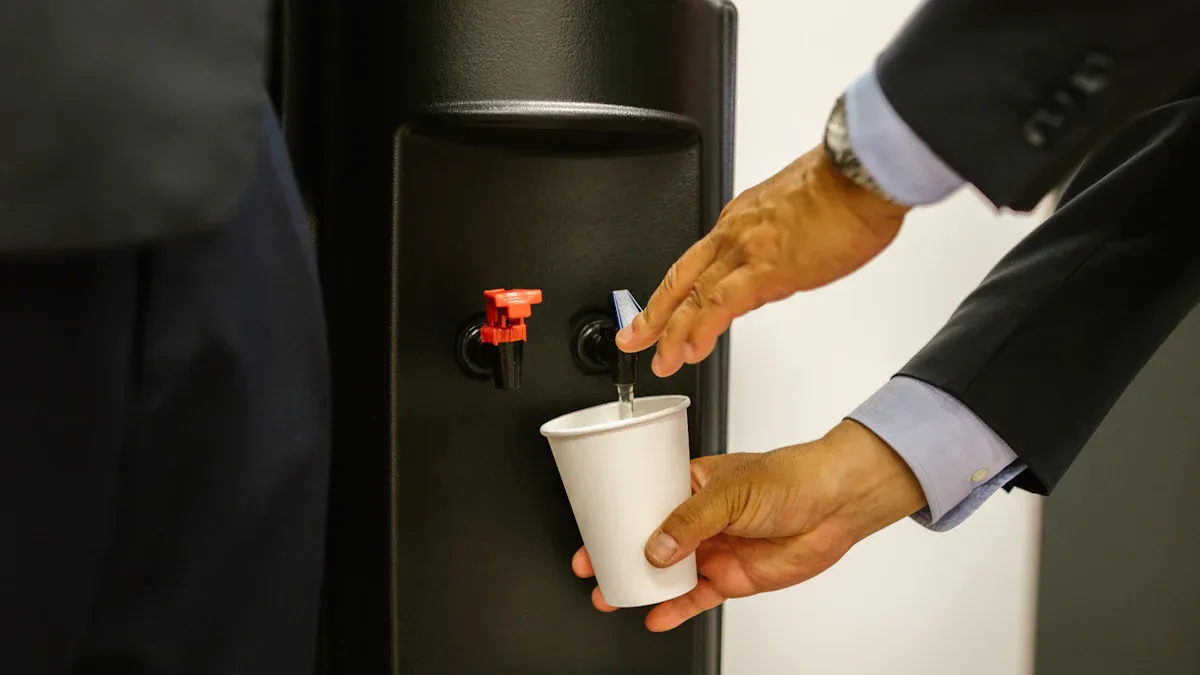
Choosing a water dispenser starts with understanding the three main types. Each one fits a different space and lifestyle. Your choice will depend on your access to a water line and how much room you have.
You can connect a point-of-use (POU) dispenser directly to your building’s water line. This gives you an unlimited supply of filtered water. You never have to worry about running out or storing heavy bottles.
Note: A technician handles the installation. They will connect the unit to your plumbing and ensure everything works correctly. This setup provides better hygiene with a closed system and can save you up to 70% on water costs over time.
Bottled dispensers are a classic choice. They use the large 3 or 5-gallon jugs you see in many offices. You can choose between two main styles: top-load and bottom-load. A bottom-loading drinking water dispenser offers a key ergonomic advantage. You slide the bottle into a base cabinet instead of lifting it. This design greatly reduces the risk of spills and back strain.
| Feature | Top-Loading | Bottom-Loading |
|---|---|---|
| Lifting Effort | High (lift bottle overhead) | Low (slide into cabinet) |
| Risk of Spillage | Moderate to High | Low |
A countertop dispenser is an excellent solution if you have limited floor space. These compact units sit on your counter and are perfect for apartments, dorm rooms, or small offices with up to 20 people. Most models use standard 3 or 5-gallon water bottles and provide instant access to both hot and cold water.
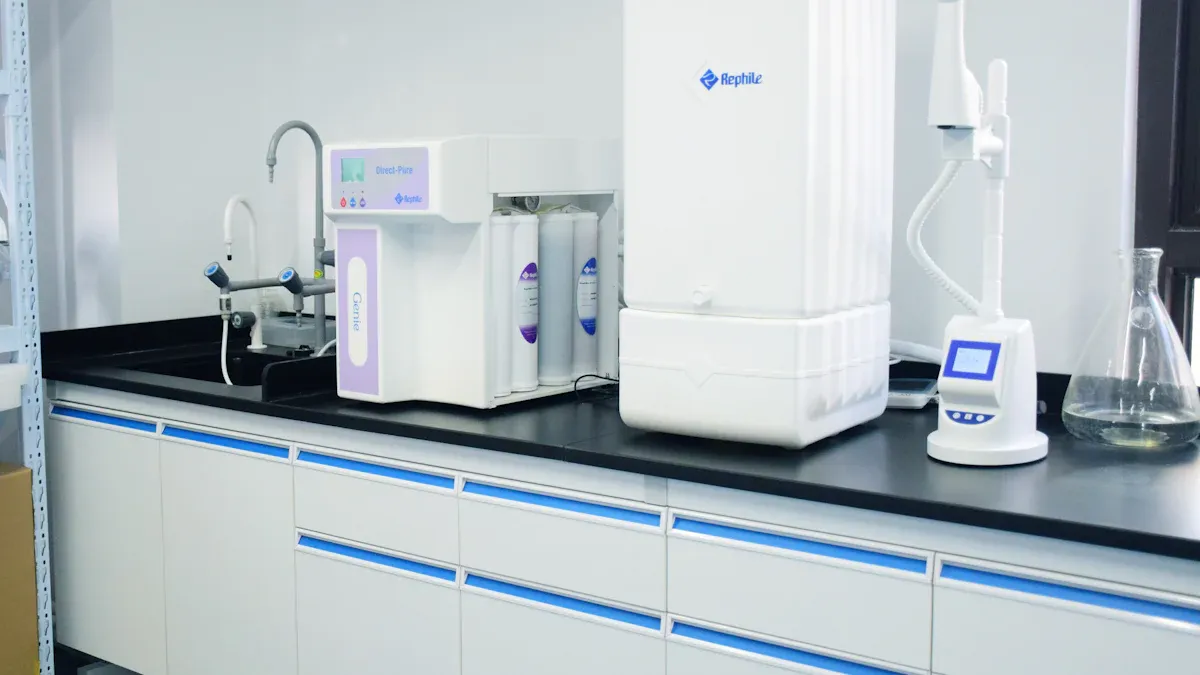
After you select a dispenser type, you need to look at its features. The right features ensure your dispenser meets your daily needs for clean water, convenience, and cost savings.
The quality of your water is paramount. Many dispensers include built-in filtration systems to remove impurities and improve taste. You will find a few common types.
Carbon Filters are a popular choice for improving water taste and odor. They are effective at removing a wide range of contaminants. A carbon filter can reduce:
Chlorine and its byproducts
Pesticides and herbicides
Volatile Organic Compounds (VOCs)
Lead and other heavy metals (with certain carbon blocks)
Pharmaceutical residues and PFOS
Reverse Osmosis (RO) offers one of the most thorough filtration methods available. An RO system pushes water through multiple stages to achieve high purity.
Pre-filtration: A sediment filter first removes larger particles like dirt and silt.
Carbon Filter: Next, an activated carbon filter removes chlorine and chemicals that cause bad tastes or smells.
RO Membrane: The water then passes through a semi-permeable membrane. This key stage removes up to 99% of contaminants, including bacteria, viruses, and chemicals.
Post-filtration: A final carbon filter polishes the water, removing any remaining odors or tastes.
UV-C Purification provides an extra layer of safety. This technology uses ultraviolet light to destroy germs. The UV-C light damages the DNA of microorganisms, which stops them from reproducing. This method is highly effective at the point of dispensing, achieving sterilization rates of ≥99.999% and preventing bacterial regrowth after filtration.
Modern dispensers offer more than just cool water. You can choose a model that provides water at the perfect temperature for any need. This feature adds significant convenience to your daily routine.
| Water Type | Typical Temperature Range |
|---|---|
| Hot | 165°F–194°F (74°C–90°C) |
| Cold | 43°F–50°F (6°C–10°C) |
Many models also dispense room-temperature water, which is ideal for general hydration. Some advanced units even let you adjust the hot and cold settings. This allows you to customize the temperature for a perfect cup of tea, coffee, or a refreshingly cold drink.
You must consider how much space you have and how much water you use daily. Dispensers come in various shapes and sizes to fit different environments.
Pro Tip: Before you buy, measure the area where you plan to place the dispenser. Remember to account for clearance around the unit for proper ventilation.
| Dispenser Type | Typical Height |
|---|---|
| Freestanding | 36–45 inches |
| Countertop | 12–20 inches |
Your water consumption determines the capacity you need. A family of four will have different needs than a small office. Offices often see high demand for both hot and cold water throughout the day. Choosing the right capacity, like a standard 5-gallon model or a bottleless system, ensures you always have a steady supply without constant refills.
Your dispenser's long-term cost depends on its energy use and water source. Point-of-use (POU) dispensers often prove more cost-effective over time than bottled models.
Buying a POU Dispenser: You make a higher initial investment. However, your ongoing costs are low, mainly for replacement filters. You gain full ownership and eliminate monthly rental or delivery fees.
Renting a Bottled Dispenser: You face lower upfront costs but pay continuous monthly fees. These fees can add up to more than the purchase price of a unit over several years, with no return on your investment.
The heating technology in a drinking water dispenser also impacts energy use. Models with instant, tankless heaters are generally more efficient.
| Water Heater Type | Uniform Energy Factor (UEF) |
|---|---|
| Standard Tank | 0.60–0.70 |
| Tankless (On-Demand) | 0.82–0.94 |
A higher UEF rating means greater energy efficiency, which translates to lower electricity bills.
You must clean your water dispenser regularly to ensure it provides safe, healthy water. Neglected dispensers can become breeding grounds for germs. Biofilm, a slimy layer of bacteria, can form inside reservoirs and tubing. This can lead to off-tasting water and potential health risks from pathogens like E. coli.
Warning: Studies show that poorly maintained dispensers can harbor molds and opportunistic pathogens. These pose a risk, especially to children, the elderly, or anyone with a weakened immune system.
Follow a consistent cleaning schedule to keep your water fresh and safe.
| Usage Type | Recommended Cleaning Frequency |
|---|---|
| Office Use | Every 7–10 days |
| Home Use | Every 15–20 days |
| Deep Sanitize | Every 15–30 days |
Basic Cleaning Steps:
Fill the water reservoir with a cleaning solution (like diluted vinegar or a special cleaner).
Let the solution sit for 15–30 minutes to dissolve mineral buildup.
Use a soft brush to gently scrub the inner walls of the reservoir.
Clean the taps and drip tray with warm, soapy water.
Drain the cleaning solution and rinse all components thoroughly with fresh water.
A water dispenser offers more than just water. It provides convenience, promotes health, and supports your budget. You can see why it is a smart addition to any home or office.
You can simplify your daily routine with instant access to water. A dispenser makes many tasks easier.
Prepare hot tea or coffee without waiting for a kettle.
Enjoy crisp, cold water on demand for quick refreshment.
Refill your reusable bottle easily throughout the day.
This immediate access helps you skip time-consuming coffee runs. You get the perfect temperature for your drink right away.
You can save significant money over time. Bottled water seems cheap initially, but the costs add up. A bottle-less water cooler has a higher upfront cost for installation. However, it provides an unlimited supply of purified water afterward. Over five years, you eliminate the recurring expense of buying bottles, which can cost around $8.50 per gallon.
Easy access to water encourages you to drink more. Studies show that placing water dispensers in schools tripled students' water consumption. Staying hydrated offers many health benefits.
Improves Brain Performance: Proper hydration helps with memory, mood, and concentration.
Increases Energy: It prevents fatigue and keeps you focused.
Supports Weight Management: Drinking water can help you feel full and boost your metabolism.
A drinking water dispenser makes it simple to achieve these benefits.
You can help protect the planet by choosing a dispenser. Bottled water has a large carbon footprint. Producing and transporting a single bottle uses significant water and oil. In contrast, using a dispenser that filters tap water requires up to 2,000 times less energy than producing bottled water. This choice reduces plastic waste and lowers carbon emissions.
You can find the ideal drinking water dispenser for your needs. First, select a type based on your space and water source. Next, review key features like temperature options and safety locks. This process helps you choose a model that aligns with your goals for convenience, cost, and health.
You should replace most filters every six months. Always check your user manual. It provides the specific replacement schedule recommended by the manufacturer for your model.
You need a professional technician for installation. They connect the unit to your water line safely. This ensures your dispenser works correctly from the start.
Most modern dispensers operate very quietly. You might hear a soft hum when the cooling or heating system activates. The sound is generally not disruptive.

We provide you with comprehensive foreign trade solutions to help enterprises achieve global development
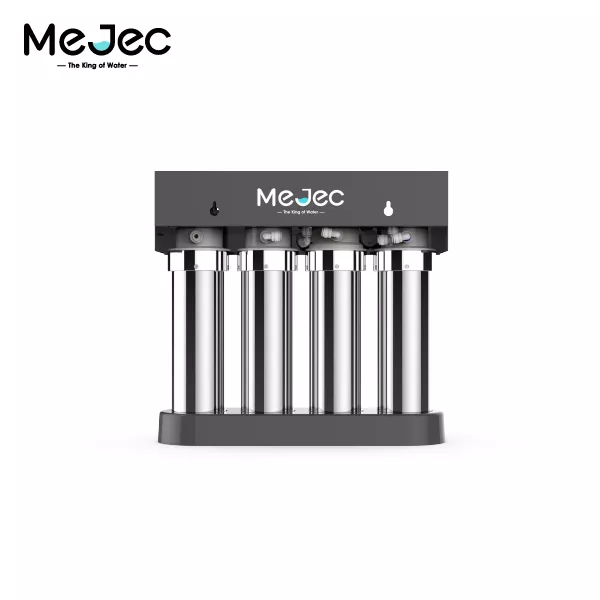
The smart under-sink RO system that brings pure wa...
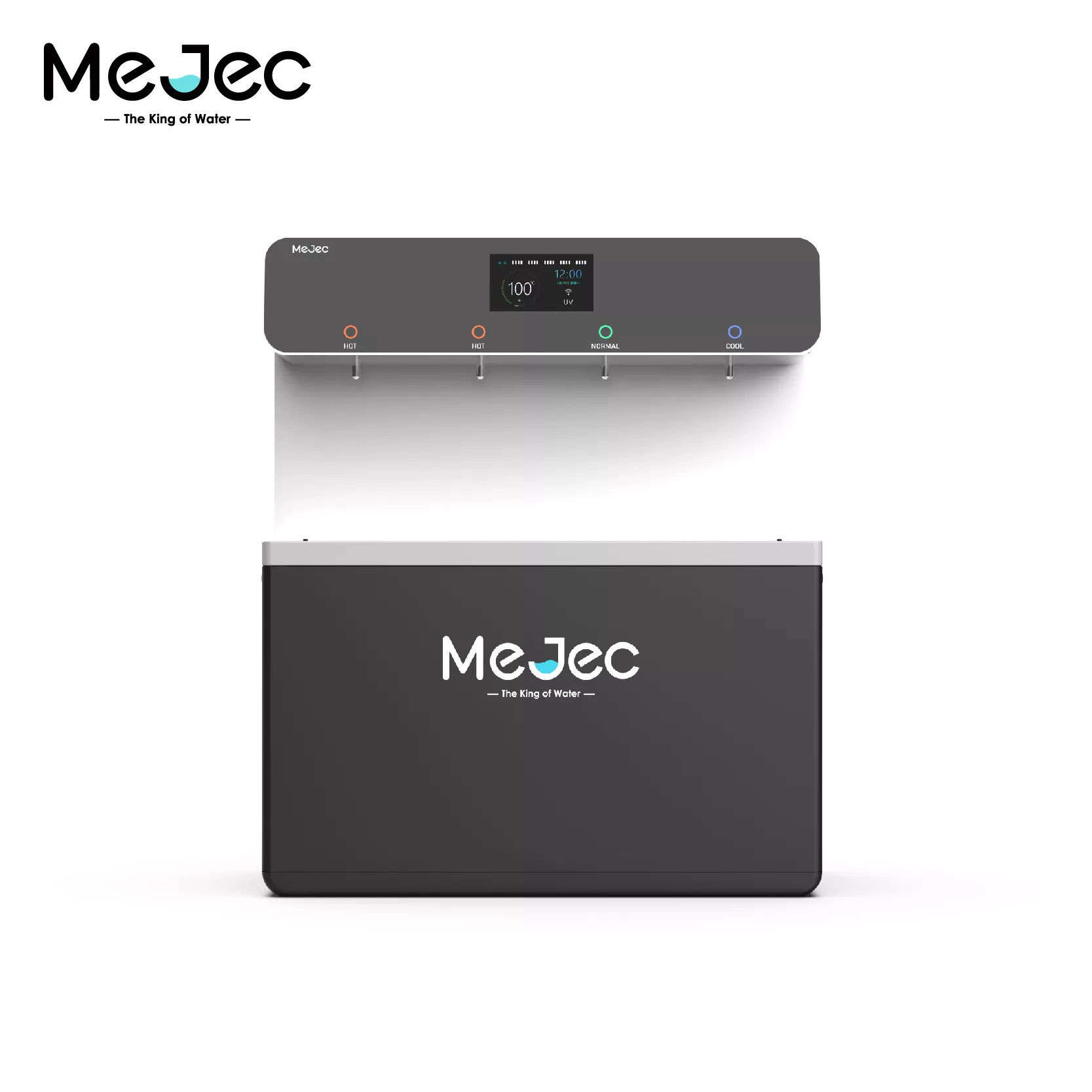
Designed for high-traffic public areas, the Mejec ...
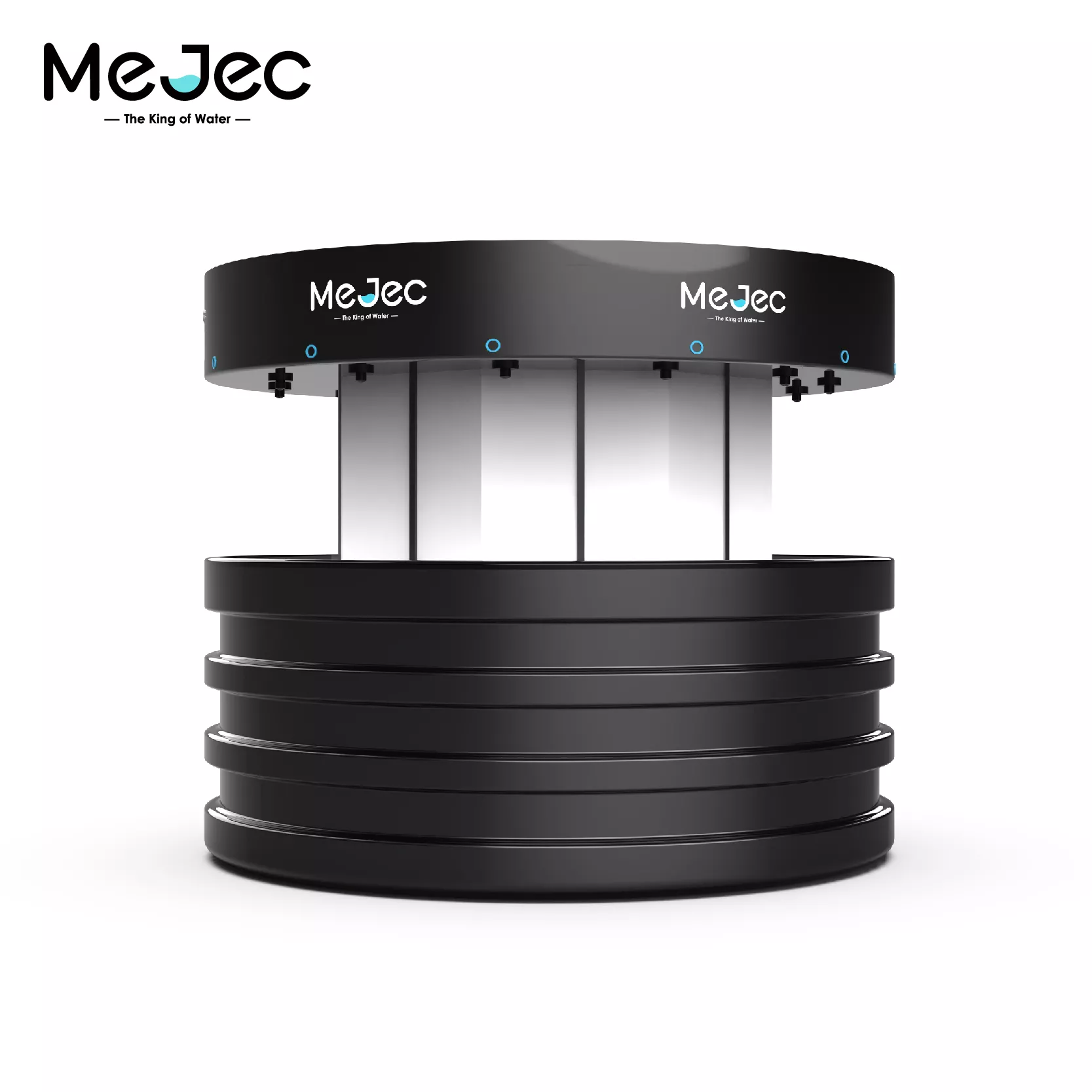
Mejec Redefines the Outdoor Hydration Experience. ...
Experience effortless purity with our advanced RO ...
Select the most popular foreign trade service products to meet your diverse needs
Select the most popular foreign trade service products to meet your diverse needs





User Comments
Service Experience Sharing from Real Customers
James Wilson
Office ManagerThis water dispenser has been a game-changer for our small office. The hot and cold water functions are used constantly, and it's incredibly energy-efficient. The installation was straightforward, and it looks sleek in our break room.
Sarah Chen
Elementary School TeacherPerfect for our classroom! The children find it easy and safe to use. The child lock on the hot water tap gives me peace of mind. It encourages the kids to drink more water throughout the day. We just wish the water tank was a bit larger.
David Rodriguez
Clinic AdministratorAs a medical clinic, having a reliable and hygienic source of drinking water is essential. This dispenser's built-in UV sterilization and easy-to-clean design are top-notch. It's quiet, dependable, and our patients and staff appreciate it greatly.
Emily Foster
Fitness InstructorI purchased this for my home gym studio. It's fantastic! Clients can easily refill their bottles with cold water after sessions. The design is modern and doesn't take up much space. The water always tastes clean and fresh. Highly recommended for any fitness professional.