Eco-Friendly Wastewater Treatment
Eco-Friendly Wastewater Treatment
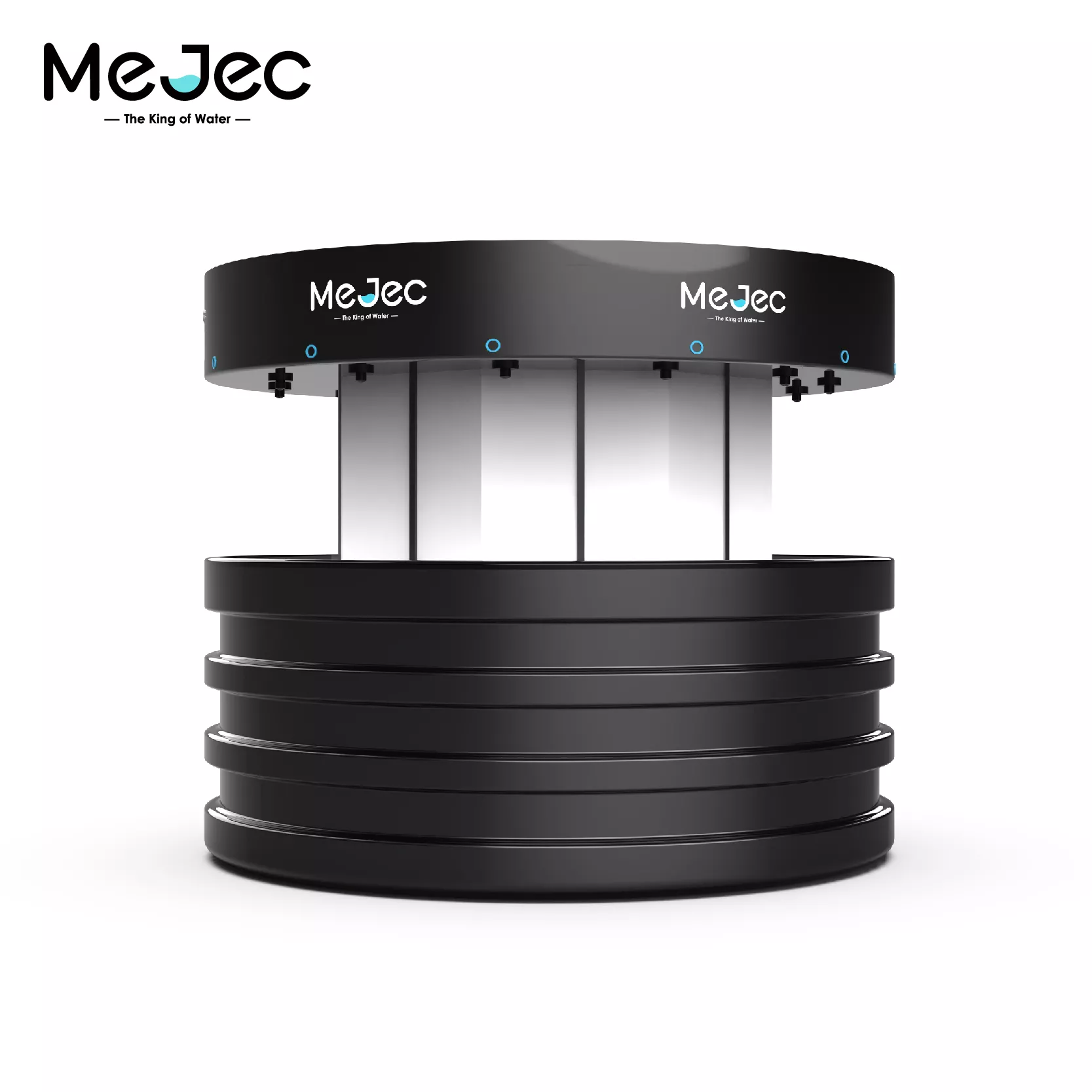
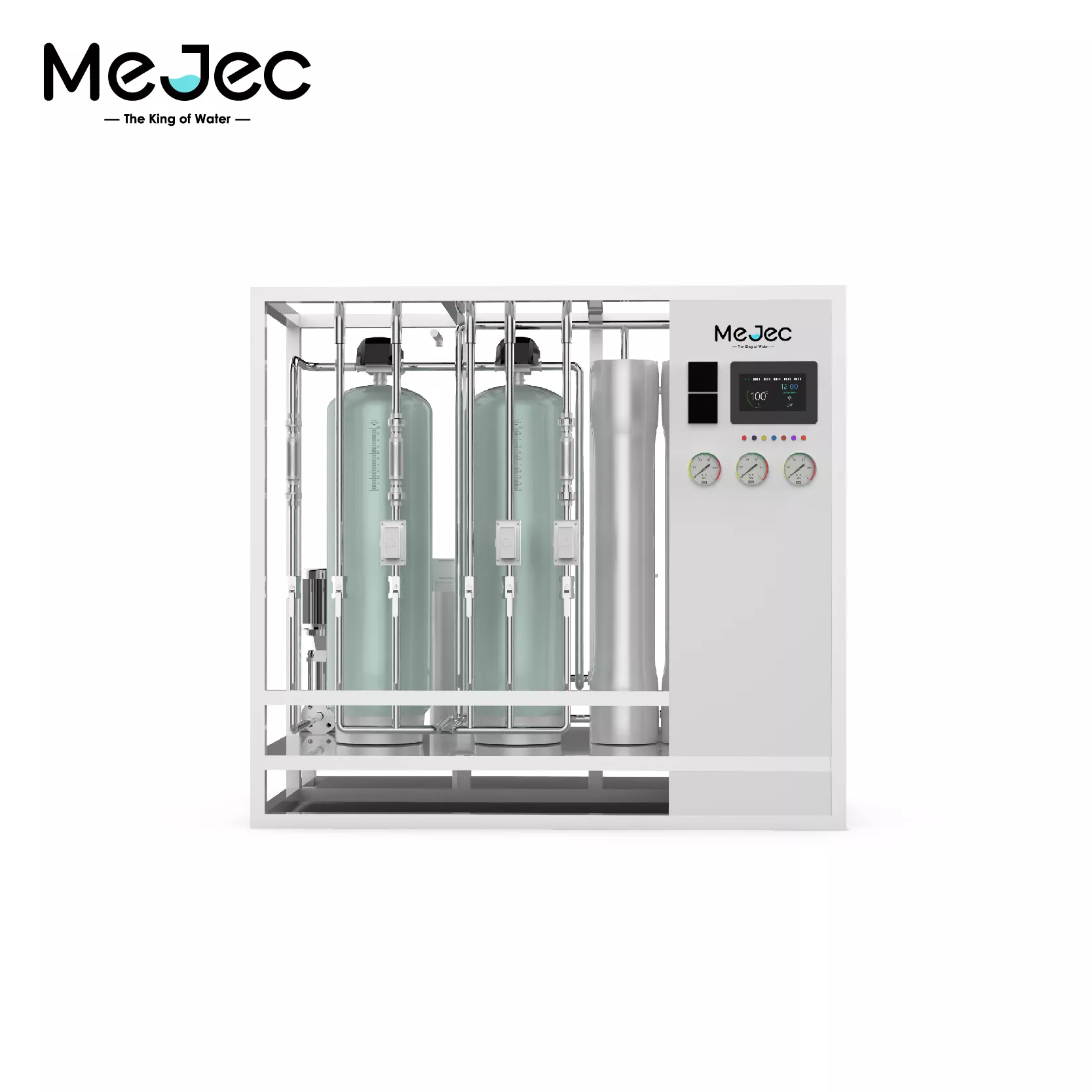
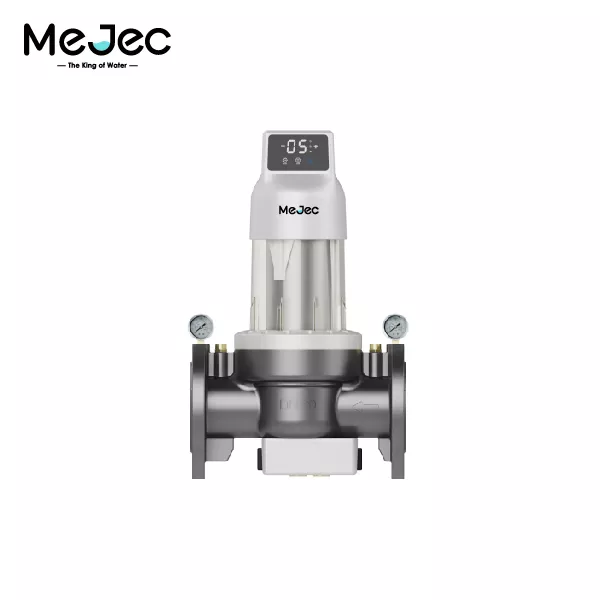
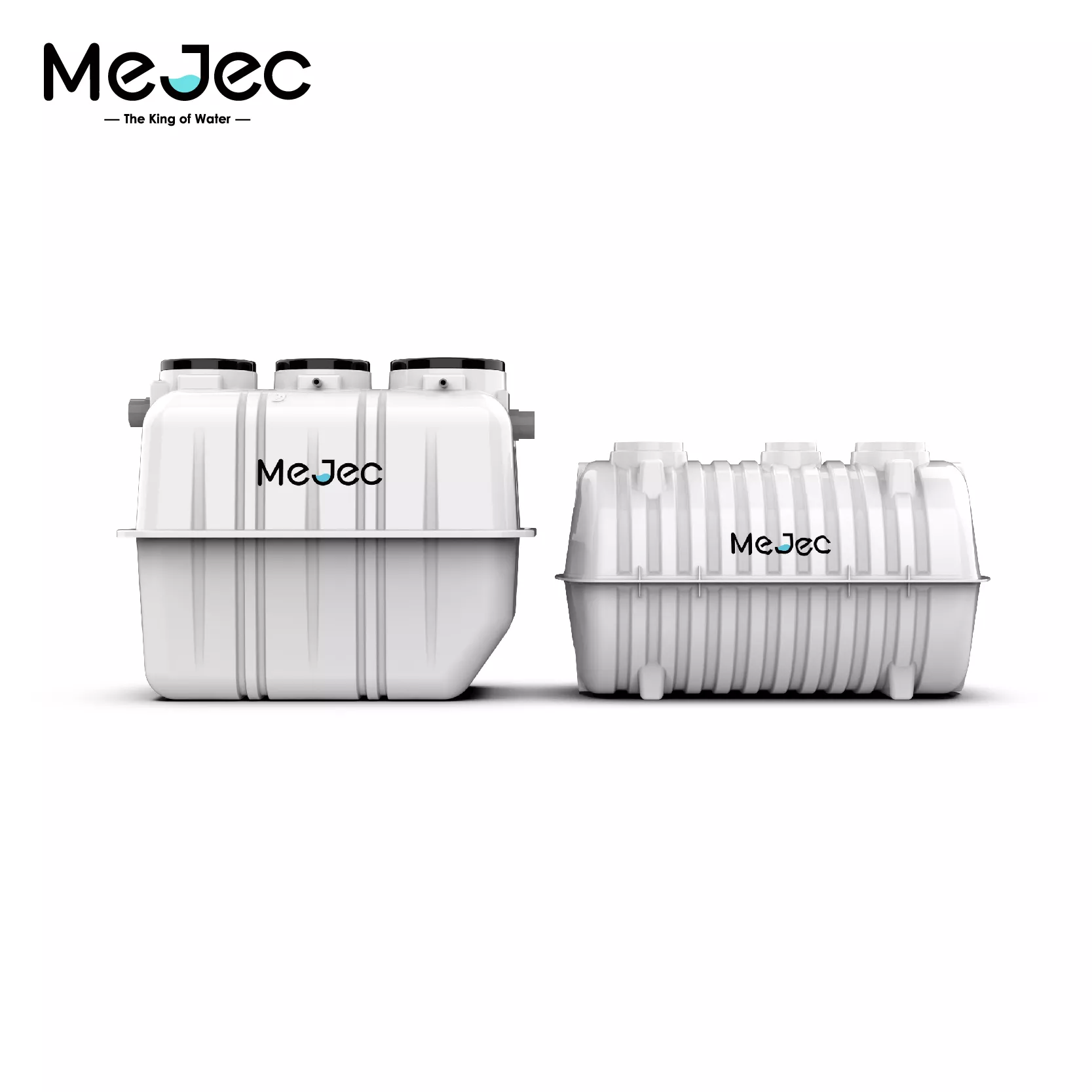
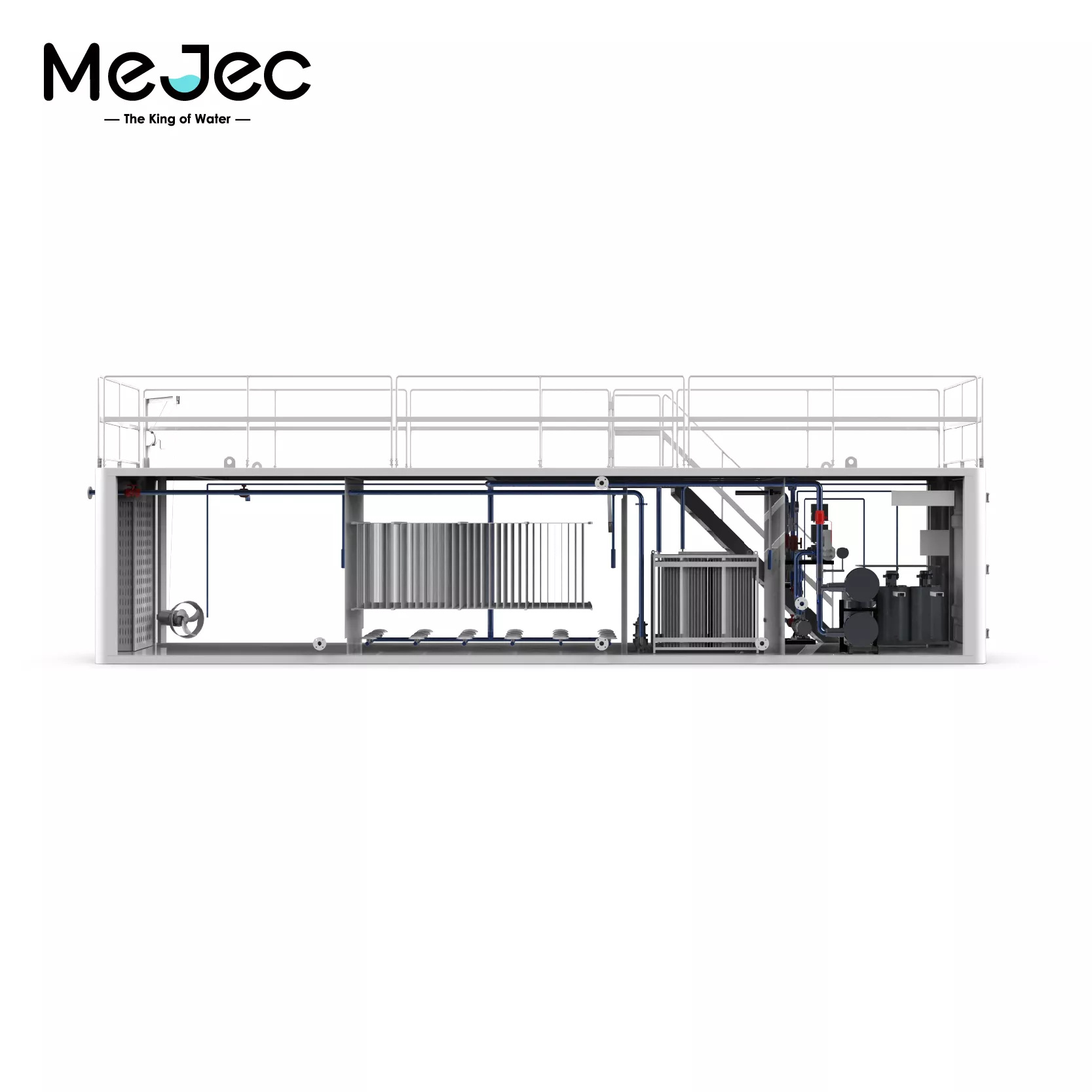
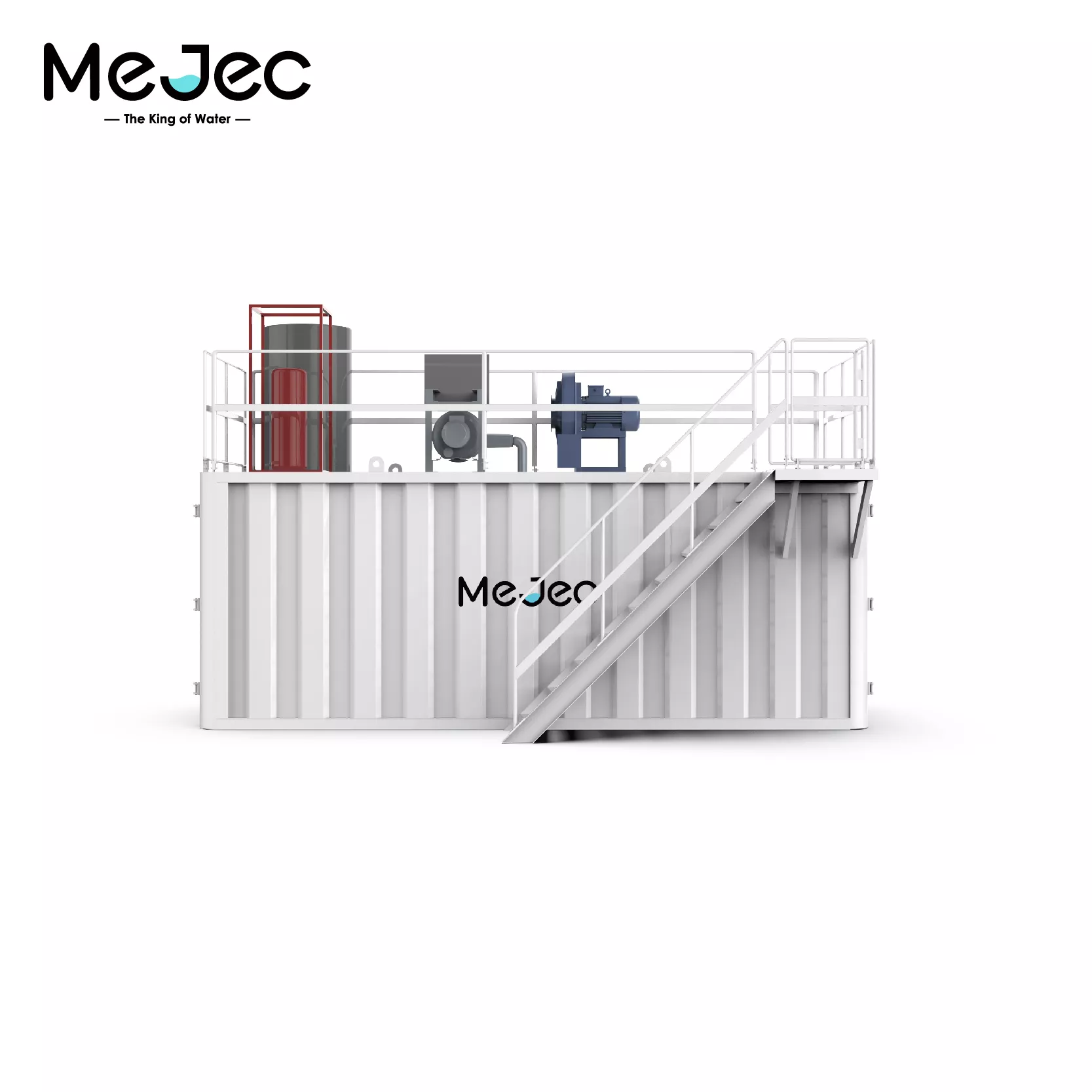
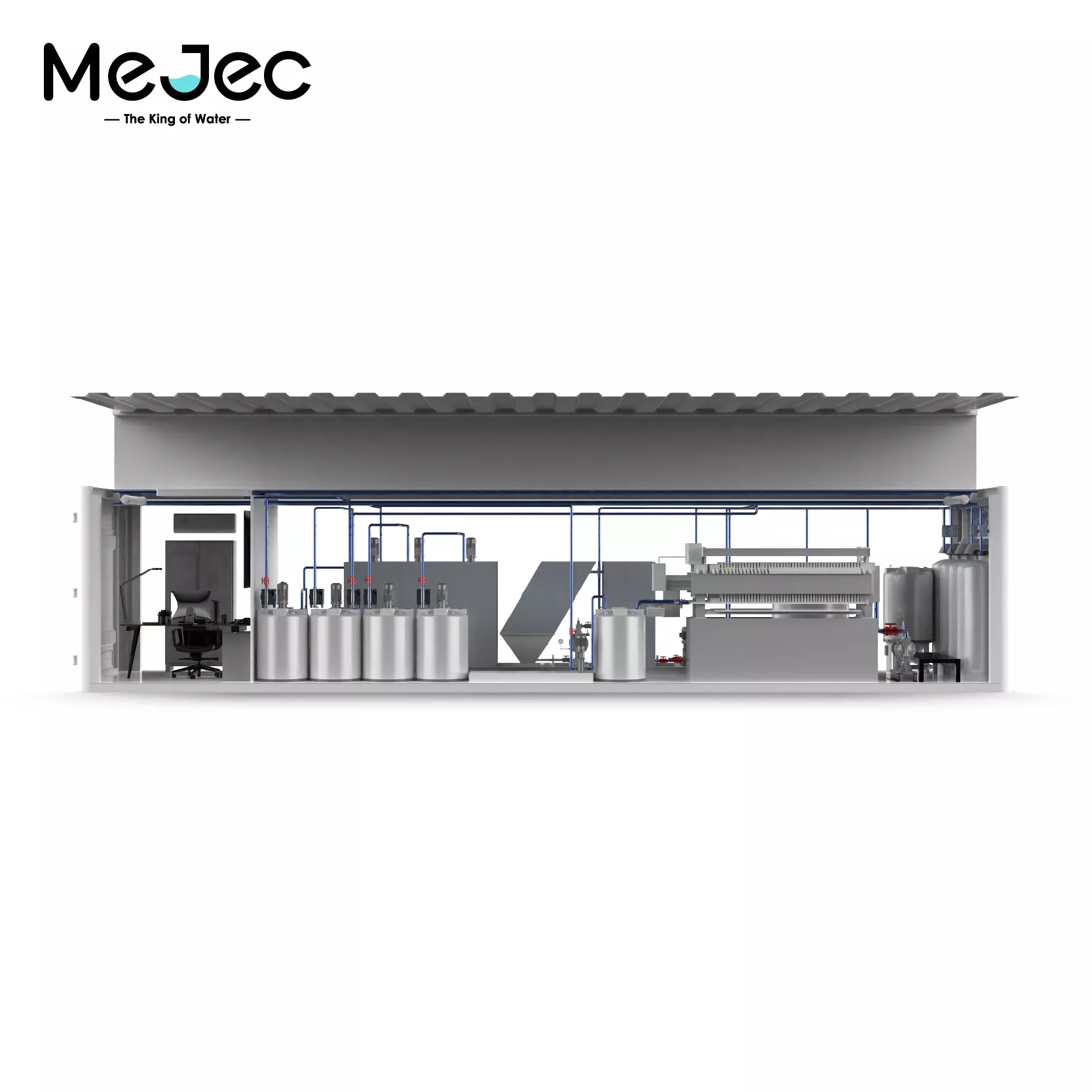
The imperative for eco-friendly wastewater treatment is driven by stringent global environmental regulations and a collective push towards sustainable industrial and municipal practices. Conventional treatment methods often involve high energy consumption, significant chemical usage, and can generate substantial sludge, leading to secondary pollution and elevated operational costs. In contrast, modern eco-friendly solutions prioritize minimizing the environmental footprint throughout the treatment lifecycle. This paradigm shift is evidenced by market data; the global water and wastewater treatment market, heavily influenced by green technologies, was valued at over $280 billion in 2022 and is projected to grow steadily. Technologies such as Membrane Bioreactors (MBRs), which combine biological degradation with membrane filtration, can achieve over 95% removal of organic pollutants and nutrients while reducing plant footprint by up to 50% compared to conventional systems. Similarly, Advanced Oxidation Processes (AOPs) utilize UV light, ozone, or catalysts to break down complex, non-biodegradable contaminants like pharmaceuticals and microplastics without creating harmful by-products. The adoption of anaerobic digestion for wastewater not only treats high-strength organic waste but also captures biogas, with large-scale plants capable of generating enough methane to power the treatment process itself, moving towards energy neutrality or even positivity.
Real-world implementation and research underscore the efficacy and necessity of these systems. For instance, constructed wetlands, a nature-based solution, are successfully deployed for decentralized treatment, removing 70-90% of nitrogen and phosphorous while enhancing biodiversity. Data from the European Environment Agency indicates that integrating such green infrastructure can reduce energy use in the water sector by 15-30%. Furthermore, the integration of smart sensors and AI for process optimization, known as the "digital water" trend, is enhancing the efficiency of eco-friendly plants by predicting maintenance needs and optimizing chemical dosing, leading to additional energy savings of up to 25%. The reuse of treated wastewater, or water reclamation, is a critical outcome; countries like Israel and Singapore reuse over 80% and 40% of their treated wastewater, respectively, for agricultural and industrial purposes, directly conserving freshwater resources. This transition is supported by lifecycle assessment (LCA) studies which consistently show that despite potentially higher initial capital costs, eco-friendly treatment systems offer superior long-term benefits through reduced operational expenses, lower sludge production, compliance with evolving regulations, and significant contributions to corporate social responsibility (CSR) goals and the United Nations Sustainable Development Goals (SDGs), particularly SDG 6 for clean water and sanitation.




.webp)







User Comments
Service Experience Sharing from Real Customers
Michael Chen
Environmental EngineerThis eco-friendly wastewater treatment system has revolutionized our plant's operations. The reduction in chemical usage and energy consumption is remarkable, while still meeting all discharge standards. A truly sustainable solution.
Sarah Johnson
Plant ManagerImplementing this green treatment technology has significantly lowered our environmental footprint and operational costs. The biological process is efficient and robust. Minor initial setup challenges, but overall an excellent investment for our brewery.
David Rodriguez
Sustainability OfficerAs part of our corporate zero-waste initiative, this eco-friendly treatment system has been pivotal. It not only treats our wastewater effectively but also allows for safe water reuse in non-potable applications. Highly recommend for any industry serious about sustainability.
Emily Watson
Facilities DirectorOutstanding performance from this environmentally conscious wastewater solution. The modular design was easy to integrate into our existing infrastructure at the textile mill. It has drastically reduced sludge production and helped us achieve our green certification goals.