








.webp)
How Municipal Wastewater Treatment Processes Work Step by Step
Municipal wastewater treatment works through a step-by-step process that removes harmful substances from sewage water before it returns to the environment. Clean water is essential for healthy communities and households. Globally, 76% of municipal wastewater receives some level of treatment, and 60% is treated safely. Wastewater treatment plants help prevent disease and protect public health.
These facilities monitor antimicrobial resistance and act as barriers against the spread of antibiotic resistance genes.
Risks remain if wastewater is not properly treated, including exposure to pathogens and chemicals.

Hazard Type | Specific Risks |
|---|---|
Biological Hazards | Pathogens like E. coli, Salmonella, and viruses such as Hepatitis A can cause severe illnesses. |
Chemical Hazards | Disinfectants and heavy metals can lead to health problems. |
Physical Hazards | Wet surfaces and noise can cause injuries. |
Ergonomic Hazards | Heavy equipment can result in musculoskeletal injuries. |
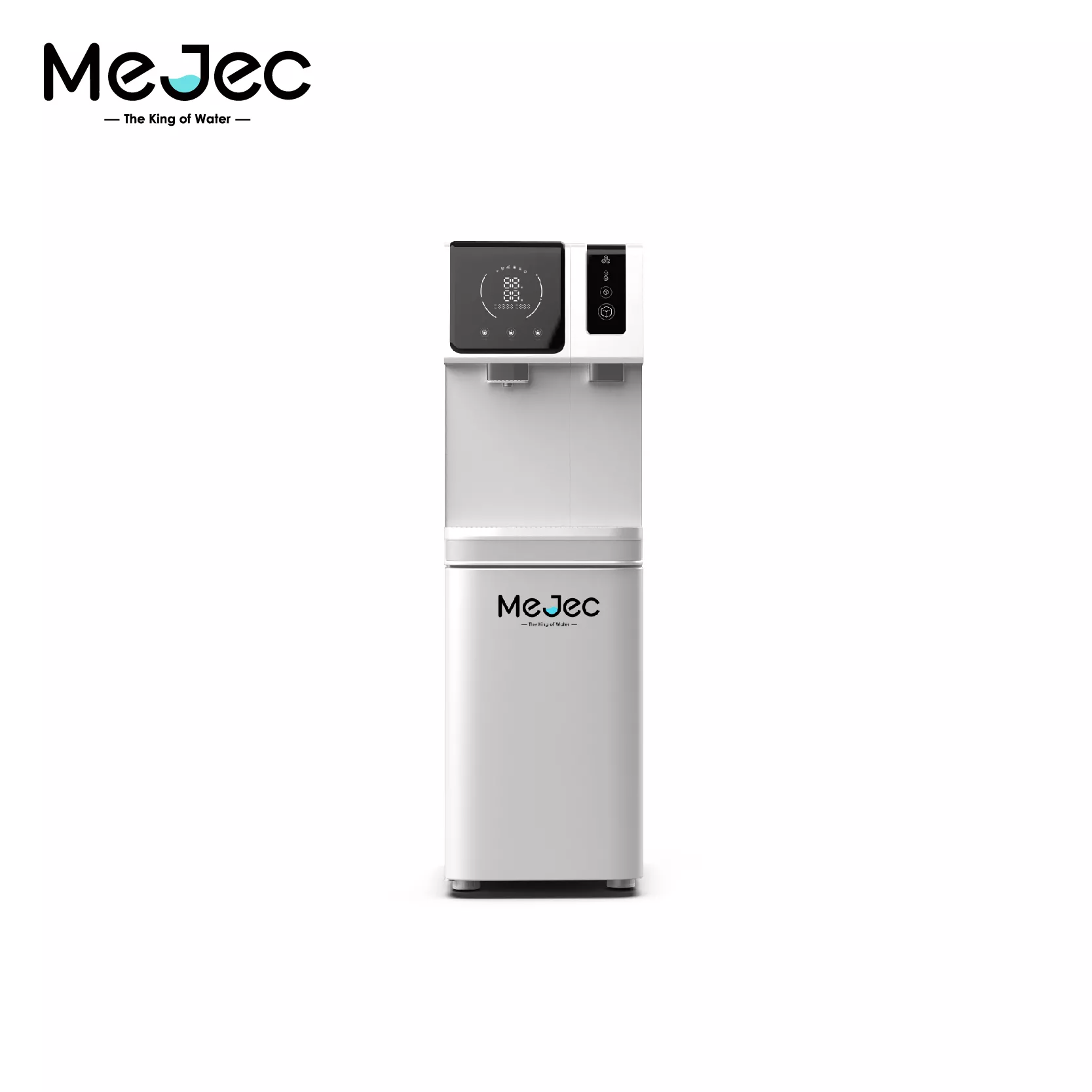
Advanced home solutions like the Mejec Water Dispenser use multi-stage filtration, complementing municipal efforts to ensure safe water at every tap.
Key Takeaways
Municipal wastewater treatment is crucial for protecting public health and the environment by removing harmful substances from sewage water.
A well-designed collection system is essential for transporting wastewater safely to treatment plants, preventing blockages and overflows.
Preliminary treatment steps like bar screening and grit removal protect equipment and improve the efficiency of later treatment stages.
Secondary treatment uses biological processes to break down organic matter, significantly improving water quality before discharge.
Tertiary treatment ensures that any remaining contaminants are removed, making treated wastewater safe for discharge or reuse.
Municipal Wastewater Collection
How Wastewater Reaches the Plant
Municipal wastewater treatment plants rely on a complex network of pipes and stations to collect sewage water from homes, businesses, and industries. Wastewater travels through several stages before arriving at the treatment facility. The journey begins at the house sewer, which carries sewage from individual buildings. Lateral and branch sewers collect flows from multiple homes and direct them to sub-main sewers. These sub-main lines then connect to trunk or main sewers, which serve as the main arteries for large volumes of municipal wastewater. Interceptor sewers receive wastewater from trunk lines and deliver it to the municipal wastewater treatment plant. Lift or pump stations help move wastewater uphill when gravity alone is not enough.
Component Type | Description |
|---|---|
House Sewer | Conveys the sewerage from a building to the lateral or branch lines. |
Lateral & Branch Sewers | Collects wastewater from several lateral sewer lines and dead-ends at their upstream end. |
Sub-main Sewers | Collects wastewater from numerous lateral and branch sewers and conveys it to larger trunk lines. |
Trunk/Main Sewers | Serves as the main arteries, collecting wastewater from numerous main sewer lines. |
Interceptor Sewers | Receives wastewater from trunk sewers and conveys it to a treatment center; these are the largest lines. |
Lift or Pump Stations | Used to lift wastewater to a higher elevation in gravity sewer systems when necessary. |
Importance of Collection Systems
A well-designed collection system is essential for the wastewater treatment process. These systems protect public health and the environment by safely transporting municipal wastewater to sewage treatment plants. Regular inspections and cleaning prevent blockages and reduce the risk of overflows. Adherence to environmental regulations ensures that communities and ecosystems remain safe. Effective management and maintenance activities extend the life of the system and prevent leaks.
Tip: Preventive measures, such as routine cleaning and immediate repairs, help avoid environmental contamination and keep the municipal wastewater treatment plant operating efficiently.
Densely populated cities face several challenges with their collection systems:
Aging infrastructure can cause pipe deterioration and increased infiltration.
Tree roots may intrude and block pipes.
Fats, oils, and grease can restrict flow and cause backups.
Extreme weather events put extra strain on system capacities.
Limited budgets may delay repairs and upgrades.
A reliable collection system supports the entire wastewater treatment process and ensures that sewage water reaches treatment plants for proper purification.
Preliminary Wastewater Treatment
Preliminary wastewater treatment is the first step after sewage water arrives at the plant. This process removes large objects and heavy particles that could damage equipment or slow down later stages. The main goals are to protect machinery and make the next steps more effective.
Bar Screening
Bar screening is the initial barrier in municipal wastewater treatment. Screens are metal bars placed across the flow of wastewater. These bars catch large debris such as sticks, rags, plastics, and other solid waste. Workers regularly clean the screens to prevent clogs and keep the flow steady.
Item Caught by Bar Screens | Examples |
|---|---|
Large debris | Wood, plastic, rags |
Household waste | Diapers, wipes, wrappers |
Miscellaneous objects | Stones, cans, bottles |
Screening is vital because about 22% of pump failures in sewer systems happen due to clogged screens. By removing these items early, the treatment plant avoids costly repairs and keeps the process running smoothly.
Tip: Regular maintenance of bar screens helps prevent blockages and reduces the risk of equipment failure.
Grit Removal
After screening, wastewater flows into grit chambers. These chambers slow down the water so heavy inorganic materials like sand, gravel, and small stones settle to the bottom. Grit removal is essential because it protects pumps and other sensitive equipment from abrasion and damage.
Removing grit also improves the quality of treated wastewater. It prevents grit from settling in aeration basins, which helps maintain oxygen circulation and boosts biological treatment efficiency. This step leads to better compliance with effluent quality standards.
Preliminary treatment steps like screening and grit removal lower maintenance costs for downstream processes. They serve as the first line of defense, capturing large debris and heavy particles before they can harm pumps or other equipment. This careful approach ensures that sewage water moves safely through the plant and supports effective wastewater treatment.
Primary Wastewater Treatment Process
Primary Settling
Primary settling is a crucial step in municipal wastewater treatment. During this stage, wastewater flows into large tanks called primary clarifiers. These tanks slow down the movement of water, allowing heavier particles to settle at the bottom. This process is known as sedimentation. The settled material forms a layer called sludge, while lighter materials float to the surface and are removed.
The efficiency of primary treatment depends on how well these tanks separate solids from the liquid. Recent innovations have improved the performance of primary settling tanks. The table below highlights some advancements:
Innovation | Impact on Efficiency |
|---|---|
Structural optimization | Increased oil content and dehydration rate by 7.1% and 7.0% respectively |
Adjusting pipe diameter | Improved separation efficiency and reduced energy consumption |
Accurate simulation of oil-water separation process |
Primary treatment typically removes a significant portion of suspended solids from wastewater.
About 50-65% of suspended solids can be removed as primary sludge.
Most facilities achieve 50-70% removal of total suspended solids before secondary treatment.
The expected removal range for suspended solids in a primary clarifier is 40%-60%.
Note: Effective primary settling reduces the load on later stages of wastewater treatment and helps protect the environment.
Sludge Formation
Sludge formation occurs when solids settle during primary treatment. The sludge collected at the bottom of the clarifier contains organic and inorganic materials. Managing sludge is an important part of the treatment process. Facilities use several steps to handle sludge efficiently.
First, thickening reduces the volume by removing free water, which increases the concentration of solids. This step is essential because it lowers the size and cost of further treatment. After thickening, stabilization helps reduce odors and harmful substances. Dewatering then removes even more water, making sludge easier to transport and dispose of.
Proper sludge management ensures that wastewater treatment plants operate safely and meet environmental standards. The process protects public health and supports clean water for communities.
Secondary Wastewater Treatment
Aeration and Biological Treatment
The secondary stage of municipal wastewater treatment focuses on removing dissolved and suspended organic matter that remains after primary treatment. This step uses biological processes to break down pollutants. The biological stage relies on microorganisms that consume organic compounds and help clean the water.
Aeration is a key part of this process. Air is pumped into large tanks, which supplies oxygen to aerobic microorganisms. These organisms use the oxygen to digest organic pollutants, such as ammonia and hydrogen sulfide. As a result, harmful substances are converted into safer compounds like carbon dioxide and water. Aeration improves the quality of treated wastewater and helps reduce odors.
There are two main types of biological treatment systems:
Suspended growth systems, such as activated sludge systems, where microorganisms float freely in the water.
Attached growth systems, like trickling filters, where microorganisms grow on surfaces and treat wastewater as it passes by.
Other common biological methods include:
Aerobic processes, such as activated sludge and trickling filters
Anaerobic processes, like anaerobic digesters
Anoxic processes, including denitrification filters
Phytoremediation methods, such as constructed wetlands
Microorganisms play a vital role in reducing pathogens during the biological stage. They consume many harmful bacteria and viruses. Pathogens also decrease because microorganisms compete for nutrients and prey on each other. This process lowers the risk of disease and improves public health.
Secondary treatment also helps remove nutrients from wastewater. The table below shows how different processes work:
Process Type | Description |
|---|---|
Nitrification | Converts ammonia in wastewater to nitrate using nitrifying bacteria in an aerated environment. |
Denitrification | Reduces nitrate to nitrogen gas in an anoxic environment, requiring carbon sources for bacteria. |
Chemical Phosphorus | Involves adding chemical precipitants to remove phosphorus through flocculation. |
Biological Phosphorus | Requires anaerobic conditions for phosphorus release and aerobic conditions for uptake. |
Note: Chemical addition is sometimes used as a polishing step to improve phosphorus removal and add resilience to the biological stage.
Secondary Settling
After aeration and biological treatment, the water flows into secondary settling tanks. These tanks allow solid particles, including microorganisms and sludge, to settle out of the water. The settled sludge is collected at the bottom and removed for further processing. Some of this sludge is returned to the aeration tanks to maintain the population of microorganisms.
Secondary settling is important because it separates clean water from the solids produced during the biological stage. The process reduces suspended solids and lowers biochemical oxygen demand (BOD) levels. It also helps remove pathogens, making the water safer for discharge or further treatment.
The biological stage and secondary settling work together to produce high-quality effluent. These steps protect the environment and support safe water for communities.
Tertiary Treatment and Final Steps
Disinfection and Chlorination
Tertiary treatment is the final stage in municipal wastewater treatment. This step removes any remaining contaminants after primary and secondary processes. Disinfection is a key part of tertiary treatment. Chlorination is the most common method. It uses chlorine to kill bacteria, viruses, and other pathogens in wastewater. Some plants use advanced disinfection methods to improve safety and reduce chemical use. These methods include:
UV irradiation, which uses ultraviolet light to destroy microorganisms.
Ozonation, which adds ozone gas to break down harmful substances.
Disinfection ensures that treated wastewater meets strict water quality standards before discharge or reuse.
Water Analysis and Testing
Water quality testing is essential before releasing treated wastewater. Plants use proper sampling strategies, such as 24-hour composite sampling, to get accurate results. Continuous monitoring of variables like dissolved oxygen, pH, and turbidity helps operators track treatment performance. Some tests are done less often because of cost, but they remain important. The number of samples depends on plant size and local regulations. Larger facilities must follow more detailed guidelines.
Note: Water analysis helps confirm that tertiary treatment has removed fine solids, pathogens, and nutrients. This step protects public health and the environment.
Municipal wastewater treatment plants use advanced filtration during tertiary treatment. This process is similar to the multi-stage filtration found in home water dispensers like Mejec. Both systems aim to produce clean, safe water by removing impurities at each stage.
Effluent Disposal
Effluent disposal is the final step. Treated wastewater, called effluent, must meet national and local standards before discharge. The table below shows key regulatory aspects:
Regulatory Aspect | Description |
|---|---|
Effluent Guidelines | National wastewater discharge standards set by the EPA for each industry. |
NPDES Permits | Standards for direct dischargers included in permits from States and EPA offices. |
Pretreatment Standards | Rules for indirect dischargers managed by the National Pretreatment Program. |
Tertiary treatment helps facilities comply with these standards. It prepares water for safe discharge into rivers, lakes, or for reuse in agriculture and industry. International rules, such as California’s Title 22, require even higher quality for recycled water. Plants must monitor and report water quality data using Discharge Monitoring Reports. Regulatory agencies enforce compliance through inspections and administrative orders.
Tertiary treatment is vital for protecting communities and the environment. It ensures that wastewater treatment plants produce water that is safe for discharge or reuse.
Municipal wastewater treatment protects communities and the environment by removing contaminants at every stage. Each treatment step—from collection to disinfection—ensures rivers and lakes remain clean and supports biodiversity. Reliable wastewater treatment builds public trust and enables safe water reuse. Home water dispensers, such as Mejec, further enhance household water safety. Together, municipal and home solutions provide resilient access to clean water.
Shields natural water sources from pollution
Supports sustainable urban and agricultural growth
Benefit Type | Description |
|---|---|
Household Safety | Advanced dispensers improve water quality at home |
Community Trust | Transparent systems foster confidence |
FAQ
What is the main goal of municipal wastewater treatment?
The main goal is to remove harmful substances from sewage water. This process protects public health and keeps the environment safe for people, plants, and animals.
How long does it take to treat wastewater at a plant?
Treatment usually takes 24 to 48 hours. The time depends on the plant size, the amount of water, and the treatment steps used.
Can treated wastewater be reused?
Yes, many communities reuse treated water for irrigation, industrial cooling, or even groundwater recharge. Reuse helps save fresh water and supports sustainability.
What happens to the sludge removed during treatment?
Sludge is thickened, stabilized, and dewatered. Some facilities turn it into fertilizer or use it for energy production. Proper handling prevents pollution.
How does home water filtration compare to municipal treatment?
Home systems, like advanced water dispensers, filter water for drinking. Municipal wastewater treatment removes a wider range of contaminants and treats large volumes before water returns to the environment.