Industrial Wastewater Treatment
Industrial Wastewater Treatment
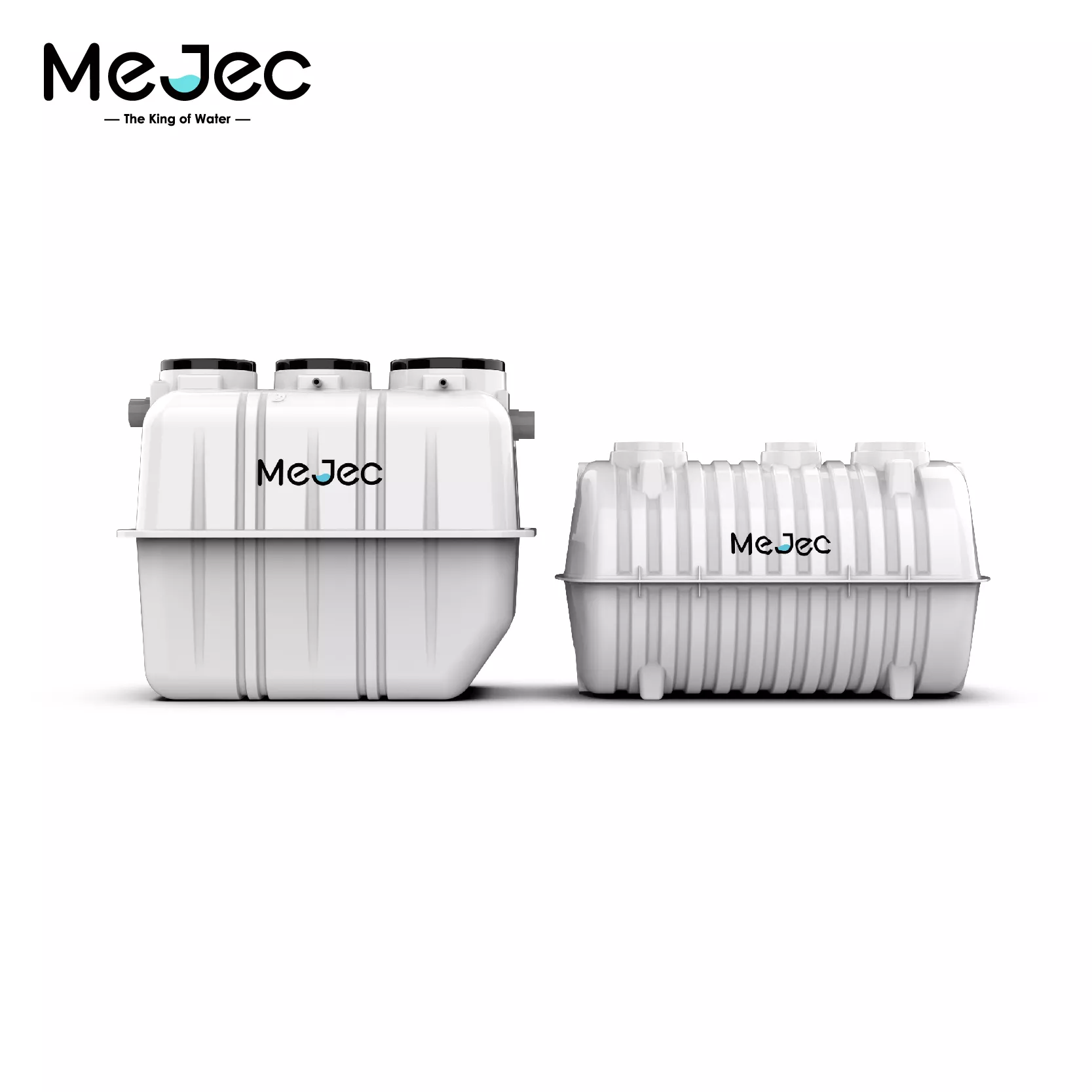
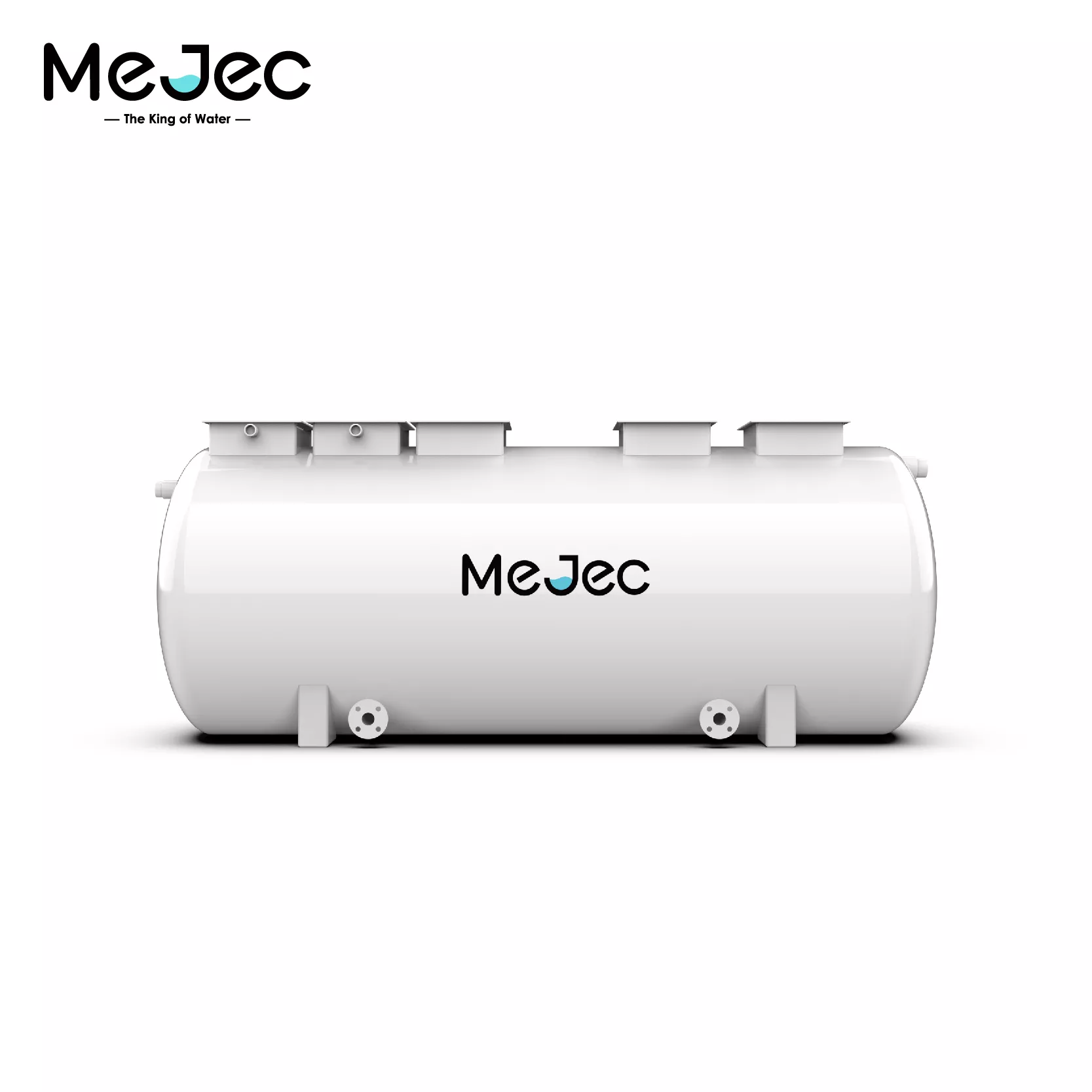
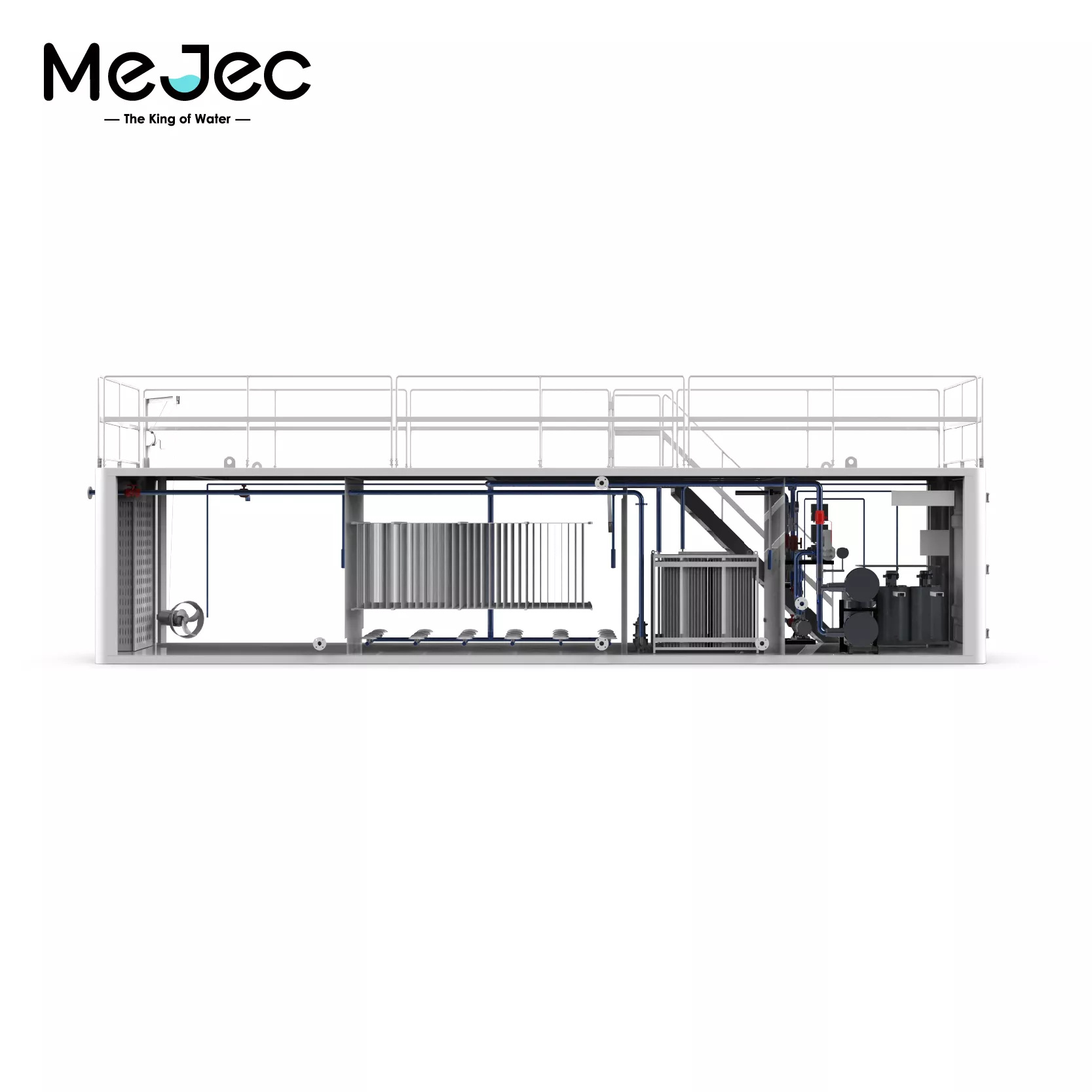
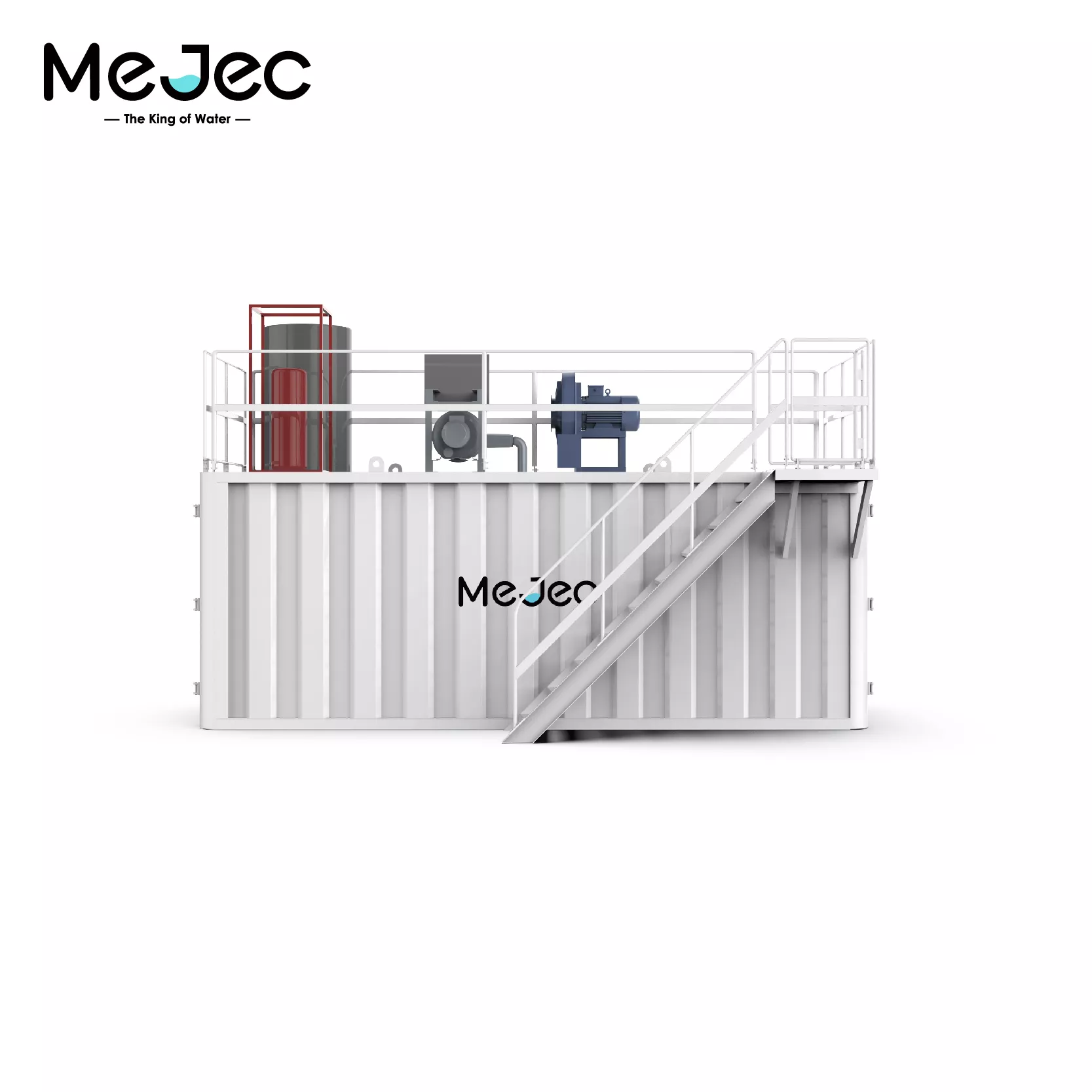
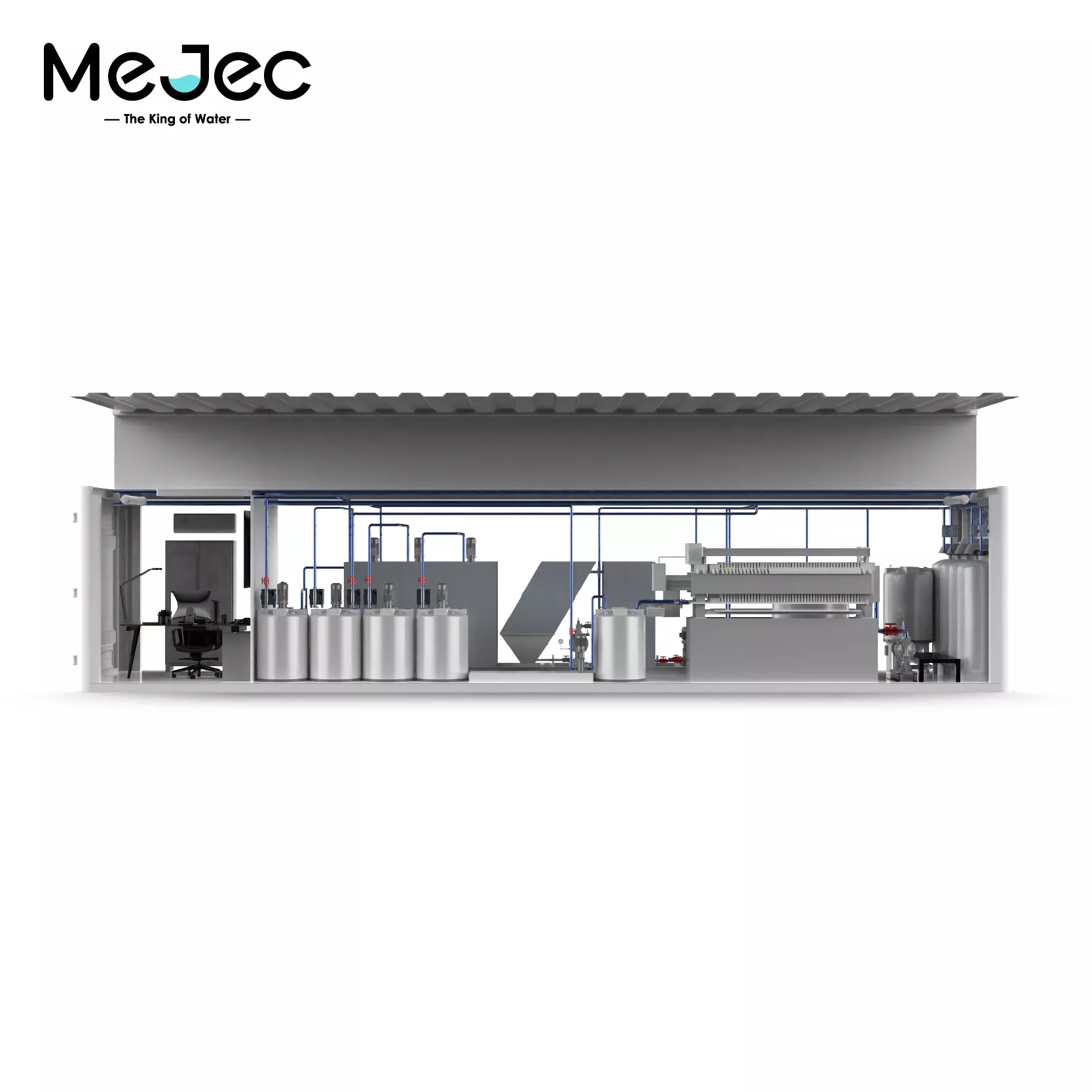
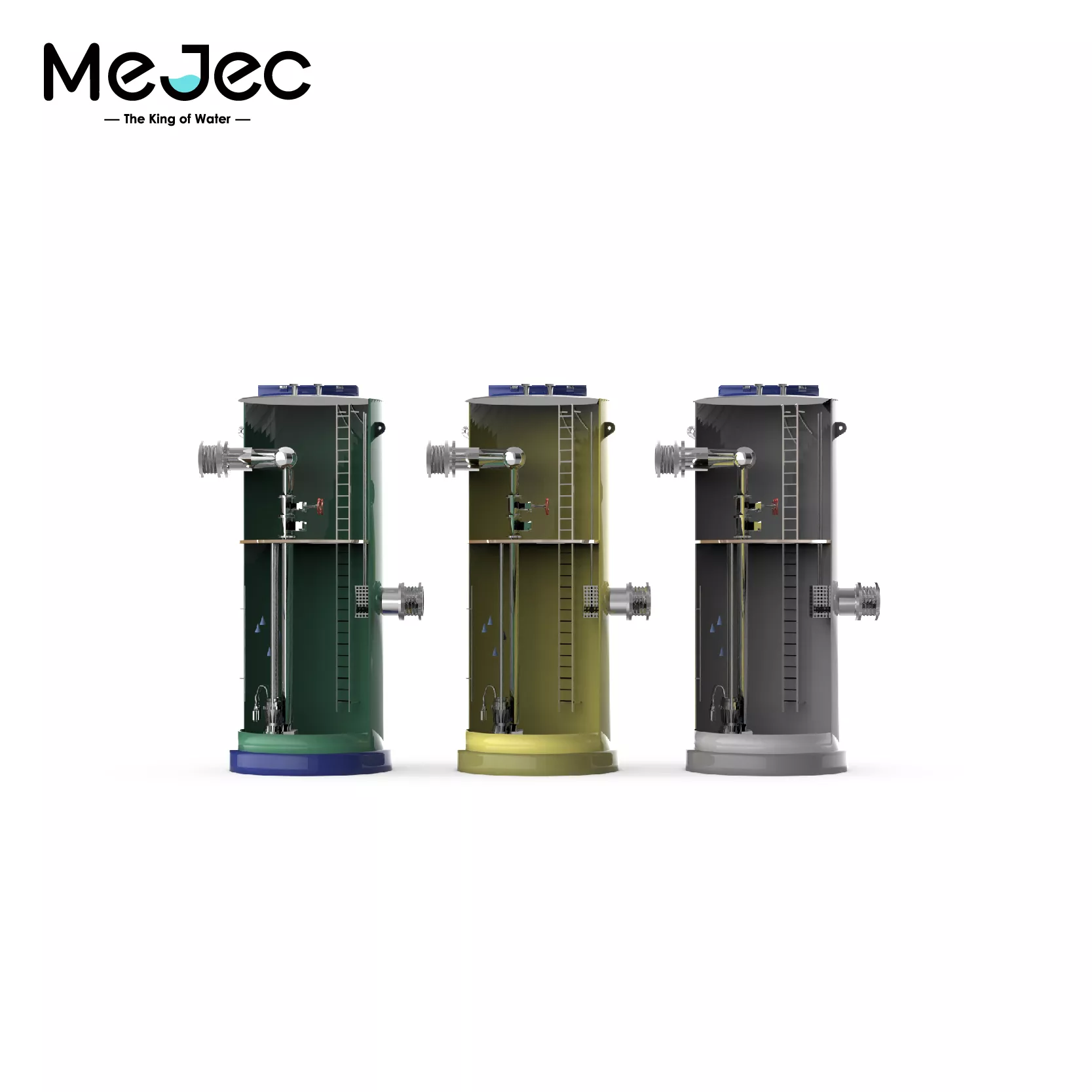
Industrial wastewater treatment is a critical process for removing harmful pollutants from water discharged by manufacturing, chemical production, mining, and other industrial activities before it is released into the environment or returned to the water cycle. This process is essential for regulatory compliance, environmental protection, and sustainable water resource management. Systems typically involve multiple stages, including preliminary treatment for solid removal, primary treatment for sedimentation, secondary biological treatment to break down organic matter, and advanced tertiary treatment for specific contaminant removal, such as heavy metals, nutrients, or complex chemicals. The global market for industrial wastewater treatment is substantial and growing. According to a report by Grand View Research, the global industrial wastewater treatment market size was valued at USD 12.8 billion in 2021 and is expected to expand at a compound annual growth rate (CAGR) of 6.9% from 2022 to 2030. This growth is driven by stringent environmental regulations worldwide, such as the Clean Water Act in the United States and the EU's Water Framework Directive, alongside increasing industrial activity and water scarcity concerns. Data from the World Bank highlights that industry accounts for about 19% of global water withdrawals, with much of it requiring treatment. Common technologies deployed include membrane filtration (reverse osmosis, ultrafiltration), biological reactors (MBBR, MBR), chemical precipitation, adsorption (using activated carbon), and advanced oxidation processes. The choice of technology depends heavily on the specific industry and contaminant profile; for instance, the food and beverage sector generates high organic load wastewater best treated with anaerobic digesters, while the electronics industry requires precision removal of trace metals and solvents.
Implementing effective industrial wastewater treatment solutions offers companies direct operational and financial benefits beyond mere compliance. Modern systems focus on resource recovery, turning waste streams into valuable by-products. For example, anaerobic treatment of high-strength organic wastewater can generate biogas, a renewable energy source. The International Water Association notes that recovering nutrients like phosphorus and nitrogen from wastewater is becoming increasingly viable. A study published in the journal "Water Research" indicated that advanced membrane technologies can achieve over 95% removal rates for key contaminants like nitrates and heavy metals, ensuring safe discharge or enabling water reuse. Water reuse itself is a major driver, with sectors like power generation and textiles investing in zero-liquid discharge (ZLD) systems to recycle nearly all wastewater. MarketsandMarkets research projects the global ZLD market to grow from USD 9.4 billion in 2022 to USD 13.7 billion by 2027. Real-world data from plant operations show that optimized treatment can reduce sludge production by up to 30% through processes like thermal hydrolysis, significantly cutting disposal costs. Furthermore, industries are integrating smart sensors and IoT-based monitoring for real-time data on parameters like pH, chemical oxygen demand (COD), and flow rates, leading to more efficient chemical dosing, energy savings, and predictive maintenance. This digital transformation is supported by findings from McKinsey & Company, which suggest that AI-driven process optimization in water treatment can reduce operational costs by 10-25%. Investing in robust, tailored industrial wastewater treatment is therefore not an overhead but a strategic move that mitigates regulatory risk, reduces long-term costs, conserves freshwater resources, and enhances corporate sustainability credentials, directly impacting the bottom line and stakeholder perception.



.webp)









User Comments
Service Experience Sharing from Real Customers
Michael Chen
Environmental EngineerThis integrated membrane bioreactor system has revolutionized our plant's efficiency. The reduction in sludge production and consistent effluent quality exceeding Class A standards have significantly lowered our operational costs. Highly recommended for high-load industrial applications.
Sarah Johnson
Plant Operations ManagerThe advanced oxidation process unit effectively handles our complex pharmaceutical wastewater. It reliably breaks down stubborn organic compounds we previously struggled with. The automated controls make operation straightforward, though the initial setup required careful calibration.
David Rodriguez
Sustainability DirectorImplementing their zero-liquid discharge system has been a game-changer for our sustainability goals. We've achieved over 95% water recovery for reuse in cooling towers, drastically reducing our freshwater intake and wastewater discharge fees. The ROI was faster than projected.
Jennifer Park
Process EngineerThe electrocoagulation unit has proven exceptionally effective for our metal finishing wastewater. Heavy metal removal consistently meets stringent regulatory limits. The system is robust and requires less maintenance than our previous chemical precipitation setup, saving us both time and chemical costs.