MABR Sewage Treatment Plant
MABR Sewage Treatment Plant
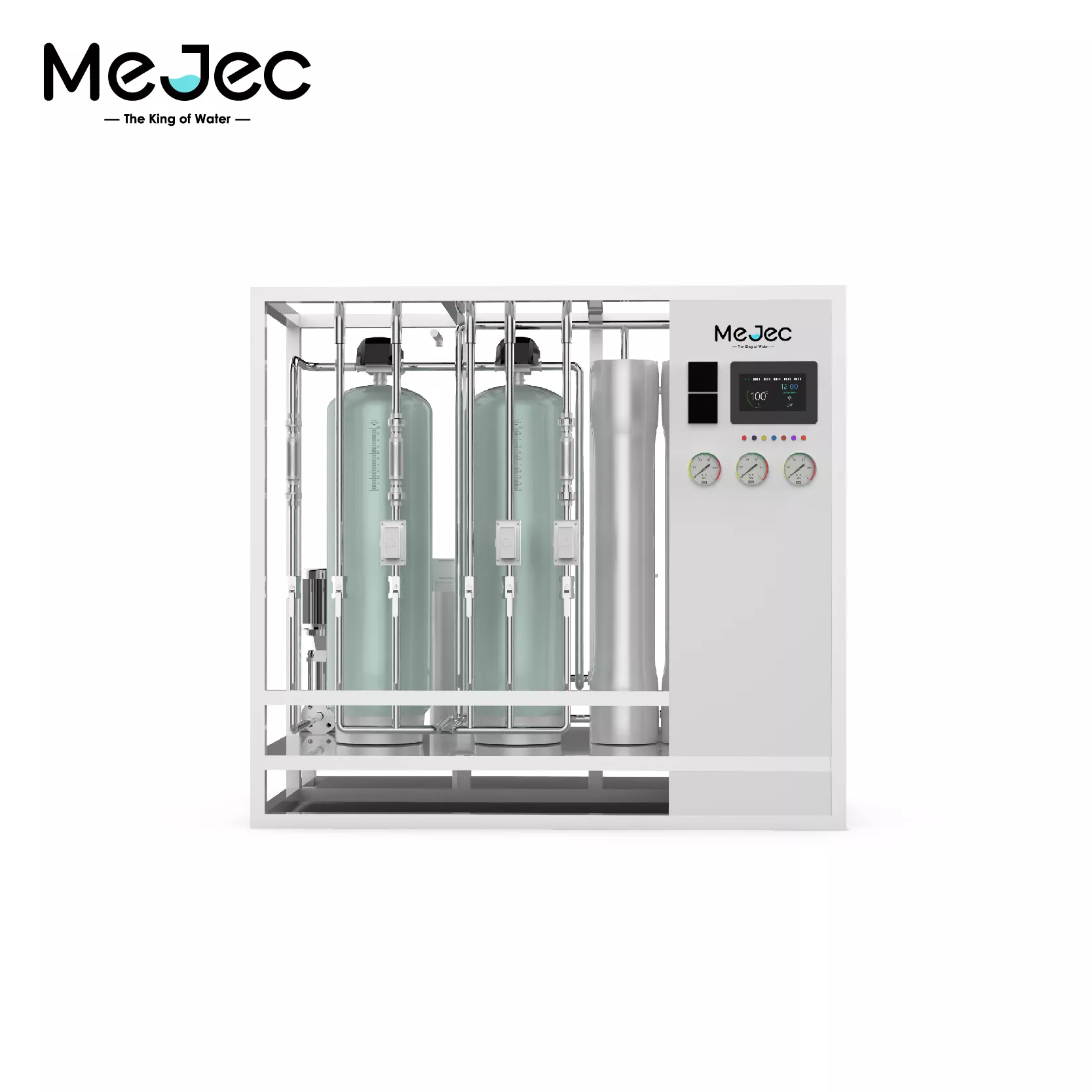
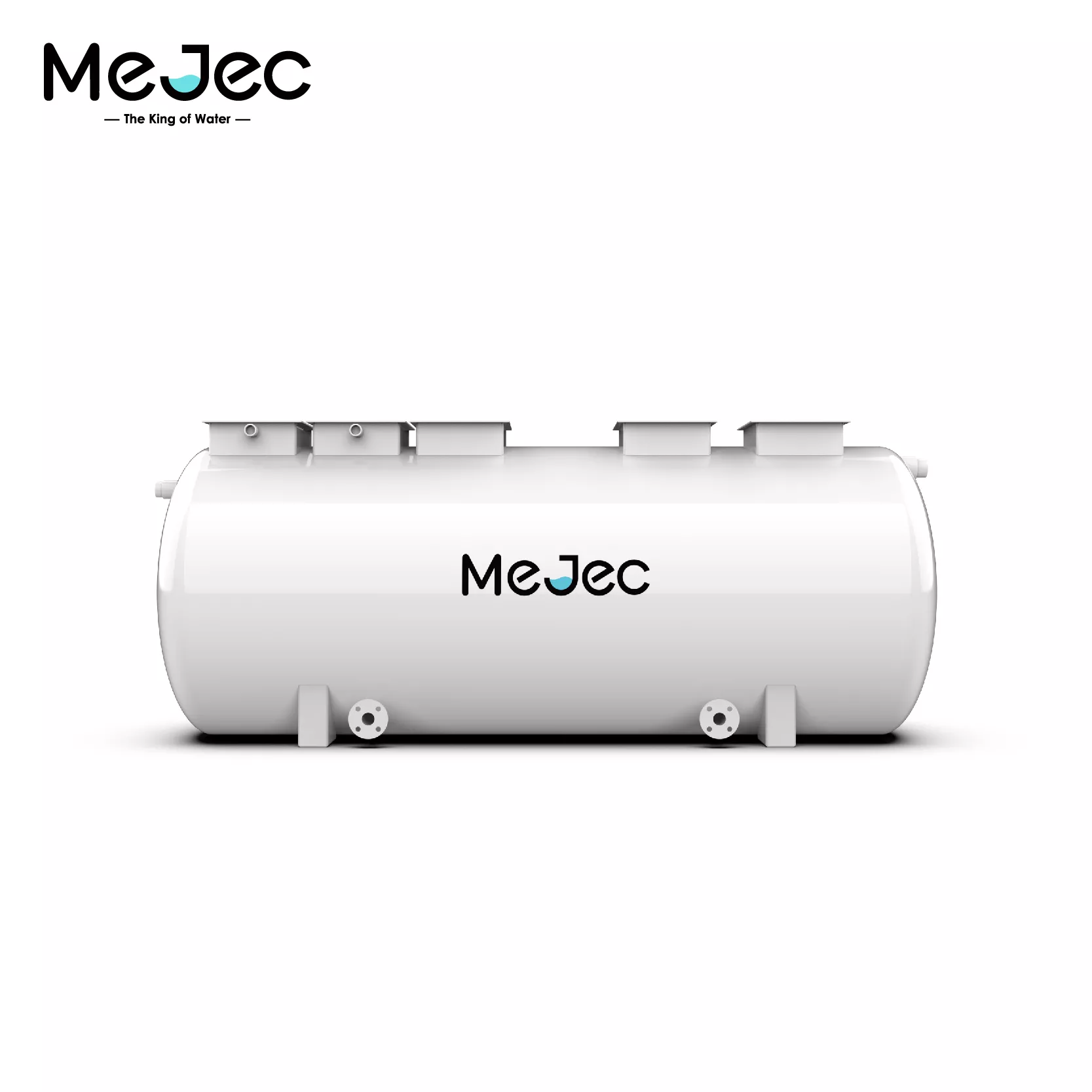
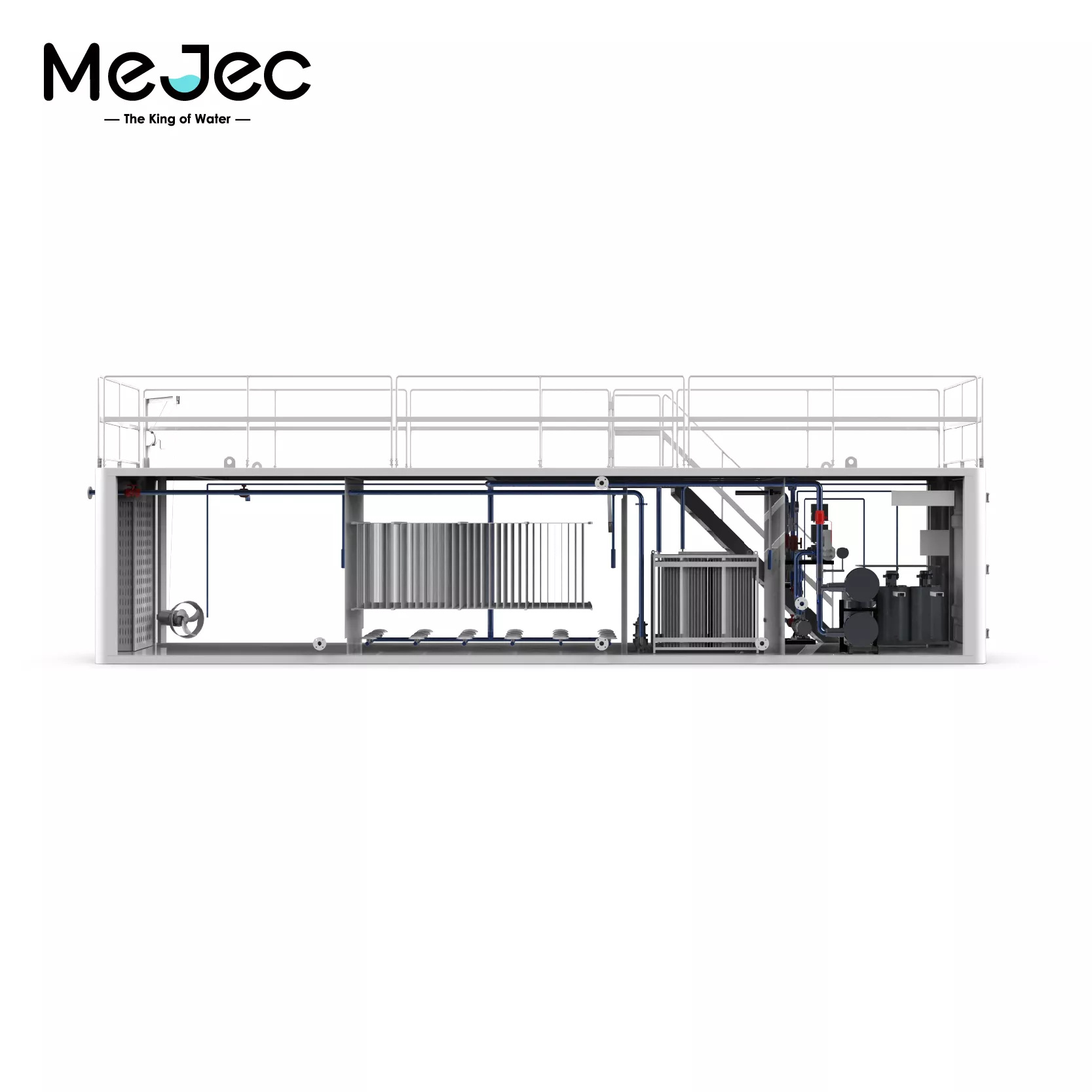
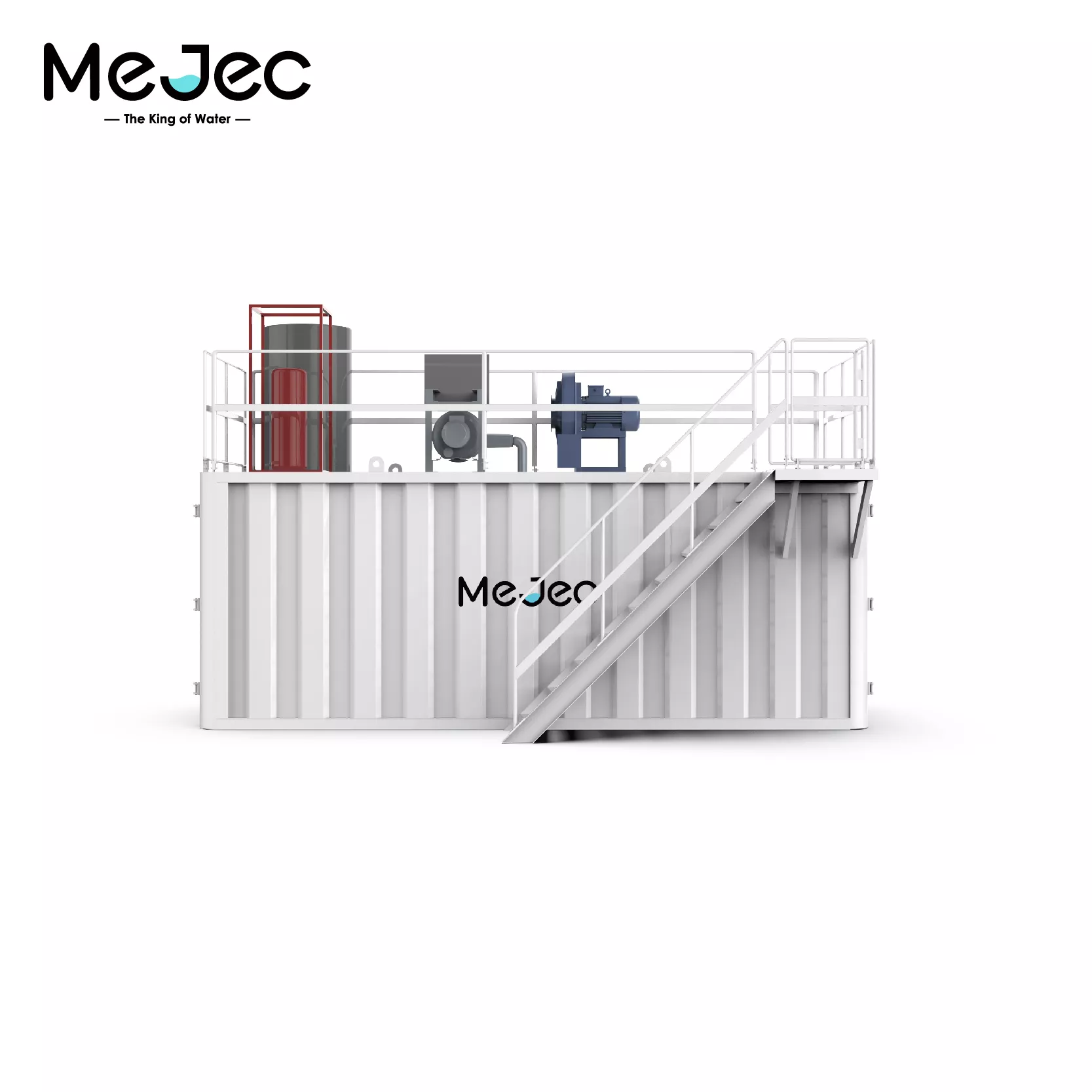
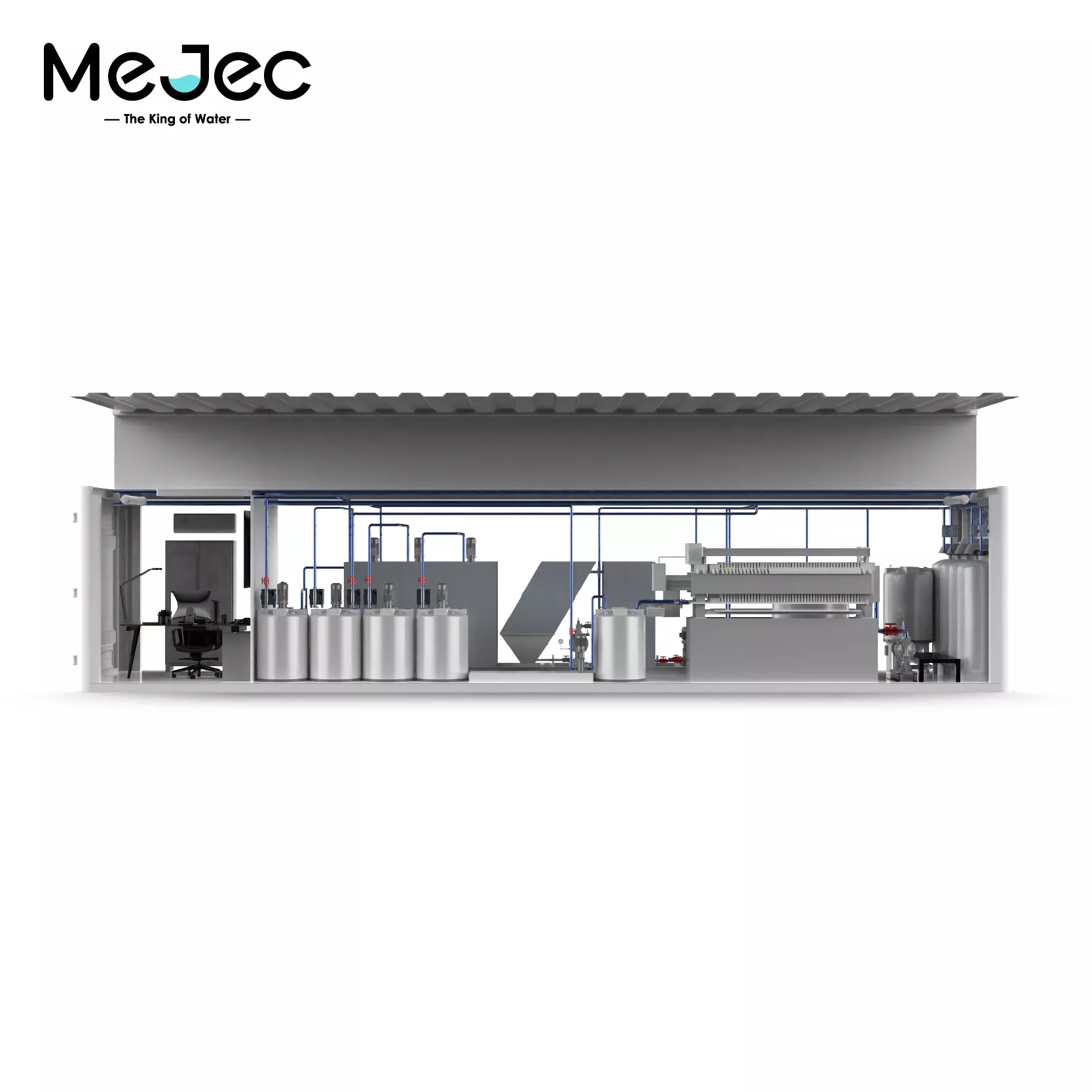
Membrane Aerated Biofilm Reactor (MABR) technology represents a transformative advancement in biological wastewater treatment, offering a significant leap in energy efficiency, treatment capacity, and process stability. Unlike conventional activated sludge systems that rely on energy-intensive bubble aeration to suspend and oxygenate mixed liquor, MABR utilizes gas-permeable membranes to deliver oxygen directly to a biofilm attached to the membrane surface. This counter-diffusion process—where oxygen diffuses from the membrane into the biofilm while pollutants like ammonia and organic matter diffuse from the bulk liquid into the biofilm—creates stratified, specialized microbial communities within a single reactor. This allows for simultaneous nitrification and denitrification, effectively removing nitrogen in a single, compact tank. Operational data from full-scale installations, such as those reported by technology providers like Suez (ZeeLung®) or Fluence (MABR), consistently demonstrate energy savings of 50-70% compared to fine-bubble aeration for biological treatment. Furthermore, the technology's high oxygen transfer efficiency, often exceeding that of fine bubble systems, allows for increased treatment capacity within existing tank volumes, a critical factor for plant upgrades under space constraints. The robust, attached-growth biofilm is also less susceptible to washout and more resilient to shock loads and toxic influent variations compared to suspended growth systems, leading to more consistent effluent quality.
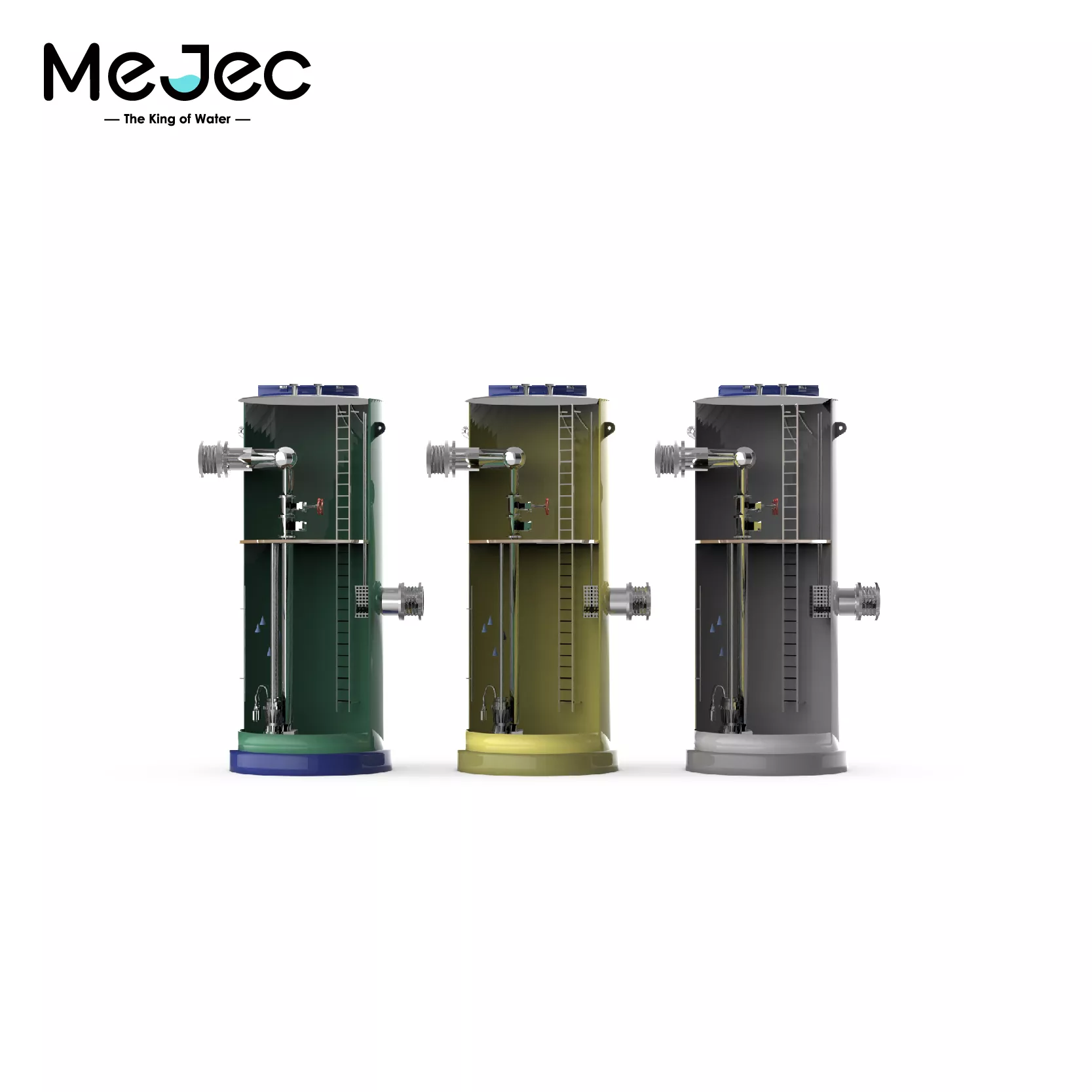
The adoption of MABR is rapidly expanding across municipal and industrial wastewater sectors, driven by its compelling operational and economic benefits. For new plant construction, MABR's compact footprint reduces civil engineering costs. For existing plant retrofits and expansions, it enables capacity doubling or more within the same biological tank volume, as evidenced by numerous case studies from sites in North America, Europe, and Asia. For instance, a retrofit project at the Johns Creek Environmental Campus in Georgia, USA, utilized MABR to increase plant capacity by 50% without adding new tanks. In terms of performance, MABR systems reliably achieve stringent effluent standards, including total nitrogen levels below 5-10 mg/L and ammonia nitrogen below 1-2 mg/L, which are increasingly required for environmental discharge permits. The low-energy biological process also directly contributes to a substantial reduction in a plant's overall carbon footprint. When integrated with anaerobic digestion and biogas utilization, MABR-based plants can approach energy neutrality. The technology is modular and scalable, suitable for applications ranging from small, decentralized treatment units to large municipal facilities exceeding 100,000 population equivalent. As utilities worldwide face pressures to lower operational costs, meet tighter effluent regulations, and improve sustainability metrics, MABR sewage treatment plants present a proven, data-backed solution that addresses these core challenges effectively, making them a leading choice for modern wastewater infrastructure investment.





.webp)










User Comments
Service Experience Sharing from Real Customers
Michael Chen
Environmental EngineerThe MABR system at our municipal sewage treatment plant has exceeded expectations. The energy efficiency is remarkable, and the nitrification/denitrification performance is consistently excellent. A game-changer for sustainable wastewater management.
Sarah Johnson
Plant Operations ManagerImplementing the MABR technology has significantly reduced our aeration energy costs by nearly 50%. The biofilm process is stable and requires less operator intervention. Highly recommended for plants looking to upgrade their biological treatment stage.
David Rodriguez
Process ConsultantHaving worked with multiple MBR and MBBR systems, this MABR plant stands out for its compact footprint and superior oxygen transfer efficiency. It's ideal for space-constrained sites needing high-quality effluent without the high energy bill.
Lisa Wang
Research ScientistFrom a research perspective, the data from our pilot-scale MABR plant is impressive. It consistently achieves high nutrient removal rates under low DO conditions. This technology is clearly the future for energy-positive wastewater treatment facilities.