Membrane Wastewater Treatment System
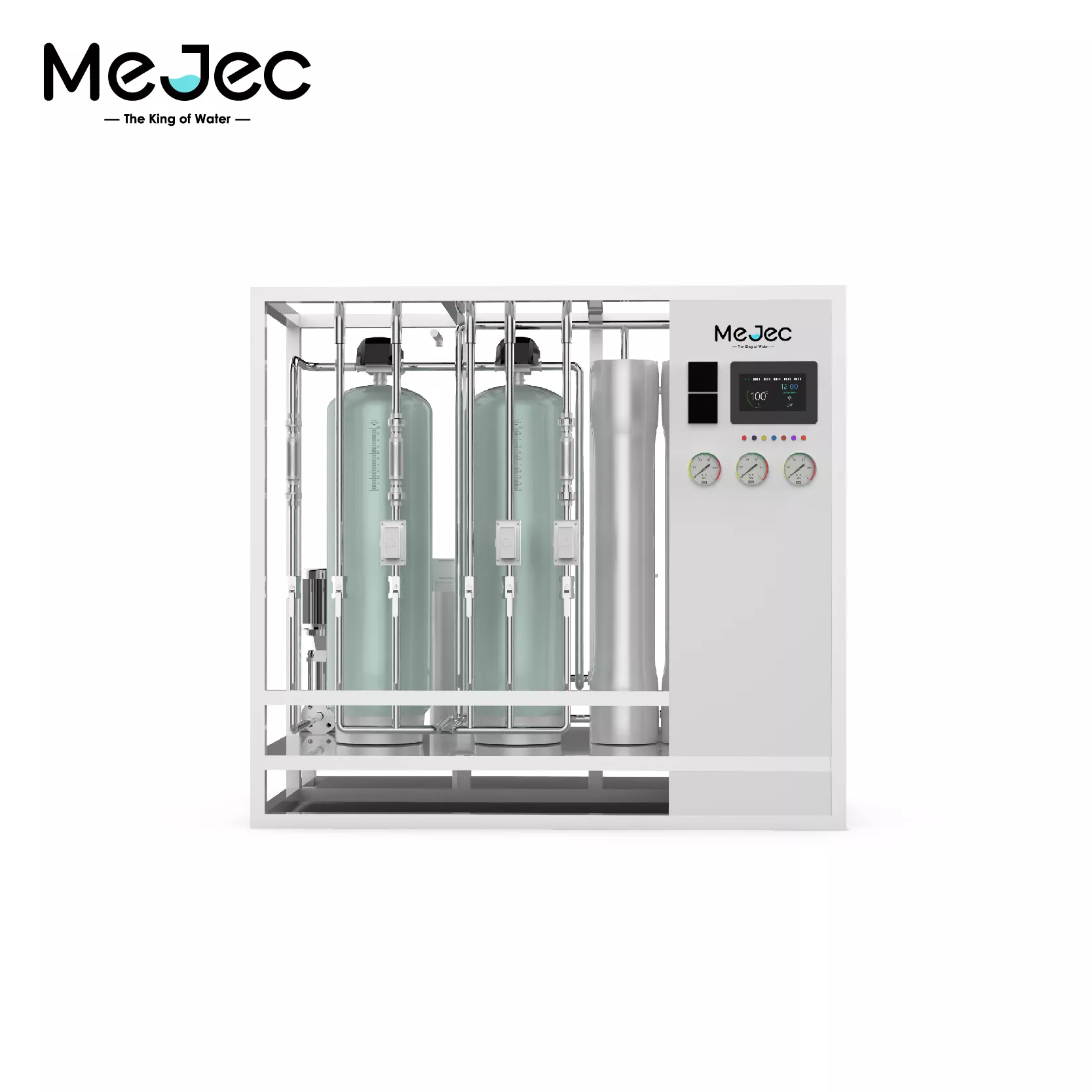
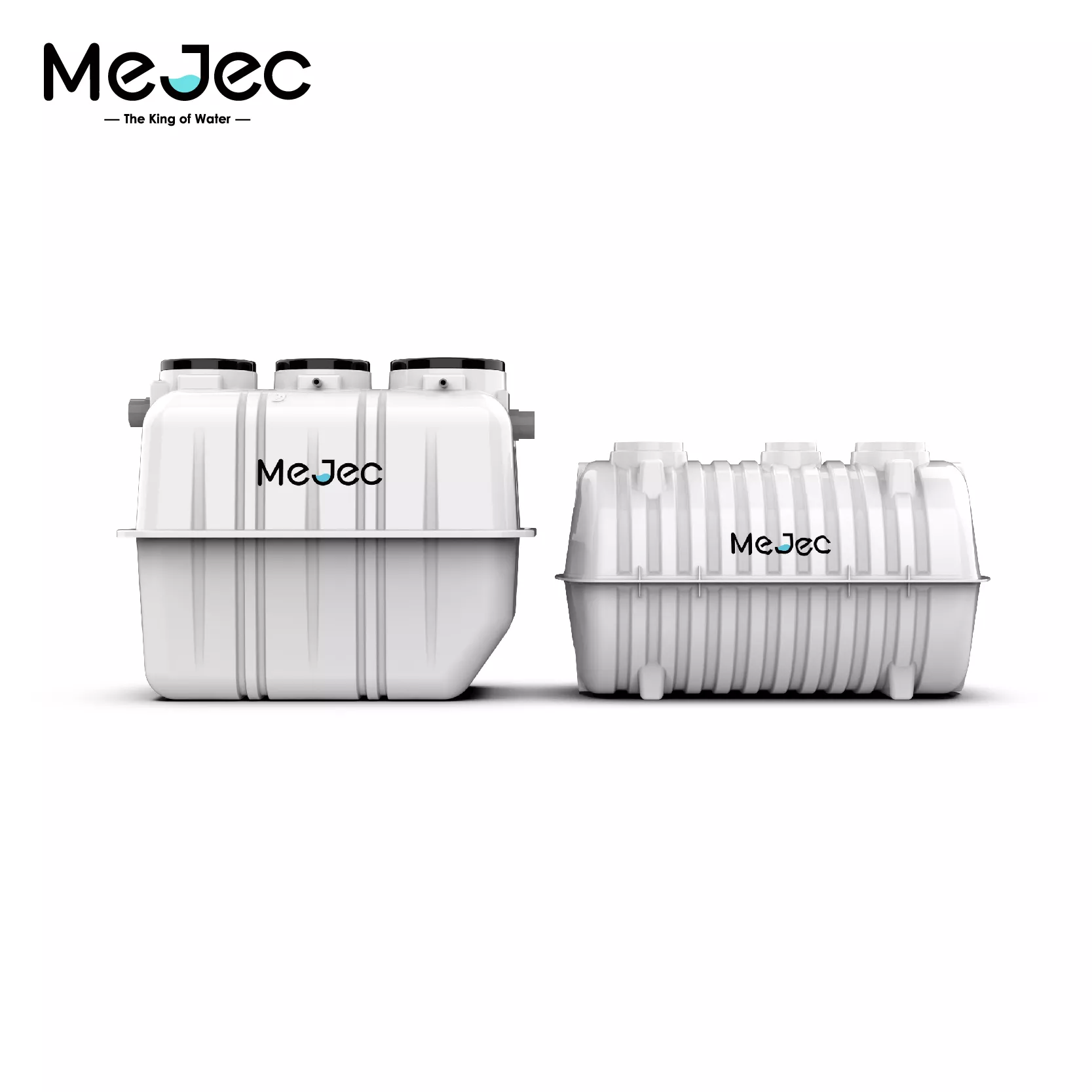
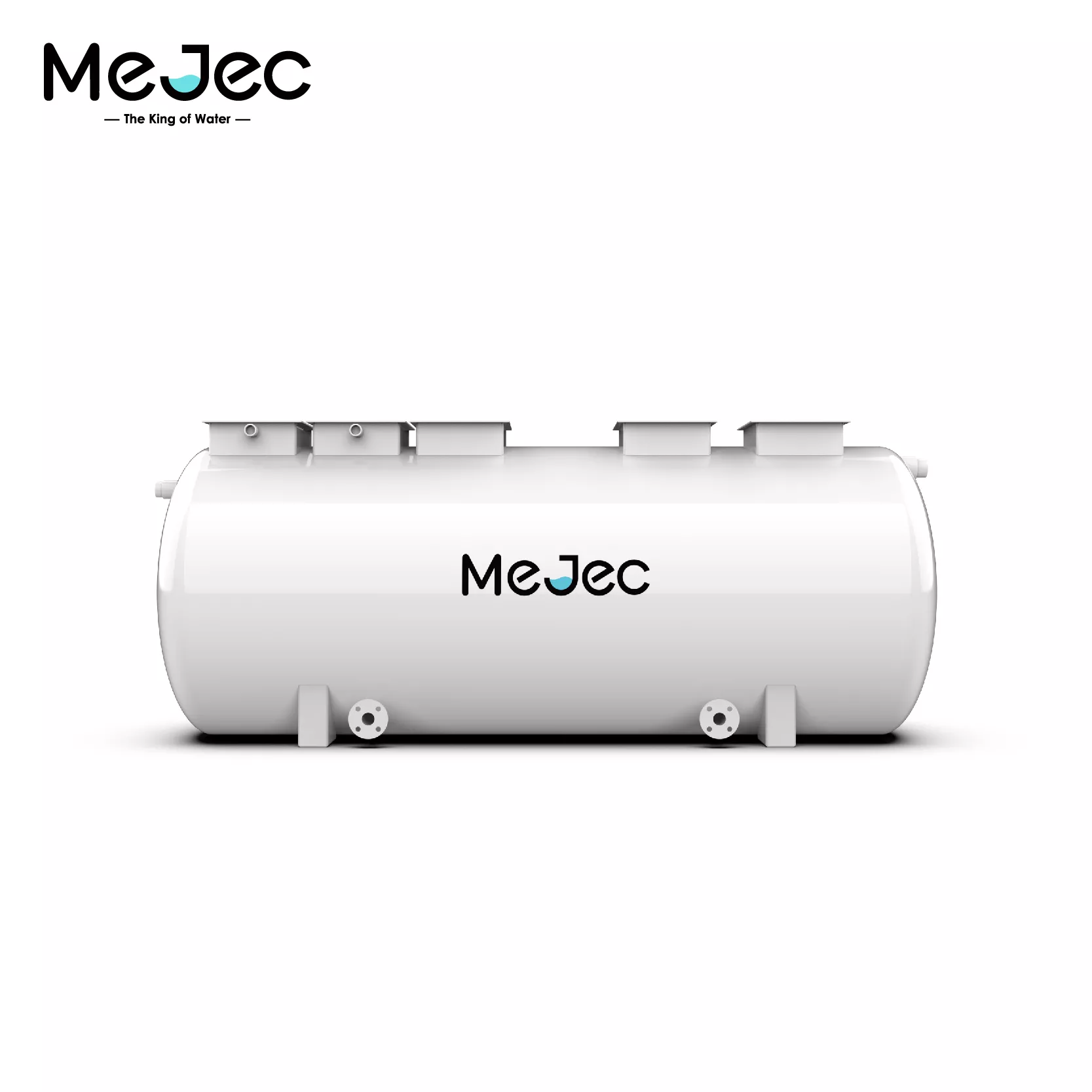
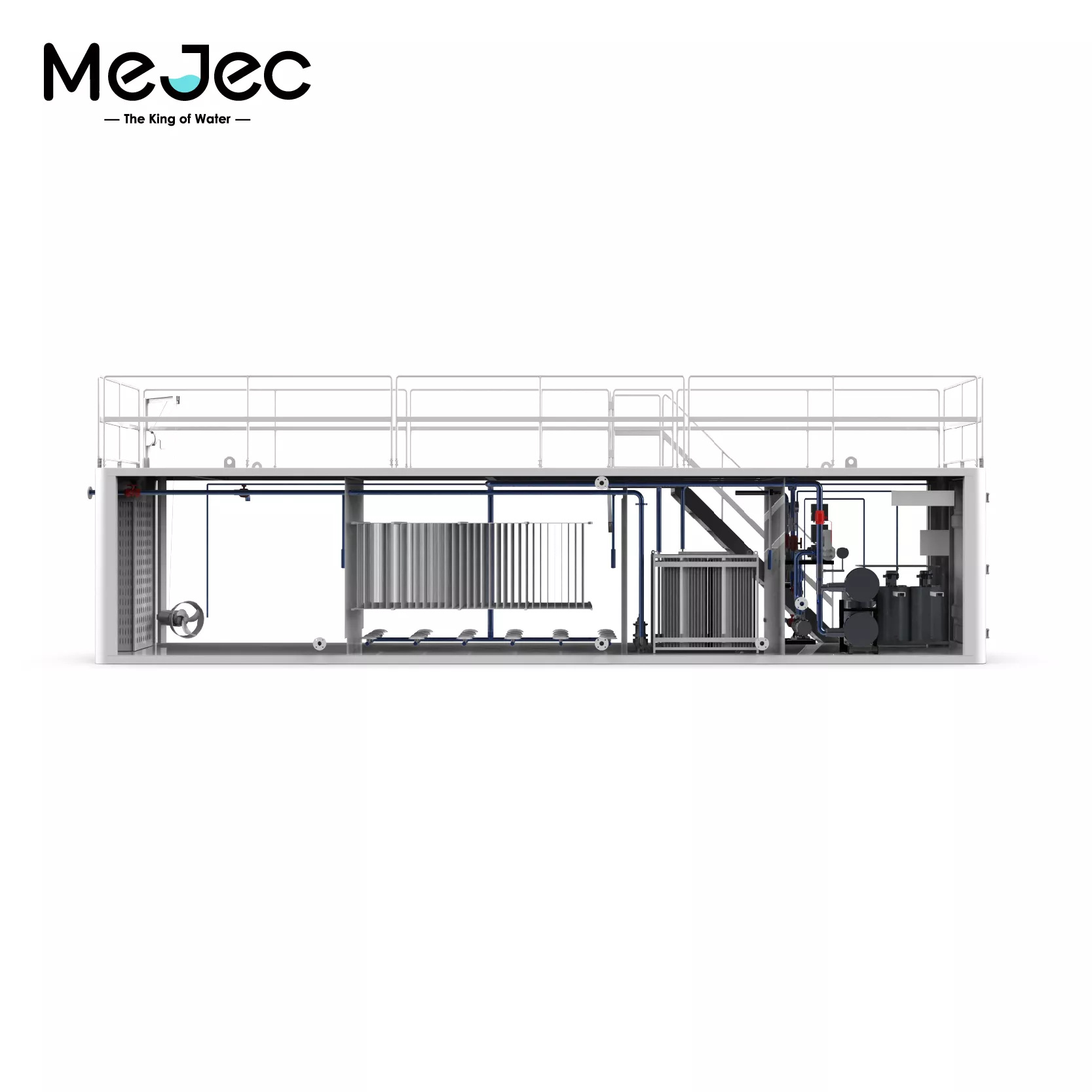
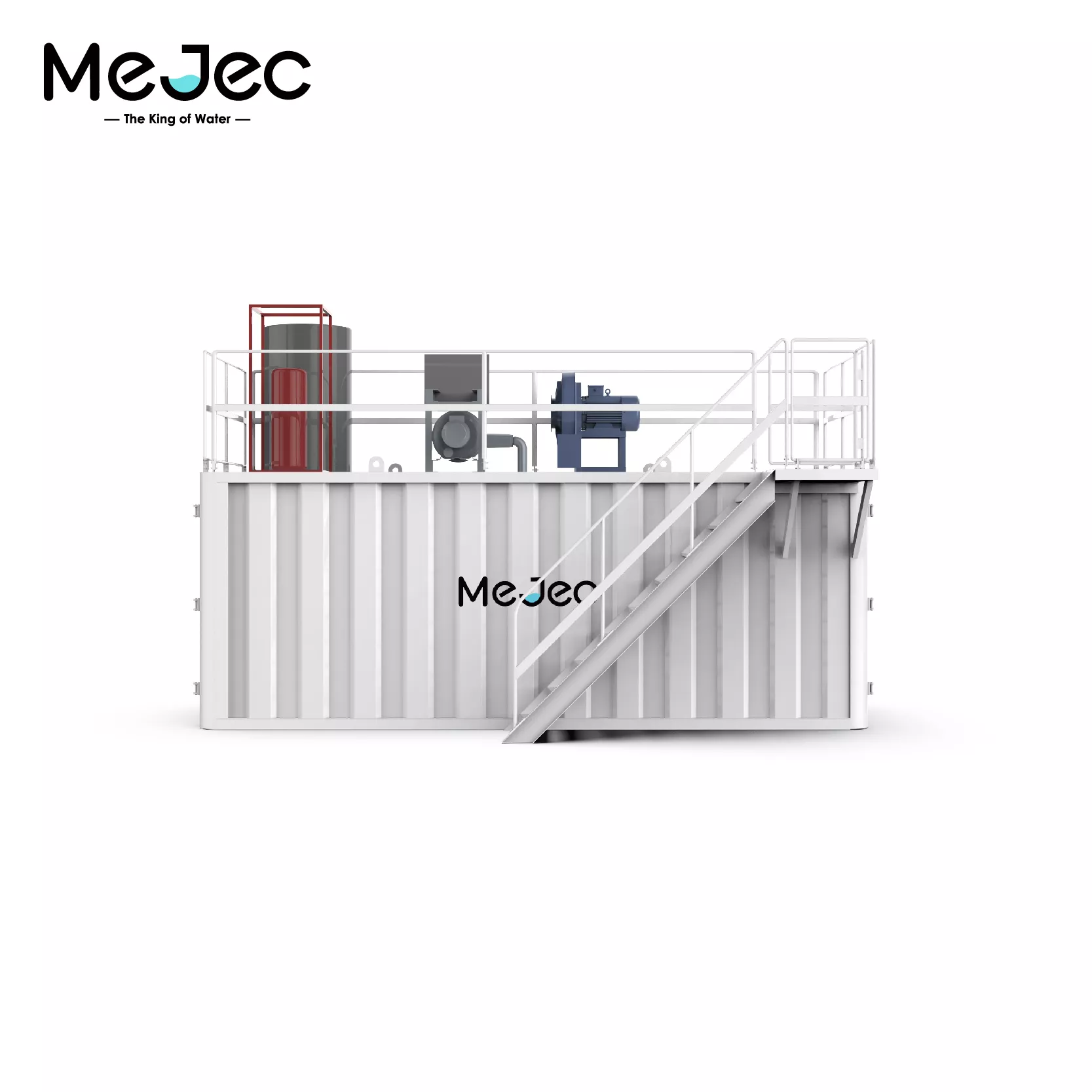
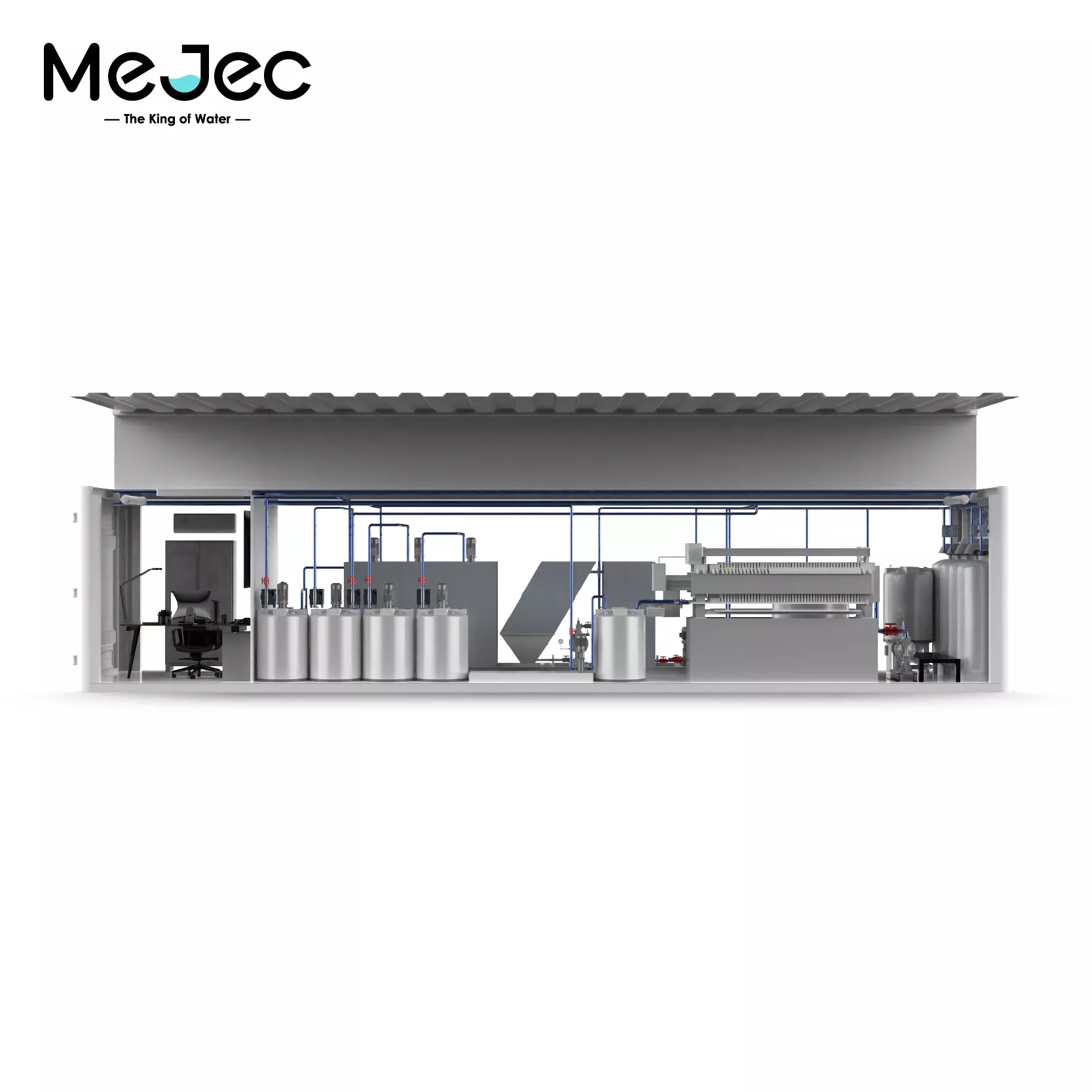
A membrane wastewater treatment system is a critical technology for advanced wastewater purification, utilizing semi-permeable membranes to physically separate contaminants from water. This system is central to modern water reuse and stringent discharge compliance strategies across municipal and industrial sectors. The core process involves driving wastewater against membrane surfaces with specific pore sizes—microfiltration (MF), ultrafiltration (UF), nanofiltration (NF), and reverse osmosis (RO)—to block suspended solids, pathogens, organic molecules, and even dissolved salts. According to market analyses from sources like GVR, the global membrane-based water and wastewater treatment market size was valued at USD 28.5 billion in 2022, with projections indicating significant growth driven by water scarcity and stricter environmental regulations. Industrial applications, particularly in food & beverage, pharmaceuticals, and chemicals, are major adopters, as these systems enable resource recovery and zero liquid discharge (ZLD) initiatives. Operational data from plant studies show that membrane bioreactor (MBR) systems, which integrate biological treatment with MF/UF membranes, can achieve over 95% removal of organic load and produce effluent with turbidity below 0.2 NTU, suitable for direct non-potable reuse. The reliability of membrane systems in producing consistent, high-quality effluent, regardless of influent fluctuations, is a key documented advantage over conventional tertiary treatments like sand filtration.
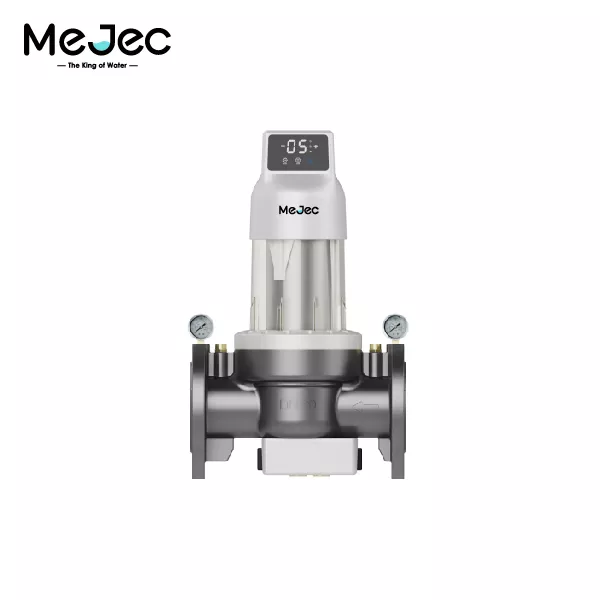
The implementation and performance of membrane wastewater treatment systems are supported by extensive operational data and case studies. For instance, large-scale municipal water reclamation plants, such as the Orange County Groundwater Replenishment System, employ multi-barrier treatment featuring MF followed by RO and advanced oxidation, producing up to 100 million gallons per day of purified water that meets drinking water standards. In industrial settings, membrane systems are pivotal for compliance; textile dyeing wastewater treatment using NF membranes demonstrates color removal exceeding 99% and salt reduction of 70-85%, as per published journal studies. Energy consumption remains a consideration, with typical MBR systems reporting energy use ranging from 0.4 to 1.2 kWh per cubic meter of treated water, though innovations like anaerobic MBRs (AnMBR) for high-strength wastewater show promise for net energy positive operation through biogas production. Maintenance protocols, including regular chemical cleaning to manage fouling, are well-established, with membrane lifespans documented at 5 to 10 years depending on feedwater characteristics and operational rigor. The system's compact footprint, often 25-50% smaller than conventional plants, is a significant driver for urban and space-constrained industrial sites. Furthermore, integration with smart monitoring and IoT for predictive maintenance is becoming a standard, optimizing chemical use and energy efficiency. As regulatory frameworks worldwide, such as the EU's Urban Wastewater Treatment Directive revisions, push for enhanced nutrient removal and micropollutant control, membrane technologies, particularly NF and RO, are validated as effective solutions, with proven removal rates for phosphorus (>90%) and trace organic compounds. The continued expansion of membrane technology deployment underscores its role as a cornerstone for sustainable water management, circular economy practices, and meeting both current and future water quality challenges.



.webp)









User Comments
Service Experience Sharing from Real Customers
Robert Chen
Environmental EngineerThis membrane system has revolutionized our plant's operations. The effluent quality consistently exceeds regulatory standards, and the automated backwash cycle has drastically reduced manual maintenance. A game-changer for advanced wastewater treatment.
Sophia Williams
Plant ManagerHighly efficient and compact system. We've integrated it for our industrial wastewater reuse stream. The membrane durability is impressive, handling variable feed with minimal fouling. Slightly higher initial cost, but the long-term savings on water and disposal are substantial.
David Rodriguez
Research ScientistThe precision and reliability of this membrane system are critical for our lab's wastewater containing trace organics. It achieves exceptional removal rates, ensuring compliant discharge. The technical support team is also very knowledgeable.
Lisa Thompson
Sustainability OfficerOur key sustainability project for zero liquid discharge. This membrane treatment system is the core component, recovering over 95% of water for reuse. Robust, energy-efficient, and has significantly reduced our environmental footprint. Exceeded all expectations.