



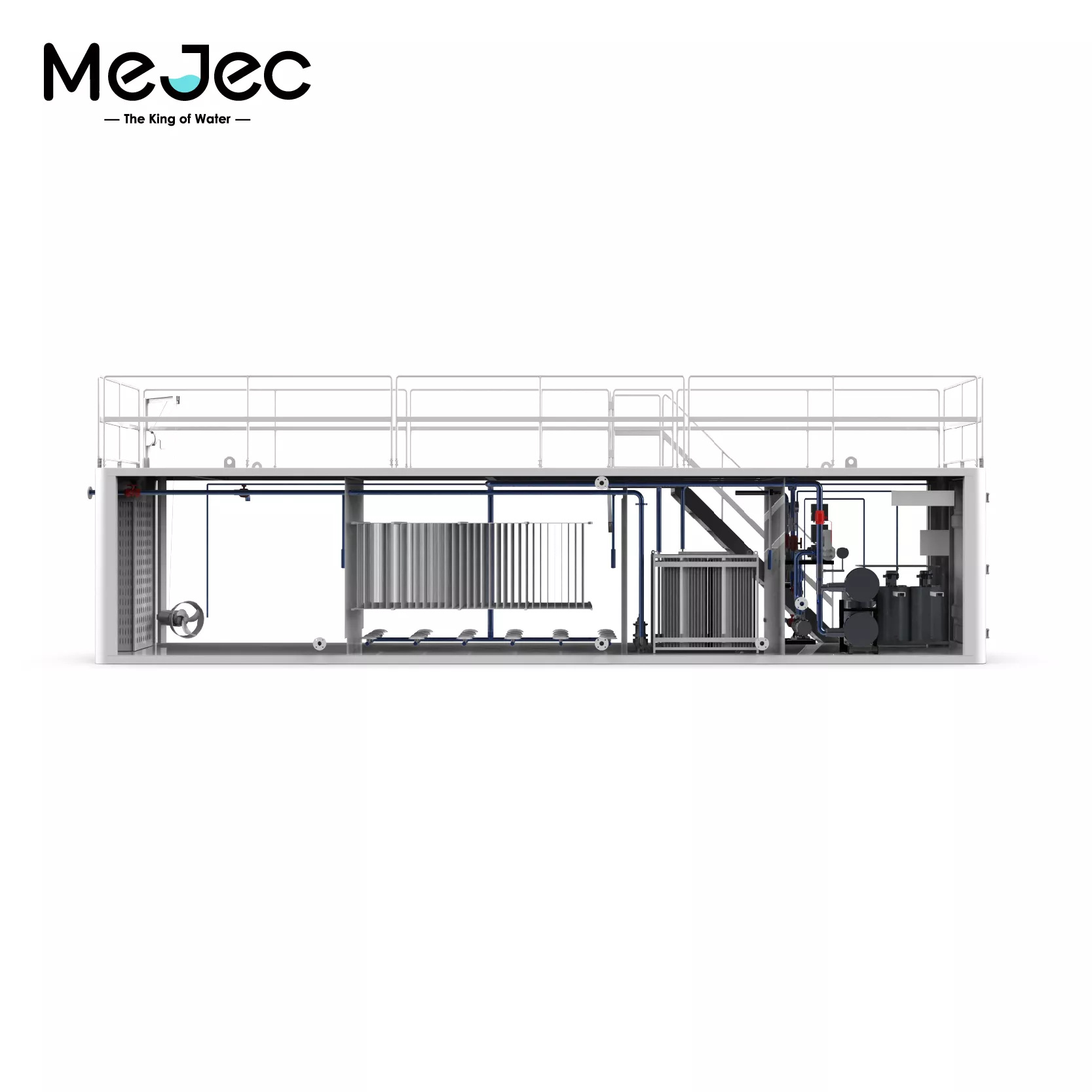
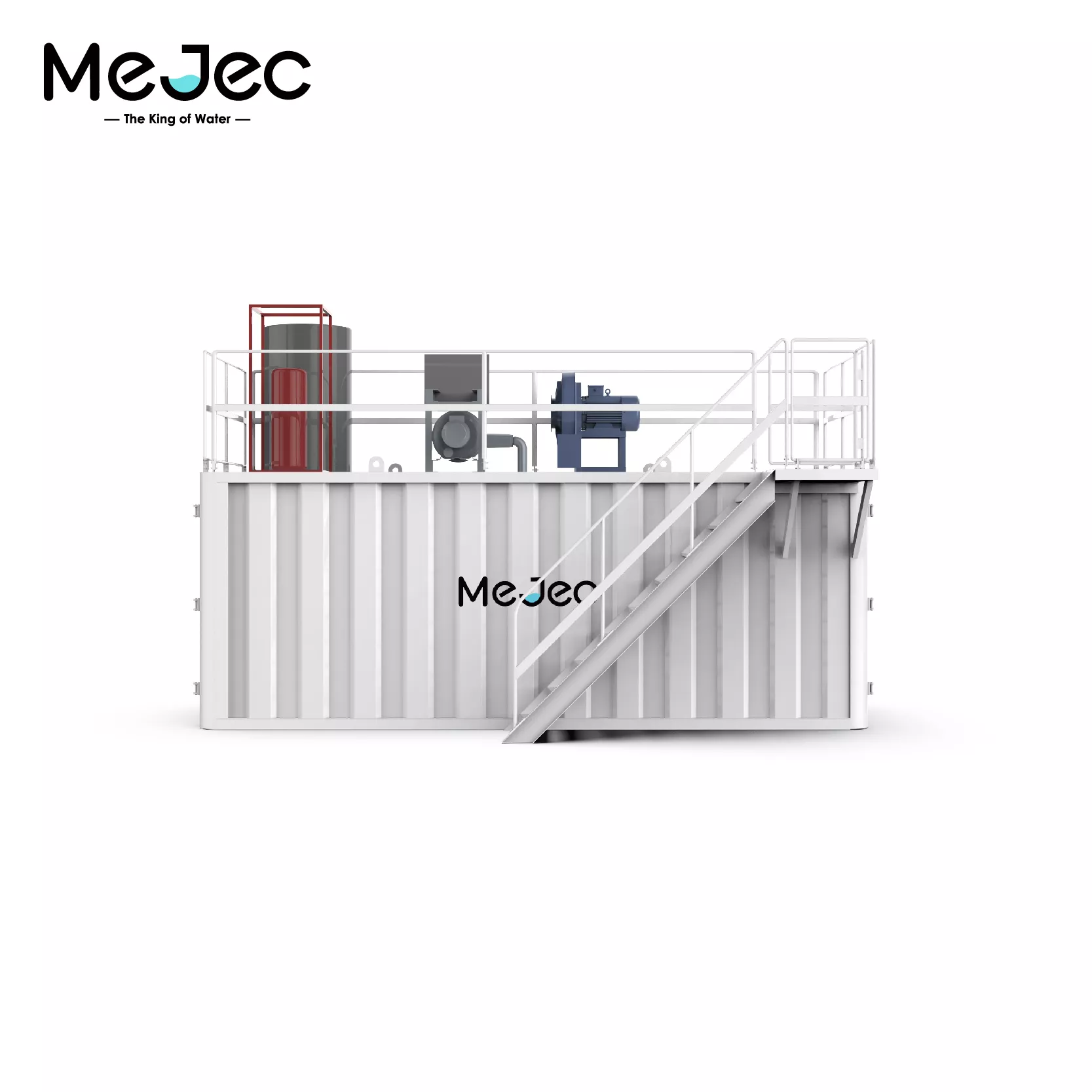
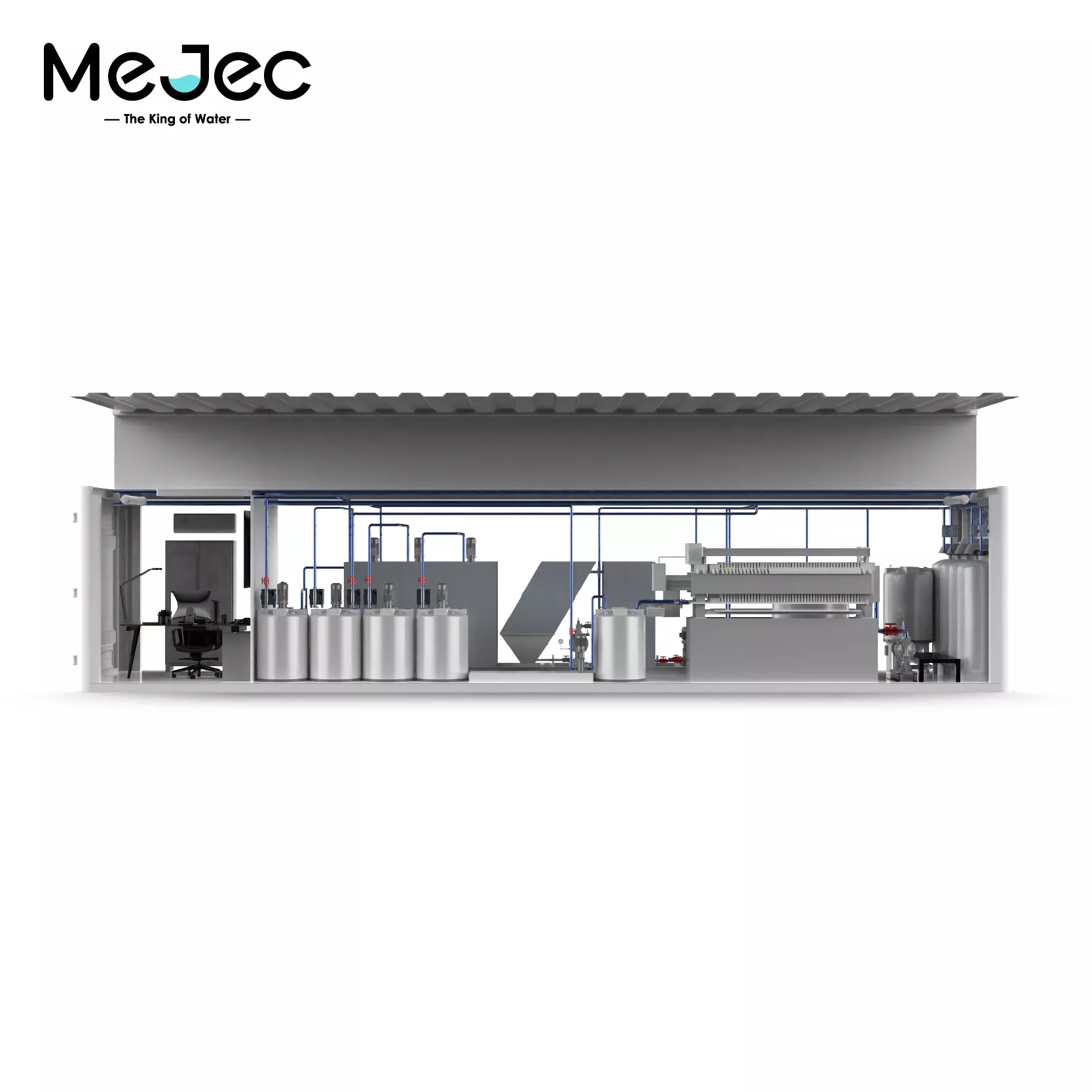
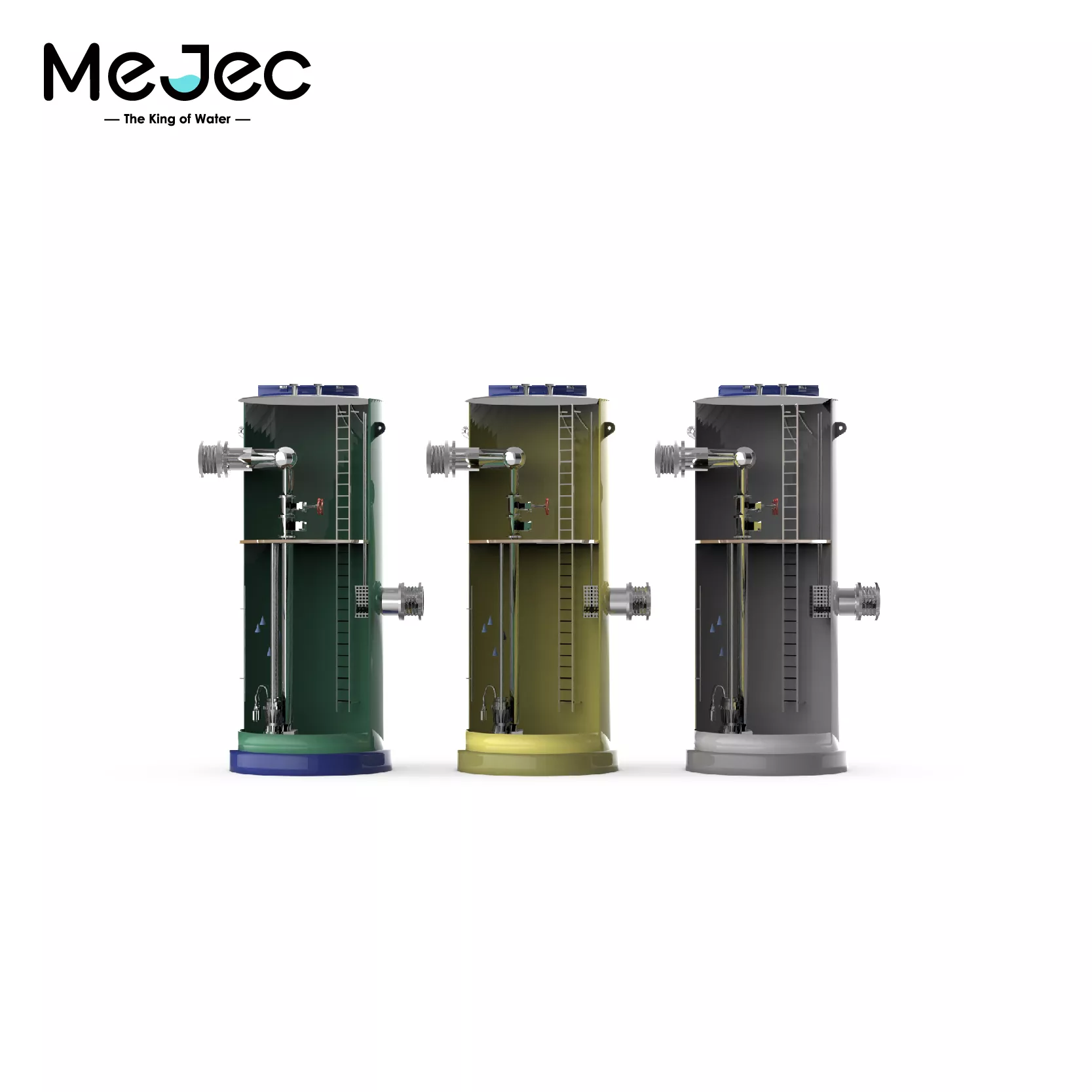
.webp)
What is MBBR for sewage treatment plant?
MBBR sewage treatment plant uses biofilm carriers ...
More


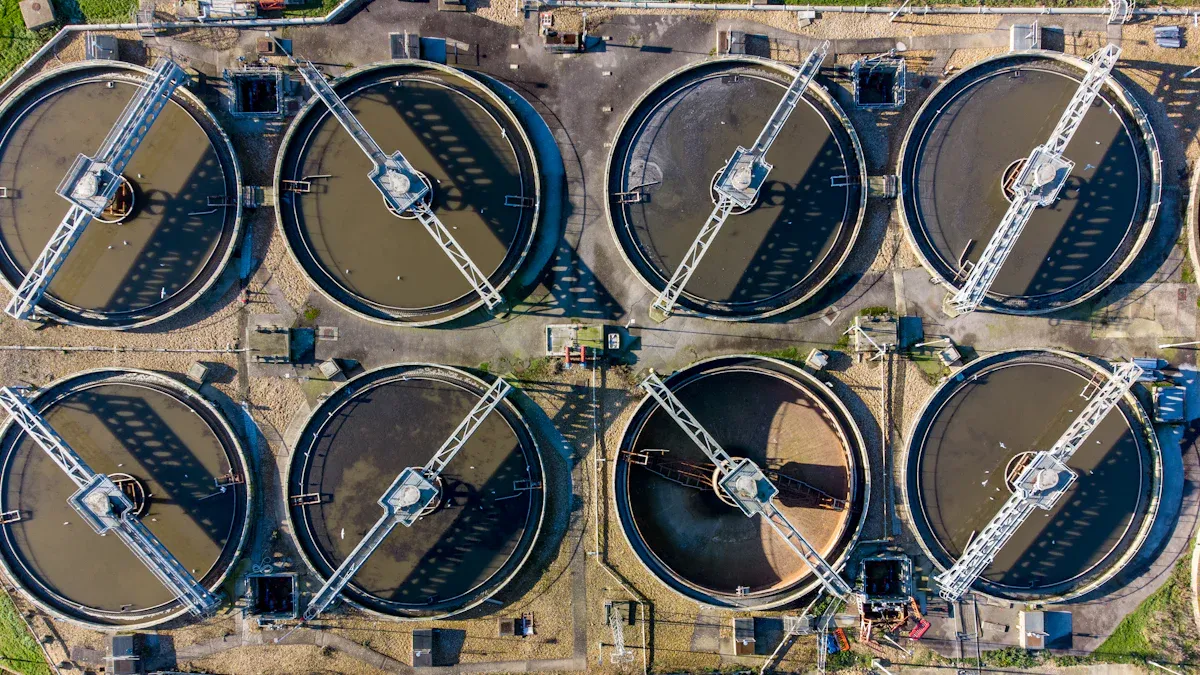
You often see package wastewater treatment plants at places like housing developments, schools, remote camps, or resorts. These plants clean water in several steps:
| Stage | Name | Description |
|---|---|---|
| 1 | Screening | Removes items such as toys and grease. |
| 2 | Grit Removal | Separates sand and gravel. |
| 3 | Settling | Sludge and fats settle out. |
| 4 | Aeration | Microbes digest pollutants. |
| 5 | Filtration | Filters water through media. |
| 6 | Disinfection | Kills bacteria before discharge. |
Knowing these steps helps you ask the right questions when you talk to package wastewater treatment plant suppliers.
Understand the treatment process. Familiarize yourself with the six stages of wastewater treatment to ask informed questions to suppliers.
Plan for maintenance. Regular checks and upkeep are essential to avoid costly repairs and ensure your plant operates efficiently.
Ask the right questions. Inquire about the supplier's experience, costs, and support to make a well-informed decision.
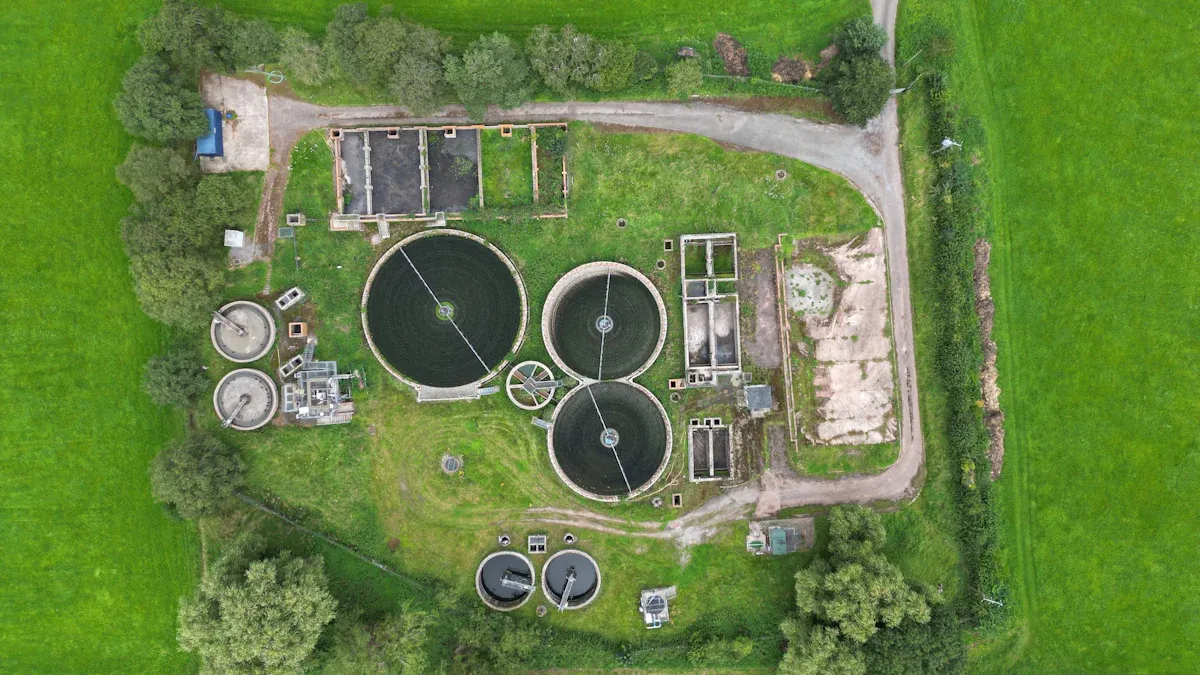
You start the process by removing large and unwanted items from the wastewater. This step protects the rest of the equipment and keeps the system running smoothly. Most plants use bar screens as the first line of defense. These screens catch things like sticks, rags, and plastic. Some systems use automated machines to wash and compact the debris before disposal.
Initial screening removes large particles.
Washing helps get rid of organic matter.
Compaction makes the waste easier to handle.
The pre-treatment process also targets solids, oils, greases, and chemicals. Removing these early helps the rest of the treatment work better. You often see equipment for debris removal in this stage. This step is important because it keeps the plant efficient and prevents damage.
After pre-treatment, the water moves to the aeration tank. Here, you add air to help tiny living things break down pollutants. These organisms include bacteria, nematodes, and other small creatures. They eat the organic matter and help clean the water.
Bacteria and other microbes digest pollutants.
Nematodes and small organisms help break down waste.
You can expect the aeration stage to remove about 50-60% of suspended solids. It also reduces biological oxygen demand (BOD) by 30-40%. On average, the BOD drops to around 19 mg/l, and total suspended solids fall to about 29 mg/l. This step is key for making the water much cleaner before it moves on.
Next, you need to separate the clean water from the remaining solids. This happens in the clarifier. The solids settle to the bottom, and the clear water rises to the top. Different types of clarifiers work with different levels of efficiency.
| Clarifier Type | Solids Removal Efficiency (%) |
|---|---|
| Upflow Clarifier | Higher than 90% |
| Conventional Horizontal Clarifier | 80-90% |
| Lamella Clarifier | 90-95% |
| Conventional Clarifier | 80-90% |
Primary clarifiers remove about 60% of suspended solids and 30-40% of BOD. Secondary clarifiers focus on settling out the biomass from the microorganisms. Some systems use advanced technologies like USBF clarifiers, which have special compartments for removing nutrients like nitrogen and phosphorus. You may also see coagulation-flocculation, inclined plate settlers, or upflow buoyant media clarifiers to improve settling.
Primary clarification removes fats, oils, grease, scum, and sludge.
Secondary clarification targets germs, microbes, and small particles.
Before you release the treated water, you must kill any remaining germs. Disinfection is the final step. The most common methods are chlorine, ozone, and ultraviolet (UV) light.
| Disinfection Method | Effectiveness | Advantages | Limitations |
|---|---|---|---|
| Chlorination | Effective against most pathogens | Inexpensive, widely used | Can produce harmful by-products, some resistance in microorganisms |
| Ultraviolet (UV) | Effective against bacteria and viruses | No harmful by-products | More expensive, requires clear water for effectiveness |
| Ozonation | Effective against a wide range of pathogens | No harmful by-products | More expensive, requires on-site generation of ozone |
Chlorination works well against bacteria like Salmonella and E. coli, but not as well against some parasites. UV light kills bacteria and viruses without making harmful by-products. Ozone is strong against many germs, including viruses and protozoan cysts. The quality of the water, the type of germs, and the method you choose all affect how well disinfection works.
The solids that settle out during treatment become sludge. You need to handle and dispose of this sludge safely. The most common ways include landfilling, incineration, and beneficial reuse.
| Method | Description |
|---|---|
| Landfilling | Disposal in designated landfill sites, designed to contain sludge. |
| Incineration | Burning sludge to reduce volume and eliminate pathogens, but can produce air pollution. |
| Beneficial reuse | Using sludge as soil amendment or fertilizer, requiring treatment to meet standards. |
Landfilling: You can send dewatered sludge to municipal landfills if it is not hazardous.
Land application: You may use treated sludge on land, but you must follow strict rules.
You should also consider the costs and environmental impacts of each method. Land application programs cost about $50-$120 per dry ton. Composting and beneficial use range from $80-$180 per dry ton. Landfill disposal costs $170-$280 per wet ton. Incineration is the most expensive, at $250-$400 per dry ton. Emergency disposal can cost even more.
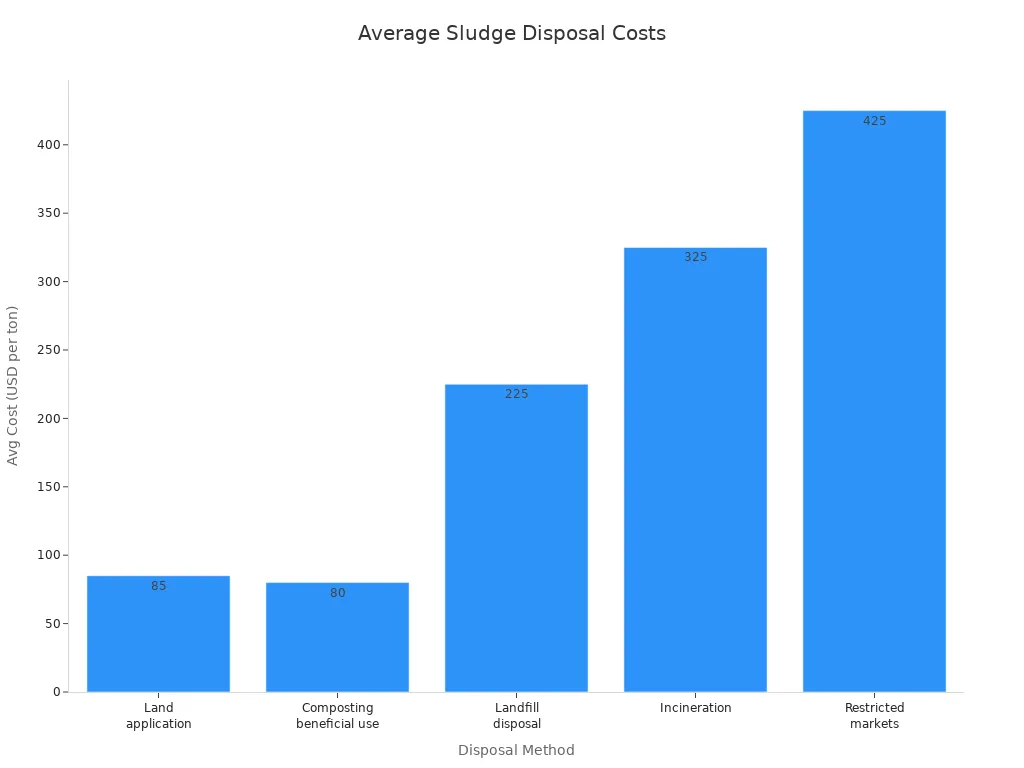
When you talk to package wastewater treatment plant suppliers, ask about sludge handling. The right choice depends on your location, budget, and local rules.
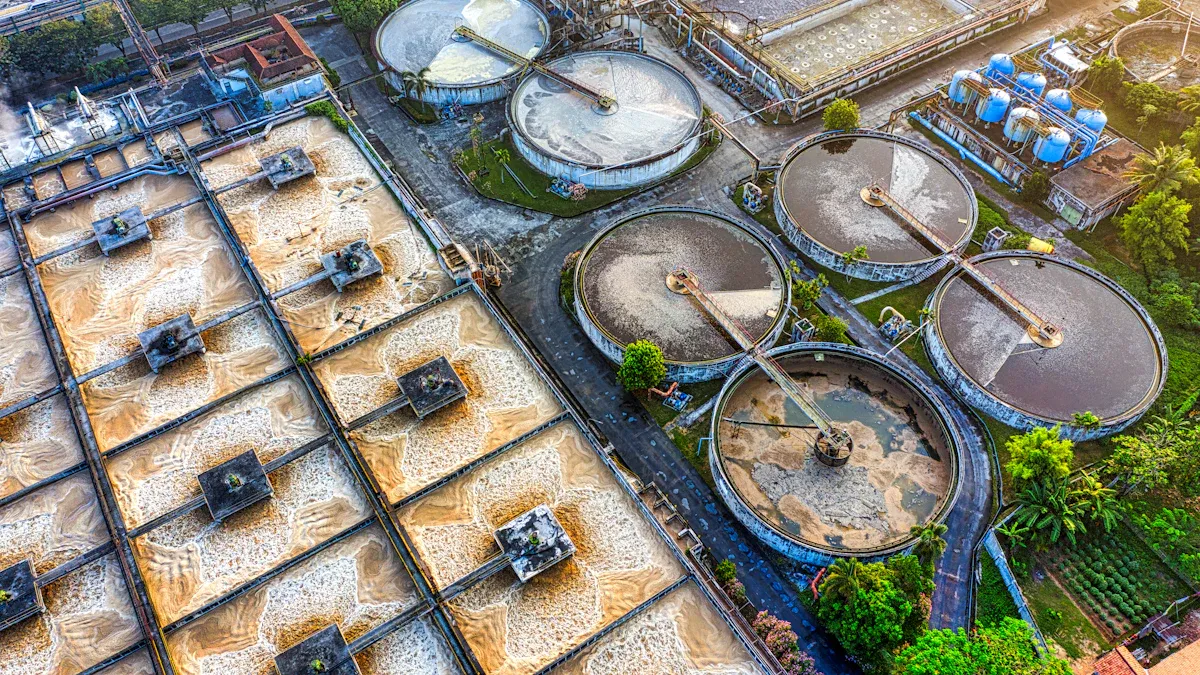
You may think a package wastewater treatment plant works the same everywhere, but that is not true. Many plants face problems that suppliers do not always mention. These problems can affect how well your system works and how much it costs to run.
| Operational Limitation | Number of Plants | Percentage (%) |
|---|---|---|
| All (multiple issues) | 72 | 65.5 |
| Odor problems | 8 | 7.3 |
| Sludge management difficulties | 6 | 5.5 |
| Inadequate spare part availability | 5 | 4.5 |
| High energy consumption | 3 | 2.7 |
| Equipment malfunctions | 2 | 1.8 |
| Aging infrastructure | 2 | 1.8 |
| Non-functional plants | 12 | 10.9 |
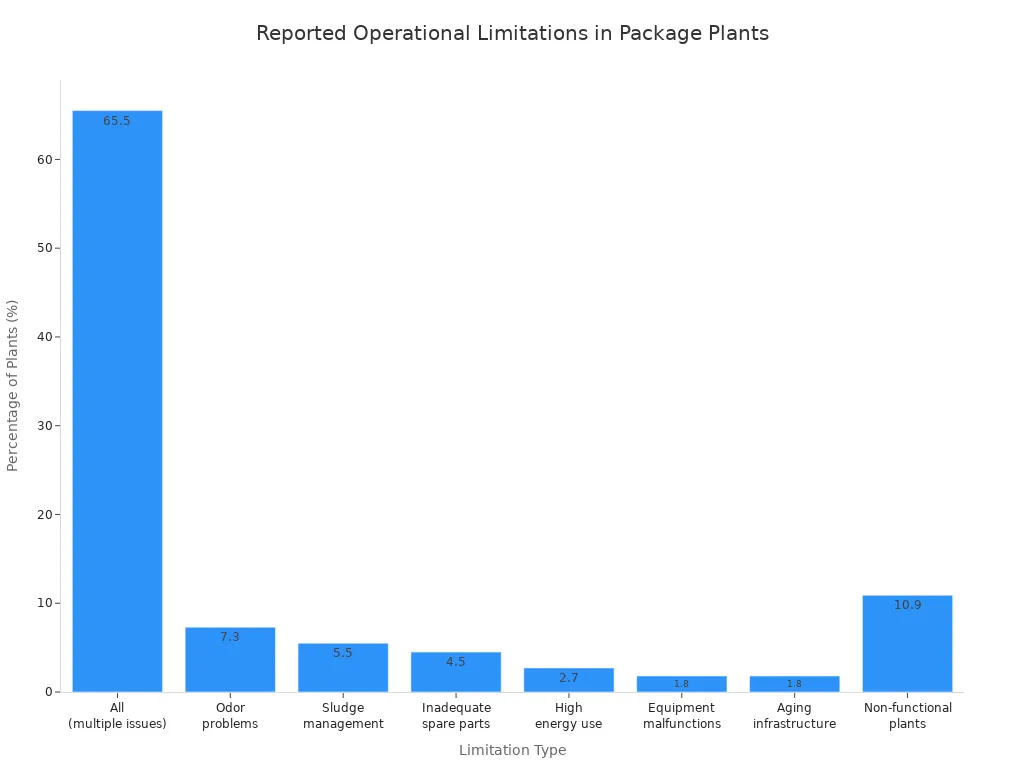
You can see that most plants report more than one issue. Odor, sludge, and spare parts are common problems. Some plants even stop working completely. You should know that these issues can happen, especially if you do not plan for them.
You also need to think about how your plant will perform when the amount of wastewater changes. Sudden increases in flow or pollution can cause trouble. You can use flow equalization tanks to help balance the load. Advanced process control systems can adjust the treatment steps in real time. These tools help your plant handle changes, but not all suppliers include them.
You cannot ignore maintenance if you want your plant to last. Package wastewater treatment plant suppliers may promise low upkeep, but you will still have many tasks to do. You must check water quality, remove debris, and service equipment often.
Monitor and test water quality every day.
Remove grease and debris from screens and tanks.
Check seals and calibrate instruments.
Service pumps and other machinery.
Keep spare parts ready.
Remove solids and manage sludge.
The costs do not stop at maintenance. You will pay for energy, chemicals, and sludge disposal. Some costs are easy to see, but others are hidden. Look at this table to understand what you might pay for:
| Cost Component | Description |
|---|---|
| Capital investment | Feasibility studies, design, engineering, permitting, land, materials, and labor. |
| Operations | Skilled workers and ongoing training. |
| Maintenance | Regular upkeep, repairs, and aging infrastructure. |
| Permitting standards | Monitoring and upgrades to meet new rules. |
| Energy consumption | High energy use for treatment processes. |
| Chemicals | Disinfection and nutrient removal chemicals. |
| Sludge management | Dewatering, transportation, and disposal. |
Tip: Always ask package wastewater treatment plant suppliers for a full breakdown of costs, including energy, chemicals, and sludge management.
If you do not keep up with maintenance, you may face fines for breaking discharge rules. Repairs can also cost more if you wait too long.
Odor and noise are two big complaints from people who live near treatment plants. Over 70% of complaints come from bad smells. Odors can travel for miles and cause health problems like headaches and nausea. One complaint can cost you up to $100,000 in lost revenue and fines.
Odors affect neighbors and workers.
Odors can lead to fines and lost business.
Noise from fans and blowers can break local rules.
Loud plants can disturb communities and harm worker safety.
Sound enclosures help reduce noise.
You must also follow many rules. State and local laws can change often. You need to keep up with both federal and local standards. Aging equipment and small budgets make this harder. You may need to add new treatment steps to meet new rules.
Note: Work with local authorities to make sure your plant meets all regulations. Update your system as rules change.
You should always ask the right questions before you choose a supplier. Not all package wastewater treatment plant suppliers offer the same quality or support. Here are some questions to help you make a smart choice:
How long has the supplier been in business?
Does the supplier have a good reputation?
Does the product fit your specific needs?
What are the costs for both purchase and maintenance?
What materials does the supplier use?
Can you customize the plant for your site?
What after-sales support is available?
Does the plant meet all industry standards and regulations?
What warranties and guarantees come with the plant?
Can the supplier provide references from past clients?
Is the supplier close enough for fast support?
You should also check the contract terms and warranty conditions. Here is a table with some key points:
| Warranty Type | Duration/Conditions |
|---|---|
| Chemicals | Shelf-life or 6 months from delivery/service. |
| Consumables | 12 months from delivery. |
| Other Goods | 15 months from receipt or 12 months from start-up/first use. |
| Software | 9 months from receipt. |
| Performance Warranty | Only if agreed in a separate schedule. |
| Manufacturer's Goods | Manufacturer's transferable warranty only. |
| Claims Notification | Must notify in writing promptly. |
| Remedies | Replacement, refund, or re-performance of services. |
| Return Policy | Written permission and Return Material Order number required. |
| Warranty Transfer | Not transferable to other parties. |
Tip: Read all contract terms carefully. Make sure you understand what is covered and what is not.
You should weigh both the benefits and drawbacks of package wastewater treatment plants. Review this table before you decide:
| Advantages | Disadvantages |
|---|---|
| Cost-effective | Higher construction costs |
| Easy operation | Needs skilled operators |
Always inspect plant assets, check supplier support, and compare upgrade options. Smart planning and clear goals help you avoid costly mistakes.
You can expect most plants to last 15–25 years. Regular maintenance helps extend the lifespan.
Tip: Ask your supplier about warranty and replacement parts.
You should remove sludge every 6–12 months. The exact timing depends on plant size and usage.
Check sludge levels monthly
Schedule professional removal
Yes, you can upgrade most systems.
| Upgrade Type | Benefit |
|---|---|
| Filters | Better removal |
| Controls | Easier updates |
Innovative Materials Transforming Heat Exchanger Supply Chains
Comprehensive 2025 Overview of Semi-welded Plate Heat Exchangers
Best Precoating Materials for Filtration Systems This Year
Key Factors Defining the Best Nameplate Suppliers in 2025
Understanding Nozzle Solutions for Gardeners and Bioprinters

We provide you with comprehensive foreign trade solutions to help enterprises achieve global development

Whether your venue is a specialty café in pursuit ...
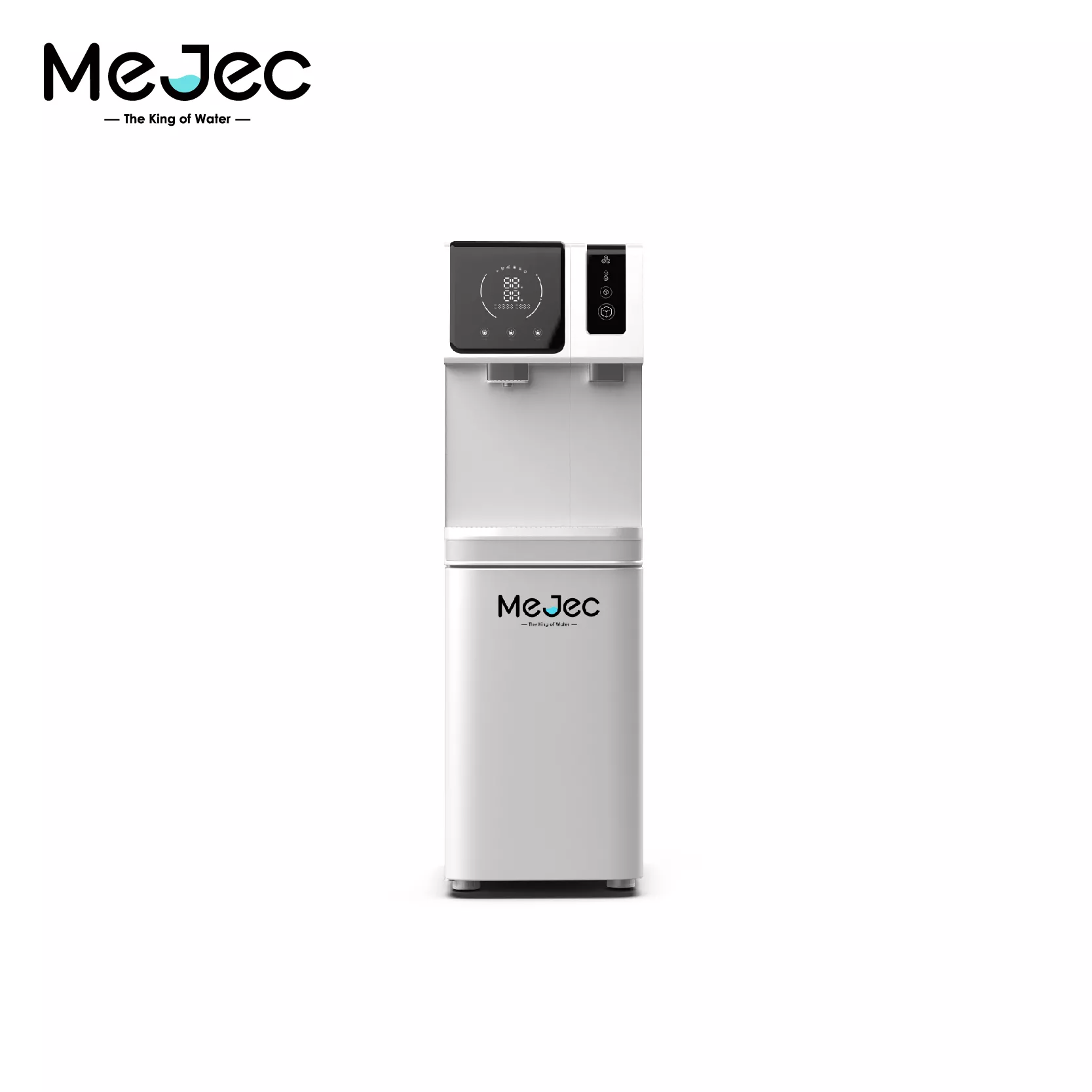
Imagine an office where the simple act of getting ...
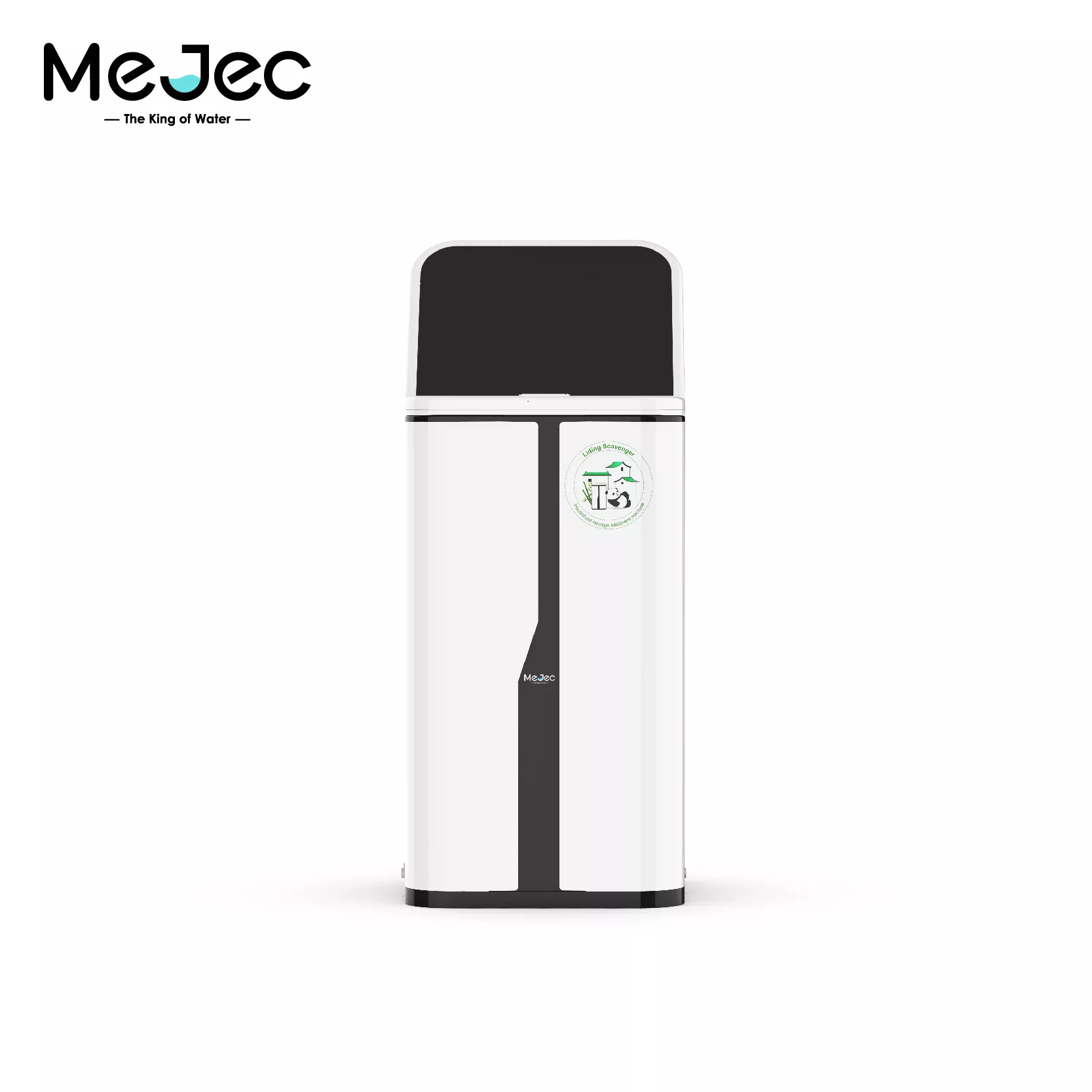
Mejec Scavenger Household Sewage Treatment Plant (...
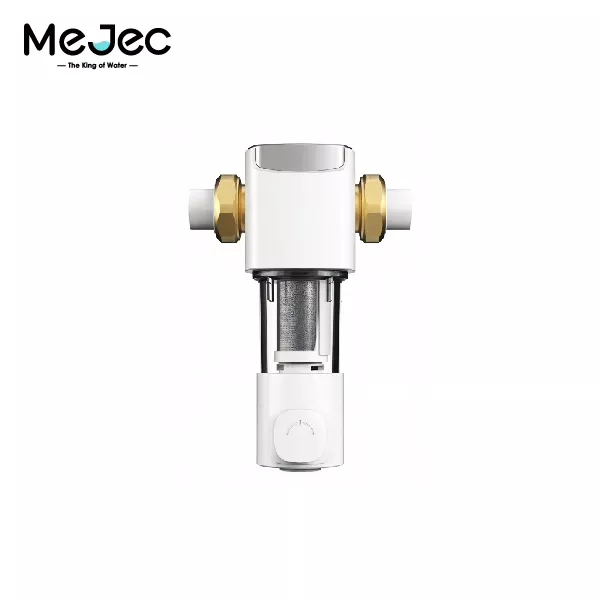
This whole-house pre-filter serves as your first a...
Select the most popular foreign trade service products to meet your diverse needs
Select the most popular foreign trade service products to meet your diverse needs





User Comments
Service Experience Sharing from Real Customers
Michael Chen
Plant ManagerThe comprehensive package from this supplier was a game-changer for our municipal plant upgrade. Every component, from clarifiers to control systems, integrated seamlessly. Their technical support team is exceptionally responsive.
Sarah Johnson
Environmental EngineerAs a consultant, I've specified several package plant suppliers. This company stands out for their robust and reliable designs, particularly for industrial pre-treatment. The documentation and O&M manuals are thorough, making client handover smooth.
David Rodriguez
Project DirectorWe needed a fast-track solution for a remote mining camp. Their packaged MBR plant arrived pre-assembled, significantly reducing on-site installation time and cost. Performance has exceeded our effluent quality requirements consistently.
Lisa Wang
Operations SupervisorThe compact package plant for our new food processing facility is remarkably efficient and user-friendly. The supplier provided excellent training for our staff. The after-sales service is proactive, with regular check-ins and easy access to spare parts.