




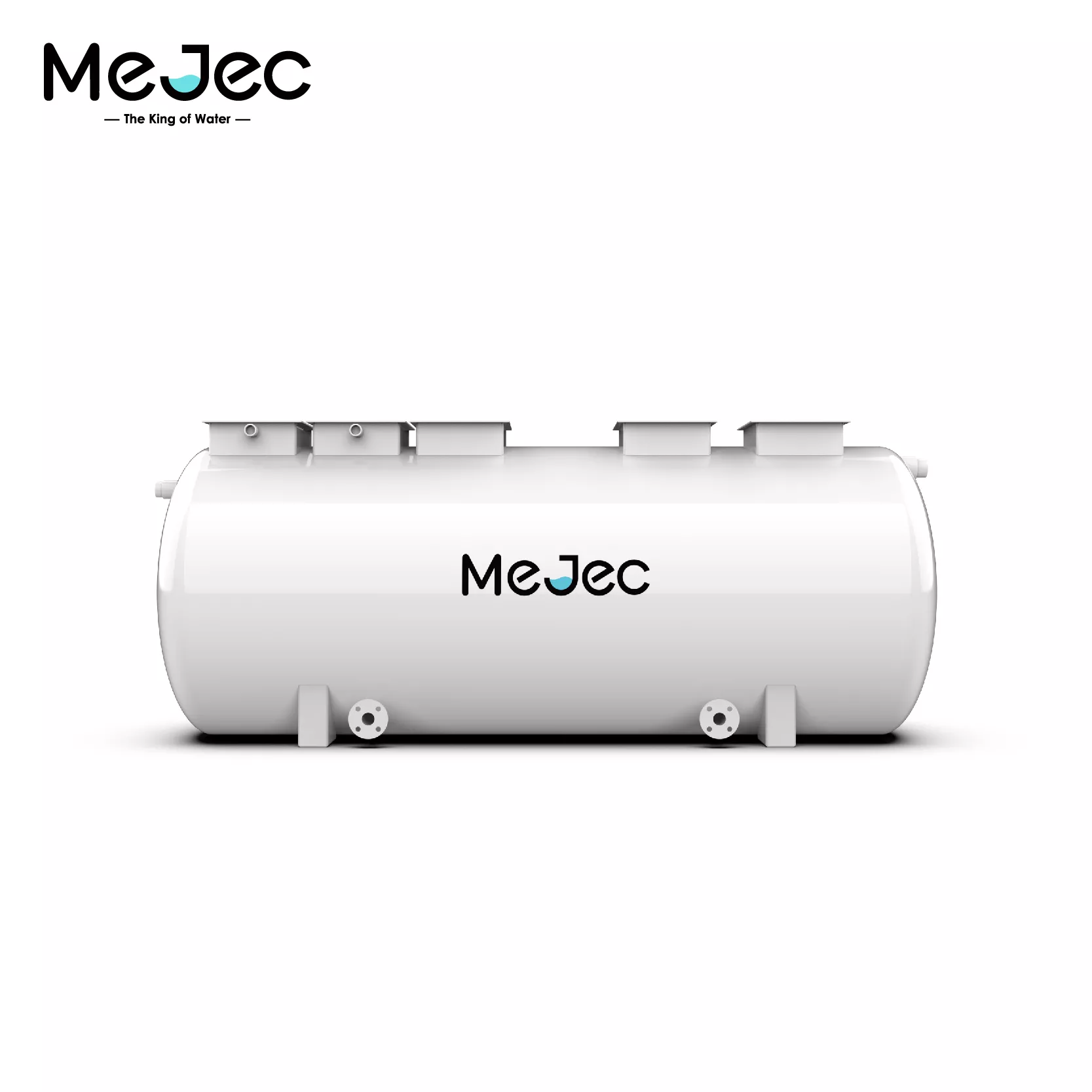
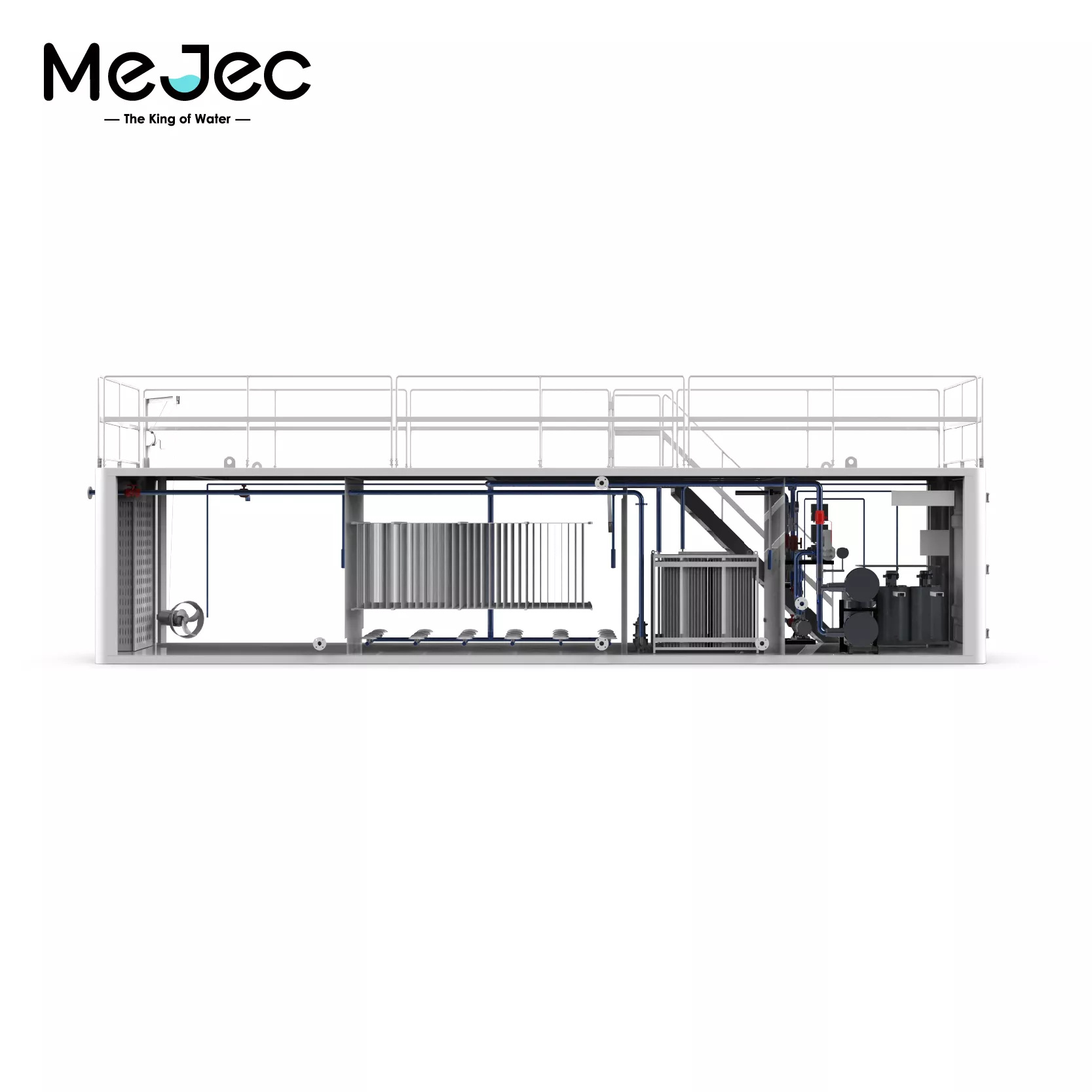
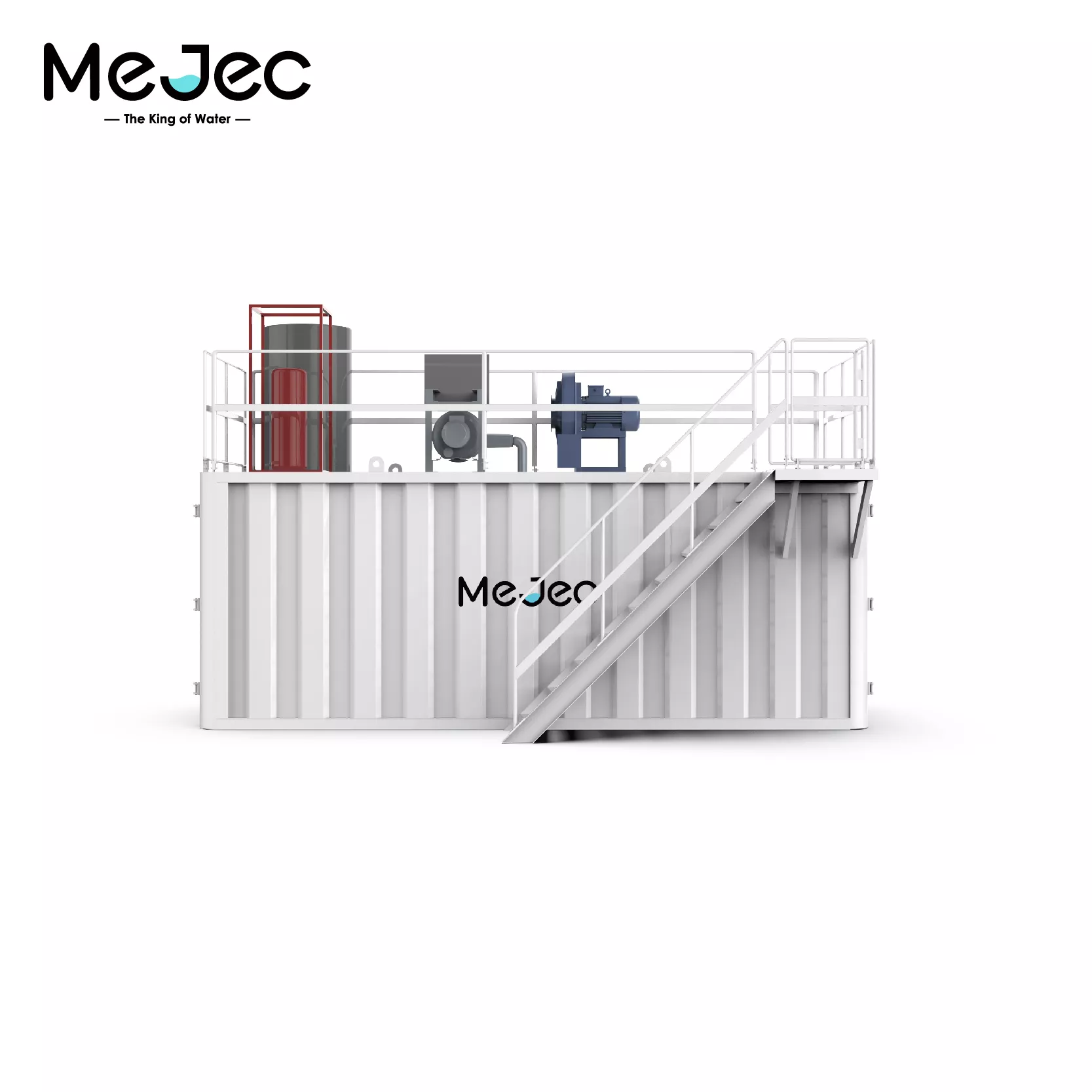
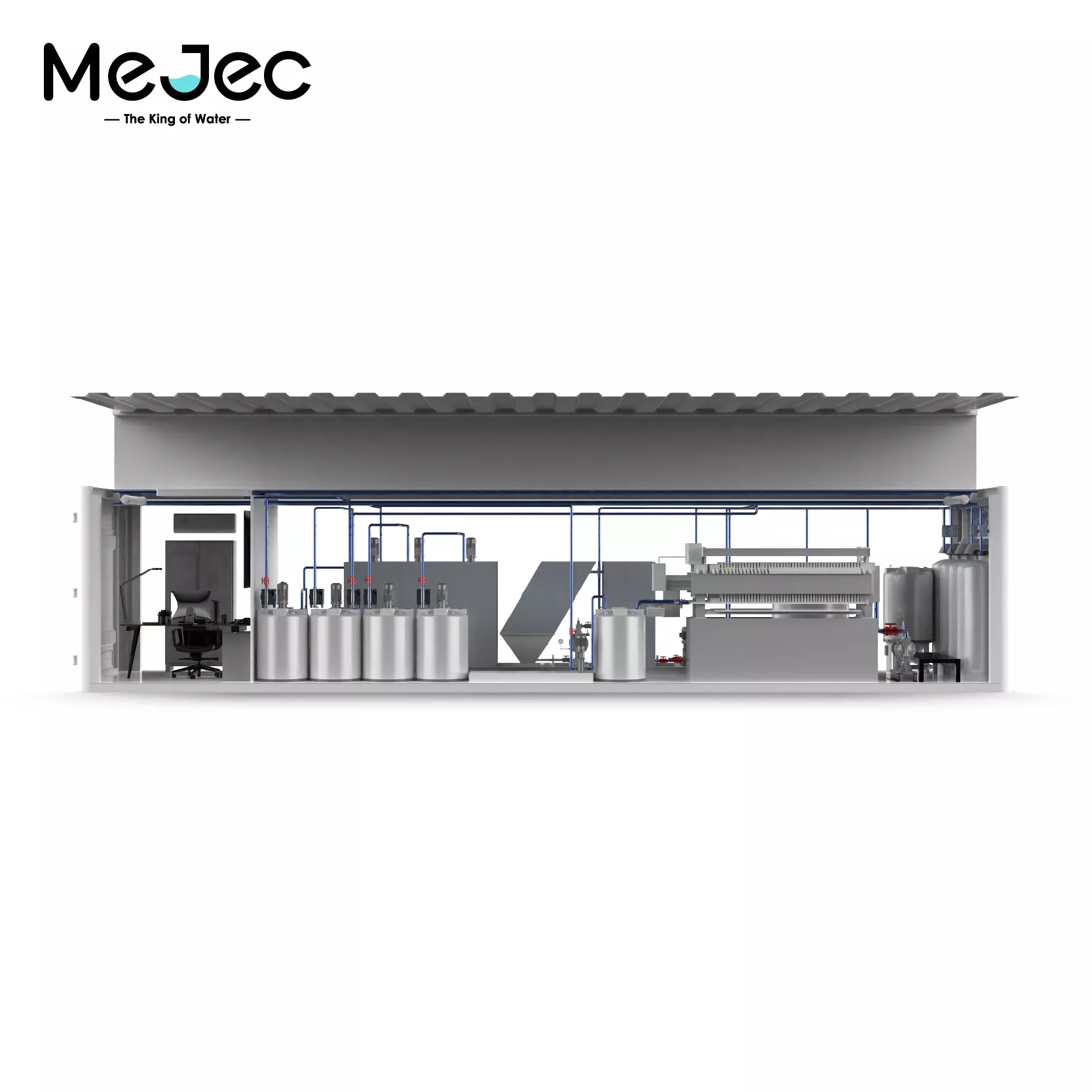
What is MBBR for sewage treatment plant?
MBBR sewage treatment plant uses biofilm carriers ...
More

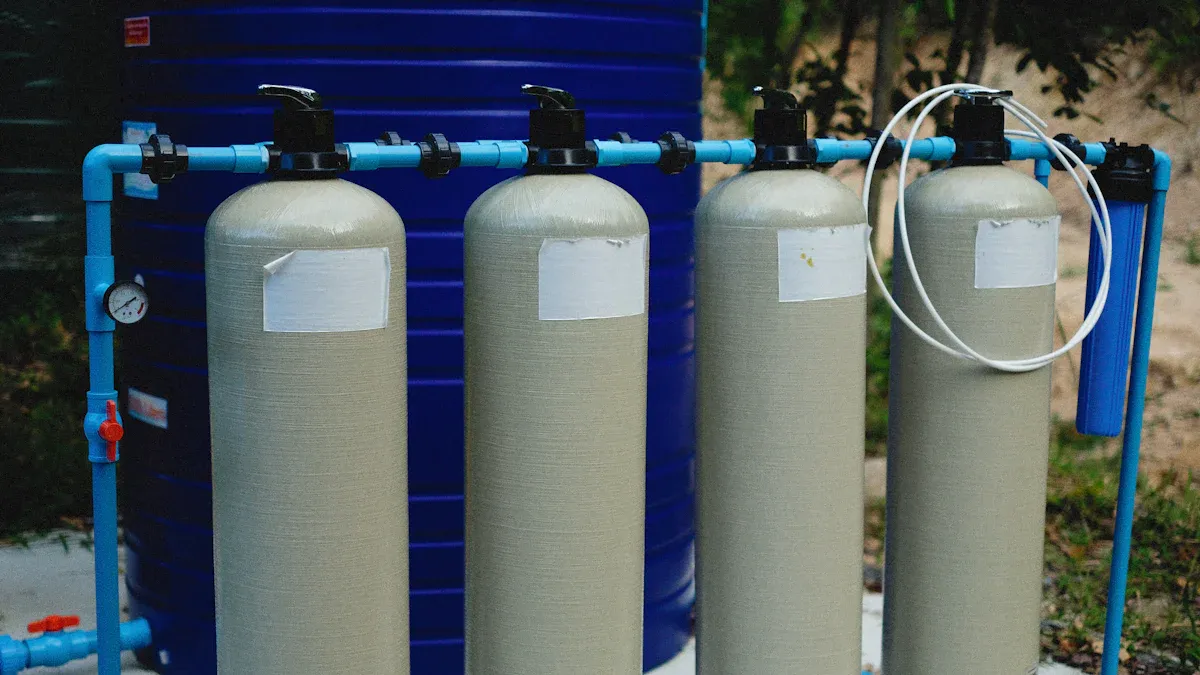
You might wonder why many people install a personal sewage treatment plant. In the United States, about 25% of homes use these systems, while most rely on centralized sewage. Homeowners often choose this option to prevent pollution, gain local approval, and reuse treated water when facing shortages.
About 25% of residential properties use personal sewage treatment plants.
Common reasons include preventing pollution, getting approval, and reusing water.
Identify your main reason for installing a personal sewage treatment plant. This will guide your choices and help you stay focused.
Consider the size of your household or business when selecting a system. Plan for future growth to ensure your system meets your needs over time.
Regular maintenance is crucial for your sewage treatment plant. Set reminders for inspections and cleaning to avoid costly repairs.
Before you start looking at options, ask yourself why you need a personal sewage treatment plant. Are you trying to protect the environment, meet local rules, or reuse water for your garden? Your main reason will guide your choices. For example, if you want to reuse water, you might need a system that produces cleaner water. If you need approval from local authorities, you should check their requirements first.
Tip: Write down your main goal. This helps you stay focused when you compare systems.
Here are some important factors to consider:
Capacity for your property
Disposal options for treated water
Process selection based on your needs
Local regulations and permits
Technical and economic criteria
Site-specific analysis
Life cycle assessment (LCA)
Efficiency and reliability
Space requirements
Construction and operating costs
Process simplicity
Environmental constraints
Requirements for personnel and maintenance
The size of your home or business matters a lot. You need to know how many people will use the personal sewage treatment plant. More people means more wastewater. If you have a growing family or plan to expand your business, you should plan for extra capacity.
Here’s a simple way to get started:
Understand the main reason for setting up the system.
Choose the right process and equipment for your needs.
Consider how you will dispose of treated water and check local rules.
A small home might need a basic system, while a large business could require something more advanced. Always think about future changes so your system keeps working well.
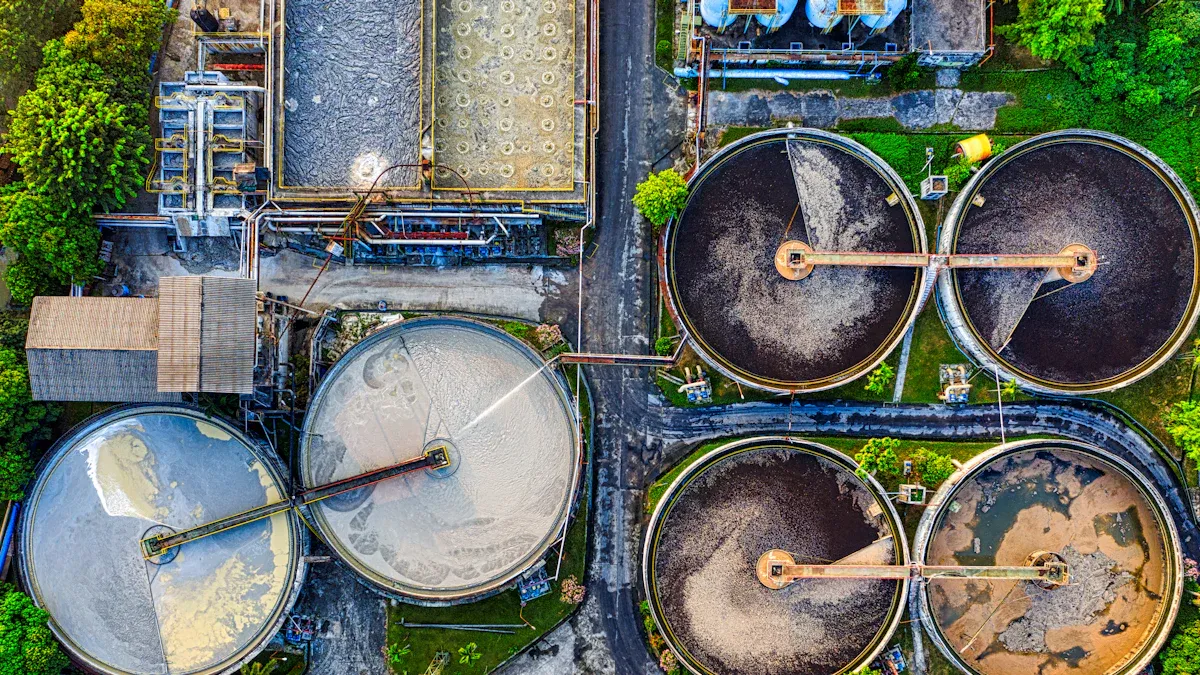
When you look at a personal sewage treatment plant, you’ll see it works by cleaning wastewater from your home or business. The process usually starts with separating solids from liquids. After that, bacteria break down the waste. Some systems use air to help bacteria work faster. Others rely on natural processes without extra air. You might notice that newer plants use smart sensors and advanced filters. These upgrades help produce cleaner water and save energy. Many modern designs even recycle water for things like irrigation or toilet flushing.
Tip: If you want to lower your energy bills, consider systems with energy-efficient designs or those that use renewable energy like solar panels.
You’ll find two main types of treatment: aerobic and anaerobic. Aerobic systems use oxygen to help bacteria break down waste quickly. Anaerobic systems work without oxygen and often produce biogas, which you can use for energy. Here’s a quick look at how well these systems remove organic contaminants:
| Retention time (days) | BOD5 removal % |
|---|---|
| 1 | 50 |
| 2.5 | 60 |
| 5 | 70 |
Aerobic systems usually need more energy because they pump air into the tank. Anaerobic systems use less energy and can even help power your plant. If you want high removal rates and don’t mind higher energy use, aerobic might be your choice. If you prefer lower costs and energy use, anaerobic could work better.
You can choose between continuous and batch operation for your personal sewage treatment plant. Continuous systems treat wastewater all the time. Batch systems clean water in cycles. Here’s a table to help you compare:
| Aspect | Continuous Operation | Batch Operation |
|---|---|---|
| Cost | Higher operational costs | Can save up to 60% of operational costs |
| Process Flexibility | Limited flexibility in process control | High process flexibility and alternatives |
| Treatment Quality | Consistent treatment quality | High effluent quality in short aeration times |
| System Complexity | Typically requires multiple compartments | All processes in one tank |
| Sensitivity to Load Fluctuations | Less sensitive to fluctuations | More sensitive to load fluctuations |
| Denitrification | Generally more efficient | Can be slow due to lack of carbon source |
| Biological Phosphorus Removal | More effective | Can be compromised |
Batch systems often save money and offer more flexibility. Continuous systems give you steady results and handle changes in wastewater better. If you want a simple setup, batch might be easier. If you need reliable performance, continuous could be the way to go.
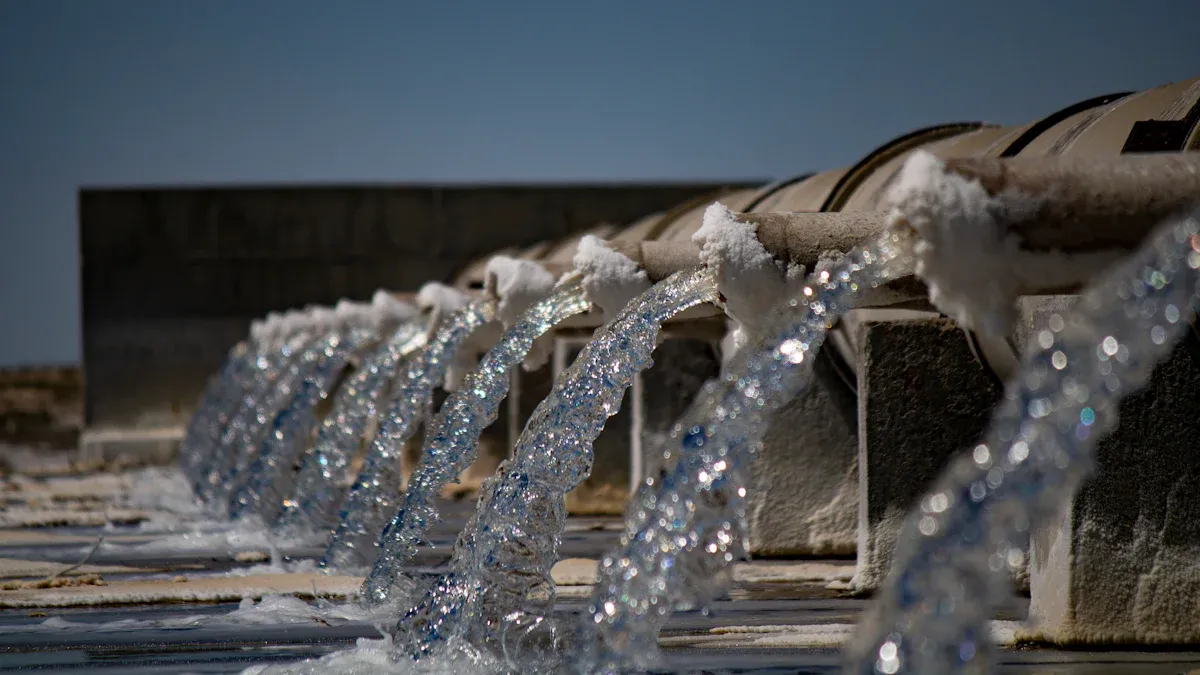
You might think about sending treated water into a nearby stream or pond. This option works if your water meets strict quality standards. Local rules often require you to test the water before discharge. You need to check for things like bacteria, chemicals, and nutrients. If you live near sensitive habitats, you must take extra care. Always ask your local authority before you choose this method.
Tip: Regular testing helps you avoid fines and keeps the environment safe.
Some people use treated water for watering lawns or flushing toilets. This can save money and help during dry seasons. However, you should know about possible risks. Here are a few things to watch out for:
Pathogens in treated water can cause infections.
Groundwater might get contaminated by chemicals or germs.
High salt and nutrient levels can harm soil, plants, and even fish.
If you want to reuse water, make sure your system produces high-quality effluent. You should also follow safety guidelines to protect your family and property.
A soakaway or drainage field lets water soak into the ground. You need to design these systems carefully. Here are some important tips:
Trenches should be at least 18 inches wide and up to 4 feet deep.
Keep trench length under 100 feet, or up to 200 feet if you deliver water to the center.
Use drop boxes for sloped land.
Absorption beds need more area than trenches.
Make sure trench bottoms are level.
Fill trenches with clean gravel or crushed stone, at least 12 inches deep.
Install curtain drains 10 feet upslope to handle high water tables.
A well-designed soakaway helps water filter safely into the soil and keeps your property dry.
You want your system to handle all the water your household uses each day. The easiest way to estimate this is by counting bedrooms. Most experts say each bedroom stands for two people. For example, if you have a three-bedroom house, you should plan for about 450 gallons of wastewater every day. This number covers both regular use and extra capacity for busy days. If you have guests often or use a lot of water for laundry, you might want to add a little more to your estimate.
Tip: Write down the number of bedrooms and think about your daily routines. This helps you avoid under-sizing your system.
You might add more rooms or welcome new family members in the future. Maybe you plan to expand your business or build a guest house. It’s smart to think ahead so your personal sewage treatment plant keeps working well. Here’s a table to help you plan for growth:
| Factor | Description |
|---|---|
| Site Selection | Pick a spot that follows local rules and stays away from homes to avoid problems. |
| Capacity and Scalability | Choose a system that can grow with your needs and handle more people or business activity. |
| Technology Integration | Make sure you can upgrade your system with new tech if you need better performance later. |
If you plan for growth now, you save money and avoid headaches later. You also make sure your system stays safe and reliable for years.
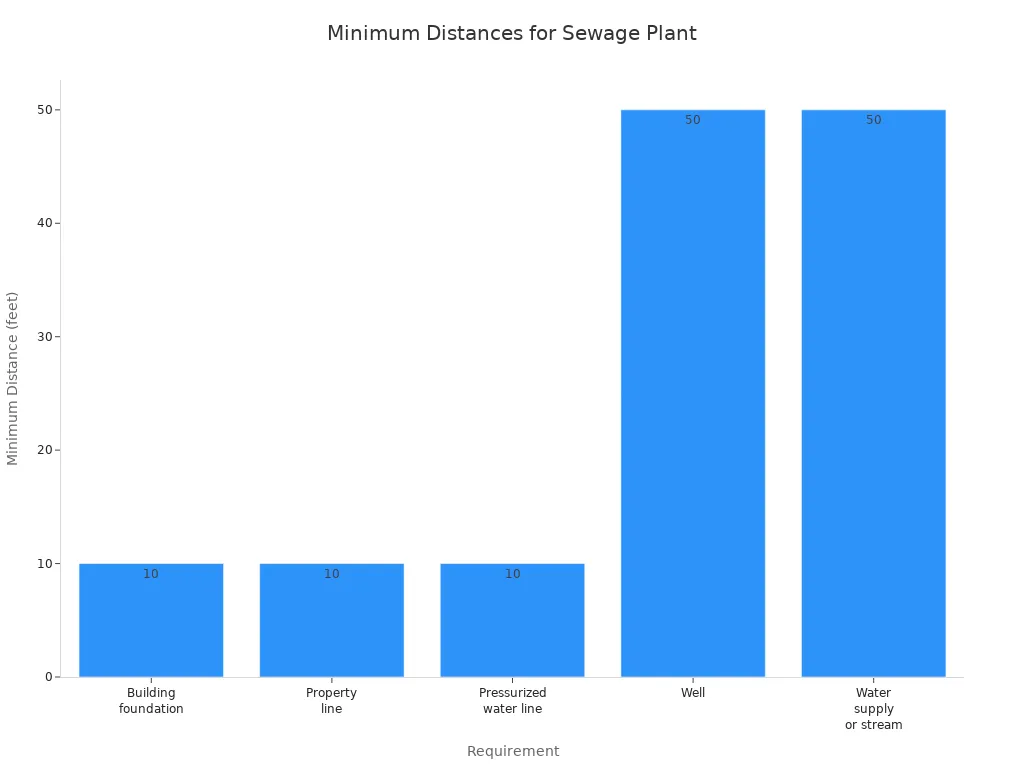
You want your personal sewage treatment plant in the right spot. Picking a good location keeps your home safe and helps your system work well. Always check the distance from buildings, wells, and water lines. Here’s a quick look at the minimum distances you should follow:
| Requirement | Minimum Distance (feet) |
|---|---|
| Distance from any building foundation | 10 |
| Distance from property line | 10 |
| Distance from pressurized water line | 10 |
| Distance from well | 50 |
| Distance from water supply or stream | 50 |
If you have a well, you need to pay extra attention. The rules change depending on how deep your well is. For example, if your well is less than 100 feet deep, you need to keep your treatment area at least 100 feet away. If your well is deeper, you can place it a bit closer, but still at least 50 feet away.
Tip: Always measure carefully before you start digging. This helps you avoid costly mistakes and keeps your water safe.
Getting your site ready is a big step. You want everything smooth and safe before installation. Here are the main steps you should follow:
Level the land so your system sits flat.
Map out all underground utilities to avoid hitting pipes or wires.
Build a strong foundation for your tank and equipment.
Set up the right connections for water and power.
Make sure all pipes and cables reach the right spots.
When you prepare your site well, you make the installation faster and safer. You also help your system last longer.
You want your system to run smoothly year-round. Regular care keeps everything working and helps you avoid big repairs. Here’s a quick look at what you should do and how often:
| Task | Frequency |
|---|---|
| Regular maintenance | Monthly |
| Thorough inspections | Every 3 to 6 months |
| Cleaning of sludge tanks | Periodically |
| Cleaning of filters | Periodically |
You should also check equipment like pumps, motors, and blowers. Clean them when needed. Write down your maintenance schedule so you never miss a step. When you manage your system well, you boost its performance and make it last longer. You also save money because you avoid emergency fixes.
Tip: Set reminders for inspections and cleaning. Staying on top of these tasks means fewer surprises.
Living in a rural area? You might notice that service support can be harder to find. Many families rely on their own systems because community treatment plants aren’t practical. Every system needs regular management to meet health and environmental standards. Good installation and operation matter a lot.
Recent advances in integrated treatment processes make these systems more efficient. You get better results with optimized flows and improved carrier performance. These upgrades help rural homes keep up with regulations and stay safe. If you ever need help, look for local experts who know about personal sewage treatment plant systems.
Note: New technology makes maintenance easier, but you still need to check your system often.
When you look at buying a personal sewage treatment plant, the first thing you notice is the price tag. The cost depends on the size and type of system you pick. Smaller systems for homes usually cost less than bigger ones for businesses. You also need to think about extra parts, like pumps or control panels. Some systems come with everything you need, while others require you to buy extra equipment. Always ask what is included before you make a decision.
Tip: Get quotes from different suppliers. This helps you find the best deal and avoid hidden costs.
After you install your system, you will have ongoing costs. These include energy, labor, and repairs. Energy use can make up 25% to 40% of your total operating costs. Labor often takes up 20% to 30% of your budget. You also need to pay for regular maintenance and repairs to keep your system running well.
Here is a table showing typical annual staffing costs for different plant sizes:
| Plant Size | Annual Staffing Cost |
|---|---|
| Small Plant (< 1 MGD) | $180,000 - $280,000 |
| Medium Plant (1-5 MGD) | $550,000 - $850,000 |
| Large Plant (> 10 MGD) | $1.5 million - $3.0 million |
Operational costs matter because they affect your budget every year. These costs can change, so it helps to plan ahead. When you understand these expenses, you can make smart choices and keep your system working for years.
You need to get the right permits before you install your personal sewage treatment plant. Rules change depending on where you live. If you live in England or Wales, you must register your system and apply for a permit or see if you qualify for an exemption with the Environment Agency. In Northern Ireland, you need permission from the Department of the Environment for any wastewater discharge to waterways or soil. Scotland asks for registration proof under the Water Environment Regulations 2011, especially for new developments or if you change ownership.
Here’s a quick table to help you see what’s needed in different regions:
| Region | Requirements |
|---|---|
| England & Wales | Register systems, apply for a permit or qualify for an exemption with the Environment Agency. |
| Northern Ireland | Obtain permission from the Department of the Environment for all wastewater discharges to waterways or soil systems. |
| Scotland | Registration proof required under the Water Environment Regulations 2011 for new developments or ownership changes. |
Tip: Always check with your local authority before you start. Rules can change, and missing a permit can lead to fines.
You also need to follow strict environmental standards. These rules help protect water, soil, and wildlife. In the European Union, you must separate persistent trace substances and aim for at least 80% removal of key substances before discharge. You pay for costs related to advanced treatment, and you need to monitor microplastics and PFAS emissions.
Here are some important standards you should know:
Remove at least 80% of six key substances from wastewater
Monitor treatment plant performance
Control and reuse sewage sludge when possible
Meet stricter discharge values for nitrogen and phosphorus
Treat all discharges from areas with over 2,000 people
Use advanced treatment for areas with over 10,000 people
Note: Following these standards keeps your system safe and helps you avoid trouble with local agencies.
If you follow the rules and meet the standards, your personal sewage treatment plant will run smoothly and protect the environment.
When you choose a personal sewage treatment plant, think about your property’s needs and future plans. Compare treatment methods and disposal options. Watch out for sizing mistakes and poor design. Regular maintenance and following local rules help your system last longer. If you feel unsure, ask a professional for advice.
You should check your system every month. Clean filters and inspect tanks every three to six months.
Tip: Set reminders on your phone to stay on schedule.
You can do some site prep, but you need a licensed professional for installation.
They know local rules
They ensure safety
You might notice bad smells or slow drains. Call a technician right away.
Note: Quick action helps prevent bigger problems and costly repairs.
The Benefits of Using Self-Priming Water Pumps Today
Selecting the Ideal 10KW Diesel Generator for Your Requirements
Comparing EHEDG Guidelines with 3A SSI Standards for Hygiene
Guidelines for Choosing Materials for ASME Pressure Vessels
A Simple Guide to Selecting Power Transformers for Beginners

We provide you with comprehensive foreign trade solutions to help enterprises achieve global development
The MEJEC dispenser delivers pure water through ad...
Designed for high-traffic public areas, the Mejec ...
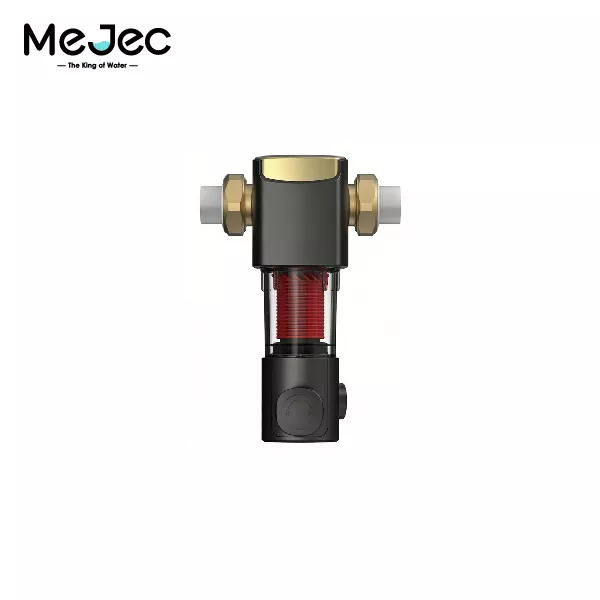
The Dual-Core 360° Pre-Filter protects your entire...
.webp)
Mejec containerized seawater desalination system i...
Select the most popular foreign trade service products to meet your diverse needs
Select the most popular foreign trade service products to meet your diverse needs





User Comments
Service Experience Sharing from Real Customers
Robert Chen
Project ManagerOur rural property was off-grid, and this personal sewage treatment plant has been a game-changer. The installation was straightforward, and after six months of use, the system is incredibly efficient and odorless. Highly recommend for remote homes.
Sarah Johnson
Environmental ConsultantAs a professional in the field, I'm impressed with the plant's eco-friendly design and effluent quality. It meets local regulatory standards perfectly. The one-point deduction is for the slightly complex initial setup manual, but overall, performance is excellent.
David Miller
Farm OwnerInstalled this system for our farmhouse and worker accommodations. It handles variable loads reliably, is low maintenance, and the treated water is safe for irrigation. A robust and cost-effective long-term solution for agricultural settings.
Lisa Wang
ArchitectI specify this product for sustainable residential projects. Its compact footprint and high treatment efficiency allow for flexible site planning. Clients are always satisfied with its quiet, reliable operation. A top-tier product for modern eco-homes.