




.webp)
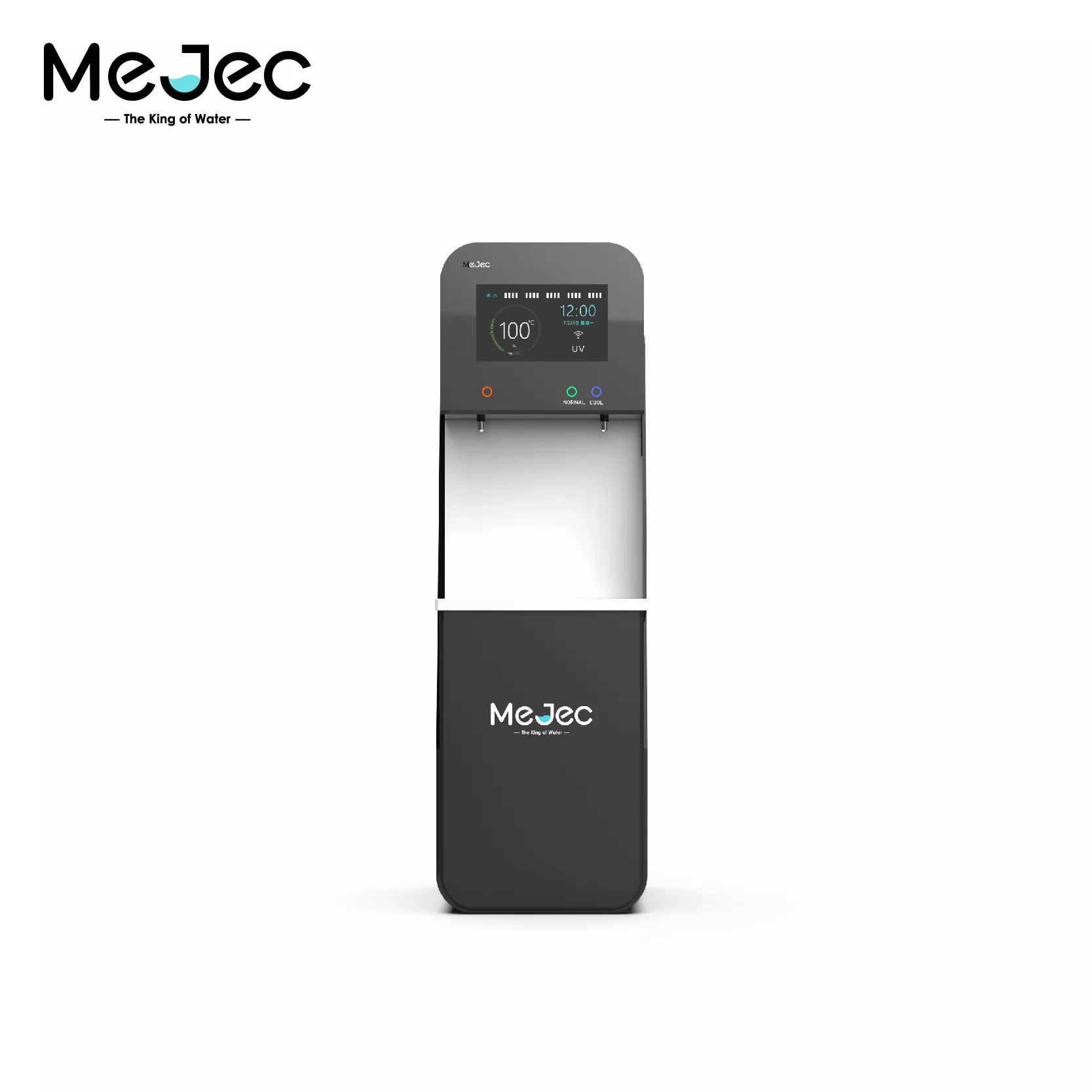
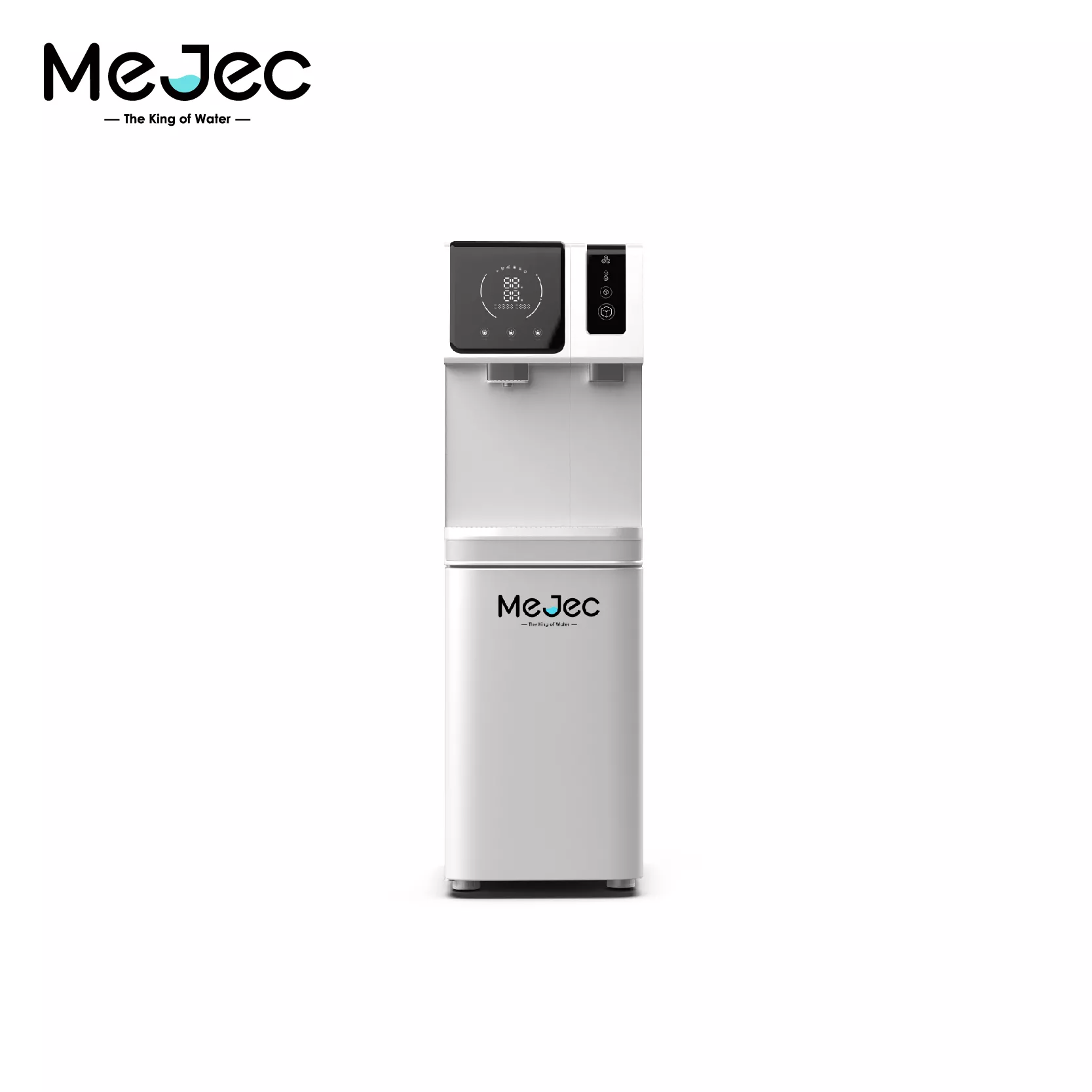
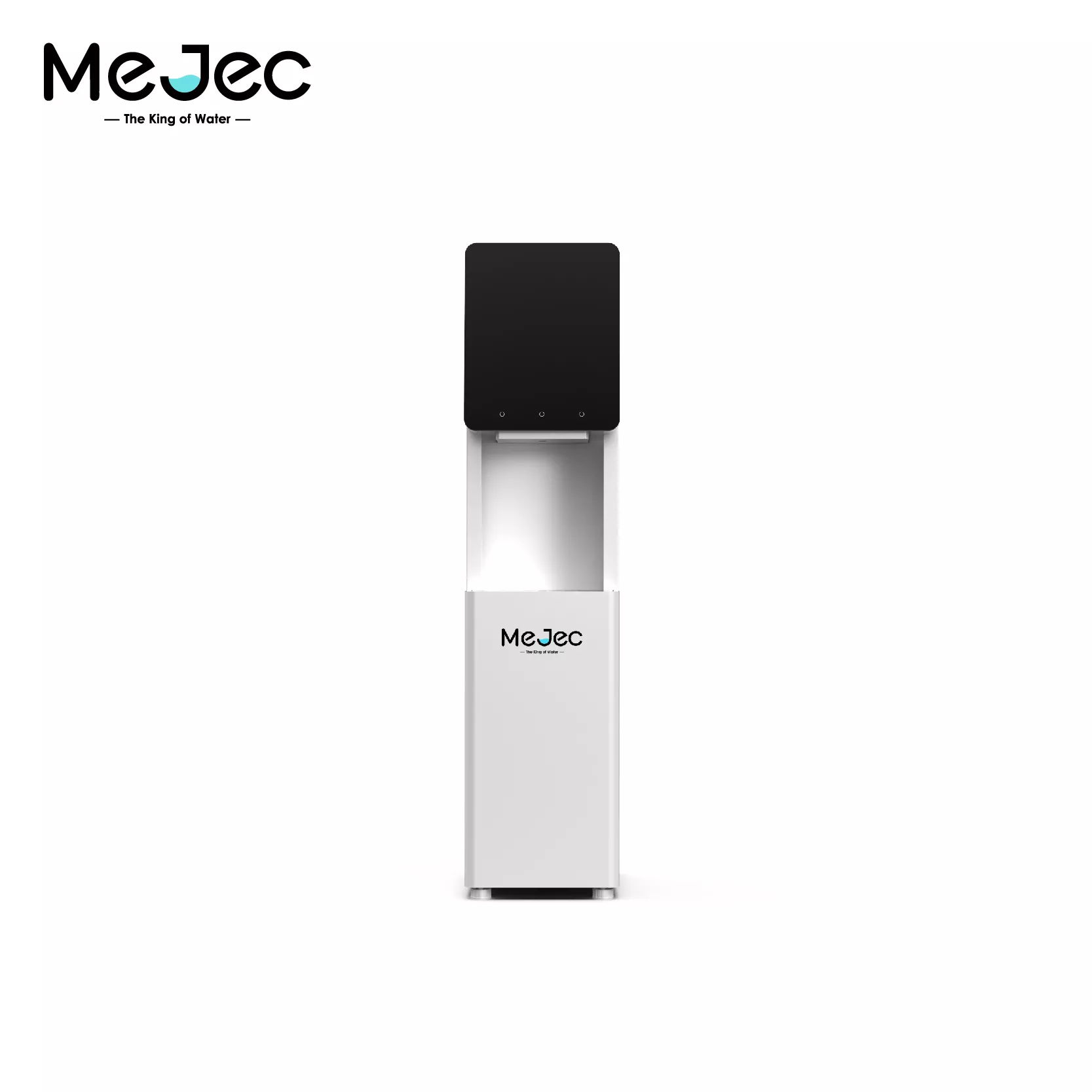
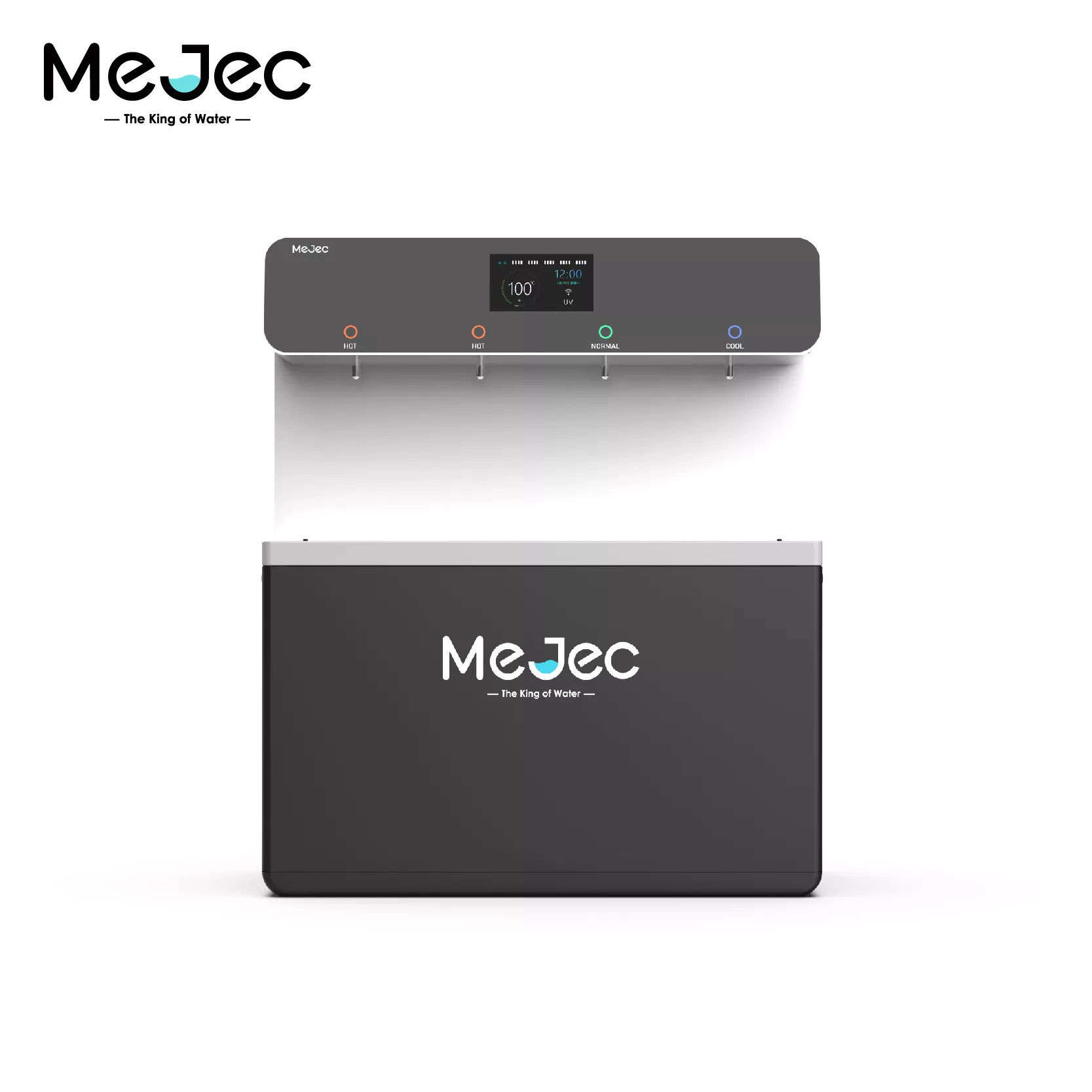
Just Installed: The Pinnacle of Commercial Water Technology in a Stunning Lobby Setting
Mejec has successfully completed the installation ...
More


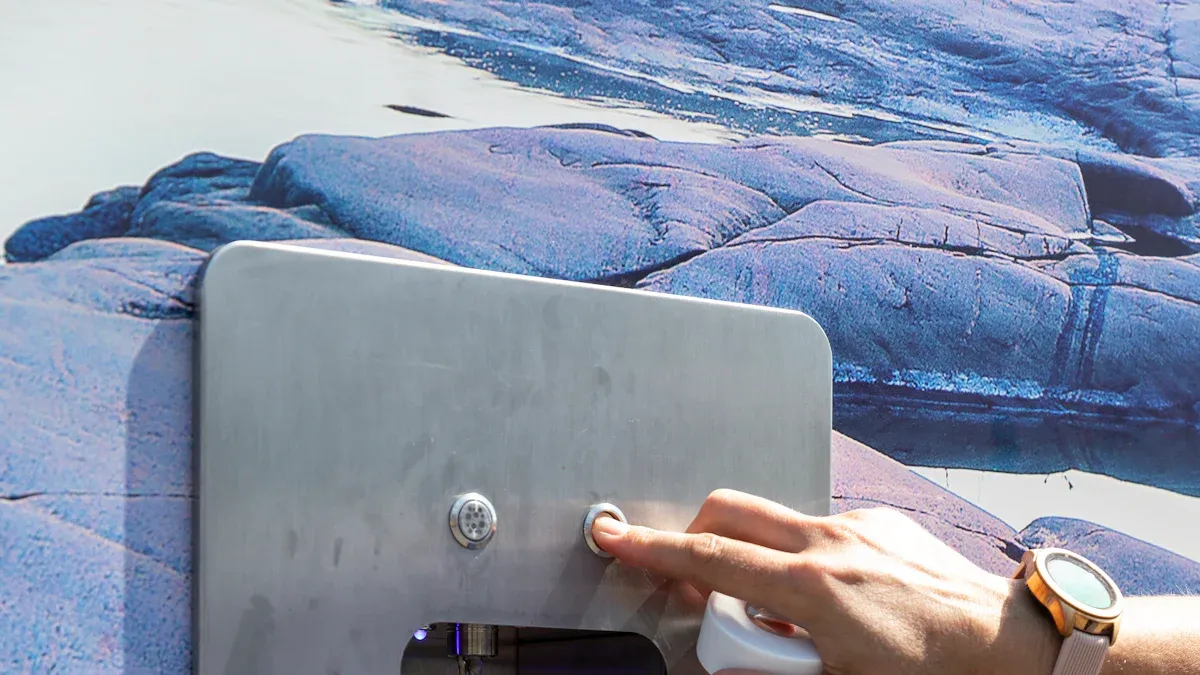
An outdoor water dispenser offers great convenience and environmental benefits. You get a constant supply of fresh water. This helps you save money over time. However, you face a large initial cost. You also need professional installation and regular upkeep. The market for these systems is growing fast, with a projected annual growth of 9.5% due to sustainability goals.
Bottleless outdoor water dispensers offer great convenience and save money over time. They also help the environment by reducing plastic waste.
These dispensers have a high upfront cost and need professional installation. They also require regular filter changes and maintenance.
Consider the filtration system, durability, and capacity when choosing a dispenser. This ensures it meets your specific needs.

When you look past the initial price, you will find that a bottleless water dispenser offers powerful advantages. These systems provide major benefits in convenience, cost, and environmental impact. Let's explore why choosing a bottleless model is a smart decision for 2026.
Imagine never running out of fresh, filtered water again. A bottleless dispenser connects directly to your building's water line. This gives you an endless supply of drinking water on demand. You no longer need to worry about managing bottled water deliveries.
Managing bottled water involves many tasks.
You must schedule and wait for deliveries.
You need to find storage space for bulky jugs.
You have to lift and replace heavy 42-pound water jugs.
These tasks take up valuable time and effort. A bottleless system removes these chores completely. Your only task is to change the filter every six to twelve months, a simple process that takes just a few minutes. This streamlined approach frees you up to focus on more important activities.
The upfront cost of a bottleless dispenser can seem high. However, you will save a significant amount of money over time. Bottled water is incredibly expensive compared to tap water. In fact, it can cost anywhere from 240 to 10,000 times more than the water from your tap.
Let's look at the numbers. A business with 50 people might spend over $4,200 each year on a bottled water delivery service. By switching to a bottleless cooler, that same business could lower its annual cost to around $700. The savings add up quickly. Most businesses see a full return on their investment (ROI) within 12 to 24 months. After that break-even point, the ongoing savings directly benefit your budget.
Choosing a bottleless water dispenser is a powerful way to help the planet. The entire life cycle of bottled water creates a large carbon footprint. You can make a positive change by eliminating your reliance on plastic bottles. Research shows that switching to a bottleless system can reduce your carbon footprint by an incredible 98.73%.
Here is how you help the environment:
You reduce plastic production. Making plastic bottles uses fossil fuels and creates greenhouse gases.
You lower transportation emissions. Transporting one liter of bottled water releases about 0.25 kg of CO2 into the atmosphere. Bottleless systems eliminate these delivery trips.
You decrease energy use. A large amount of energy is needed to bottle, sanitize, and refrigerate water. Your dispenser filters water on-site, skipping these energy-intensive steps.
A key benefit of a bottleless system is its advanced filtration. These units deliver water that is often cleaner and safer than both unfiltered tap water and bottled water. This is especially important in public spaces like parks and schools, where water quality can be a concern. For example, testing in the Los Angeles Unified School District found unhealthy levels of lead in some drinking fountains.
Filtered water stations directly address these health and safety issues.
Studies show real health benefits. One study in Germany found that schools with water fountains saw a 31% reduced risk of overweight children.
Another study of over one million students in New York City schools found that water jets led to healthier body weights.
Many people worry that public fountains are not clean. A modern outdoor water dispenser with a visible filter and a touchless bottle filler gives users confidence. When a school installed a new filtered station, its principal was thrilled with the results.
I love it. It’s wonderful.
The new station made it easy for students and staff to stay hydrated, improving wellness across the campus.
While a bottleless dispenser offers many great benefits, you must also look at the drawbacks. The initial costs, installation process, and upkeep require careful planning. Understanding these challenges helps you make a fully informed decision before you invest.
The biggest hurdle for many buyers is the high initial price. You must pay for the unit and its installation at the very beginning. This cost is much higher than buying a simple bottled water cooler. Bottled water services spread their costs out over time through delivery fees. A bottleless system requires a large one-time payment.
This table shows how the first-year costs can differ. You can see the large upfront expense for a bottleless system compared to a bottled service.
| Item | Upfront Cost (Range) |
|---|---|
| Bottleless System | |
| Dispenser Equipment | $500 - $1,500 |
| Professional Installation | $200 - $600 |
| Total Upfront Cost | $700 - $2,100 |
| Bottled System | |
| Dispenser Purchase | $50 - $200 |
| Total Upfront Cost | $50 - $200 |
Note: The table for the bottled system does not include the recurring cost of water jugs and delivery fees, which add up throughout the year. Your savings with a bottleless system only begin after you cover the initial investment.
You cannot simply plug in an outdoor water dispenser and start using it. These systems require professional installation. A licensed plumber and sometimes an electrician must connect the unit to your property's water and power lines. This process adds complexity and cost.
Several factors can make the installation more difficult and expensive.
Location: Placing the unit far from existing water or electrical lines requires more work. Installers may need to run new pipes or wires.
Access: Difficult-to-reach areas can increase labor time.
Unit Type: Different models have unique plumbing and electrical needs.
Installation costs can vary widely. You can expect to pay between $448 and $872 for a standard installation. This price often includes labor, materials like pipes, and basic supplies. For more complex jobs, the cost could be even higher.
Your expenses do not end after you buy and install the unit. To keep the water clean and the machine working well, you need regular maintenance. This creates an ongoing cost that you must add to your budget.
The most common task is changing the filters. You will need to replace them at least once every six to twelve months. The filters themselves can be expensive. You also need to perform regular cleaning to prevent mold and bacteria growth, especially in an outdoor setting.
For best results, experts recommend professional servicing at least once every six months. A technician will perform a deep clean, check for worn parts, and ensure the system is running correctly. If you rent a machine, this service is often included in your monthly fee. If you own the unit, you will have to pay for these service calls yourself.
An outdoor unit faces challenges that indoor models do not. It is exposed to the elements 24/7. This exposure can lead to damage and shorten the machine's lifespan.
Extreme Temperatures: Freezing weather can cause water inside the pipes to expand and crack them. Intense heat and direct sunlight can damage plastic components and harm the internal cooling system.
Vandalism: Publicly accessible units are targets for misuse and vandalism. People may damage spigots, scratch the surface, or try to break into the machine.
You must choose a durable, weather-resistant model built specifically for outdoor use. Look for units made from stainless steel and with features that protect against freezing. You should also think carefully about where you place the unit to protect it from potential damage.
Choosing the right outdoor water dispenser involves more than just price. You need to consider filtration, durability, and features. These factors ensure your investment meets your needs for years to come.
The filtration system is the heart of your dispenser. It determines the quality of your water. Two common types are Reverse Osmosis (RO) and Carbon Filtration. Each one targets different contaminants.
| Feature | Reverse Osmosis (RO) | Carbon Filtration |
|---|---|---|
| Removes | Dissolved solids, salts, heavy metals, bacteria | Chlorine, bad tastes, odors, some chemicals |
| Best For | Areas needing the purest possible water | Improving the taste and smell of tap water |
You should choose a filter certified to remove specific contaminants found in your local water. For example, some filters are certified to reduce lead or chemicals like PFAS.
Outdoor units must withstand harsh conditions. Look for a high Ingress Protection (IP) rating. This two-digit number tells you how well the unit is protected against solids and liquids.
For an outdoor unit, you should look for a rating of at least IP65. This ensures it is dust-tight and can handle rain and water jets. Higher ratings like IP67 offer even more protection against moisture.
You need to match the dispenser's capacity to its location. A busy public park requires a higher capacity than a private backyard. Schools often have specific rules. For instance, some state plumbing codes require one water source for every 75 students. A high flow rate is also important in busy areas to reduce wait times.
Modern dispensers offer useful extra features.
Hot and Cold Water: Some units provide instant hot or chilled water. Energy Star rated models are very efficient, using less than 0.16 kWh per day.
Bottle Fillers: A touchless bottle filler is a popular feature. It provides a hygienic way for people to refill their personal water bottles, reducing plastic waste.
Deciding on an outdoor water dispenser requires weighing its significant benefits against some practical drawbacks. Here is a quick summary to help you see the bigger picture.
The advantages of going bottleless are compelling. You gain the convenience of a never-ending supply of fresh, filtered water without the hassle of storing or lifting heavy jugs. While the initial purchase feels steep, the long-term financial benefits are substantial. Businesses can reduce their drinking water expenses by up to 80% by switching from bottled services. For example, one company saved over $3,000 per year. Environmentally, the impact is huge. A medium-sized office can prevent 6,000 plastic bottles from entering the waste stream annually. You also drastically cut down on the carbon footprint associated with producing and transporting bottled water.
The primary hurdles are financial and logistical. The initial investment for the unit and professional installation can be significant, often ranging from $700 to over $2,100. Unlike bottled services with predictable monthly fees, this is a large one-time expense. Installation is not a simple DIY project; it requires a professional plumber to connect the unit to your water line, with costs starting around $200. Finally, you must account for ongoing maintenance. This includes regular cleaning, which can take about 30 minutes every few months, and replacing filters every six to twelve months to ensure water quality and system longevity.
Your decision on an outdoor water dispenser balances its high initial cost against long-term value. This investment is ideal for high-traffic areas like parks, schools, and businesses prioritizing sustainability.
Note: It may not be the right choice for renters, those on a strict budget, or properties where utility access is difficult.
You should replace the filter every six to twelve months. Your specific model and the amount of use will determine the exact schedule for changing it.
No, you need professional help for installation. A licensed plumber must connect the unit to your water line. Some models also require an electrician for the power connection.
Yes, modern dispensers are very safe. They use advanced filtration to provide clean water. Many units also have touchless bottle fillers to improve hygiene and user confidence.

We provide you with comprehensive foreign trade solutions to help enterprises achieve global development
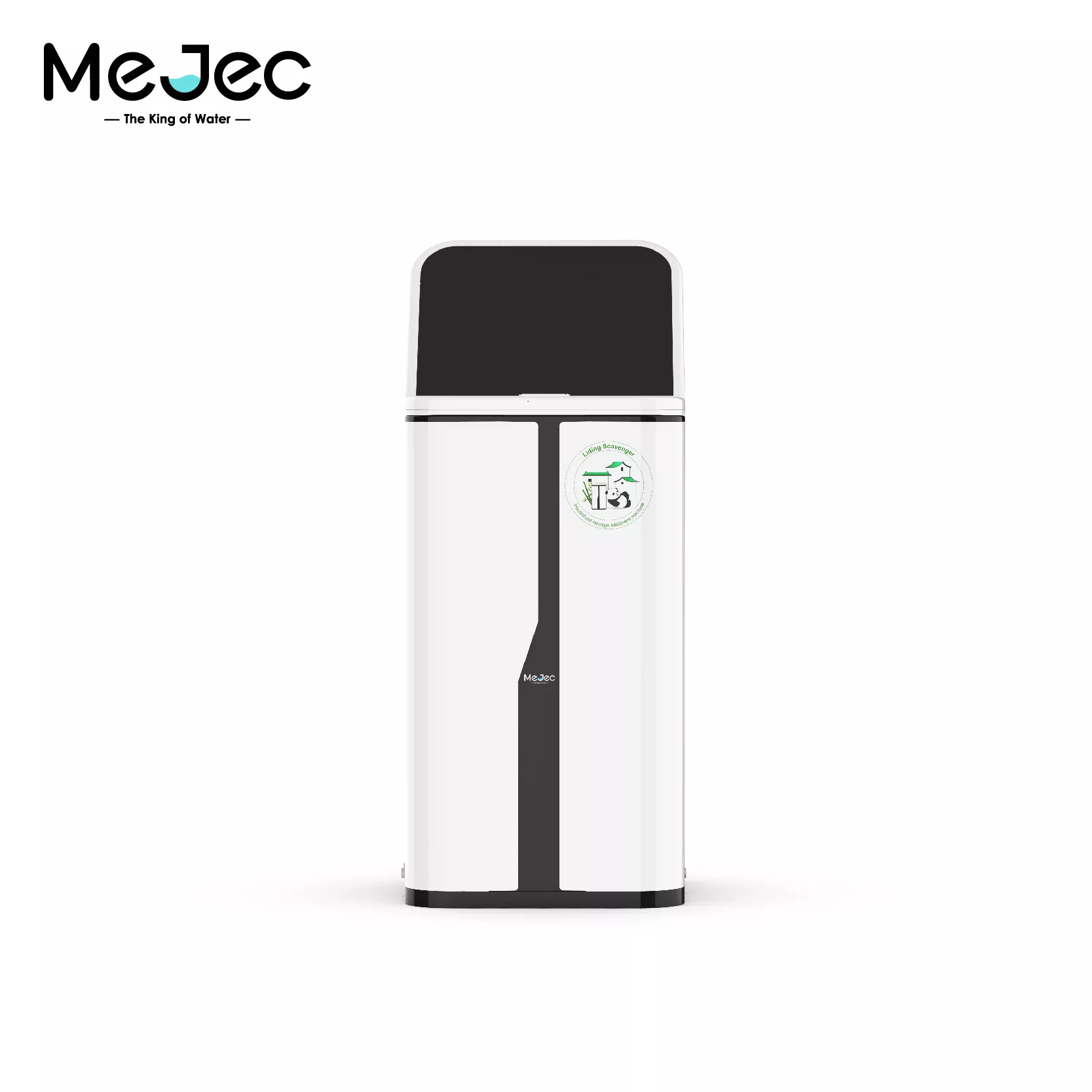
Mejec Scavenger Household Sewage Treatment Plant (...
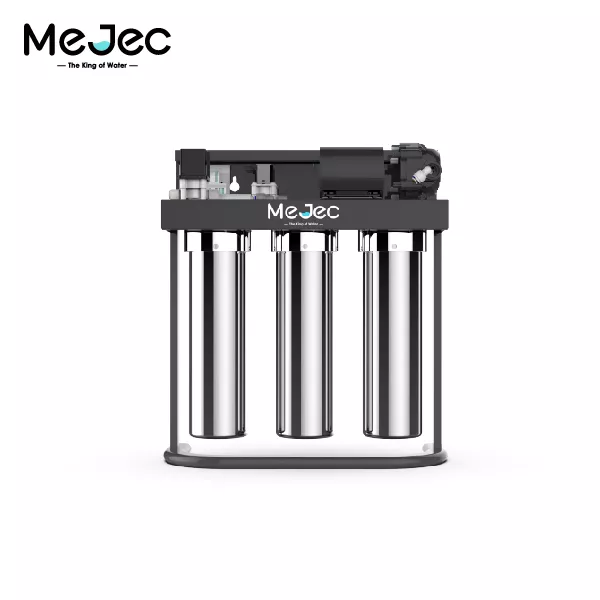
Upgrade your home's water with mejec efficient 3-s...
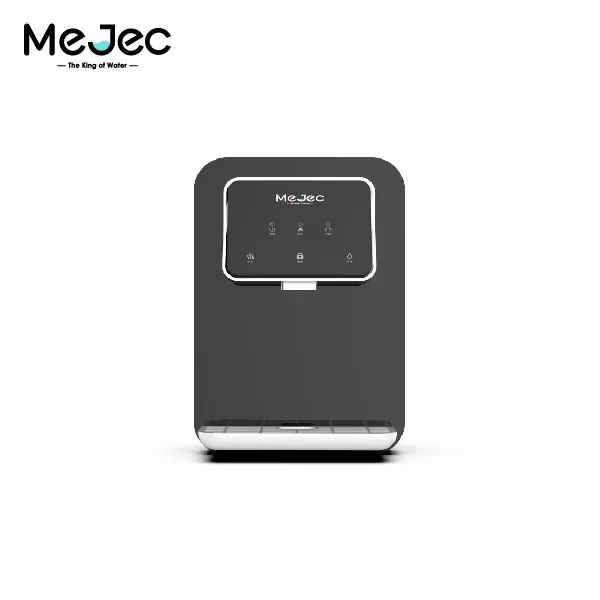
Enjoy instant hot and cold water with Mejec Plumbe...
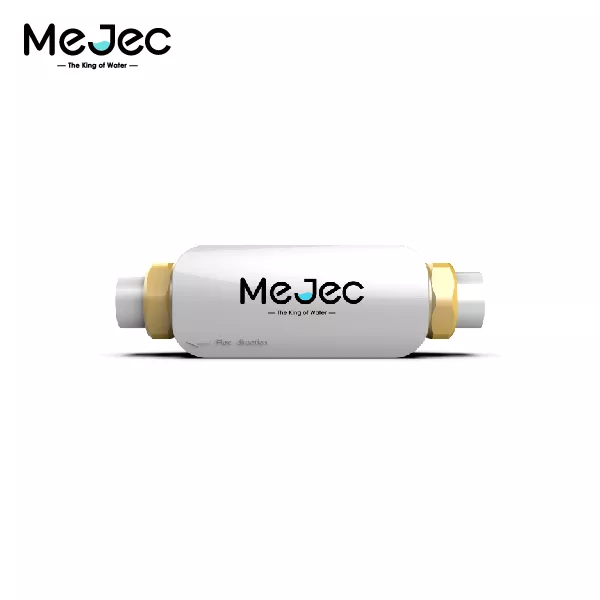
Guard your home's water at its source with the Who...
Select the most popular foreign trade service products to meet your diverse needs
Select the most popular foreign trade service products to meet your diverse needs





User Comments
Service Experience Sharing from Real Customers
Emily Chen
Office ManagerThe pink water dispenser is an absolute delight! It adds a cheerful pop of color to our office kitchen. Beyond its stylish look, it dispenses both hot and cold water perfectly and is incredibly easy to refill and maintain. Everyone compliments it.
David Rodriguez
Pediatric NurseThis pink water cooler is a hit in our clinic's waiting area. The soft color is calming for children, and the touchless dispensing feature is fantastic for hygiene. It's reliable and holds a large capacity. Very satisfied with this purchase.
Sophia Williams
Kindergarten TeacherPerfect for my classroom! The kids love the fun pink color, and it encourages them to drink more water. The safety lock on the hot water tap gives me peace of mind. It's sturdy, quiet, and the perfect size. Highly recommend for schools or homes.
James Kim
Graphic DesignerThis dispenser is as functional as it is beautiful. The modern pink design fits my home studio aesthetic perfectly. Water temperature options are precise, and it was simple to set up. It's eliminated our need for plastic bottles. A fantastic product.