




.webp)
What is MBBR for sewage treatment plant?
MBBR sewage treatment plant uses biofilm carriers ...
More


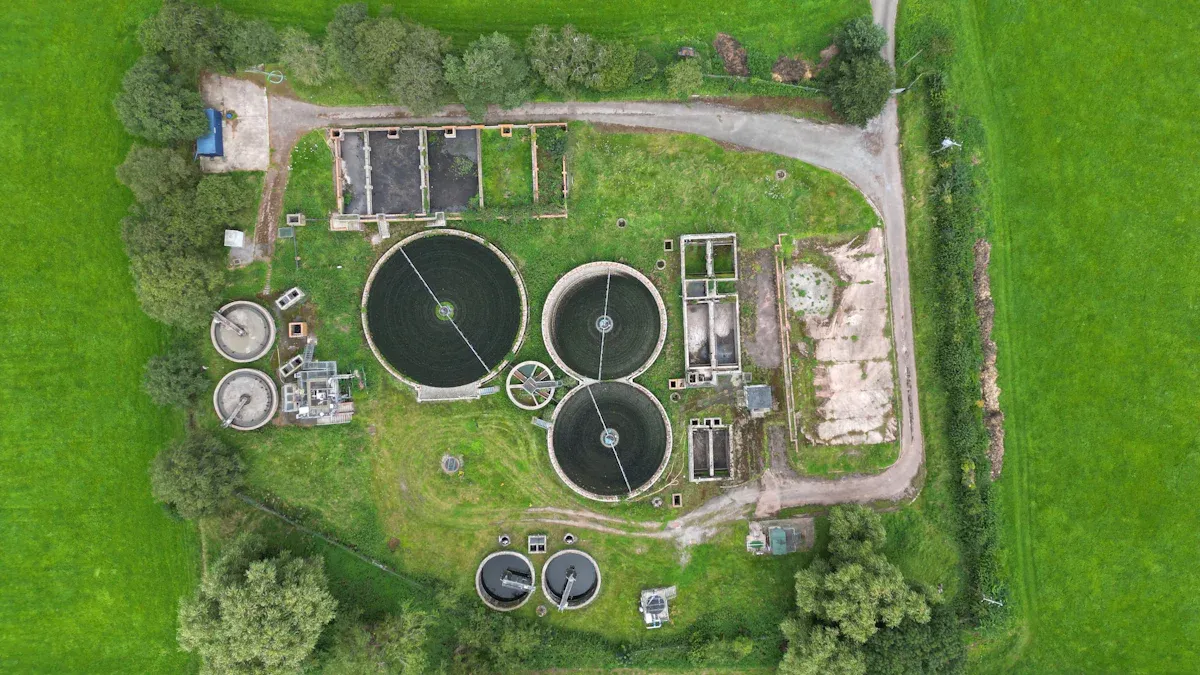
A sewage treatment plant for house use keeps your family safe by treating wastewater before it harms anyone. Untreated water can bring dangers:
Harmful bacteria and chemicals may escape into the ground and contaminate local water.
Polluted groundwater can carry E. coli or Salmonella into your drinking supply.
Leaks or backups expose you to raw sewage, causing sickness.
Installing a sewage treatment plant protects your family by treating wastewater and preventing harmful bacteria from contaminating local water sources.
Modern sewage treatment plants are more efficient than septic tanks, removing about 95% of harmful contaminants and helping to keep your property and the environment safe.
Regular maintenance of your sewage treatment plant is simple and can save you money on repairs, while also increasing your property's value.
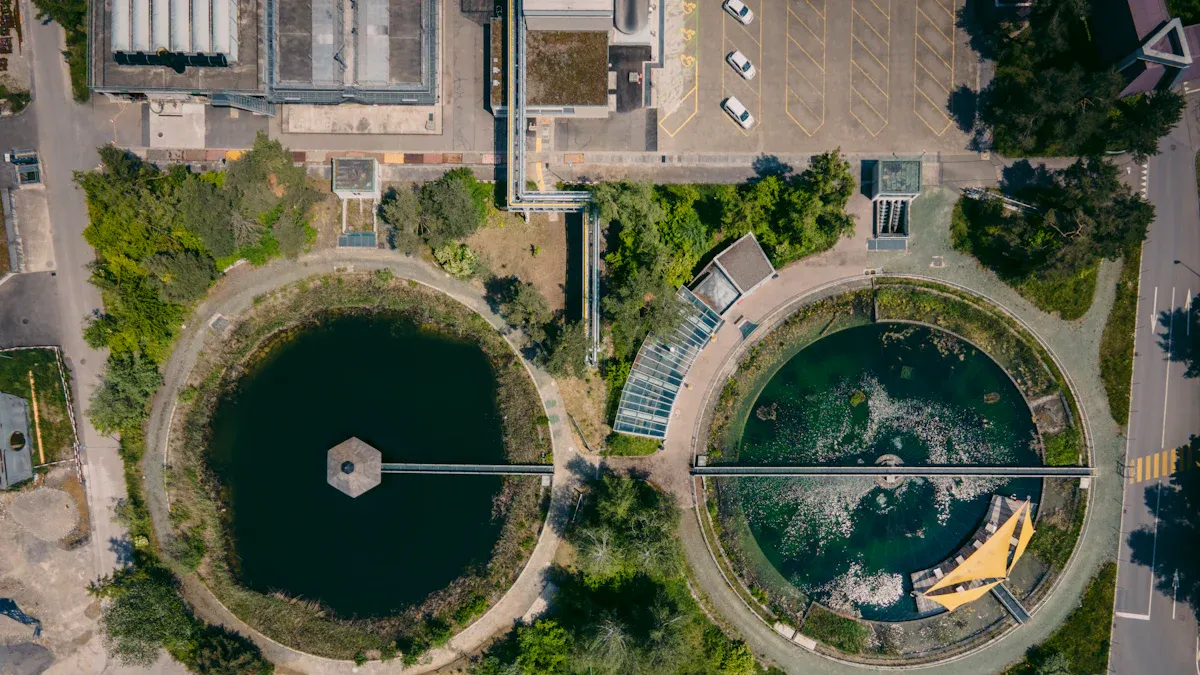
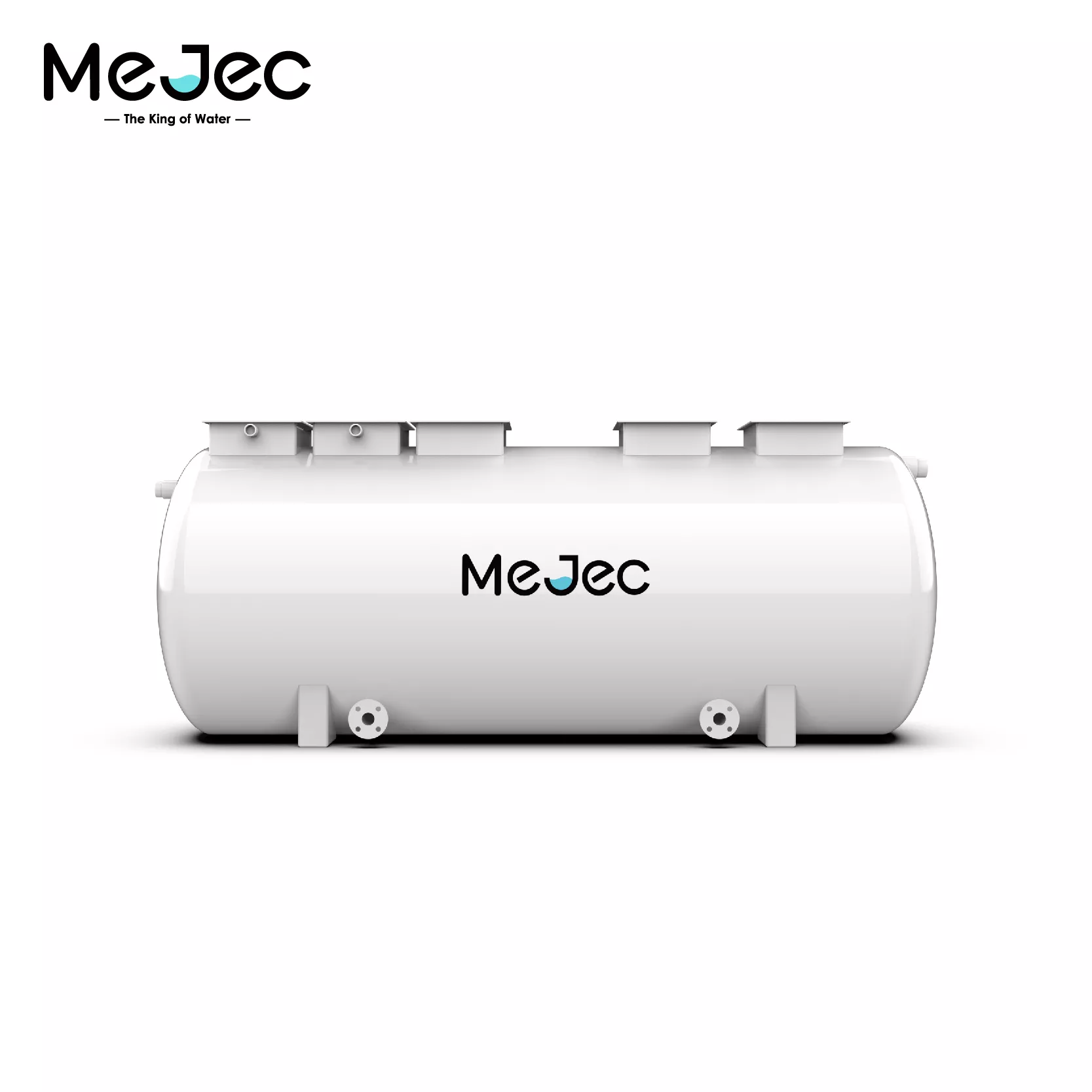
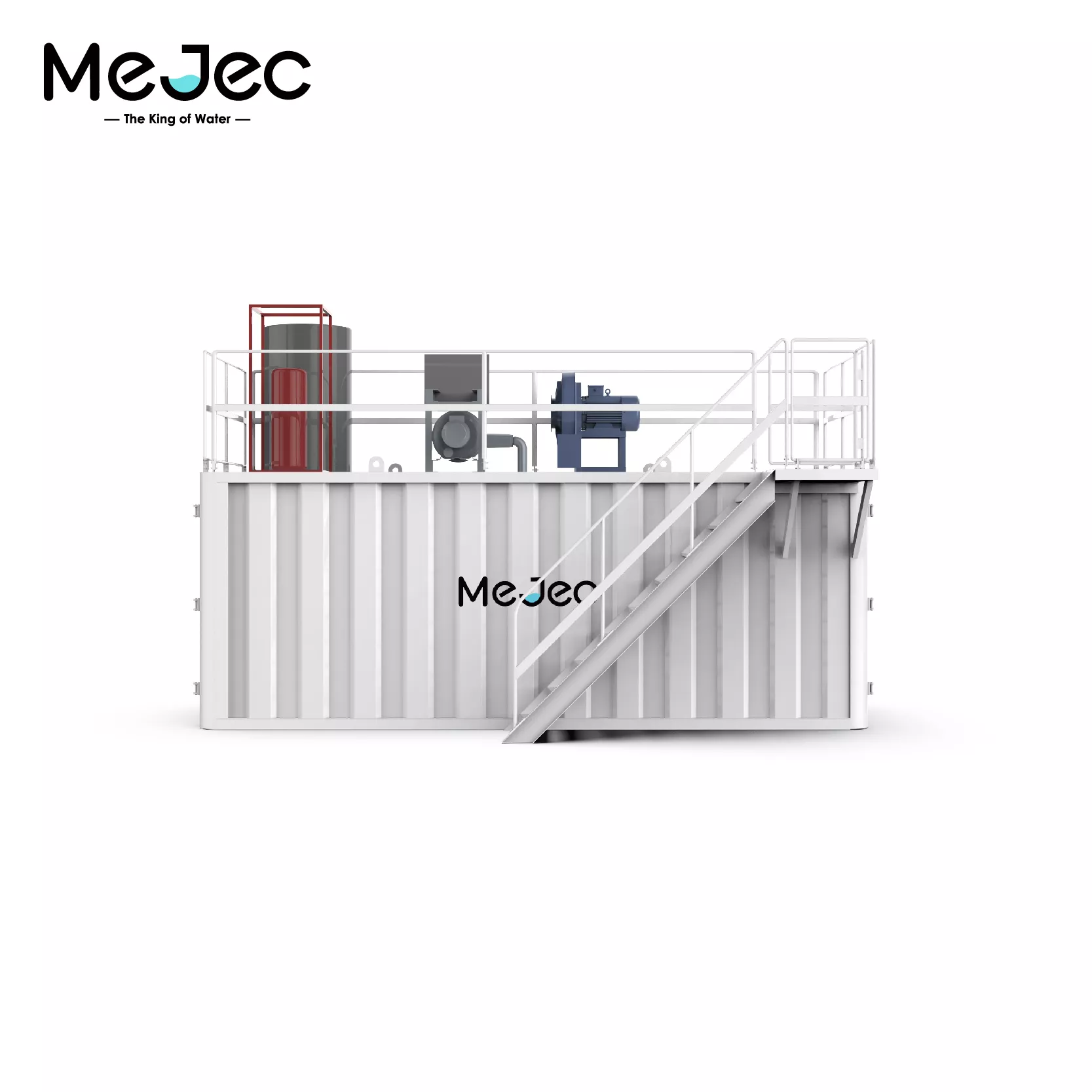
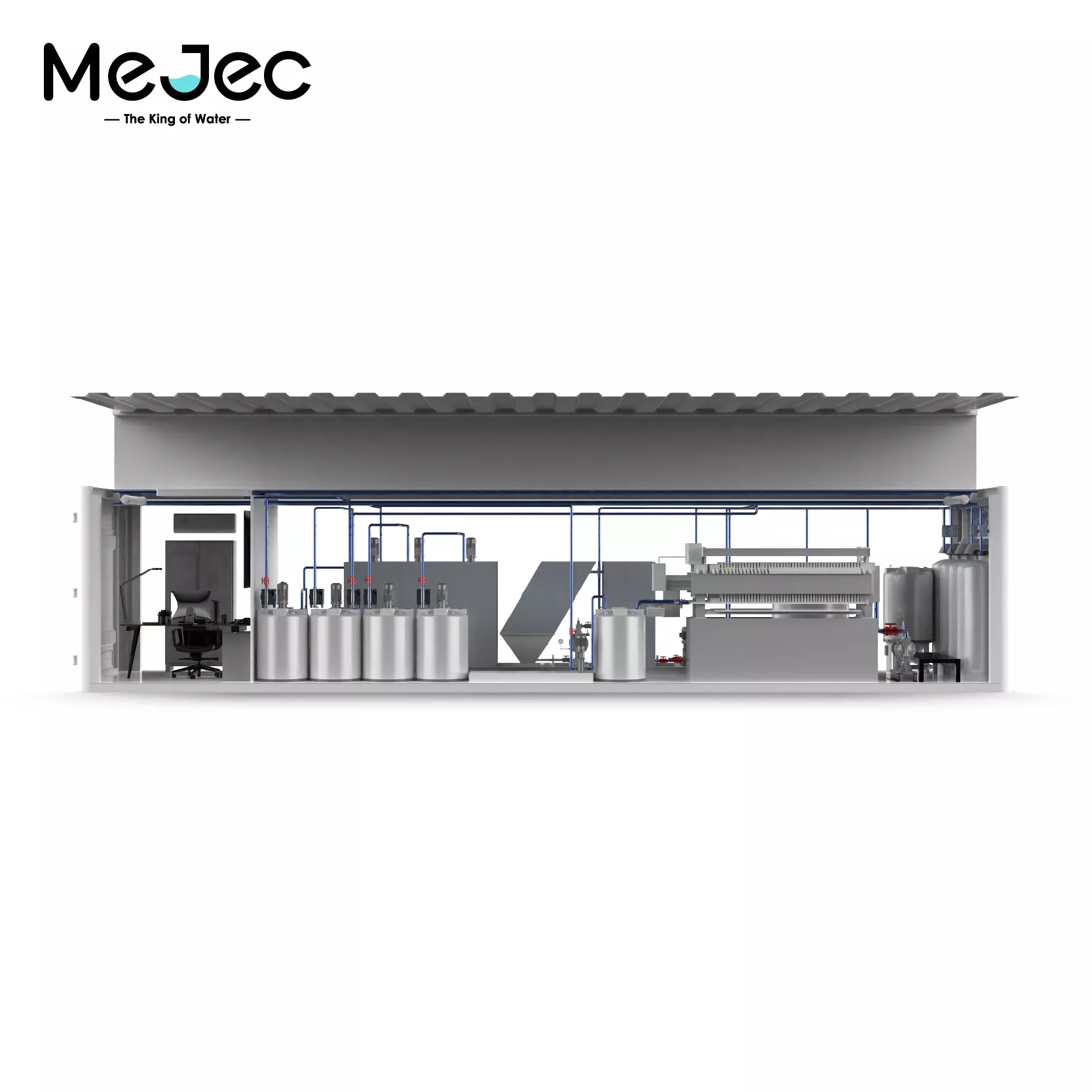
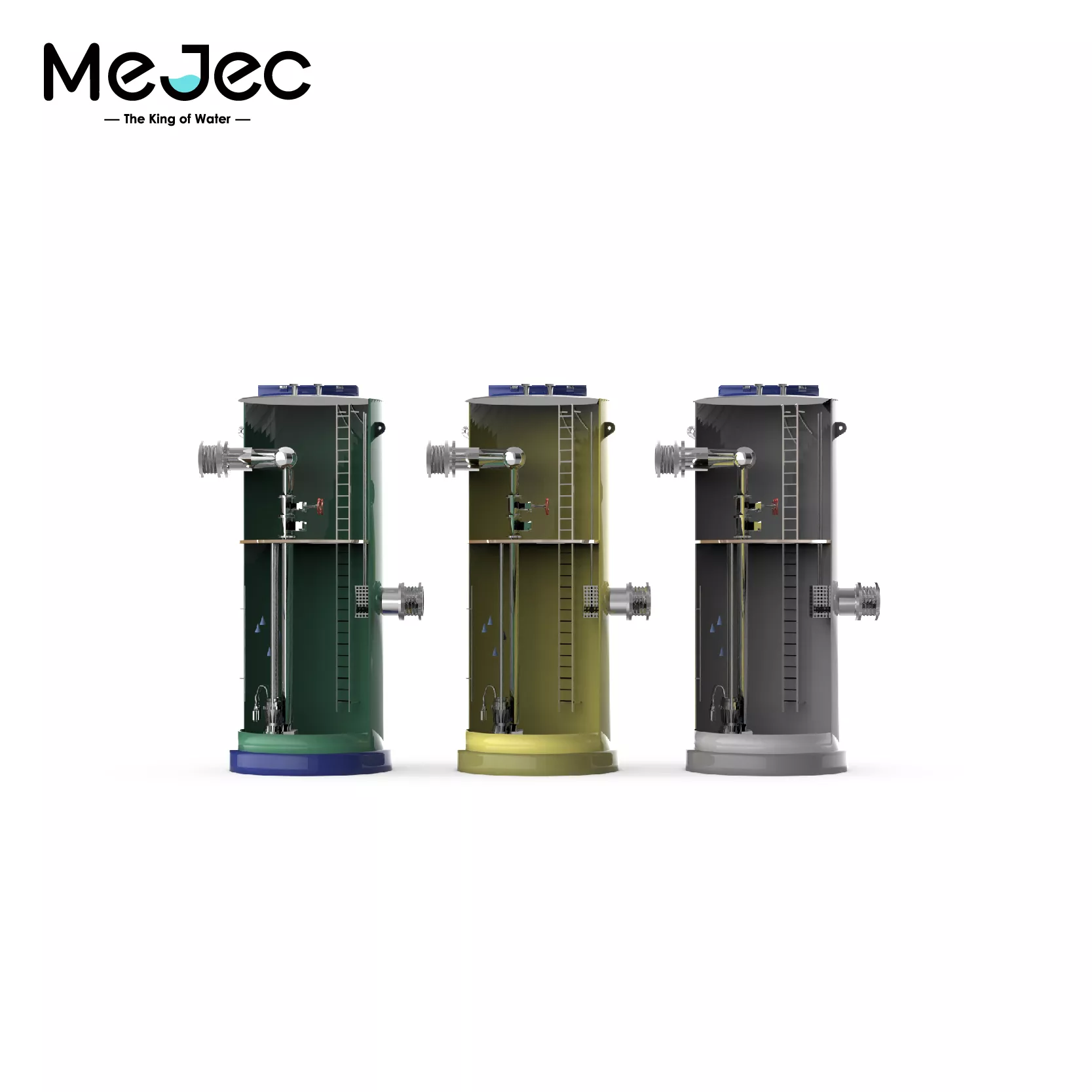
A sewage treatment plant for house use helps you manage wastewater safely at home. You can protect your property and the environment by using this system. Unlike large municipal facilities, a home system works on a smaller scale and serves only your household. The table below shows how a residential sewage treatment plant compares to a municipal facility:
| Feature | Residential Sewage Treatment Plant | Municipal Wastewater Treatment Facility |
|---|---|---|
| Scale | Smaller, serving individual households | Larger, serving entire communities or cities |
| Operation | Often uses mechanical systems for treatment | Typically involves multiple stages of treatment processes |
| Environmental Impact | Designed to minimize local contamination | Regulated to handle large volumes of wastewater effectively |
| Compliance | Must meet specific local regulations (e.g., UK General Binding Rules) | Must adhere to broader municipal and federal regulations |
| Efficiency | More efficient than traditional septic tanks | High efficiency due to advanced treatment technologies |
You can understand the process by looking at the main steps:
Wastewater leaves your house through a pipe.
The septic tank collects the water, letting solids settle and break down.
Water flows into the drainfield for further treatment.
The soil filters out harmful bacteria, viruses, and nutrients.
This process keeps your home safe and helps prevent pollution.
Your sewage treatment plant for house use includes several important parts:
Inlet pipe: Carries wastewater from your home.
Septic tank: Holds and treats the water.
Aeration chamber: Adds oxygen to help bacteria break down waste.
Drainfield: Spreads treated water into the soil.
Control panel: Lets you monitor and manage the system.
Each part works together to treat wastewater and protect your health.
You help protect the environment when you install a sewage treatment plant for house use. This system treats wastewater before it leaves your property. Clean water returns to the ground, which keeps rivers, lakes, and soil healthy. You stop harmful chemicals and bacteria from polluting local water sources.
Tip: Clean water supports plants, animals, and your community. You play a big part in keeping nature safe.
A sewage treatment plant for house use keeps your family safe. The system removes germs and toxins from wastewater. You avoid health risks like stomach bugs and skin infections. You also meet local rules and laws. Many places require you to treat wastewater properly. If you follow these rules, you avoid fines and legal trouble.
You protect your family from sickness.
You keep your home up to code.
You avoid costly penalties.
You save money over time with a sewage treatment plant for house use. The system lasts for many years and needs fewer repairs than old septic tanks. You spend less on emergency fixes and cleaning. Your property value can also go up. Home buyers like safe, modern systems. They know they will not face big repair bills or health risks.
| Benefit | How It Helps You |
|---|---|
| Lower repair costs | Fewer breakdowns and callouts |
| Higher property value | Attracts buyers and investors |
| Long-term savings | Less money spent on maintenance |
You will find that modern systems are easy to look after. Most sewage treatment plants for house use have simple controls. You can check the system with a quick look at the control panel. Many systems only need a yearly service. You do not have to worry about messy or frequent repairs.
Note: Regular checks keep your system running smoothly. You save time and avoid stress.
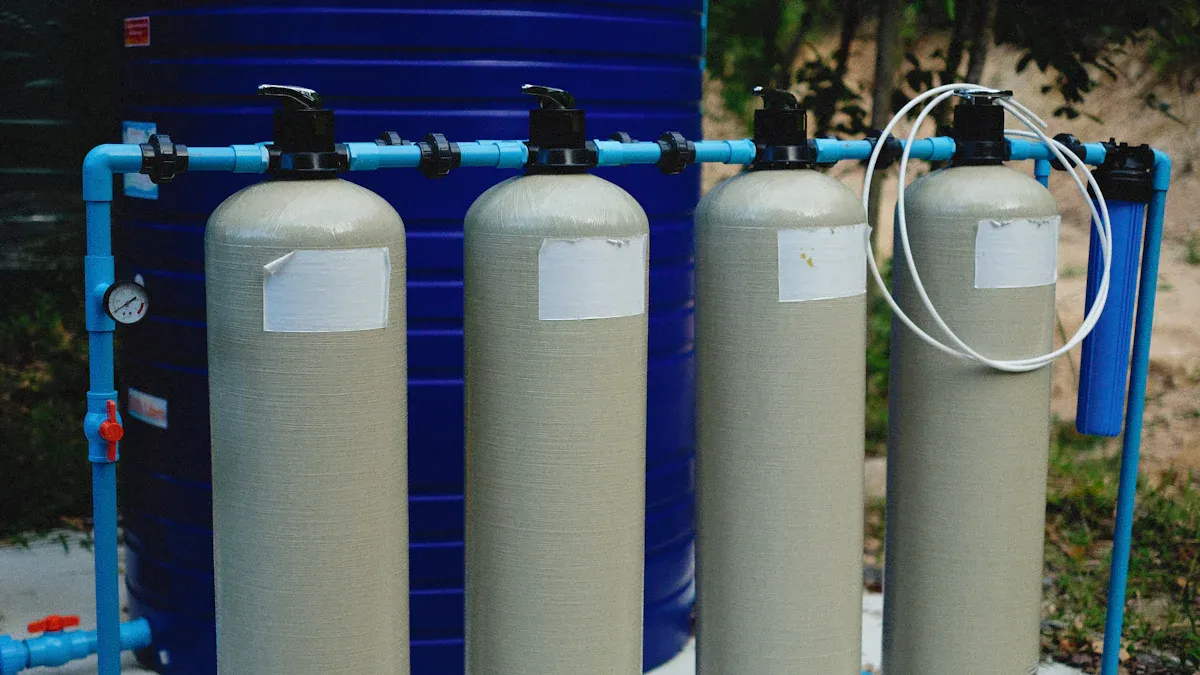
You make a big difference when you choose a sewage treatment plant instead of a septic tank. Treatment plants work harder to clean your wastewater. They remove about 95% of harmful contaminants before water returns to the ground. Septic tanks do not clean water as well, so they can pollute local streams and groundwater. Treatment plants also avoid releasing ammonia, which can harm nature and wildlife. You help keep your yard, garden, and nearby water safe.
Home sewage treatment plants do not emit ammonia.
These systems remove around 95% of contaminants.
Treated water is cleaner and safer for your property.
You can recycle water for garden use.
Tip: Cleaner water means healthier plants, animals, and people in your community.
You want a system that lasts and saves you money. Septic tanks usually last 20 to 40 years. Sewage treatment plants are built for modern living and often last longer. You pay more at first, but you spend less on repairs and running costs over time. Septic systems may cost $3,000 to $6,000 for maintenance over 30 years, with major repairs costing up to $15,000. Treatment plants have lower long-term costs and fewer breakdowns.
Sewage treatment plants have a longer lifespan.
You save money on repairs and maintenance.
Modern systems are easier to manage.
Many homeowners worry about rules, costs, and the environment. You must follow strict discharge regulations to avoid fines. Modern treatment plants help you meet these rules and protect groundwater. Upgrading your system can save you money in the long run. You may also worry about odors and noise. Advanced filtration, chemical scrubbers, and acoustic barriers keep your home quiet and odor-free.
| Concern Type | Description |
|---|---|
| Compliance with regulations | You must follow strict sewage discharge rules to avoid fines. |
| Environmental impact | Modern plants prevent groundwater contamination from aging septic tanks. |
| Long-term costs | Upgrading can be cost-effective over time. |
Note: New systems use biofilters and acoustic treatments to control odors and noise, making your home more comfortable.
You make a smart choice when you install a sewage treatment plant at home. These systems help you:
Follow environmental rules
Lower water pollution
Recycle water for your garden
You protect your family and local water. Government incentives may also help you save money and support sustainable water use.
You should schedule a professional service once a year. Regular checks keep your system running well and help prevent costly repairs.
You can use most household cleaners in small amounts. Avoid pouring large amounts of bleach or harsh chemicals down your drains.
If you notice strong odors, check the control panel for alerts. Call a professional right away. Odors may signal a problem that needs quick attention.
The Benefits of Using Self-Priming Water Pumps in Systems
Ways to Reduce Environmental Impact with Plate Heat Exchangers
Top 6 Industrial Vacuum Cleaners for Every Business Need
Comparing EHEDG Guidelines and 3A SSI Standards for Hygiene
Silicone Sealant: The Essential Adhesive for Modern Home Design

We provide you with comprehensive foreign trade solutions to help enterprises achieve global development
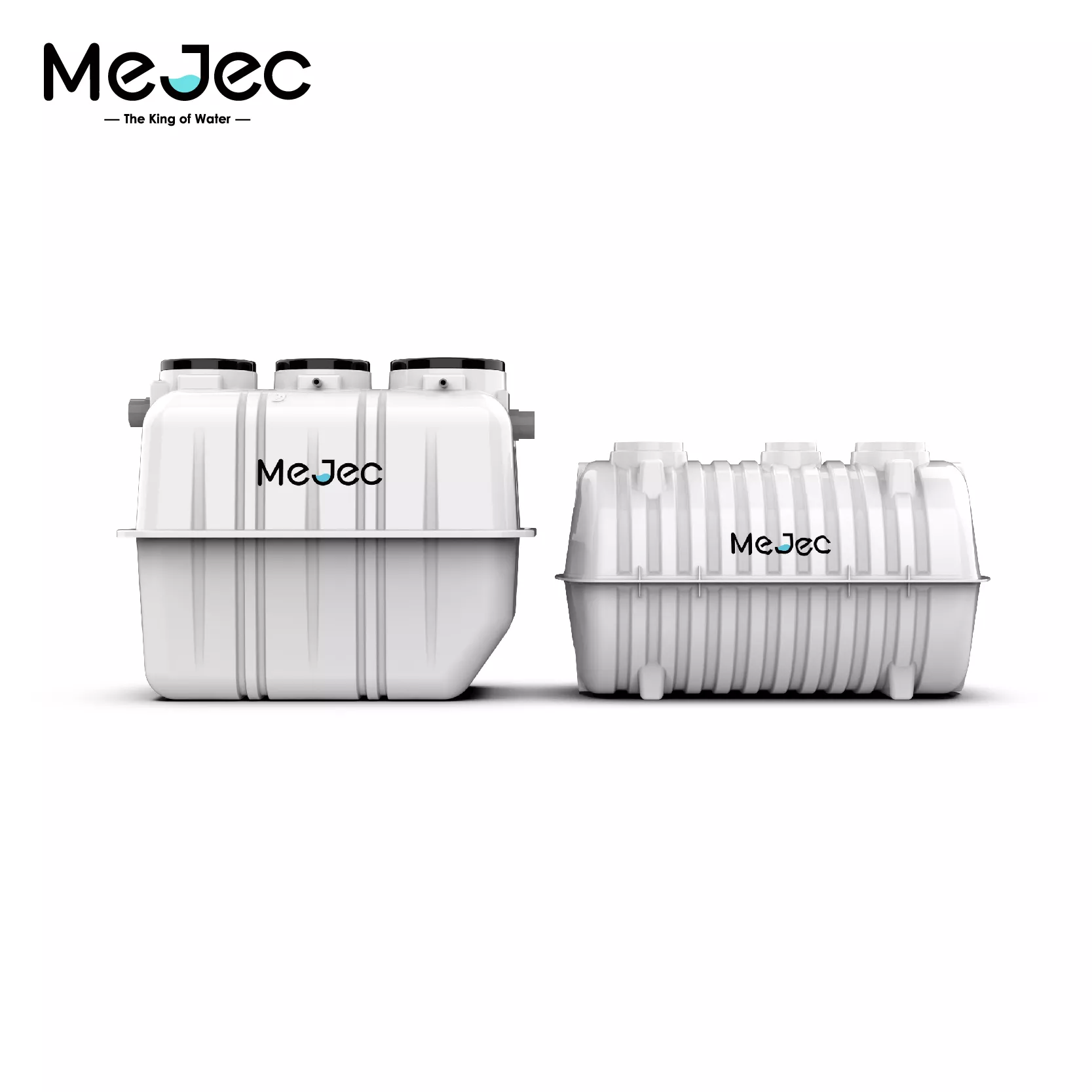
Mejec-Johkasou-SA is a small buried sewage treatme...
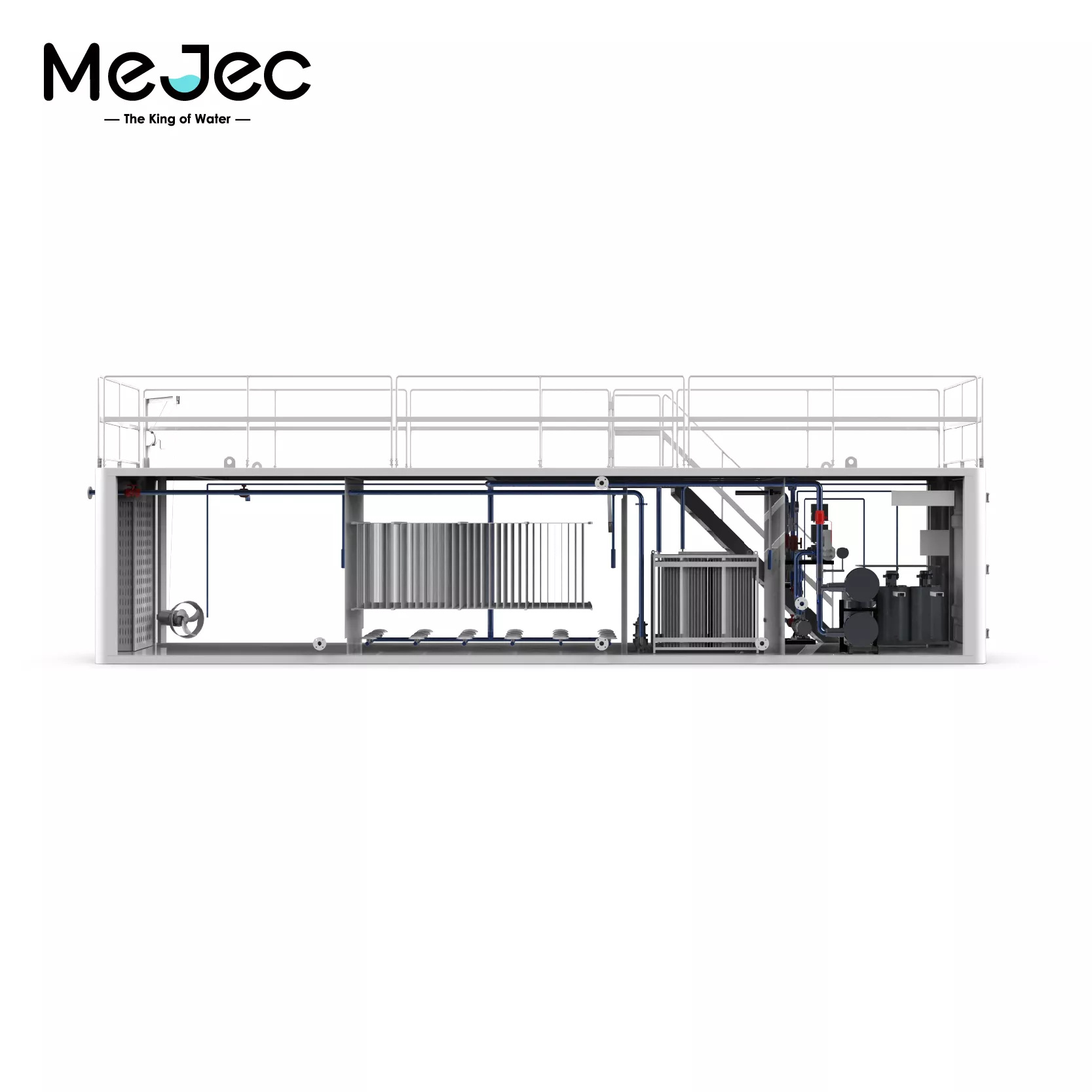
Mejec containerized sewage treatment system incorp...
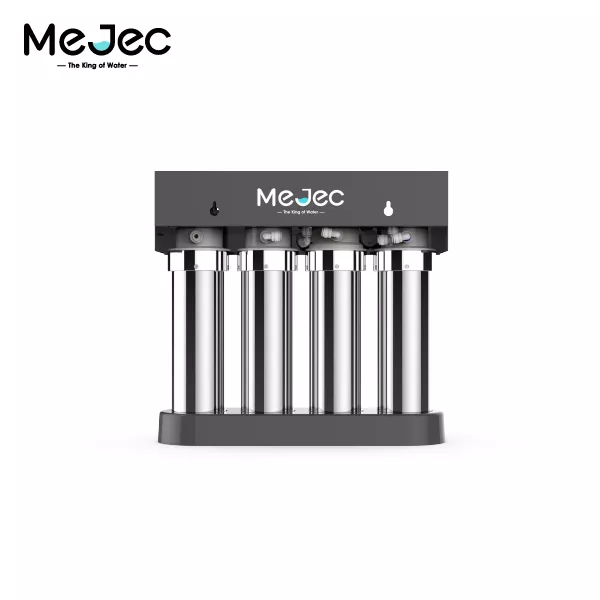
The smart under-sink RO system that brings pure wa...
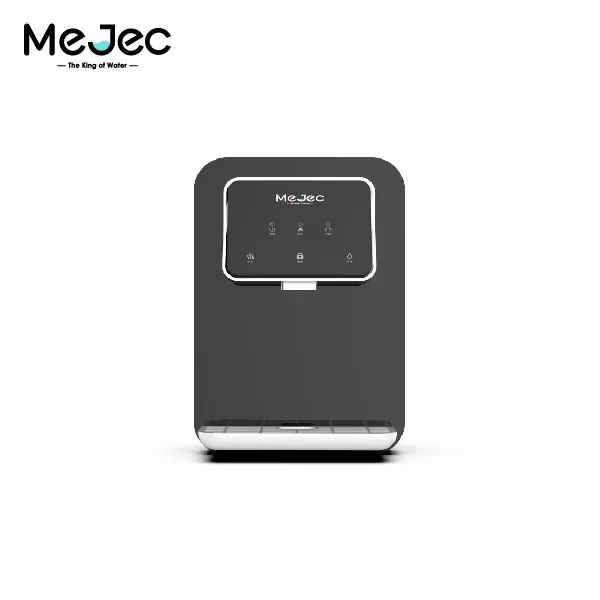
Enjoy instant hot and cold water with Mejec Plumbe...
Select the most popular foreign trade service products to meet your diverse needs
Select the most popular foreign trade service products to meet your diverse needs





User Comments
Service Experience Sharing from Real Customers
Michael Chen
ArchitectThis compact sewage treatment plant is a game-changer for our remote countryside house. The installation was straightforward, and it's been running silently and efficiently for six months. Water output is remarkably clear. Highly recommended for off-grid living.
Sarah Johnson
Environmental EngineerAs a professional, I'm impressed with the system's biological treatment efficiency for a single household. It meets local discharge standards reliably. The energy consumption is low. One point off as the initial setup manual could be clearer for non-technical users.
David Miller
Retired Civil ServantWe installed this at our lakeside cottage after the old septic tank failed. The difference is night and day—no odors, minimal maintenance, and we're protecting the lake we love. The customer service team was exceptionally helpful throughout the process.
Priya Sharma
HomemakerLiving in an area with no municipal sewer lines was always a concern. This home treatment plant has given us peace of mind. It's robust, handles our family's daily load without issue, and the automated alerts are very useful. A solid investment for any independent home.