




.webp)
What is MBBR for sewage treatment plant?
MBBR sewage treatment plant uses biofilm carriers ...
More

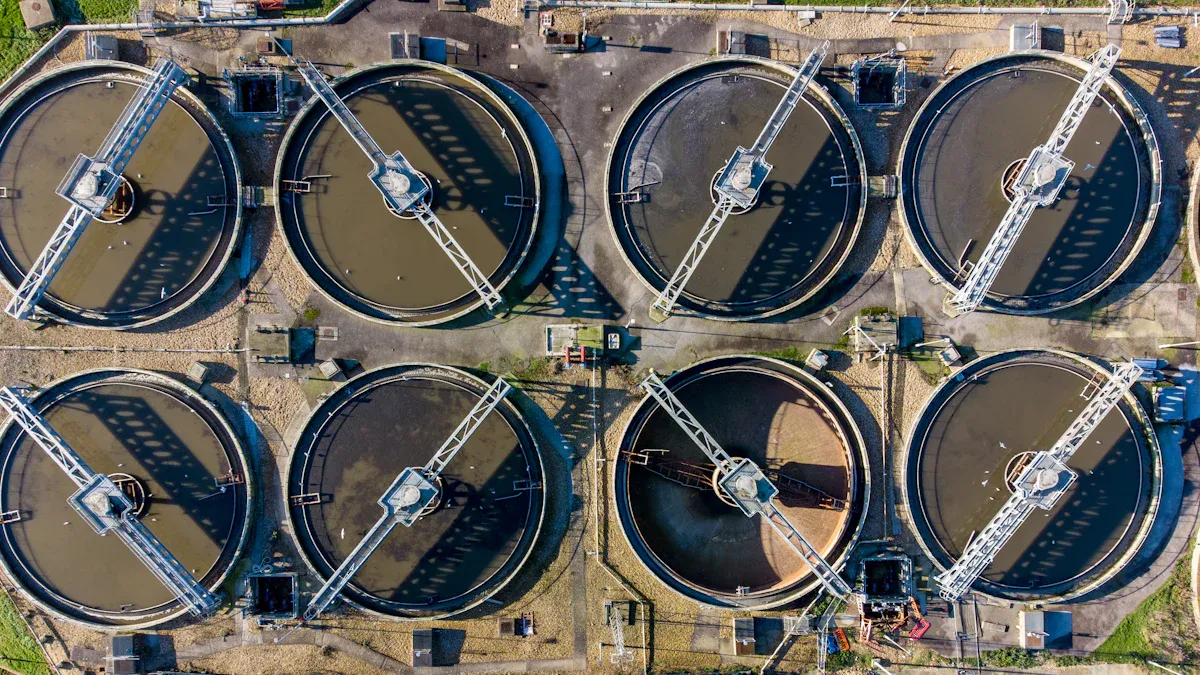
You see dramatic changes in how modern sewage treatment plants work. New technology helps you meet strict rules, protect the environment, and save money. The table below shows how advanced systems improve your results.
| Benefit | Description |
|---|---|
| Regulatory Compliance & Risk Reduction | You meet tough discharge limits and avoid fines. |
| Pollution Control & Environmental Protection | You remove harmful contaminants and protect water quality. |
| Water Reuse & Conservation | You can reclaim water and use less freshwater. |
| Operational Cost Savings | You lower transportation costs and manage your budget better. |
| Energy & Resource Recovery | You capture energy from wastewater and use it for new revenue. |
| Enhanced ESG & Community Impact | You build trust and improve your reputation in the community. |
Sewage treatment plant suppliers now play a key role in helping you adopt these solutions.
Modern sewage treatment plants use advanced technology to meet strict regulations and protect the environment.
AI and IoT enable real-time monitoring, helping you spot issues early and optimize plant performance.
Modular systems allow for quick expansion and adaptation to community needs, saving time and costs.
You can use AI and IoT sensors to collect data every second. This technology helps you see what is happening in your plant right now. You spot problems before they grow. You make quick decisions that keep your plant running smoothly.
Continuous monitoring and analysis help you reach top performance.
Statistical analysis shows you patterns and links in your data.
Trend analysis lets you see changes over time, so you act before trouble starts.
Predictive modeling uses past data to guess what will happen next. You plan better by knowing how influent and equipment might change.
You can predict when machines need repairs. This means you fix things before they break. You save money and avoid long shutdowns. Many plants have seen big improvements by using predictive maintenance.
| Metric | Impact |
|---|---|
| Maintenance cost reduction | 14–30% |
| Unplanned downtime reduction | 20–45% |
| Failure rate decrease | 70–75% |
| Overall maintenance cost reduction | 18–25% over traditional methods |
| Unplanned downtime reduction (water and wastewater) | Up to 30–50% |
Plants like RCD Wastewater Treatment have saved millions and improved reliability with smart maintenance programs.
You can let AI control many steps in your plant. This makes your work faster and more accurate. Automated systems use smart methods to cut down cycle times and reduce errors.
| Metric | Reduction Percentage |
|---|---|
| Average Cycle Time | 44% to 70% |
| Analyst Work Hour Utilization | 31% to 8% |
You get better results with less effort. Your plant runs smoother, and you meet strict rules with ease.
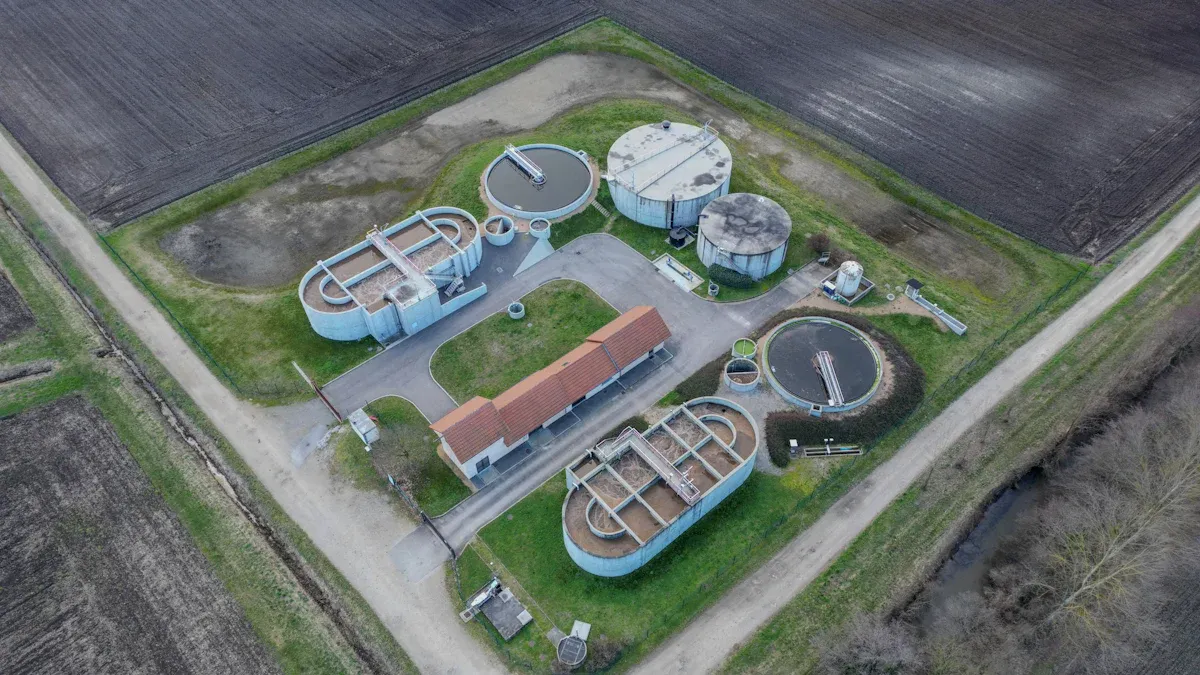
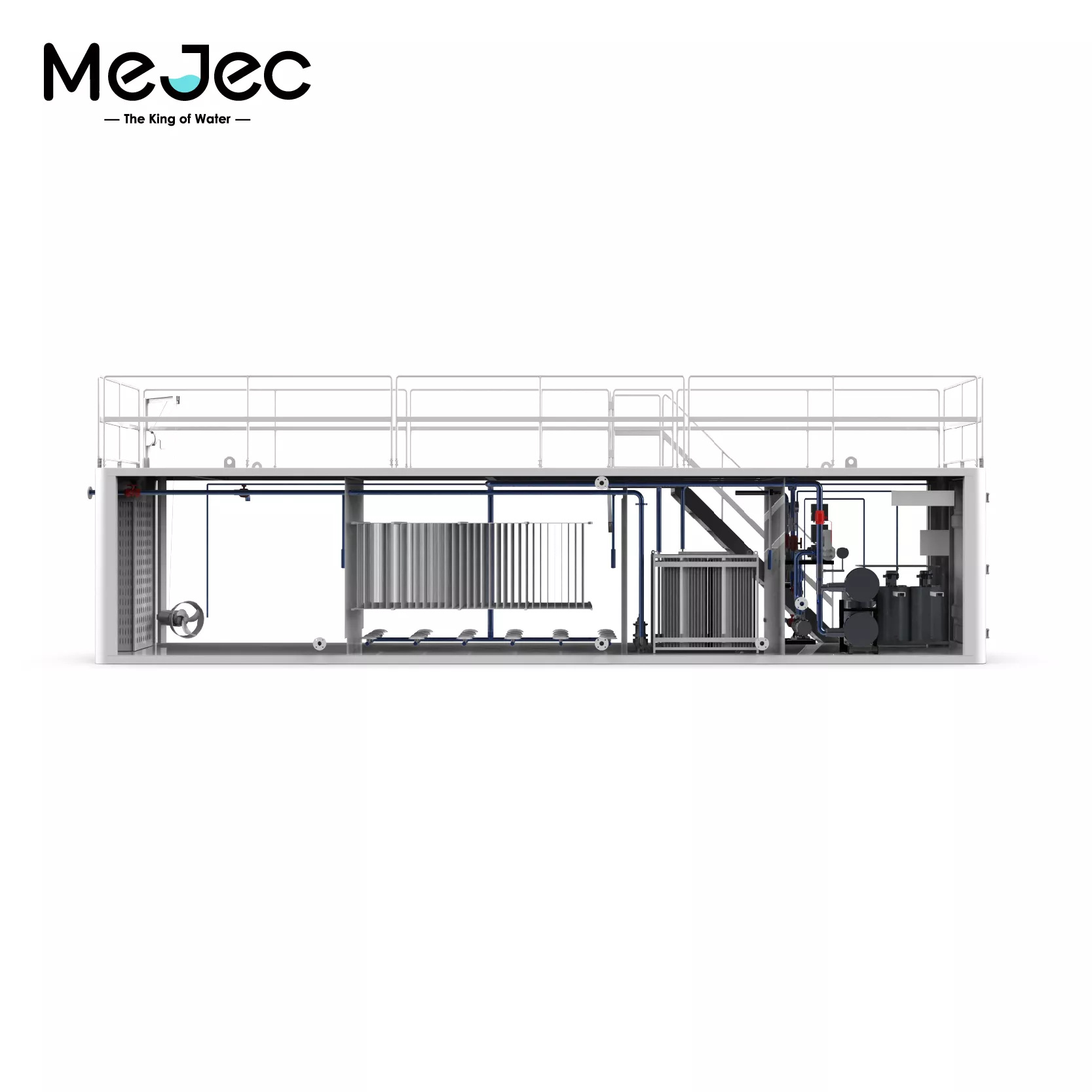
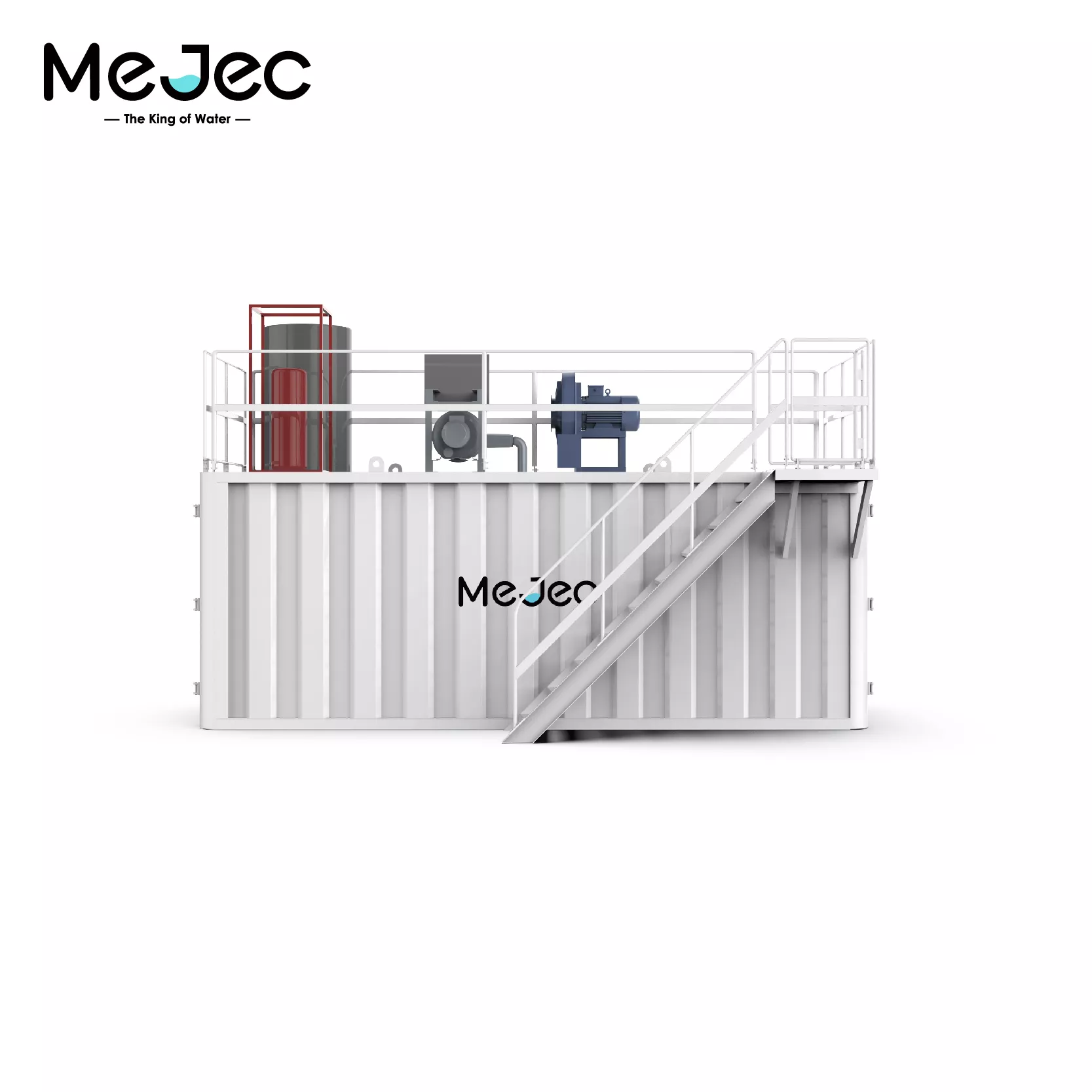
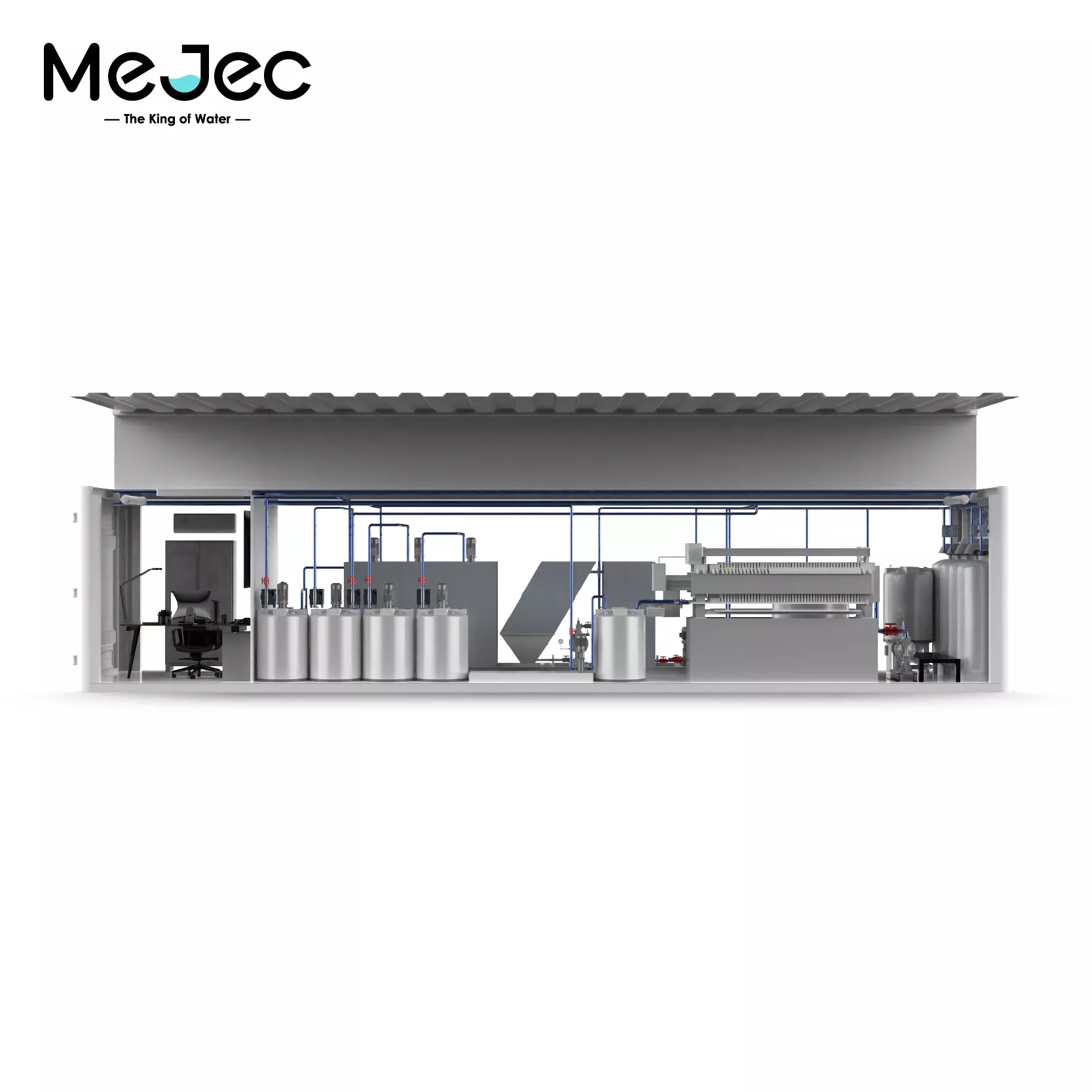
You can choose modular treatment plants to meet changing water demands. These plants arrive pre-assembled and ready for quick installation. You add more units as your community grows, so you avoid the cost of building a large plant all at once. Modular systems help you match your investment with real growth. You deploy these plants in months, not years, which speeds up infrastructure development.
Modular plants are compact and easy to transport.
You customize them to fit your needs.
You expand capacity by adding more modules.
You reduce the risk of wide service failures because each unit works independently.
Tip: Modular design lets you respond quickly to emergencies or population changes.
| Benefit | Description |
|---|---|
| Fast Deployment | Install in months, not years |
| Flexibility | Scale up or down as needed |
| Cost Savings | Lower upfront investment and transportation costs |
You treat sewage close to where it is generated. This approach gives you practical options for small towns, remote areas, or new developments. Localized systems use advanced technologies like membrane bioreactors to meet strict discharge standards. You improve water quality and protect community health.
Local treatment reduces the risk of disease, especially in children.
Improved sanitation lowers the chance of diarrheal illnesses.
Handwashing and better water services also help keep people healthy.
Note: Studies show that better sanitation and local treatment can cut diarrheal risk by up to 30%.
You build resilience against natural disasters because each system operates independently. Localized solutions also support water reuse and lower energy use, helping you create a sustainable future.
You can turn sewage into energy using anaerobic digestion. This process breaks down organic matter without oxygen. You get methane gas, which you can use for heat and electricity. Modern plants use new pre-treatment methods to boost biogas yield. You see better biosolids handling and higher efficiency. Each phase—pre-treatment, digestion, and post-treatment—helps you convert waste into valuable resources.
Biogas systems give you a sustainable way to manage waste.
You reduce the volume of waste and create renewable energy.
Advanced digestion technologies improve the amount of biogas you produce.
You use less energy and get more value from every ton of sewage.
Tip: Upgrading your digestion system can help you save money and protect the environment.
You can recover energy from biogas and use it to power your plant. Many countries have shown strong results with these technologies. The table below shows how different places use green technology to reach energy self-sufficiency.
| Country | Treatment Capacity | Green Technology | Energy Self-sufficiency |
|---|---|---|---|
| China | 800,000 ton/day | Photovoltaic power generation | Saving 84% energy |
| UK | 63,000 ton/day | Biogas power generation | Saving 96% energy |
| Austria | 228,000 ton/day | Biogas power generation | 100% energy self-sufficiency |
| USA | 95,000 ton/day | Biogas power generation | Saving 97% energy |
| Sweden | 450,000 ton/day | Sewage, water-source heat-pump technology | 5.97 × 10^8 kWh energy production |
You see big savings in electricity and natural gas use. For example, membrane bioreactors can use 1.6 kWh per cubic meter and recover 5.8 MJ of natural gas per cubic meter. You help your plant become energy-positive and support a cleaner future.
You can use high-efficiency filtration membranes to improve the quality of treated water. These membranes help you remove more contaminants than older systems. You see better permeability and selectivity, which means water passes through easily while pollutants stay out. You target low molecular weight pollutants, such as pharmaceuticals and pesticides, that often escape traditional treatment.
High-efficiency membranes improve permeability, selectivity, and rejection rates for many pollutants.
You can remove tiny contaminants, including those from medicines and chemicals.
These membranes work well with other treatment systems, giving you more options for plant design.
Researchers found that membranes doped with β-cyclodextrin polymers removed almost 99.9% of propranolol and bisphenol A. You also see up to 70% removal of di-(2-ethylhexyl) phthalate with functionalized polysulfone membranes.
Tip: You can choose membranes that fit your plant’s needs and improve water safety.
| Performance Metric | Description |
|---|---|
| Pathogen Removal | You filter a wide range of pathogens, ensuring high-quality effluent. |
| Micropollutant Reduction | You lower concentrations of pharmaceuticals and pesticides. |
| Treatment Efficiency | You achieve superior removal rates of contaminants. |
| Effluent Quality | You produce high-quality effluent by combining biological and membrane filtration. |
You can extend the life of your membrane systems by using new fouling resistance technologies. Zwitterionic membranes resist both organic and biofouling, so you spend less time cleaning. These membranes handle high levels of fats, oils, and grease and recover with simple maintenance. You see membranes last twice as long as older models and reduce cleaning frequency by 90%.
Zwitterionic membranes resist organic and biofouling.
You tolerate high FOG levels and recover membranes easily.
Membranes last up to twice as long and need less cleaning.
Note: You save money and keep your plant running with fewer interruptions.
You can help your plant move beyond basic treatment by focusing on resource recovery. Modern sewage treatment plants now recover energy, nutrients, and valuable products. This shift supports the circular economy, where you reuse and recycle resources instead of wasting them. You see environmental and economic benefits when you recover water, nutrients, and bioenergy from sewage.
You can use nutrient extraction technologies to recover nitrogen and phosphorus from wastewater. These nutrients are important for agriculture and help you prevent pollution in rivers and lakes. For example, Ostara’s Pearl® Nutrient Recovery Process lets you turn phosphorus into a fertilizer called Crystal Green Pearl®. Farmers use this product to grow crops more efficiently, and you reduce nutrient pollution in waterways.
You recover nitrogen and phosphorus for reuse in agriculture.
You prevent environmental pollution from nutrient discharge.
You save money by turning waste into valuable products.
You may face challenges like complex technology, changing nutrient levels, and strict regulations.
You use ion exchange, membrane separation, or biological processes to recover nitrogen.
You recover phosphorus through chemical precipitation, crystallization, or biological methods.
You supply recovered nutrients to farmers, supporting sustainable agriculture.
You can reclaim water for many uses, helping your community save fresh water. Advanced technologies like membrane bioreactors and reverse osmosis make sure the water meets high standards.
| Application Type | Success Rate/Benefit Description |
|---|---|
| Potable Reuse | Reductions in freshwater demand by up to 54% |
| Non-Potable Reuse | Used for irrigation, industrial cooling, and more |
| Advanced Technologies | Ensure water quality for safe reuse |
Tip: Water reuse helps you protect the environment and meet future water needs.
You can use digital twins to create a virtual copy of your sewage treatment plant. This technology lets you see how your plant works without touching any equipment. You test changes and predict problems before they happen. Computational models help you understand how your plant will perform. You use artificial neural networks and support vector machines to analyze data and spot risks. These tools help you make better decisions and keep your plant running safely.
Digital twin modeling helps you move from reacting to problems to preventing them. You optimize your plant’s performance and meet regulations more easily. For example, the Gothenburg Digital Twin reduced untreated water discharges by up to 50%, saving 1.5 billion liters. Singapore’s digital twin system helps you detect anomalies and simulate scenarios, so you can predict events and improve control.
Tip: Virtual plant modeling gives you a safe space to test ideas and improve your operations.
You can use simulation to plan for different situations. Scenario planning helps you prepare for future changes in regulations, weather, or plant loads. You work with experts and stakeholders to build plans that fit your needs. You focus on using less energy and lowering your carbon footprint.
Chiva Vicent’s approach uses neural networks trained with Computational Fluid Dynamics simulations. You get fast predictions of how your plant will behave, which helps you optimize control strategies.
| Benefit Description | Details |
|---|---|
| Collaborative Planning | You involve experts to develop future scenarios for your wastewater system. |
| Sustainability Priorities | You focus on low resource and energy use, plus a low CO2 footprint. |
| Scenario Outcomes | You see what improvements you need for your collection system and plant. |
You use scenario planning to stay ahead of problems and keep your plant efficient.
You can choose eco-friendly treatment agents to clean wastewater. These agents come from natural sources and break down easily in the environment. You protect your community and reduce pollution when you use them. Scientists have found that green nanomaterials work well in wastewater treatment. These materials cost less and help you avoid toxic waste. You follow green chemistry principles to make your plant safer and more sustainable.
Green nanomaterials come from nature and help you save money.
You lower the amount of toxic waste in your plant.
You support a cleaner and healthier environment.
You can compare eco-friendly agents with conventional chemicals using the table below:
| Aspect | Eco-Friendly Treatment Agents | Conventional Chemicals |
|---|---|---|
| Environmental Impact | Biodegradable, lower residues | Harmful residues, secondary pollutants |
| Health and Safety | Non-toxic, safer for communities | Higher toxicity, health risks |
| Operational Efficiency | High performance, reduced sludge | Effective but may generate more waste |
| Sustainability Alignment | Supports circular economy | Often derived from non-renewable resources |
Tip: You help your plant meet sustainability goals when you choose green chemicals.
You can use advanced biological processes to treat sewage more effectively. Membrane Bioreactor (MBR) technology combines biological treatment with membrane filtration. You get cleaner water and less sludge. New methods like electrocoagulation and nanotechnology make biological treatment faster and more efficient.
MBR technology gives you high-quality effluent and reduces waste.
Electrocoagulation and nanotechnology improve treatment speed and sustainability.
Integrated biological strategies let you turn organic matter into biogas, hydrogen, or electricity.
You recover energy, nutrients, minerals, and salts, making your plant more sustainable.
You create value from waste and help your plant support a circular economy.
You rely on sewage treatment plant suppliers to help you bring advanced technology into your facility. These suppliers make new systems available to many industries. You see open-source systems, like those from H2O Innovation, that use membrane filtration and offer customization for your specific needs. Suppliers design solutions that use less energy and take up less space. You benefit from innovative designs that improve efficiency and sustainability.
Suppliers provide access to IoT-enabled equipment.
You get support for integrating new tools into your plant.
Suppliers help you upgrade your infrastructure for long-term sustainability.
Organica Water gives you technology and operational services to boost your plant’s performance. You can use their support no matter which technology you choose. Upgraded infrastructure with the right tools helps you serve your community better.
| Feature | Description |
|---|---|
| Open-source systems | Customizable membrane filtration systems for water and wastewater treatment |
| Energy efficiency | Patented technologies that lower energy use and reduce plant footprint |
| Customization | Solutions tailored to your plant’s needs |
You need to choose sewage treatment plant suppliers carefully. The right supplier helps you meet regulations and run your plant smoothly. You should look for suppliers who prove their systems work well and provide strong support.
| Criteria | Description |
|---|---|
| Performance Validation | Suppliers show proof that their systems work against biological indicators. |
| Lifecycle Cost Analysis | You consider all costs, including energy, maintenance, and compliance, not just the purchase price. |
| Service and Support Infrastructure | You check response times, technician availability, and training programs. |
| Scalability and Future Expansion | Suppliers must help you expand and adapt to new regulations. |
| Integration Expertise | Experienced suppliers ensure smooth installation and integration. |
| Regulatory Compliance Evolution | Suppliers keep up with changing environmental and biosafety rules. |
| Long-term Support | You need support for the long life of your plant’s systems. |
Tip: You improve your plant’s reliability and compliance when you select suppliers with strong service and proven technology.
You need new skills to keep up with advanced sewage treatment technologies. You must learn about engineering, chemistry, biology, and environmental science. You use automation and data analytics every day. You join training programs to stay updated on new processes and rules. You work with schools to build special courses for your job. You gain hands-on experience through apprenticeships.
Tip: Continuous learning helps you stay ahead in the industry.
Key steps for skill development:
Invest in education and training programs.
Partner with schools for tailored learning.
Take part in apprenticeships for real-world practice.
Sewage treatment plant suppliers often offer training and support to help you master new systems.
You follow best practices to run your plant safely and efficiently. You use ceramic membranes for strong and effective filtration. You recycle greywater to save fresh water and reduce stress on your system. You recover nutrients from wastewater and turn them into fertilizer. You produce biogas from organic waste to create renewable energy.
You lower energy use and chemical reliance, which saves money.
You treat complex pollutants to keep water safe and meet regulations.
You transform wastewater into resources, supporting sustainability.
You use real-time monitoring to spot problems quickly and take action. You rely on sewage treatment plant suppliers for reliable equipment and advice.
| Practice | Benefit |
|---|---|
| Advanced Filtration | Cleaner water, longer system life |
| Water Reuse | Less freshwater needed |
| Resource Recovery | More value from waste |
| Real-Time Monitoring | Fast response to issues |
You face new rules that shape how you treat wastewater. These rules keep changing to protect the environment and public health. Today, you must remove more contaminants than ever before. Many countries now require you to meet strict limits for nitrogen and phosphorus. These nutrients can harm rivers and lakes if you do not control them. You also need to watch for new threats like pharmaceuticals and personal care products in wastewater. Advanced oxidation processes and other new technologies help you meet these demands.
Here is a table that shows the main regulatory drivers you need to know:
| Regulatory Driver | Description |
|---|---|
| Stricter Environmental Standards | Regulations have evolved to address emerging contaminants and stricter environmental standards, necessitating advanced treatment technologies. |
| Nutrient Removal Requirements | Stricter limits on nitrogen and phosphorus to protect aquatic ecosystems, leading to the adoption of technologies like biological nutrient removal (BNR). |
| Emerging Contaminants | Increased concern over pharmaceuticals and personal care products in wastewater, driving the need for advanced oxidation processes (AOPs) and other technologies. |
| Water Reuse Initiatives | Growing demand for reclaimed water in water-scarce regions, requiring advanced treatment technologies to meet stringent quality standards. |
| Protection of Sensitive Ecosystems | More stringent discharge limits to protect sensitive aquatic ecosystems, necessitating advanced treatment to maintain ecological balance. |
You must keep up with these evolving standards to avoid fines and protect your community.
You can find many incentives that help you adopt new treatment technologies. Governments often offer grants, tax credits, or low-interest loans. These programs encourage you to upgrade your plant and use cleaner, more efficient systems. Some regions reward you for saving water or producing renewable energy. You may also get support from sewage treatment plant suppliers who help you meet compliance goals and access new funding opportunities.
Note: Staying informed about local and national incentives helps you plan upgrades and save money.
You improve your plant’s performance and meet tough regulations when you use these incentives.
You see new trends shaping the future of sewage treatment. Smart sensors and AI will help you monitor water quality with greater accuracy. You will use more modular systems that fit different communities. Plants will recover more resources, such as nutrients and clean water, to support a circular economy. You will notice more eco-friendly chemicals and biological solutions replacing older methods. Digital twins will let you test changes before you make them in real life. You will work with sewage treatment plant suppliers who offer advanced tools and support for these new technologies.
Tip: Stay updated on new trends to keep your plant efficient and sustainable.
You will see big changes in how sewage treatment plants operate. Plants will use less energy and produce more clean water. Communities will benefit from safer water and better health. You will help protect rivers and lakes by removing more pollutants. Resource recovery will create new business opportunities. You will need new skills to manage advanced systems. Sewage treatment plant suppliers will play a key role in helping you meet future regulations and adopt new solutions.
| Impact Area | Future Benefit |
|---|---|
| Water Quality | Cleaner water for communities |
| Energy Use | Lower costs and less pollution |
| Resource Recovery | New products and revenue |
| Compliance | Easier to meet new standards |
You will shape a cleaner and more sustainable future by using these breakthrough techniques.
You see how breakthrough techniques change sewage treatment. You boost plant efficiency and meet strict rules. You recover resources and protect the environment.
Focus on training and technology upgrades.
Work with trusted suppliers.
Innovation helps you build a cleaner, safer future for your community.
You use modular plants to expand capacity quickly. You add units as needed. These systems help you save money and respond to changing community needs.
AI helps you monitor plant operations in real time. You spot problems early. You optimize processes and reduce downtime with smart automation.
Yes, you can reuse treated water for irrigation, industry, or even drinking. Advanced filtration ensures safety.
Tip: Water reuse helps you conserve resources and protect the environment.
Innovations in Heat Exchanger Manufacturing Boost Industrial Efficiency
New Materials Transforming Heat Exchanger Production Landscape
Recent Scientific Progress in Nitric Acid Purification Methods
Unexpected Techniques for Diagnosing Sulfur Recovery Catalysts

We provide you with comprehensive foreign trade solutions to help enterprises achieve global development
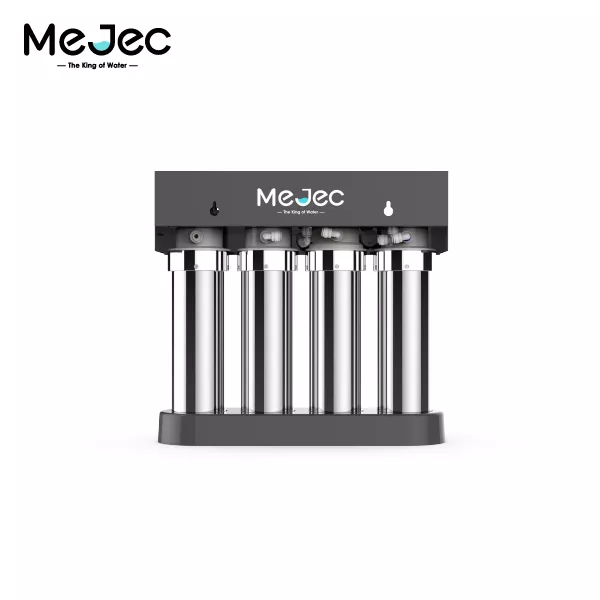
The smart under-sink RO system that brings pure wa...
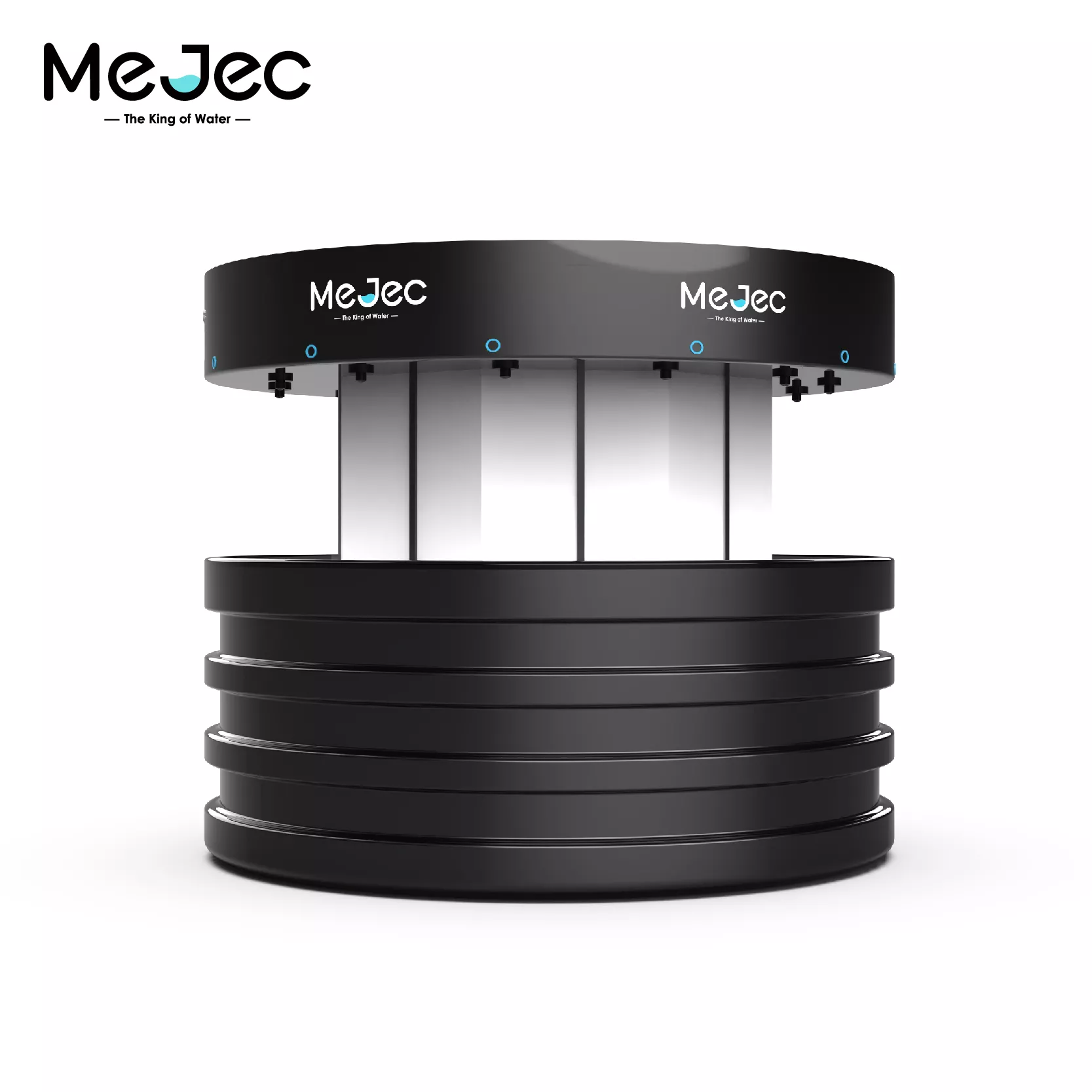
Mejec Redefines the Outdoor Hydration Experience. ...
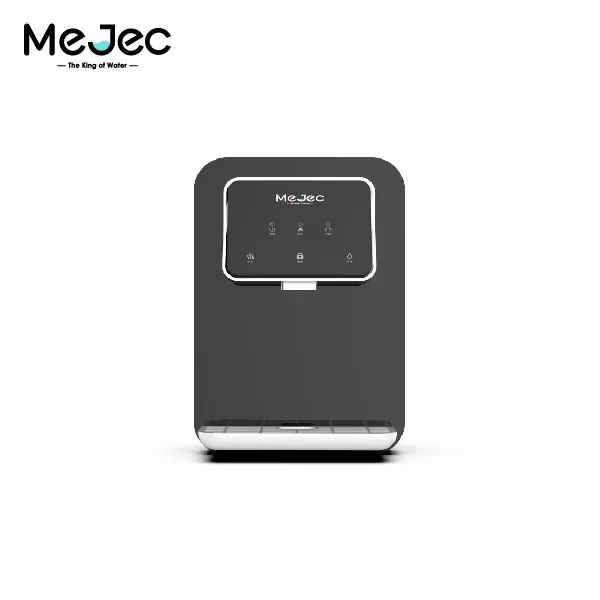
Enjoy instant hot and cold water with Mejec Plumbe...
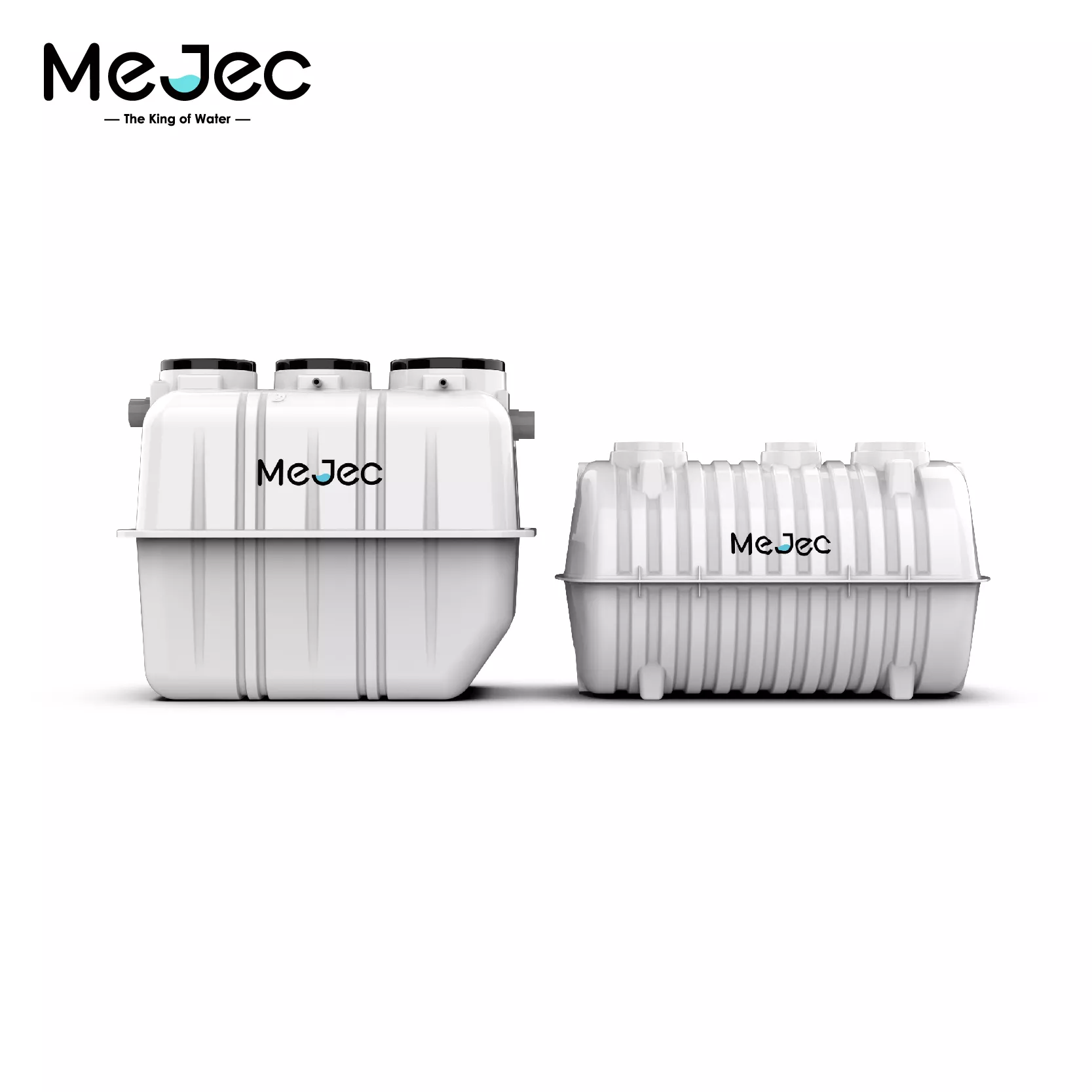
Mejec-Johkasou-SA is a small buried sewage treatme...
Select the most popular foreign trade service products to meet your diverse needs
Select the most popular foreign trade service products to meet your diverse needs





User Comments
Service Experience Sharing from Real Customers
Michael Chen
Project ManagerOutstanding equipment and professional support. The aeration system we purchased has significantly improved our plant's efficiency and reduced energy costs. Highly recommended for municipal projects.
Sarah Johnson
Plant SuperintendentReliable supplier with robust and durable clarifiers. Their after-sales service is responsive. The installation was smooth, and the equipment performs as specified. A trustworthy partner for industrial wastewater treatment.
David Rodriguez
Environmental EngineerTheir advanced membrane bioreactor (MBR) technology is top-notch. It allowed our new facility to meet stringent discharge standards in a compact footprint. Technical expertise and project coordination were excellent.
Lisa Wang
Operations DirectorWe've sourced multiple sludge dewatering units from them. The equipment is high-quality, energy-efficient, and has drastically reduced our sludge handling costs. A dependable supplier for large-scale utility operations.