




.webp)
What is MBBR for sewage treatment plant?
MBBR sewage treatment plant uses biofilm carriers ...
More

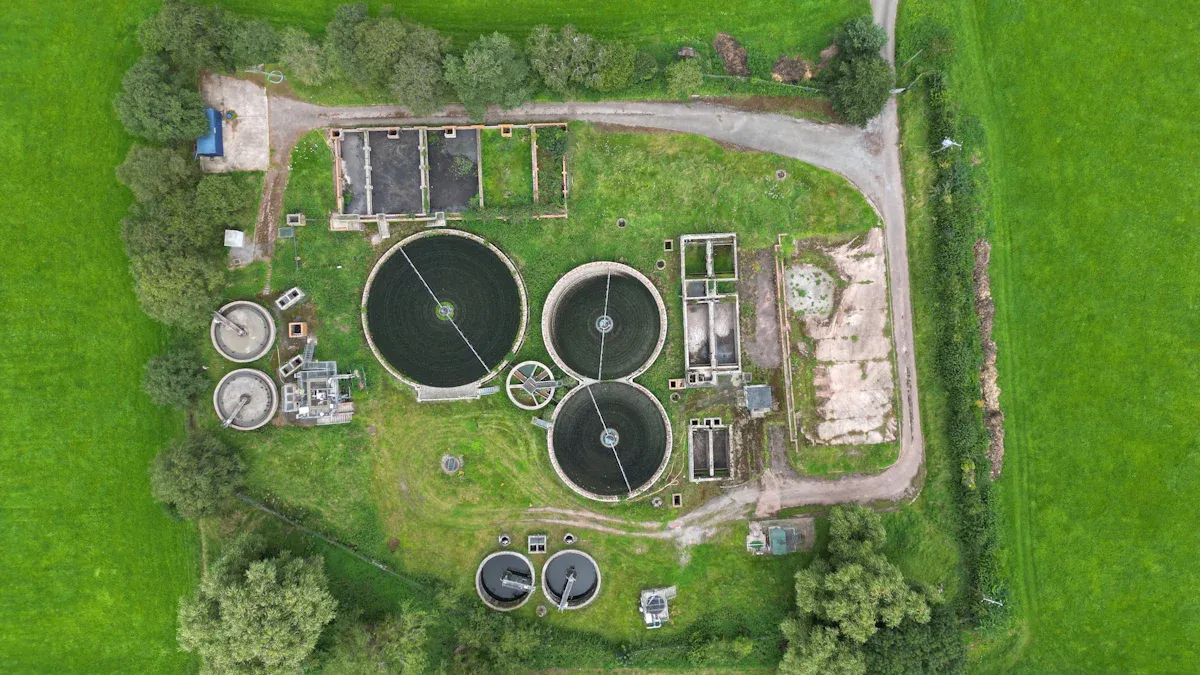
Keeping your small domestic sewage treatment plant in good shape helps you stay safe and protects nature. When you care for your system, you get these benefits:
You support helpful bacteria that keep the system healthy.
You avoid harmful bacteria and keep your home clean.
You stop dangerous substances from getting into the environment.
Regular maintenance of your sewage treatment plant prevents costly repairs and keeps your home safe. Inspect your system daily and keep a maintenance log.
Avoid flushing harmful items like wet wipes and chemicals down the drain. This protects your system and the environment.
Inform guests about proper sewage care to prevent overload during visits. Simple reminders can help maintain system health.
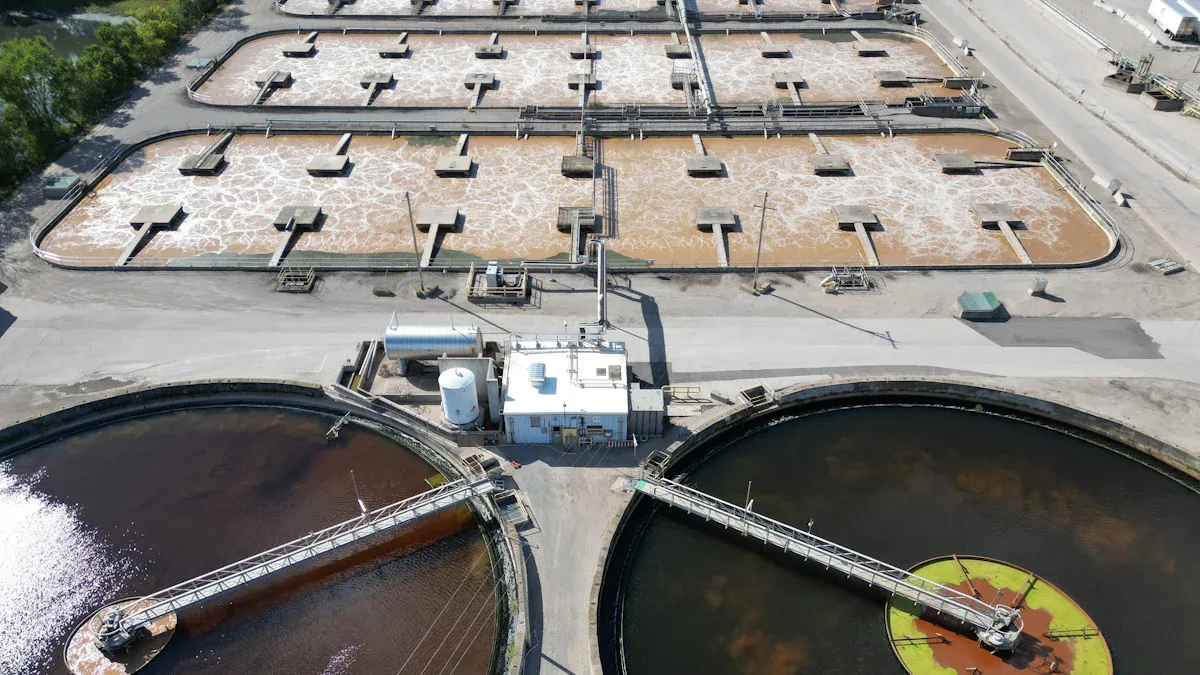
You might think all sewage treatment systems work the same way, but there are several types you could have at home. Each system has its own way of treating wastewater. Here are some common options you might find:
Waste stabilization ponds use natural processes and need lots of space.
Composting toilets treat only toilet wastewater and don’t use much water.
Urine-diverting dry toilets separate liquid and solid waste.
Vermifilter toilets filter wastewater with worms.
Constructed wetlands clean water using plants and soil.
Membrane bioreactors (MBRs) use advanced technology to separate solids and boost bacteria activity.
Packaged solutions like GWT BioSTIK modules remove nitrogen before water leaves your property.
If you know your system type, you can follow the right maintenance steps. Some systems need more attention or special skills. For example, constructed wetlands and sand filters often require professional help, while basic systems are easier for you to manage.
Tip: Check your owner’s manual or ask your installer if you’re not sure which system you have.
Taking care of your small domestic sewage treatment plant keeps your home safe and your system running smoothly. When you skip maintenance, you risk foul odors, sewage backups, and expensive repairs. Over time, pipes can corrode and collapse. Leaks may damage your home’s foundation and cause mold growth. If wastewater escapes, it can pollute local water and soil.
Routine tasks help you avoid these problems. You should inspect screens and filters daily, clean tanks weekly, and check aeration systems monthly. A clear management plan makes upkeep easier and protects your property value.
You can spot problems early by looking at your system every day. Walk around your small domestic sewage treatment plant and check for anything unusual. Here are some signs you should watch for:
Pumps keep running after heavy rain. This might mean stormwater is getting into your system.
Pipes back up during rain. You could see wastewater spilling onto driveways or even flooding your basement.
Flow readings jump up when it rains. This can point to bigger issues with water getting into your system.
If you notice any of these, write them down and let a professional know. Catching these problems early helps you avoid bigger headaches later.
Tip: Take photos with your phone during inspections. Pictures help you track changes over time.
Your nose and ears can tell you a lot about your small domestic sewage treatment plant. Many homeowners notice strange smells or odd noises before bigger problems show up. You might smell something every day, or maybe just once a week. In fact, most people report odors several times a month. If you hear gurgling, hissing, or bubbling, pay attention. These sounds can mean something is wrong inside the system.
You could smell odors every day.
Some people notice smells every hour.
Others experience odors once a week or once a month.
Over half of homeowners say they smell something more than three times a month.
If you notice a new smell or sound, write it down. This helps you spot patterns and gives your service technician useful information.
Note: If the odor gets stronger or you hear loud noises, call for help right away.
A simple logbook makes your life easier. Write down what you see, smell, or hear during your daily and weekly checks. Record the date, time, and any changes. You can use a notebook, a spreadsheet, or even an app on your phone. Here’s a quick example:
| Date | What You Checked | What You Noticed | Action Taken |
|---|---|---|---|
| 06/01/2024 | Visual inspection | Pump ran after rain | Called technician |
| 06/03/2024 | Odor check | Smelled rotten eggs | Logged for review |
| 06/05/2024 | Sound check | Heard bubbling | Monitored |
Keeping good records helps you spot problems early. You can share your log with a professional if you need help. This habit keeps your small domestic sewage treatment plant running smoothly and saves you money in the long run.
Reminder: Update your log every time you check your system. Consistency is key!
You might think your toilet or sink can handle anything, but your small domestic sewage treatment plant works best when you treat it with care. Everyday items can cause big problems if you flush or pour them down the drain. Here are some things you should always keep out:
Wet wipes, even if they say "flushable"
Paper towels and cotton balls
Dental floss and hair
Feminine hygiene products
Diapers and baby wipes
Cigarette butts
Cat litter
These items do not break down easily. They can clog pipes, damage pumps, and block filters. If you toss them in the trash instead, you help your system run smoothly.
Tip: Keep a small bin in your bathroom for things that should not go down the toilet.
Your system relies on helpful bacteria to treat wastewater. Harsh chemicals can kill these bacteria and upset the balance. You should avoid pouring the following down your drains:
Pharmaceuticals, like leftover pills or liquid medicine
Ingredients from household cleaners
Chemicals from small businesses or workshops
Pesticides
Environmental persistent pharmaceutical pollutants (EPPP)
Other substances can also harm your system and the environment:
Petroleum hydrocarbons, such as motor oil or gasoline
High concentrations of nitrogen and phosphorus from fertilizers
Microplastics from cleaning products or synthetic fabrics
Organotins and heavy metals from paints or batteries
If you need to get rid of these, use a local hazardous waste collection service. Protecting your system means keeping these out of your drains.
Note: When in doubt, check the label or ask your local waste authority before pouring anything away.
You want to keep your home clean, but you also need to protect the helpful bacteria in your system. Some cleaning products work well and do not harm your small domestic sewage treatment plant. Here are some good choices:
Natural hand soaps, shower gels, and shampoos
Cleaners made from plant extracts, like Ecover products
Method brand cleaners
Toilet cleaners from natural sources
If you need to use bleach, try to limit it to once a week. Let it sit overnight so it does not hurt the bacteria too much. These products help you keep your home fresh while keeping your system healthy.
Tip: Look for labels that say “biodegradable” or “eco-friendly.” These products break down easily and are gentle on your system.
Some cleaning products can damage your system and kill the good bacteria. You should keep these out of your drains and toilets:
Antibacterial products and disinfectants
Hand sanitizers and alcohol
Toilet rim blocks
Medicines and antibiotics
Kitchen and bathroom cleaning products with harsh chemicals
Washing powders and liquids with strong chemicals
High foaming products like bubble bath
Oil, grease, milk, animal blood, and animal poop
Paint, thinners, solvents, and chemicals
Facial tissue, paper towels, cigarette butts, disposable diapers, and personal hygiene products
Using too many antibacterial or disinfectant products can destroy both good and bad bacteria. If you use these products often, your system may stop working well. Try to choose gentle cleaners and avoid pouring harmful substances down the drain.
Note: If you are not sure about a product, check the label or ask your installer for advice.
You might not realize it, but how you use water at home can make a big difference for your small domestic sewage treatment plant. Simple changes in your daily routine help your system work better and last longer.
Try not to do all your laundry or dishes in one day. When you spread out these chores, you avoid sending too much water and soap into your system at once. This helps prevent clogs and backups. Here’s why it matters:
Doing many loads in a short time can overwhelm your system.
Spreading out laundry and dishwashing lets your system treat water more evenly.
You lower the risk of problems and keep things running smoothly.
Tip: Make a weekly schedule for laundry and dishes. This keeps your system happy and saves you stress.
Even a small leak can waste thousands of gallons each year. If you ignore leaks, your system gets too much water and can’t treat it properly. This can lead to early system failure. Check your sinks, toilets, and pipes often. Fix any drips or leaks right away.
A single drip per second adds up to over 3,000 gallons wasted each year.
Too much water can stop your system from working as it should.
Switching to water-saving fixtures is a smart move. Low-flow toilets, showerheads, and faucets use less water but still get the job done. These upgrades help you save money and protect your system.
Water-efficient fixtures reduce the amount of water your system needs to treat.
You help the environment by using less water.
In dry areas, you can even reuse treated water for things like watering plants.
Note: Fixing leaks and installing water-saving fixtures are two of the best ways to boost your system’s performance.
Grease and fats might seem harmless when you wash them down the drain, but they can cause big trouble for your system. When grease cools, it hardens and sticks to pipes. Over time, this can block the flow of water and lead to backups. Here’s what can happen if you let grease build up:
Grease can solidify in pipes, causing blockages.
Blocked pipes may lead to sewer overflows and spills.
Untreated wastewater can escape and pollute rivers or harm fish.
Grease clogs can disrupt the bacteria that help clean your water.
You can protect your small domestic sewage treatment plant by installing a grease separator. This device catches grease and fats before they reach your system. It sits under your kitchen sink or near your drain. The separator traps grease in a special chamber, letting only water pass through. You should clean out the grease separator often to keep it working well.
Tip: Ask a plumber to help you choose the right size and type for your home.
Never pour cooking oil down the sink. Instead, follow these steps to get rid of oil safely:
Let the oil cool after cooking.
Pour the cooled oil into a leak-proof container labeled “Used Cooking Oil.”
Call a licensed recycler or take the oil to a recycling center.
For small amounts, soak up the oil with paper towels or cat litter, then throw it in the trash.
Never mix oil with water or other waste.
In many places, you must follow local rules for oil disposal. Some cities track oil with special forms, and some states require licensed transporters. These steps keep your pipes clear and protect your system.
When you have friends or family staying over, your home’s water use can jump. You want everyone to feel comfortable, but you also want to protect your system. Take a few minutes to let your guests know about the basics. You can post a simple sign in the bathroom or kitchen. Remind everyone not to flush wipes, paper towels, or anything except toilet paper. Ask them to avoid pouring grease or harsh chemicals down the drain.
Here are some easy steps you can take before your guests arrive:
Monitor water usage to make sure you do not overwhelm your system.
Schedule an annual inspection to check that everything works well.
Pump your tank if it is due, especially before a big gathering.
Tip: A quick chat or a friendly note can help everyone do their part.
When your house is full, your system works harder. You can keep things running smoothly by following a few extra precautions. The table below shows some smart ways to prevent problems:
| Recommendation | Description |
|---|---|
| Water conservation devices | Install low-flush toilets and faucet aerators to cut down on water use. |
| Minimize hot tub use | Limit hot tub or whirlpool use during busy times. |
| Monitor water habits | Watch for leaks and keep track of how much water everyone uses. |
| Interceptor drains | Use drains to manage extra water from heavy rain or high water tables. |
| Modify absorption field | Adjust the field with shallow trenches if needed. |
| Divert excess water | Keep rainwater and downspouts away from the treatment field. |
| Sump pump management | Make sure sump pumps do not send water into your septic system. |
| Alternative systems | Think about backup options like lagoons if you often host large groups. |
You do not need to do everything at once. Start with small changes, like spreading out showers and laundry. These steps help your small domestic sewage treatment plant handle the extra load and keep your home worry-free.
Sometimes, you notice things that just don’t seem right. If you spot any of these warning signs, it’s time to call a professional:
Foul odors around your home or yard
Slow drains in sinks, tubs, or toilets
Standing water or muddy spots near your tank or drain field
Sewage backing up into your house
Patches of grass that look extra green or thick
Water bills that suddenly jump up
These problems often mean your system needs expert help. Don’t wait for things to get worse. Quick action can save you money and keep your home safe.
Tip: If you see more than one warning sign, call for help right away.
You can handle many small tasks, but some jobs need a pro. Routine servicing keeps your system working well. A technician checks the tanks, pumps, and filters. They measure sludge and scum levels and decide if it’s time to pump out the tank. Regular pumping stops backups and keeps bacteria healthy. Most systems need pumping every three to five years, but your schedule may change based on use.
Professionals follow a step-by-step process to check soakaways and drainfields:
Review system records and permits.
Inspect all tanks and distribution boxes.
Measure sludge and scum levels.
Check filters and pipes for damage.
Look for leaks, backups, or corrosion.
Test pumps and electrical parts.
Use cameras to spot blockages.
Examine the drainfield for standing water or uneven drainage.
These checks help spot problems early and keep your small domestic sewage treatment plant running smoothly.
You can keep your sewage treatment plant running well with simple habits and regular checks. When you stay on top of maintenance, you save money over time because your system lasts longer and needs fewer repairs. Take action now to protect your home and the environment.
You should check your system at least once a week. Quick checks help you spot problems early and keep everything running smoothly.
Yes, you can use regular toilet paper. Just avoid thick or quilted brands. These can clog your system faster.
If you notice a strong smell, write it down in your log. Call a professional if the odor gets worse or does not go away.
Simple Practices To Avoid Dumbwaiter Elevator Failures
Comprehensive Overview Of The Functionality Of Plate Heat Exchangers
Benefits Of Selecting A Self-Priming Water Pump For Your System
Ways To Reduce Environmental Impact Using Plate Heat Exchangers
Comparing EHEDG Guidelines With 3A SSI Standards For Hygiene

We provide you with comprehensive foreign trade solutions to help enterprises achieve global development
Mejec Redefines the Outdoor Hydration Experience. ...
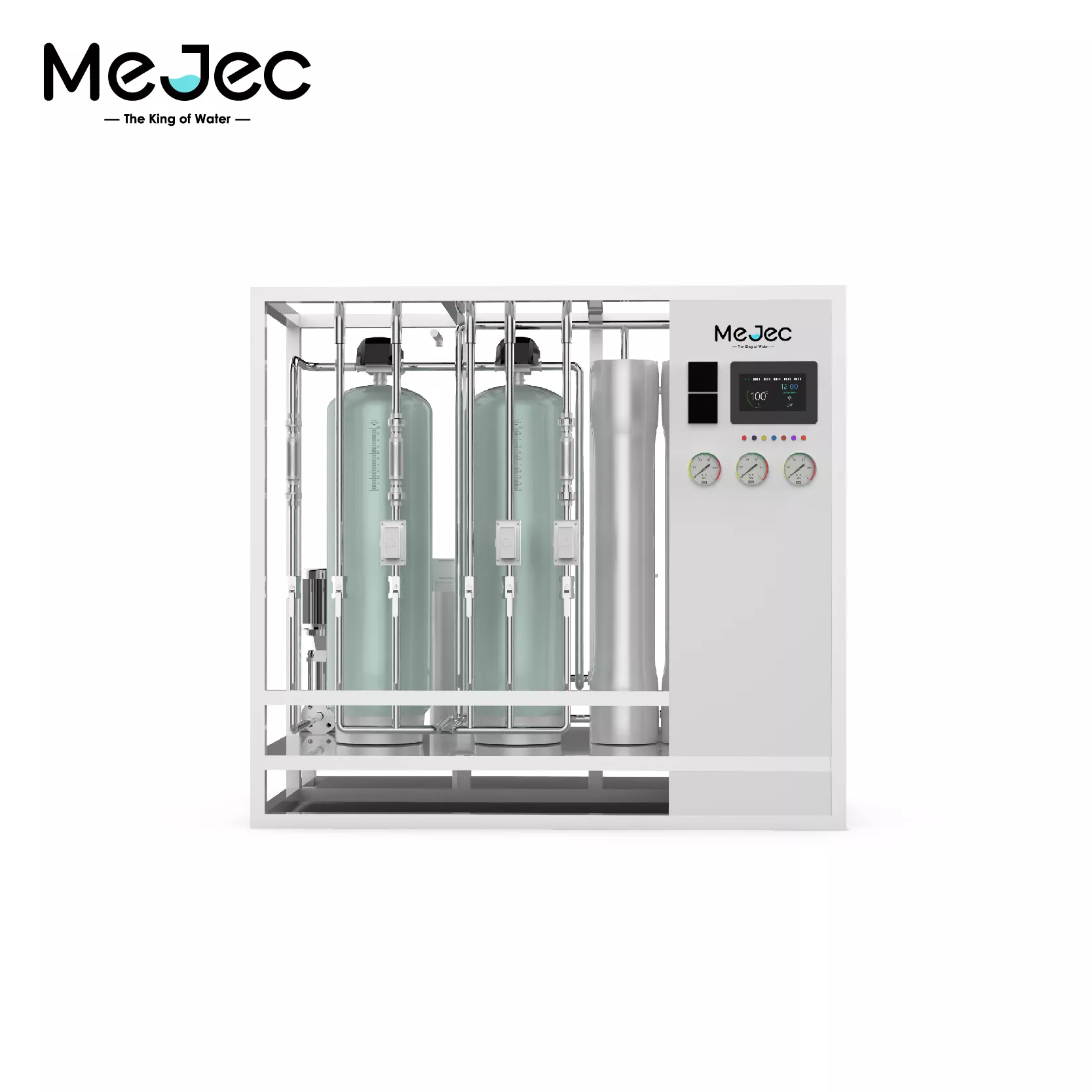
The Mejec industrial water purifier and dedicated ...
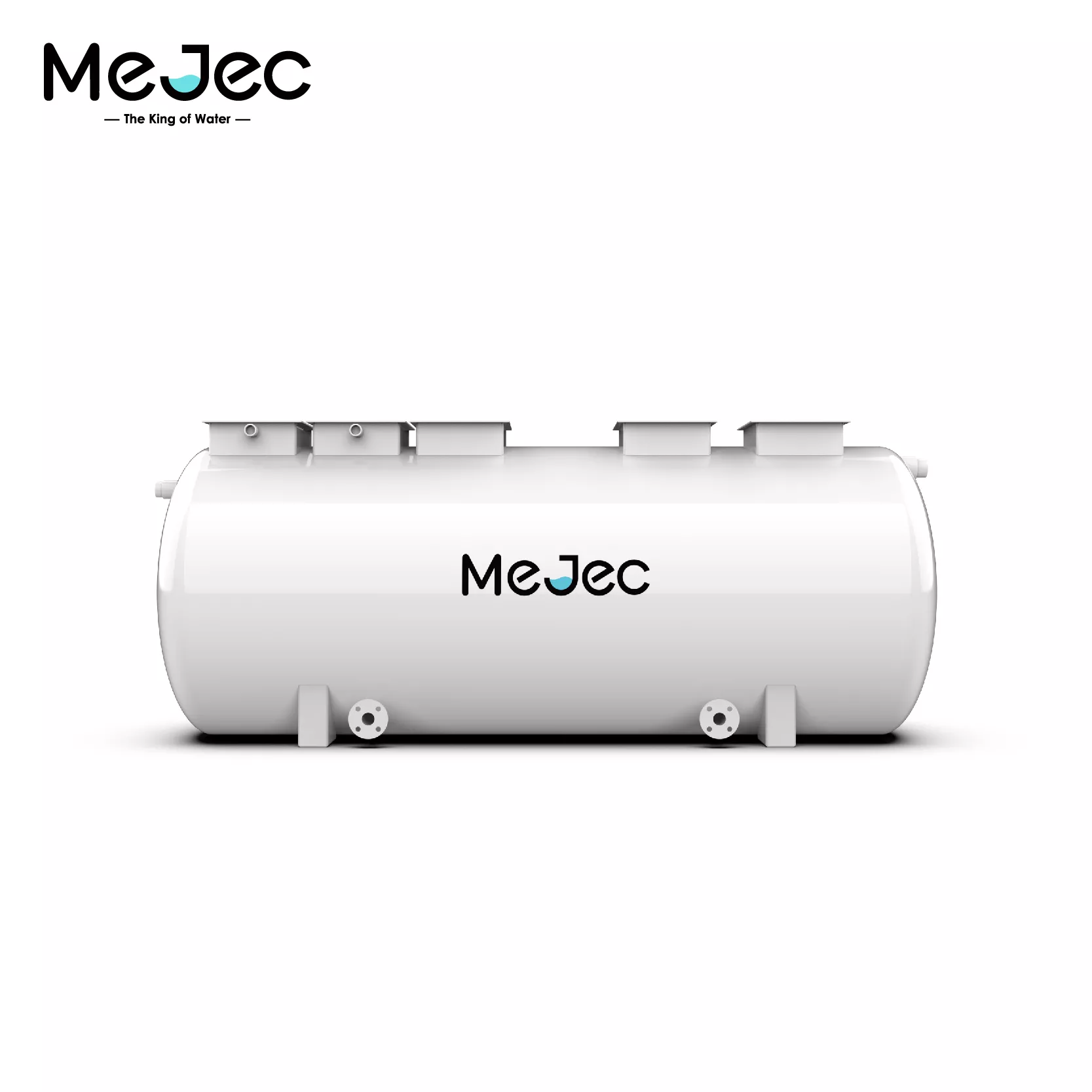
Mejec-Johkasou-SB adopts an AAO + MBBR combined bi...
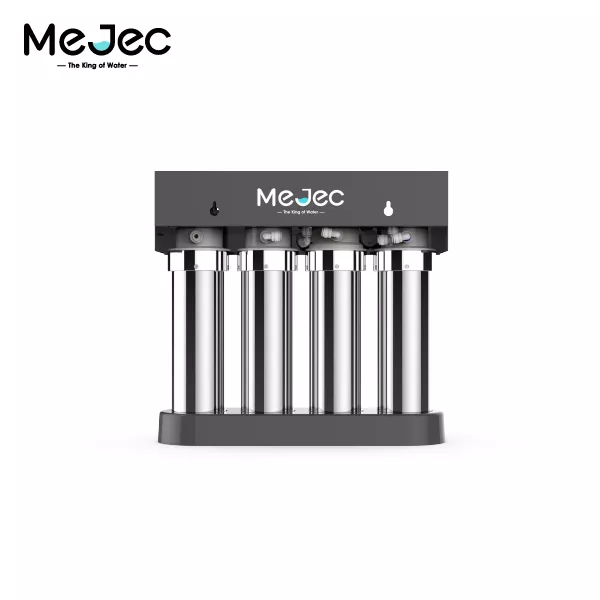
The smart under-sink RO system that brings pure wa...
Select the most popular foreign trade service products to meet your diverse needs
Select the most popular foreign trade service products to meet your diverse needs





User Comments
Service Experience Sharing from Real Customers
Robert Chen
Facility ManagerThis compact sewage treatment plant has been a game-changer for our remote lodge. It's efficient, surprisingly quiet, and the water quality output consistently meets regulations. Installation was straightforward with the provided manual.
Sarah Johnson
Property DeveloperInstalled this system in a small residential cluster. It's reliable, requires minimal maintenance, and the footprint is perfect for limited spaces. One point off for the initial setup which needed a specialist, but overall performance is excellent.
David Miller
Farm OwnerPerfect solution for our farmhouse and worker accommodations. Handles variable loads well and the treated water is safe for irrigation. Robust construction and great customer support. Highly recommend for agricultural settings.
Lisa Wang
Head of OperationsWe integrated this plant into our new visitor center. Its energy efficiency is impressive, and the automated controls make management hassle-free. A crucial, reliable piece of infrastructure for our off-grid public facility.