




.webp)
What is MBBR for sewage treatment plant?
MBBR sewage treatment plant uses biofilm carriers ...
More


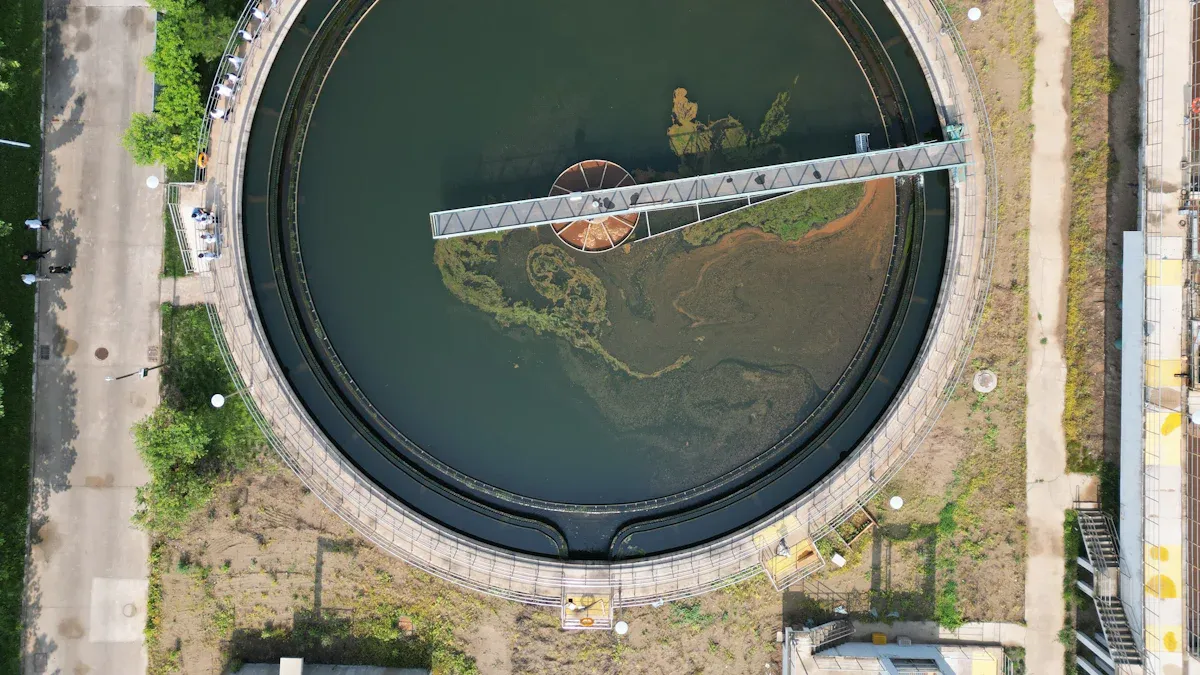
You use an STP sewage treatment plant to clean wastewater before it returns to the environment. The main goal is to protect water resources and public health.
The global market for modular sewage treatment plants reached about USD 2.4 billion in 2023 and continues to grow.
Understanding terminology helps you keep up with industry changes in 2026.
STP stands for Sewage Treatment Plant, which cleans wastewater to protect public health and the environment.
Understanding key terms in sewage treatment helps you communicate effectively with professionals and stay informed about water safety.
Each step in the sewage treatment process, from preliminary to tertiary treatment, plays a vital role in ensuring clean water returns safely to nature.
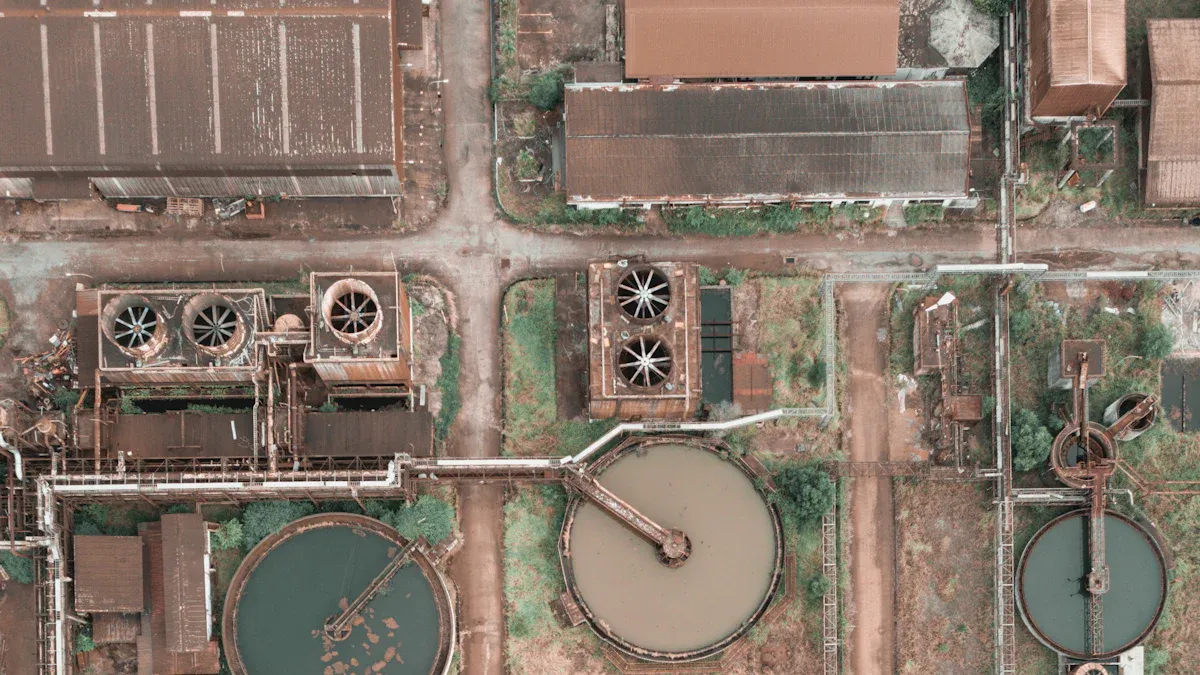
You may see the letters "STP" in many places when you learn about wastewater management. STP stands for "Sewage Treatment Plant."
You use an STP to clean dirty water from homes, schools, and factories.
The main job of an STP is to make water safe before it goes back to rivers or lakes.
Today, the meaning of STP has grown. You do not just think about cleaning water. You also think about how STPs help the planet. Many experts now see STPs as important for sustainable development.
STPs help cities reach their Sustainable Development Goals (SDGs).
You can find new ideas and teamwork in modern STPs.
Local rules and needs can change how an STP works in your area.
You will see many special words when you study stp sewage treatment. These words help you understand each step in the process. Here is a table with some common terms and what they mean:
| Treatment Stage | Description |
|---|---|
| Preliminary Treatment | Removal of large solids using screens and grit chambers. |
| Primary Treatment | Sedimentation tanks where heavier solids settle to form sludge. |
| Secondary Treatment | Biological processes using microorganisms to break down organic matter. |
| Tertiary Treatment | Advanced filtration and disinfection processes to enhance water quality. |
| Conventional Activated Sludge | Air and bacteria-based sewage cleaning, widely used. |
| Membrane Bioreactor (MBR) | Uses bacteria and filters for high-quality water purification. |
| Trickling Filters | Sewage passes over materials where bacteria purify the water. |
| Oxidation Ponds | Natural processes using sunlight and bacteria for sewage disposal. |
Tip: If you know these terms, you can talk with engineers and city planners about stp sewage treatment. You can also read reports and news about water safety.
You will notice new words and ideas in stp sewage treatment as you move into 2026. These updates come from changes in technology, the environment, and the world economy. The table below shows some main drivers for new terms and what they mean:
| Driver | Description |
|---|---|
| Digital Transformation | Shift from periodic inspections to continuous, data-driven operations, enhancing reliability. |
| Decarbonization | Focus on reducing emissions and enabling energy-positive operations, influencing design criteria. |
| Decentralization | Adoption of modular solutions for urban growth and extreme weather management. |
| Regulatory Changes | Evolving standards compel capital reinvestment and process upgrades. |
| Geopolitical Factors | Influence on procurement strategies, emphasizing local content and supply chain resilience. |
You will hear more about digital tools that help you watch and control STPs all the time. You may also learn about ways to cut down on pollution and use less energy. Cities want smaller, flexible STPs to handle storms and new buildings. New rules and world events can change how you build and run an STP.
By learning these new terms, you can keep up with the latest trends in stp sewage treatment. You will be ready to talk about smart plants, green energy, and safe water for everyone.
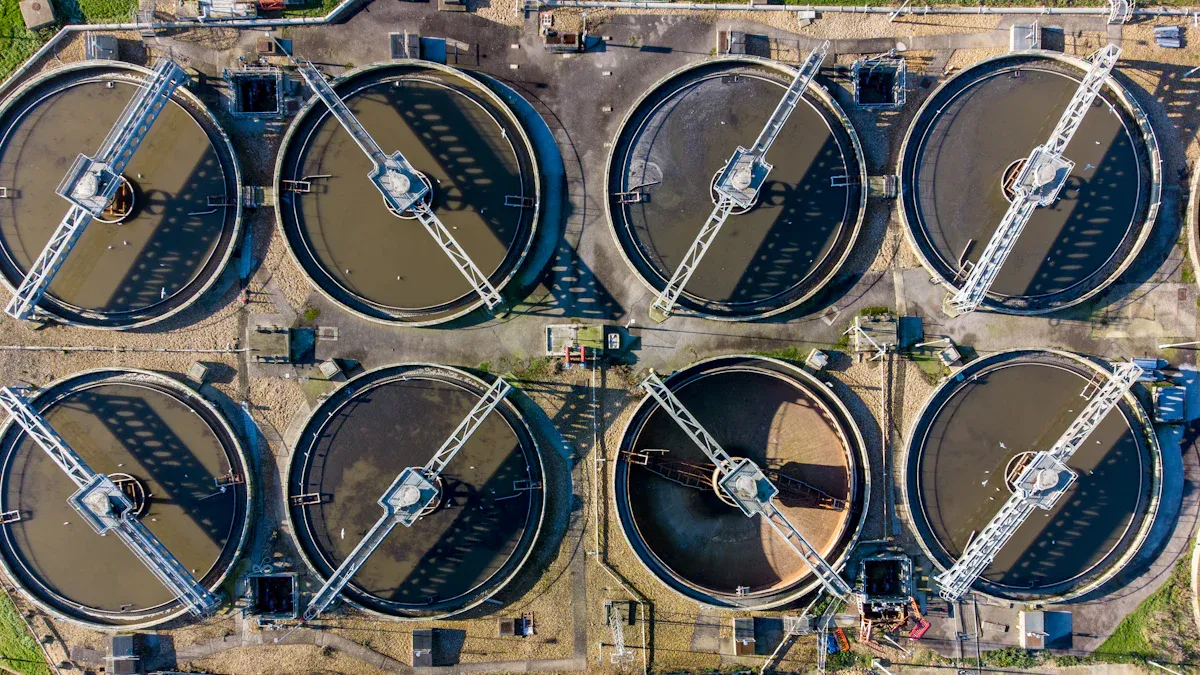
You can break down the stp sewage treatment process into several important steps. Each step removes different types of contaminants from wastewater. By understanding these steps, you can see how clean water returns safely to the environment.
You start with preliminary treatment. This step removes large objects and debris from the incoming sewage. You often find mechanical screens that catch plastics, rags, and branches. Grit chambers help separate sand and small stones. These tools protect pumps and other equipment from damage. Preliminary treatment usually removes about 10% to 40% of contaminants like total suspended solids and chemical oxygen demand. The exact amount depends on the type of waste and the technology you use.
Tip: Removing large debris early makes the rest of the process more efficient and prevents costly repairs.
Next, you move to primary treatment. Here, wastewater flows into large tanks. Solids settle at the bottom to form sludge, while lighter materials float to the top as scum. You remove both sludge and scum from the tank. Well-designed primary treatment can remove up to 60% or more of suspended solids. Some systems even reach nearly 70% removal. This step prepares the water for biological treatment.
Secondary treatment uses living microorganisms to clean the water. You add bacteria and other microbes that eat organic matter in the sewage. These organisms break down waste in either aerobic (with oxygen) or anaerobic (without oxygen) conditions. You may use systems like activated sludge, trickling filters, or constructed wetlands. Secondary treatment removes most of the remaining organic material. You can expect about 85% reduction in biochemical oxygen demand (BOD), which means the water is much cleaner after this step.
Tertiary treatment gives you even cleaner water. This step uses advanced methods to remove extra contaminants that earlier steps missed. You might see filtration, chemical treatment, or disinfection with ultraviolet (UV) light. In 2026, you also find digital tools that monitor and control the process, making it more reliable. Some plants use energy-positive processes, like anaerobic digestion, to recover energy from waste. Modular solutions help cities expand treatment quickly. Tertiary treatment targets tough pollutants, such as pharmaceuticals and antibiotic resistance genes. For example, UV treatment removes many medicines from the water, while powdered activated carbon (PAC) can also help.
| Technology Type | Description |
|---|---|
| Digital Transformation | Uses sensors and automation for real-time control and monitoring. |
| Energy-Positive Processes | Recovers energy from sewage using anaerobic digestion. |
| Modular Solutions | Prefabricated units for quick setup and flexible expansion. |
| Contaminant Type | Treatment Process | Removal Efficiency |
|---|---|---|
| Pharmaceuticals | UV Treatment | High |
| Pharmaceuticals | PAC Treatment | Moderate |
| Antibiotic Resistance Genes | Not targeted | Low |
Sludge treatment handles the solid waste collected from earlier steps. You first thicken the sludge to reduce its volume. Dewatering methods, like centrifuges and filters, remove extra water. Digestion, either aerobic or anaerobic, breaks down organic matter and kills pathogens. Composting mixes sludge with carbon-rich materials to make safe fertilizer. Some places burn sludge in incinerators, but this is less common due to air pollution concerns. Drying beds offer a simple way to dry sludge, especially in developing countries. Sludge treatment can use up to 60% of the total operating costs in a stp sewage treatment plant.
| Method | Description |
|---|---|
| Thickening | Increases solids concentration to reduce volume. |
| Dewatering | Removes water for easier handling. |
| Digestion | Breaks down organic matter and pathogens. |
| Composting | Turns sludge into safe fertilizer. |
| Incineration | Burns sludge to reduce volume. |
| Drying beds | Dries sludge using sunlight and air. |
Note: Sludge treatment is often the most expensive part of the process.
After treatment, you must decide what to do with the clean water and treated sludge. Many places use treated water for irrigation, industrial processes, or even toilet flushing. Some cities recharge groundwater with this water. Treated sludge can improve soil or serve as fertilizer. You may also use it as feedstock for energy production. In 2026, you see more rules about how to reuse and dispose of treated sewage. For example, states like Utah, Florida, and Arizona have strict guidelines to protect public health and water quality. The U.S. Environmental Protection Agency (EPA) sets national standards under the Clean Water Act.
Common reuse options:
Agricultural and landscape irrigation
Industrial processes
Toilet flushing
Groundwater recharge
Common sludge uses:
Soil amendment
Fertilizer
Feedstock for anaerobic digestion
Callout: Always check local and national regulations before reusing treated water or sludge. These rules help keep people and the environment safe.
You can see that each step in stp sewage treatment plays a key role in protecting water resources and public health. By understanding these steps, you can make better decisions about water management in your community.
Understanding clear terminology helps you follow environmental rules, protect public health, and choose the right treatment solutions. Staying updated on new terms improves plant operations and supports better city planning. You can make smarter decisions and help your community stay safe by learning about the latest process developments.
STP means Sewage Treatment Plant. You use it to clean dirty water before it goes back to nature.
You treat sewage to remove harmful substances. This keeps water safe for people, animals, and plants.
Yes! You can use treated water for gardens, factories, or flushing toilets. Always check local rules before reuse.
Exploring Semi-Welded Plate Heat Exchangers for Industry in 2025
Three Methods PHE Plates Enhance Performance This Year
Best Precoating Options for Filtration Systems in 2025
Evaluating Performance of Shell Versus Plate Heat Exchangers

We provide you with comprehensive foreign trade solutions to help enterprises achieve global development

Our RO system combines cutting-edge convenience wi...
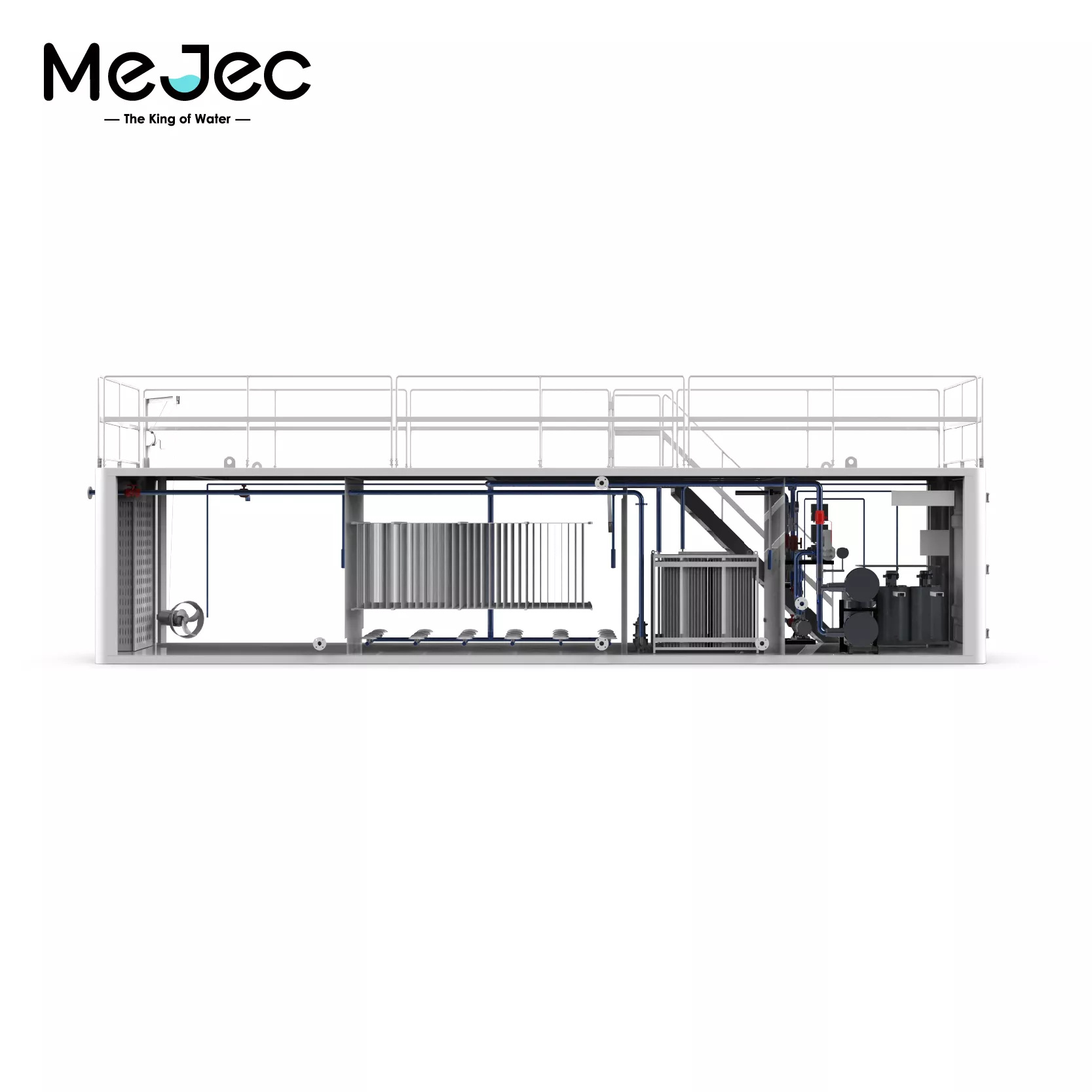
Mejec containerized sewage treatment system incorp...
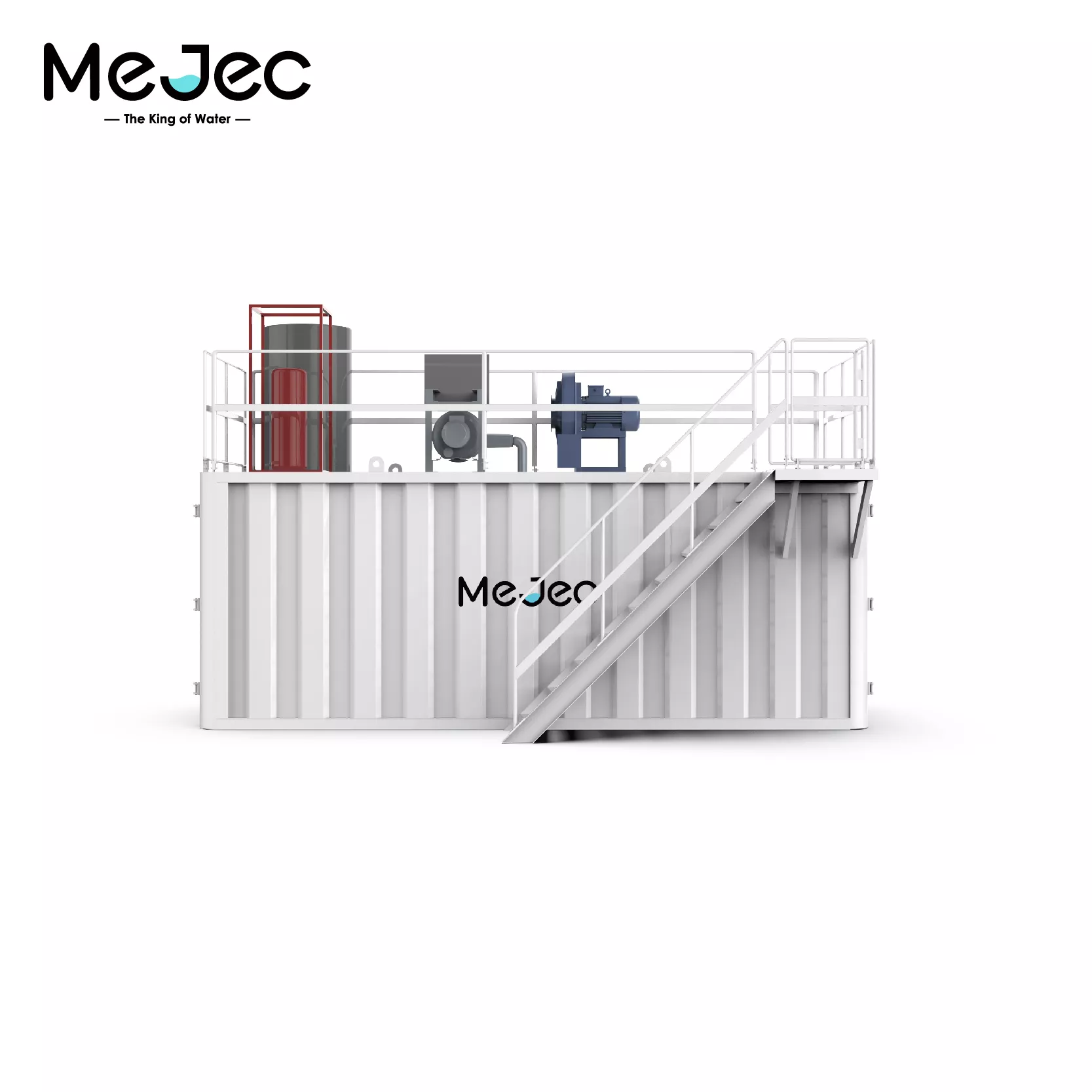
Mejec Containerized MABR Equipment is an innovativ...
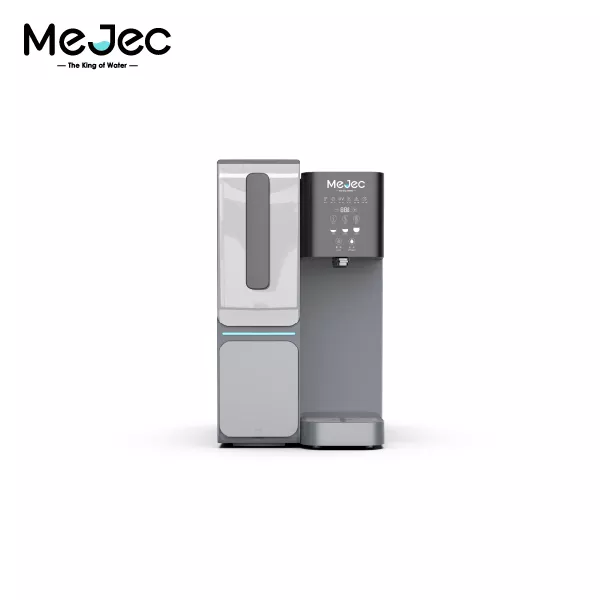
Experience instant, pure water anywhere with the M...
Select the most popular foreign trade service products to meet your diverse needs
Select the most popular foreign trade service products to meet your diverse needs





User Comments
Service Experience Sharing from Real Customers
Michael Chen
Facilities ManagerOur municipality's STP upgrade using this system has been outstanding. The biological treatment process is highly efficient, odor control is excellent, and operational costs are 20% lower than projected. Highly reliable for continuous sewage treatment.
Sarah Johnson
Environmental EngineerAs a consultant, I've specified this STP technology for several industrial clients. The compact design and advanced membrane bioreactor (MBR) unit consistently meet strict discharge standards. Excellent technical support team.
David Rodriguez
Plant Operations SupervisorRunning this sewage treatment plant for our resort complex for 18 months. The automated controls make daily management straightforward, and the system handles peak seasonal loads without issues. Water reuse for irrigation has significantly reduced our environmental footprint.
Lisa Wang
Sustainability DirectorImplemented this decentralized STP across our manufacturing campuses. The modular design allowed for scalable installation. The treated effluent quality consistently complies with our internal water recycling standards, supporting our zero-liquid discharge goals.