




.webp)
North America's Tough Standards? We Wouldn't Have It Any Other Way
The North American market is one of the world's mo...
More

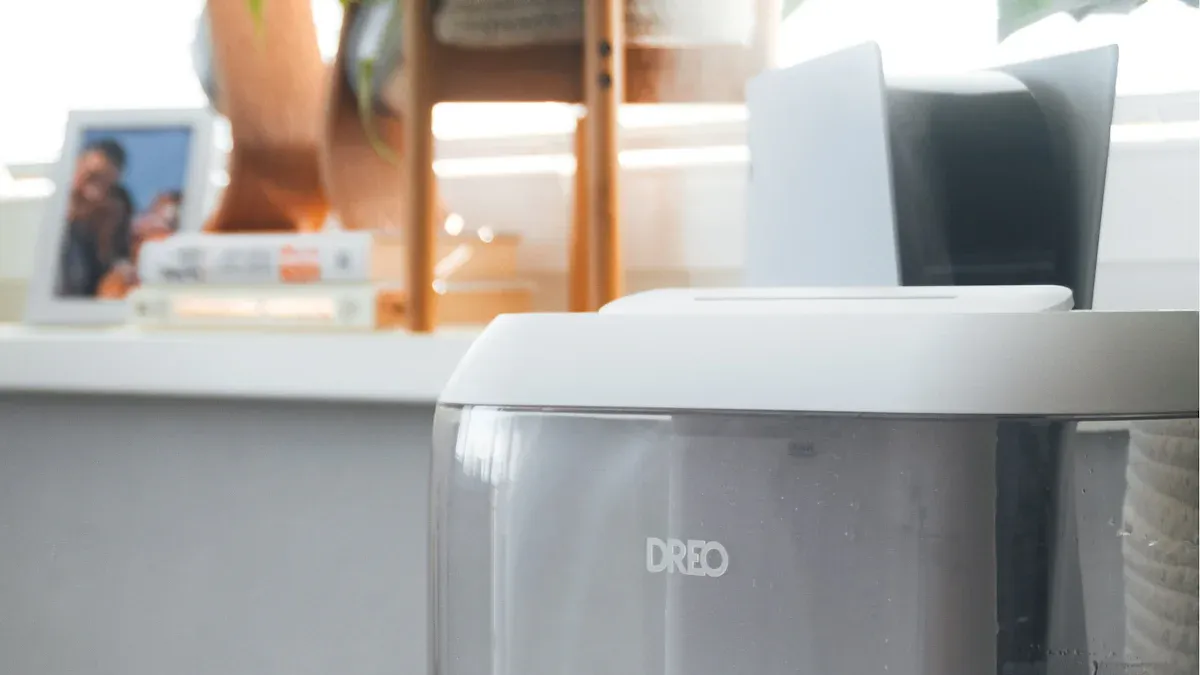
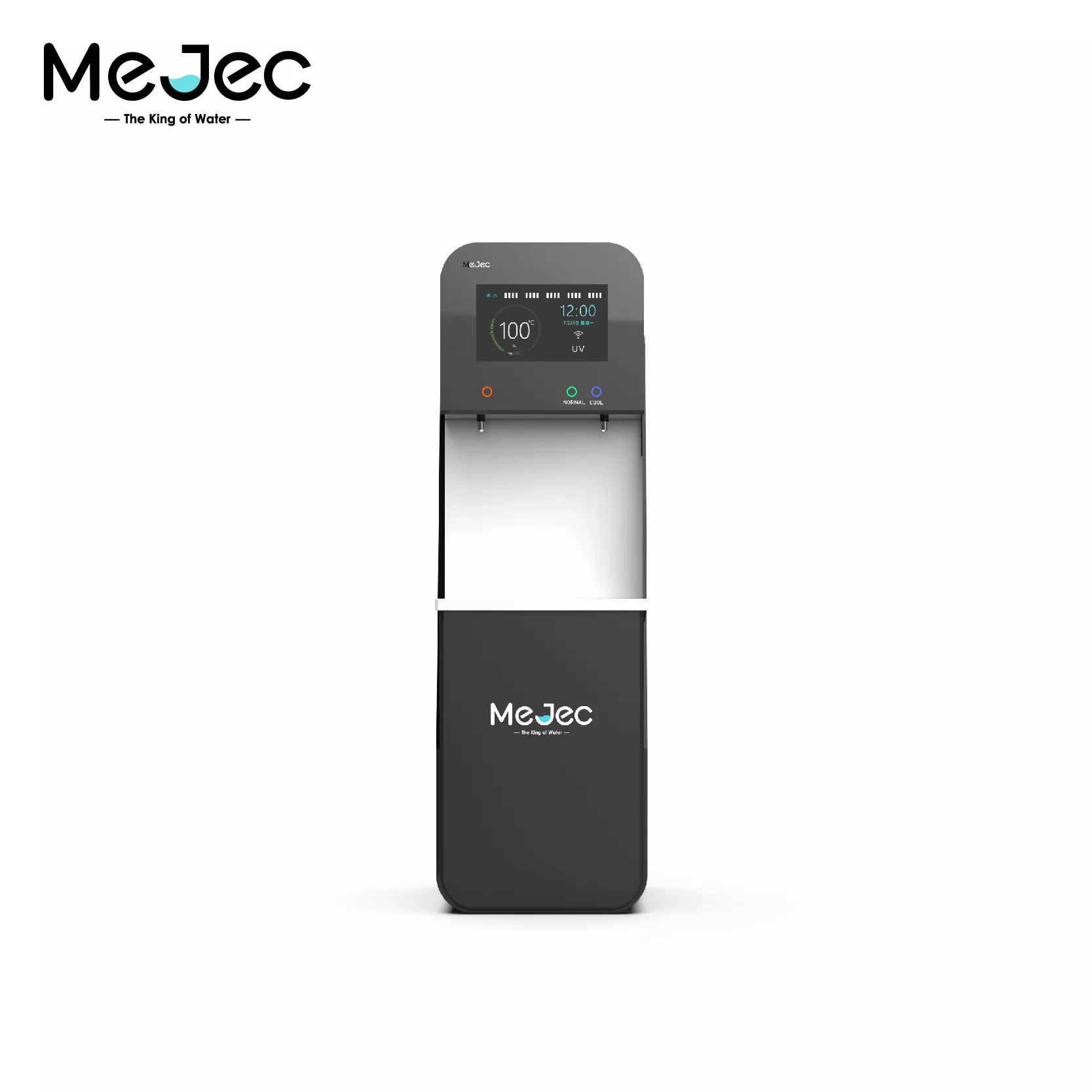
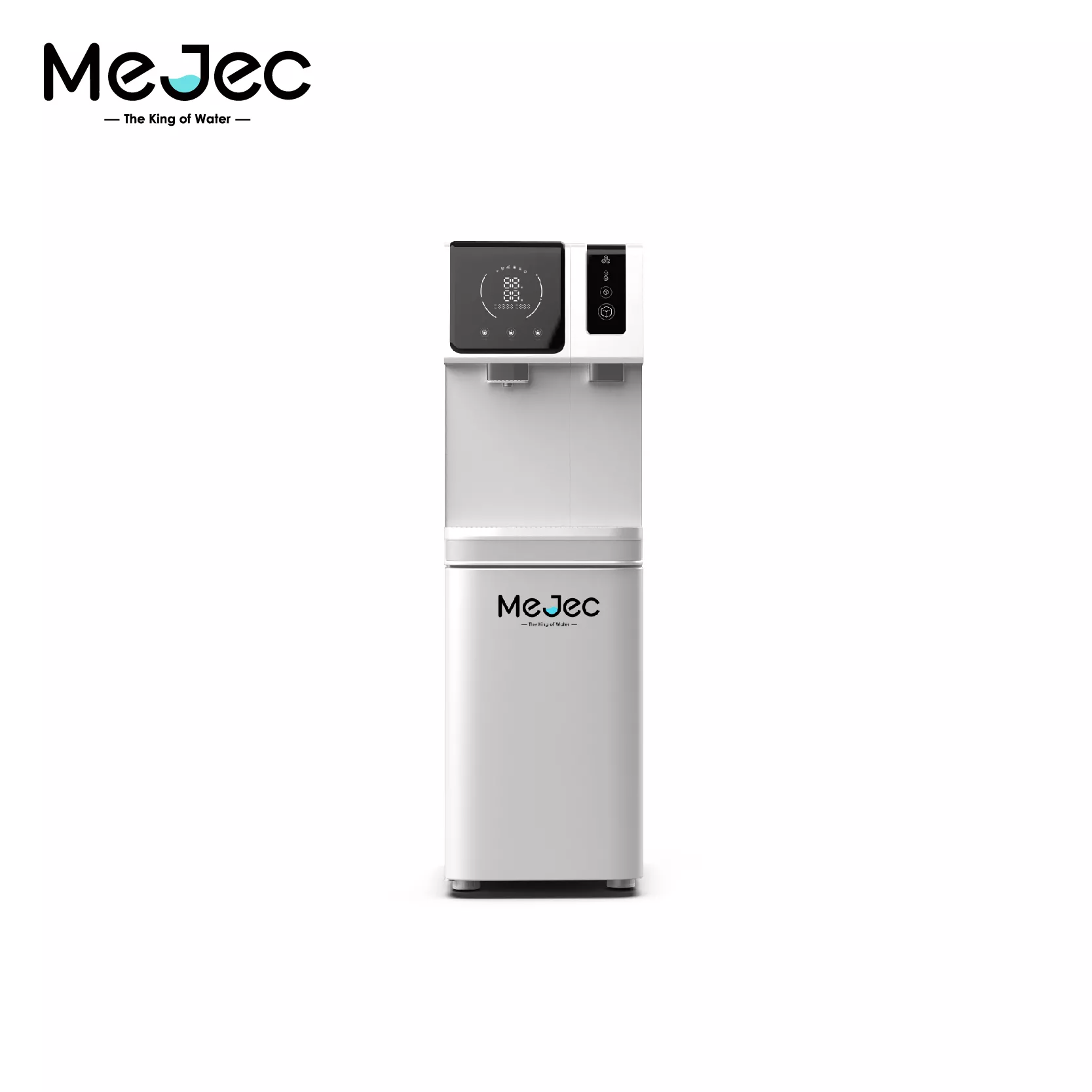
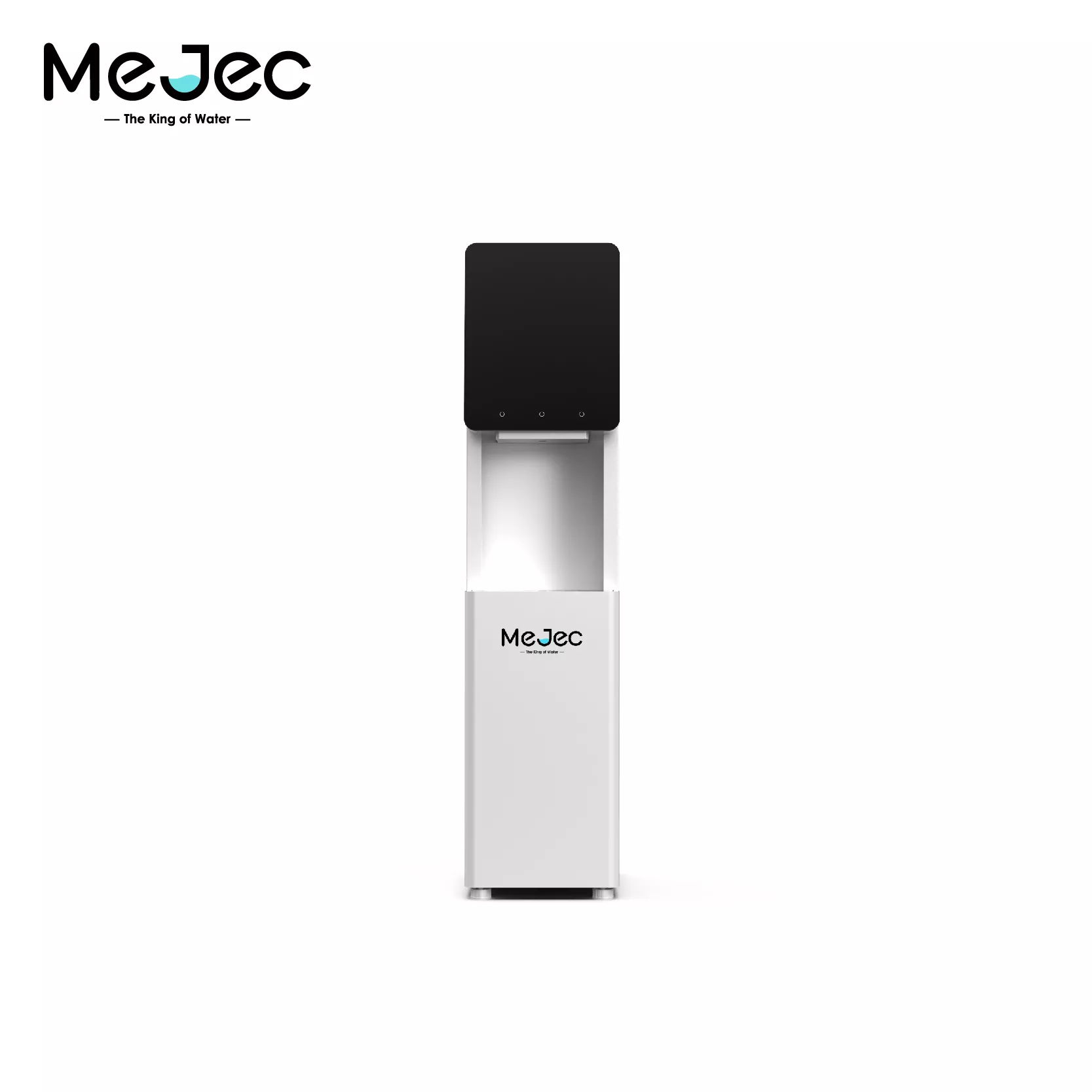
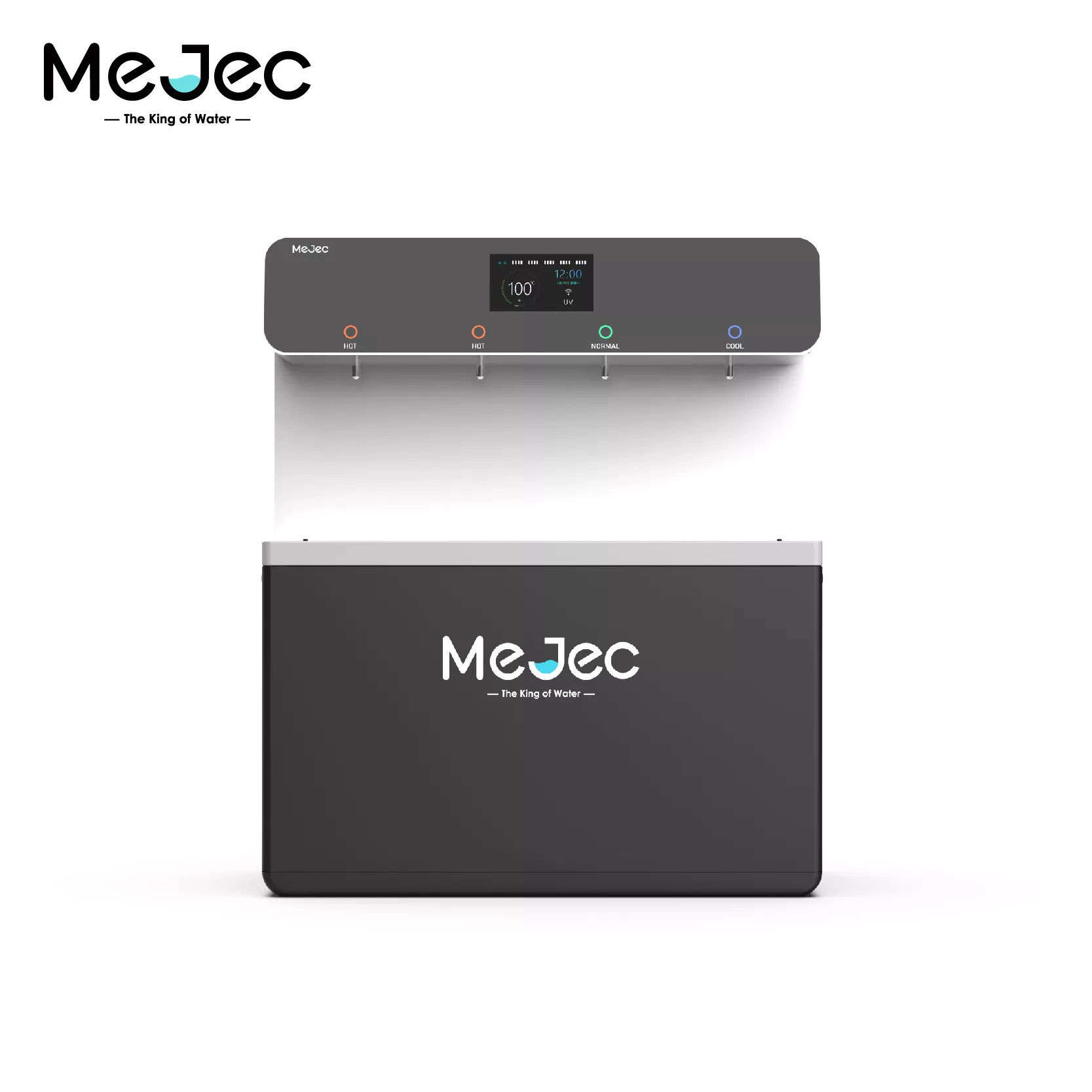
A warm water dispenser offers instant convenience for your daily routines. You need precise temperature control for everything from perfect tea to safe baby formula. Safety locks are a must-have feature if you have children or pets. Matching the dispenser's water source to your home is also a critical first step.
Did You Know? 💡 The global market for water dispensers is rapidly expanding, with a projected value of USD 5.35 billion by 2030. This growth shows just how many households are embracing this technology for its convenience and efficiency.
Choose a dispenser with precise temperature control. This helps you make perfect tea or safe baby formula.
Look for safety features like child locks. This protects children and pets from hot water.
Decide between plumbed-in or bottled water. This choice affects cost, convenience, and how you use the dispenser.
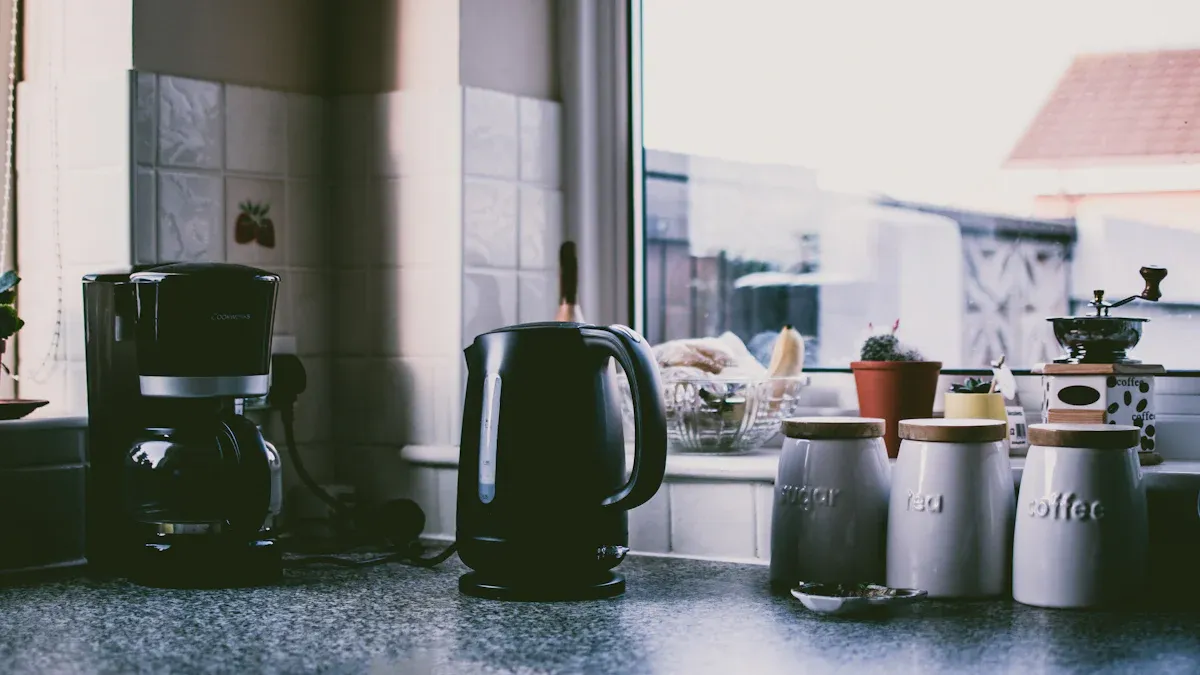
When you start comparing models, you will notice a wide range of features. You can narrow your search by focusing on the core functions that matter most for your daily life. These include temperature precision, physical size, and how the unit gets its water.
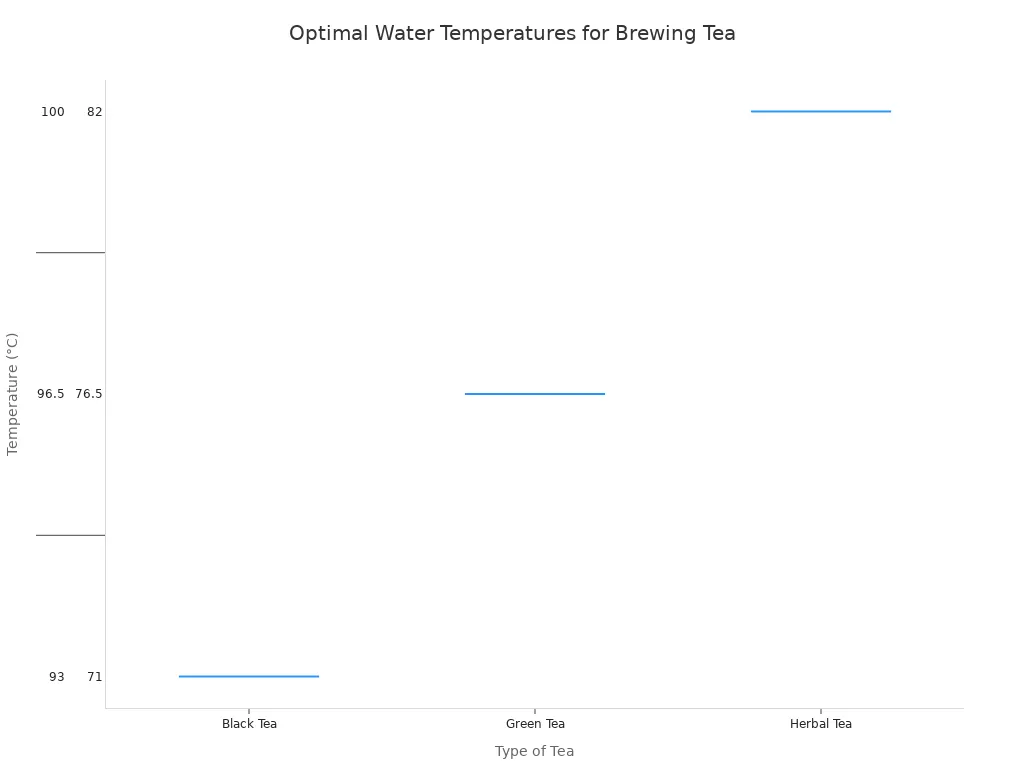
Precise temperature control is the most valuable feature of a modern warm water dispenser. Different beverages and foods require specific water temperatures for the best results. For example, using water that is too hot can scorch delicate tea leaves, creating a bitter taste.
You can achieve the perfect brew every time with adjustable settings. Many dispensers offer preset temperatures designed for common uses.
Ideal Water Temperatures for Tea
| Type of Tea | Ideal Water Temperature |
|---|---|
| Black Tea | 200°F to 212°F (93°C to 100°C) |
| Green Tea | 160°F to 180°F (71°C to 82°C) |
| Herbal Tea | 200°F to 212°F (93°C to 100°C) |
| Oolong Tea | 190°F to 200°F (88°C to 93°C) |
| White Tea | 160°F to 185°F (71°C to 85°C) |
| Pu erh Tea | 200°F to 212°F (93°C to 100°C) |
Temperature is also critical for preparing baby formula safely. Powdered formula is not sterile. You must use hot water to kill harmful bacteria like Cronobacter.
Safety Tip for Baby Formula 🍼 Health experts recommend heating water to at least 158°F (70°C) to ensure it is safe for mixing with formula. You can do this by following these steps:
Boil fresh water.
Let it cool in the kettle for about five minutes. The water should remain above 158°F (70°C).
Mix the formula and then cool the bottle to a safe feeding temperature before giving it to your baby.
Some advanced models, like the Hatco Atmospheric Hot Water Dispenser, give you complete control. They feature digital displays and allow you to adjust the temperature anywhere from 75°F to 195°F.
Beyond temperature, look at the dispensing volume options. Many units offer preset amounts, such as 8, 12, or 16 ounces, which helps you fill your favorite mug perfectly. Other dispensers provide even more settings for filling cups, bottles, or cooking pots with a single touch.
You need to match the dispenser's size and capacity to your space and usage habits. Consider how much water your household or office uses daily. Also, measure the area where you plan to place the unit.
Countertop Models: These are compact and sit directly on your counter. They are a great choice for smaller kitchens but take up valuable surface area.
Under-Sink Models: These systems hide the heating tank in the cabinet below your sink. A dedicated faucet is installed next to your main one. The InSinkErator HOT250, for example, has a small 2/3-gallon tank that fits easily in most cabinets. The slim design of models like the Stiebel Eltron UltraHot® helps preserve your under-sink storage space.
Freestanding Models: These are larger, standalone units. They are ideal for offices or homes with enough floor space. They do not occupy counter or cabinet space.
A warm water dispenser gets its water in one of two ways: from a direct plumbing line or from large, removable bottles. Your choice here affects cost, convenience, and maintenance.
1. Point-of-Use (Plumbed-in) DispensersThese units connect directly to your building's water supply. They provide a virtually endless stream of filtered water.
Pros: You never have to worry about running out of water or lifting heavy bottles. They are more environmentally friendly and have lower long-term costs since you only pay for tap water and filter changes.
Cons: The initial purchase and installation cost is higher. Your placement options are limited because the unit needs to be near a water line.
2. Bottled Water DispensersThese dispensers use large 3- or 5-gallon jugs that you place on top of or inside the unit. Many brands, like Tempest and Cascade, offer models compatible with both jug sizes.
Pros: They have a lower upfront cost and can be placed anywhere with an electrical outlet.
Cons: You must buy, transport, and store heavy water bottles. The cost per gallon is much higher over time, and lifting the bottles can be difficult.
Comparing Water Sources at a Glance
| Feature | Point-of-Use (Plumbed-in) | Bottled Water Dispenser |
|---|---|---|
| Upfront Cost | Higher | Lower |
| Ongoing Cost | Low (tap water & filters) | High (bottle delivery fees) |
| Convenience | Endless water supply | Requires bottle replacement |
| Storage Needed | Minimal | Space for full and empty jugs |
| Sustainability | Low carbon footprint | High plastic use and delivery emissions |
Choosing the right water source is a key step. A point-of-use warm water dispenser offers great long-term value and convenience if you can connect it to a water line. A bottled dispenser provides more flexibility if a permanent installation is not an option.
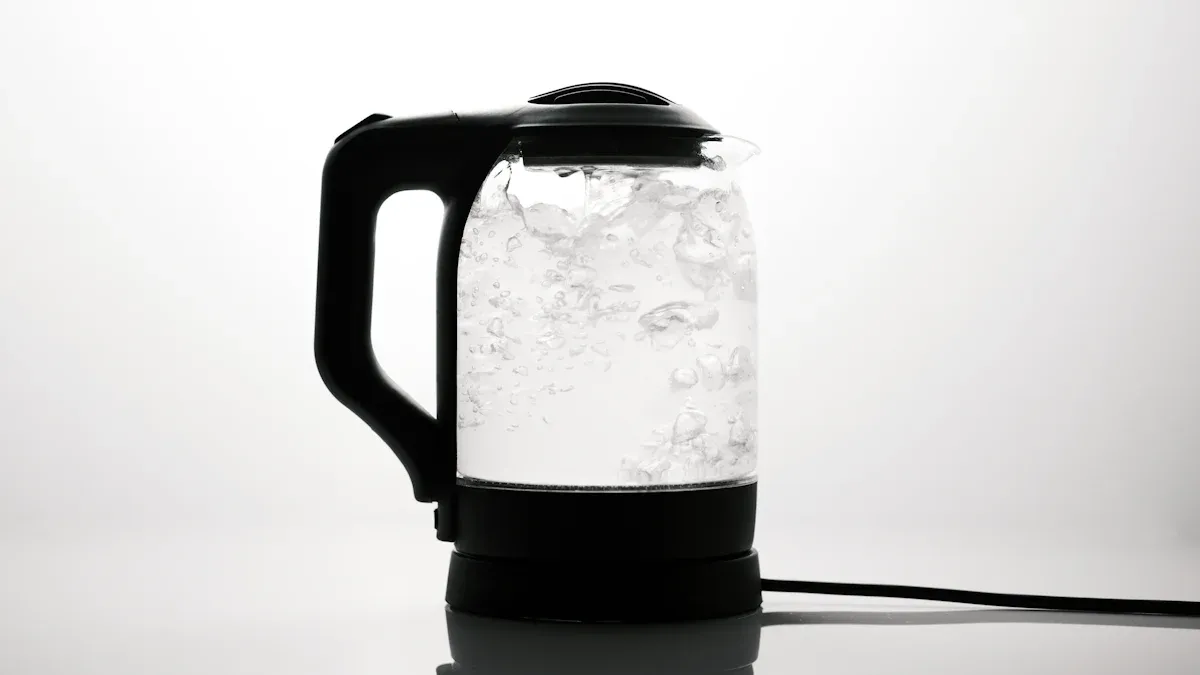
Beyond the core functions, you must look at factors that ensure your dispenser is safe, provides high-quality water, and operates efficiently. These details protect your family, improve your water's taste, and save you money over time.
If you have children or curious pets at home, a child safety lock is a non-negotiable feature. These locks prevent accidental dispensing of hot water, which can cause serious burns. Most models require a two-step action, like sliding a button while pressing a lever, making it difficult for a small child to operate.
Beyond preventing burns, you should check for overall electrical safety. Look for dispensers with an ETL or UL certification mark. Major retailers require these certifications because they confirm the product has been tested for electrical and fire hazards. These marks are your baseline assurance of safety.
| Certification | What It Covers | What It Doesn't Cover |
|---|---|---|
| ETL/UL | Electrical shock, fire hazards, basic mechanical safety | Water filtration performance, contaminant reduction, material safety of wetted parts |
The quality of your water is just as important as its temperature. Many dispensers come with built-in filtration systems to remove impurities and improve taste. These systems use different technologies to target specific contaminants.
Multi-stage filters often use activated carbon and ion exchange to reduce a wide range of substances. They can remove organic contaminants like pesticides and pharmaceuticals. They also reduce inorganic contaminants such as lead, mercury, and arsenic. Some advanced systems, like Multipure's Aqualuxe, use special technology to remove microorganisms, achieving a 99.9999% reduction in bacteria and 99.99% in viruses.
You will typically choose between two main types of filtration: Reverse Osmosis (RO) and Activated Carbon. Each has distinct advantages.
| Feature | Reverse Osmosis (RO) Filtration | Carbon Filtration |
|---|---|---|
| Mechanism | Uses a membrane to remove dissolved solids by forcing water through it. | Uses activated carbon to adsorb contaminants. |
| Contaminants Removed | Removes a wide range including heavy metals, fluoride, bacteria, and viruses. | Removes chlorine, VOCs, and pesticides; improves taste and odor. |
| Water Waste | Produces wastewater as it flushes away contaminants. | Does not produce wastewater. |
| Mineral Removal | Removes beneficial minerals, which can affect taste. | Retains beneficial minerals. |
| Flow Rate | Typically has a slower flow rate. | Generally has a faster flow rate. |
| Cost | Higher initial and maintenance costs. | Lower initial and maintenance costs. |
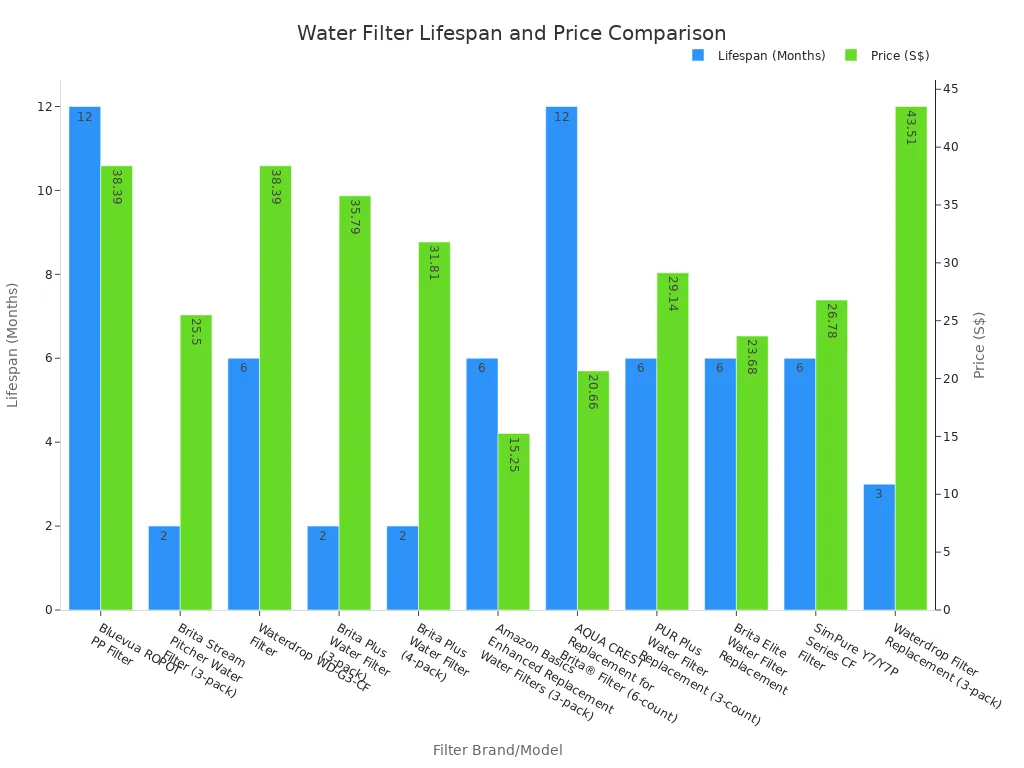
Filter lifespan and replacement cost are also important. Some filters last only a couple of months, while others can last a year. Costs vary just as widely. Planning for these recurring expenses helps you manage the long-term cost of your warm water dispenser.
Proper maintenance is essential for the health and longevity of your dispenser. If you do not clean your unit regularly, it can become a breeding ground for harmful bacteria and mold.
Health Warning ⚠️ An uncleaned dispenser can lead to serious health risks:
Bacterial Growth: Harmful bacteria like E. coli can form a slimy biofilm inside the tank and spouts, leading to stomach problems.
Mold and Slime: A moist environment encourages mold growth. Drinking moldy water can cause digestive issues and respiratory problems.
Chemical Leaching: Plastic parts can leach chemicals like BPA into the water, especially when heated.
You should descale your dispenser regularly to remove mineral buildup, which can affect performance and taste. You can follow these simple steps for cleaning:
Unplug and Empty: Turn off and unplug the unit. Drain all water from the reservoir and taps.
Add Cleaning Solution: Mix a solution of either commercial descaler or equal parts white vinegar and water. Pour it into the reservoir.
Let It Sit: Allow the solution to sit for about 20-30 minutes to dissolve mineral deposits.
Flush Thoroughly: Drain the cleaning solution. Refill the reservoir with fresh, clean water and drain it completely. Repeat this flushing step two or three times to remove any leftover solution or taste.
Clean the Exterior: Use food-safe wipes to clean the outside of the unit, paying special attention to buttons, levers, and the drip tray.
Some modern dispensers, like the iSpring DS4B series, offer a self-cleaning feature to simplify this process and ensure your unit stays hygienic with minimal effort.
A water dispenser that is always on can add to your electricity bill. Understanding the energy consumption of different models helps you make an eco-friendly and cost-effective choice. A typical hot and cold water dispenser uses about 1.2 kWh per day.
The biggest difference in energy use comes from the heating method.
Tank-Based Models: These traditional units keep a reservoir of water constantly hot, leading to standby energy loss.
Instant-Heating (Tankless) Models: These units heat water on demand, making them 24-34% more energy-efficient. They eliminate the wasted energy used to keep water hot 24/7.
| System Type | Efficiency | Standby Losses |
|---|---|---|
| Traditional Tank | 60-70% | Present |
| Instant-Heating | 80-96% | Eliminated |
To further reduce costs, look for models with energy-saving features. These smart functions help you manage power consumption without sacrificing convenience.
Eco-Mode: This setting reduces power consumption when the dispenser is not in use.
Programmable Timers: You can set operating hours so the unit automatically enters a low-power state during nights or weekends.
Smart Sensors: Some dispensers detect activity and adjust heating cycles accordingly, ensuring hot water is ready only when you need it.
Choosing a model with these features can reduce electricity costs by up to 40% compared to older, less efficient units.
Choosing the right warm water dispenser means balancing daily convenience with long-term safety. You should prioritize key features like adjustable temperature, robust safety locks, and a suitable capacity for your needs. Use this guide as a checklist to confidently compare models, from budget-friendly options like the Panasonic Electric Thermo Pot to feature-rich units like the Zojirushi VE Hybrid. Also, check for a solid warranty, which is typically 1 year but can extend to 3 years.
You should clean your dispenser every 3 to 6 months. Regular cleaning prevents mineral buildup and bacterial growth. This practice keeps your water fresh and safe to drink.
Tankless models are more energy-efficient. They heat water instantly, which saves electricity. Tank-based units use more power because they keep water hot 24/7.
Note 📝 You should avoid using unfiltered tap water in a bottled dispenser. It can cause mineral buildup and damage the unit. Always use filtered or bottled water for best results.

We provide you with comprehensive foreign trade solutions to help enterprises achieve global development
For discerning homeowners, the Premium Whole-House...
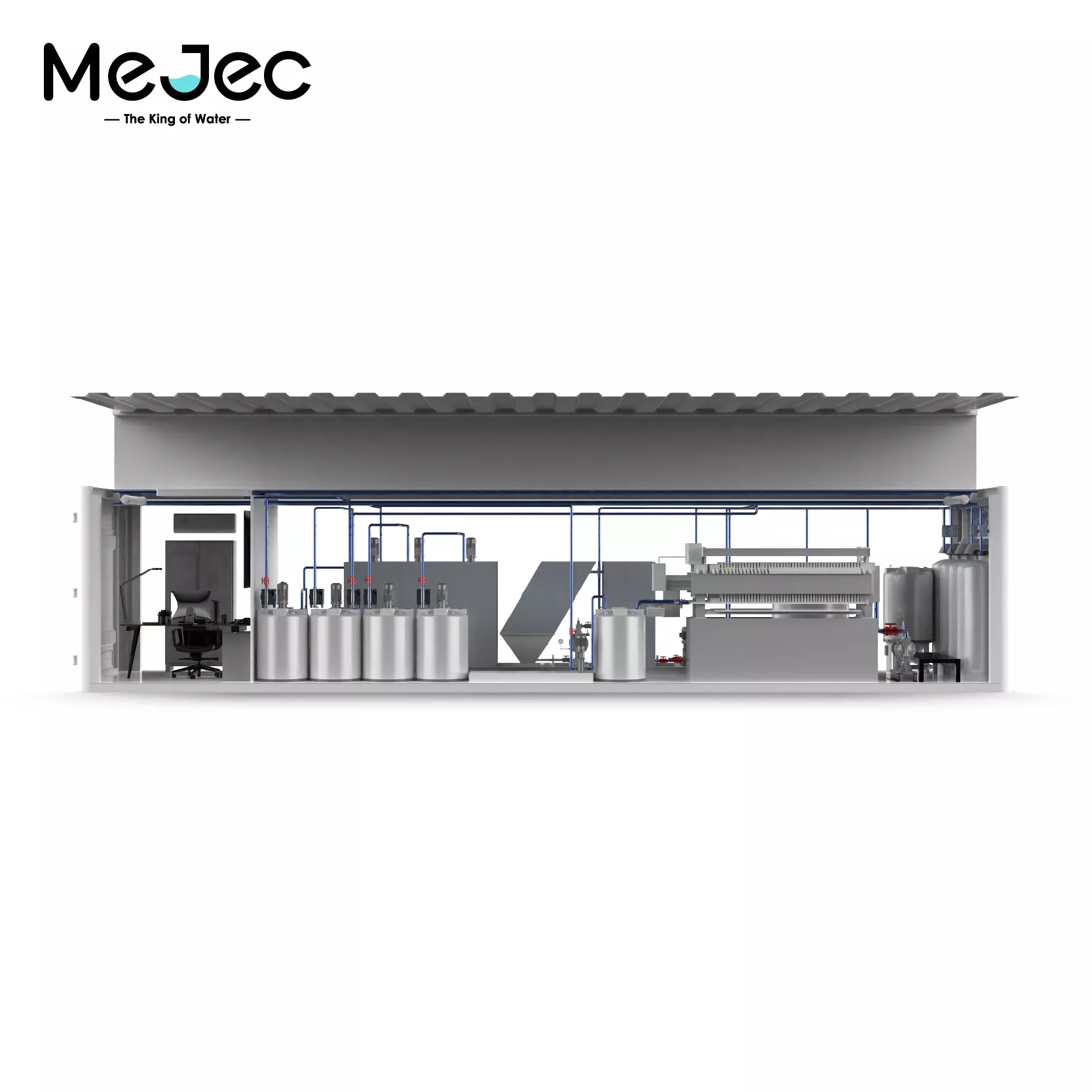
Mejec containerized wastewater treatment system ad...
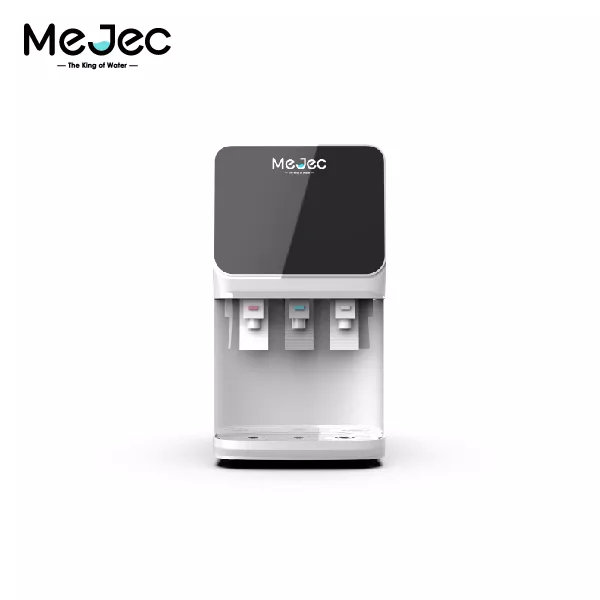
The MEJEC dispenser delivers pure water through ad...
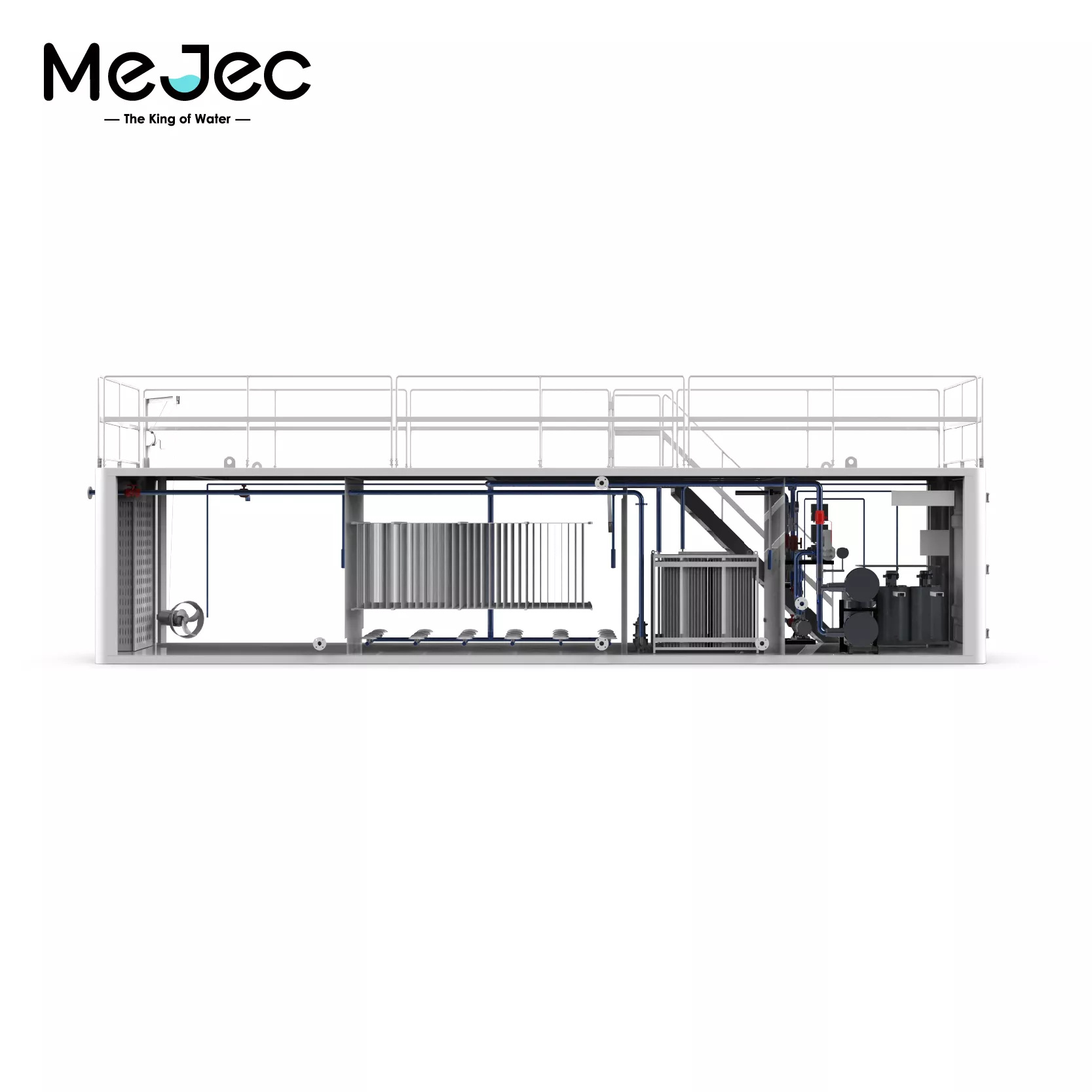
Mejec containerized sewage treatment system incorp...
Select the most popular foreign trade service products to meet your diverse needs
Select the most popular foreign trade service products to meet your diverse needs




User Comments
Service Experience Sharing from Real Customers
James Wilson
Office ManagerThis warm water dispenser has been a game-changer for our small office. It's incredibly convenient for making instant tea, oatmeal, or just having a quick warm drink without waiting for a kettle to boil. Saves us so much time!
Sarah Chen
Pediatric NursePerfect for the nursery at home. Having instant warm water for preparing baby formula at the perfect temperature, especially during late-night feedings, is a lifesaver. It's safe, easy to use, and very consistent.
Michael Rodriguez
Coffee Shop OwnerWe use this in our cafe for Americanos and tea. It delivers water at a precise, stable temperature, which is crucial for beverage quality. Reliable, fast, and our customers appreciate the efficiency. A great investment for any food service business.
Emily Foster
TeacherI bought this for our staff room at school. It's fantastic for quickly making a cup of tea or hot chocolate between classes. The energy-saving mode is a plus. It's sturdy, easy to clean, and everyone loves it. Highly recommended for busy workplaces.