





.webp)
What is MBBR for sewage treatment plant?
MBBR sewage treatment plant uses biofilm carriers ...
More


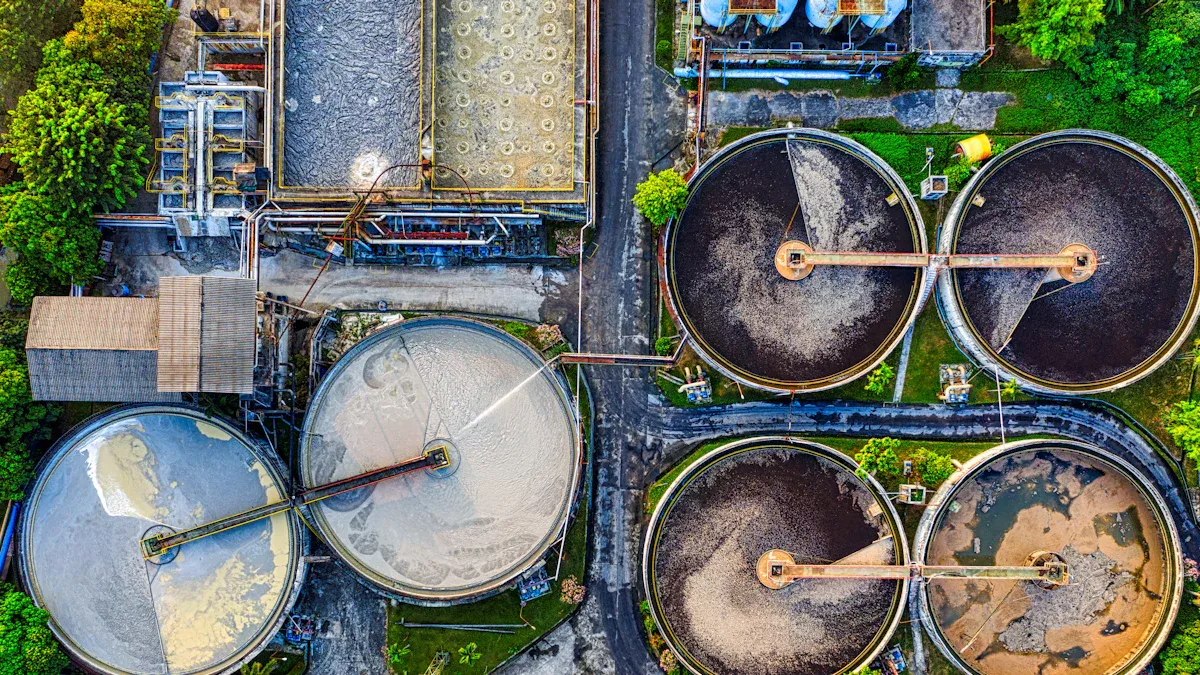
You may not realize how much energy a waste sewage treatment plant uses every year.
Wastewater treatment plants use about 3–4% of global electricity each year.
Water treatment can take up 1.8–5.4% of total electricity, with wastewater treatment using 85–279 TWh.
These plants protect water and wildlife, setting them apart from some other industries that do not focus on the environment.
Waste sewage treatment plants consume a significant amount of energy, using about 3-4% of global electricity each year. Supporting energy-efficient technologies can help reduce this impact.
Chemical residues from sewage treatment can harm both the environment and human health. Monitoring and controlling these chemicals is essential for protecting local ecosystems.
Excess nitrogen and phosphorus from wastewater can lead to harmful algae blooms in water bodies. Reducing nutrient pollution is crucial for maintaining healthy aquatic ecosystems.
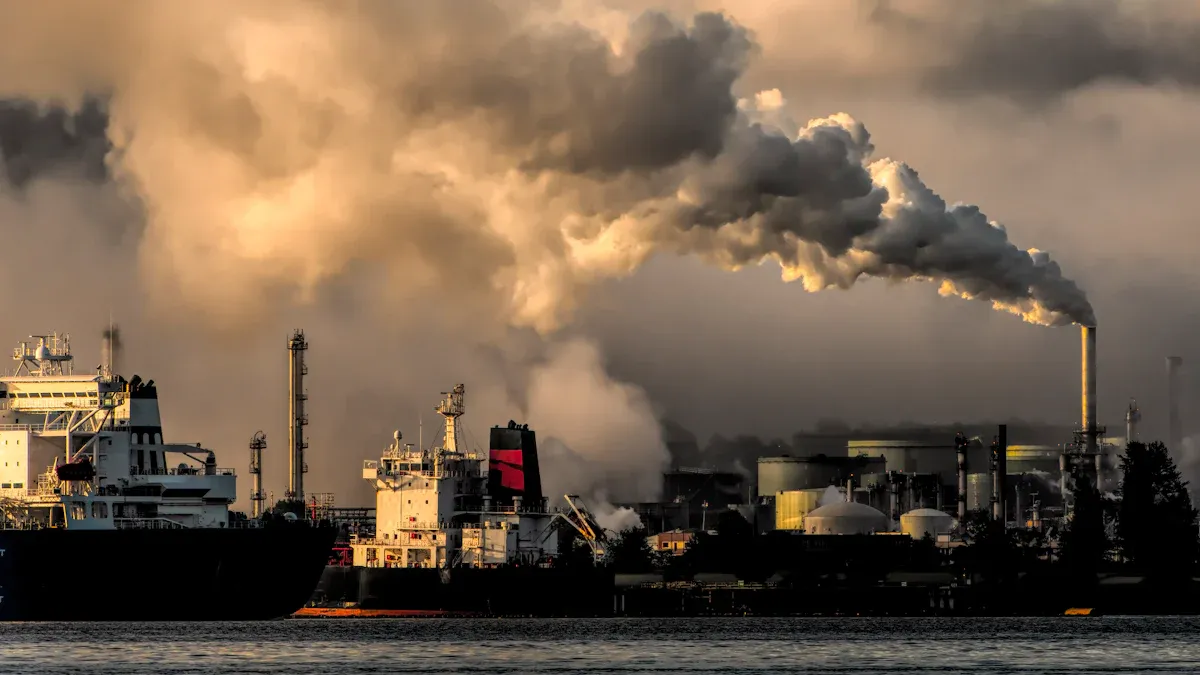
When you look at a waste sewage treatment plant, you might not realize how much energy it needs to run every day. These plants use large machines to clean water and remove harmful substances. You can see the impact in the numbers:
A mid to large waste sewage treatment plant serving 10,001 to 100,000 people uses about 0.99 kilowatt-hours (kWh) of electricity for every cubic meter of water it treats.
In many European countries, the average energy use is even higher, reaching 1.18 kWh per cubic meter.
Denmark’s plants use around 1.35 kWh per cubic meter.
The amount of energy a plant uses can change based on the technology it uses. Some treatment processes, like the A2O process, need more power. You also notice that energy use goes up in winter because cold temperatures make cleaning harder and wastewater contains more pollutants. In summer, plants treat more water, but the water has fewer pollutants, so energy use is lower.
Tip: The type of wastewater and the region where the plant is located can change how much energy is needed. For example, plants in Northeast China use more energy in winter because the water is colder and dirtier.
You may wonder what happens to the air around a waste sewage treatment plant. These plants release several greenhouse gases during the cleaning process. The main gases are methane (CH4), nitrous oxide (N2O), and carbon dioxide (CO2). These gases come from different steps in the treatment:
Methane escapes during aeration, from stabilization lagoons, and sludge thickeners.
Nitrous oxide forms during aeration and when bacteria break down nitrogen in the water.
Carbon dioxide comes from burning fossil fuels and from the breakdown of organic matter.
Aerobic reactors and settling basins release the most fossil CO2. Settling basins alone can produce over half of the CO2 emissions from a plant. Household wastewater can also contain petroleum-based carbon, which increases the amount of CO2 released.
Waste sewage treatment plants also affect local air quality. They release gases like hydrogen sulphide (H2S), ammonia (NH3), and volatile organic compounds (VOCs). These gases can cause bad smells and health problems for people living nearby. You might hear complaints about odors from neighbors. These gases can also damage pipes and other equipment inside the plant.
Methane and nitrous oxide add to air pollution and climate change.
VOCs and particulate matter make local air quality worse.
Note: The gases from a waste sewage treatment plant do not just harm the environment. They can also affect your health and the comfort of your community.
You may wonder what chemicals help clean water at a waste sewage treatment plant. These chemicals play different roles in making water safe. Here are some of the most common ones:
Cleaners and antiscalants, such as chlorine dioxide and muriatic acid, prevent clogging.
Precipitates like sodium hydroxide remove toxic metals.
Coagulants, often aluminum or iron-based, gather small particles together.
Oxidizers, such as sodium bisulfite, change the structure of waste.
Ion exchangers, including sodium, soften hard water.
pH adjusters, using acids or alkalis, stabilize pH levels.
Disinfectants, especially chlorine, kill harmful germs.
Flocculants help clump particles so they can be removed easily.
Each chemical has a specific job. For example, acids like sulfuric or hydrochloric acid adjust pH, while coagulants and flocculants remove solid particles.
Tip: The right mix of chemicals helps the plant work better, but using too many can cause problems for the environment.
When chemicals leave the waste sewage treatment plant, they can harm nature and people. Chemical residues may create dangerous byproducts that affect fish and other aquatic life. Nutrients like nitrogen and phosphorus can escape into rivers and lakes, causing too much algae to grow. This process, called eutrophication, uses up oxygen and makes it hard for fish to survive.
You also face health risks from these residues. Here is a table showing some possible effects:
| Health Risk | Description |
|---|---|
| Immune System Impact | Chemical mixtures may change how your immune cells work, leading to allergies or autoimmune diseases. |
| Endocrine Disruption | Some chemicals can upset your hormones and affect body functions. |
| Pathogen Exposure | Untreated water can carry germs that cause diseases like cholera. |
| Heavy Metal Exposure | Eating food with heavy metals can damage your kidneys over time. |
Wastewater can also spread antibiotic-resistant bacteria. These bacteria survive treatment and enter rivers, making it harder to treat infections in people and animals.
Note: Monitoring and controlling chemical residues helps protect both your health and the environment.
You may not realize how much leftover sludge comes from cleaning water at a waste sewage treatment plant. Sludge is the solid material that remains after the water is treated. You can find several ways to get rid of this sludge. Some common methods include land application, incineration, and landfilling. The table below shows how much sludge goes to each method every year:
| Disposal Method | Amount (dmt) |
|---|---|
| Land Application | 2,390,000 |
| Incineration | 558,000 |
| Landfilling | 982,000 |
| Other Management Practices | 81,500 |
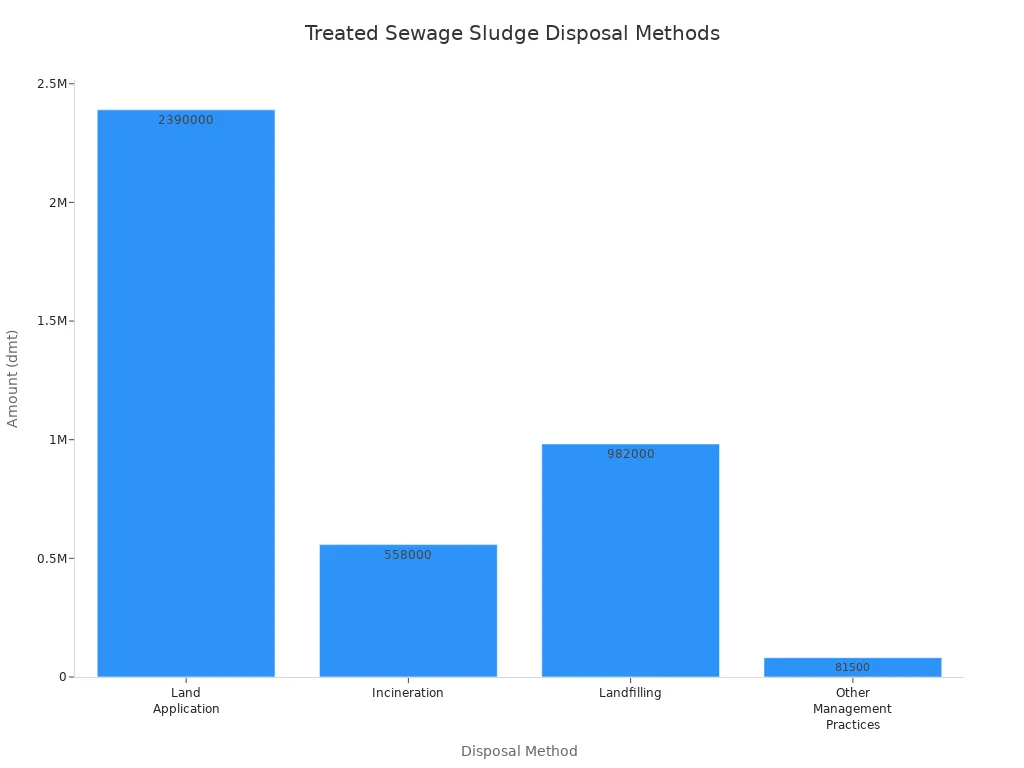
You see that land application is the most popular method. Farmers often use sludge as fertilizer to improve soil. Incineration burns the sludge, while landfilling buries it underground. In developing countries, you may notice that sludge management helps improve sanitation and reduces health risks. Many places use on-site systems like septic tanks, but untreated sludge can still cause problems.
Sludge disposal can create serious environmental risks. Here are some important issues you should know:
Land application can lead to global warming, eutrophication, and acidification.
Sludge contains toxic elements and pharmaceutical residues that may harm people and animals.
Pollutants from sludge can enter the food chain and affect your health.
High levels of nitrogen and phosphorus in sludge can cause algae blooms in lakes and rivers.
Sludge may harm soil microfauna and microorganisms, making soil less healthy.
Tip: You can help by learning about safe sludge management practices and supporting local efforts to reduce pollution.
Life Cycle Assessment tools help experts study the impact of different sludge disposal methods. Innovative solutions like waterless toilets and solar-powered treatment systems are becoming more common, especially in places where traditional methods do not work well.
You may notice that a waste sewage treatment plant releases large amounts of nitrogen and phosphorus into rivers and lakes each year. These nutrients help plants grow, but too much can harm water quality. Over the years, the amount of nitrogen and phosphorus released has changed. Look at the tables below to see how much has entered water bodies:
| Year | Nitrogen Levels (Pounds) |
|---|---|
| 2010 | 56,000,000 |
| 2024 | 27,000,000 |
| Year | Phosphorus Load (Kilograms) |
|---|---|
| 2000-01 | 1,855,000 |
| 2011-12 | 729,000 |
| 2014 | 605,000 |
You see that nitrogen and phosphorus levels have dropped over time, but they still remain high. Farmers use fertilizers and manure to help crops grow. When plants do not absorb all the nutrients, rain or snowmelt can wash them into streams. Wastewater also adds more nutrients to the mix.
Tip: Too many nutrients in water can cause problems for fish and other animals.
When you have too much nitrogen and phosphorus in water, you may see green algae covering the surface. This process is called eutrophication. Here are some effects you might notice:
Algae blooms block sunlight and use up oxygen, making it hard for fish to survive.
Water can smell bad and look dirty.
Hypoxia, or low oxygen, can kill fish and other aquatic life.
Municipal wastewater is a major source of these nutrients, making the problem worse.
You can help by learning about nutrient pollution and supporting efforts to reduce it. Cleaner water means healthier fish, safer swimming, and better drinking water for everyone.
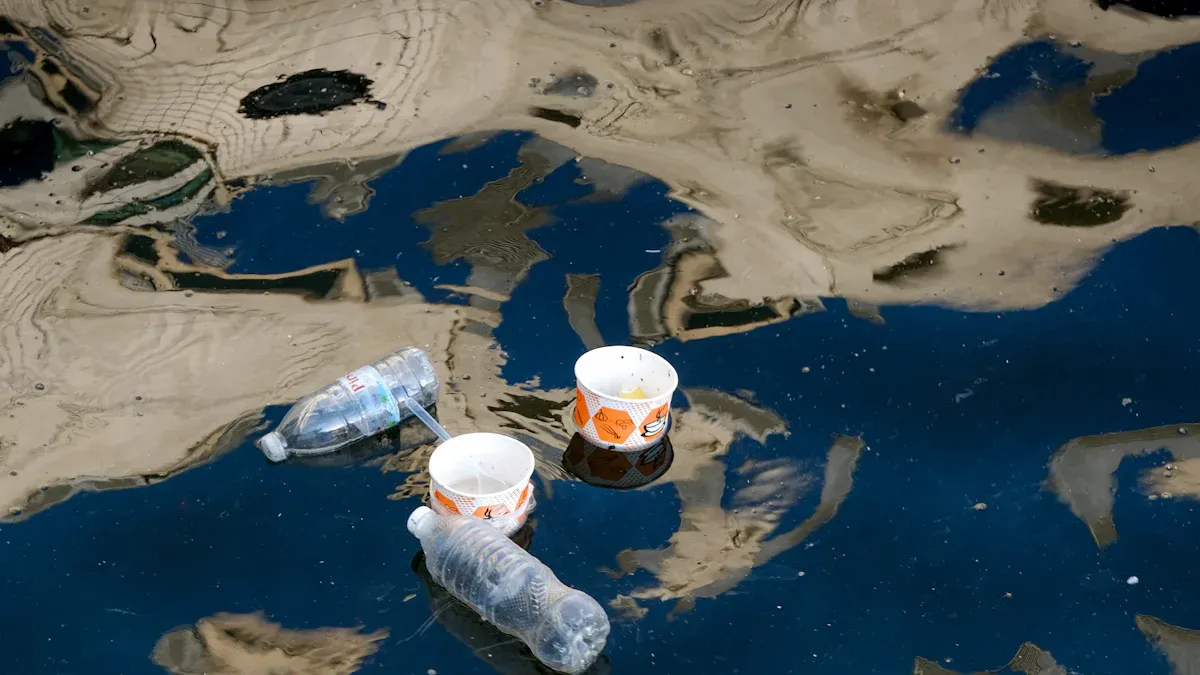
You might notice that a waste sewage treatment plant can change the environment for animals and plants. When treated water flows into rivers or lakes, it can raise the temperature. Fish and other aquatic species often struggle with warmer water. You may see cloudy water, which blocks sunlight and makes it hard for fish to breathe. Construction of these plants can break up natural habitats, leaving animals isolated and reducing the number of species in the area. Changes in water flow can stop animals from moving freely and shrink wetland spaces. Extra nutrients in the water can cause algae to grow quickly, using up oxygen and harming fish. Some pollutants stay in the bodies of animals and move up the food chain, affecting birds and mammals.
Thermal pollution changes water temperature, stressing aquatic life.
Sediment and turbidity block sunlight and lower oxygen for fish.
Habitat disruption fragments ecosystems and reduces biodiversity.
Altered water flow impedes migration and shrinks wetlands.
Nutrient loading causes algal blooms and oxygen loss.
Pollutants accumulate in animals, impacting the food chain.
Tip: You can help protect wildlife by supporting efforts to reduce pollution from these plants.
You may see changes in local water cycles when many waste sewage treatment plants operate in one area. The table below shows some of the main effects:
| Evidence Description | Observations |
|---|---|
| Nutrient Concentrations | River water chemistry changes, especially with more nutrients from wastewater. |
| Microbial Dynamics | Bacteria populations shift due to new water chemistry. |
| Spatial Variability | Water quality changes far downstream from the plant. |
| Seasonal Variations | Tourist seasons cause big jumps in ammonia, disrupting natural cycles. |
| Ion Concentrations | Sodium and chloride levels rise near plant discharge points. |
| Biological Transformations | Nitrification and denitrification rates change with water flow. |
| Ecological Impact | Plant influence reaches ecological and microbiological processes. |
You can see that these changes affect water quality and the health of rivers and lakes. Seasonal shifts and increased nutrients can disrupt natural cycles, making it harder for plants and animals to survive.
You can help the environment by supporting energy-efficient technologies in your local waste sewage treatment plant. Some plants now aim for carbon neutrality. They use high-efficiency anaerobic digestion to turn organic matter and sludge into energy. Sewage-source heat pumps extract heat from wastewater and use it for drying sludge or heating buildings. Biogas from digestion can become compressed natural gas or generate electricity. These changes lower energy use and create new sources of clean energy.
Energy self-sufficient plants reduce carbon emissions.
Sewage-source heat pumps recycle heat from wastewater.
Biogas utilization turns waste into valuable fuel.
Tip: Regulatory frameworks set standards that encourage these technologies, especially in regions with strict environmental rules.
You may notice that nature-based approaches offer eco-friendly alternatives to traditional treatment methods. These systems use natural filters, like wetlands or reed beds, to clean water. They cost less and have a smaller environmental impact than conventional methods. The table below shows how nature-based filters compare to conventional systems:
| Approach Type | Cost | Environmental Impact | Efficiency |
|---|---|---|---|
| Nature-based Filters | Low-cost | Eco-friendly | Moderate efficiency |
| Conventional Methods | Higher cost | Higher environmental impact | High efficiency |
Note: Nature-based solutions protect aquatic ecosystems and help conserve water resources.
You can support resource recovery strategies that turn waste into useful products. About 10% of facilities use anaerobic digestion to recover energy. Less than 20% of those also process food waste. These strategies help lower disposal costs and save energy. Facilities can sell biogas, recycled nutrients, and treated water. Sustainable practices improve soil by using treated sludge as fertilizer. They also reduce nutrient pollution and protect rivers and lakes.
Cost reductions come from less waste and lower energy use.
New revenue streams arise from selling recovered resources.
Barriers include public distrust, lack of expertise, and economic concerns.
Tip: When you learn about these solutions, you can help your community choose better options for the future.
You can recognize the full scope of environmental costs from a waste sewage treatment plant by learning and taking action.
Schools teach about water cycles and pollution.
Field trips and science projects help you understand treatment processes.
| Actionable Step | Description |
|---|---|
| Reduce Wastewater Production | Use less water to help facilities work better. |
| Inspect Sewer Lines | Check pipes to prevent pollution. |
| Advocate for Local Government | Support sustainable practices in your area. |
| Change Mindset on Wastewater | See wastewater as a resource, not just waste. |
You see treated water flow into rivers, lakes, or oceans. This water meets safety standards, but it may still contain small amounts of nutrients or chemicals.
You can help by using less water, avoiding harsh chemicals, and not flushing medicines or wipes. These actions make treatment easier and protect nature.
You may notice odors from gases like hydrogen sulfide or ammonia. These gases form when bacteria break down waste. Good ventilation and filters can reduce smells.
Ways Plate Heat Exchangers Can Reduce Environmental Impact
Innovations in Heat Exchanger Manufacturing Boost Industry Efficiency
The Advantages of Commercial Heat Exchangers for 2025

We provide you with comprehensive foreign trade solutions to help enterprises achieve global development
Guard your home's water at its source with the Who...
Experience instant, pure water anywhere with the M...
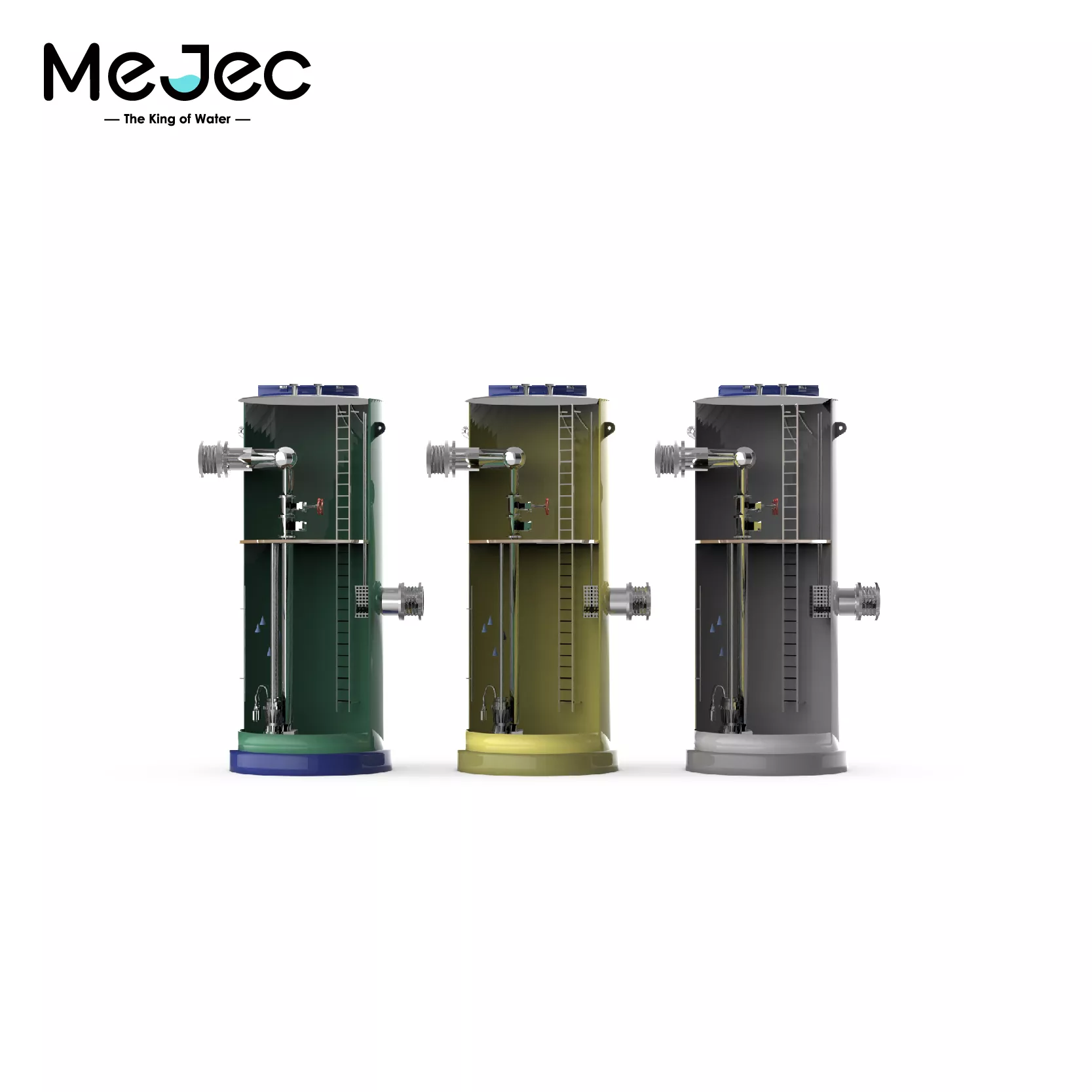
LD-BZ, The series of integrated prefabricated pump...
Say goodbye to single-stage filtration. Experience...
Select the most popular foreign trade service products to meet your diverse needs
Select the most popular foreign trade service products to meet your diverse needs






User Comments
Service Experience Sharing from Real Customers
Robert Chen
Environmental EngineerThe advanced membrane bioreactor system we installed has exceeded expectations. It consistently achieves over 98% BOD removal and handles peak loads effortlessly. A game-changer for our municipal plant's efficiency and discharge quality.
Sarah Johnson
Plant Operations ManagerThe sludge dewatering centrifuges have dramatically reduced our disposal volume and costs. Reliability is excellent, and the automated control integration made operations smoother. Minor learning curve for maintenance, but overall outstanding performance.
David Miller
Chief Sustainability OfficerImplementing their nutrient recovery system allowed us to transform waste into marketable fertilizer products. It's not just treatment; it's resource creation. The ROI and environmental benefits have been phenomenal for our food processing facility.
Lisa Wang
Water Quality DirectorThe real-time monitoring and SCADA system provided unparalleled visibility and control over our entire treatment process. Predictive analytics have prevented several potential issues, ensuring consistent compliance and operational peace of mind.