




.webp)
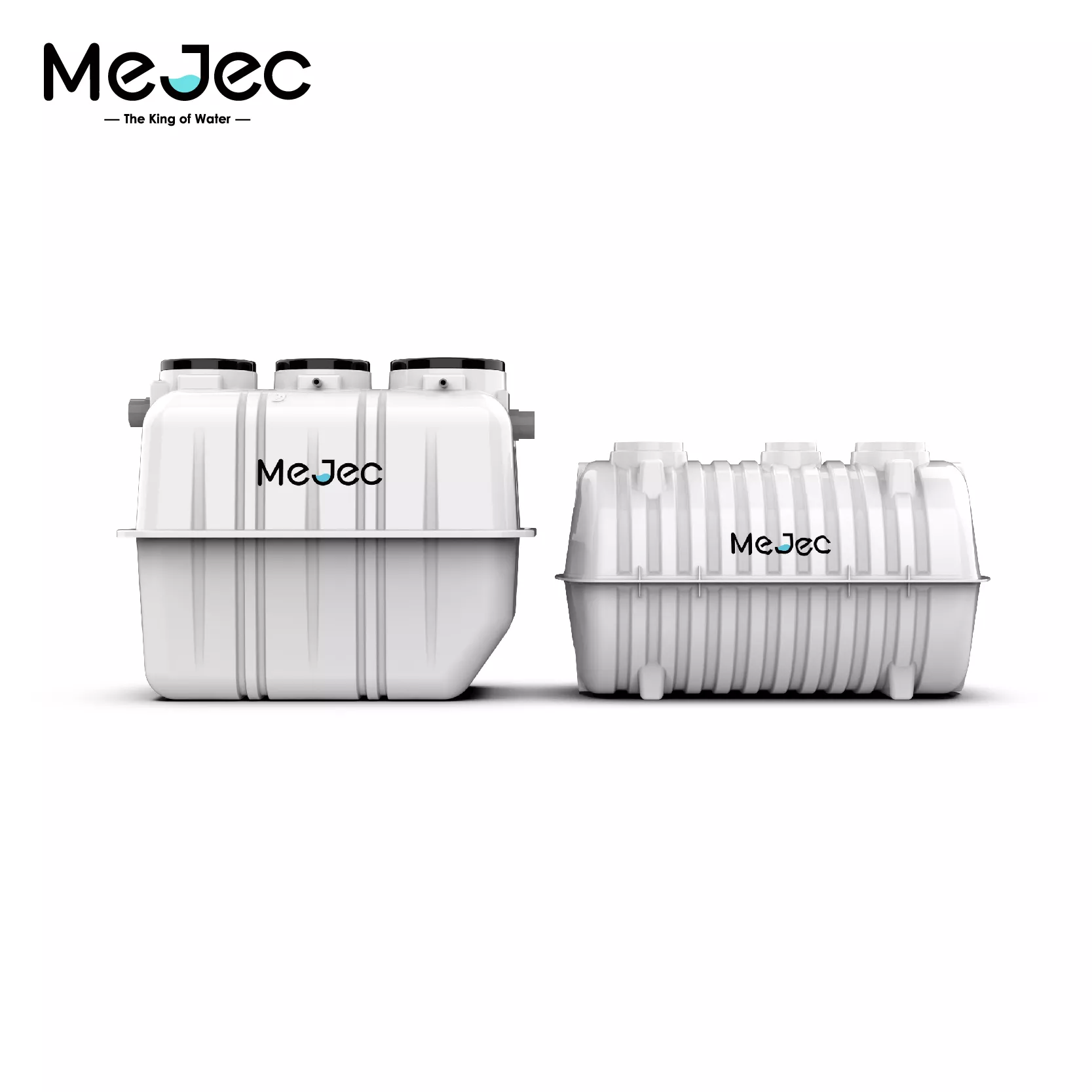
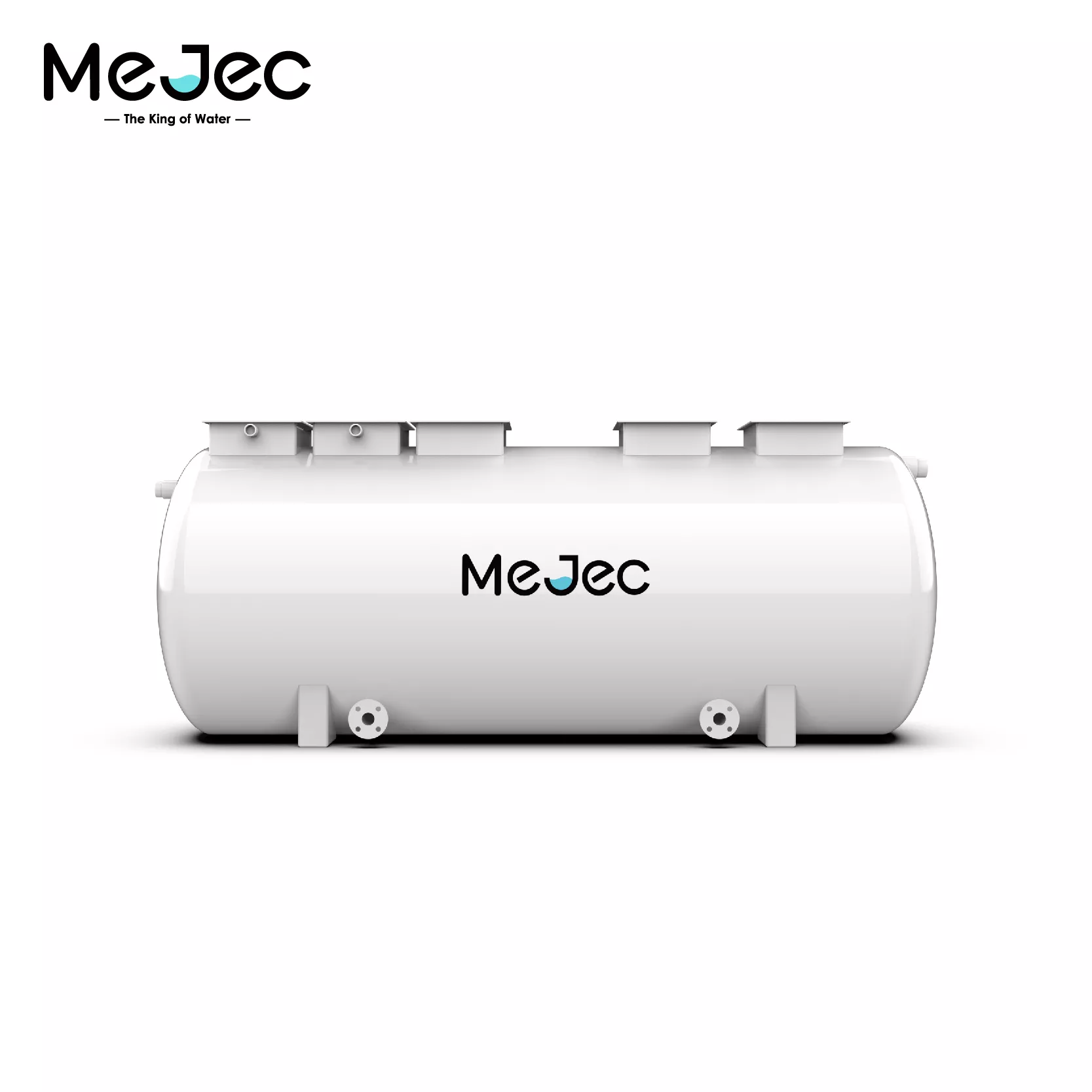
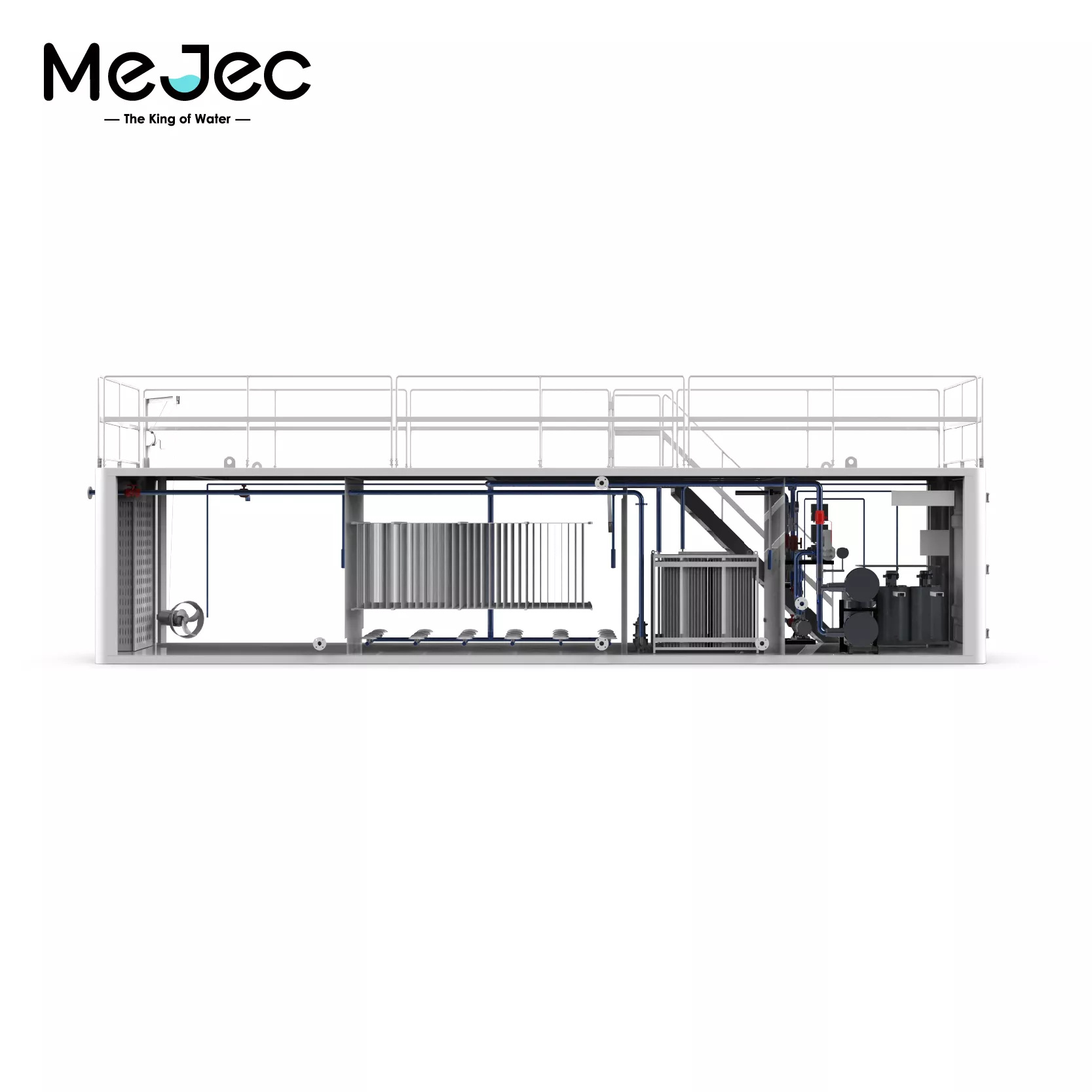
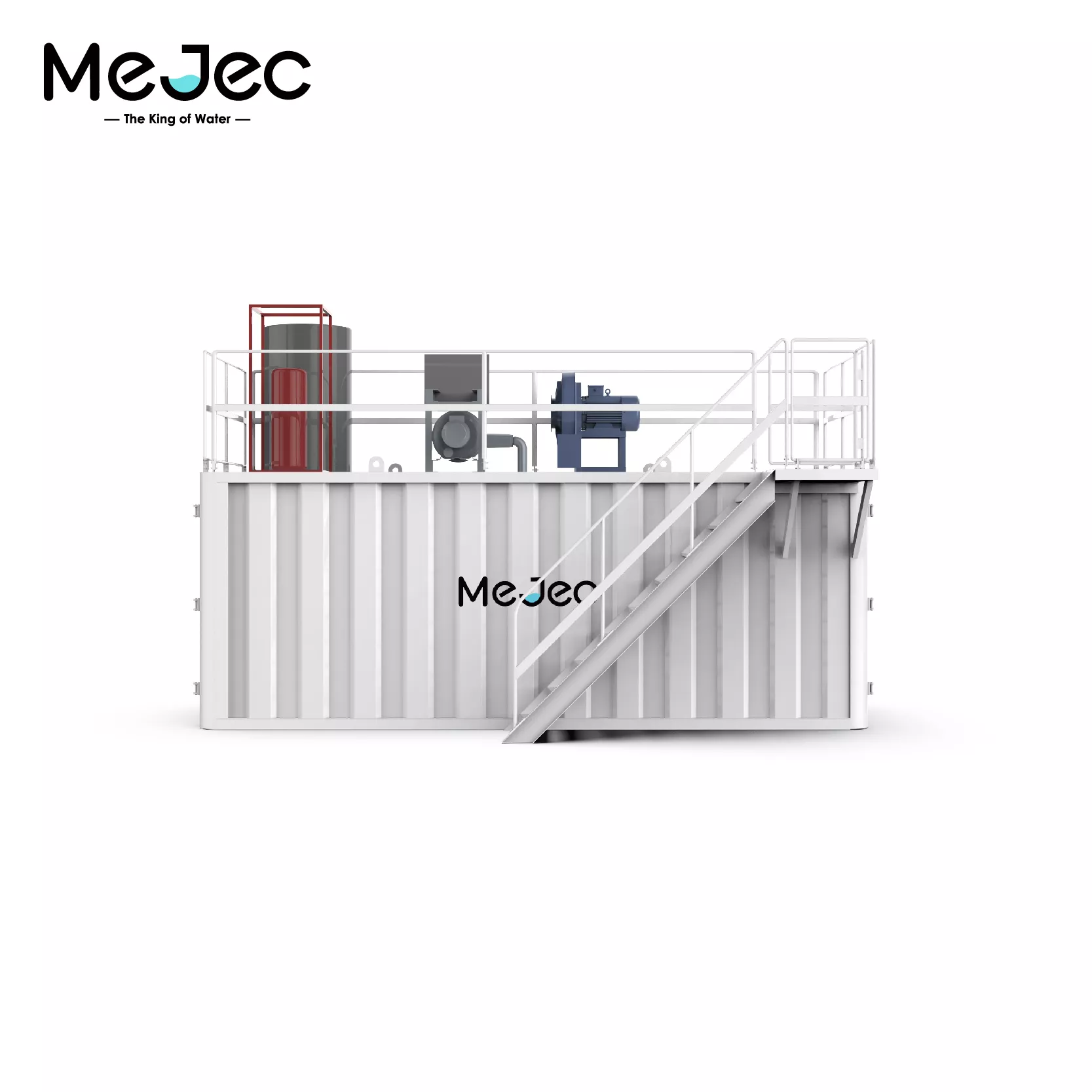
What is MBBR for sewage treatment plant?
MBBR sewage treatment plant uses biofilm carriers ...
More


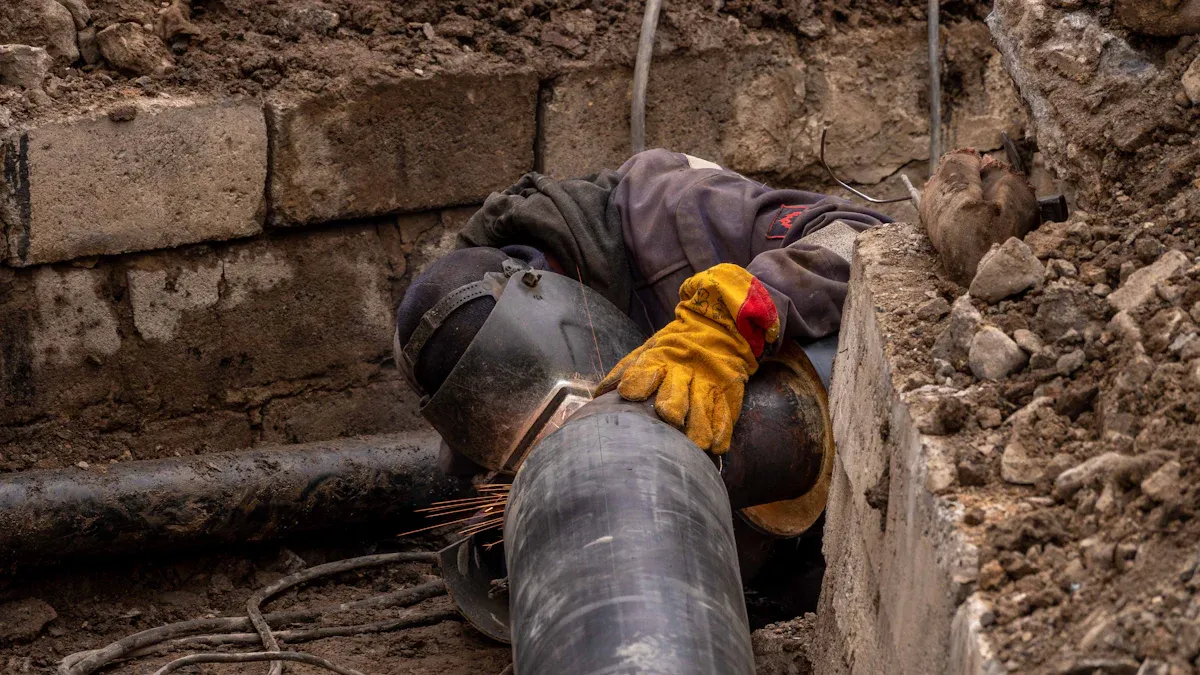
Failing wastewater systems create serious public health dangers. Old infrastructure pollutes our rivers and lakes with untreated sewage. This environmental damage has severe economic costs. Many communities face emergency repairs and regulatory fines.
Sewage overflows happen up to 75,000 times each year in the U.S. 💧
Furthermore, 15% of the nation's waste water treatment plant facilities have already reached or exceeded their design capacity.
Old wastewater systems harm people's health and pollute our environment.
Delaying upgrades costs more money later and stops new growth in communities.
Investing in new systems protects health, helps the environment, and makes communities stronger.
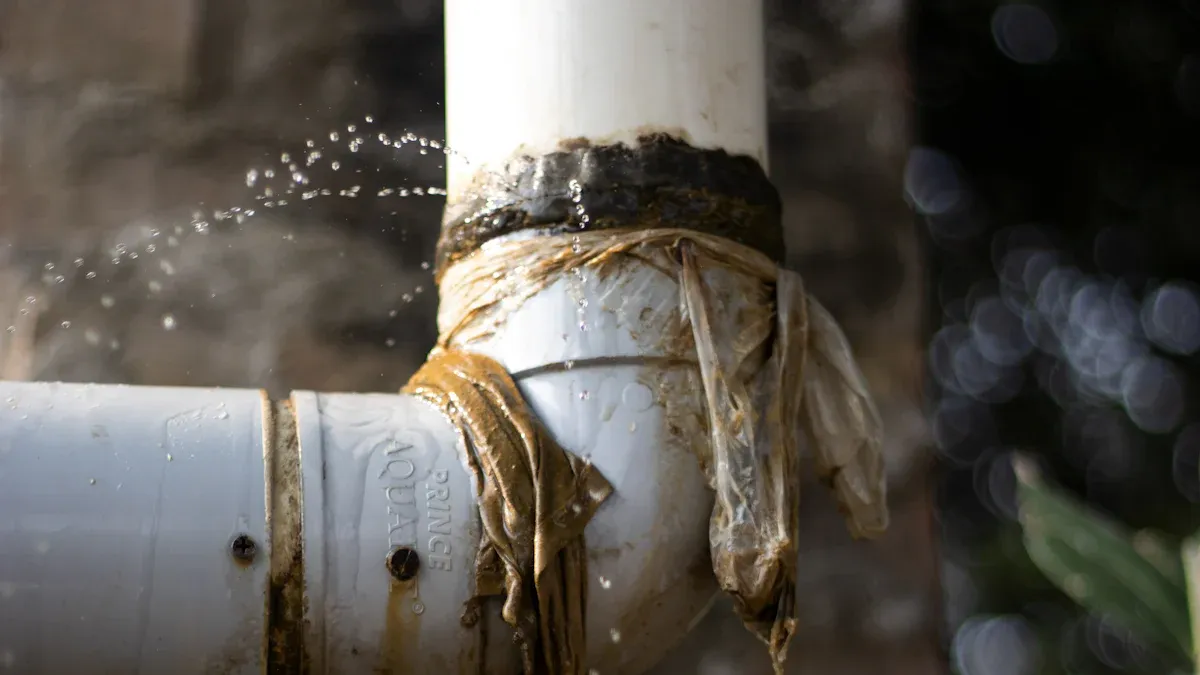
Putting off wastewater infrastructure upgrades is not a cost-saving measure. It is a decision with escalating consequences. Communities that delay these critical investments face mounting risks to public health, the environment, and their economic stability. The problems only grow larger and more expensive over time.
Failing wastewater systems are a direct threat to human health. When raw sewage overflows into our communities, it releases dangerous pathogens into the environment. These contaminants can easily find their way into drinking water sources, recreational areas, and even our own homes.
Exposure to sewage-contaminated water can lead to serious illnesses.
Gastrointestinal illness is the most common disease linked to waterborne pathogens.
Outbreaks of Escherichia coli and Campylobacter jejuni have been traced back to contaminated water.
Parasites like Cryptosporidium can cause widespread sickness, as seen in a major outbreak in Milwaukee, Wisconsin.
In some areas, the crisis is constant. Communities in Alabama's Black Belt have suffered for decades from a lack of safe wastewater systems. The region's soil makes standard septic tanks unusable. Many residents have no choice but to use pipes that release raw sewage directly onto their properties. This ongoing exposure creates a severe and persistent public health emergency.
Outdated infrastructure causes immense harm to our natural ecosystems. Untreated sewage contains a toxic mix of pollutants that poison our rivers, lakes, and oceans. These pollutants include:
Harmful microorganisms like bacteria and viruses.
Nutrients such as nitrogen and phosphorus.
Heavy metals and chemicals.
Pharmaceuticals and personal care products.
These substances trigger a destructive chain reaction. Nutrients from sewage act like fertilizer for algae, leading to massive harmful algal blooms. Research shows that wastewater discharge promotes the growth of toxic cyanobacteria in lakes and estuaries. These blooms block sunlight and consume oxygen, creating vast "dead zones" where fish and other aquatic life cannot survive. About 80% of the world's large marine ecosystems now suffer from this oxygen depletion.
The impact on marine life is devastating. Fish living near wastewater outfalls absorb high levels of contaminants. Studies have found dozens of different sewage-related pollutants in the tissues of young salmon. This pollution destroys critical habitats like coral reefs, salt marshes, and seagrass beds, which serve as nurseries for commercial fisheries.
The financial burden of failing infrastructure falls on everyone. Homeowners face staggering costs when sewer lines back up into their properties.
A major sewer backup can cost a homeowner anywhere from $2,000 to $15,000 for cleanup and restoration. Uninsured incidents can cost even more, sometimes reaching $20,000 to $50,000.
Municipalities also face enormous financial pressure. Regulatory agencies issue heavy fines for wastewater discharge violations. These penalties are not just warnings; they are multimillion-dollar liabilities.
The Sewerage Agency of Southern Marin faced $1.6 million in liabilities for discharging millions of gallons of untreated sewage.
The City of Escondido was assessed over $1.3 million for violations of its water discharge permit.
ECO Resources, a contract operator, faced a $1.25 million penalty for inadequate operation of multiple facilities.
These fines divert taxpayer money that could have been used for proactive upgrades. Furthermore, communities with maxed-out systems cannot support new housing or business development, which stops economic growth in its tracks.
Many of our nation's wastewater systems are simply too old to do their job. The American Society of Civil Engineers (ASCE) consistently gives our infrastructure poor marks.
| Category | Grade |
|---|---|
| Wastewater | D+ |
The ASCE's 2025 Report Card gave national wastewater infrastructure a "D+" grade. This grade has not improved since 2021. Many systems are reaching the end of their 40-50 year lifespan. The rate of replacing critical components is falling, while pipe failures are increasing. A failing waste water treatment plant or collection system cannot handle the demands of a modern community.
These aging systems are prone to failure, often caused by:
Blockages from grease, roots, and flushed items.
Pipe breaks and cracks that allow stormwater to flood the system.
Mechanical or electrical failures at pump stations.
We see the consequences in cities across the country. Baltimore has experienced catastrophic failures, releasing untreated sewage into tributaries of the Chesapeake Bay. In Jackson, Mississippi, an aging water plant failed during a flood, leaving residents without safe water for weeks. These events are not isolated incidents. They are urgent warnings of a widespread and growing crisis.
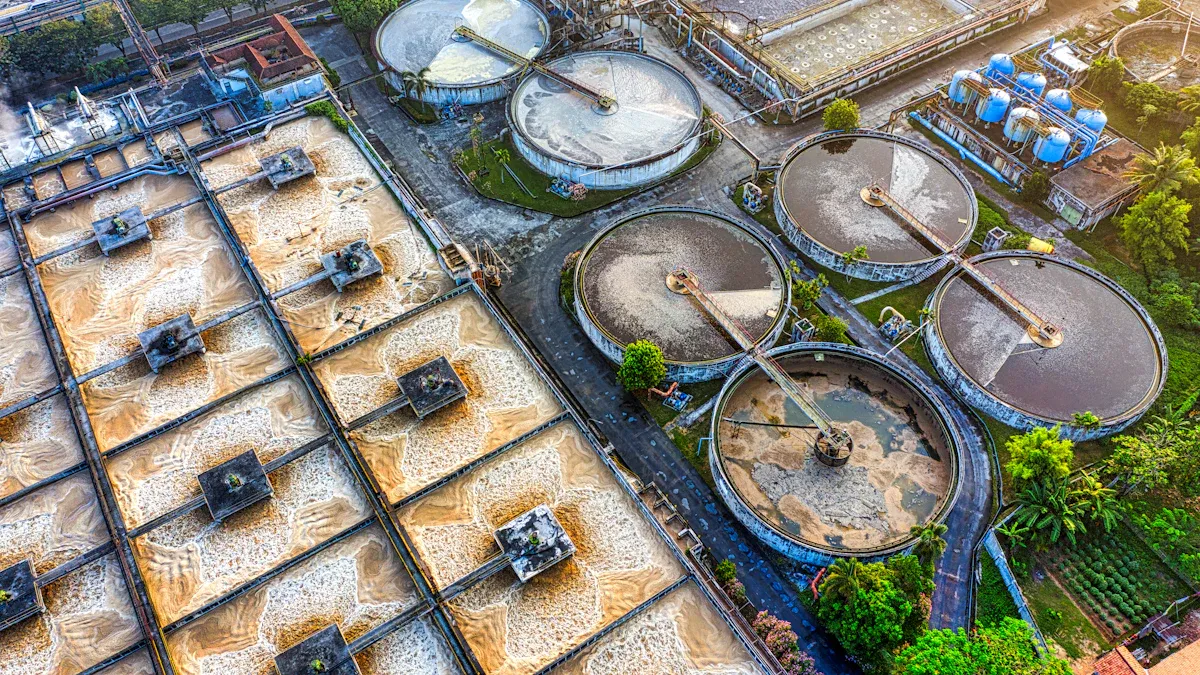
Investing in modern wastewater infrastructure is more than just a repair job. It is a strategic move that delivers powerful, long-term benefits. Modernizing our systems protects public health, revitalizes our environment, and builds a foundation for strong, resilient communities. This proactive approach transforms a liability into a valuable asset for the future.
Modern wastewater treatment technologies directly safeguard our health and ecosystems. They are far more effective at removing dangerous pollutants than older systems. Advanced processes can target contaminants that traditional methods leave behind.
Advanced Oxidation Processes (AOPs) use powerful reactions to destroy complex pollutants like pharmaceuticals and industrial chemicals.
Carbon filtration, ozonation, and reverse osmosis are highly effective at removing Contaminants of Emerging Concern (CECs), such as microplastics.
These technologies are designed to meet strict environmental rules, protecting aquatic life and enabling safe water reuse.
Communities that upgrade their facilities see immediate improvements. After Beijing modernized its wastewater treatment plants, the water quality in local rivers improved dramatically. The upgrades reduced harmful pollutants and pathogens. This led to the recovery of the aquatic ecosystem, showing how modernization can heal our environment.
Reliable water infrastructure is an engine for economic development. Businesses are unwilling to invest in communities with failing systems. Developers cannot build new homes or commercial properties without adequate wastewater capacity. Modern infrastructure signals that a community is open for business.
Reliable water infrastructure attracts investment, creates jobs, and increases property values. Communities that recognize water infrastructure as a competitive advantage are more likely to thrive.
The return on these investments is significant. Every dollar spent creates a ripple effect through the local economy.
| Investment | Economic Output | GDP | Labor Income |
|---|---|---|---|
| $1 million | $2.5 million | $1.4 million | $837,000 |
Modernization also creates jobs. For every $1 billion invested, about 20,000 direct jobs are created. Upgrades also attract large water users like manufacturers and data centers. These businesses need a consistent, high-quality water supply and may even co-invest in infrastructure projects that benefit the entire community.
Planning an upgrade for a waste water treatment plant is a detailed process. It requires careful thought and expert guidance. Following a clear plan ensures the project meets the community's specific needs and budget.
Determine Treatment Objectives: First, decide where the treated water will go. This determines the level of treatment required.
Understand Water Volume: Assess the daily flow rates to size the system correctly. Using equalization tanks can help manage peak flows.
Identify Wastewater Sources: Pinpoint where the wastewater comes from. This helps design the most efficient treatment path.
Characterize Water Contaminants: Analyze the water to identify all pollutants. This step is critical for choosing the right technology.
Consult Experts: Engage with engineers and equipment manufacturers early. They provide essential guidance on design and permits.
Consider Pretreatment: Evaluate if separating certain waste streams can reduce costs. Pretreatment can lower the volume of water needing intensive processing.
A key decision is choosing the right technology. Many facilities are moving from Conventional Activated Sludge (CAS) systems to Membrane Bioreactor (MBR) technology. MBR systems offer significant advantages.
| Feature | MBR | Activated Sludge Systems |
|---|---|---|
| Treatment Efficiency | Higher quality output, removes tiny particles | Standard quality output |
| System Footprint | Compact, ideal for limited space | Requires larger area for settling ponds |
| Operational Complexity | Less manual intervention | Regular monitoring needed for sludge settling |
| Cost Implications | Higher initial cost, potential lower operational costs | Lower initial cost, potential higher operational costs |
MBR technology produces higher-quality effluent and has a much smaller footprint, making it ideal for urban areas. This makes it a smart choice for any modern waste water treatment plant.
Modern infrastructure does more than treat wastewater; it builds resilience. Today's systems can be designed to withstand extreme weather and recover valuable resources.
Facilities can be "armored" to resist floods and storms. This includes using submersible pumps that work when flooded and anchoring tanks to the ground. A modular design allows a plant to scale its capacity up or down as needed. Some forward-thinking plants also incorporate resource recovery.
DC Water in Washington, D.C., converts waste into biogas to generate its own electricity.
Kashiwa-no-ha Smart City in Japan reuses treated water for toilet flushing and irrigation.
NEA Tuas WRP in Singapore is one of the world's largest MBR plants, generating enough energy to power its operations and send a surplus to the grid.
Green infrastructure also plays a vital role. Solutions like permeable pavements and rain gardens manage stormwater at its source. This reduces the load on the waste water treatment plant, preventing overflows during heavy rain. Philadelphia's city-wide green infrastructure plan is a leading example of this approach.
Finally, smart technology is revolutionizing system management. Cities like Houston and Barcelona use sensors for real-time monitoring.
"By proactively addressing leaks and outages, we’ve averted major breaks that could have caused significant service disruptions for the communities and businesses we serve."
This digital approach allows operators to detect leaks, predict failures, and optimize performance. It transforms system management from reactive to proactive, ensuring a reliable and sustainable water future for everyone.
The risks of inaction are severe. Delaying upgrades harms public health and our environment. Investing now protects communities and boosts the economy. Leaders must prioritize funding for every waste water treatment plant. Federal programs and public-private partnerships offer viable paths forward.
Funding Option 1: Federal ProgramsThe Clean Water State Revolving Fund (CWSRF) is the largest federal funding source for these projects.
| Category | Details |
|---|---|
| Program Name | Clean Water State Revolving Fund (CWSRF) |
| Purpose | Provides low-interest loans for wastewater and stormwater infrastructure. |
| Eligible Uses | Construction, green infrastructure, water reuse, and energy efficiency projects. |
| Eligible Recipients | State, local, and tribal governments. |
Funding Option 2: Public-Private Partnerships (P3)P3s leverage private sector expertise and transfer project risks, as seen in successful projects across North America.
| Project Location | Project Type | Key Aspects of P3 Success |
|---|---|---|
| Hamilton, Ontario | Biosolids project | Risk transfer and private sector efficiency. |
| Greater Sudbury, Ontario | Biosolids management | City lacked experience; P3 transferred operating risks. |
| Regina, Saskatchewan | Wastewater treatment plant | P3 allowed collaboration with experienced contractors. |
It is the system of pipes, pumps, and treatment plants. This system collects and cleans used water from our communities before it returns to the environment. 💧
Upgrades require major construction and advanced technology. Workers must replace miles of old pipes and build modern facilities. These large projects need significant time and investment.
You can support local funding for infrastructure projects. Also, only flush human waste and toilet paper. This prevents clogs and helps the system run smoothly. ✅
Automated Virus Tube Assembly: A Smart Investment for Your Business?
The Benefits of Self-Priming Water Pumps for Efficient System Performance
Discovering the Best Precoating Materials for Advanced Filtration Systems in 2025
Innovative Materials: Transforming the Future of Heat Exchanger Supply Chains
Fortifying Doors and Hinges: Essential Protection Against Wildfires and Floods

We provide you with comprehensive foreign trade solutions to help enterprises achieve global development
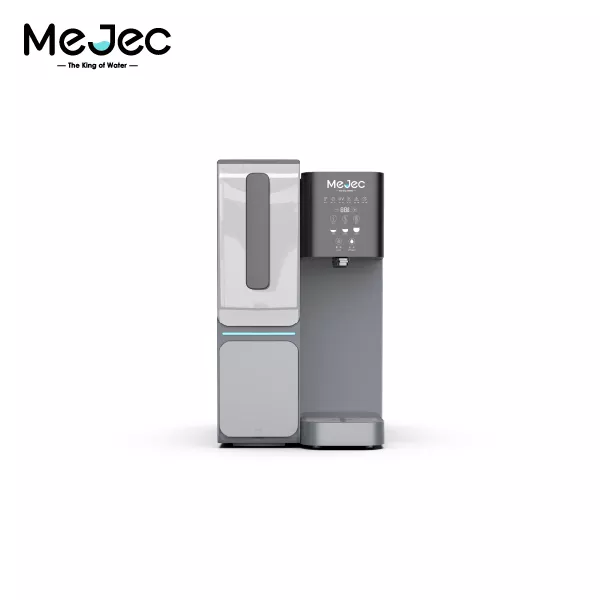
Experience instant, pure water anywhere with the M...

The MEJEC dispenser delivers pure water through ad...
Experience effortless purity with our advanced RO ...
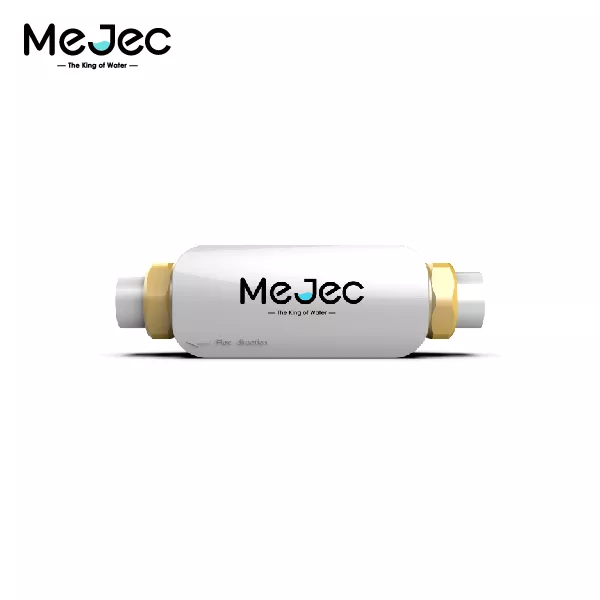
Guard your home's water at its source with the Who...
Select the most popular foreign trade service products to meet your diverse needs
Select the most popular foreign trade service products to meet your diverse needs





User Comments
Service Experience Sharing from Real Customers
Michael Rodriguez
Environmental EngineerThe advanced membrane bioreactor system we installed has exceeded expectations. It consistently achieves over 99% BOD removal and has reduced our sludge production by 30%. The technical support team is exceptionally responsive.
Sarah Chen
Plant Operations ManagerThe automated control and monitoring package has revolutionized our daily operations. Real-time data on pH, turbidity, and chemical dosing has improved efficiency and compliance. A slight learning curve, but well worth it.
David Kowalski
Maintenance SupervisorThe durability of these submersible mixers and aerators is impressive. After two years of continuous operation in a harsh environment, maintenance needs have been minimal. Significantly reduced our downtime and parts inventory costs.
Priya Sharma
Process ConsultantImplementing the tertiary filtration and UV disinfection system for water reuse was seamless. The system now provides high-quality effluent for our client's landscape irrigation, meeting all regulatory standards and supporting their sustainability goals brilliantly.