




How to Choose the Best Residential Wastewater Treatment System
Find the best residential wastewater treatment sys...
More

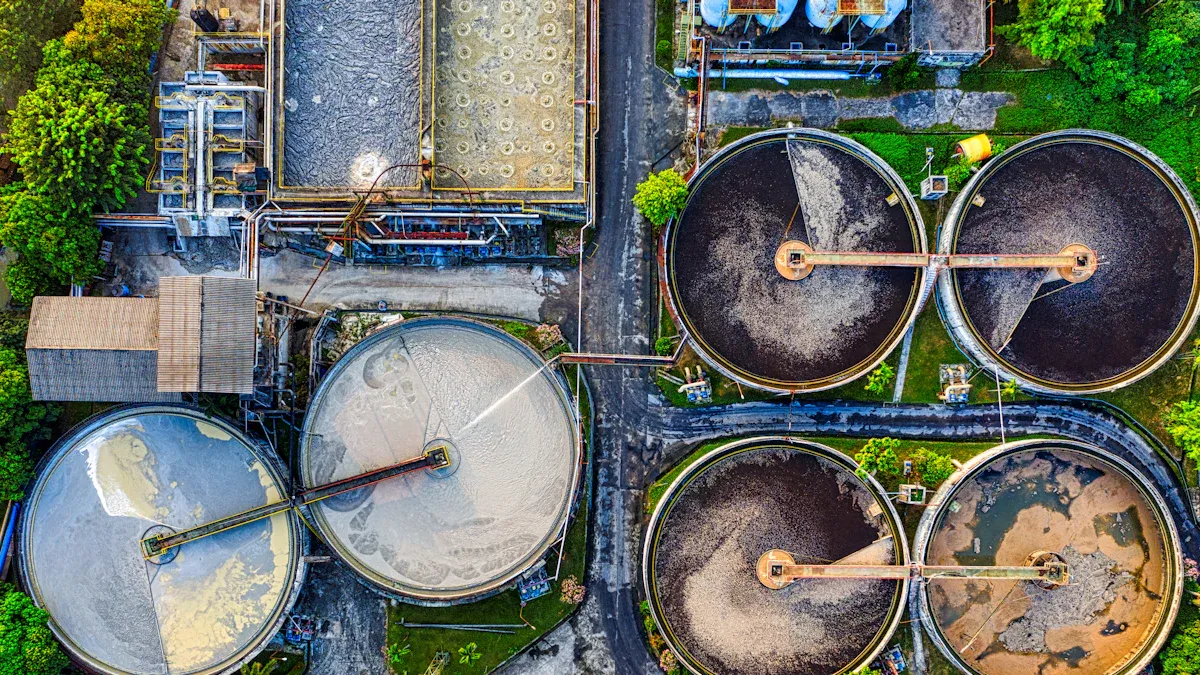
You want your facility to operate safely and efficiently. Choosing the right wastewater equipment supplier helps you meet strict standards and avoid costly mistakes. Start by gathering information about your facility’s needs. Make notes on your current systems and list any problems you face.
Identify your facility's specific wastewater needs. Understand the type and amount of wastewater produced to choose the right treatment methods.
Research potential suppliers thoroughly. Look for their expertise, product range, and reputation to ensure they can meet your facility's requirements.
Evaluate the total cost of ownership. Consider all expenses, including equipment, installation, and maintenance, to find the best value for your investment.
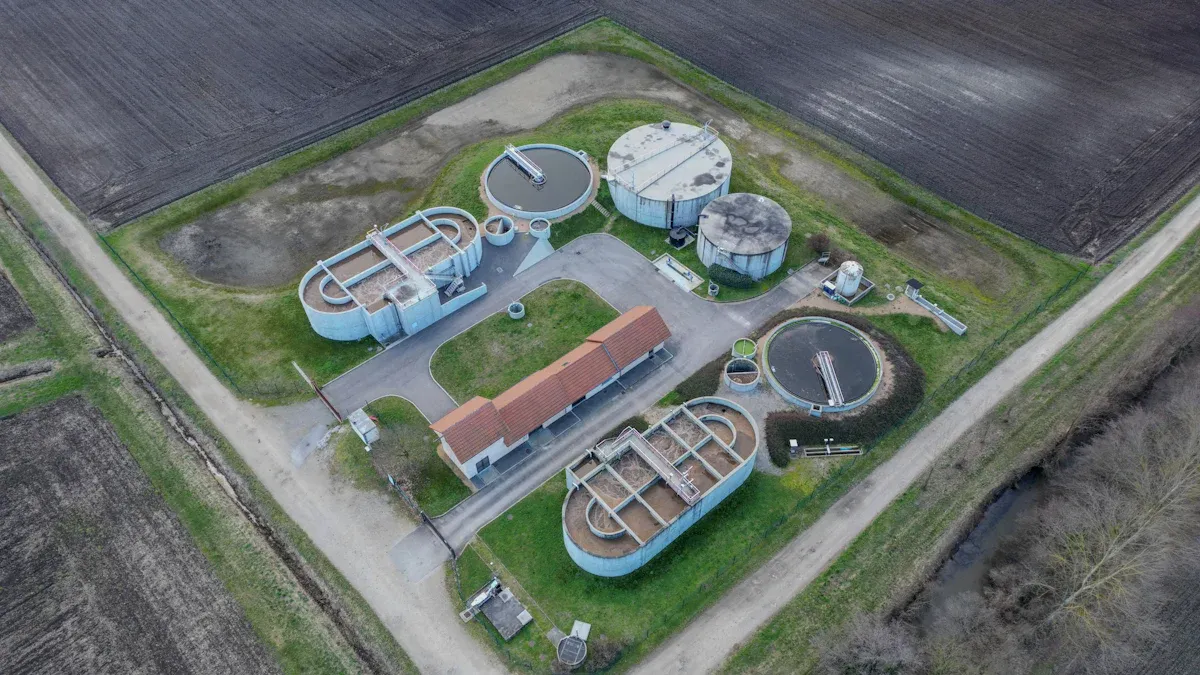
Start by looking at the type and amount of wastewater your facility produces. You need to know what is in your wastewater and how much you generate each day. Different facilities have unique needs. For example, food production sites often deal with fats and oils, while larger facilities may need advanced systems for higher waste volumes.
Recycling wash water helps you save fresh water and cut down on wastewater.
Closed-loop systems treat and reuse water, which lowers your environmental impact.
These systems can also help you save money by reducing water waste.
Here are some common treatment methods you might need:
| Treatment Method | Description |
|---|---|
| Solids Removal | Removes solids from water using sedimentation and flocculation. |
| Oils and Grease Removal | Uses special techniques for different types of oil pollution. |
| Electrolysis | Uses electricity to separate materials and reduce pollutants. |
You must follow local and national rules for wastewater treatment. These rules protect the environment and public health. Check if your supplier meets these standards:
| Compliance Obligation | Description |
|---|---|
| Quality Standards for Chemicals | Follows standards from the American Water Works Association. |
| NSF/ANSI 60 Certification | Required for chemicals in drinking water treatment in many states. |
| Environmental Regulations | Meets EPA rules like the Safe Drinking Water Act and Clean Water Act. |
| Permits for Chemical Storage/Transport | Has permits for storing and moving chemicals. |
| Chemical Disposal Regulations | Follows rules for safe chemical disposal. |
Set clear goals for your project. Decide if you need basic or advanced treatment. Think about the size of your facility and the type of wastewater you handle. Some projects need one-to-one support from engineers or consultants. A good wastewater equipment supplier offers many solutions and ongoing help to match your needs.
Tip: Write down your main objectives and share them with potential suppliers. This helps you find the best fit for your facility.
You want a wastewater equipment supplier with strong skills and a proven background. Look for companies that understand how machines work and can handle different types of equipment. Suppliers with knowledge in math, chemistry, and biology can help you choose the right treatment methods. They should know how to test water quality and control processes. Safety matters, so make sure your supplier follows safety rules and knows how to handle hazardous materials.
Operation and maintenance skills
Math and science knowledge
Water quality analysis
Safety and first aid training
Check what products and services each supplier offers. Some suppliers provide basic machines, while others offer advanced systems for large facilities. You may need chemical treatment options, grease trap cleaning, or rental services. Ask if they offer installation, training, and ongoing support. A supplier with a wide product range can meet your changing needs.
| Service Type | Description |
|---|---|
| Equipment Sales | New and replacement machines |
| Chemical Treatment | Solutions for water quality |
| Maintenance | Regular service and repairs |
| Rental Services | Temporary equipment options |
You should look at reviews and ask for references. Good suppliers have strong reputations and positive feedback from other facilities. Ask other businesses about their experiences. Suppliers with awards or industry recognition often provide reliable service. Trustworthy suppliers help you avoid problems and keep your facility running smoothly.
Tip: Make a shortlist of suppliers with strong expertise, a wide product range, and a good reputation. This helps you compare options and choose the best fit.
You should check if your wastewater equipment supplier holds the right certifications. These documents show that the supplier meets industry standards. Look for certifications like ISO 9001 for quality management. Some suppliers also have safety certificates. These prove that they follow safe work practices. Ask for copies of these certificates before you make a decision.
ISO 9001: Quality management systems
Safety certificates: Show safe handling of equipment and chemicals
Environmental accreditations: Prove care for the environment
Tip: Suppliers with strong certifications often deliver better results and safer services.
You want a supplier with a history of success. Case studies help you see how suppliers solve problems and deliver results. For example, DuPont helped Homa Bay County in Kenya get clean water using ultrafiltration modules. In Pakistan, DuPont worked with Kohinoor Textile Mills to recover 85% of water and lower energy use. Xylem upgraded pumps for Thames Water in the UK, finishing on time and within budget. These stories show that the supplier can handle big projects and meet goals.
| Case Study | Supplier | Key Outcomes |
|---|---|---|
| Homa Bay County, Kenya | DuPont | Provided access to clean water through ultrafiltration modules. |
| Kohinoor Textile Mills, Pakistan | DuPont | Achieved 85% water recovery and reduced energy consumption. |
| Thames Water Pump Upgrades, UK | Xylem | Completed upgrades on time and within budget, improving resilience. |
You must make sure your supplier follows all rules. Ask if they meet local and national laws for wastewater treatment. Suppliers should follow EPA guidelines and other environmental standards. They must handle chemicals safely and dispose of waste properly. A good wastewater equipment supplier will share proof of compliance. This helps you avoid fines and keep your facility safe.
Note: Always ask for documents that show compliance with regulations and environmental laws.
You need to compare how different systems work before you choose a wastewater equipment supplier. Look at how well each system removes contaminants and how much energy it uses. You can use these common metrics to compare options:
| Metric | Description |
|---|---|
| Treatment Plant Efficiency | Shows how well the system cleans water and removes harmful materials. |
| Emergency Response Time | Measures how fast the system can react to problems or breakdowns. |
| Asset Replacement Cycle Time | Tracks how often you need to replace important parts to keep things running smoothly. |
| Energy Consumption | Tells you how much power the system uses, which affects your costs. |
| Benchmarking Tools | Helps you compare your system to others and find ways to improve. |
You can also use energy benchmarking and flow-based benchmarks to see which system saves the most energy for each gallon of water treated.
You should check what kind of maintenance and support each supplier offers. Good maintenance keeps your system running and helps you avoid sudden breakdowns. Regular service means you spend less money on emergency repairs. Some suppliers offer rental services if you need equipment for a short time or during upgrades. A strong support team helps you plan for repairs and updates, so you can keep your budget on track.
Maintenance and asset management keep water quality high.
Good support reduces downtime and keeps your facility safe.
Rental options give you flexibility for special projects.
Think about how long the equipment will last and how easy it is to replace or upgrade. Reliable systems need fewer repairs and help you avoid service interruptions. Ask your wastewater equipment supplier about their disposal solutions for old equipment and chemicals. Safe disposal protects the environment and keeps your facility in compliance with the law.
Tip: Choose a supplier who offers reliable equipment, strong support, and safe disposal options. This helps you get the best value for your investment.
You should ask each wastewater equipment supplier for a clear and detailed proposal. This helps you compare options and make smart choices. A good proposal includes several important parts:
A project plan with main activities, timelines, and who does what.
A budget that lists all costs, including equipment and running expenses.
Information about local laws and environmental impact.
An executive summary that explains the project’s goals.
A full overview of the project, showing how it will work and what results you can expect.
You can also request details about chemical treatment options. Suppliers should explain which chemicals they use and how these will help your facility meet water quality standards.
You need to know what support the supplier offers after you buy the equipment. Ask if they provide installation services to set up your system. Training is important so your staff can run and maintain the equipment safely. Some suppliers offer consulting services to help you solve problems or improve your system. You should make sure the supplier gives clear instructions and ongoing help.
Tip: Ask for a schedule of training sessions and a list of consulting services before you sign any contract.
You should check what kind of maintenance and after-sales support the supplier provides. Reliable suppliers follow industry standards for grease trap cleaning and waste disposal. The table below shows what you should expect:
| Evidence Type | Description |
|---|---|
| The 25% Rule | Cleaning should happen when fats, oils, and grease reach 25% of the trap’s capacity. |
| Waste Disposal Regulations | Suppliers must give proper disposal documents and use certified waste haulers. |
| Equipment Requirements | Professional services use special equipment for complete waste removal. |
| Compliance Assurance | Suppliers provide detailed maintenance records to meet regulations. |
You should ask for maintenance schedules and records. This helps you stay in compliance and keep your system working well.
You need to look at the total cost of owning wastewater equipment. This includes the price of the equipment, installation, maintenance, and disposal. Some suppliers offer different ways to help you pay for your project. You can use bonds, grants, or loans to cover costs. The table below shows common financing options and what they mean for you:
| Financing Option | Description | Interest Rates | Additional Notes |
|---|---|---|---|
| General Obligation Bonds | Backed by municipality’s full faith and credit | 2.5-4.5% | Requires voter approval in many jurisdictions |
| Revenue Bonds | Backed by utility revenues only | 3.0-5.0% | No voter approval required |
| State Revolving Funds (SRF) | Below-market interest rates | 0.5-2.5% | May include principal forgiveness for disadvantaged communities |
| WIFIA | Low-interest loans up to $1 billion | N/A | Federal program for large projects |
| EPA WIIN Act Grants | Up to 75% project cost for small/disadvantaged communities | N/A | Federal funding for specific community needs |
| USDA Rural Development Grants | Up to 75% project cost for rural communities | N/A | Focused on rural development |
| State SRF principal forgiveness | 10-50% of project cost | N/A | Varies by state |
Tip: Ask your wastewater equipment supplier about which financing options fit your project.
You should compare payment terms from each supplier. Some offer flexible plans, while others need full payment up front. Make sure the payment schedule matches your budget. You can ask for monthly, quarterly, or yearly payments. This helps you avoid cash flow problems and keeps your project on track.
Review payment schedules
Check for hidden fees
Make sure costs fit your budget
You want to get the best value for your money. Look for suppliers who use new technology, follow strict rules, and care about the environment. The table below shows benchmarks that help you measure value:
| Benchmark Type | Description |
|---|---|
| Technological Advancements | Use of digital intelligence, remote sensors, and data analytics for real-time monitoring. |
| Regulatory Compliance | Meeting global regulatory standards for upgrades and safety. |
| Sustainability Initiatives | Focus on resource recovery and reducing waste and emissions. |
| Strategic Collaborations | Partnerships that improve innovation and service delivery. |
Note: A good wastewater equipment supplier helps you save money and meet your goals for safety and sustainability.
You have gathered a lot of information about each wastewater equipment supplier. Now, you need to compare your findings. Look at the most important criteria for your facility. The table below can help you organize your thoughts:
| Criteria | Description |
|---|---|
| Product Quality | Chemicals must meet strict purity standards to ensure effective treatment. |
| Reliability | Consistent supply is crucial to maintain ongoing operations. |
| Technical Expertise | Suppliers should have deep knowledge of wastewater treatment processes. |
| Cost | Competitive pricing helps plants manage their budgets. |
| Environmental Impact | Many plants prefer suppliers offering eco-friendly options. |
| Customer Service | Responsive support is essential for addressing urgent issues. |
You should rank each supplier based on these points. This step helps you make a clear and confident choice.
After you choose your preferred supplier, you need to discuss the details. Review the contract carefully. Make sure it covers delivery times, payment terms, and support services. Ask about warranties and emergency help. A good wastewater equipment supplier will explain all terms and answer your questions. You can also request service agreements that include regular maintenance and training for your staff.
Tip: Write down any promises or special agreements. This helps avoid confusion later.
You need a plan to keep your partnership strong. Use these steps to stay connected and keep your system running well:
Train your team on how to use remote monitoring systems.
Set up clear ways to talk with your supplier and share feedback.
Create a transition plan with a timeline and clear roles for everyone.
Hold regular meetings to check progress and solve problems.
This approach helps you build a lasting relationship with your wastewater equipment supplier and prepares you for future needs.
You can choose the best wastewater equipment supplier by following each step in this guide. Careful research and clear goals help you avoid mistakes. Use this checklist to compare suppliers and make smart decisions. Start by listing your needs and contacting suppliers for quotes.
You should check for ISO 9001, NSF/ANSI 60, and safety certificates. These show the supplier meets quality and safety standards.
You should follow the manufacturer’s recommendations. Most facilities schedule maintenance every 6 to 12 months for best performance.
| Option | Benefit |
|---|---|
| Rent | Saves money for short-term needs |
| Buy | Better for long-term projects |

We provide you with comprehensive foreign trade solutions to help enterprises achieve global development
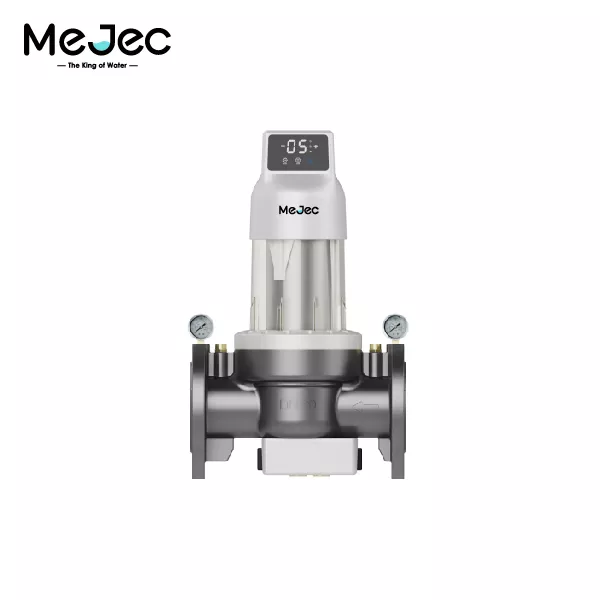
Engineered as the essential first barrier for wate...
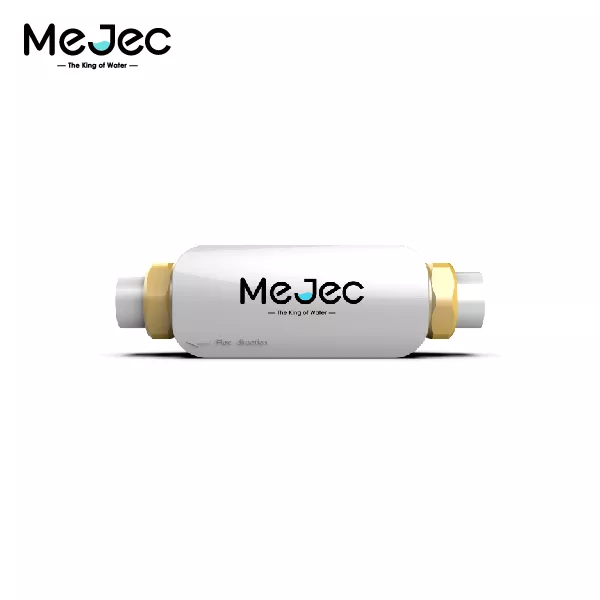
Guard your home's water at its source with the Who...
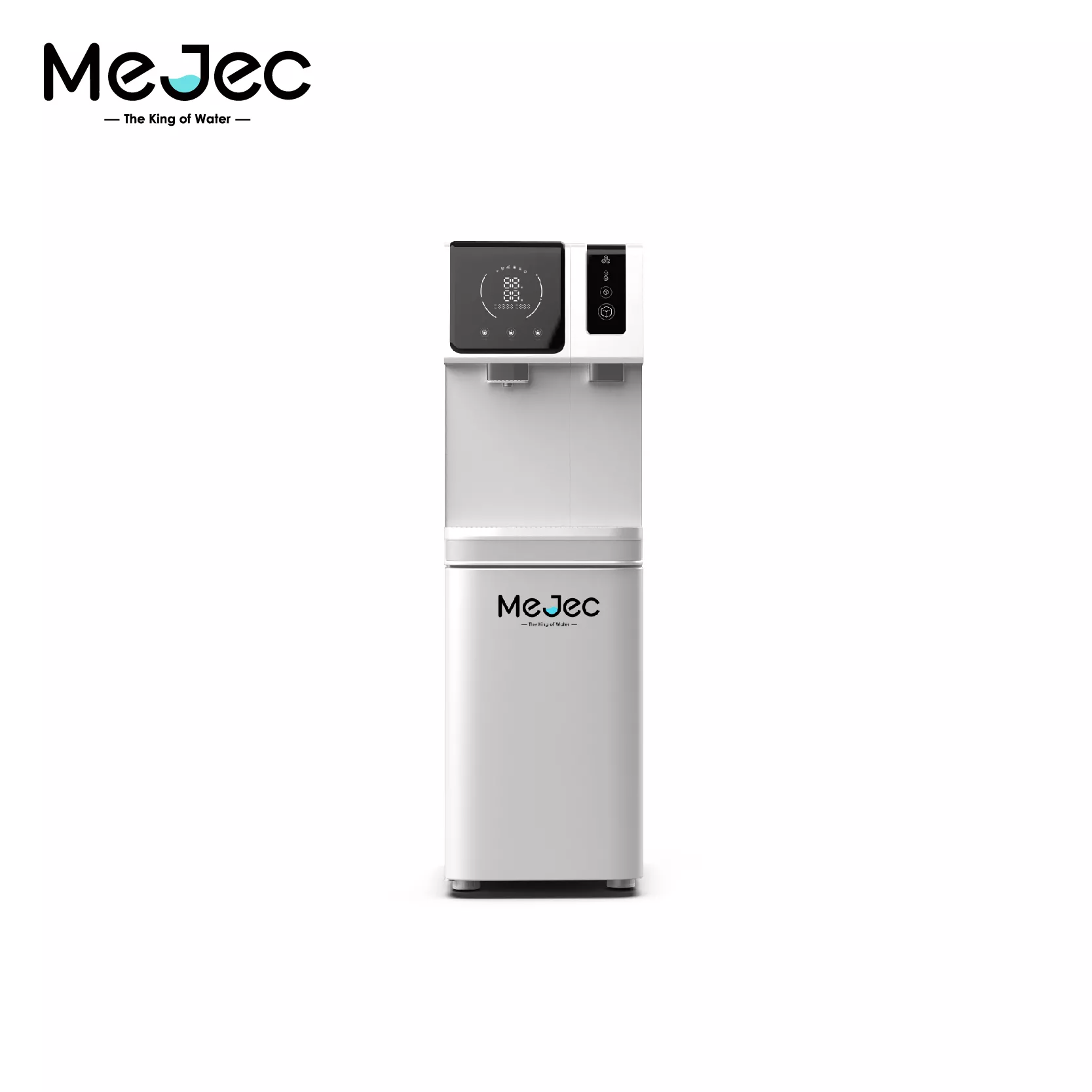
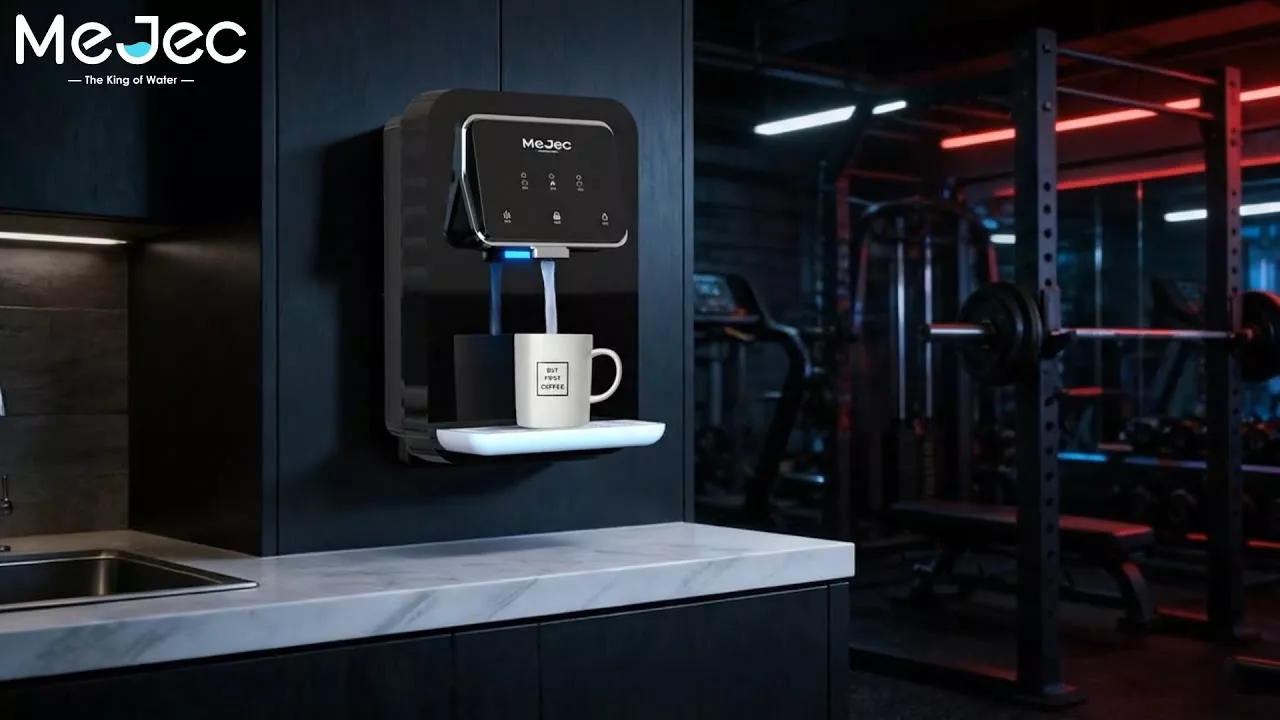
Imagine an office where the simple act of getting ...
.webp)
Mejec containerized seawater desalination system i...
Select the most popular foreign trade service products to meet your diverse needs
Select the most popular foreign trade service products to meet your diverse needs





User Comments
Service Experience Sharing from Real Customers
Michael Rodriguez
Plant ManagerThe dissolved air flotation unit we purchased has dramatically improved our pretreatment efficiency. The supplier provided exceptional technical support during installation and startup. Highly reliable equipment and professional service.
Sarah Chen
Environmental EngineerTheir MBR (Membrane Bioreactor) systems are top-notch and have significantly reduced our plant's footprint. The after-sales team is responsive. Some delivery delays were encountered, but overall a very satisfactory partnership for our industrial wastewater needs.
David Park
Operations DirectorOutstanding supplier for sludge dewatering centrifuges. The equipment is robust, energy-efficient, and has drastically lowered our disposal costs. Their engineers are knowledgeable and helped us optimize the entire process. A trusted partner for our food processing facility.
Jessica Williams
Sustainability OfficerWe integrated their advanced UV disinfection systems across our facilities. Performance exceeds specifications, ensuring compliant effluent quality. The supplier's commitment to innovation and detailed project management made the rollout seamless. Highly recommended.