





.webp)
What is MBBR for sewage treatment plant?
MBBR sewage treatment plant uses biofilm carriers ...
More

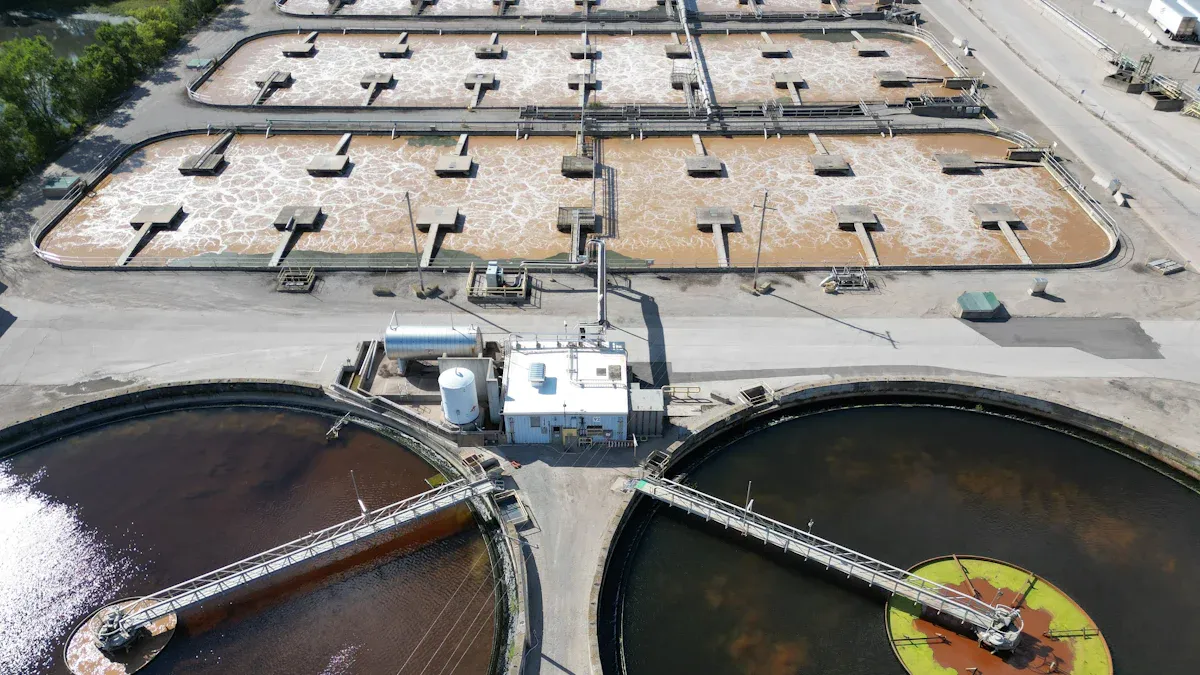
You improve community health when you keep your wastewater sewage treatment plant running at its best. In 2026, 64.5% of plants worry about capacity, while 10.9% are not functional. Quick action keeps your system reliable and compliant. See how plants perform:
| Evidence Type | Count | Percentage |
|---|---|---|
| WWTPs concerned about capacity | 71 | 64.5% |
| WWTPs with no capacity concerns | 23 | 20.9% |
| Non-functional WWTPs | 12 | 10.9% |
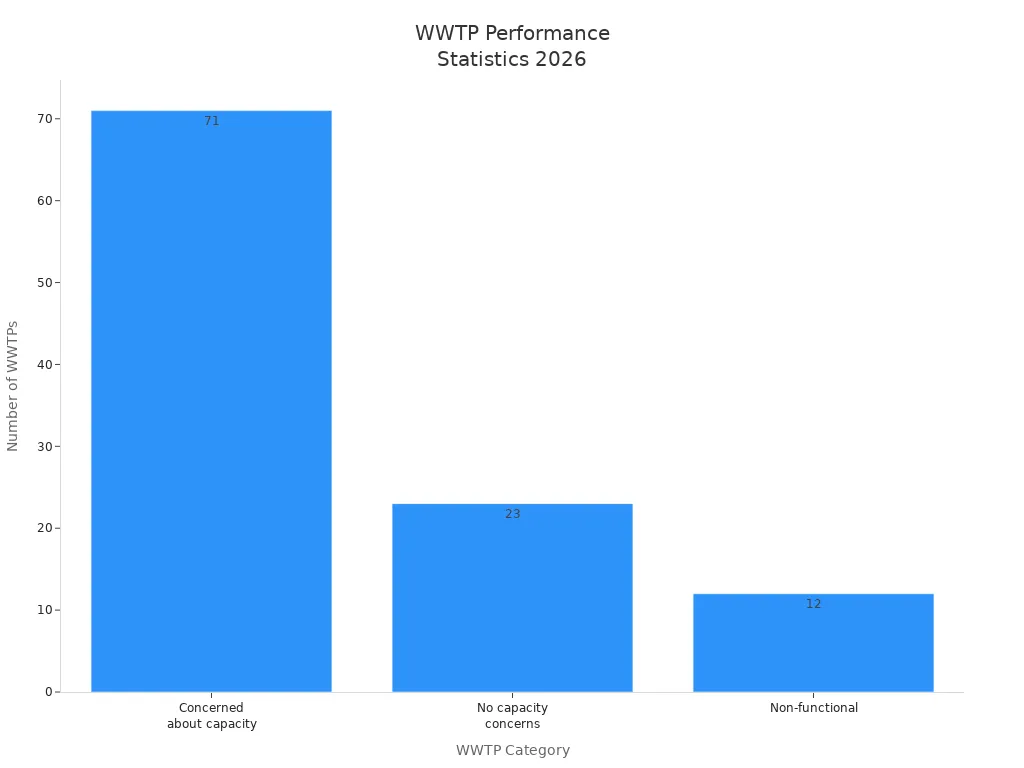
Regular maintenance and inspections are crucial. They help prevent major failures and ensure compliance with regulations.
Invest in staff training and development. Keeping your team updated on best practices and new technologies enhances plant performance.
Utilize real-time data analytics and automation. These tools help you monitor operations, reduce errors, and improve efficiency.
You face new challenges as environmental standards evolve in 2026. Many modernization projects now focus on sustainability. Nearly 36% of upgrades aim to reduce environmental impact. Advanced oxidation processes are more common, with a 31% increase in use. These changes help you manage tough contaminants and meet strict rules. In North America, you see a push for advanced treatment technologies. This shift protects public health and aquatic life. You also notice a global trend toward water reuse and recycling. Energy-efficient treatment methods are on the rise, showing a move toward greener practices.
Tip: Stay updated on the latest standards to keep your wastewater sewage treatment plant compliant and efficient.
You must prepare for audits and inspections to avoid problems. Regulators now focus on several key areas:
Decentralization and modular treatment systems
Water reuse and resource recovery
Energy efficiency and carbon reduction
If you do not comply, you risk harming water resources and aquatic life. Unsafe water can affect human health. Failing to submit accurate reports may lead to large fines. Some plants even become non-functional due to compliance issues.
You can improve compliance by using efficient documentation systems. Many plants now use data management plans and software tools. These systems help you collect and report data accurately. About 37% of plants focus on systematic monitoring and reporting. Others stress the importance of regulatory knowledge and emergency preparedness. Good records make audits easier and help you spot problems early.
You face many challenges in daily operations. The most common problems include fluctuating flow rates, equipment malfunctions, and sludge management difficulties. These issues can affect plant performance and safety. The table below shows how often plants report these challenges:
| Challenge Type | Percentage of WWTPs Affected |
|---|---|
| Fluctuating flow rates | 86.4% |
| Multiple operational issues | 65.5% |
Other frequent problems are odor, energy inefficiencies, and aging infrastructure. You need to monitor process parameters and maintain equipment to keep your wastewater sewage treatment plant running smoothly. A dedicated team and a focus on sustainability help you solve these problems.
You can improve plant performance by using proven methods. Regular monitoring and control of flow rate, pH, and chemical doses help you prevent upsets. You should test treated water often to meet discharge standards. Data analysis, trend tracking, and predictive modeling let you spot problems early. Operator training and preventive maintenance programs also reduce downtime. Try to use flexible designs and pilot testing to handle changes in influent quality.
Tip: Keep accurate records and use data-driven optimization to find and fix inefficiencies quickly.
You must prepare for emergencies. Only 20.9% of plants have strong emergency response plans. Many plants are not ready for sudden failures, which can lead to non-compliance. You should create clear protocols for environmental emergencies. Train your staff to respond fast and keep your plant safe. Regular drills and updates to your plan will help you stay ready for any situation.
You keep your plant running smoothly when you follow a strong preventative maintenance schedule. Regular maintenance helps you meet local regulations and avoid costly fines. You reduce downtime by catching problems early. Well-maintained equipment uses less energy and delivers reliable water quality. You also extend the lifespan of your system components.
Here are key industry benchmarks for preventative maintenance:
Compliance with local regulations ensures you avoid penalties.
Scheduled maintenance reduces downtime by identifying issues before they grow.
Efficient equipment lowers energy use and keeps water quality high.
Preventative care extends the life of your machinery.
Set a maintenance schedule based on manufacturer guidelines and your plant’s needs.
Monitor system performance every day.
Train your staff so everyone understands maintenance protocols.
Tip: A clear maintenance plan helps you avoid emergencies and keeps your plant efficient.
You need to inspect your equipment regularly to prevent failures. A detailed checklist helps you stay organized and ensures you do not miss important steps. The table below shows how often you should perform key inspection tasks:
| Frequency | Tasks |
|---|---|
| Daily | Check performance metrics, inspect pumps, blowers, and tanks for issues. |
| Weekly | Clean filters and screens, remove sludge from tanks. |
| Monthly | Conduct in-depth analysis, test backup systems, assess sensors, and train staff. |
| Quarterly | Check gaskets, seals, and system piping; schedule professional maintenance if needed. |
| Annual | Perform comprehensive assessment of equipment performance and update maintenance schedules. |
You keep your wastewater sewage treatment plant reliable when you follow this schedule. Daily checks help you spot problems early. Monthly and annual reviews give you a chance to plan for upgrades or repairs.
You avoid long delays and costly shutdowns when you manage your spare parts inventory well. Keeping a baseline inventory of critical components, such as seals, filters, and gaskets, is essential. You can quickly replace faulty parts and restore normal operations when you have the right items on hand.
Best practices for inventory management include:
Maintain a baseline inventory of essential parts to avoid repair delays.
Keep critical components available to reduce downtime.
Stock the correct quality and quantity of each part.
Order from reliable suppliers at the right cost and time.
Note: Good inventory management helps you respond quickly to equipment failures and keeps your plant running at peak performance.
By following these maintenance strategies, you protect your investment and ensure your plant meets all operational goals.

You help your team stay sharp by offering regular training. Staff need to know how to operate and maintain every system in your plant. When you add new technology or update equipment, you should provide new training sessions. You also keep your team up to date by teaching them about the latest best practices and regulatory changes. Encourage your staff to earn professional certifications and join industry groups. This helps them stay connected and learn from others in the field.
Train staff on maintenance protocols and system operations.
Provide training when you introduce new technologies.
Cover topics like regulatory updates and asset management.
Support professional certifications and industry memberships.
Continuous training keeps your team ready for any challenge.
You protect your staff and your community by making safety a top priority. Teach your team how to follow safety rules and use protective equipment. Hold regular drills so everyone knows what to do in an emergency. Review your emergency plans often and update them when needed. A well-prepared team can respond quickly and prevent accidents.
You build a strong team by setting clear expectations. Give your staff regular feedback and recognize their achievements. Encourage open communication so everyone feels heard. When your team works together, your wastewater sewage treatment plant runs better and stays safe.
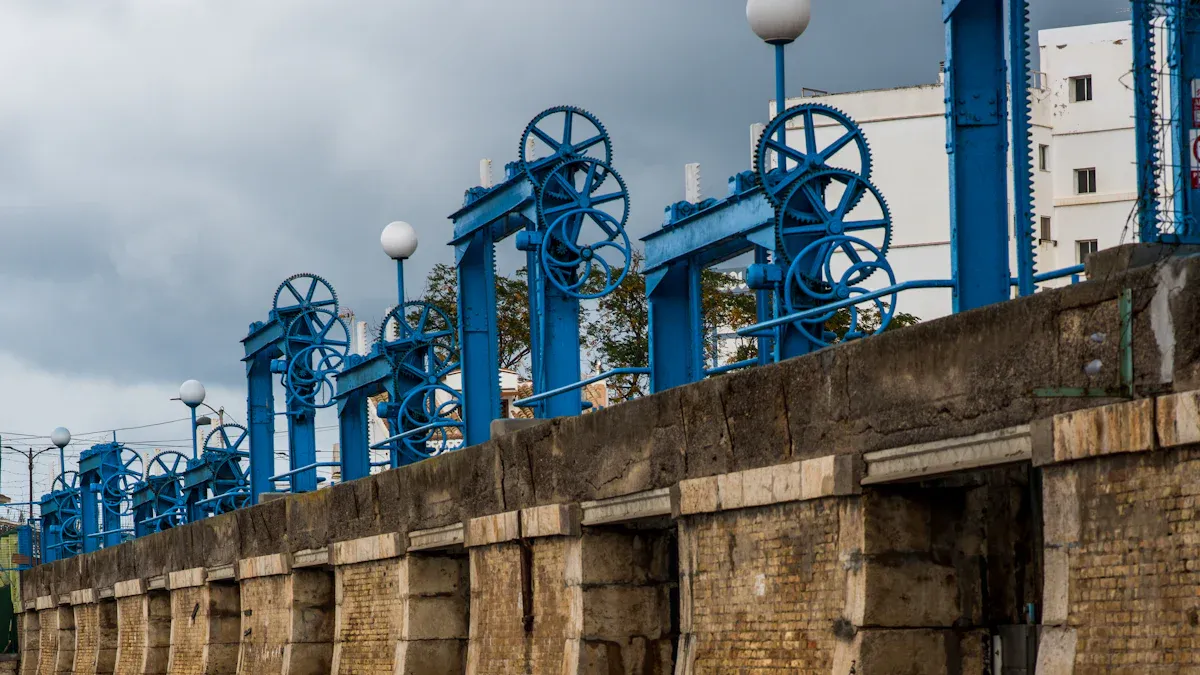
You can boost your plant’s performance by using real-time data analytics. Sensors collect information every second. This data shows you how each part of your system works. You can spot problems early and fix them before they grow. Many plants use dashboards to see trends in flow rates, chemical levels, and energy use. When you check these numbers often, you make better decisions.
Tip: Set up alerts for sudden changes. Quick action helps you avoid bigger issues.
You can make your plant smarter with automation and smart controls. These systems adjust pumps, valves, and chemical feeds without delay. You save time and reduce mistakes. Automated controls help you keep water quality steady. You can also lower energy costs. Many operators use mobile apps to monitor systems from anywhere. This gives you more freedom and control.
Automation reduces human error.
Smart controls keep your plant running smoothly.
Mobile access lets you respond fast.
You can prevent breakdowns by using predictive maintenance tools. These tools study data from your machines. They tell you when a part might fail. You can replace it before it stops working. This keeps your wastewater sewage treatment plant running without long delays. Predictive maintenance also saves money on repairs and extends equipment life.
| Technology | Benefit |
|---|---|
| Vibration sensors | Early fault detection |
| Thermal imaging | Spot overheating parts |
| AI software | Predict failures |
Stay ahead by using technology that warns you before trouble starts.
You keep your plant running well when you check its performance often. Daily checks help you spot problems before they grow. You can use simple tools to measure flow rates, chemical levels, and equipment status. Record your findings in a log. Review these records each week to see patterns. If you notice changes, you can act quickly. Regular assessments help you meet safety and quality standards.
Tip: Create a checklist for your team. This makes sure everyone knows what to look for during inspections.
You save money and protect the environment when you use less energy and fewer resources. Turn off equipment when you do not need it. Use energy-efficient pumps and motors. Recycle water inside your plant when possible. You can also recover heat from some processes and use it elsewhere. These steps lower your costs and reduce your impact on nature.
| Conservation Method | Benefit |
|---|---|
| Energy-efficient motors | Lower power bills |
| Water recycling | Less waste |
| Heat recovery | Save energy |
You make your plant better by trying new ideas and using smart technology. Many cities lead the way with strong programs. Cincinnati’s Metropolitan Sewer District uses IoT to improve reuse and management. South Bend, Indiana built a smart sewer system with radar sensors and analytics. This cut storm overflow events by over 70%.
IoT helps you track data and improve processes.
Smart sensors warn you about problems early.
AI-powered maintenance predicts failures and saves money.
Use AI to predict equipment issues.
Monitor your plant with IoT tools.
Optimize chemical dosing and sludge management with smart systems.
Note: When you try new solutions, you help your wastewater sewage treatment plant stay efficient and reliable.
You keep your wastewater sewage treatment plant performing well when you follow these steps:
Schedule regular maintenance and inspections.
Train your staff and monitor plant performance.
Use flexible designs and pilot testing for new solutions.
Apply data-driven optimization and advanced biological monitoring.
| Benefit | Description |
|---|---|
| Minimized Downtime | Early detection prevents major failures. |
| Reduced Costs | Efficient systems lower energy use and expenses. |
| Extended Equipment Life | Upkeep delays costly replacements. |
| Regulatory Compliance | Reliable operations meet environmental rules. |
You should check all equipment and record system readings every day. This helps you spot problems early and keep your plant running smoothly.
You should update staff training at least once a year. You also need to provide extra sessions when you add new technology or change procedures.
Predictive maintenance helps you find equipment problems before they cause breakdowns. You save money, reduce downtime, and keep your plant safe.
Three Methods PHE Plates Boost System Efficiency in 2025
Innovations in Heat Exchanger Manufacturing Elevate Industrial Efficiency
A 2025 Overview of Semi-welded Plate Heat Exchangers
New Materials Transforming Heat Exchanger Manufacturing Supply
Understanding the Advantages of Commercial Heat Exchangers in 2025

We provide you with comprehensive foreign trade solutions to help enterprises achieve global development
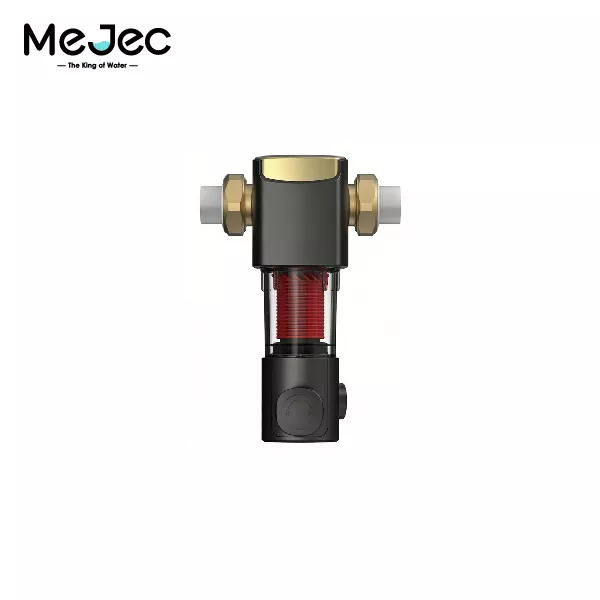
The Dual-Core 360° Pre-Filter protects your entire...
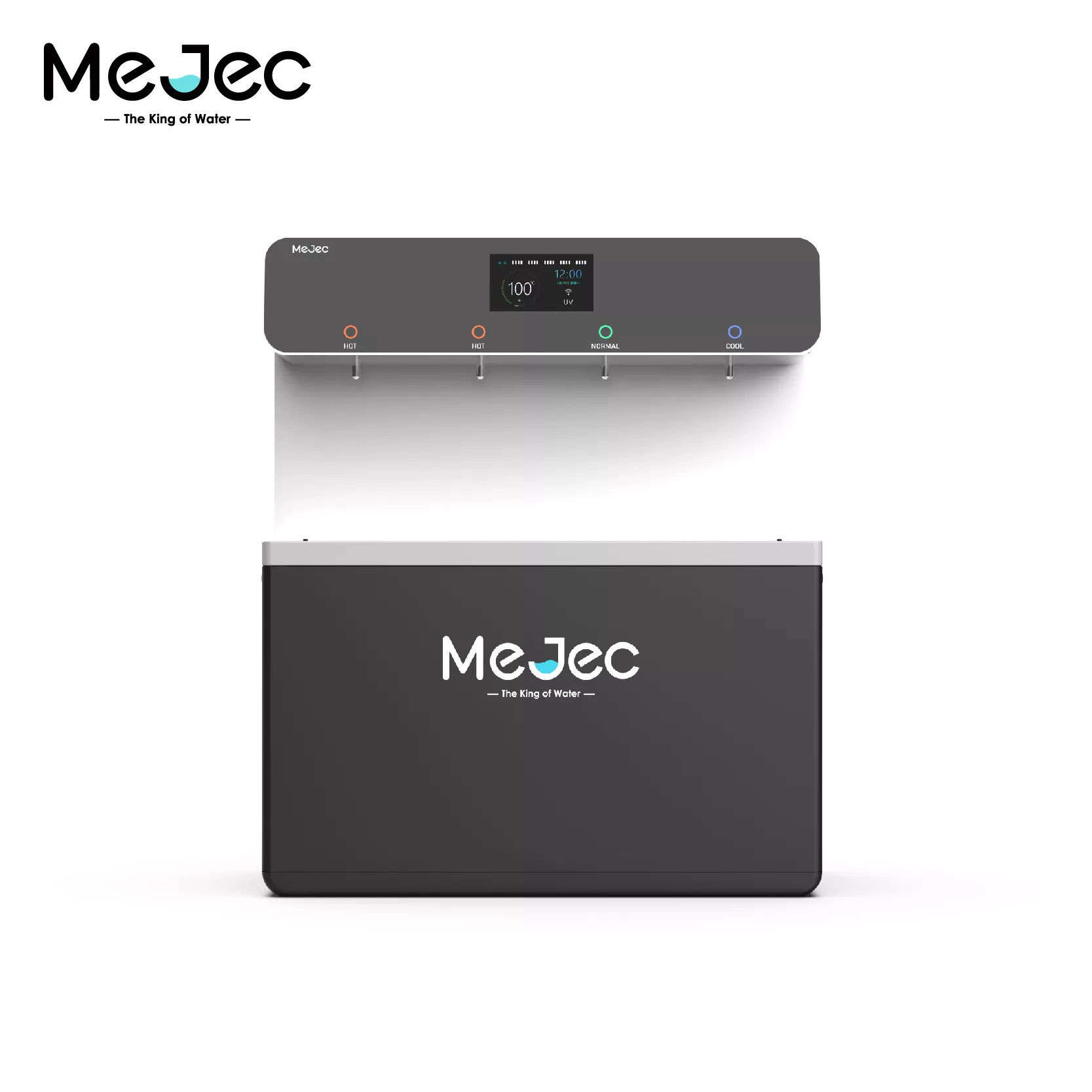
Designed for high-traffic public areas, the Mejec ...
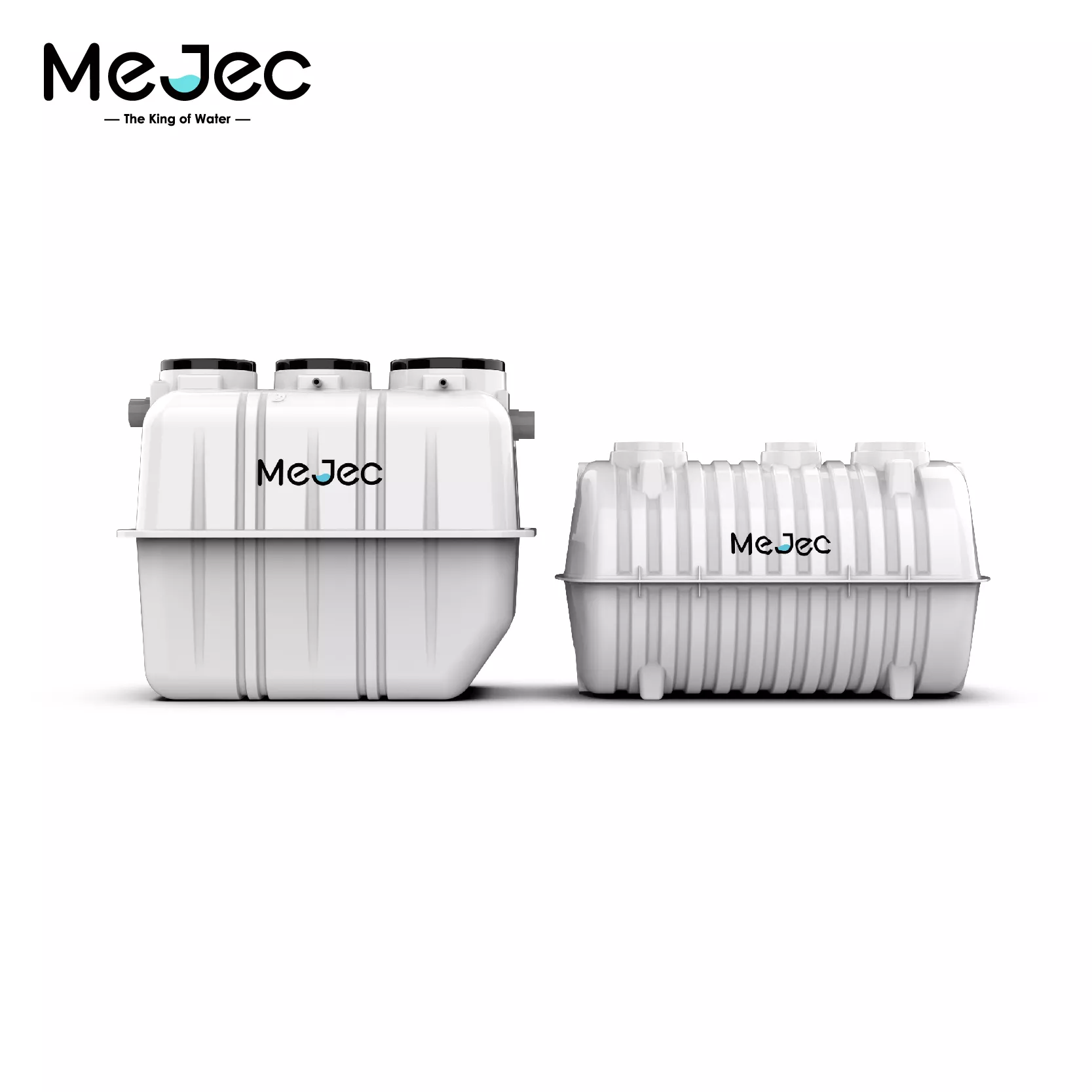
Mejec-Johkasou-SA is a small buried sewage treatme...

Mejec Scavenger Household Sewage Treatment Plant (...
Select the most popular foreign trade service products to meet your diverse needs
Select the most popular foreign trade service products to meet your diverse needs




User Comments
Service Experience Sharing from Real Customers
Michael Chen
Environmental EngineerThe advanced membrane bioreactor system we installed has exceeded expectations. It consistently achieves over 98% BOD removal and handles peak loads effortlessly. The automated control panel has drastically reduced our operational oversight needs.
Sarah Johnson
Plant Operations ManagerAs the manager of a mid-sized municipal plant, I find the new sludge dewatering centrifuges to be highly efficient. They have reduced our sludge volume by 40%, significantly cutting disposal costs. The reliability is excellent, though initial setup required some technical support.
David Rodriguez
Process SpecialistImplementing the UV disinfection system was a game-changer for our plant's tertiary treatment. It ensures full pathogen inactivation without any chemical residuals, keeping us in full compliance with stringent discharge permits. The energy efficiency is also remarkable.
Lisa Wang
Chief Sustainability OfficerThe integrated biogas recovery and cogeneration system has transformed our plant. We're now nearly energy self-sufficient, converting waste into power and heat. This solution has been pivotal for our circular economy goals and has provided an outstanding return on investment.