




.webp)
Top Commercial Water Dispensers for Restaurants Reviewed in 2026
Compare the top water dispenser for restaurant mod...
More


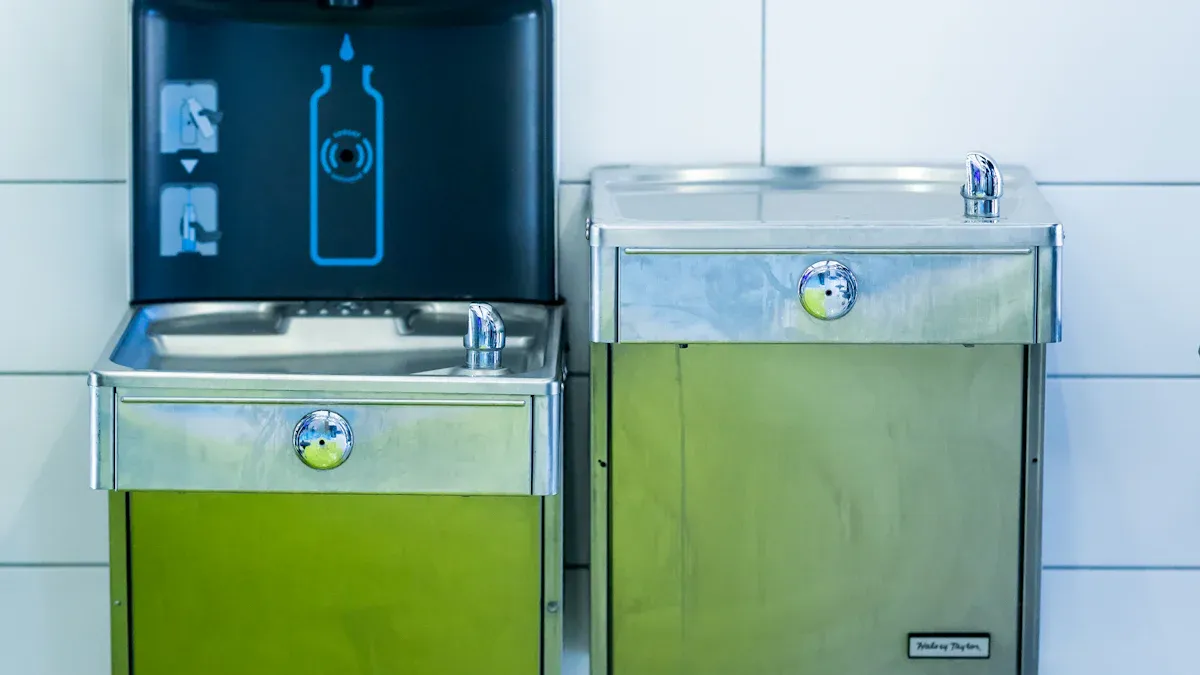
Finding the perfect water dispenser for home means you must evaluate several key features. You should consider the dispenser type, temperature options, capacity, filtration, and safety.
Tip: The most important step is matching these features to your household's needs, available space, and budget.
Choose a water dispenser that fits your home. Consider if you want bottled water or a bottleless system connected to your water line.
Look for features like hot and cold water options, good filtration, and safety locks. These features make your dispenser useful and safe.
Pick an energy-efficient model. This helps save money on electricity and is better for the environment.
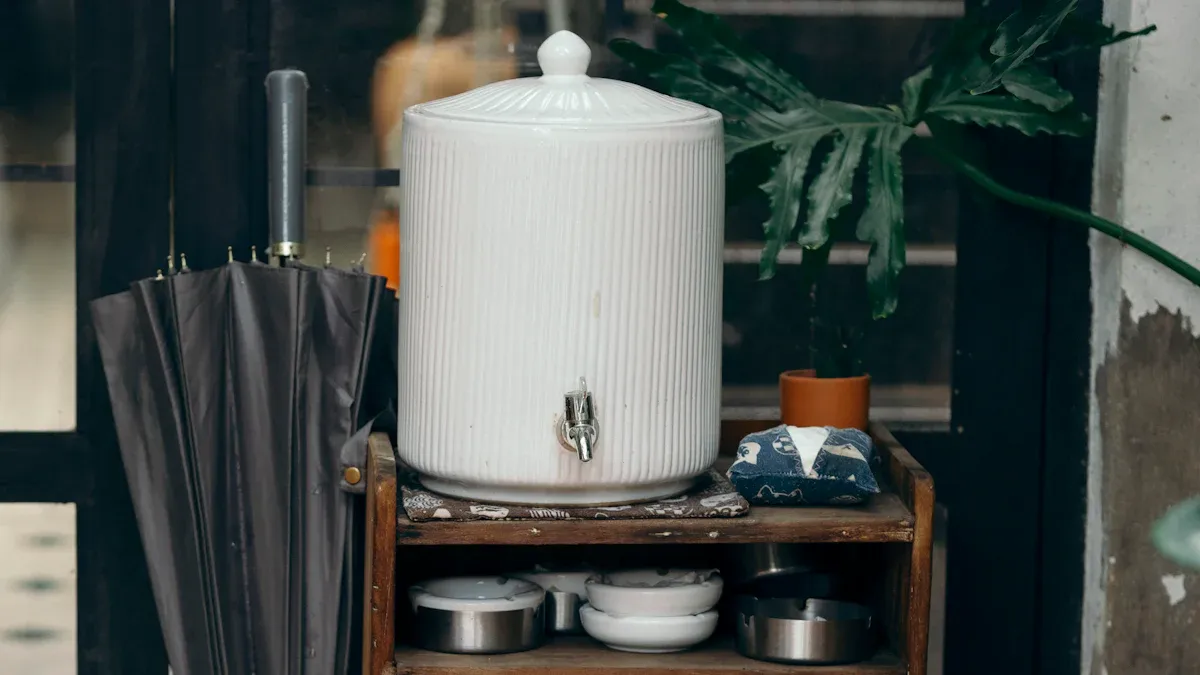
Bottled water dispensers are a classic choice for many households. You simply purchase large water jugs, typically 3 or 5 gallons, and place them onto the unit. These dispensers come in two main styles: top-loading and bottom-loading. Your choice depends on your budget and physical comfort with lifting.
Top-loading models are the traditional design you often see. You place the water bottle upside down on top of the unit. These dispensers are generally more affordable and have a simple, reliable gravity-fed system. They do require some vertical space and have a noticeable physical footprint.
Typical Top-Loader DimensionsYou should measure your space before buying. Most models are similar in size. | Attribute | Average Value | | :--- | :--- | | Depth | 13.86 inches | | Width | 10.71 inches | | Height | 43.50 inches | | Weight | 27.12 lbs |
The main challenge is lifting and flipping the heavy water bottle, which can be difficult and may lead to spills.
A bottom-loading water dispenser for home offers a more ergonomic design. The water bottle sits upright in a cabinet at the base of the unit. This completely removes the need for heavy lifting.
This design provides several key benefits:
It eliminates the strain of lifting and inverting heavy water bottles.
The risk of spilling water during bottle changes is much lower.
It is a safer and more accessible option for people of all ages, including those with limited strength or mobility.
You just slide the bottle into the compartment and attach the probe. This convenience makes bottom-loading models an excellent choice for families and anyone who wants to avoid physical strain.
Bottleless dispensers, also known as point-of-use (POU) models, offer a continuous supply of filtered water. These units connect directly to your home's water supply. This eliminates the need for water bottles entirely. You get fresh, clean water on demand.
A bottleless water dispenser for home requires a connection to a cold water line. The installation is often straightforward. Many people hire a professional for a quick and secure setup. The process generally involves these steps:
A small tube is connected to your water line, often under a sink.
This tube runs to the dispenser's filtration system.
The filter's outlet tube then connects to the dispenser's water tank.
The system is flushed for a few minutes to clear the lines and check for leaks.
This setup provides an endless stream of purified water directly to your tap.
Bottleless dispensers provide unmatched convenience. You never have to lift heavy bottles or worry about running out of water. You also reclaim the space once used for storing large water jugs. While the initial purchase price may be higher, these units can save you a significant amount of money over time.
You can save hundreds of dollars annually compared to buying bottled water. This makes a bottleless dispenser a smart long-term investment for your family's hydration.
The combination of endless water, no heavy lifting, and cost savings makes this a popular and practical choice.
Modern water dispensers offer more than just cool water. You can choose a model that provides water at the exact temperature you need for tea, cooking, or simple hydration. Your choice affects both convenience and your home's energy use.
Most dispensers provide instant access to hot and cold water. This feature is perfect for making a quick cup of hot tea or a refreshing cold drink. These standard models typically deliver water within specific temperature ranges.
Cold Water: 43°F to 50°F
Hot Water: 165°F to 194°F
A standard hot and cold dispenser uses about 2.8 kWh of electricity per day. This adds up to around 84 kWh per month. Choosing an ENERGY STAR model can significantly lower this usage.
Some dispensers include a third option for room temperature water. This tri-temp feature offers surprising versatility for your daily routines. Room temperature water is often easier to drink and can be better for digestion. It also has many practical uses around the house.
It is perfect for baking recipes.
You can use it to water your plants.
Many pets prefer drinking it.
It is great for mixing cleaning solutions.
For ultimate control, you can find dispensers with precise temperature settings. These advanced models let you select the exact water temperature you want. This is ideal for coffee connoisseurs or parents preparing baby formula. For example, some instant hot RO systems like the iSpring RCD100 allow you to customize temperatures. This feature ensures your water is always perfectly suited for any task.
You must consider your available space when selecting a water dispenser. The model you choose should fit comfortably in your home without disrupting your daily life. Dispensers come in three main sizes: freestanding, countertop, and wall-mounted.
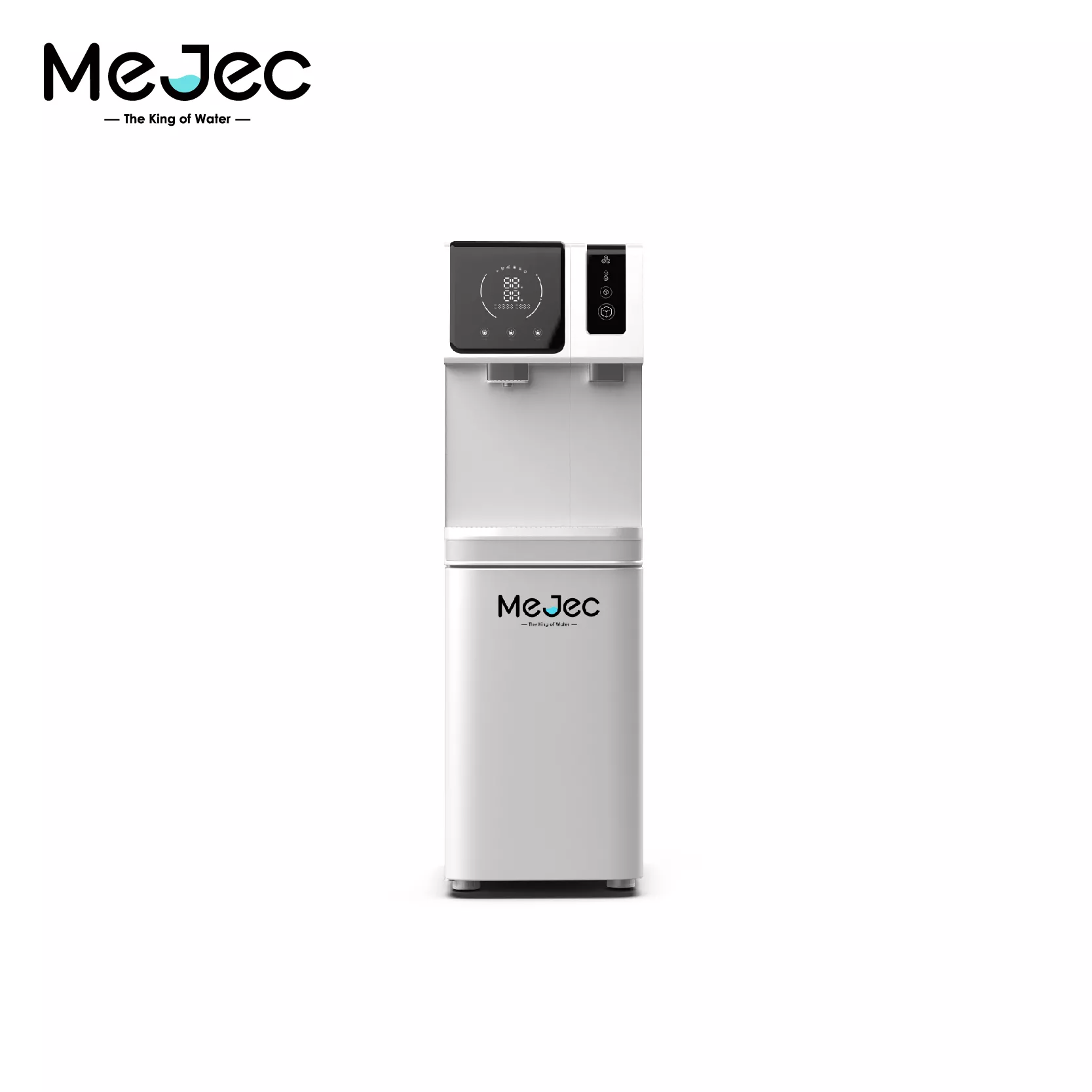
Freestanding dispensers are the largest and most common option. These units stand on the floor and are a great fit for kitchens, garages, or home offices with extra room. They can hold large 3 or 5-gallon bottles and often include a small storage cabinet in the base.
Note: Always measure your intended space before you buy a freestanding model. You need to account for its height, width, and depth.
Here are the typical specifications for a freestanding unit:
| Feature | Specification |
|---|---|
| Product Dimension | 12.2 x 12.4 x 38.5 inches |
| Heating Capacity | 1.32 G/h - ≥ 194°F |
| Cooling Capacity | 0.53 G/h - ≤ 50°F |
| Compatible Water Bottles | 3 and 5 gallon top loading |
Countertop water dispensers offer the same great features in a smaller package. They are perfect for apartments, dorm rooms, or any home with limited floor space. You get instant hot and cold water without sacrificing your entire kitchen counter.
Key benefits of a countertop model include:
It saves valuable floor space.
It is lightweight and easy to move.
It provides the same temperature options as larger units.
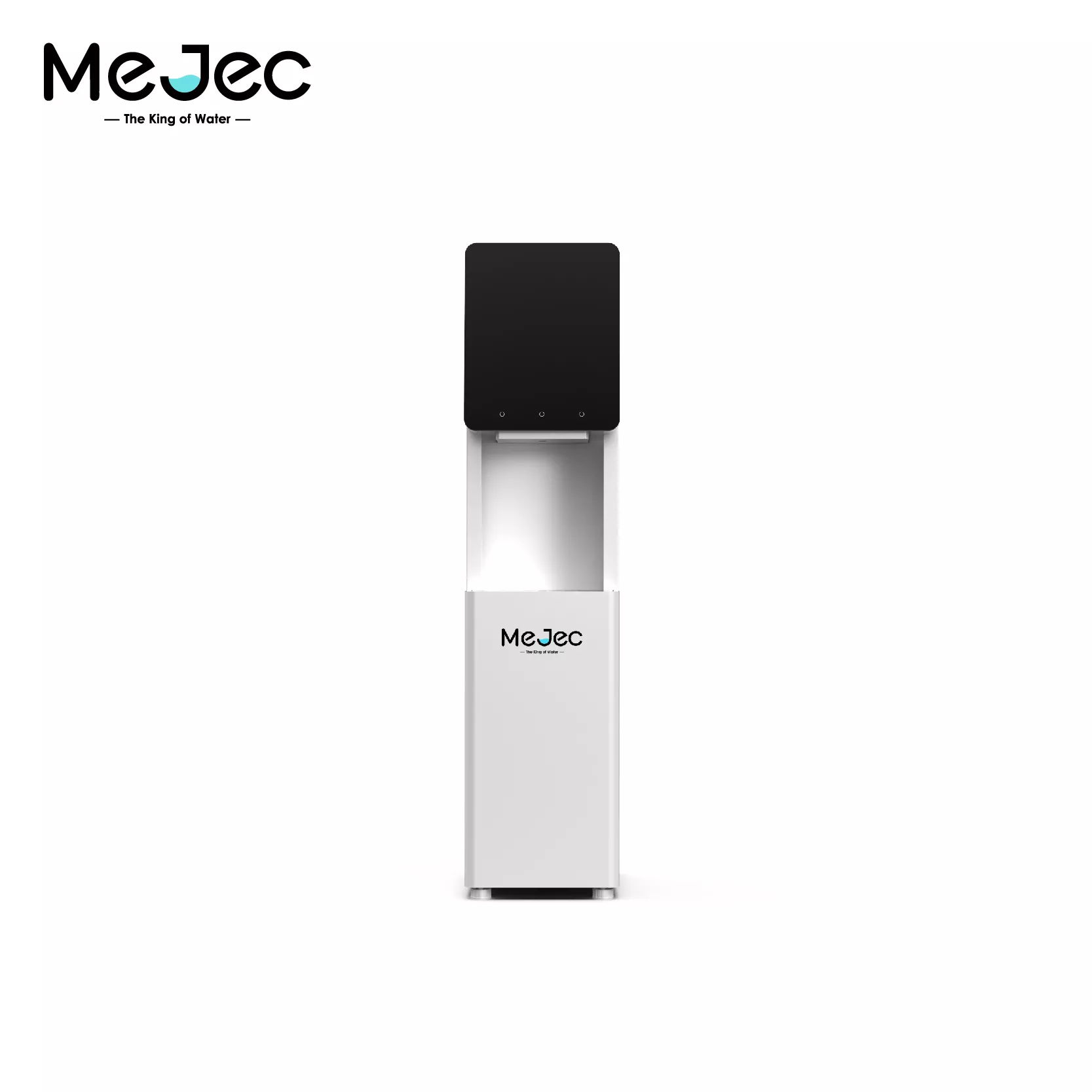
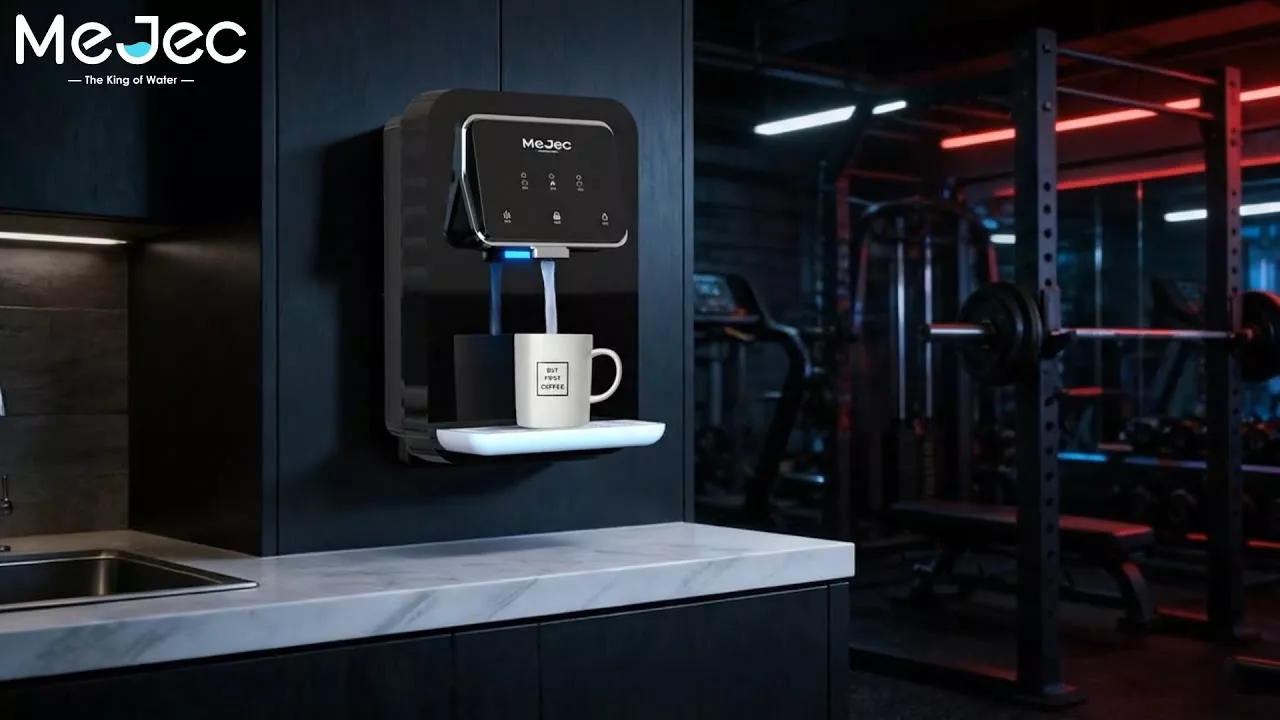
Wall-mounted dispensers are the ultimate space-saving solution. These units attach directly to your wall and connect to your water line, so they are always bottleless. You often see them in commercial spaces, but they are also excellent for modern homes where you want to keep floors and counters clear. Installation usually requires a professional to ensure a secure fit and proper water connection.
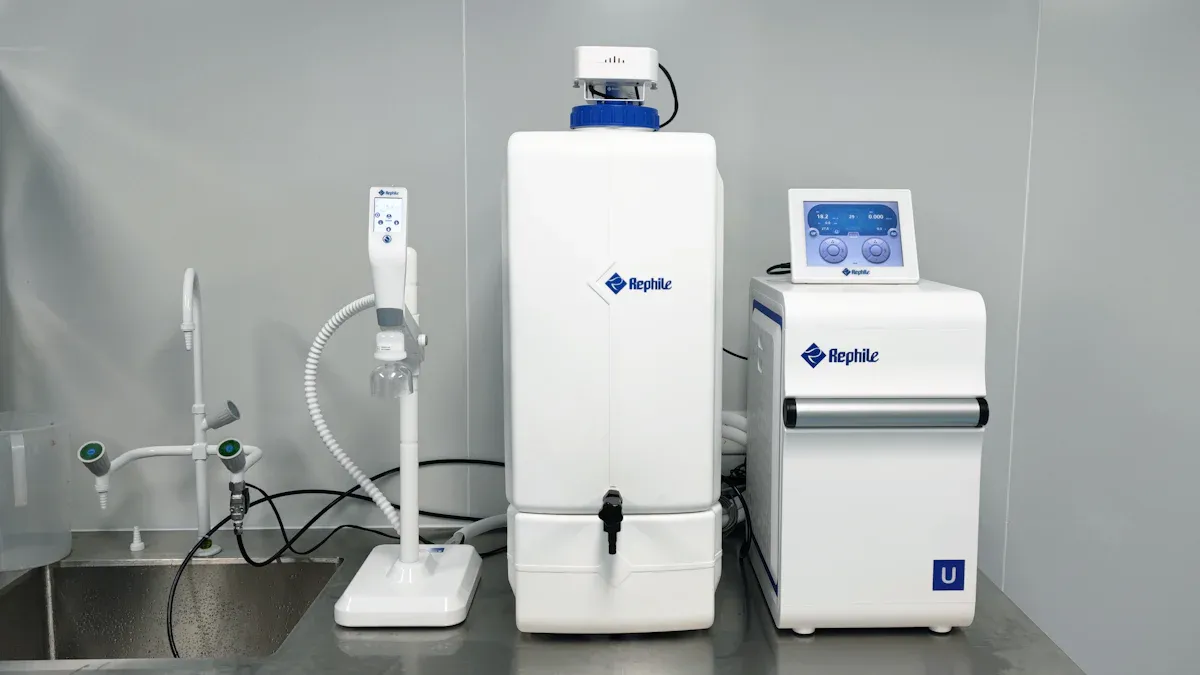
Many dispensers include built-in filters to improve your water's taste, smell, and purity. The type of filtration system is a key factor in your choice. You can select from basic carbon filters or more advanced reverse osmosis systems. Your decision depends on your local water quality and purification goals.
Carbon filters are a common and effective way to improve tap water. They use activated carbon to trap contaminants like chlorine, which greatly enhances the taste and odor of your water. This makes your water more enjoyable to drink. The maintenance for these systems involves regular filter changes.
The replacement schedule depends on the type of filter and your water usage.
Basic pitcher or countertop filters often need replacement every two to six months.
Larger under-sink carbon filters can last from six months to a year.
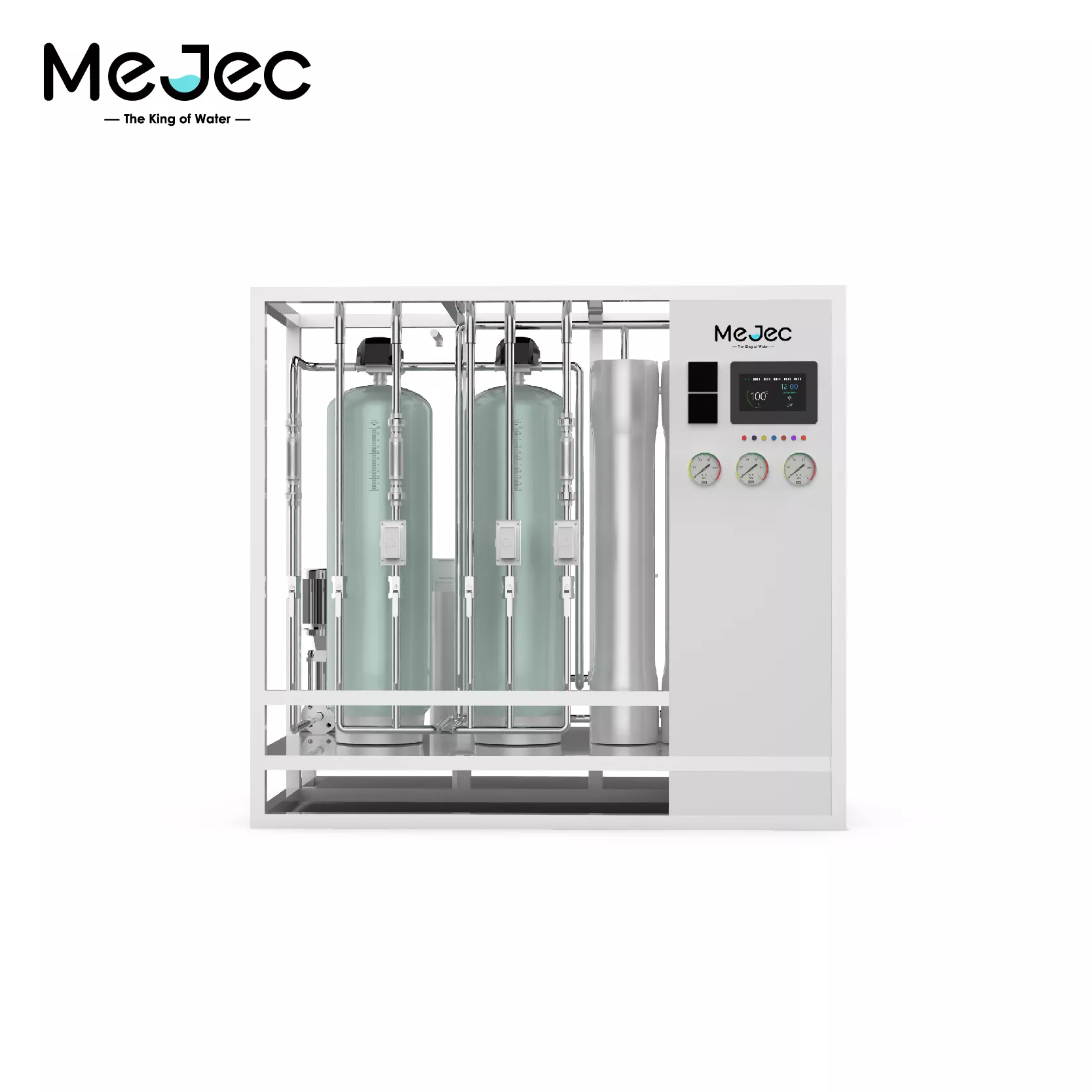
Reverse osmosis (RO) systems provide the highest level of filtration available in a water dispenser for home. An RO system pushes water through a special membrane that removes a wide range of impurities. This process is extremely effective at reducing contaminants.
| Contaminant | Removal Percentage |
|---|---|
| Total Dissolved Solids (TDS) | 95-99% |
A quality RO system can remove up to 99% of total dissolved solids (TDS), including salts, lead, and fluoride. To keep it working well, you must follow a maintenance schedule.
Replace the pre-filters every 6 to 12 months.
Replace the RO membrane itself every two to three years.
Sanitize the system during filter changes to ensure water purity.
This regular upkeep guarantees you always have exceptionally clean water.
You should look for features that make your dispenser safe and easy to maintain. These details ensure your family's well-being and keep your unit running smoothly. Key features include child locks, self-cleaning functions, and removable drip trays.
A child safety lock is a crucial feature for any home with young children. This lock prevents accidental dispensing of hot water. It requires a specific action, like pressing two buttons at once, to release hot water. This simple mechanism gives you peace of mind and helps protect your family from burns.
Many modern dispensers offer self-cleaning technology to keep the water path sanitary. These systems typically use either ozone or UV light to eliminate germs.
Ozone (O₃) is a powerful oxidizer that kills bacteria and viruses by breaking down their cell walls. It is more potent than chlorine and can reach hidden areas inside the dispenser.
UV-C Light uses ultraviolet rays to disrupt the DNA of microorganisms. This process sterilizes them and stops them from reproducing.
Each method has unique benefits. Ozone offers deep sanitation, while UV provides effective surface disinfection.
| Feature | Ozone (O₃) | UV-C Light |
|---|---|---|
| Effectiveness | Highly effective, fast-acting oxidizer | Effective with direct light exposure |
| Coverage | Reaches hidden areas for deep sanitation | Limited to line-of-sight surfaces |
| Byproducts | Decomposes into simple oxygen | No chemical byproducts |
Some advanced systems combine both technologies for the highest level of purification.
The drip tray catches spills and overflows, keeping your floors and counters dry. You should choose a dispenser with a removable and easy-to-clean drip tray. Models made from durable materials like stainless steel or fiberglass are ideal. These materials resist corrosion and are simple to wipe down, making routine maintenance quick and effortless.
Your water dispenser will use electricity to heat and cool water. You should consider its energy efficiency to manage your utility bills. Choosing a model with smart features helps you save money over time without sacrificing convenience. These features reduce power consumption when the dispenser is not in use.
You can find highly efficient dispensers by looking for the ENERGY STAR label. This certification means the model meets strict energy performance standards set by the U.S. Environmental Protection Agency. An efficient model works just as well but uses less power.
Choosing an ENERGY STAR certified water cooler can save you money. You can save nearly $40 per year on electricity bills compared to standard models. This makes it a smart choice for both your wallet and the environment. 🌎
Many modern dispensers include power-saving or sleep modes. These features intelligently reduce energy use. The dispenser learns your usage patterns. It avoids constantly heating or chilling water when you do not need it. During sleep mode, the unit stops these operations entirely. This significantly cuts down on electricity consumption.
The power usage varies greatly between modes.
| Mode | Power Consumption (Watts) |
|---|---|
| Standby | 30-50 |
| Heating | Up to 500-700 |
| Cooling (Summer) | Increased |
These smart modes ensure the dispenser only performs energy-intensive tasks when you are likely to need water. This prevents unnecessary energy waste.
The best water dispenser is the one that seamlessly fits your lifestyle. You must prioritize the features that matter most to you. For example, users praise some top models for quiet operation while others value ease of use. Evaluating these details helps you confidently select a water dispenser for home that keeps your family happy.
You should clean your dispenser every three to six months. This regular cleaning prevents bacteria buildup and keeps your water tasting fresh and pure.
Most dispensers fit standard 3 and 5-gallon bottles. You should always check your model’s specifications to confirm compatibility. This ensures a proper fit for your unit.
You need to leave about 4-6 inches of clearance around the dispenser. This space allows for proper air circulation and prevents the unit from overheating.

We provide you with comprehensive foreign trade solutions to help enterprises achieve global development
Upgrade your home's water with mejec efficient 3-s...
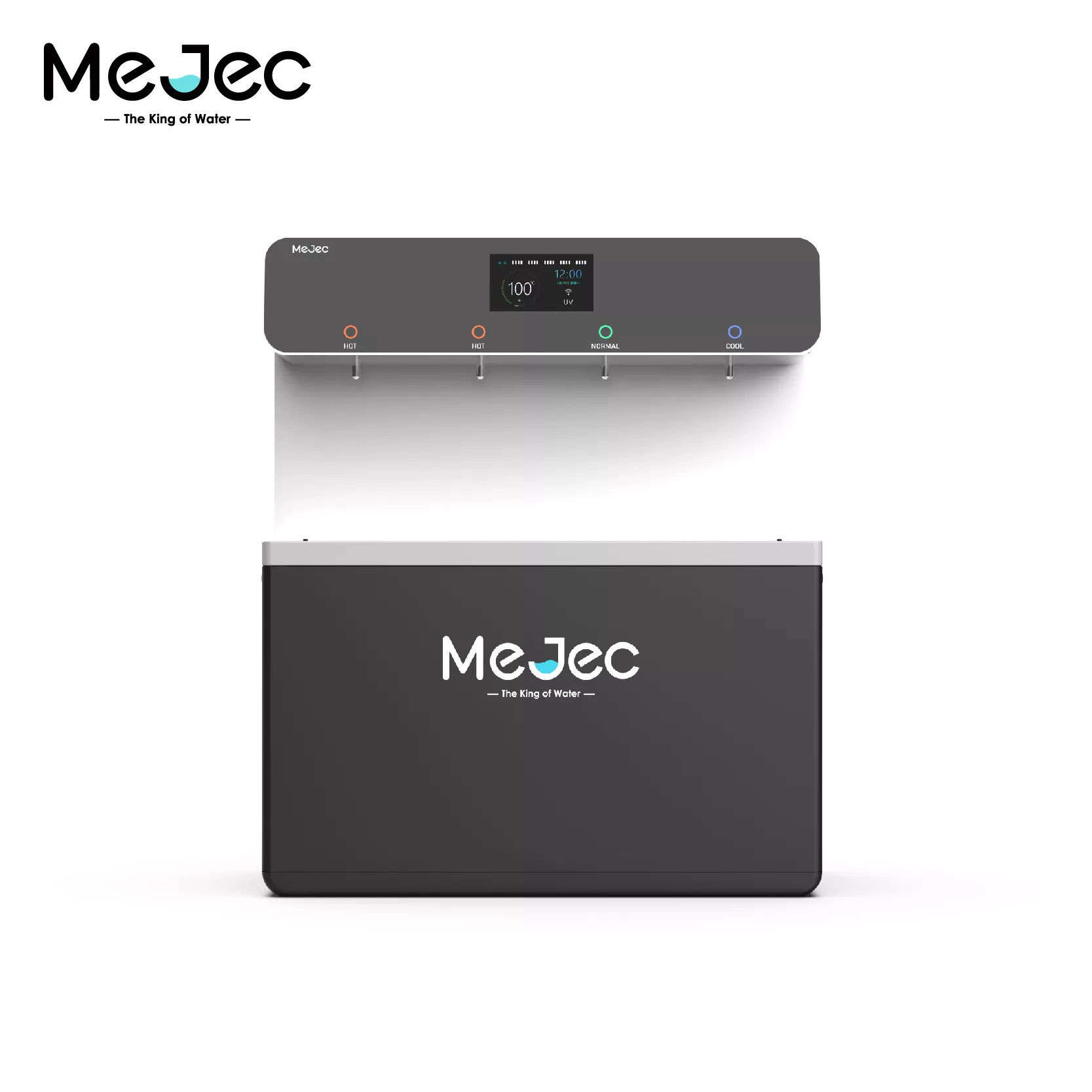
Designed for high-traffic public areas, the Mejec ...
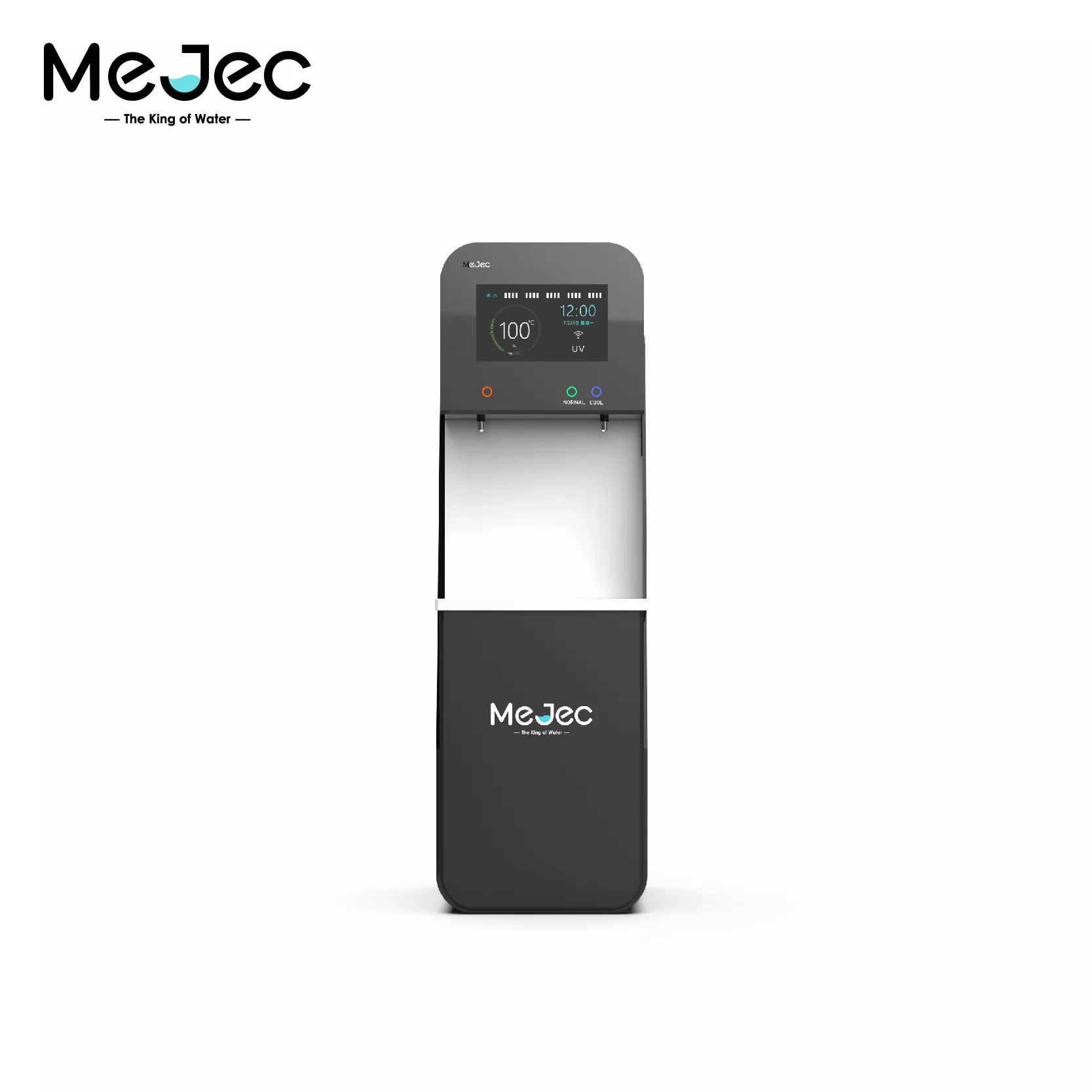
The Mejec High-End Commercial Direct-Drinking Mach...
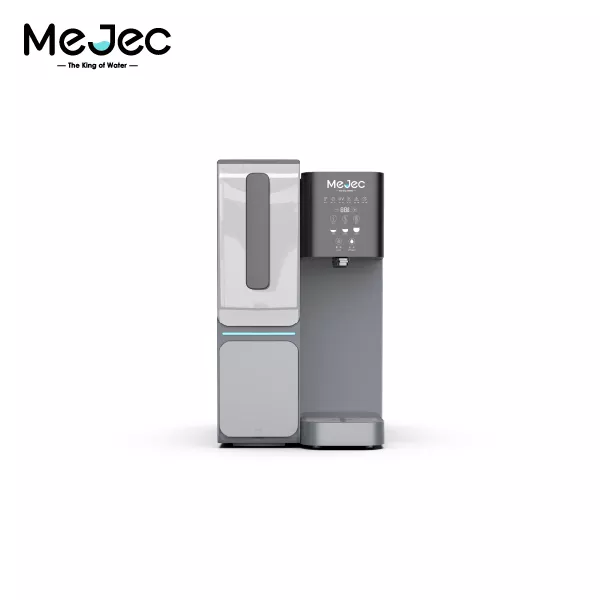
Experience instant, pure water anywhere with the M...
Select the most popular foreign trade service products to meet your diverse needs
Select the most popular foreign trade service products to meet your diverse needs





User Comments
Service Experience Sharing from Real Customers
Michael Chen
Software EngineerThis water dispenser is a game-changer for our home office. The hot water function for tea is instant, and the cold water is perfectly chilled. It's quiet, sleek, and saves us countless trips to the kitchen. Highly recommend!
Sarah Johnson
Registered NurseAs someone who values hydration and hygiene, this dispenser is excellent. The child lock on the hot water gives me peace of mind with kids around. It was easy to install and keeps water at ideal temperatures all day. One star off as the LED light is a bit bright at night.
David Miller
TeacherPerfect for our family of four. We use it constantly for everything from filling water bottles for school to quick pasta water. It eliminated the need for a kettle and a pitcher in the fridge. The energy-saving mode is a great feature. Durable and very practical.
Lisa Rodriguez
Graphic DesignerI bought this for my home studio, and it's fantastic. The design is modern and fits my space beautifully. Having instant hot and cold water right at my desk keeps me hydrated and caffeinated without interruptions. The water tastes clean and fresh. Absolutely love it.