



.webp)
Top Commercial Water Dispensers for Restaurants Reviewed in 2026
Compare the top water dispenser for restaurant mod...
More


Choosing your ideal water dispenser involves a key decision. Your options balance convenience against cost.
A top-load dispenser requires you to lift a heavy water bottle on top. These models are the most affordable choice.
A bottom-load water dispenser hot and cold lets you slide the bottle into a base cabinet, but it has a higher upfront cost.
Top-load dispensers are cheaper and simple to clean, but you must lift heavy water bottles.
Bottom-load dispensers cost more and have a pump to move water, but they are easier to load and look more modern.
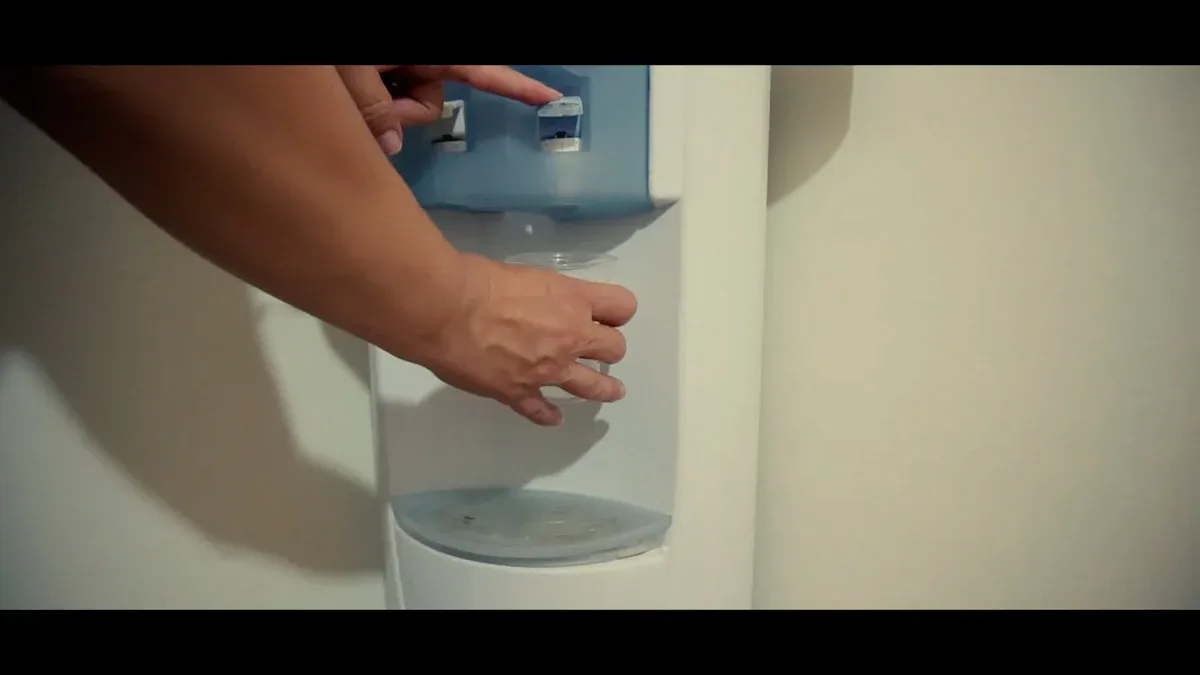
Your main interaction with a water dispenser is changing the bottle. This process is the biggest difference between top-load and bottom-load models. Your choice affects your daily convenience and physical effort.
A top-load dispenser requires you to perform a heavy lift. You must hoist a full water bottle, flip it over, and place it onto the dispenser's top. A standard 5-gallon water jug weighs about 42 pounds. Some glass bottles can weigh even more, reaching nearly 45.5 pounds.
This action demands significant upper-body strength. You risk straining your back or spilling water during the awkward flip. This regular lifting can be a major challenge for many people.
A bottom-load dispenser completely removes heavy lifting. You simply open a cabinet door at the base of the unit. Then you slide the water bottle inside. This design prevents physical strain and makes bottle changes effortless.
How does the water get up to the faucet?
A probe with a tube goes into the top of the bottle.
When you press a button, an internal pump activates.
The pump creates suction, which draws water up through the tube to the cold and hot tanks.
This system is ideal if you want to avoid lifting heavy objects. It offers a simple, safe, and convenient way to get fresh water. 💧
Your budget plays a significant role in choosing the right water dispenser. The initial purchase price is one of the clearest differences between top-load and bottom-load models. You will find that one option is distinctly more wallet-friendly than the other.
You will save money upfront by choosing a top-load dispenser. These models are the most affordable on the market. Their simple, gravity-fed design requires fewer mechanical parts, which keeps production costs low. This makes them an excellent entry-level option for homes and offices.
What can you expect to pay?
Most top-loading dispensers cost between $110 and $200.
Some high-end models with extra features can reach $250 or more.
If your primary concern is keeping initial costs down, the top-load dispenser is your most practical choice.
Bottom-load dispensers require a larger initial investment. The added convenience of the no-lift design comes with a higher price tag. These units contain an internal pump system to draw water upward from the cabinet. This complex mechanism is the main reason for the increased cost.
You can expect the purchase price for a bottom-load dispenser to range from $170 to $245.
Note: You are essentially paying a premium for convenience. The higher cost eliminates the physical strain of lifting a 40-pound bottle, making it a worthwhile investment for many people. 💰
A water dispenser is a visible appliance in your home or office. Its design can either complement your decor or stand out. You will find that top-load and bottom-load models offer very different visual styles.
You will recognize the top-load dispenser for its classic look. This design is practical and straightforward. The most noticeable feature is the large water bottle sitting on top. This exposed jug defines its appearance.
The look is purely functional. Gravity requires the bottle to be on top, so that is where it stays. This traditional style fits well in casual settings like break rooms or garages. However, it may look bulky or out of place in a modern kitchen.
Key Visual: Exposed water bottle
Style: Traditional and utilitarian
Best For: Spaces where function matters more than form
You can achieve a cleaner, more polished look with a bottom-load dispenser. These models hide the water bottle inside a cabinet at the base. This simple change creates a streamlined and sophisticated appearance. The flat top gives you a tidy, uncluttered surface.
This modern design helps the dispenser blend seamlessly with your other appliances. You can find models in popular, high-end finishes. For example, some Frigidaire dispensers come in stainless steel, while brands like Glacier Bay offer models in matte black.
These premium finishes allow you to match your dispenser to your refrigerator or oven. The result is a cohesive and intentionally designed kitchen space. ✨
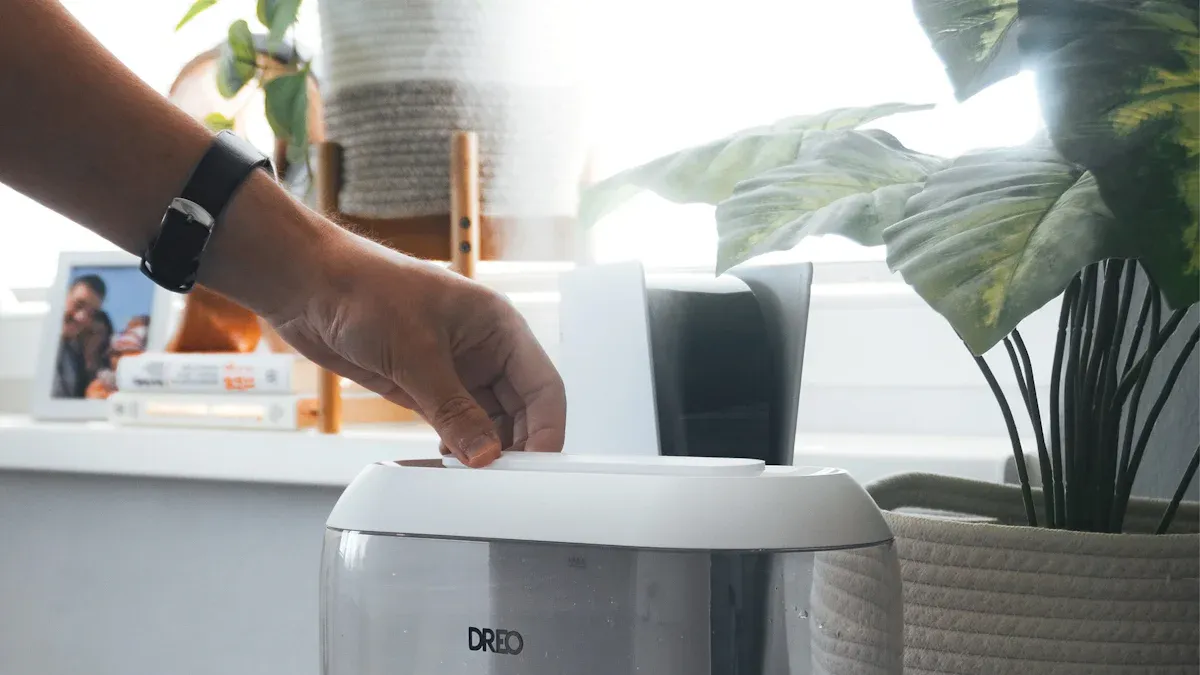
You must keep your water dispenser clean for fresh, great-tasting water. The cleaning process differs between top-load and bottom-load models. One requires a straightforward scrub, while the other involves cleaning internal parts.
You will find that cleaning a top-load dispenser is a direct process. The open design gives you easy access to all the parts that need attention. You should perform a full sanitization every 1 to 3 months to prevent bacterial growth.
Here is a simple cleaning routine you can follow:
Unplug the cooler and let the hot water tank cool down.
Remove the empty bottle and the water guard (the part that punctures the cap).
Clean the guard and reservoir with a solution of vinegar and water. A paste of baking soda and water can remove stubborn buildup.
Pour your cleaning solution into the reservoir. Let it sit for about 15 minutes.
Drain the solution through both the hot and cold spigots to clean them.
Rinse the system by flushing it with two or more gallons of fresh water until any cleaning smell is gone.
You need to pay extra attention to the internal components of a bottom-load dispenser. The pump and tubing system require regular cleaning to stay hygienic. This process is more involved than cleaning a top-load model.
The main task is flushing the internal pump and the tubes that draw water up from the bottle. You will run a cleaning solution through the entire system to sanitize it.
Some manufacturers offer specialized products to help you. You can find DIY cleaning kits with food-grade sanitizing solutions. For certain models, you can even buy a replacement cartridge. This part contains all the internal cold-water contact parts, letting you swap out the old system instead of cleaning it. This makes maintenance much simpler. ✨
Beyond loading, you will want to consider the temperature options your dispenser provides. Both top-load and bottom-load models deliver instant hot and cold water, but the specific features can vary. A quality water dispenser hot and cold should meet your daily needs for everything from a cool drink to a hot cup of tea.
Most dispensers come with preset temperatures. You can expect consistent performance from a standard water dispenser hot and cold, whether it is a top-load or bottom-load unit.
Hot Water: The hot water thermostat is typically controlled automatically. You will find that many models keep the water at nearly 190°F, with some reaching 192°F. This temperature is perfect for making instant soups, tea, or oatmeal.
Cold Water: For a refreshing drink, the cold water temperature usually ranges from 43°F to 50°F. This provides a perfectly chilled glass of water on demand.
Modern dispensers offer more than just standard temperatures. You can find advanced features that add convenience and safety, especially in a home with children.
A key safety feature on any water dispenser hot and cold is the child lock. Many models include a lock on the hot water spigot, often as part of a push-lever design. This feature gives you peace of mind, preventing accidental burns.
Some premium models also include extra functions:
Adjustable Temperatures: You can set the cold water as low as 39°F or the hot water up to 201°F.
Tri-Temp Settings: You get hot, cold, and room-temperature water from a single machine.
UV Self-Cleaning: An internal UV light sanitizes the water tanks, reducing the need for manual cleaning.
You will find that your water dispenser makes some noise during operation. The type and level of sound depend on its design. One model gurgles as it refills, while the other hums as it pumps.
You will notice a distinct gurgling sound from a top-load dispenser. This noise is a normal part of its operation. The dispenser uses gravity to feed water from the bottle into the tanks. As water flows down, air bubbles must travel up into the bottle to replace it.
This exchange of air and water creates the familiar "glug-glug" sound. The noise is brief and only happens when the internal reservoir is refilling. It is a clear sign that your dispenser is working correctly.
While the sound is noticeable, it is infrequent. You will only hear it periodically throughout the day.
You will hear a low, steady hum from a bottom-load dispenser. This sound comes from the internal pump. The pump activates to draw water up from the bottle hidden in the base. You will hear this gentle hum whenever you dispense water or when the machine refills its internal tanks.
Manufacturers design these pumps to be quiet. Many high-end models produce less than 50 decibels of sound, which is comparable to a modern, quiet refrigerator. Some specific models are even quieter. For example, certain dispensers operate at a noise level of less than 39dB. This makes them suitable for quiet spaces like offices or studies. The enclosed cabinet also helps muffle the sound, making the hum barely noticeable in most environments. 🔊
You should choose a bottom-load dispenser for its convenient, no-lift design and sleek look. This option is ideal if you have a higher budget. A top-load water dispenser hot and cold is your best choice if you prioritize cost, as affordability is the key factor for over 63% of buyers.
You should change your water bottle within two weeks. This practice prevents bacterial growth. It also ensures your water stays fresh and safe for you to drink. 💧
Most dispensers fit standard 3- and 5-gallon bottles. You should check your model's specifications. This confirms compatibility and ensures a proper fit for your machine.
Your water dispenser uses electricity like a mini-fridge. The cooling and heating elements cycle on and off. This keeps its energy consumption relatively low for most models.

We provide you with comprehensive foreign trade solutions to help enterprises achieve global development
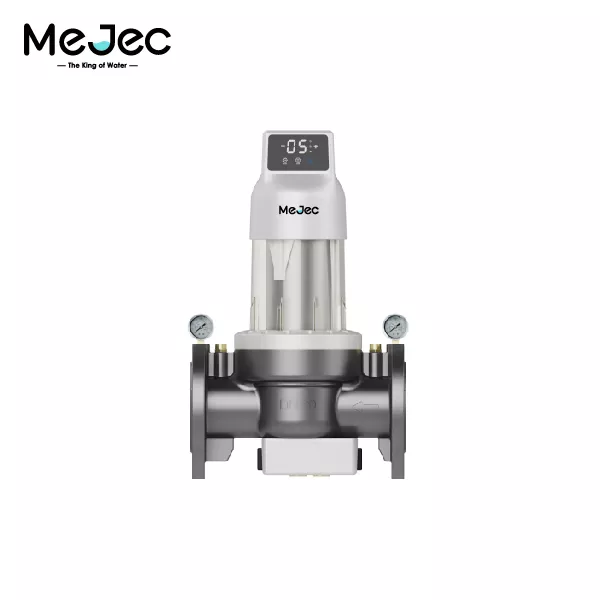
Engineered as the essential first barrier for wate...
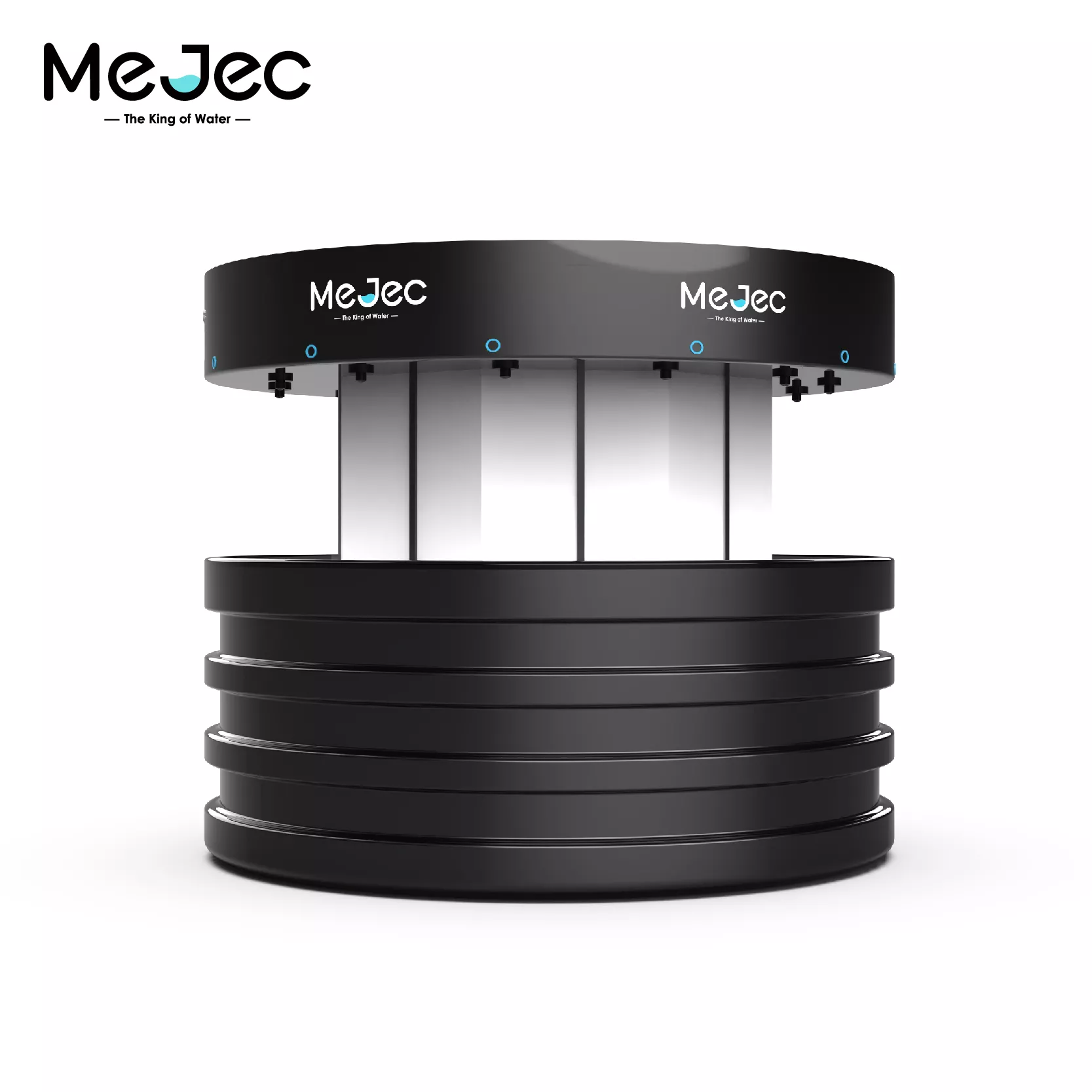
Mejec Redefines the Outdoor Hydration Experience. ...

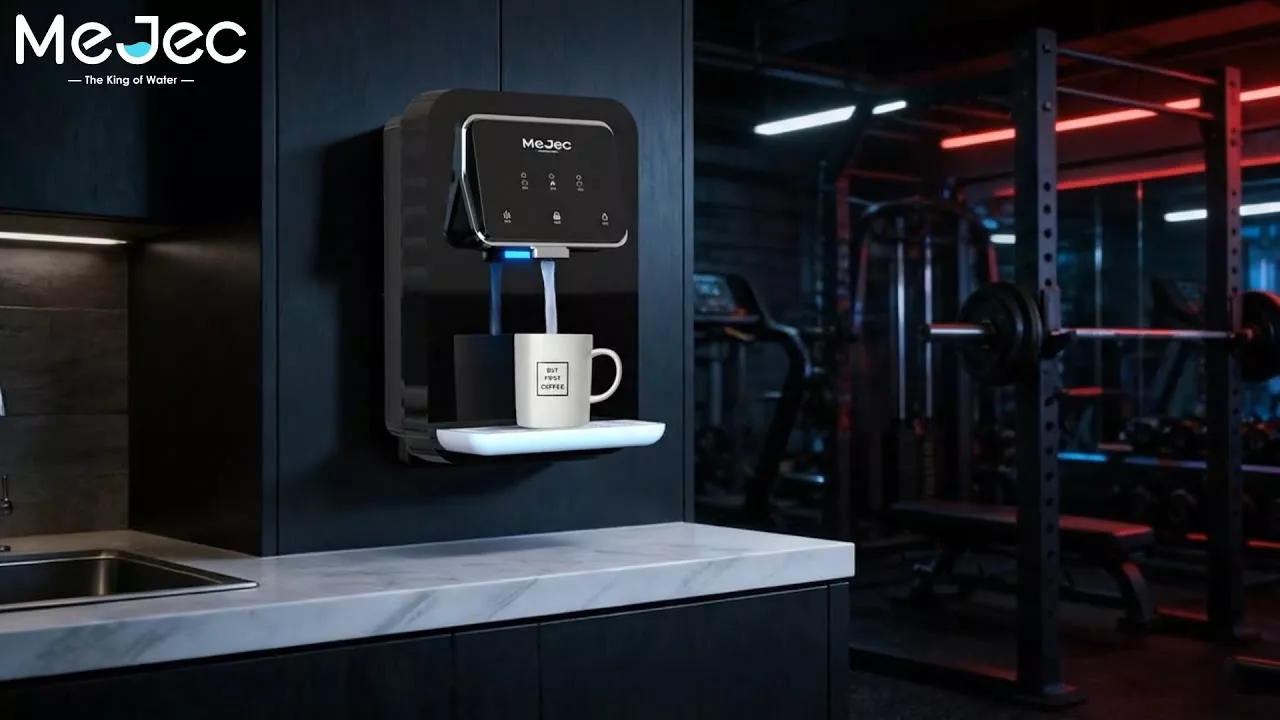
Whether your venue is a specialty café in pursuit ...
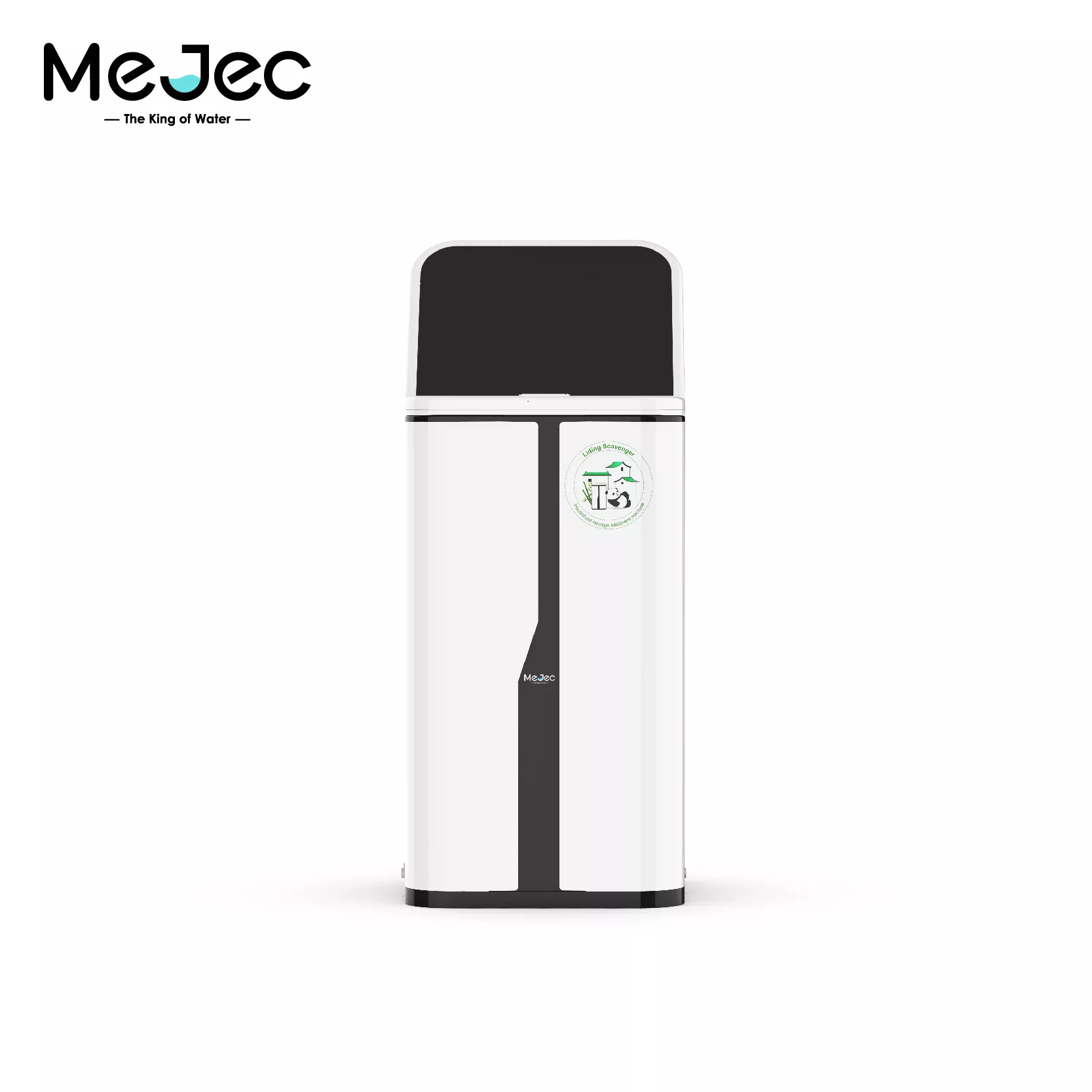
Mejec Scavenger Household Sewage Treatment Plant (...
Select the most popular foreign trade service products to meet your diverse needs
Select the most popular foreign trade service products to meet your diverse needs





User Comments
Service Experience Sharing from Real Customers
James Wilson
Office ManagerThis water dispenser is a game-changer for our office. The hot water for tea and instant meals is perfectly hot, and the cold water is refreshingly chilled. It's used constantly throughout the day and has been incredibly reliable.
Sarah Chen
Laboratory TechnicianAs someone in a lab, I appreciate precision and reliability. This unit delivers consistently hot and cold temperatures as advertised. The child safety lock on the hot water is a thoughtful feature. It's compact and fits perfectly in our break room.
Michael Rodriguez
Construction Site SupervisorWe needed a sturdy dispenser for our on-site trailer, and this one is built tough. The guys love having instant access to hot water for coffee and cold water after working outside. It handles heavy use without any issues. Highly recommended for demanding environments.
Emily Foster
Elementary School TeacherPerfect for our teachers' lounge! The hot water function is ideal for making quick cups of tea between classes, and the cold water is great for filling water bottles. It's quiet, easy to use, and has made our break times much more convenient. A fantastic purchase.