




.webp)
Top Commercial Water Dispensers for Restaurants Reviewed in 2026
Compare the top water dispenser for restaurant mod...
More


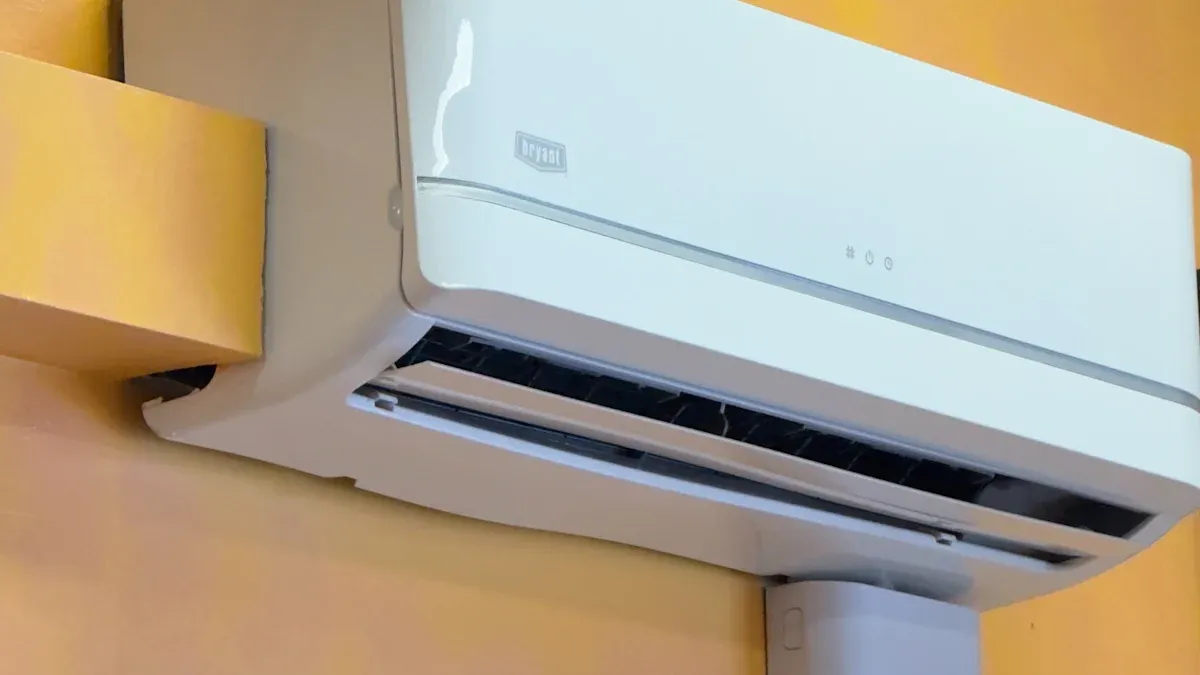
Compressor-based systems provide the best choice for high cooling capacity and efficiency. They offer excellent long-term cost savings. Thermoelectric systems, however, are ideal for portability and silent operation. They give precise control for low heat loads. Understanding these differences helps diagnose issues like a water dispenser not cooling.
Compressor systems offer strong cooling power and save money over time, but they are louder and need more upkeep.
Thermoelectric systems are quiet, small, and good for precise cooling, but they are less powerful and use more energy.
Choose a cooling system based on your needs: compressors for big jobs and long-term savings, or thermoelectric for small, quiet, and portable uses.
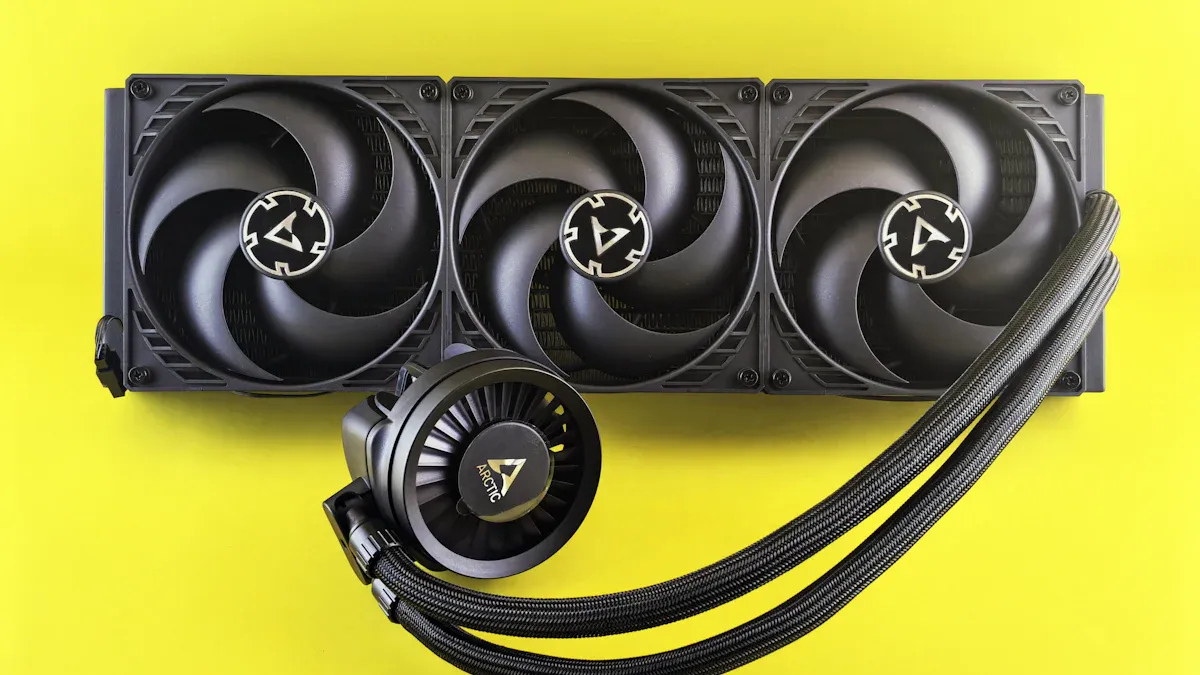
Performance is a key difference between compressor and thermoelectric systems. One system provides immense cooling power. The other offers fine-tuned temperature management. Understanding this helps explain why a device like a water dispenser not cooling might have a specific type of system failure.
Compressor-based systems are the champions of high-capacity cooling. They function like a traditional refrigerator. A refrigerant circulates, changes from liquid to gas, and absorbs large amounts of heat. This process allows them to achieve significant temperature drops, even in hot environments. Their power makes them essential for demanding applications.
The cooling capacity of these systems can be massive. They handle everything from small appliances to large commercial buildings.
Large commercial air conditioning units can reach cooling capacities of 760,000 BTU per hour.
Single package vertical air conditioners can provide up to 240,000 BTU per hour of cooling.
A compressor's performance, measured by its Coefficient of Performance (COP), can change with the outside temperature. An experimental study showed that the COP improves as the ambient temperature rises from low levels. It reaches a peak efficiency around 15.6°C (about 60°F). After this point, the COP begins to decrease as the air gets warmer. This shows that compressors work very efficiently within a specific temperature range.
Thermoelectric coolers, or Peltier devices, operate on a different principle. They use a solid-state component to move heat from one side to the other when electricity passes through it. This process creates a hot side and a cold side. These systems do not have the raw cooling power of compressors. Instead, their strength lies in their precision and simplicity.
A key performance metric for a thermoelectric cooler is its maximum temperature differential (ΔTmax). This value represents the greatest temperature difference the device can create between its hot and cold sides.
Note: ΔTmax is measured when no heat is being pumped (Qc=0). It shows the cooler's maximum potential under ideal conditions.
The achievable temperature drop varies by model, but many single-stage units perform impressively.
| Model | ΔTmax (°C) |
|---|---|
| CENTUM® SKHC1‑199‑16 | 83 |
| CENTUM® 127-09 | 82.4 |
| 9501/017/040 B | 72.0 |
| 9501/127/030 B | 72.0 |
This ability to create a stable temperature difference makes thermoelectric coolers perfect for specialized tasks. They are favored in scientific and medical fields where exact temperatures are critical. Their precise control can maintain temperatures within ±0.01°C.
PCR (Polymerase Chain Reaction): These devices need fast and accurate temperature changes to copy DNA.
Medical Laser Systems: Thermoelectric coolers keep sensitive laser components at a stable temperature for reliable performance.
Vaccine Refrigeration: They provide controlled storage, preventing spoilage where traditional cooling is unavailable.
Hypothermic Hydration Graft Storage: Precise cooling prevents damage to sensitive cells and tissues.
Choosing a cooling system involves more than just its performance. Energy use and long-term expenses are critical factors. A low initial price can hide high future costs. A higher upfront investment might save money over time. This balance between initial and long-term cost is essential for making an informed decision.
The initial purchase price is only one part of the financial story. Total Cost of Ownership (TCO) provides a more complete picture. It includes the upfront cost, energy consumption, maintenance, and potential replacement expenses over the device's life. Comparing these factors reveals the true cost of each technology.
A direct comparison of a 50-liter cooler highlights the key differences.
| Feature | Compressor Coolers | Thermoelectric Coolers |
|---|---|---|
| Upfront Cost | Higher | Lower |
| Energy Efficiency | Far more energy efficient | Higher consumption |
| Long-term Savings | Significant savings on electricity | Increased operational expenses |
| Maintenance | Needs periodic maintenance | Minimal maintenance |
| Durability/Lifespan | Longer durability | Shorter lifespan |
| Operating Costs | Lower long-term operating costs | Higher operational expenses |
This table shows that thermoelectric coolers are cheaper to buy initially. However, compressor systems offer substantial long-term savings due to their superior efficiency and durability.
Compressor systems are highly efficient. They use a cycling process, turning on only when needed to maintain temperature. This intermittent operation significantly reduces electricity consumption. Modern ENERGY STAR certified refrigerators demonstrate this efficiency well.
Top-freezer models consume around 400-500 kWh annually.
Side-by-side models use approximately 600-700 kWh per year.
While they are energy-thrifty, compressor systems have higher maintenance costs. These costs are a major part of their total cost of ownership. For some industrial compressors, maintenance expenses over 10 years can be more than double the initial purchase price.
For example, an industrial air compressor with a $30,000 price tag can have a total 10-year cost of $150,000 once energy and maintenance are included.
These maintenance costs cover several areas:
Routine service checks
Parts replacement
Labor for repairs
Costs from downtime during repairs
Focusing only on the purchase price is a short-sighted approach. The long-term operating and maintenance costs are crucial for understanding the full financial impact. A problem like a water dispenser not cooling could lead to repair bills that add to this total cost.
Thermoelectric coolers are less efficient than compressor systems. Their Coefficient of Performance (COP), a measure of efficiency, is typically much lower. The COP for a thermoelectric device often stays below 1.5. This means it moves less heat for each watt of electricity it uses. Research shows that the maximum COP for one model is achieved at an optimal voltage of 6V, even though maximum cooling power occurs at a higher voltage.
The efficiency of a thermoelectric cooler also depends heavily on its ability to shed heat from its hot side. Better heat dissipation leads to a higher COP.
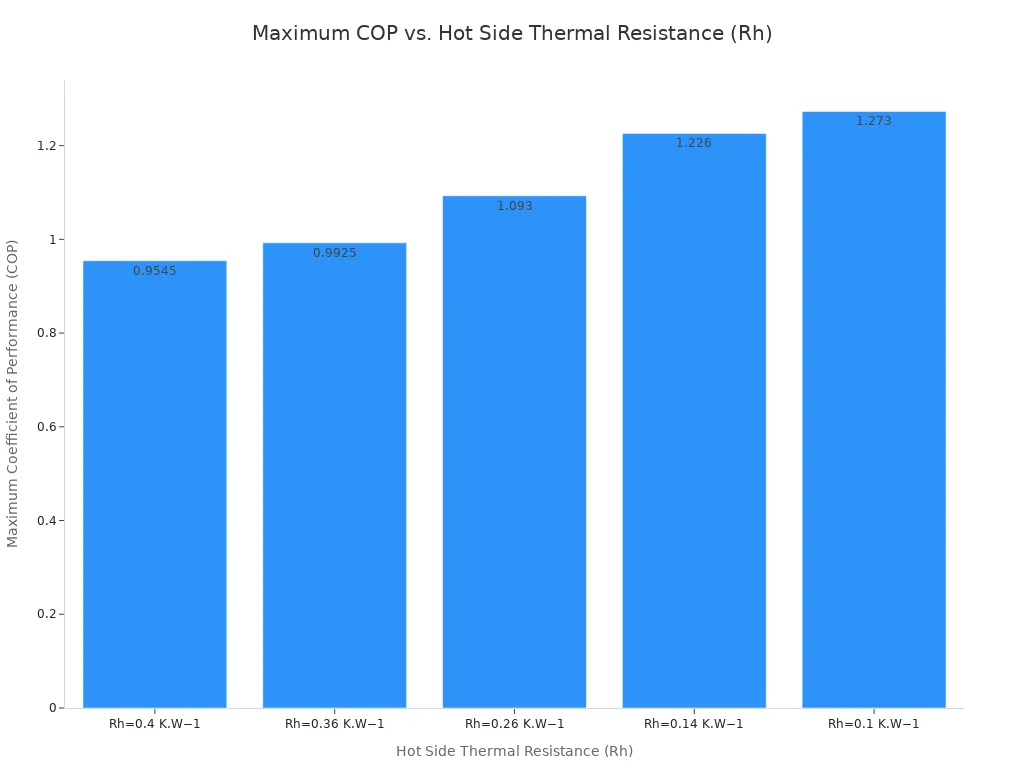
Despite their lower efficiency, thermoelectric systems are very cost-effective in specific situations. Their low upfront cost and simple design make them ideal for low-heat-load applications. They excel in devices where size, silence, and portability are more important than raw power.
Common applications include:
Portable Car Coolers: Their compact size is perfect for travel.
Small Wine Chillers: They maintain a consistent temperature without vibration, protecting the wine.
Electronics Cooling: They provide precise temperature control for sensitive components.
For these niche uses, the higher energy consumption is a reasonable trade-off for the benefits of a lower purchase price, silent operation, and no maintenance. A failure in these simple devices is less common, but if one occurs, replacement is often cheaper than repairing a complex compressor unit.
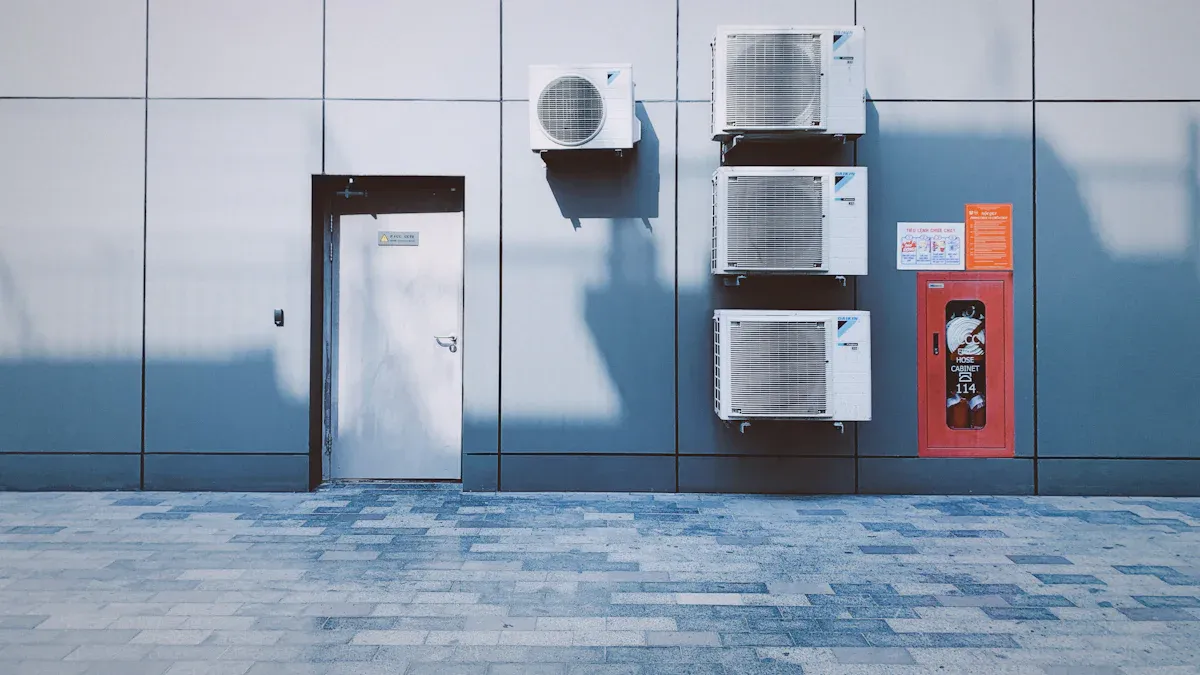
The physical size and operational characteristics of a cooling system often determine its best use. A system's dimensions, weight, and noise level are critical factors. These features dictate whether a technology is suitable for a portable cooler or a stationary appliance.
Compressor and thermoelectric systems have very different physical profiles. Thermoelectric coolers are known for their compact size and low weight. This makes them perfect for portable applications like the Alpicool C9 mini car fridge. Their design uses minimal power, which is ideal for travel. Compressors, while larger, have become much smaller. A RIGID DC compressor can weigh just 720 grams while providing powerful cooling from 100W to 800W.
Portability also involves performance. Thermoelectric coolers can keep items cool but cannot freeze them. Compressor systems offer much greater cooling power.
A compressor cooler like the Bodega X18 can freeze items down to -4°F (-20°C).
It can cool from 68°F to 32°F in about 15 minutes.
These units often include battery protection to prevent draining a vehicle's battery.
Noise and vibration are significant differentiators between the two technologies. Compressor systems generate more noise and vibration due to their moving parts.
A typical household refrigerator compressor produces a low hum around 35 decibels (dB). This is generally quiet but still noticeable.
Thermoelectric systems are nearly silent. They use solid-state components with no moving parts except for small fans. This design results in minimal vibration, making them ideal for sensitive environments. A problem like a water dispenser not cooling might be less disruptive if the unit is thermoelectric, as it won't have the mechanical noise of a failing compressor.
| System Type | Noise & Vibration |
|---|---|
| Thermoelectric | Light noise and vibration from fans |
| Compressor-based | Some noise and vibration from compressor and fans |
This lack of vibration is crucial for protecting delicate electronics or for use in quiet spaces like offices and bedrooms.
A system's reliability and maintenance needs directly impact its long-term value and user experience. Understanding these factors helps explain why a device fails and what it takes to fix it.
Compressor systems are built for longevity. A commercial refrigeration compressor often lasts 8 to 10 years. This durability, however, depends on consistent and thorough maintenance. Technicians must perform many tasks to keep these systems running well.
Clean condenser coils twice a year.
Check refrigerant levels to ensure proper cooling.
Inspect oil levels and electrical connections regularly.
Replace air and oil filters on schedule.
Neglecting these steps can lead to problems. A faulty thermostat or low refrigerant are common reasons for a water dispenser not cooling. These issues often require professional repair, adding to the lifetime cost.
Thermoelectric systems offer outstanding reliability due to their simple design. They are solid-state devices with no moving parts to wear out. This gives them an impressive Mean Time Between Failures (MTBF) of over 100,000 hours. Their design makes them dependable and virtually maintenance-free.
When a thermoelectric water dispenser not cooling occurs, troubleshooting is usually simple.
Troubleshooting Tip: Before calling for service, check that the unit is plugged in, the power switches are on, and the thermostat is set correctly. Sometimes, simply unplugging the unit for a few minutes can resolve the issue.
This simplicity means users can often solve problems themselves without needing a technician.
The best cooling technology depends entirely on the application. Each system serves different needs effectively.
Choose compressor systems for powerful cooling where long-term operating cost is a priority. Opt for thermoelectric systems for compact, silent needs like portable vaccine storage or electronics cooling, where upfront cost and precise control are key.
A water dispenser may not cool for several reasons.
A compressor unit might have low refrigerant or a bad thermostat.
A thermoelectric unit could have a failed fan.
Thermoelectric systems are much quieter. They have no moving parts besides small fans. Compressors generate a noticeable hum from their mechanical operation, making them louder.
No, thermoelectric coolers cannot freeze food. They are designed to keep items cool, not to reach freezing temperatures. Compressor-based coolers have the power needed for freezing.

We provide you with comprehensive foreign trade solutions to help enterprises achieve global development
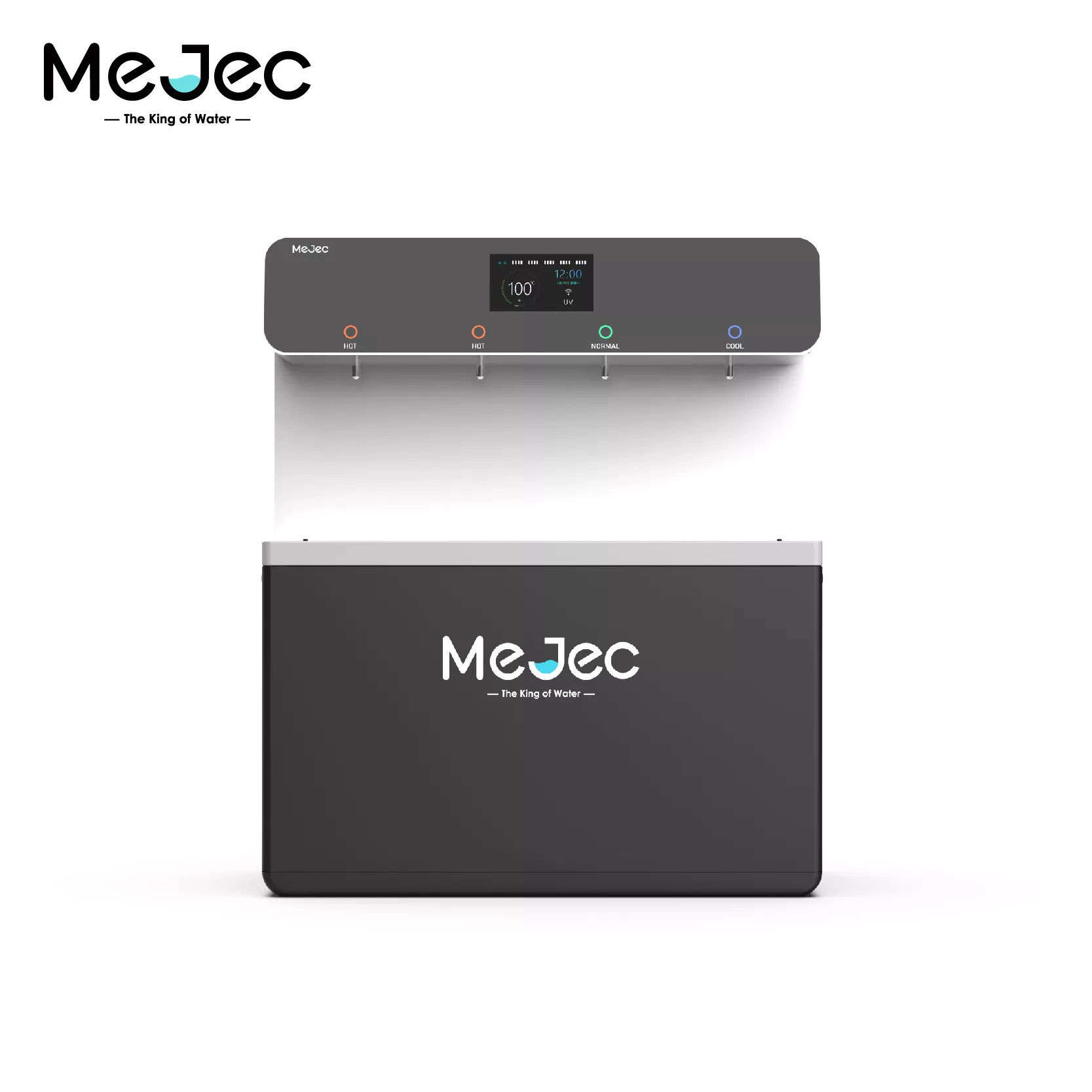
Designed for high-traffic public areas, the Mejec ...
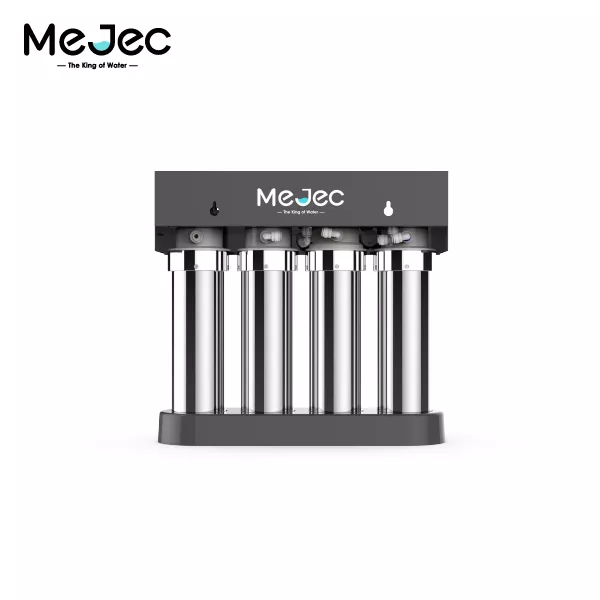
The smart under-sink RO system that brings pure wa...
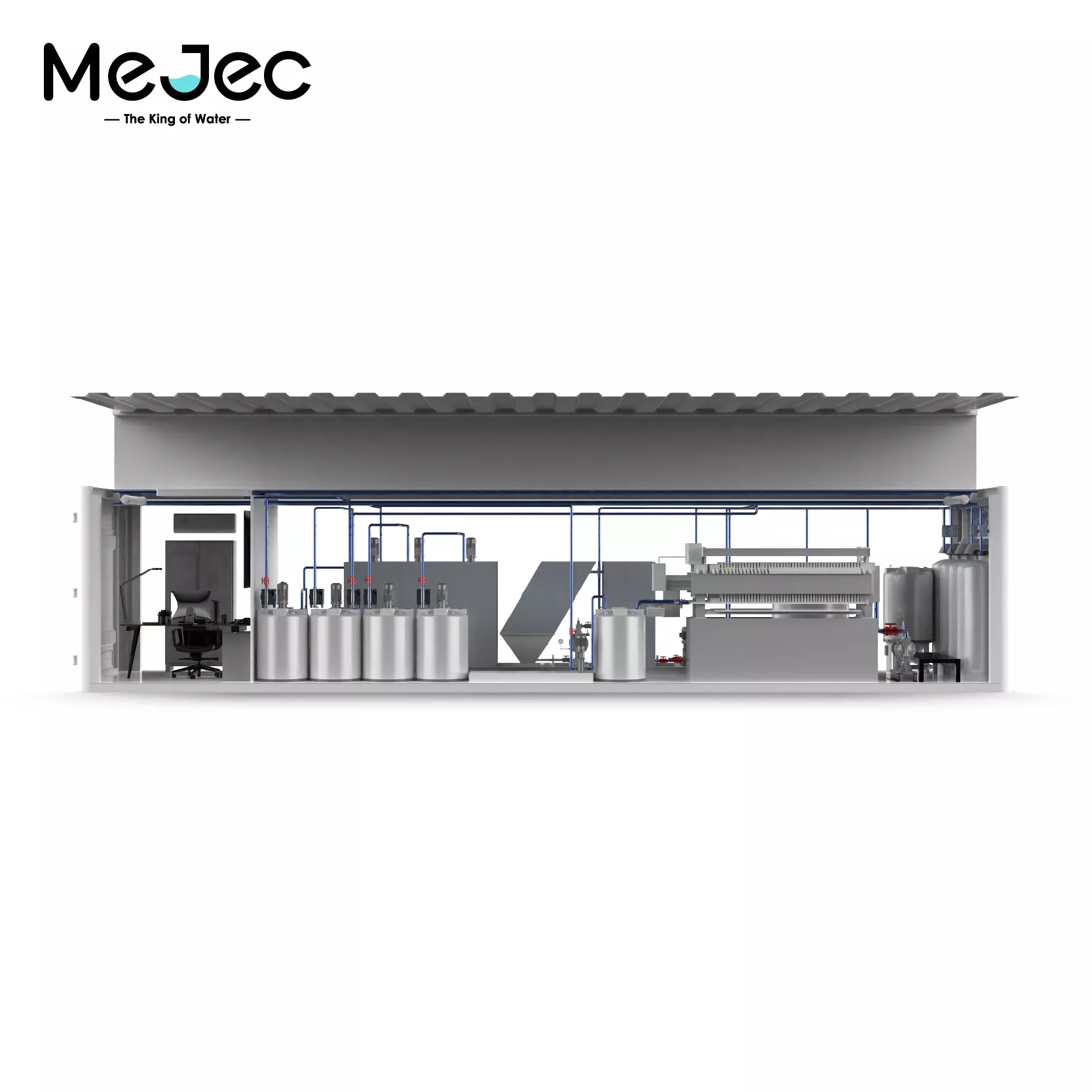
Mejec containerized wastewater treatment system ad...
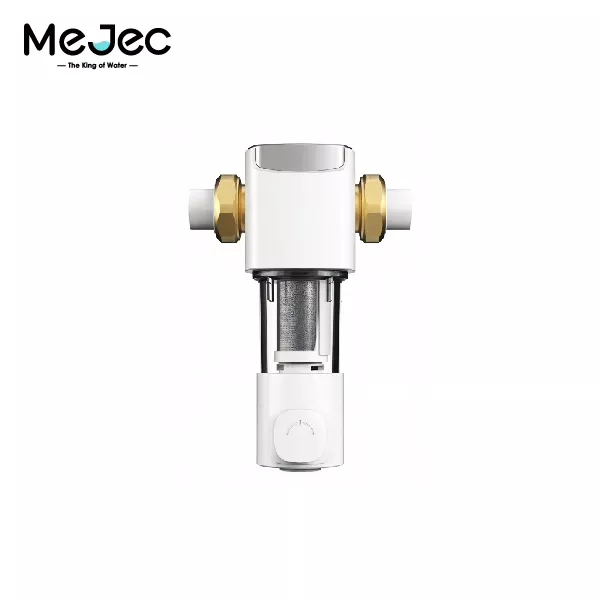
This whole-house pre-filter serves as your first a...
Select the most popular foreign trade service products to meet your diverse needs
Select the most popular foreign trade service products to meet your diverse needs





User Comments
Service Experience Sharing from Real Customers
James Wilson
Office ManagerI initially reported that my water dispenser was not cooling. The customer service team was incredibly responsive and walked me through a simple filter reset procedure over the phone. It's working perfectly now – cold water on demand! Fantastic support.
Sarah Chen
Dental HygienistOur clinic's water cooler stopped cooling suddenly. I called for service, and a technician arrived the next day. He was professional, quickly diagnosed a faulty thermostat, and replaced it on the spot. Great, efficient repair service.
Michael Rodriguez
TeacherAfter my dispenser failed to cool, I was worried about a costly repair. The support guide on the website helped me check the compressor ventilation, which was blocked. Cleared it, and it's like new! Excellent product design that allows for user troubleshooting.
Emily Foster
Software DeveloperMy home office dispenser had a cooling issue. The company sent a replacement cooling unit under warranty without any hassle. The installation was straightforward. Now it cools even better than before. Truly reliable customer care and a quality product.