




.webp)
What is MBBR for sewage treatment plant?
MBBR sewage treatment plant uses biofilm carriers ...
More


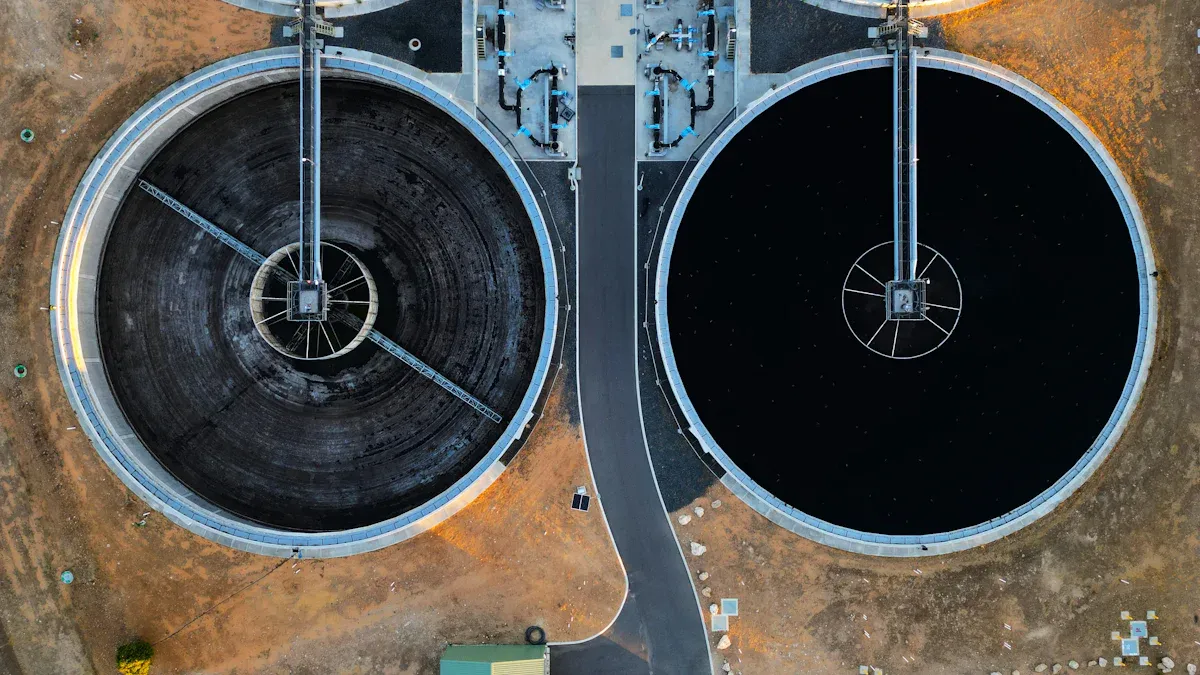
You may think all wastewater gets treated the same way, but each water sewage treatment plant uses different steps for different contaminants. Many people believe initial treatment makes water clean, but full safety requires several stages.
76% of wastewater receives some treatment in 73 countries.
Only 60% is safely treated worldwide.
Water sewage treatment plants play a crucial role in protecting public health by removing harmful bacteria and chemicals from wastewater.
Advanced treatment processes, including aeration and filtration, ensure that water is safe for reuse and discharge into the environment.
Supporting clean water initiatives helps maintain healthy communities and ecosystems, making it essential for everyone to understand and appreciate the importance of wastewater management.
You rely on clean water every day for drinking, cooking, and washing. A water sewage treatment plant helps keep your water safe by removing harmful bacteria and chemicals. When you have access to treated water, you lower your risk of waterborne diseases like diarrhea. These diseases spread quickly when sanitation is poor, but treatment plants break the chain by cleaning contaminated water.
Tip: Good sanitation and clean water can cut the spread of illness in your community.
You can see the importance of these plants in many countries. European nations treat about 90% of their urban wastewater, which helps keep people healthy. In places with advanced technology, like Singapore and Switzerland, water treatment plants use strict standards to protect public health.
Water treatment plants ensure you get clean and safe drinking water.
They reduce the risk of waterborne diseases by removing dangerous pathogens.
These facilities help maintain your quality of life by making sure clean water is always available.
When you use water, it eventually returns to rivers, lakes, or the ocean. If you let untreated wastewater flow into nature, it can harm fish, plants, and other wildlife. A water sewage treatment plant protects the environment by cleaning water before it goes back into these places.
Treatment plants stop harmful bacteria and chemicals from entering rivers and lakes.
They prevent oxygen loss in water bodies, which helps fish and other aquatic life survive.
Wastewater can change the balance of tiny organisms in rivers, making them more sensitive to pollution.
You help protect nature every time you support clean water efforts. Many countries invest in advanced treatment systems to keep their rivers and lakes healthy. When you understand how these plants work, you can appreciate their role in keeping both people and the planet safe.
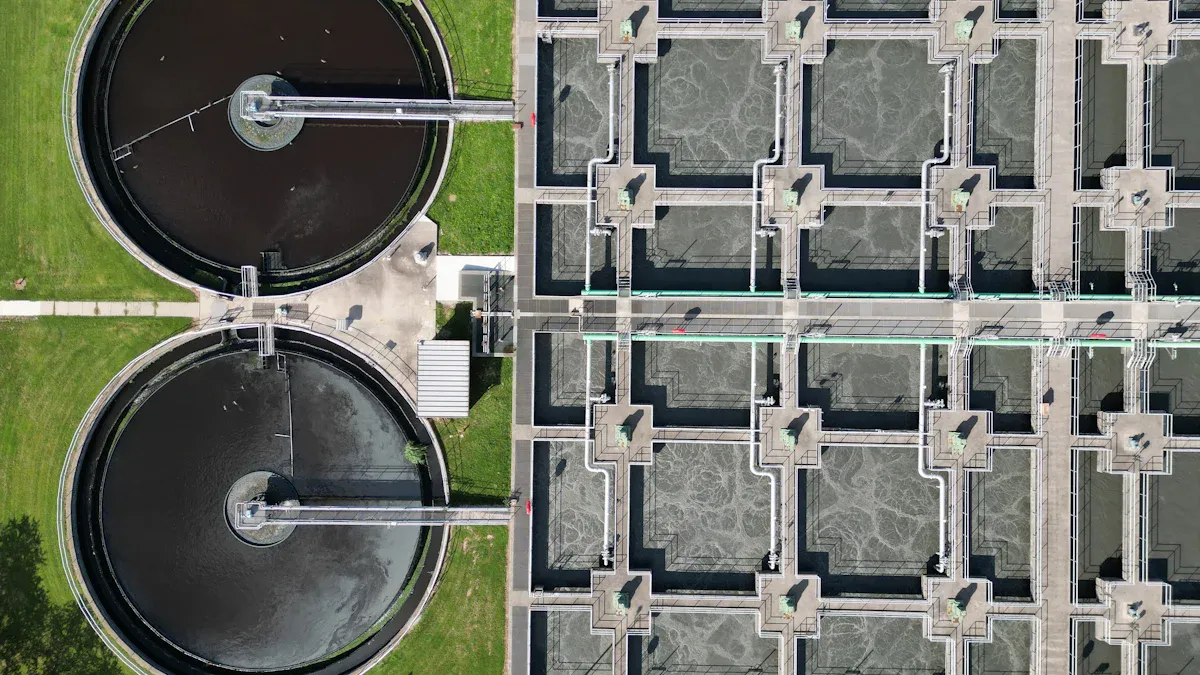
When you first look at the process in a water sewage treatment plant, you see that the journey begins with screening. This step helps you remove objects that could block or damage equipment. You find screens at the entrance of the plant. These screens catch items that do not belong in the water. You might wonder what gets trapped here. The most common debris includes:
Rags
Large solids such as sticks, leaves, and rubbish
Grit like sand and gravel
Other materials that could cause clogging or mechanical issues
You help protect the machinery by removing these items early. If you skip this step, you risk damaging pumps and pipes. You also make the next stages of treatment easier and safer.
Tip: You can imagine the screens working like a giant comb, catching everything too big to flow through.
After you screen out large debris, you need to move the wastewater deeper into the plant. Powerful pumps help you lift and transport the water. These pumps keep the flow steady and make sure the water reaches each treatment stage. You rely on this system to handle large volumes every day. If you visit a water sewage treatment plant, you see pumps working around the clock. They help you control the speed and direction of the water. This step sets the stage for grit removal and further cleaning.
You now understand that preliminary treatment is the first defense against damage and blockages. You prepare the water for more advanced cleaning by removing debris and pumping it forward.
After you remove large debris, you face another challenge in the water sewage treatment plant. Sand, gravel, and other heavy particles can still flow with the wastewater. These materials may seem small, but they can cause big problems. If you let grit stay in the system, it can wear down pumps and pipes. You also risk clogging equipment and raising maintenance costs.
You use special tanks and chambers to separate grit from the water. Each method works in a different way. Here is a table that shows some of the most effective grit removal methods:
| Method | Description |
|---|---|
| Aerated Grit Chamber | Wastewater flows in a spiral, letting heavy particles sink to the bottom. |
| Detritus Tank | A mechanical rake scrapes grit from the bottom and moves it for removal. |
| Horizontal Flow Grit Chamber | Water flows straight, so grit settles at the bottom for easy removal. |
| Hydrocyclone | Centrifugal force spins grit out of the liquid stream. |
| Vortex-Type Grit Chamber | A swirling motion pushes grit to the bottom for collection. |
You choose the right method based on the size of your plant and the type of grit you expect. Removing grit early helps you in many ways:
You protect pumps and machines from damage.
You lower the cost of repairs and maintenance.
You improve the performance of later treatment steps.
You make the whole process more efficient and reliable.
Note: Grit removal is a key step that keeps your plant running smoothly and helps you deliver cleaner water to your community.
You reach the primary treatment stage after removing grit and large debris. Here, you use settling tanks, also called primary sedimentation tanks, to separate solids from liquids. These tanks play a big role in cleaning the water. As wastewater flows slowly through the tank, gravity pulls heavier particles down. The solids settle at the bottom, forming what you call primary sludge. Lighter materials, like oils and grease, float to the top.
Settling tanks remove suspended solids and organic matter from wastewater.
Gravity helps solids settle at the bottom, while clarified water collects at the top.
You remove the settled solids, or primary sludge, for further treatment.
This process makes the water much clearer and prepares it for the next steps.
Note: On average, primary sedimentation tanks remove about 69.71% of suspended solids from wastewater. This high efficiency helps protect the equipment in later stages.
You must handle both the sludge at the bottom and the scum at the top. Special equipment scrapes the sludge into collection hoppers. You then send this sludge for further processing. The scum, which includes oils and floating debris, gets skimmed off the surface.
Sludge disposal can cause soil contamination, air pollution, and groundwater risks if not managed well.
You can use anaerobic digestion to reduce sludge volume and produce biogas.
Composting turns sludge into useful organic fertilizer.
By carefully removing and treating sludge and scum, you help protect the environment and keep the water sewage treatment plant running smoothly.
You now reach a stage where air becomes essential. In the aeration tanks, you add air to the wastewater. This step helps bacteria grow and do their job. When you supply oxygen, you create the perfect environment for bacteria to break down harmful substances. Without enough oxygen, bacteria cannot work well, and the cleaning process slows down.
Aeration gives bacteria the oxygen they need to decompose organic matter.
This process boosts the breakdown of contaminants, making treatment more effective.
If you do not provide enough oxygen, bacteria cannot survive or clean the water properly.
You can see bubbles rising in the aeration tanks. These bubbles show that oxygen is mixing with the water, helping bacteria stay active and healthy.
You rely on many types of microorganisms to clean the water. Each type has a special job. Bacteria, fungi, protozoa, algae, and even archaea work together to remove pollutants. The table below shows how each group helps in the secondary treatment process:
| Type of Microorganism | Examples | Function |
|---|---|---|
| Aerobic Bacteria | Pseudomonas sp., Nitrosomonas | Degrade organic pollutants, help with nitrification, break down complex substances |
| Fungi | Trametes versicolor, Aspergillus sp. | Decompose lignin, phenolic compounds, starches, and sugars |
| Protozoa | Vorticella, Paramecium | Feed on bacteria, help clarify wastewater |
| Algae | Chlorella | Provide oxygen, absorb nutrients |
| Anaerobic Bacteria | Clostridium sp., Desulfovibrio | Break down complex compounds, perform sulfate reduction |
| Methanogenic Archaea | Methanosarcina, Methanobacterium | Convert waste into methane gas, reduce waste volume |
You depend on these tiny helpers to turn dirty water into something much safer. The water sewage treatment plant uses this teamwork to protect both your health and the environment.
You reach the final cleaning stage at the water sewage treatment plant. Here, you use advanced filtration to remove the smallest particles and improve water quality. Tertiary filtration helps you achieve high-quality effluent, which is important before you disinfect the water. You can choose from several filtration methods, each with its own benefits.
| Filtration Method | Description |
|---|---|
| Coagulation Assisted Filtration | You add coagulants to help remove suspended solids more effectively. |
| Absolute Barrier Filtration | This method uses a physical barrier to block contaminants and ensure clean water. |
| Nutrient Removal | You use biological and chemical processes to remove nitrogen and phosphorus. |
| Sand Filtration | You pass water through sand to trap larger particles and some bacteria. |
| Activated Carbon Filtration | You use carbon to absorb organic compounds and metals from the water. |
| Membrane Filtration | You use semi-permeable membranes to remove fine solids, bacteria, and viruses. |
You often see sand filtration and activated carbon filtration in action. Membrane filtration stands out because it removes almost all contaminants, even tiny pathogens. New technology lets you remove up to 99.999% of impurities, which helps you meet strict safety standards.
After filtration, you must disinfect the water to kill any remaining germs. You can use ultraviolet (UV) light or chlorination. UV disinfection uses light to damage the DNA of bacteria, viruses, and protozoa. This method works well against germs that resist chlorine. Chlorination uses chemicals to destroy pathogens and leaves a small amount of disinfectant in the water. This helps protect the water as it travels to its final destination.
UV disinfection targets a wide range of harmful microorganisms.
Chlorination provides long-term protection against recontamination.
You finish the process by making sure the water is safe for people and the environment. Advanced monitoring and automation help you keep the system efficient and reliable.
You depend on skilled plant operators to keep your water sewage treatment plant running smoothly. These professionals handle daily operations, solve problems, and make sure the water meets safety standards. Operators need special training and education. You can see the main requirements in the table below:
| Requirement Type | Details |
|---|---|
| Educational Requirement | At least a high school diploma or equivalent. |
| Additional Education | Employers may prefer a certificate, associate’s, or bachelor’s degree. |
| On-the-Job Training | Long-term training under experienced operators. |
| Licensing | A state license is typically required. |
| Variability in Requirements | Licensing requirements vary by state. |
Operators learn through hands-on experience and classroom lessons. You might notice that some states ask for extra training or higher-level licenses. These rules help keep your water safe.
You rely on plant operators to monitor equipment and keep everything working well. Operators use sensors and data analytics to check flow rates and water quality. They inspect machines, clean equipment, and test fluids every day. You benefit from regular audits and inspections, which help spot problems early and prevent breakdowns. Operators work with outside experts to follow safety rules and meet regulations.
EPA works with its federal, state and tribal regulatory partners to monitor and ensure compliance with clean water laws and regulations in order to protect human health and the environment. The CWA’s National Pollutant Discharge Elimination System or NPDES Program regulates point sources that discharge pollutants into waters of the United States.
You can follow these steps to help your plant stay in compliance:
Understand the regulations for your facility.
Obtain all required permits.
Conduct regular compliance audits.
Upgrade treatment processes when needed.
Monitor and report water quality.
Train staff on procedures.
Use standard operating procedures.
Prepare for emergencies.
Communicate with regulators and your community.
Operators play a key role in protecting your health and the environment. You can trust them to keep your water sewage treatment plant safe and efficient.

You can see how treated water supports your community in many ways. After leaving the water sewage treatment plant, this water often gets a second life. Many cities and farms use it for important tasks. You might notice it helps grow food crops, especially those you eat raw. This water gives plants nutrients like nitrogen and phosphorus, which means farmers use less fertilizer. It also keeps soil healthy because it has low salt content.
You may find treated water used for:
Irrigating food crops and gardens
Watering turfgrass in parks and sports fields
Growing crops for animal feed
Recycled water often meets higher quality standards than regular surface water. You help protect the environment and save fresh water when you support water reuse in your area.
Sometimes, treated water returns to rivers, lakes, or the ocean. Before this happens, you must make sure it meets strict safety rules. The Clean Water Act sets standards for water quality in the United States. The Environmental Protection Agency (EPA) checks that all water released from treatment plants is safe for swimming, fishing, and wildlife.
You need a special permit to discharge treated water. The National Pollutant Discharge Elimination System (NPDES) controls this process. Every plant must follow these rules:
Meet water quality standards for lakes and rivers
Get a permit before releasing any water
Follow pollution control programs set by the EPA
When you follow these steps, you help keep nature clean and healthy for everyone.
You help your community by supporting each step in a water sewage treatment plant. These steps keep water safe and protect nature.
Wastewater management prevents disease and saves resources.
Clean water supports healthy families and wildlife.
| Benefit | Description |
|---|---|
| Environmental Preservation | Protects rivers and animals |
| Cost Savings | Turns wastewater into a valuable resource |
You play a part in a cleaner, safer future.
You should never flush wipes, grease, or medicine. These items can clog pipes and harm the treatment process.
You test water quality every day. This helps you make sure the water meets safety standards before release.
You should not drink water straight from the plant. The water needs extra treatment before it becomes safe for drinking.
Exploring Semi-Welded Plate Heat Exchangers for Industry in 2025
A Comprehensive Overview of Plate Heat Exchanger Functionality
How Sterile Filter Devices Operate: A Detailed Explanation
Benefits of Selecting a Self-Priming Water Pump for Systems
Comparing EHEDG Guidelines with 3A SSI Standards for Hygiene

We provide you with comprehensive foreign trade solutions to help enterprises achieve global development
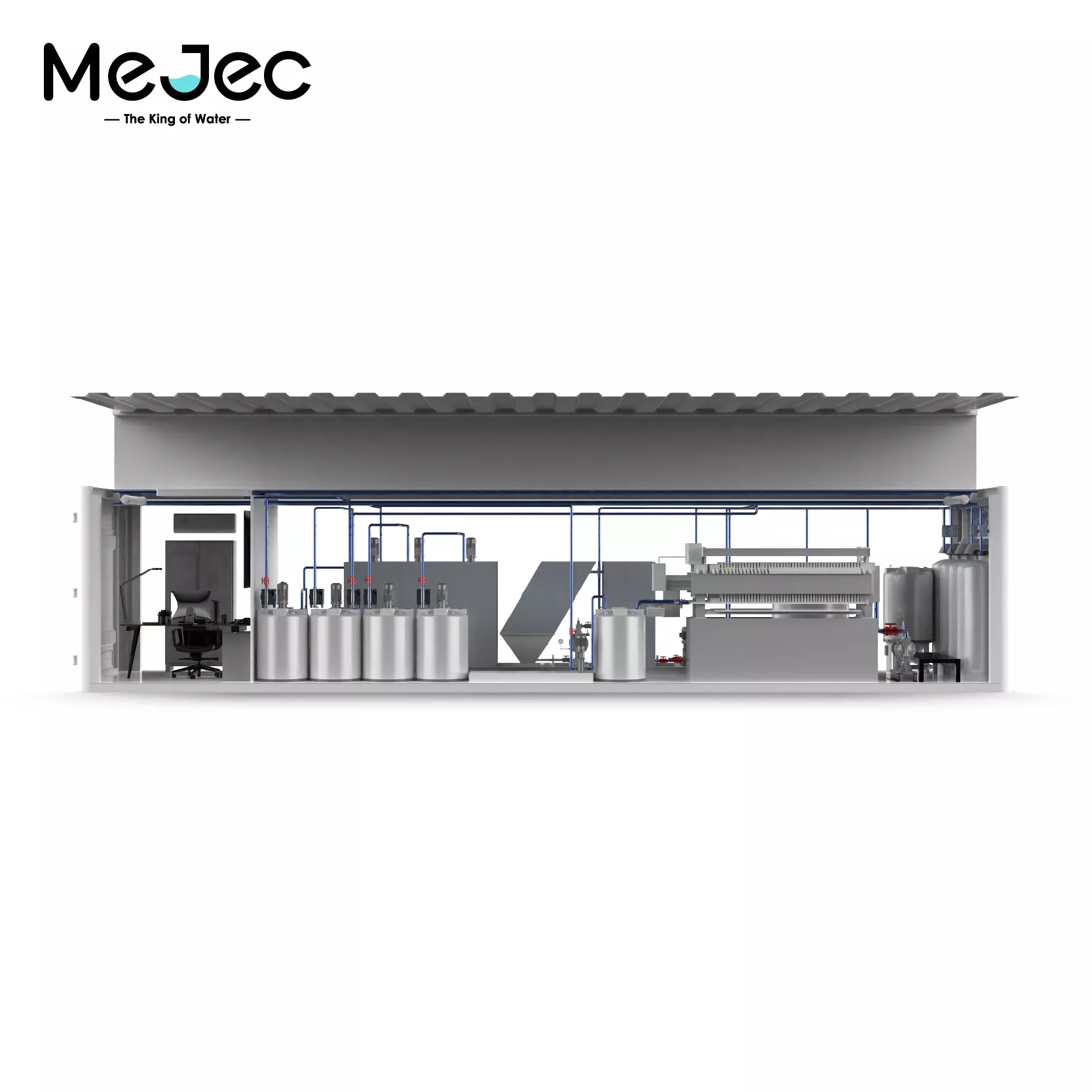
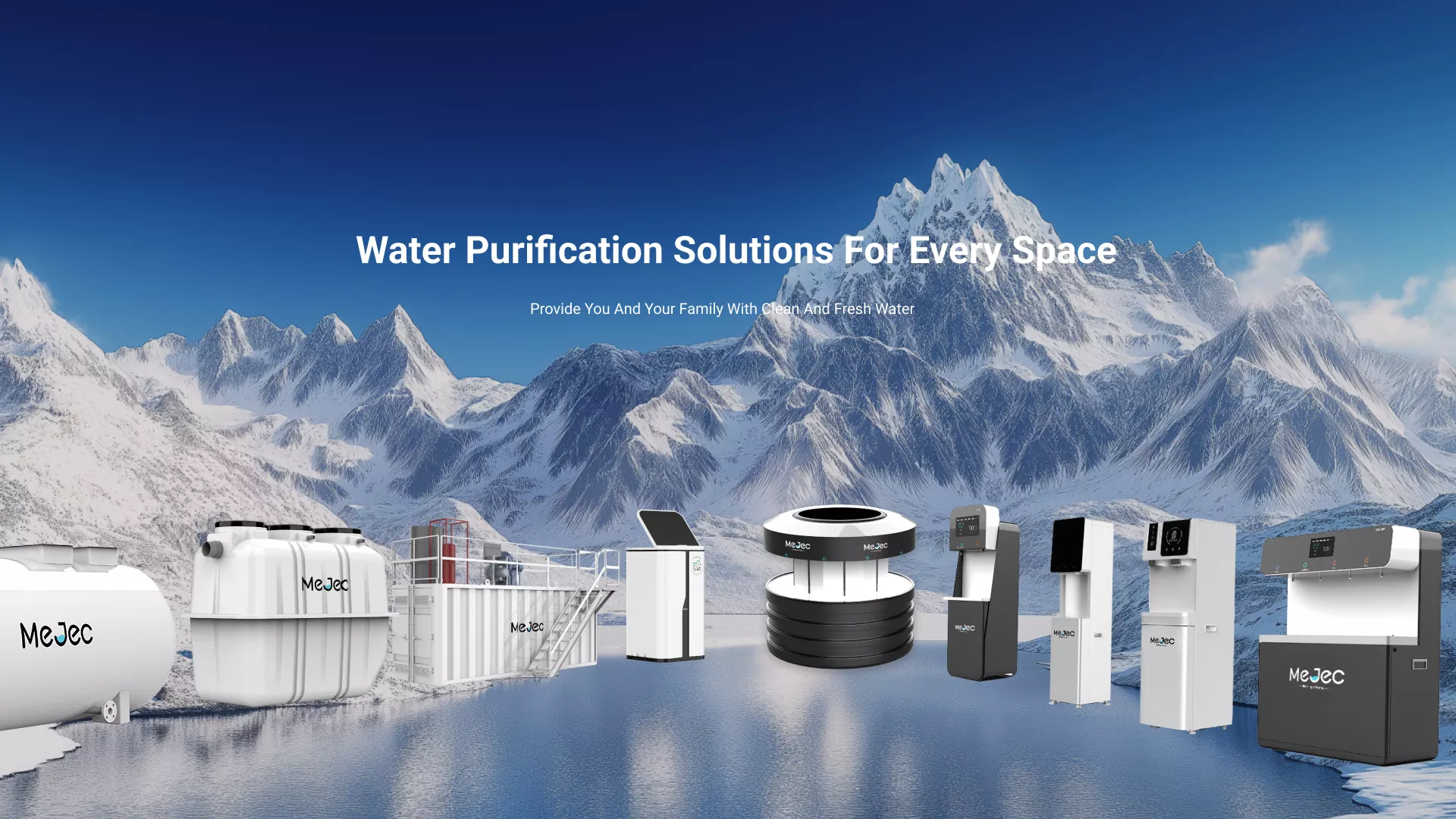
Mejec containerized wastewater treatment system ad...
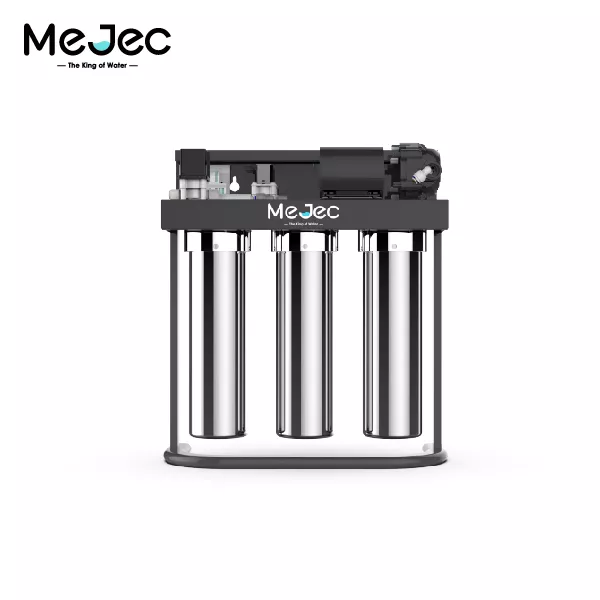
Upgrade your home's water with mejec efficient 3-s...

Enjoy instant hot and cold water with Mejec Plumbe...
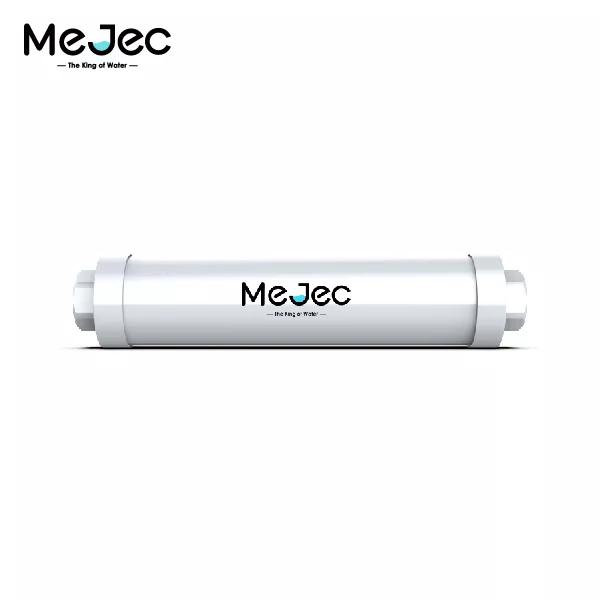
For discerning homeowners, the Premium Whole-House...
Select the most popular foreign trade service products to meet your diverse needs
Select the most popular foreign trade service products to meet your diverse needs





User Comments
Service Experience Sharing from Real Customers
Michael Chen
Environmental EngineerThe advanced membrane bioreactor system we installed has exceeded expectations. It consistently achieves over 99% BOD removal, drastically reducing our plant's environmental footprint and operational costs. The technical support team is exceptionally responsive.
Sarah Johnson
Plant Operations ManagerThe new sludge dewatering centrifuges have revolutionized our processing line. Efficiency is up by 30%, and the cake dryness is consistently perfect for disposal. A slight learning curve on maintenance, but overall a game-changer for our daily operations.
David Rodriguez
Project DirectorImplementing the integrated SCADA and IoT monitoring system was the best decision for our facility. Real-time data on pump performance, chemical dosing, and effluent quality allows for predictive maintenance and ensures we always meet strict regulatory standards.
Jennifer Park
Sustainability OfficerThe anaerobic digestion package with biogas recovery has transformed our plant into a net energy producer. We're now powering significant portions of our operations with renewable energy, aligning perfectly with our corporate sustainability goals. Outstanding technology and results.