


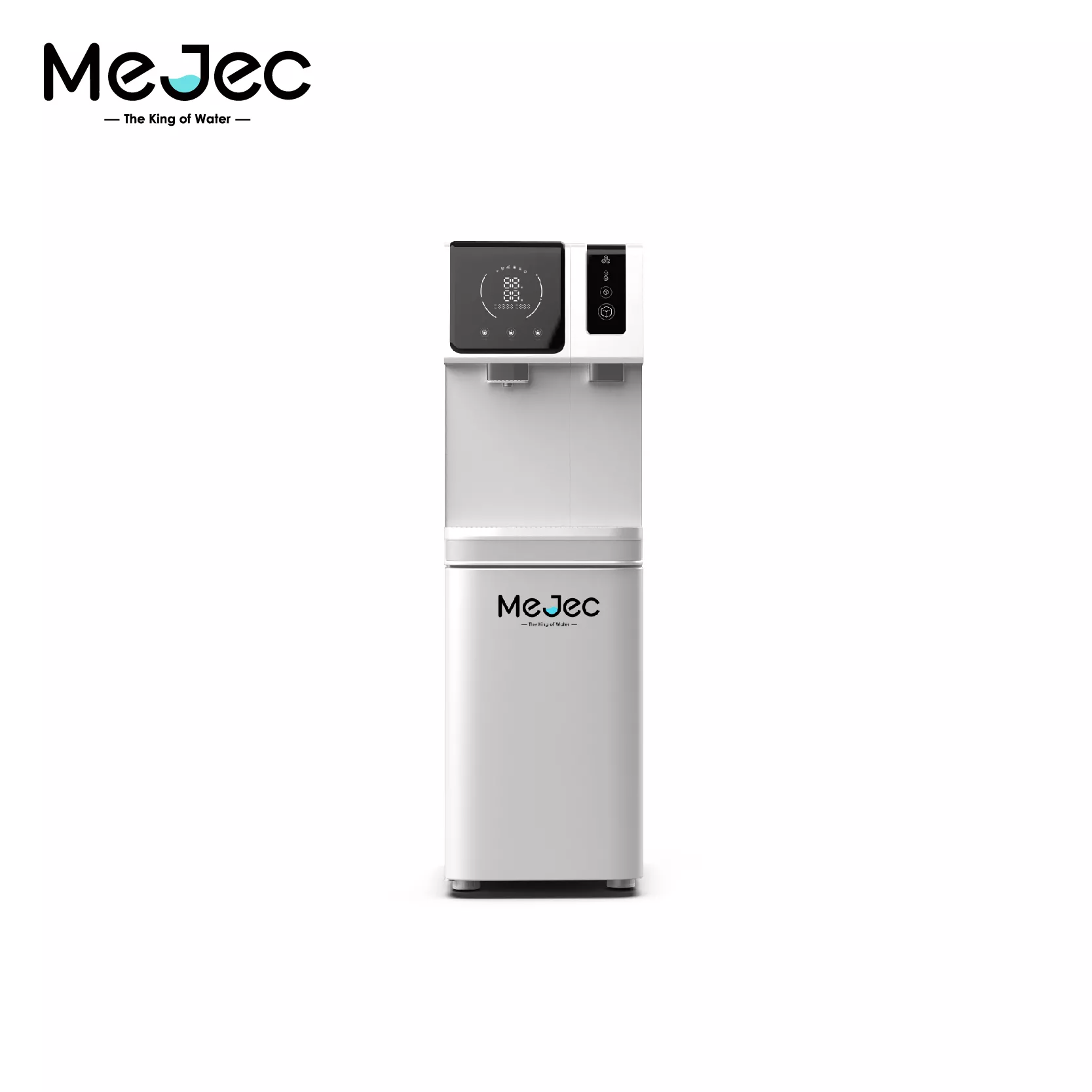
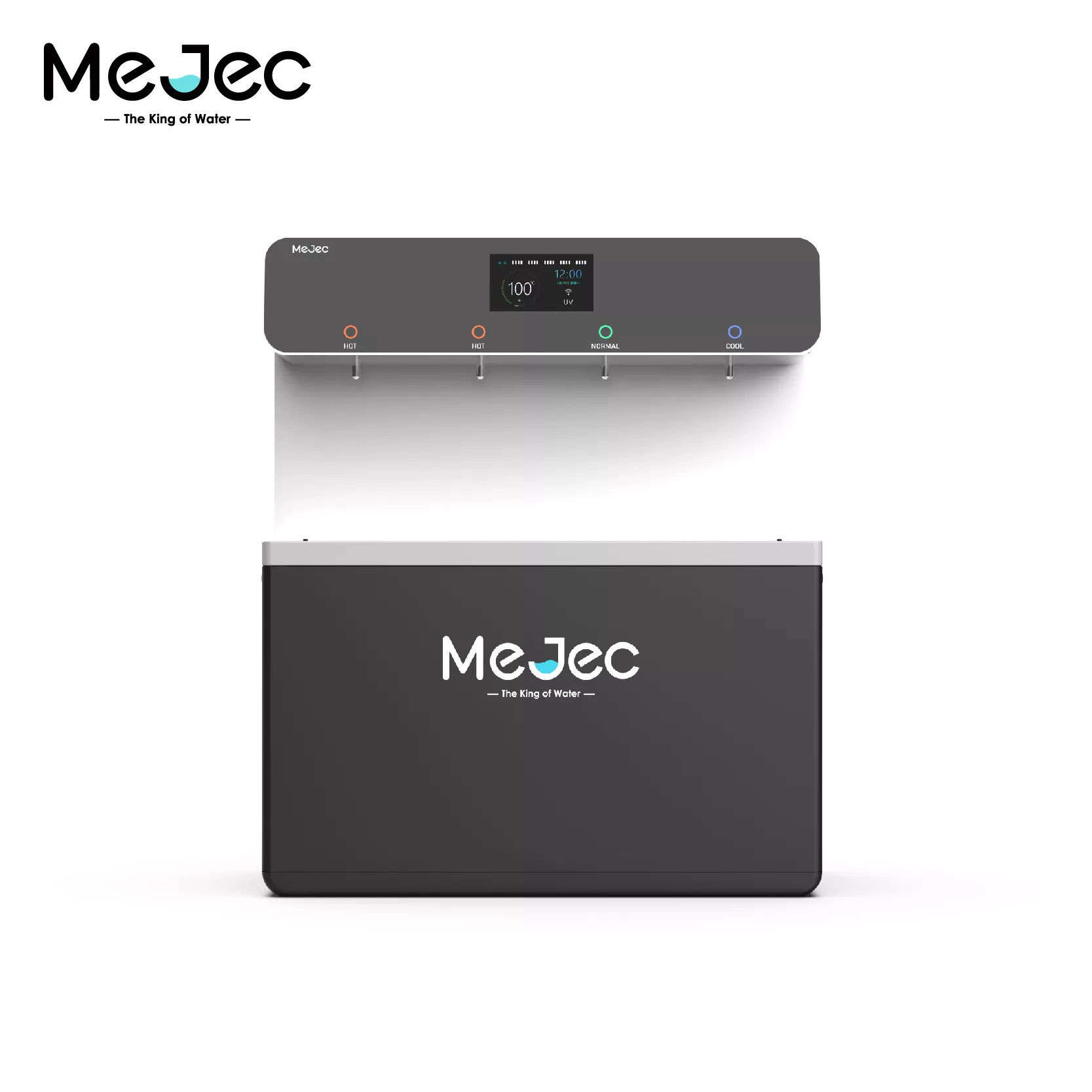

Top Commercial Water Dispensers for Restaurants Reviewed in 2026
Compare the top water dispenser for restaurant mod...
More


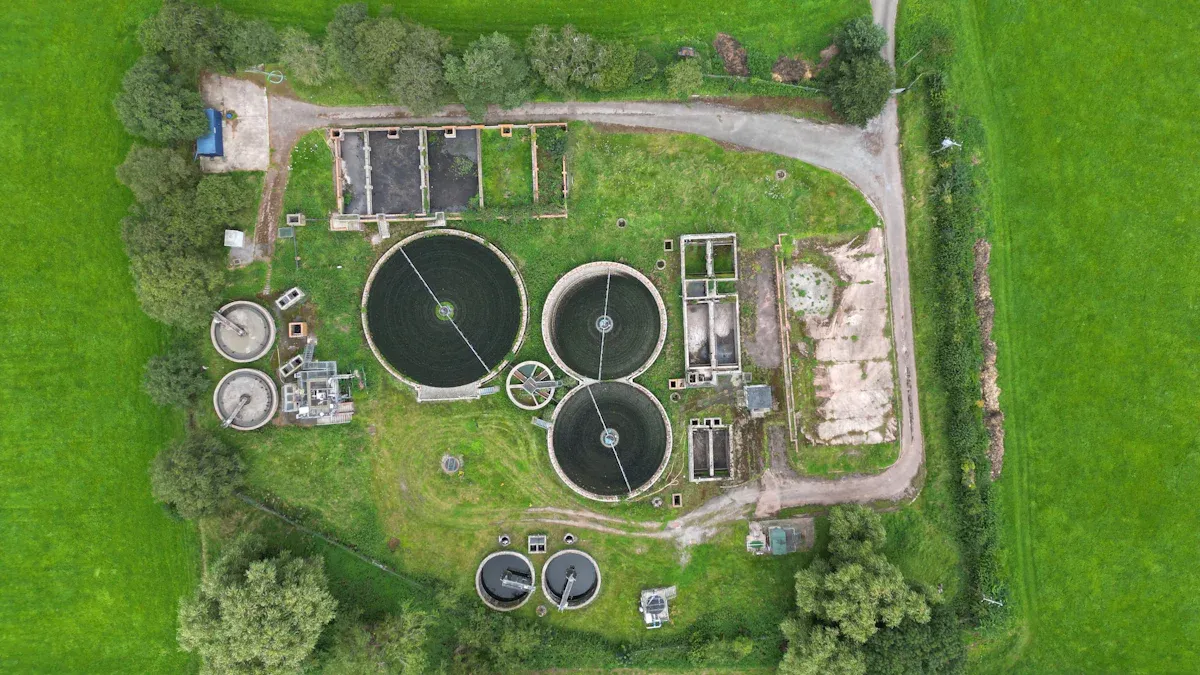
Wastewater treatment cleans water you have already used. It manages waste from your toilets and sinks for safe environmental release. About 20% of Americans use these systems. Water filtration purifies the water coming into your house. Over 23 million U.S. households use a water treatment plant for home to improve their well or city water.
Key Takeaway: Wastewater handles your home's outflow. Filtration manages your home's inflow.
Wastewater treatment cleans water leaving your home. It is often needed if your home is not connected to a city sewer.
Water filtration cleans water coming into your home. It makes your water taste better or removes harmful things.
Wastewater treatment is usually a must for homes without city sewer access. Water filtration is an extra choice to make your water better.
You might wonder if a wastewater treatment system is a choice or a requirement. For many homeowners, it is an absolute necessity. You need this type of system when your home cannot connect to a centralized public sewer. It becomes your personal, onsite solution for managing all the water that goes down your drains.
The most common reason you need a wastewater system is location. Your home may be too far from a municipal sewer line. This is frequent in rural or suburban areas. Several factors determine the need for an onsite system:
Absence of Centralized Infrastructure: Your community may lack a public sewage collection and treatment plant.
Remoteness: Isolated properties or remote communities often rely on their own systems because building long sewer lines is not practical.
Soil Suitability: Local regulations require your property's soil to be suitable for a septic system. The soil must properly absorb and filter the treated water.
Climate: Extreme climates can also influence the type of system you need, as it must function correctly in your local weather conditions.
An onsite system must handle every drop of water your household produces. This wastewater comes from various sources and is separated into two main categories.
Blackwater vs. Graywater
Blackwater comes from toilets and kitchen sinks. It contains human waste and food scraps, carrying a high load of organic material and potentially harmful bacteria.
Graywater comes from showers, washing machines, and bathroom sinks. It has lower levels of contaminants like soaps and detergents.
Your system collects both blackwater and graywater. It then uses a multi-step process to treat it. Modern systems often use membrane filtration and UV disinfection to remove impurities. This ensures the water is clean enough to be released safely.
Proper wastewater treatment is not just a practical need; it is a legal and environmental responsibility. Failing systems pose serious risks to health and nature.
Groundwater Contamination: Untreated wastewater can leak into the ground. It may contaminate your drinking water well with pathogens like E. coli.
Surface Water Pollution: Runoff from a failed system can pollute nearby streams, rivers, and lakes. This makes water unsafe for swimming and harms aquatic life.
Nutrient Pollution: Wastewater releases nitrogen and phosphorus. These nutrients can cause massive algae blooms in water bodies, creating "dead zones" where fish cannot survive.
The U.S. Environmental Protection Agency (EPA) sets national guidelines under the Clean Water Act. However, your state and local health departments create and enforce the specific rules for your home's system. You must get a permit and follow their regulations to ensure your system is designed, installed, and maintained correctly. This protects your family and your local environment.
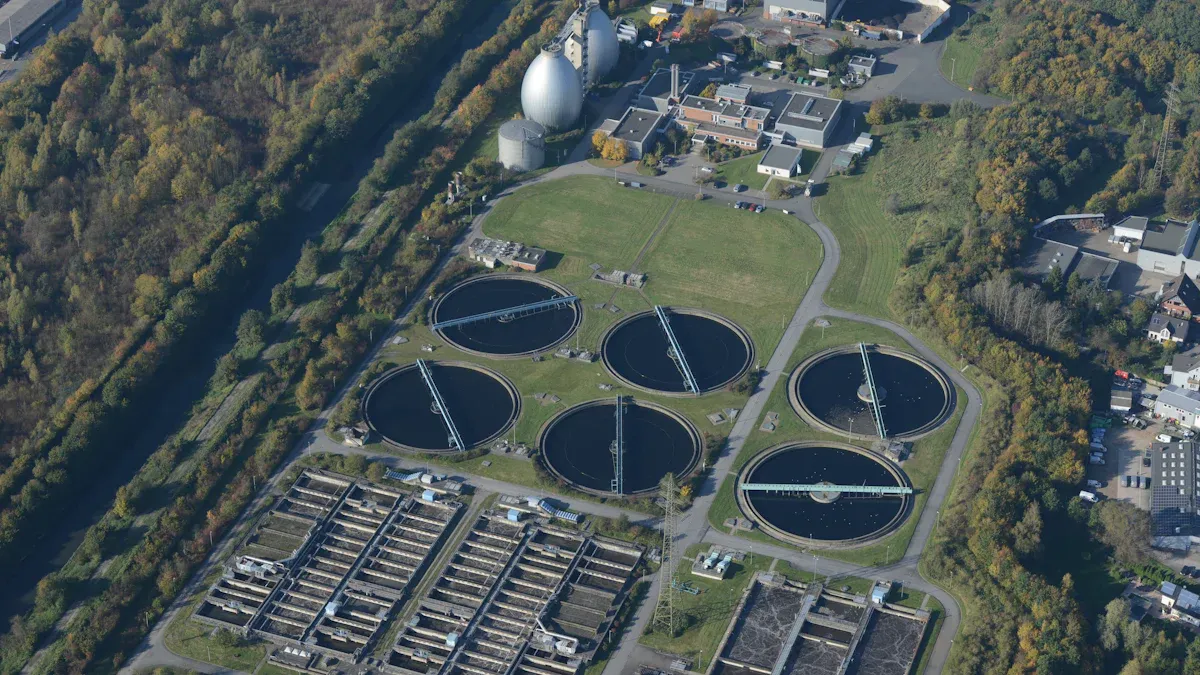
When you need an onsite system, you will find a few common options. The right choice depends on your property, local rules, and budget. Two popular types are conventional septic systems and aerobic treatment units.
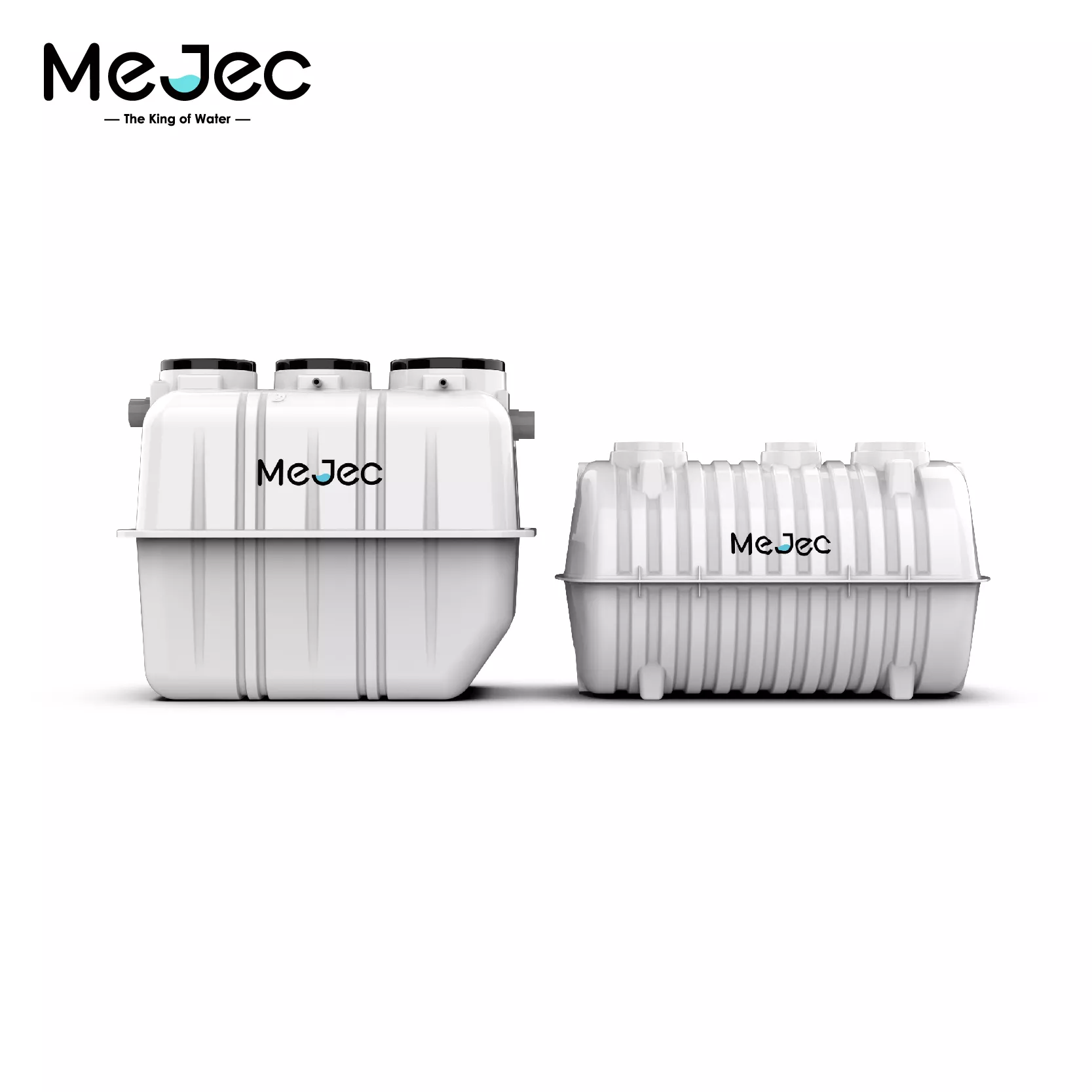
A conventional septic system is the most traditional choice for homes without sewer access. It uses a simple, natural process to treat your wastewater. With proper care, these systems can last 20 to 40 years. The system has two main parts: a septic tank and a drainfield.
The drainfield, or leach field, is where the final treatment happens. It is often the first part of the system to fail. Here is how it works:
Liquid waste, called effluent, flows from the septic tank into the drainfield trenches.
The effluent slowly seeps through gravel and into the soil below.
The soil acts as a natural filter. Helpful microbes in the soil break down and remove harmful bacteria and nutrients.
This process cleans the water before it returns to the groundwater.
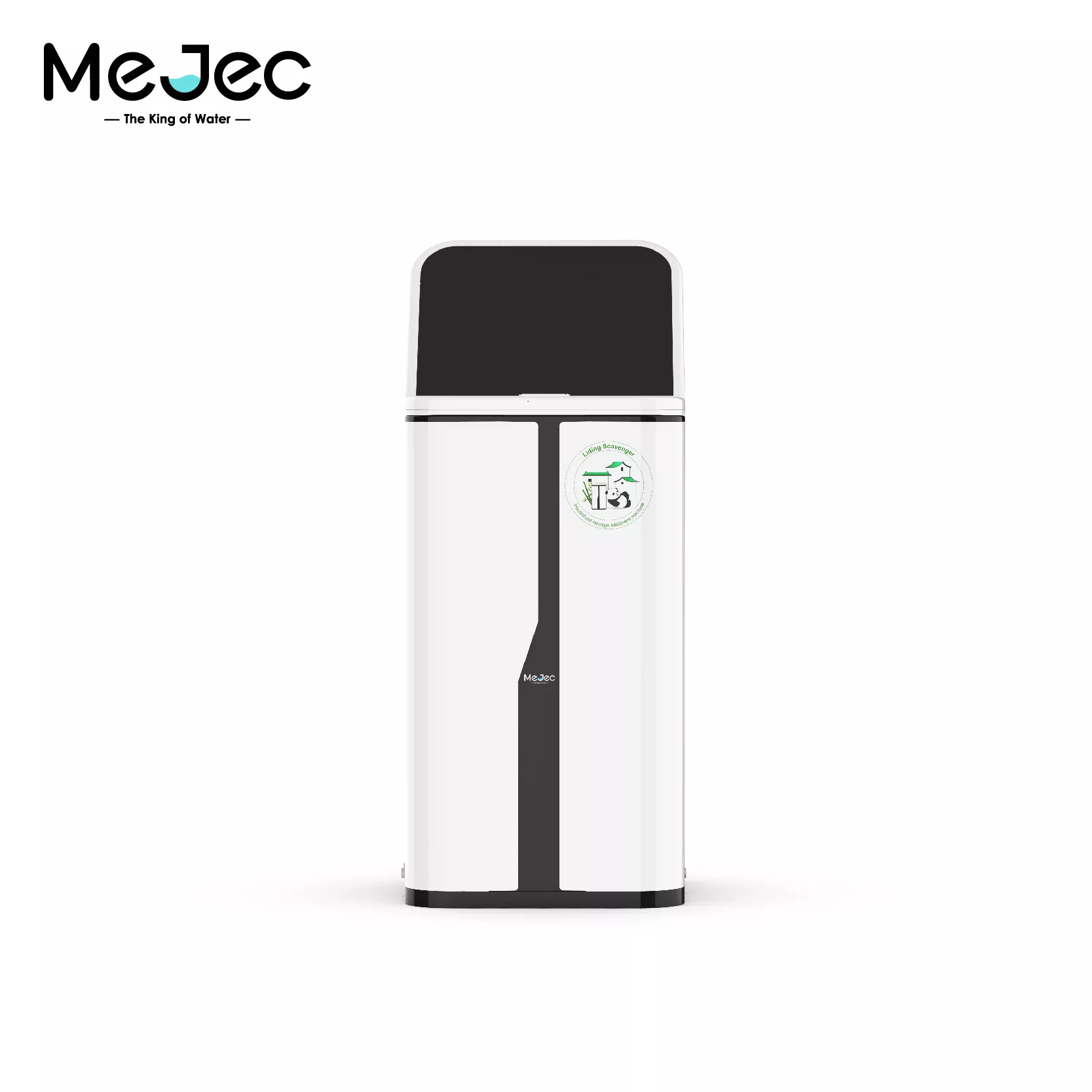
Aerobic Treatment Units (ATUs) are a more advanced type of wastewater system. You can think of them as a small-scale version of a municipal sewage plant. ATUs use a multi-chamber tank that pumps oxygen into the wastewater. This oxygen helps aerobic bacteria thrive, which break down waste much faster and more effectively than the bacteria in a conventional septic system. The result is a higher quality effluent.
Because they are more complex, ATUs require more maintenance and have ongoing operational costs. You should plan for:
Electricity costs for the aerator pump.
Annual professional inspections.
Regular replacement of supplies like filters.
These systems are an excellent solution for properties with poor soil, small lots, or those near sensitive water bodies.
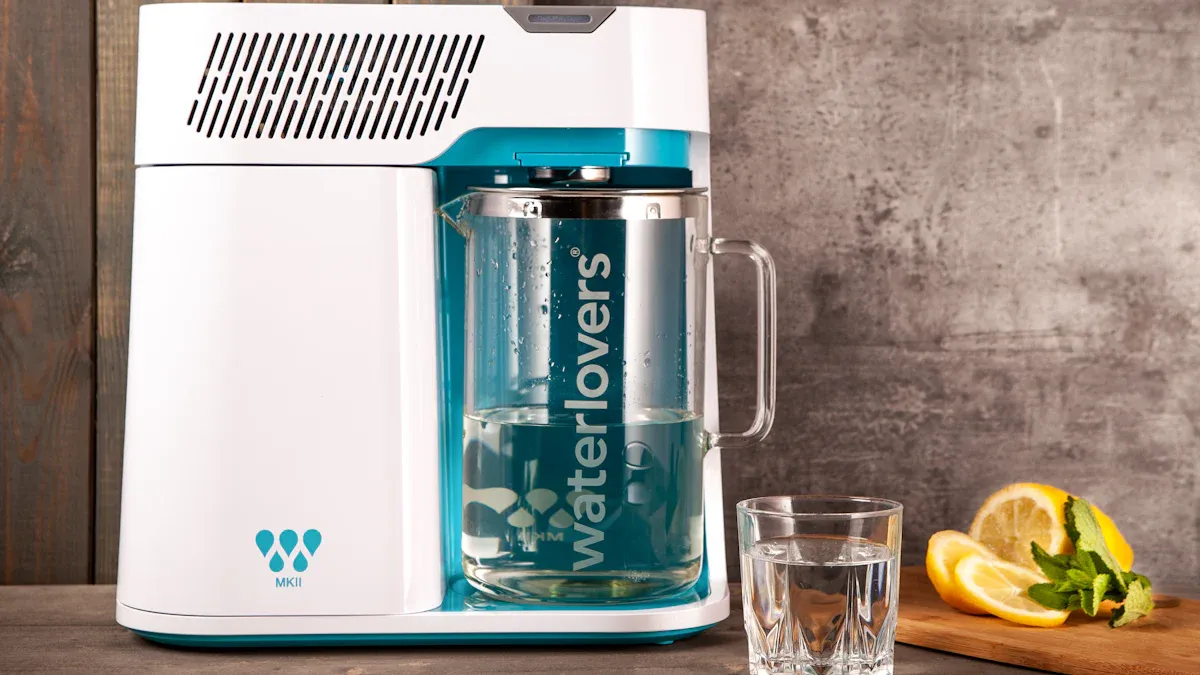
While wastewater systems handle water leaving your home, water filtration systems improve the water coming in. You might consider filtration for several reasons, from improving taste to protecting your health and home. A filtration system is an optional upgrade that gives you control over your water quality.
You notice an odd taste or smell from your tap. This is one of the most common reasons people look into water filtration. The water is likely safe, but it is not pleasant to drink. Different issues cause different sensory problems.
Common Causes of Bad Taste and Odor
Earthy or Musty: Algae and bacteria, especially in well water during warm months, can create this smell.
Chemical or Pool-like: Municipal water suppliers use chlorine to kill germs. This can leave a distinct chemical taste.
Metallic: Dissolved metals like iron, copper, or zinc often cause a metallic taste. This can signal that your pipes are corroding.
Salty: High levels of total dissolved solids (TDS) or sulfates can make your water taste salty.
Rotten Egg: Sulfur bacteria in groundwater can produce hydrogen sulfide gas, which has a strong rotten egg odor.
Thankfully, you can easily fix most of these issues. Simple and effective solutions like activated carbon filters are great at removing chlorine. These filters, found in pitchers, faucet attachments, and under-sink systems, trap the substances that cause bad tastes and smells, giving you clean, fresh water.
Some of the most dangerous water contaminants are ones you cannot see, taste, or smell. You may worry about invisible pollutants in your water supply. Long-term exposure to substances like lead, arsenic, and nitrates can lead to serious health problems.
Lead: Old plumbing and service lines can leach lead into your drinking water.
Arsenic: This toxic element can naturally occur in groundwater. Long-term exposure is linked to cancer and neurological damage.
Nitrates: Runoff from fertilizers can contaminate well water with nitrates, which are especially dangerous for infants.
The health risks associated with these contaminants are significant. Studies show long-term exposure can increase the risk of cancers, cardiovascular diseases, and developmental disorders. A targeted water filtration system gives you peace of mind. It acts as a final barrier, removing these harmful contaminants before they reach your glass.
You might have "hard water" if you see certain signs around your house. Hard water contains high levels of dissolved minerals, mainly calcium and magnesium. It is not a health risk, but it can be a major nuisance and expense.
You may have hard water if you notice:
White, Crusty Buildup: You see chalky deposits, called limescale, on your faucets, showerheads, and dishes.
Stubborn Soap Scum: A sticky film builds up on your shower walls and tubs that is hard to clean. Your soap does not lather well.
Appliance Problems: Your dishwasher, washing machine, and water heater wear out too quickly. Limescale buildup reduces their efficiency and shortens their lifespan.
Reduced Water Pressure: Minerals can build up inside your pipes over time, restricting water flow.
A water softener, a type of whole-house water treatment plant for home, is the most effective solution. It uses a process called ion exchange.
Hard water flows into a tank filled with resin beads coated in sodium.
The calcium and magnesium minerals stick to the beads.
The sodium is released into the water.
The "soft" water then flows into your home.
Installing a water softener can save you money in the long run. Your appliances will last longer and run more efficiently, you will use less soap and detergent, and your plumbing will be protected from damaging scale buildup.
The term "water treatment plant for home" can be confusing. It describes two different approaches to filtration. One treats all the water entering your house. The other treats water at a single faucet. Your choice depends on what you want to achieve.
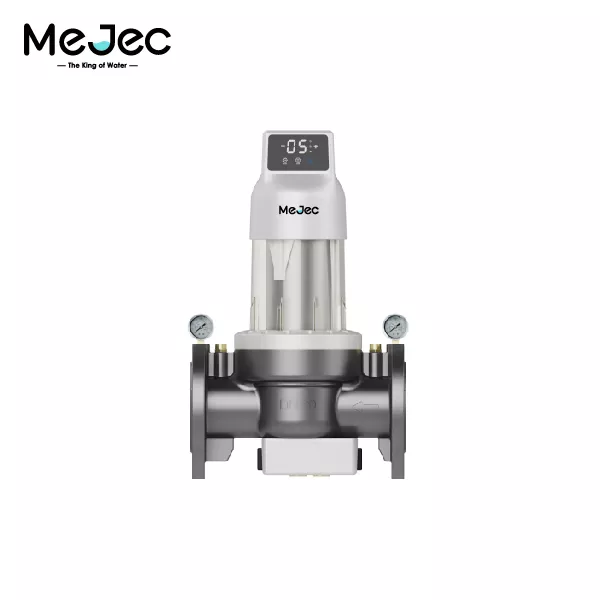
You can think of a Point-of-Entry (POE) system as a gatekeeper for your home's water. It connects to your main water line, usually in a garage or basement. This system filters every drop of water before it reaches your faucets, showers, and appliances. A whole-house water treatment plant for home is designed to remove widespread issues.
What POE Systems Target
Chemicals: Chlorine and other disinfectants used by city water suppliers.
Sediment: Rust, dirt, and sand that make water cloudy.
Aesthetic Issues: Things that cause bad odors or stain fixtures, like sulfur or iron.
Installation happens right after your main water shutoff valve and before your water heater. This ensures all the water you use is clean and protects your plumbing from damage.
Point-of-Use (POU) systems provide targeted filtration right where you need it. These devices attach to a single faucet or sit on your countertop. They are perfect when your main concern is the quality of your drinking and cooking water.
Common POU filters include activated carbon and reverse osmosis (RO) systems.
Activated Carbon Filters: These are often found in water pitchers and faucet attachments. They are great at removing chlorine to improve taste and smell.
Reverse Osmosis (RO) Systems: These under-sink units use a special membrane to remove a wide range of contaminants, including lead and arsenic.
A POU water treatment plant for home can be a very effective solution for specific health concerns. Studies show certified POU filters are excellent at removing lead from drinking water at the tap.
Choosing the right system requires you to look at your home's specific situation. You should consider your water source, your budget, and what you want to achieve. These factors will guide you to the best solution.
Your water source is a major factor in your decision. If you have a private well, you are responsible for your water's safety. City water suppliers must follow federal safety standards. You can see the key differences below.
| Feature | Private Well Water | Municipal Water Supplies |
|---|---|---|
| Testing Responsibility | Owner | Water Authorities |
| Frequency of Bacteria Testing | Annual | Regular |
| Comprehensive Analysis | Periodic | Regular |
| Standards Met | N/A | EPA Standards |
| Cost of Testing | $50-300 annually | Included in water bill |
Your budget plays a big role. Wastewater systems are a significant investment. A conventional septic system can cost between $3,000 and $8,000. An aerobic treatment unit is more expensive, often costing $10,000 to $20,000.
Water filtration costs also vary widely. A whole-house system installation might range from $1,500 to $5,000. Point-of-use systems, like under-sink filters, are much more affordable. They provide targeted filtration for a lower initial cost.
You need to define what you want to fix about your water. Your goals determine the type of system you need.
Do you want better-tasting water? A simple carbon filter can remove chlorine.
Are you worried about lead? A reverse osmosis system is a great choice.
Do you want to protect your pipes from hard water? A whole-house water treatment plant for home, like a water softener, is the best solution.
Clearly identifying your goals helps you select the most effective and economical system for your home.
Understanding the key differences helps you choose the right solution for your home. The two systems serve entirely separate functions. One manages your waste, while the other purifies your drinking water.
The most basic difference is the water each system handles.
Wastewater Treatment cleans the water leaving your home. This includes all the used water from your toilets, showers, and sinks.
Water Filtration cleans the water entering your home. It treats the water from your well or city supply before you use it.
Each system has a distinct purpose. Wastewater treatment protects the environment, while water filtration protects your health and home.
| Feature | Wastewater Treatment | Water Filtration |
|---|---|---|
| Primary Goal | Treat sewage to protect the environment and meet regulations. | Purify incoming water to make it safe and pleasant to use. |
| Key Impurities | Organic material, solids, bacteria, and nutrients. | Sediment, chlorine, lead, and minerals causing hard water. |
Your need for one system over the other is very different. Wastewater treatment is often a legal necessity. You must have a system if you are not connected to a public sewer. Regulations may also require you to upgrade or repair a system when you sell your property or if it fails.
In contrast, water filtration is almost always an optional upgrade. You choose to install a system to improve your water's taste, smell, or safety.
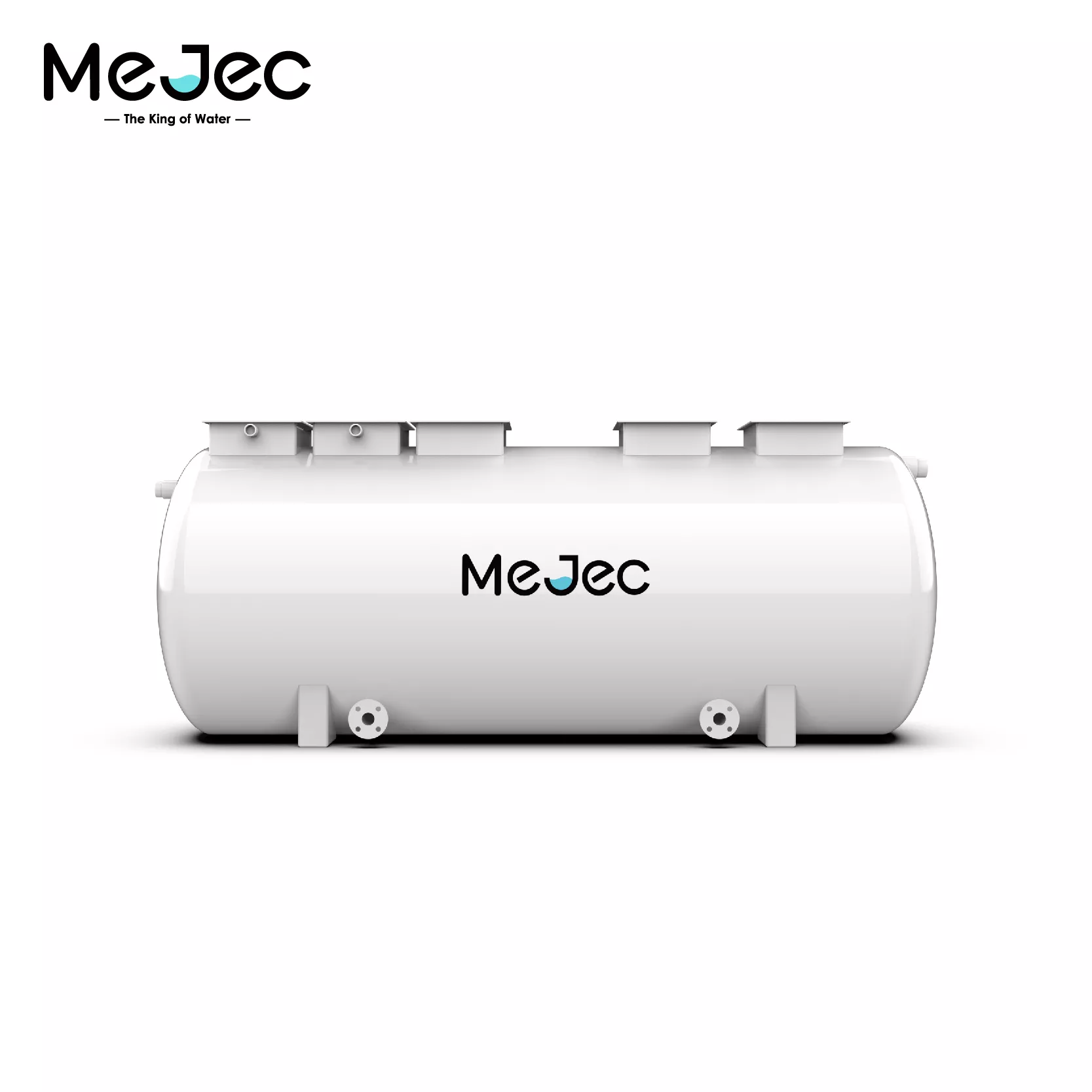
The systems are installed in different places. A wastewater system, like a septic tank, is a large component buried in your yard. It processes waste safely outside your home.
A filtration system is installed inside your home. A point-of-entry system connects to your main water line. A smaller point-of-use system attaches directly to a faucet or sits on your counter.
The choice between these systems is not "either/or." You must identify your specific needs. Wastewater treatment is a requirement for homes without sewer access to manage waste. Water filtration is an optional upgrade to improve your incoming water.
Remember: Your home might need one, the other, or both to ensure complete safety and comfort.
No, you cannot. Filtration purifies your incoming drinking water. A wastewater system cleans used water leaving your home. The two systems have completely different and non-interchangeable functions.
You might need both. A wastewater system is a must for homes without a public sewer. Water filtration is an optional upgrade to improve your incoming water quality.
You should test your well water for bacteria every year. You can perform a more complete test for other contaminants like nitrates and arsenic every three to five years.
Optimizing Your Water System: The Benefits of Self-Priming Pumps
Leading Precoating Solutions for Advanced Filtration Systems in 2025
Demystifying Sterile Filter Devices: How They Function Effectively
Essential Industrial Vacuum Cleaners for Every Modern Business

We provide you with comprehensive foreign trade solutions to help enterprises achieve global development
The Mejec industrial water purifier and dedicated ...

Choose Mejec, Say Goodbye to Manual Maintenance! T...
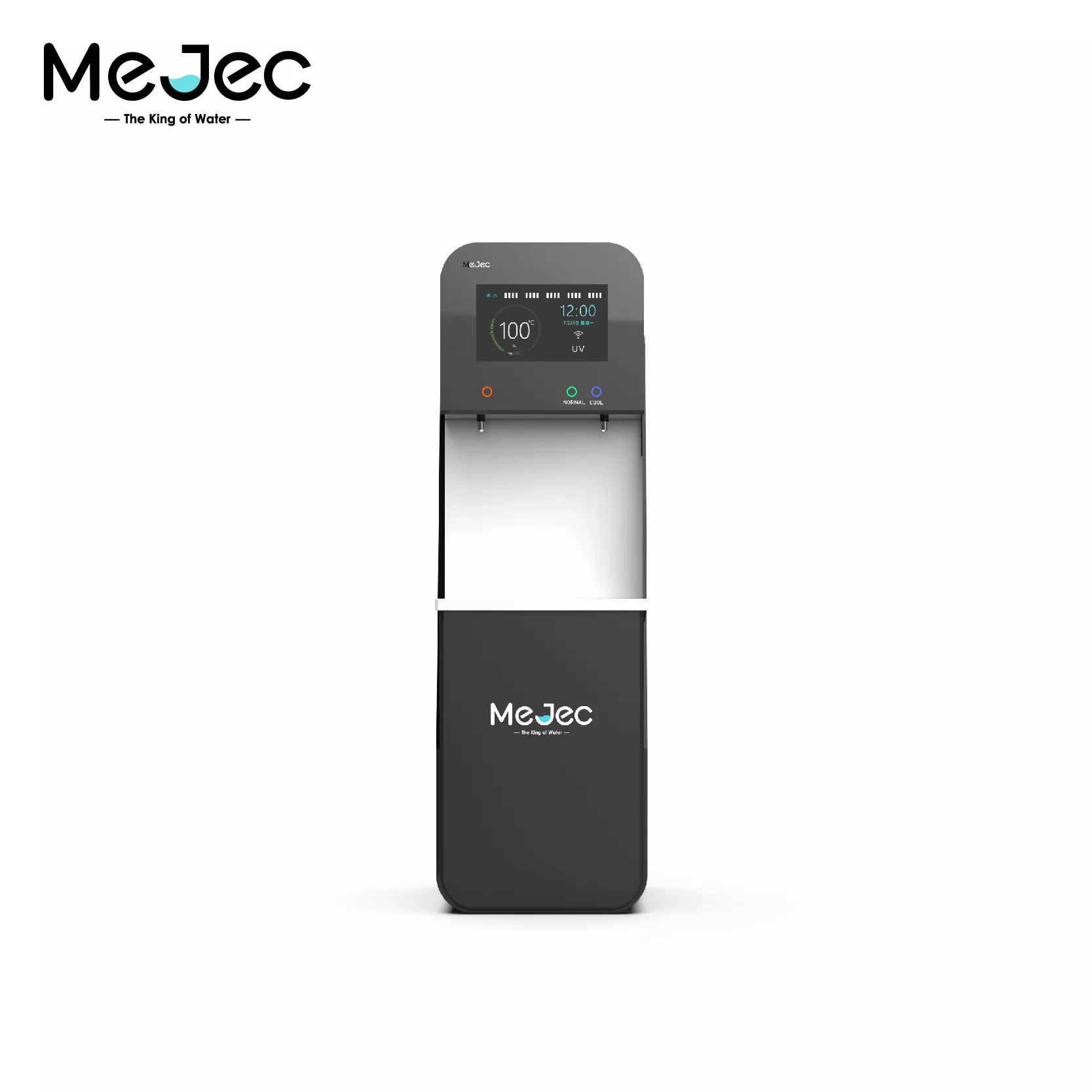
The Mejec High-End Commercial Direct-Drinking Mach...
.webp)
Mejec containerized seawater desalination system i...
Select the most popular foreign trade service products to meet your diverse needs
Select the most popular foreign trade service products to meet your diverse needs





User Comments
Service Experience Sharing from Real Customers
James Wilson
Environmental EngineerThis home water treatment plant is exceptional. As someone in the industry, I'm impressed by its multi-stage filtration and mineralization. It's transformed our tap water into crisp, clean drinking water. A must-have for health-conscious families.
Sarah Chen
Family PhysicianInstalled this system last month. The water quality is noticeably better—no chlorine taste or odor. My patients often ask about home water safety, and I now confidently recommend this plant. The installation was straightforward, and it runs quietly.
Michael Rodriguez
Plumbing ContractorI've installed many home water systems, and this one stands out for its build quality and efficiency. The smart monitoring feature that alerts for filter changes is a game-changer for maintenance. My clients are consistently satisfied with its performance.
Lisa Thompson
Stay-at-Home ParentOur family's health is my top priority. This water treatment plant gives me peace of mind. The kids love the taste, and we've completely stopped buying bottled water, saving money and reducing plastic waste. It's been flawless for over six months.