




.webp)
What Does a Water Softener Do?
A water softener removes minerals like calcium and magnesium from water, preventing scale buildup and improving water quality.
Nearly 90 percent of American households face hard water issues.
Hard water can clog pipes and shorten appliance lifespan.
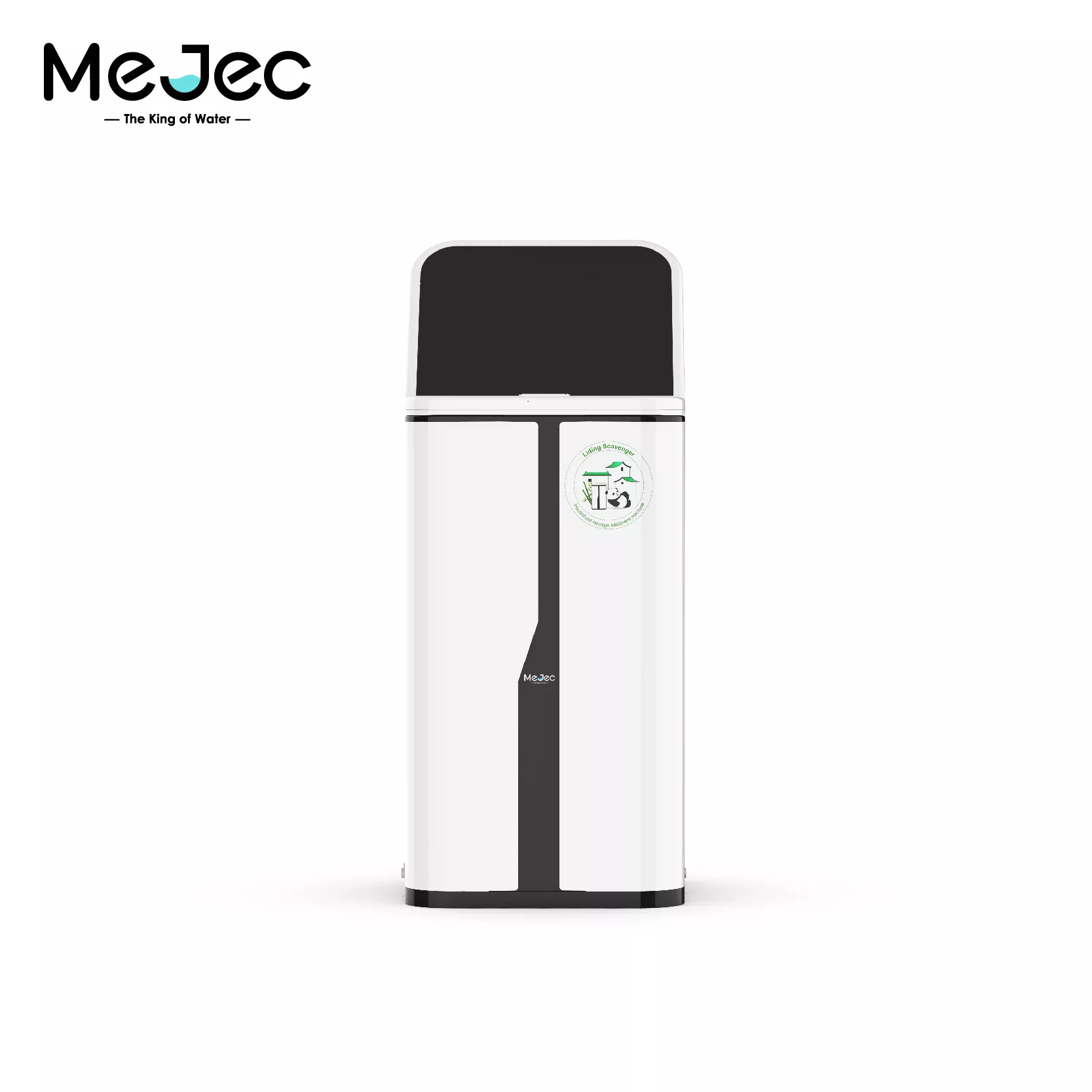
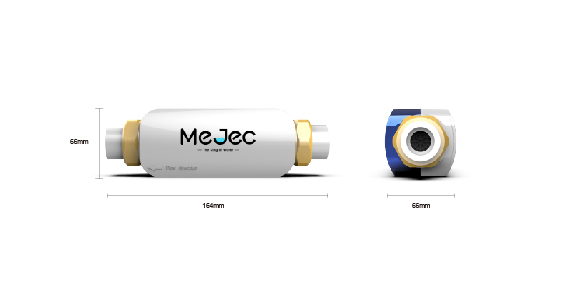
Feature | Mejec Whole-House Water Softener (Mejec-PS-H1) |
|---|---|
Body Material | Stainless Steel |
Head Technology | Lead-isolated Brass, Non-electric, Chemical-free Copper |
Operation | Eco-friendly, Maintenance-free |
Protection | Source-scale control for all appliances |
Homeowners benefit from clear, safe water and long-lasting appliances.
Key Takeaways
A water softener removes hard minerals like calcium and magnesium, improving water quality and protecting appliances.
Installing a water softener can extend the lifespan of appliances, reduce energy costs, and lower repair expenses.
The Mejec-PS-H1 water softener is eco-friendly, maintenance-free, and designed to provide long-lasting protection against scale and corrosion.
Water softener process
Ion exchange method
A water softener uses a scientific process called ion exchange to remove hardness minerals from water. This process relies on a special resin that attracts and holds onto calcium and magnesium ions, which are the main causes of hard water. As water flows through the resin, these hardness ions are replaced with sodium ions. The result is water that feels softer and is less likely to cause scale buildup.
Water softeners utilize ion exchange to replace hardness ions (calcium and magnesium) with sodium ions.
Cation exchange resin is used, which contains fixed sulfonate anions and sodium cations.
As hard water passes through the resin, hardness ions attach to the resin, displacing sodium ions into the water.
There are different types of resins used in the ion exchange method:
Strongly acidic cation (SAC): features sulfonic acid groups, used for water softening.
Strongly basic anion (SBA): features quaternary amino groups, effective for removing silica and nitrates.
Weakly acidic cation (WAC): features carboxylic acid groups, ideal for dealkalization and high salinity softening.
Weakly basic anion (WBA): features amino groups, effective for demineralization without SiO2 and CO2 removal.
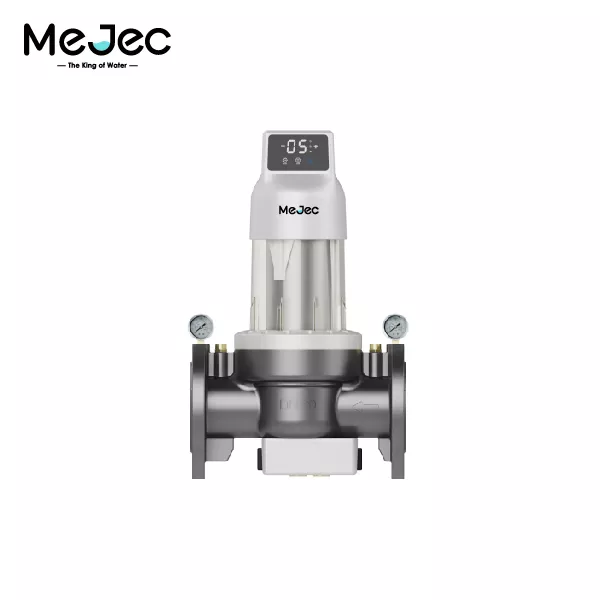
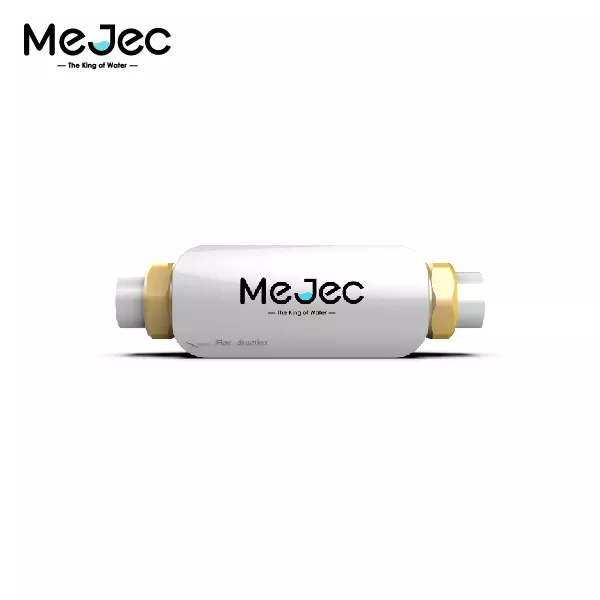
The Mejec-PS-H1 Whole-House Water Softener uses advanced technology to filter out impurities and soften water at the source, protecting every tap and appliance in your home.
Hardness removal
Hard water contains high levels of calcium and magnesium. These minerals can cause scale buildup in pipes, water heaters, and appliances. A water softener targets these minerals and removes them efficiently. This process is different from filtration systems, which focus on removing contaminants but do not address hardness.
Hardness Classification | GPG (Grains Per Gallon) | PPM (Parts Per Million) |
|---|---|---|
Soft | 0–3 | 0–60 |
Moderately Hard | 3.5–7.0 | 61–120 |
Hard | 7.0–10.5 | 121–180 |
Very Hard | 10.5+ | 180+ |
Note: The ideal hardness level after softening is 0–3 gpg (or up to 50 ppm).
Water softeners are highly effective at reducing calcium and magnesium concentrations. This effectiveness is important for both homes and industries, as it prevents scale buildup that can lead to higher maintenance costs and lower efficiency. The Mejec-PS-H1 system not only softens water but also prevents heavy metal leaching, thanks to its stainless steel body and lead-isolated brass head.
Home benefits
Installing a water softener brings many advantages to homeowners:
Extended Appliance Lifespan: Soft water helps plumbing and appliances last longer by preventing scale buildup.
Energy Efficiency: Soft water allows water heaters and other appliances to run more efficiently, reducing energy costs.
Lower Repair Costs: Appliances need fewer repairs because there is less clogging and corrosion.
Stronger Water Flow: Homeowners often notice stronger, more consistent water pressure after installation.
Reduced Cleaning Effort: Softened water allows for the use of less detergent while achieving better cleaning results. Dishes and laundry come out cleaner, with fewer spots and less residue.
Real Savings: Households can save up to 70% on detergent use in dishwashing. Soft water is up to 12 times more effective at removing soil than simply increasing detergent.
The Energy Savings study reveals that removing water hardness enhances appliance longevity and reduces energy consumption, making water softening a cost-effective and eco-friendly choice for homeowners.
The Mejec-PS-H1 offers eco-friendly, maintenance-free operation with a non-electric, chemical-free copper head. It provides long-lasting protection against scale, rust, and corrosion while retaining beneficial minerals. This means less time spent on maintenance and more savings for your household.
Water softener specs
Main components
A typical water softener system contains several essential parts that work together to remove hardness minerals from water. These components include:
Brine tank
Resin tank (also called mineral tank)
Control valve and head valve
Brine injector and float assembly
Bypass valve
Drain line and distribution tube (riser tube)
Each part has a specific role. The brine tank stores salt, which is used during regeneration. The resin tank holds the resin beads that capture hardness minerals. The control valve manages the flow of water and the timing of regeneration cycles. The bypass valve allows water to skip the system during maintenance. The drain line removes waste water after regeneration.
The Mejec-PS-H1 Whole-House Water Softener stands out with its stainless steel body and lead-isolated brass head. These materials prevent corrosion and heavy metal leaching, which helps maintain water purity. Unlike many standard systems, Mejec uses a non-electric, chemical-free copper head. This design reduces the risk of electrical failure and eliminates the need for harsh chemicals, making it safer for homes and the environment.
Capacity and flow rate
Capacity and flow rate are important specifications for any water softener. Capacity is measured in grains, which shows how much hardness the system can remove before regeneration is needed. Flow rate measures how much water the system can treat at one time, usually in gallons per minute (GPM).
Capacity (grains) | Water Usage (gallons/day) | Regeneration Frequency (days) |
|---|---|---|
36,000 | 300 | 12 |
A higher capacity means the system can handle more water before needing to regenerate. This is important for larger households or homes with high water usage. Flow rate affects how many faucets or appliances can run at the same time without losing water pressure. Homes with multiple bathrooms need a higher flow rate to avoid drops in pressure during peak times.
A higher flow rate allows several appliances to run at once without a drop in pressure.
Insufficient flow rate can cause frustration, especially in larger homes.
Mejec-PS-H1 is designed to maintain strong water pressure, even during heavy use.
Regeneration and salt usage
Regeneration is the process that cleans the resin beads so they can continue to soften water. There are several steps in a typical regeneration cycle:
Fill: Water enters the salt tank to create a brine solution.
Brining: The brine solution flows into the resin tank, removing hardness minerals.
Brine rinse: Water flushes out the brine and minerals.
Backwash: Water flows upward to clean out sediments.
Fast rinse: A final rinse removes any remaining brine.
There are two main types of regeneration: demand regeneration and time-initiated regeneration. Demand regeneration starts only when needed, based on water usage. This method saves water and salt. Time-initiated regeneration happens at set intervals, which can waste resources if not needed.
Traditional water softeners use salt to remove hardness minerals. This can lead to environmental concerns, such as chloride pollution. Salt-free systems, like those using Template Assisted Crystallization (TAC), do not remove minerals but change their form so they do not cause scale. These systems require less maintenance and do not waste water.
The Mejec-PS-H1 Whole-House Water Softener operates without electricity or harsh chemicals. Its eco-friendly design reduces maintenance and helps conserve water. This makes it a smart choice for families who want to protect the environment and save money.
Performance impact
The performance of a water softener affects water quality, appliance protection, and maintenance needs. By removing hardness minerals, these systems reduce scale buildup in pipes and water heaters. This leads to less frequent repairs and longer appliance life.
Evidence | Description |
|---|---|
Ion Exchange Process | Replaces calcium and magnesium with sodium, reducing hardness and scale. |
Impact on Anode | May increase anode consumption in water heaters, requiring more maintenance. |
Scale Formation Benefit | Light scale can protect steel surfaces, reducing corrosion. |
Water softeners lower mineral content, which means less scale in plumbing.
Less scale means fewer repairs and longer-lasting water heaters.
Eco-friendly models, like Mejec-PS-H1, help reduce chemical use and promote water conservation.
These systems also improve energy efficiency by keeping appliances free of scale.
Advanced models, such as Mejec, offer smart features for easier maintenance. Some provide Wi-Fi connectivity for remote monitoring and alerts for salt addition or maintenance. This reduces the time and effort needed to keep the system running smoothly.
Tip: Always review warranty details before purchasing a water softener. Some brands offer longer coverage on tanks, while others focus on electronic parts. Understanding what is covered can help you make a better decision.
The right water softener can improve water quality, protect appliances, and reduce maintenance costs. Choosing an eco-friendly, maintenance-free system like Mejec-PS-H1 offers long-term benefits for both your home and the environment.
A water softener removes hardness minerals, improves water quality, and protects appliances. Understanding technical specs helps homeowners choose the right system. Innovative solutions like Mejec-PS-H1 offer long-term savings, lower energy bills, and less maintenance. Consider household size, water usage, and advanced features for the best results.
FAQ
How does the Mejec-PS-H1 protect appliances?
Feature | Benefit |
|---|---|
Source-scale control | Prevents scale in appliances |
Stainless steel body | Guards against corrosion |
Lead-isolated brass | Stops heavy metal leaching |
Is the Mejec-PS-H1 eco-friendly?
Yes. The system uses a non-electric, chemical-free copper head. It operates maintenance-free and helps conserve water while protecting your home.
Does the Mejec-PS-H1 require frequent maintenance?
No. The Mejec-PS-H1 offers long-lasting protection and maintenance-free operation. It keeps water soft and appliances safe for years.